

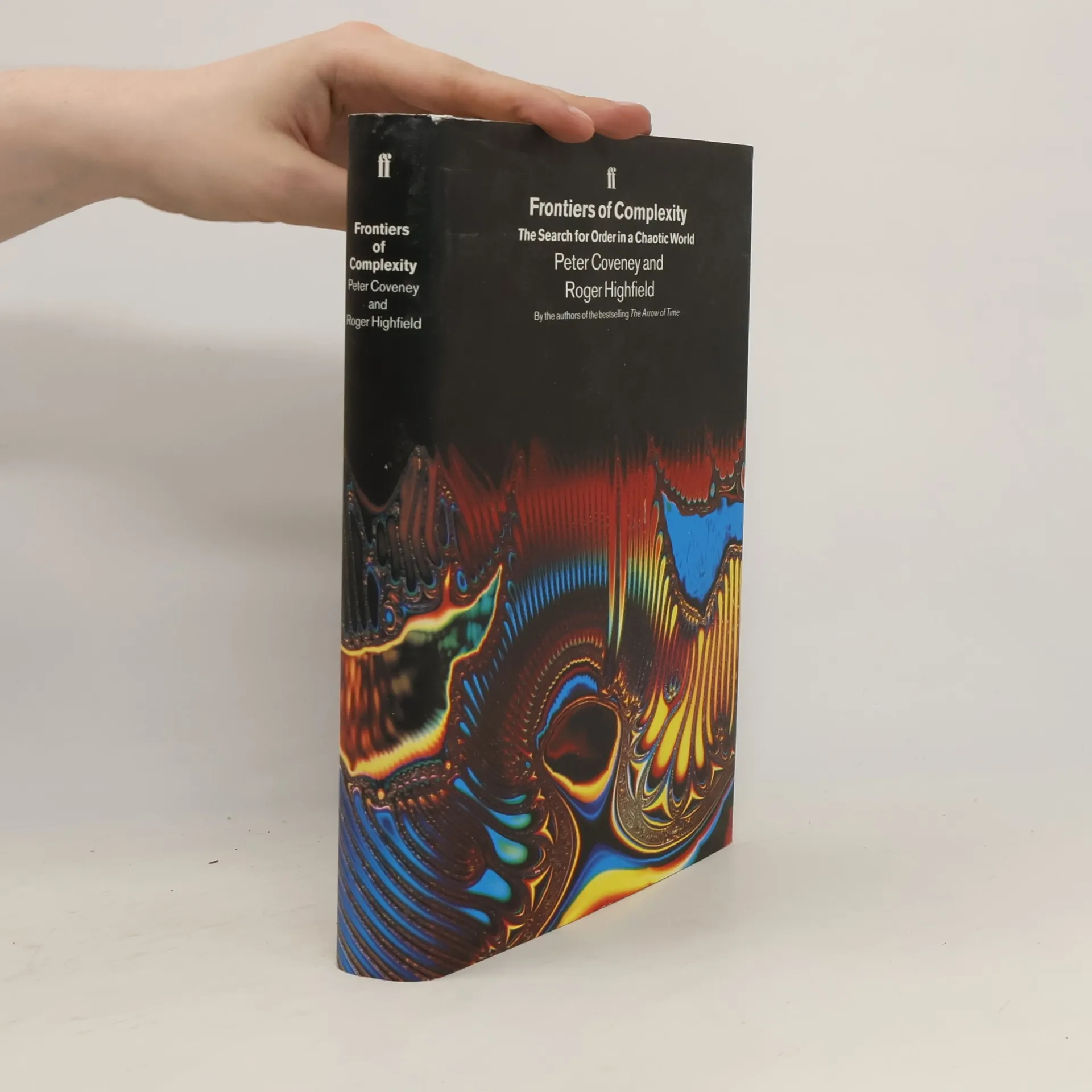
Explores how complexity, a new way of thinking about the behaviour of interacting units, is transforming the way we think, and the assumptions that underlie conventional science. Examines the rise of the electronic computer as key and catalyst to the study of complexity; explores current innovations such as fuzzy logic, and computers which exploit quantum mechanics and run on light; and reveals cyberspace universes where organisms compete for resources as they reproduce, mutate and evolve
Peter V. Coveney Libri

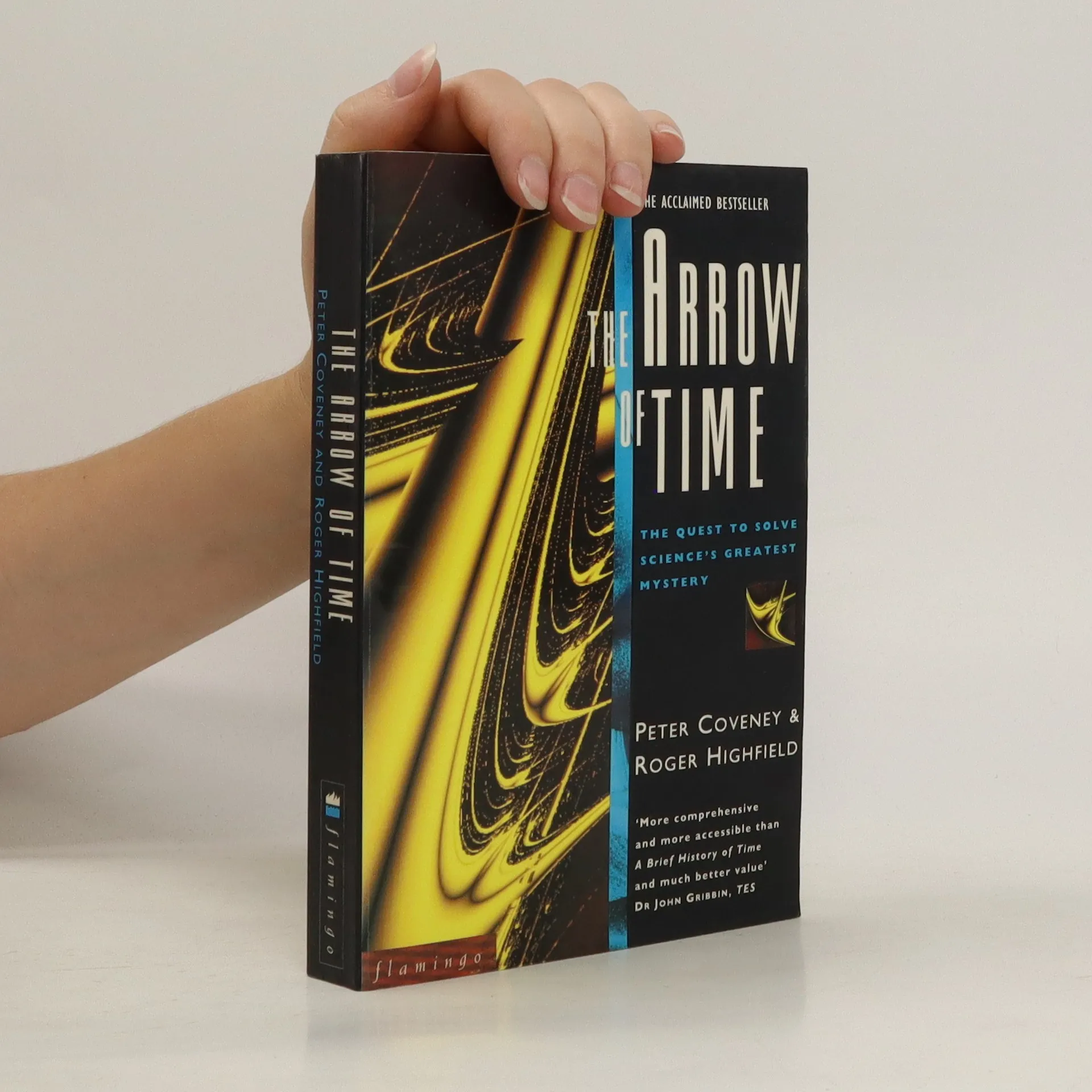
The arrow of time : the quest to solve science's greatest mystery
- 384pagine
- 14 ore di lettura
In this book physical chemist Dr Peter Coveney and award-winning science journalist Dr Roger Highfield have questioned our understanding of science with their humorous reinterpretation of the most profound aspect of time - why it points from the past to the future. The author's challenge to scientific preconceptions about the irreversibility of time is designed to link apparently irreconcilable features of science, from Einstein's obsession with causality to chaos theory, from the cause of jet lag to the Monday morning feeling.
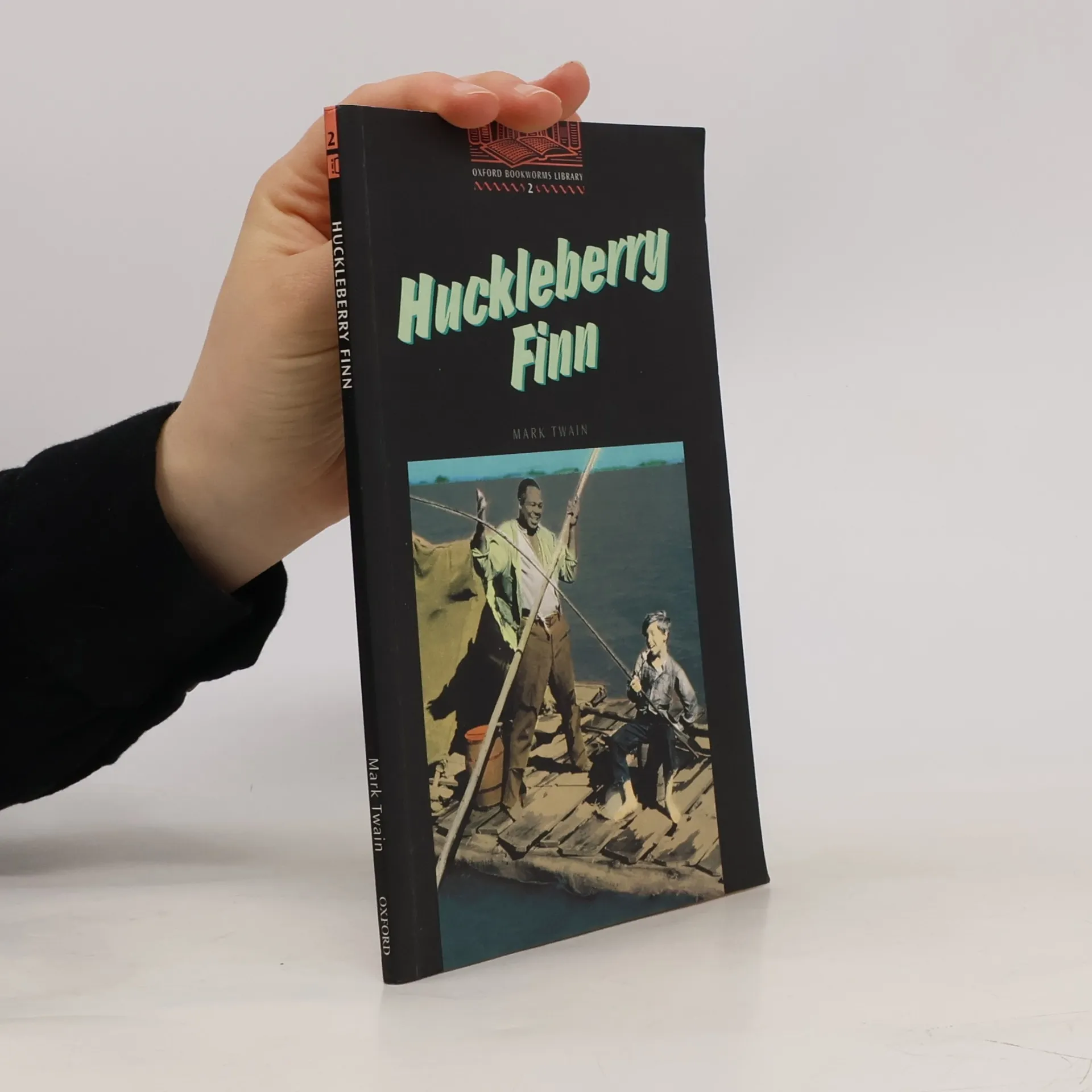
Who wants to live in a house, wear clean clothes, be good, and go to school every day ? Not young Huckleberry Finn, that's for sure. So Huck runs away, and is soon floating down the great Mississippi River on a raft. With him is Jim, a black slave who is also running away. But life is not always easy for the two friends. And there is 300 dollars waiting for anyone who catches poor Jim.
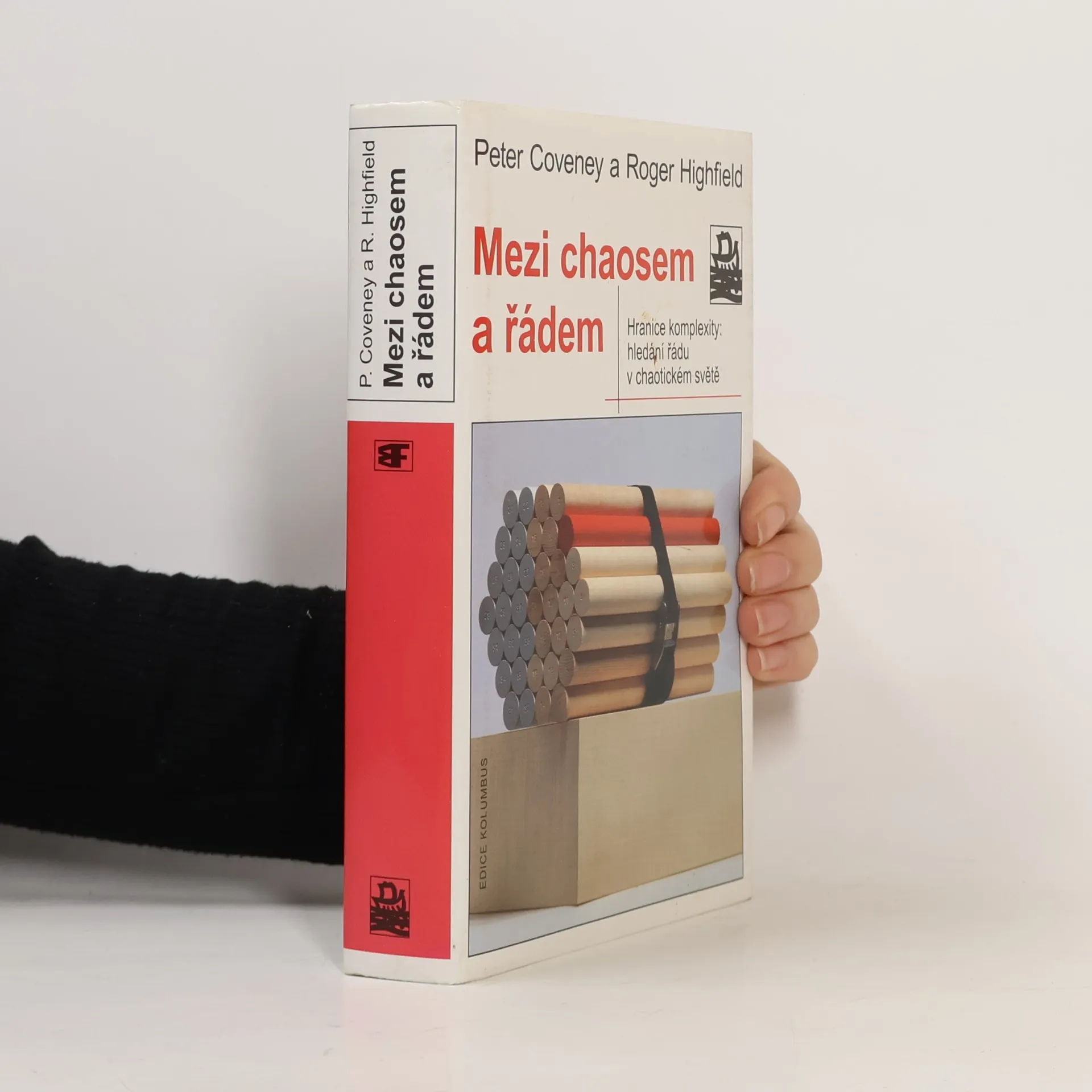
Mezi chaosem a řádem : hranice komplexity: hledání řádu v chaotickém světě
- 428pagine
- 15 ore di lettura
Podtitul: Hranice komplexity - Hledání řádu v chaotickém světě Průkopnická práce ukazující nové obzory vědy. Komplexita, hlavní téma knihy, je moderní interdisciplinární záležitostí, zabývající se souborem témat z takových vědních oborů, jako je umělá inteligence, statistická fyzika, neurobiologie, či dokonce sociologie. Komplexita je všude tam, kde hraničí chaos s řádem. Z vědeckého hlediska je složitější a zajímavější než chaos, jemuž bylo věnováno mnoho vědeckého úsilí a o němž už byla napsána řada knih. Právě tam, kde se chaos setkává s řádem, se totiž odehrávají tak úžasné věci, jako je život či myšlení. Autoři navazují na práce takových velikánů vědy, jako byl Richard Feynman, Kurt Gödel, John von Neumann, Ilya Prigogine a Alan Turing, kteří otevřeli cestu od redukcionismu ke komplexitě. S předmluvou Barucha Blumberga.
Co je to čas, jak jej chápeme a jak je důležitý pro náš život