
Bookbot

Ralph Waldo Emerson

    25 maggio 1803 – 27 aprile 1882

    Ralph Waldo Emerson fu un saggista, poeta e figura di spicco del trascendentalismo americano. I suoi scritti esplorano la credenza nell''Anima Suprema', sfidando i dogmi religiosi tradizionali a favore di uno spirito interiore. Lo stile di Emerson è caratterizzato da aforismi penetranti che smascherano l'ipocrisia e promuovono il pensiero indipendente. La sua filosofia radicale ha ispirato generazioni di pensatori e scrittori, tra cui Henry David Thoreau e Friedrich Nietzsche, e il suo lavoro rimane influente ancora oggi.

    Ralph Waldo Emerson
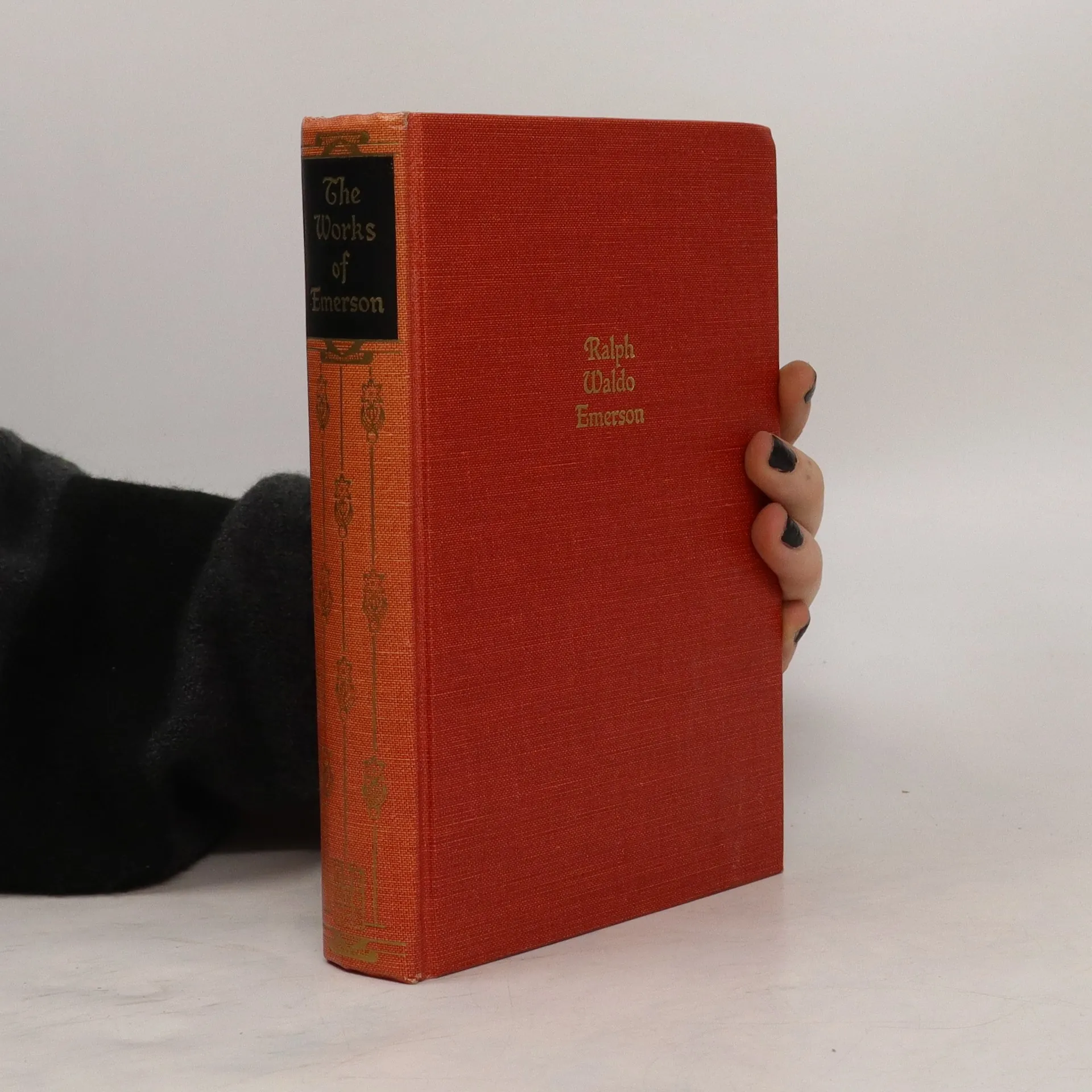
    Self-Reliance, Nature, and Other Essays (Royal Collector's Edition) (Case Laminate Hardcover with Jacket)
    English Traits
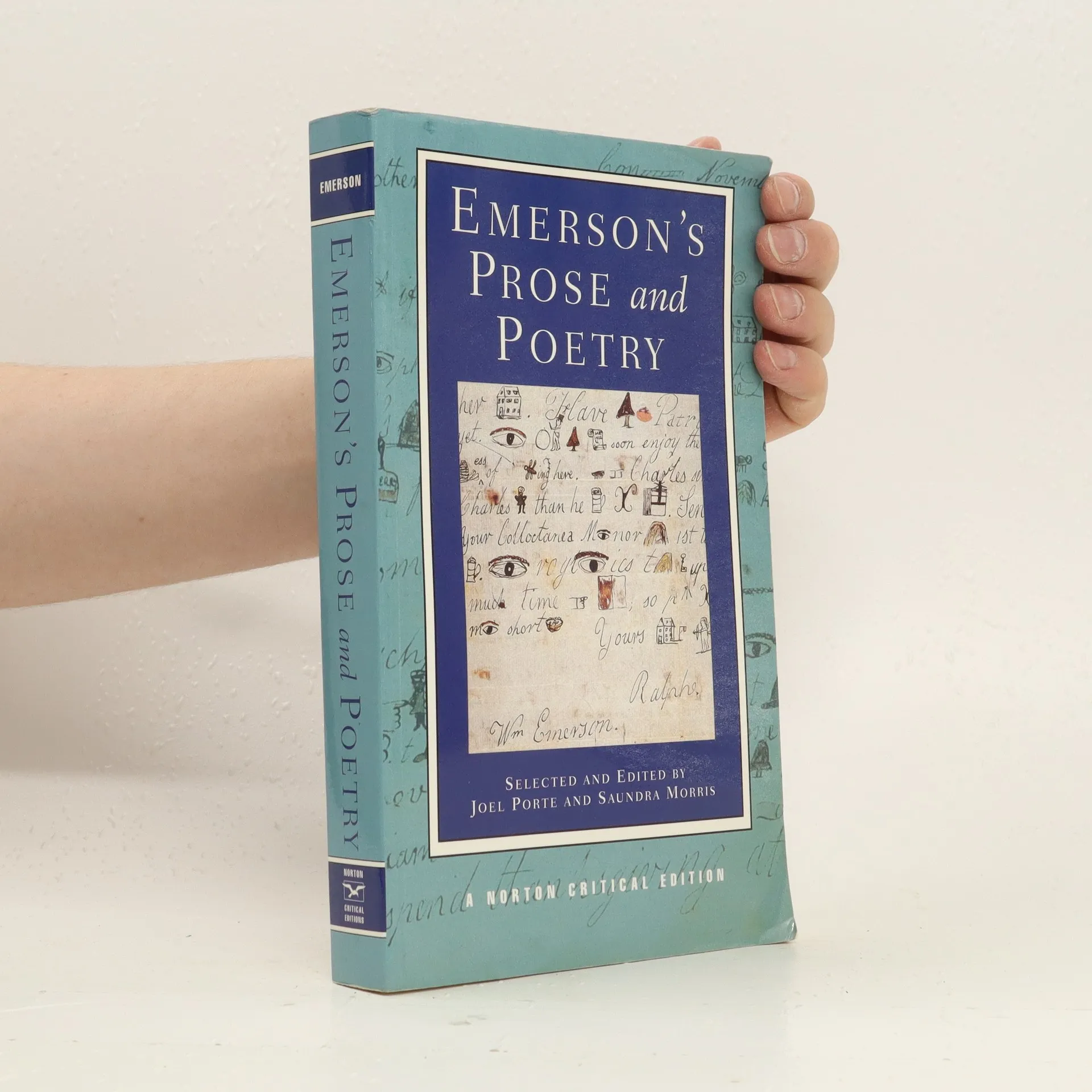
    Emerson´s Essays - First and Second Series
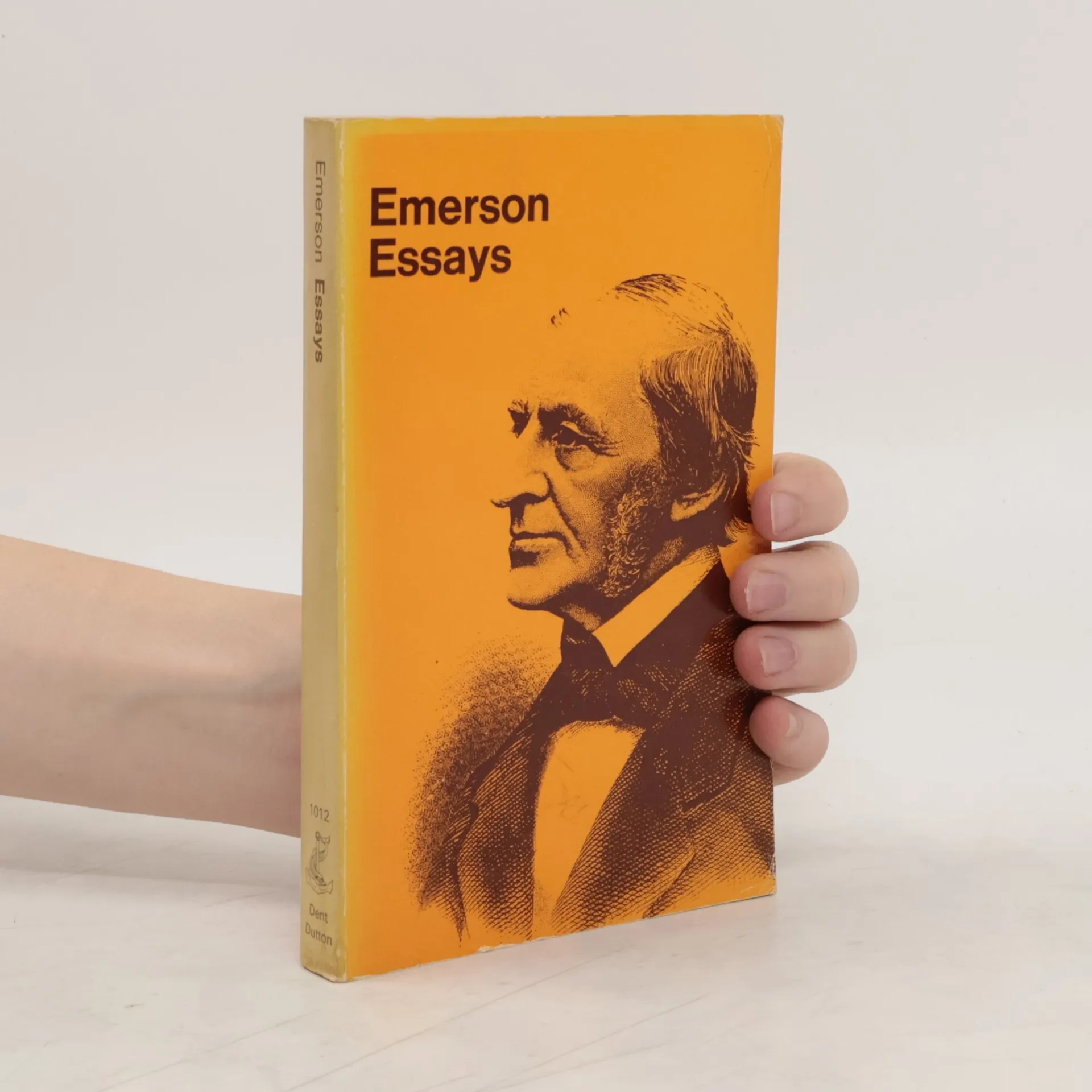
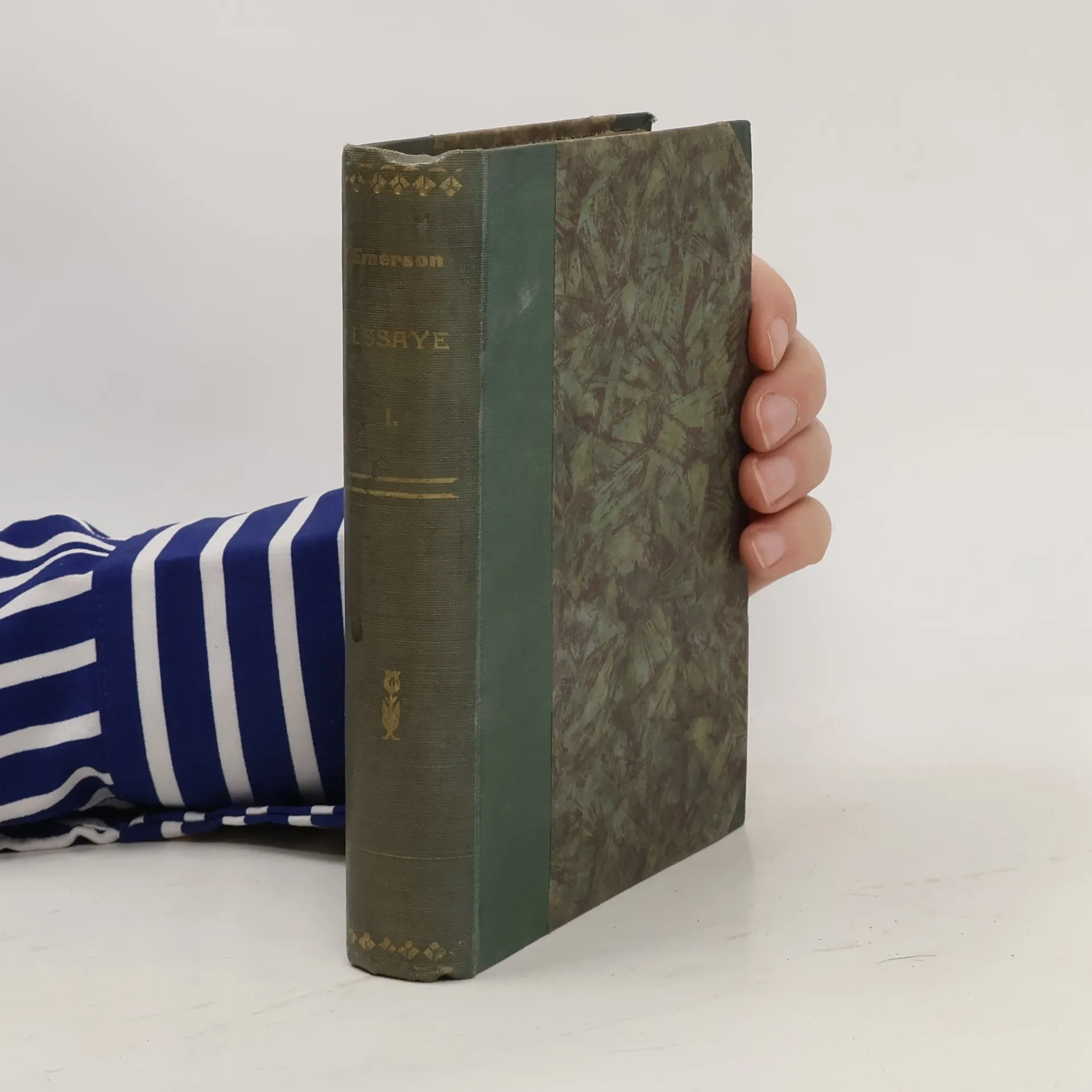
    Essays
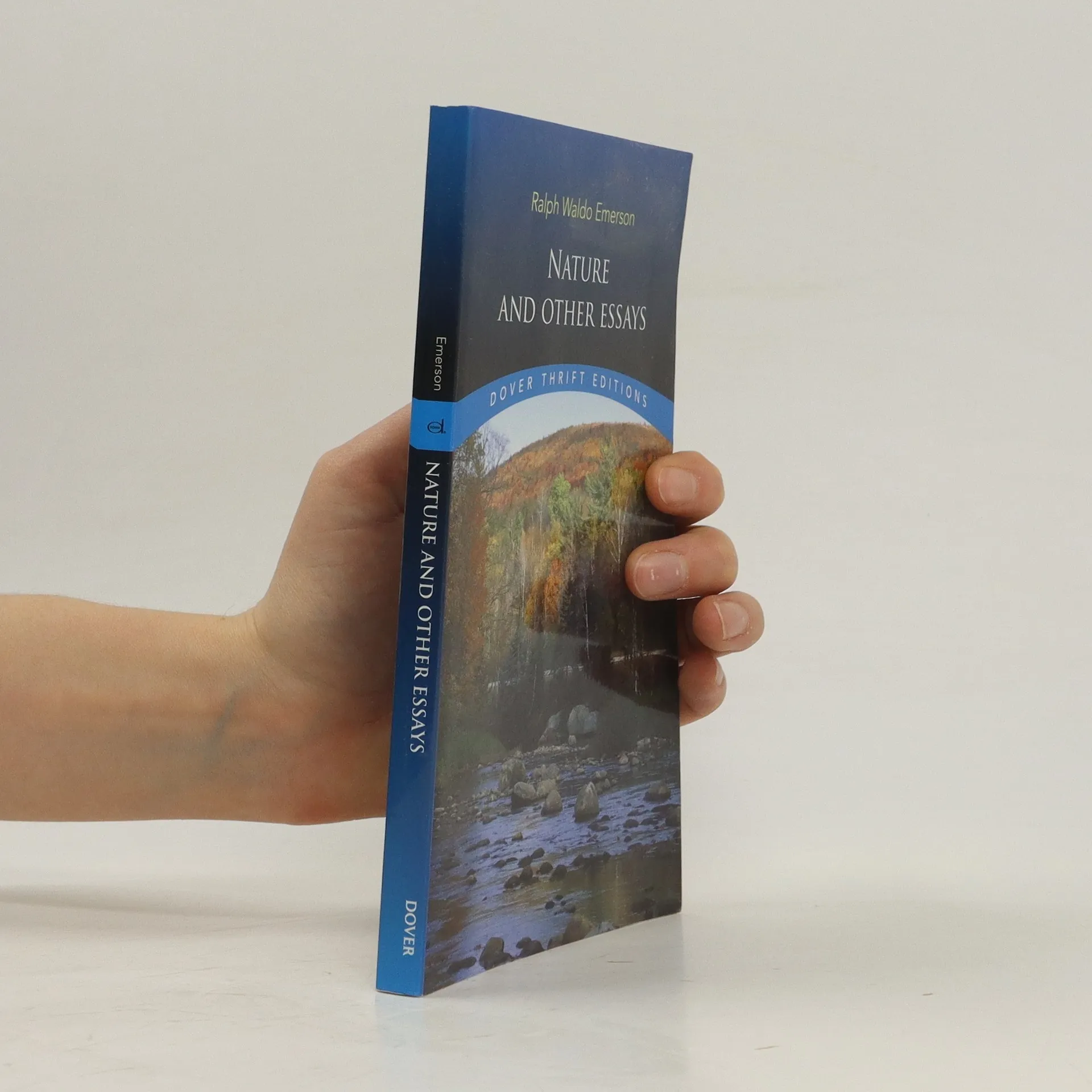
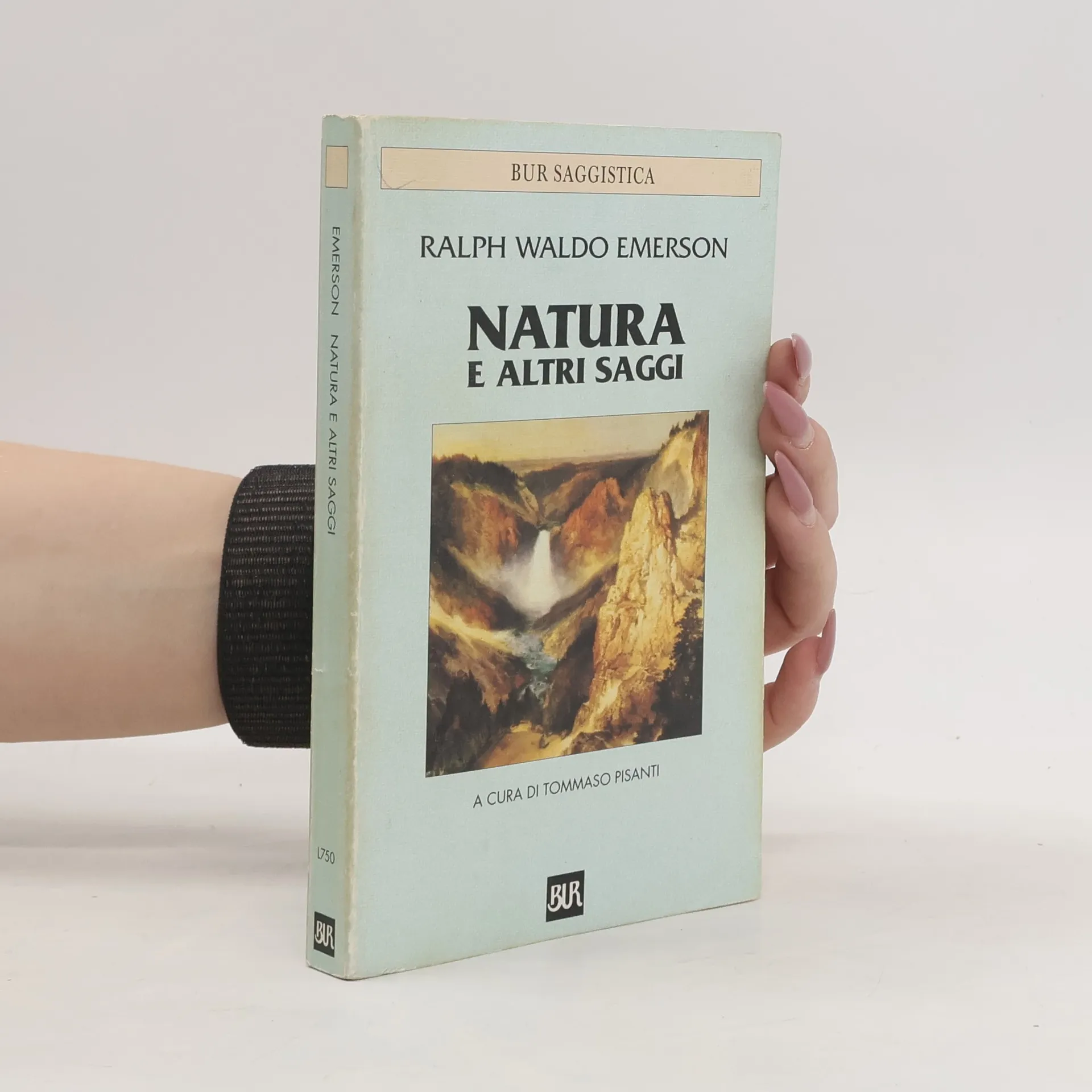
    Natura e altri saggi
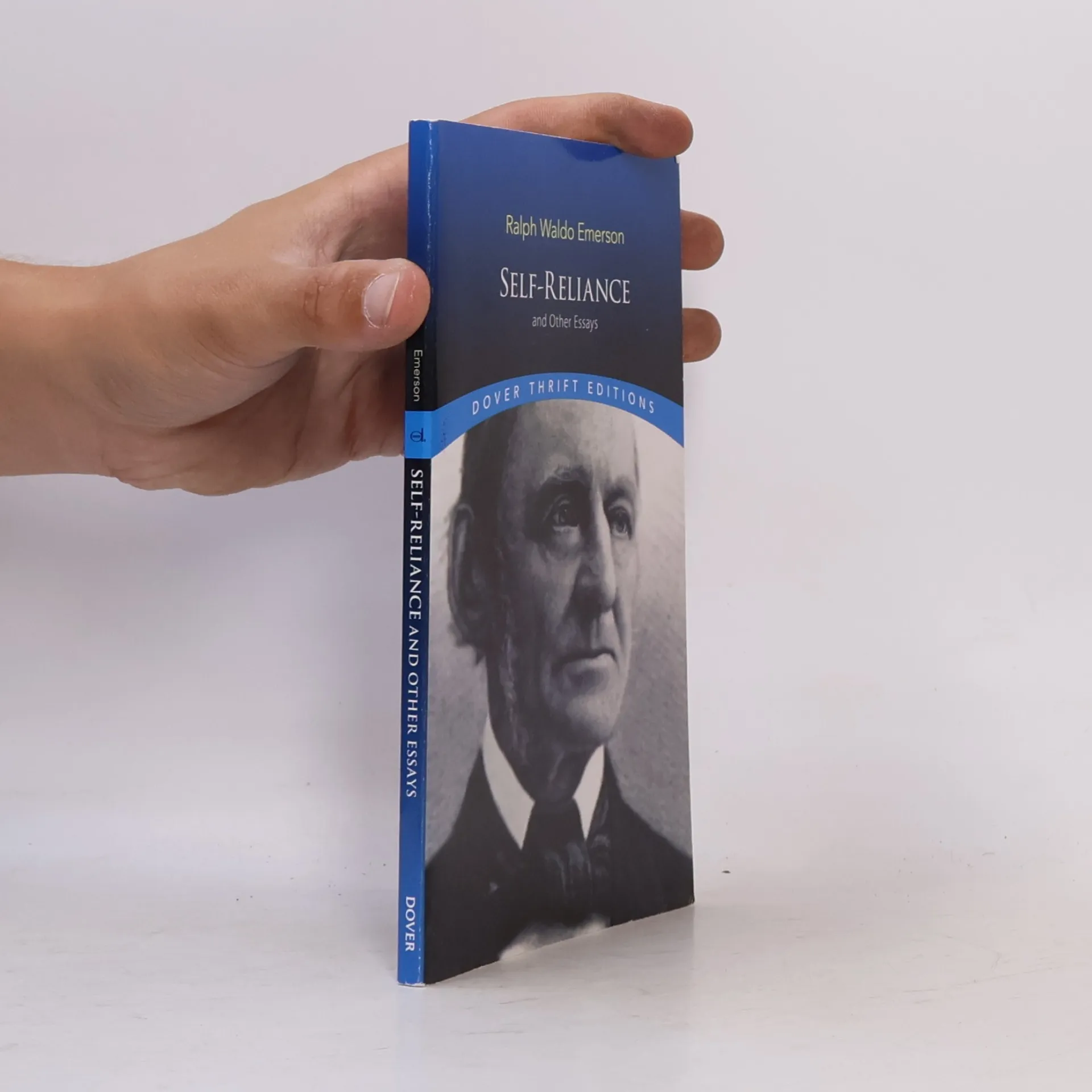
    Self Reliance. La fiducia in se stessi
    • La fiducia in se stessi rappresenta il manifesto dell’individualismo democratico che ha segnato la storia della crescita economica degli Stati Uniti. In questo saggio si trovano sintetizzati gli elementi teorici che costituiscono il bagaglio filosofico dei trascendentalisti americani: una visione idealistica e romantica della natura, unita alla religiosità puritana. I temi favoriti di Emerson sono dunque ripresi e sviluppati qui con chiarezza e coerenza. Come scrive il curatore, Piero Pignata, ritroviamo: “la fiducia nelle incommensurabili risorse dell’individuo, che solo abbandonandosi alla propria ispirazione, senza altri condizionamenti esteriori che non siano la contemplazione della natura, potrà raggiungere la sua piena realizzazione e avvicinarsi alla divinità, di cui la natura, come il profondo del suo animo, non sono che lo specchio.”

      Self Reliance. La fiducia in se stessi
      4,1
    • Natura e altri saggi

      • 256pagine
      • 9 ore di lettura

      Natura, storia, fiducia in se stessi, amore, cerchi, il poeta, esperienza, doni, politica.

      Natura e altri saggi
    • An amalgamation of two books published in 1841 and 1844, the 21 pieces known as "Essays: First and Second Series" describe Emerson's concepts of self-reliance, the law of compensation (a sort of yin-yang polarity in morality), and the transcendental Over-Soul, an ideal Emerson first enunciated (without naming it as such) in his infamous Divinity School Address, for which he was accused of atheism. "The world is not the product of manifold power, but of one will, of one mind; and that one mind is everywhere active," he said to Harvard's startled divinity students and teachers. "All things proceed out of the same spirit." In these essays, he expands upon this notion of the individual Self as part of a universal All, of the human soul bound by a physical body yet tethered to an omniscient spirit.

      Essays
      5,0
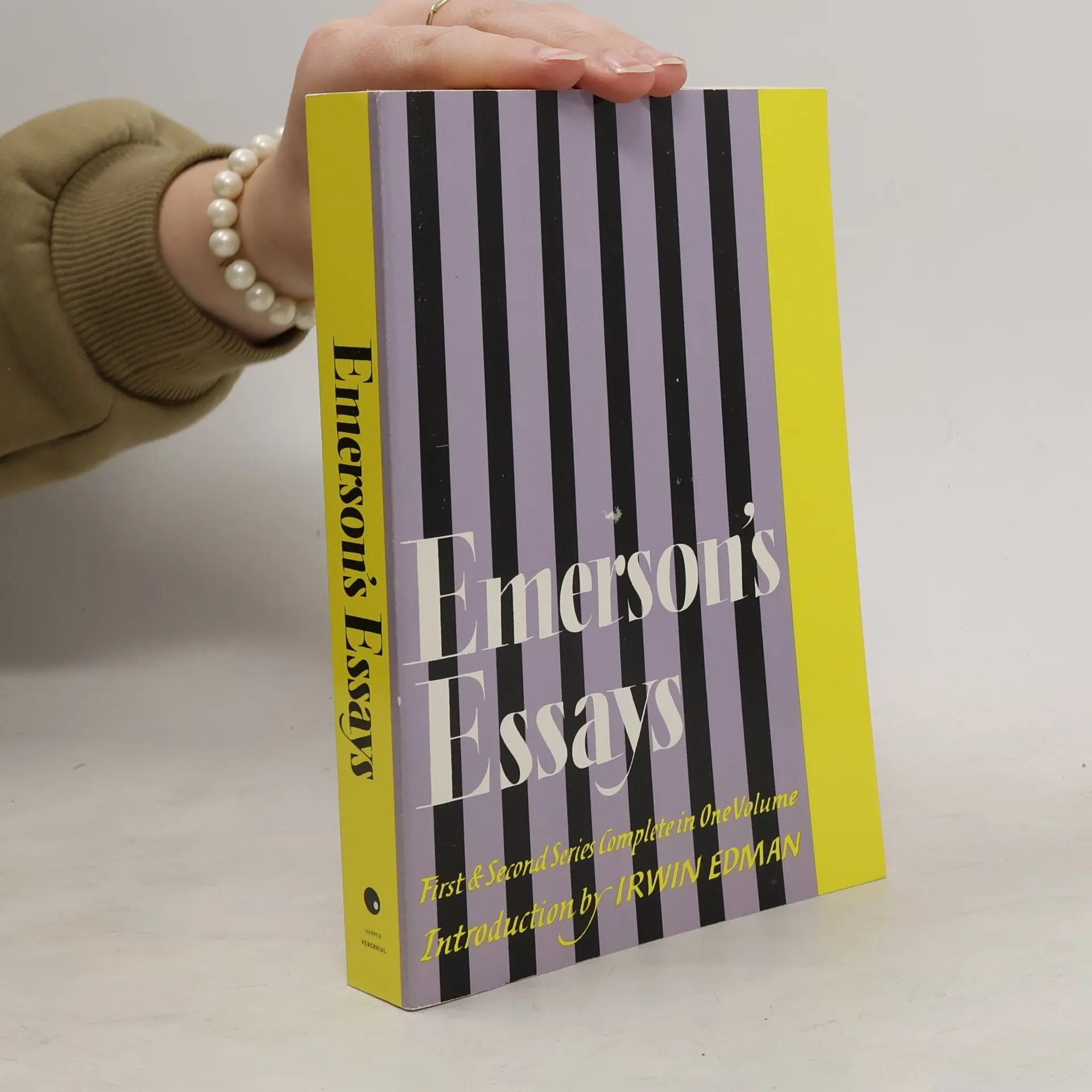
    • The only collection of the complete First and Second Series of essays by America's most popular sage, available in an affordable paperback edition. A must for students of American culture and literature

      Emerson´s Essays - First and Second Series
      4,4
    • English Traits

      • 316pagine
      • 12 ore di lettura

      This reprint captures the essence of a classic work first published in 1857, preserving its original content and historical significance. Readers can expect to explore themes and narratives reflective of the era, providing insight into the cultural and societal norms of the time. The book's enduring relevance and its impact on literature make it a valuable addition for both new readers and those familiar with its legacy.

      English Traits
      4,7
    • Emerson's 1841 essay explores the theme of individuality and the importance of self-trust in personal development. It emphasizes the significance of nonconformity and the inner voice guiding one’s beliefs and actions. Alongside this foundational work, the collection includes essays that delve into interconnected themes such as the divine presence in humanity, the cyclical nature of life, the essence of poetry, the richness of experience, and the value of friendship, showcasing Emerson's profound philosophical insights.

      Self-Reliance, Nature, and Other Essays (Royal Collector's Edition) (Case Laminate Hardcover with Jacket)
      5,0
    • Everyday Emerson

      • 384pagine
      • 14 ore di lettura

      Daily inspiration from American philosopher and transcendentalist Ralph Waldo Emerson Featuring excerpts from Ralph Waldo Emerson’s essays, poems, and lectures, Everyday Emerson offers 365 snippets of wisdom and insight from one of America’s greatest writers and philosophers. An astute observer of both nature and society, Emerson’s writing touches on themes of individuality, freedom, and human potential, all of it shot through with a profound love and awe of the natural world. The excerpts in Everyday Emerson are inspiring and thought provoking—a daily invitation to engage the world with imagination and intention. In addition to daily quotes, the end of the book also includes selections from Emerson's beloved essay "Self-Reliance." Both longtime appreciators of Emerson’s work and readers who would be intimidated by a complete book of essays will find something delightful in its pages.

      Everyday Emerson
      4,3
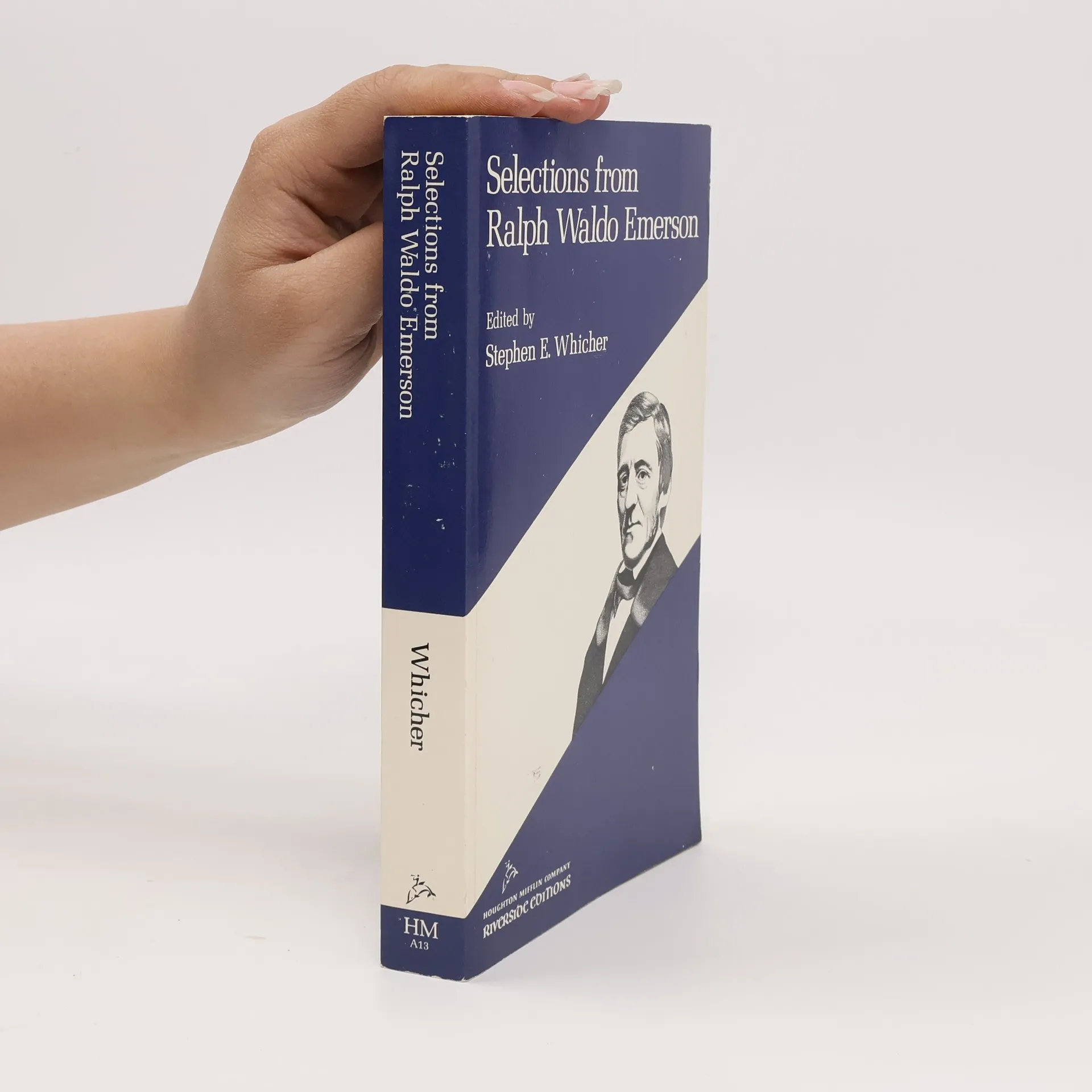
    • From one of the greatest figures of 19th-century America... This new edition offers a broad view of the author's finest work, featuring his critical essays, poems, and letters, plus a considerable amount of material from the Journals, including an entry discovered in 1964 in the Library of Congress.

      Selected Writings of Ralph Waldo Emerson
      4,2
    • As Judith Shklar has pointed out, Emerson built Representative Men around the principle of 'rotation, ' which had become a political axiom in Jacksonian America--the idea that no man, no matter how imposing, should be accorded permanent authority. Representative Men honors the language of democracy in its very title.

      Representative men
      4,2
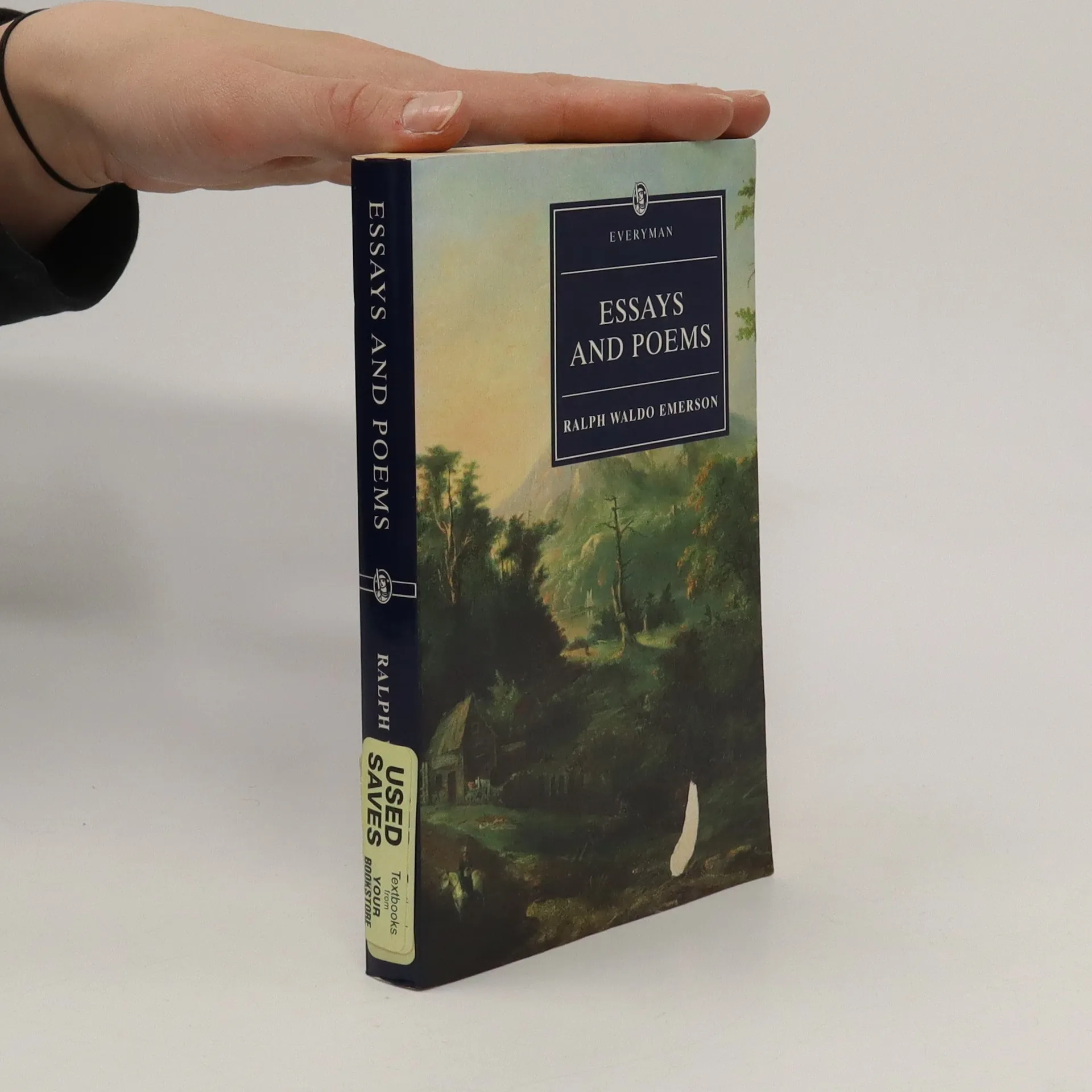
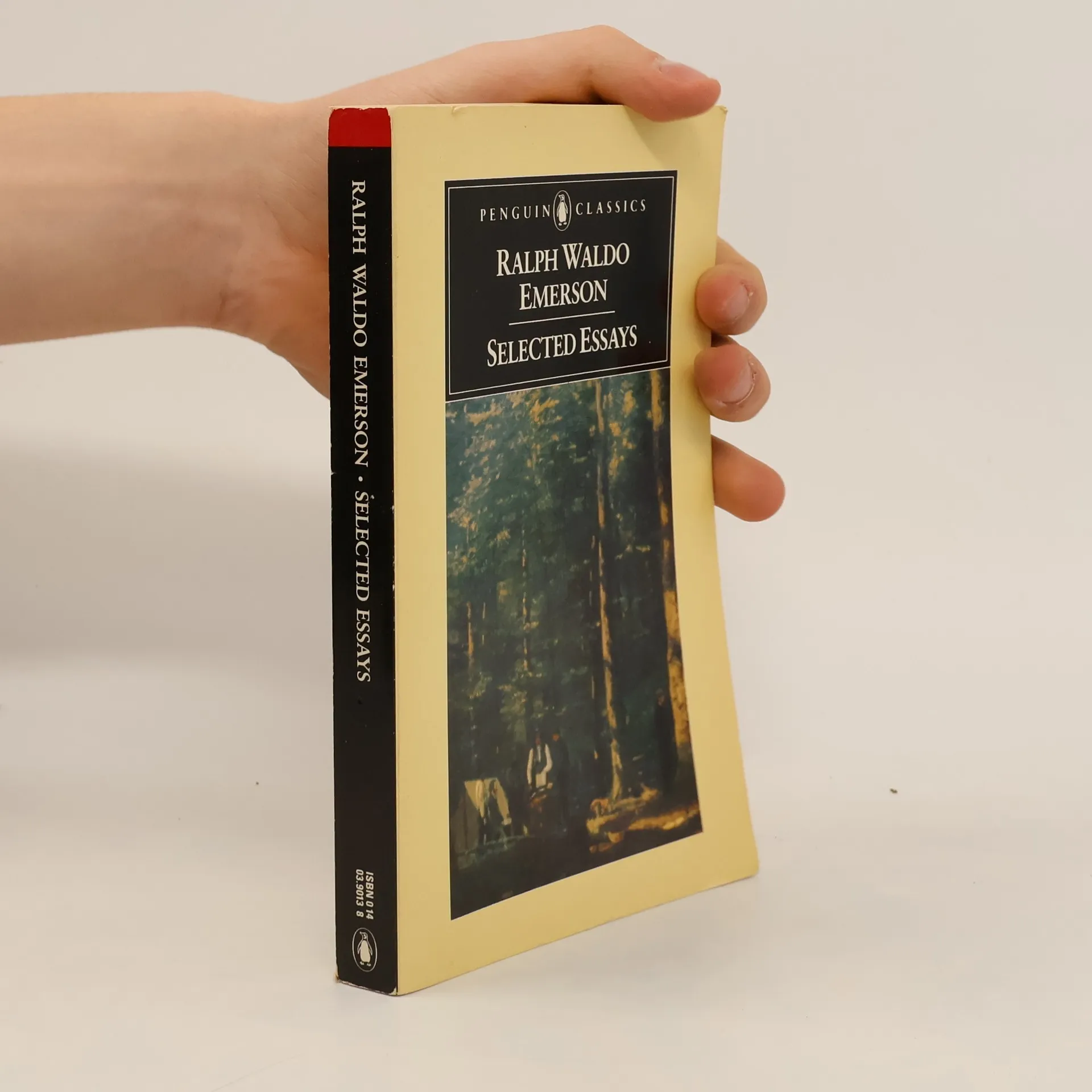
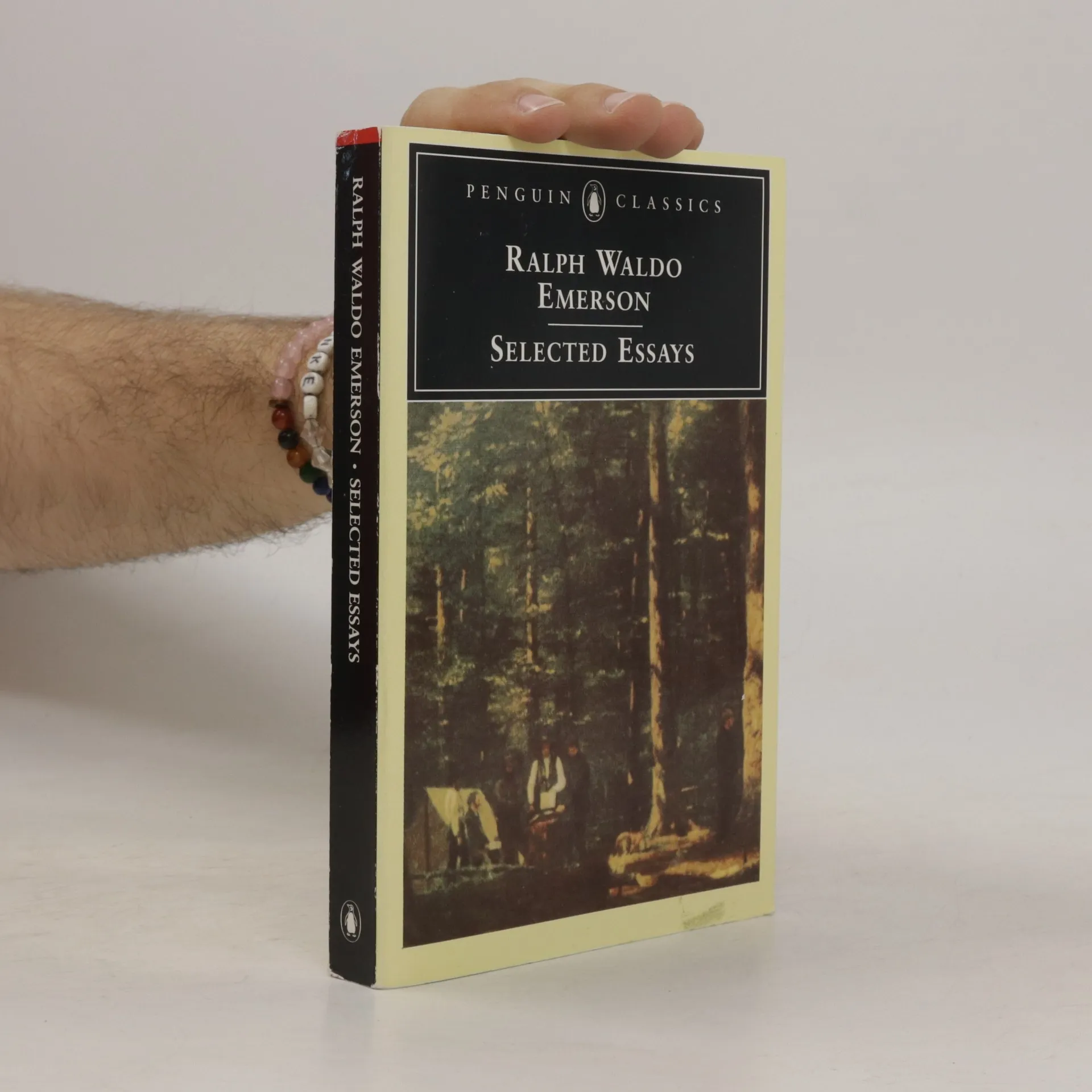
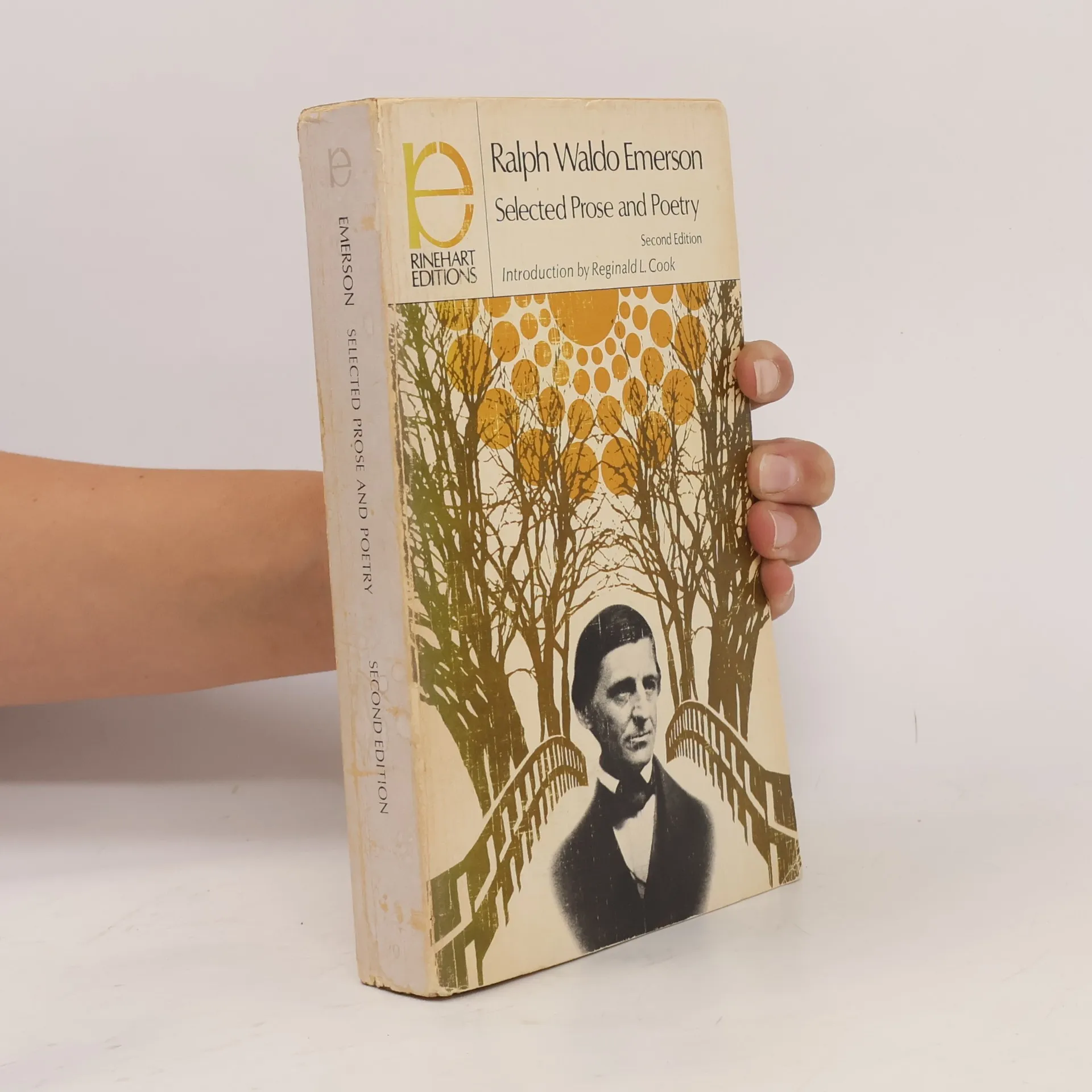
    • Nietzsche said that he never travelled anywhere without a volume of Emerson's essays in his pocket, while Mathew Arnold described Emerson as 'the greatest prose writer of the century'. It is a remarkable writer who could at once appeal to a man considered a pillar of Victorian society, and to a man dedicated to bringing down such pillars. In his own time Emerson was considered a profoundly radical thinker, but after his death he was increasingly seen as a bland Boston Brahmin, contentedly ripening with the new England melons, benignly meditating on such viperous notions as the Over–soul.He is now appreciated as one of the truly seminal American writers, refusing all orthodoxies, complacencies and fixities—both a truly celebratory and deeply adversarial thinker. A unique paperback edition, with introduction and chronology of Emerson's life and times.

      Essays and Poems
      4,2