This edition presents the latest thinking of modern economists and emphasizes the analytical core of economics with particular attention to economic growth and analysis of market economics. This timeless introductory text to Macroeconomics continues to present how markets function and what countries can possibly do to improve people's living standards. Indian content has been added at relevant places to relate the concepts more specifically to the Indian context.
William D. Nordhaus Libri
William Nordhaus è un economista americano, rinomato per il suo lavoro pionieristico che integra il cambiamento climatico nell'analisi economica. La sua ricerca si concentra sullo sviluppo di modelli quantitativi che esplorano le intricate interazioni tra la società umana, l'economia e gli impatti climatici. Attraverso la sua permanenza alla Yale University e la creazione di strumenti analitici innovativi, ha promosso una comprensione più profonda delle conseguenze economiche del cambiamento climatico e degli interventi politici, come le tasse sul carbonio. La sua influenza si estende dal mondo accademico alla definizione della politica economica.
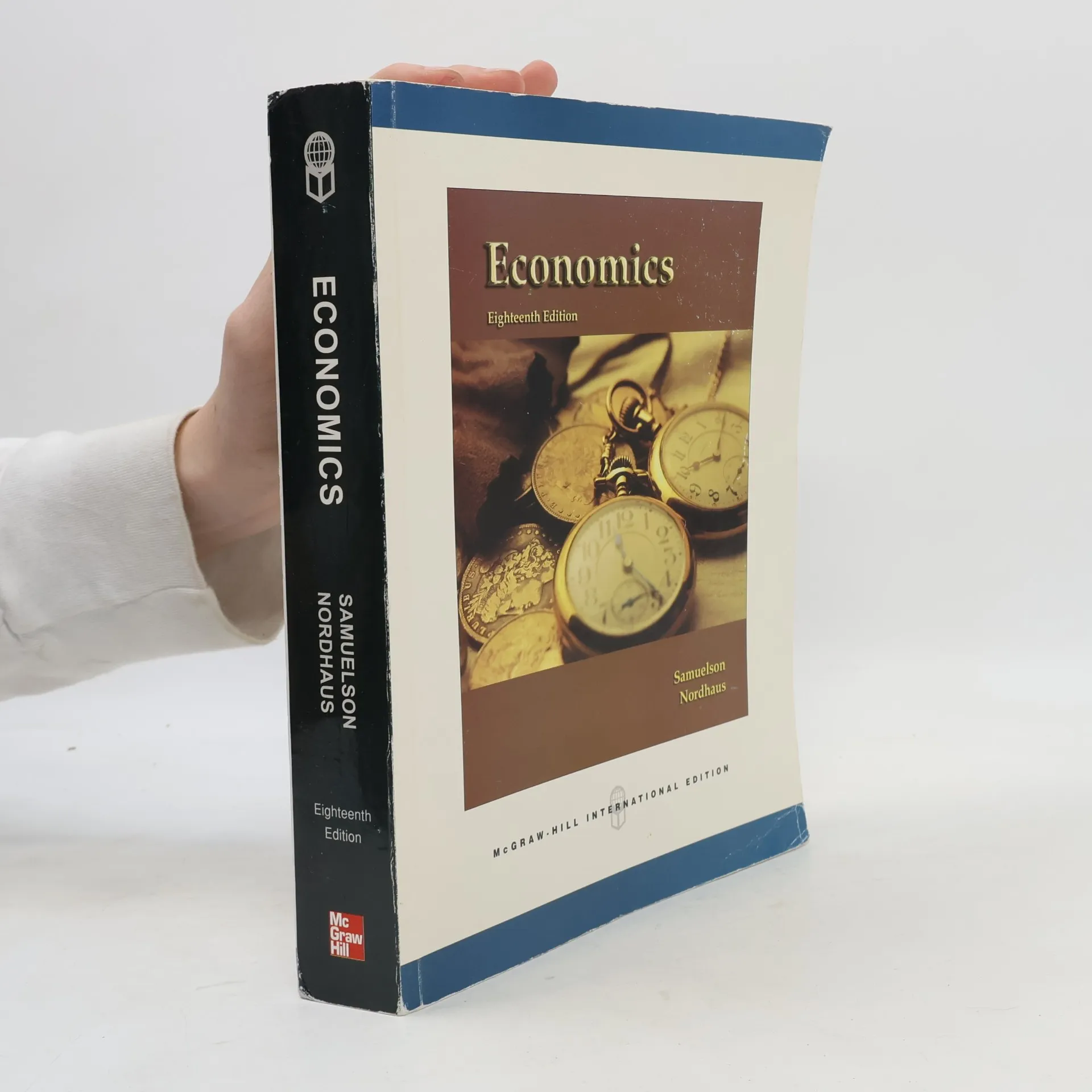
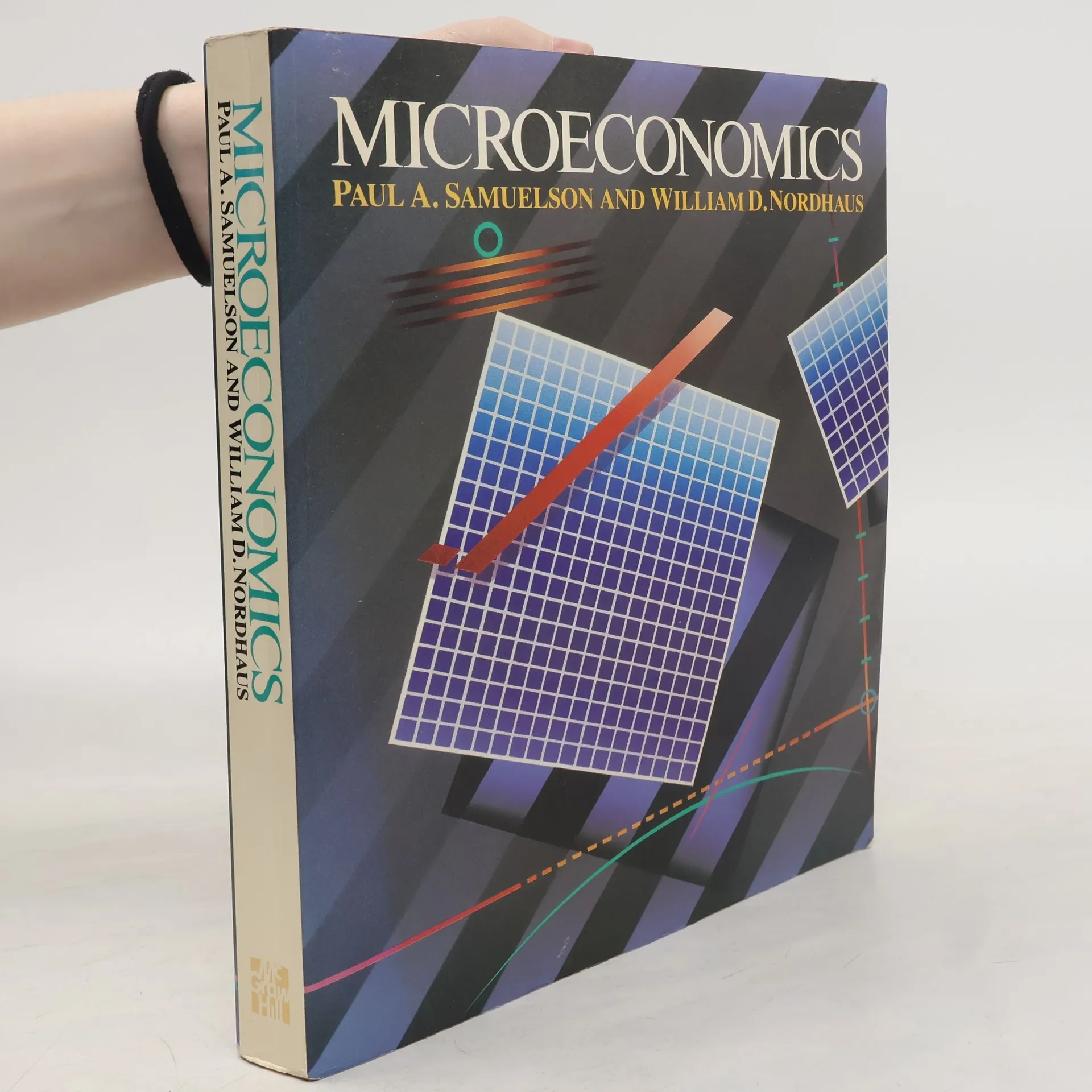

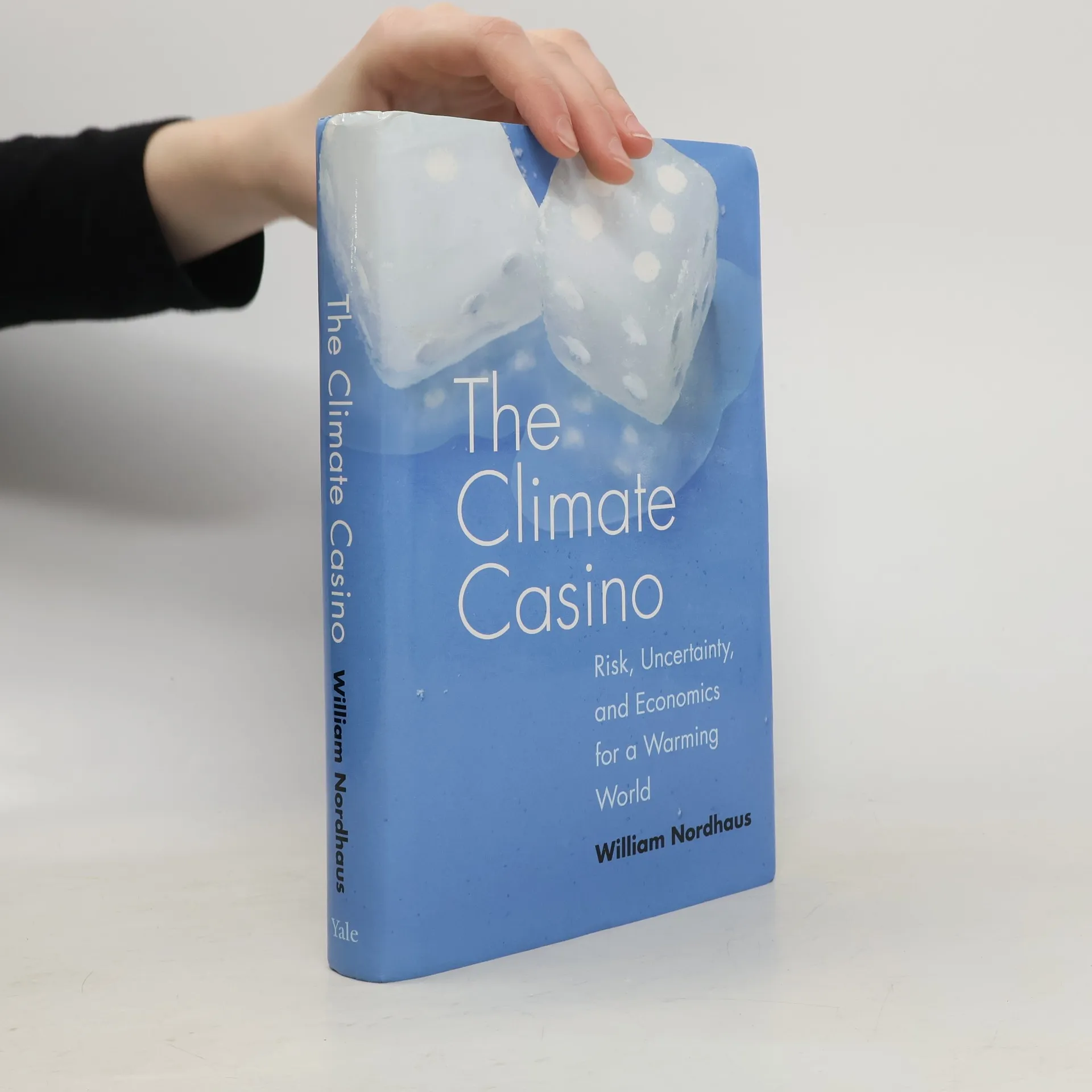
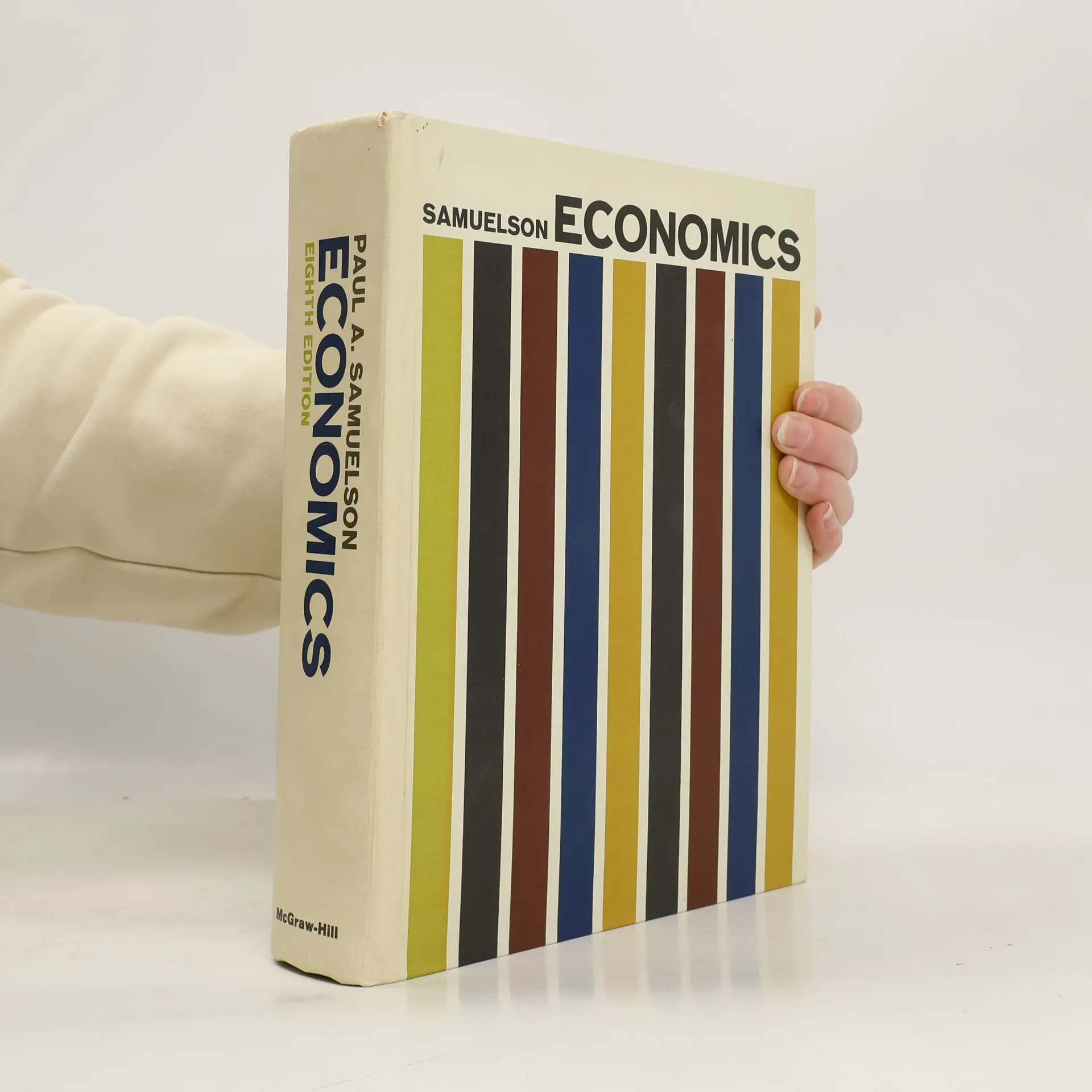
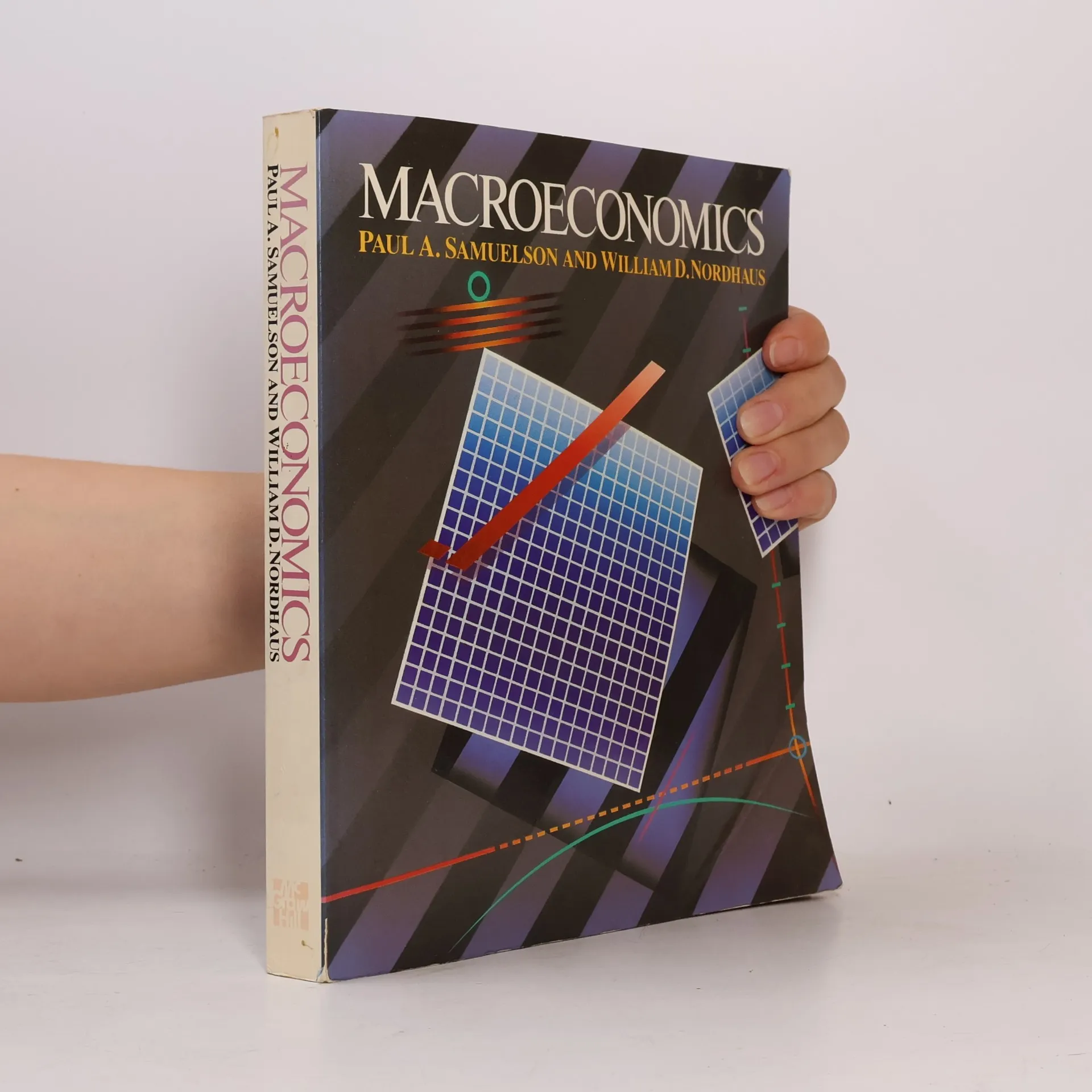
Economics,17e,by Samuelson and Nordhaus,is the classic text which set the standard for principles of economics texts when it was introduced in 1948. This text has been the standard-bearer in principles books for over 50 years,presenting a clear,accurate,and interesting indroduction to economics. Bill Nordhaus is now the primary author of this modern treatment of economics which has been thoroughly updated.
The 2018 Nobel laureate for economics examines the intricate politics and economics of climate change, offering pathways to effective solutions. Climate change is drastically reshaping our world, presenting significant risks to human societies and natural systems. Economist William Nordhaus warns that we have entered the Climate Casino, rolling the dice on global warming. However, he asserts that there is still time to reverse course. In this essential work, Nordhaus addresses the critical issues surrounding the climate debate, detailing the science, economics, and politics involved, along with necessary actions to mitigate global warming risks. He communicates in accessible language, presenting various viewpoints fairly, and traces the problem from its roots in personal energy consumption to the broader societal measures—such as regulations, taxes, and subsidies—aimed at curbing harmful emissions. Nordhaus provides a fresh analysis of the shortcomings of past policies, like the Kyoto Protocol, and outlines new strategies that can succeed. Ultimately, he clarifies this pressing issue of our time and delineates the crucial steps needed to slow the progression of global warming.
From a Nobel Prize-winning pioneer in environmental economics comes an innovative account of how "green thinking" could address many of the world's most pressing issues, including climate change and pandemics. Tackling these challenges necessitates new methods for managing the complex interactions that influence our environment. This involves ensuring that those responsible for carbon emissions and environmental damage bear the full costs, rather than passing them on to others, including future generations. The author presents a fresh perspective on green thinking that can help us confront major challenges without sacrificing economic growth, largely by addressing the spillover costs of economic activities. The discussion spans the history of the environmental movement to contemporary initiatives like the Green New Deal, highlighting how green thinking offers a hopeful outlook on modern life. Central to this approach is the understanding that our interconnected world is shaped by numerous interactions, rather than isolated actions. By re-evaluating concepts such as economic efficiency, sustainability, and corporate social responsibility, the author outlines how we can enhance societal effectiveness and equity. Specific solutions are proposed, including strategies for carbon pricing, promoting low-carbon technologies, designing efficient tax systems, and fostering international climate cooperation. Ultimately, this work prese
An introduction to modern economic principles, this edition features a new chapter on open economy economics. There is continued emphasis in this text on the analytical core of economics with particular attention paid to the analysis of market economics.
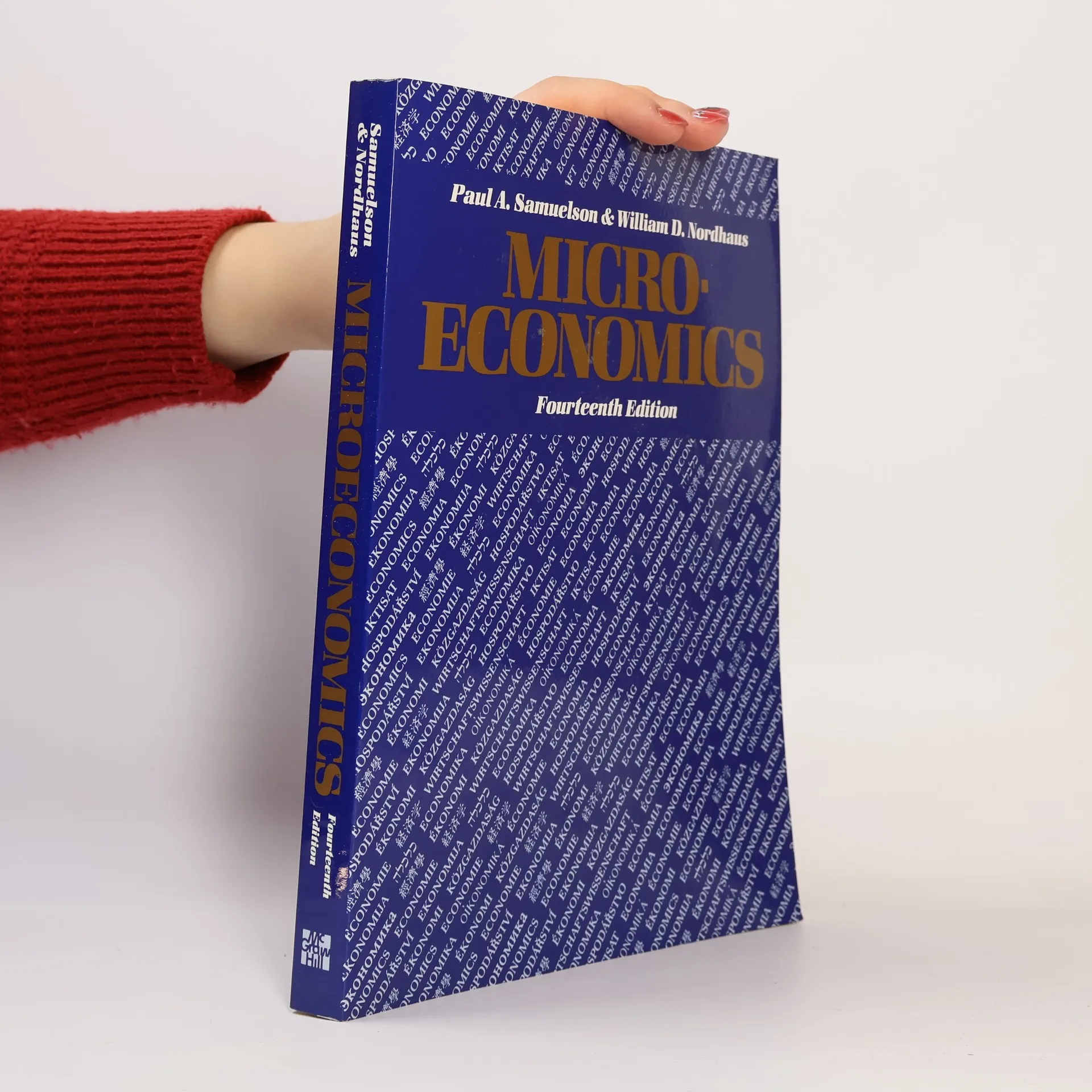
Microeconomics: Fourteenth Edition
- 507pagine
- 18 ore di lettura
An introduction to modern economic principles, this edition features a new chapter on open economy economics. There is continued emphasis in this text on the analytical core of economics with particular attention paid to the analysis of market economics.
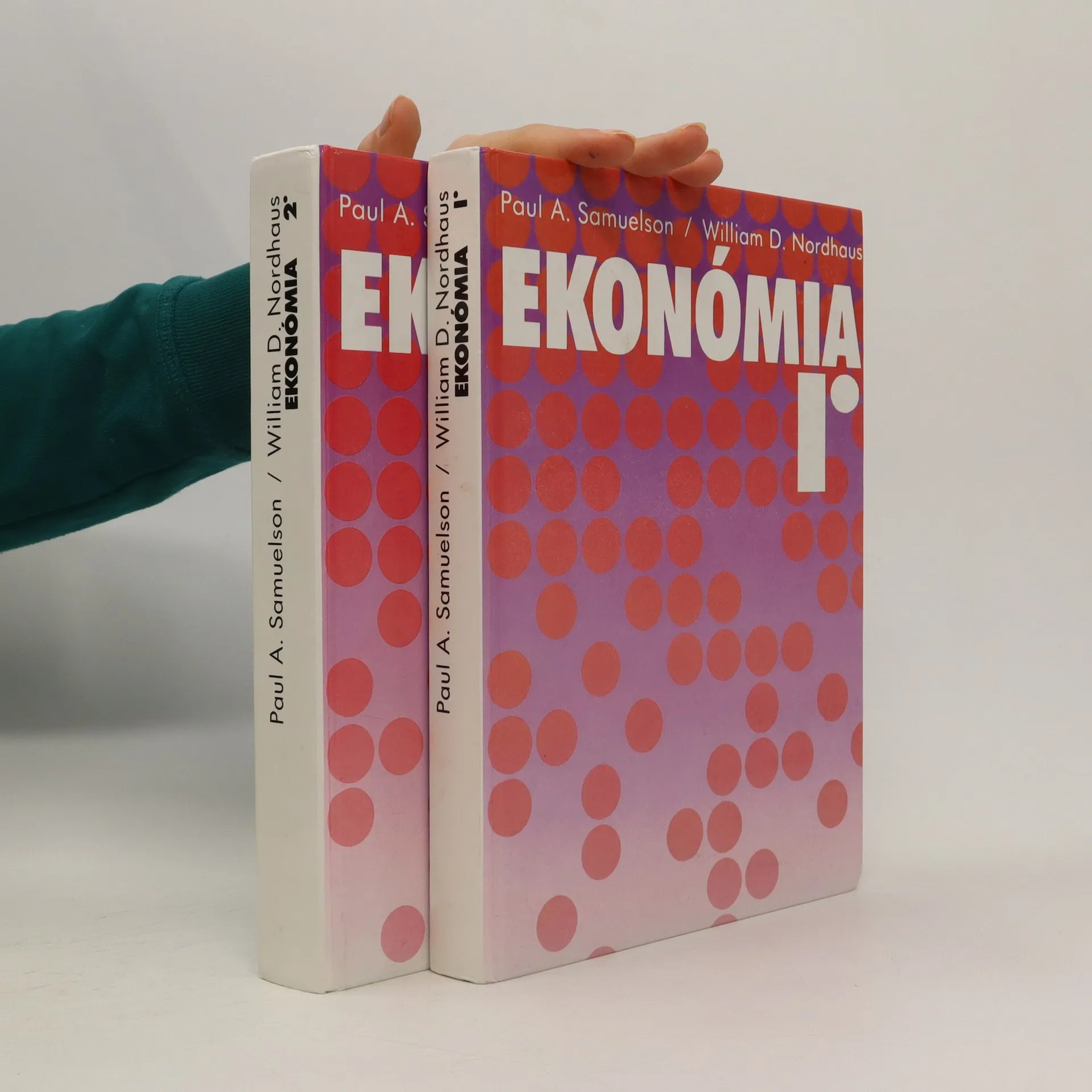
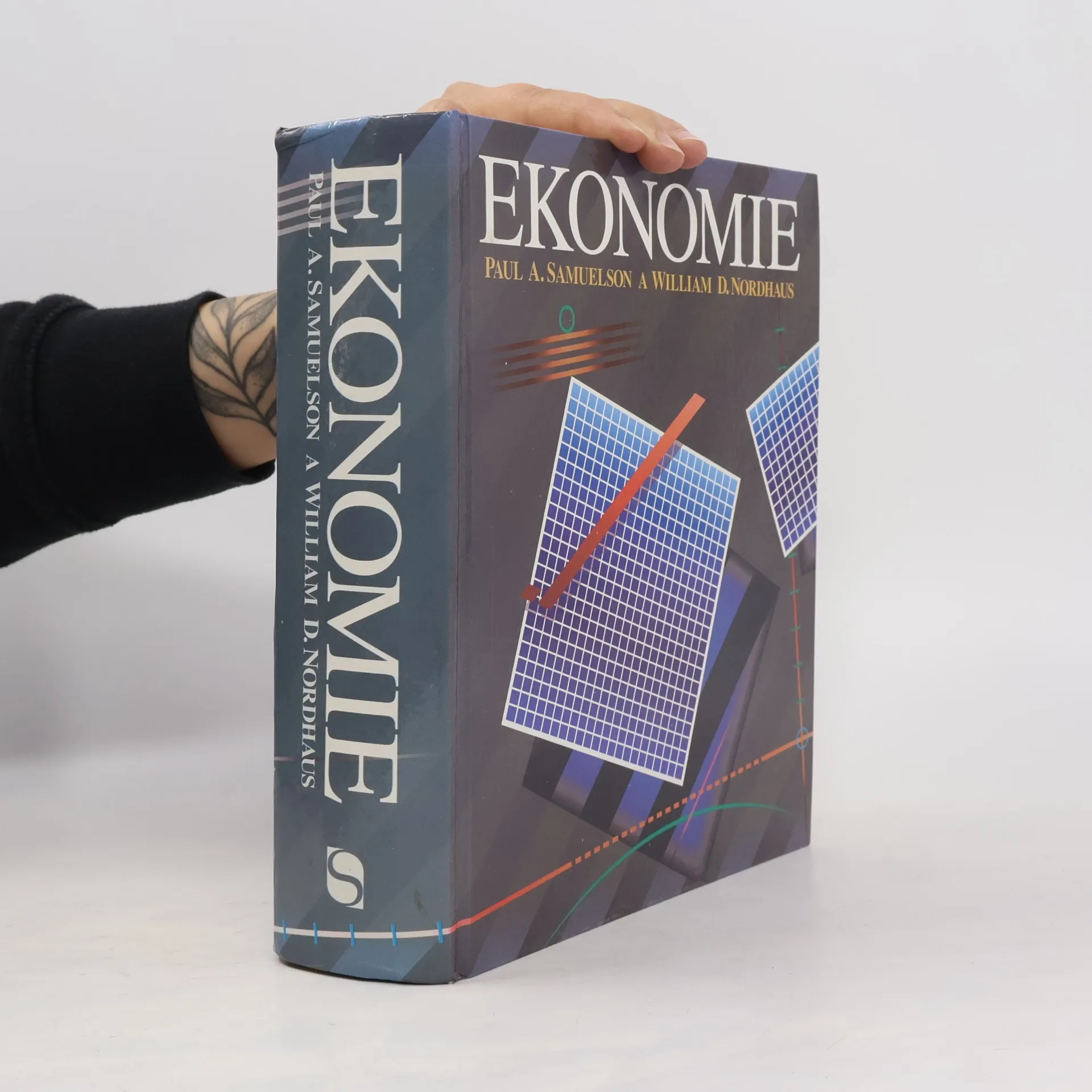
Ekonómia
- 820pagine
- 29 ore di lettura
Ekonómia 2
- 550pagine
- 20 ore di lettura
Ekonómia I
- 419pagine
- 15 ore di lettura
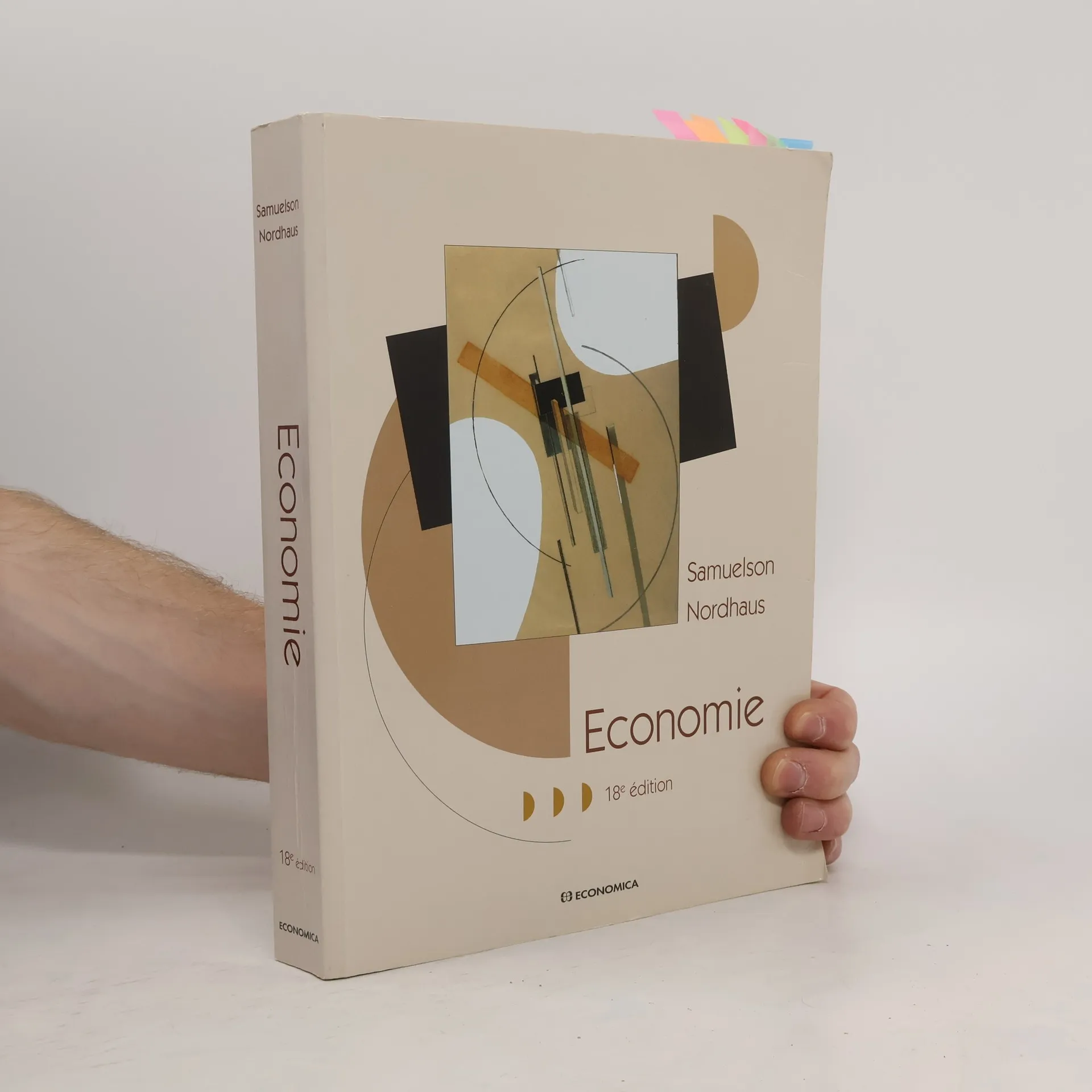
Economie - 18e édition
- 782pagine
- 28 ore di lettura
Cette 18e édition vous montre que l'économie est une science dynamique, qui change de façon à refléter l'évolution des affaires économiques, de l'environnement, de l'économie mondiale et, plus généralement, de la société. Tout comme l'économie et le monde qui l'environne, ce manuel a évolué. Sept caractéristiques différencient la présente édition des précé les vérités centrales de l'économie; l'innovation en économie; ce qui est petit est magnifique; questions de politique économique pour le siècle nouveau; controverses sur la mondialisation; les différentes écoles de la macroéconomie; clarté. Ce manuel a été soigneusement conçu de façon à répondre à toutes les situations.