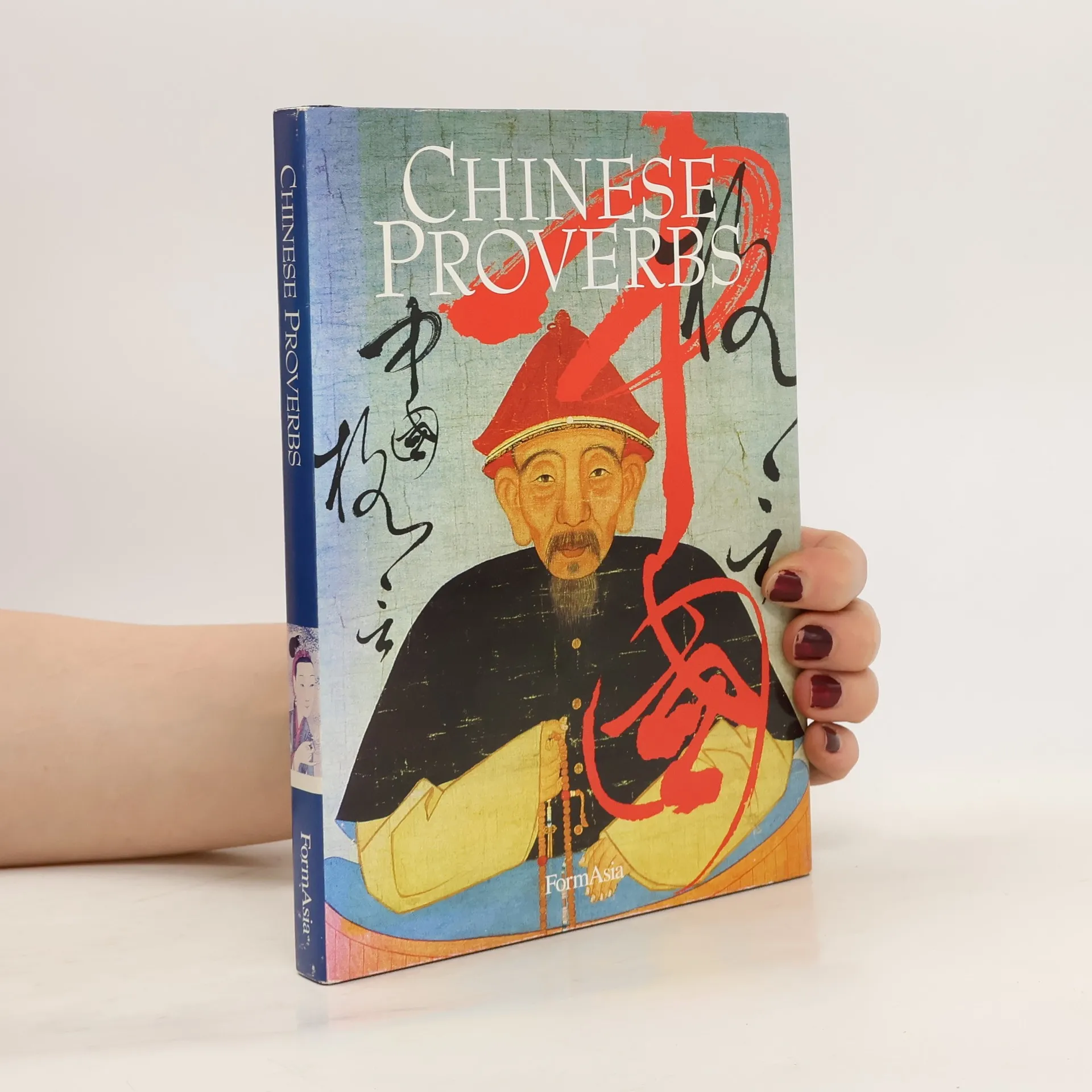
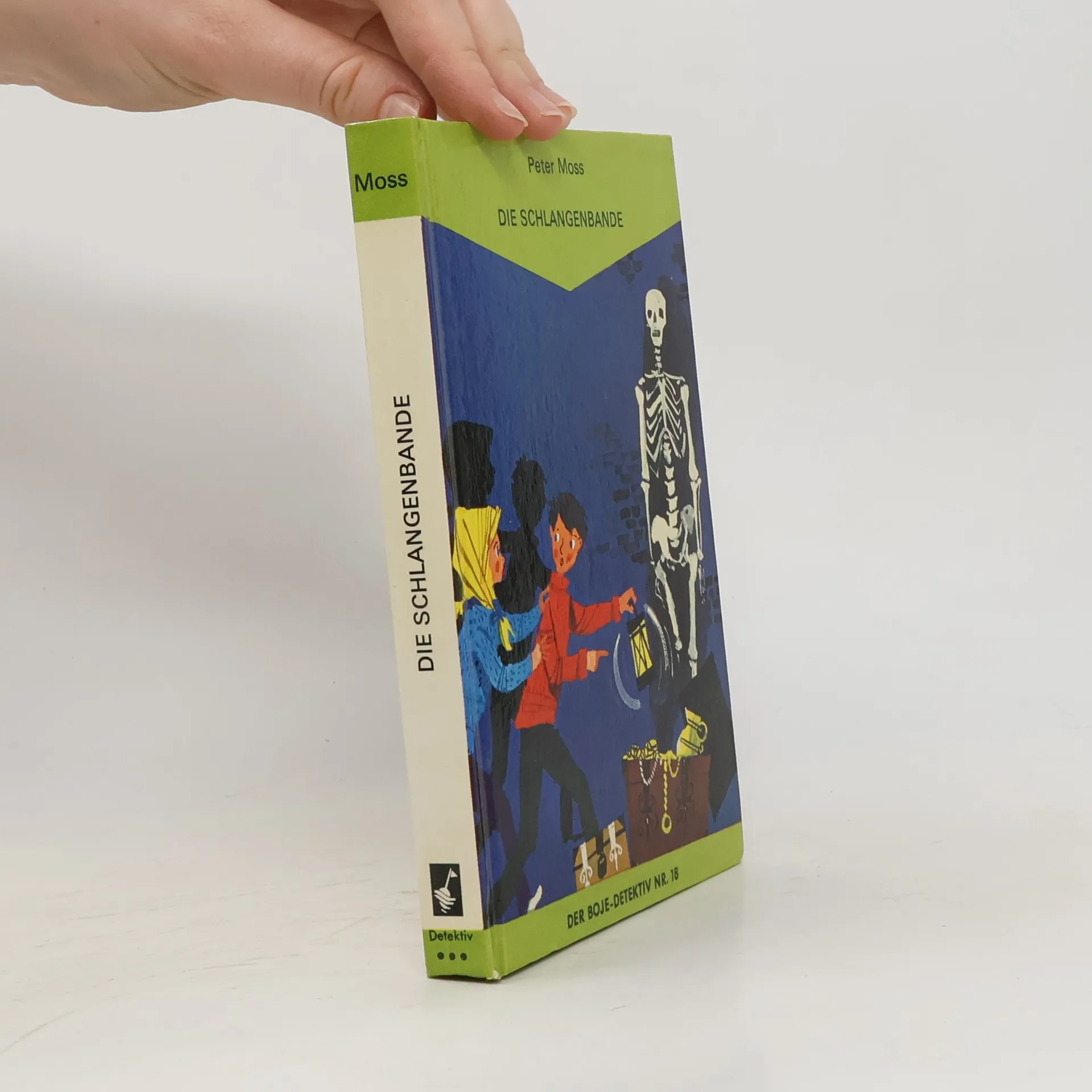
This volume presents a rich selection of anonymous Chinese proverbs, beautifully illustrated, alongside Romanized Chinese versions and English translations, including corresponding calligraphic characters. It highlights the depth of Chinese wisdom beyond Confucius's well-known aphorisms.
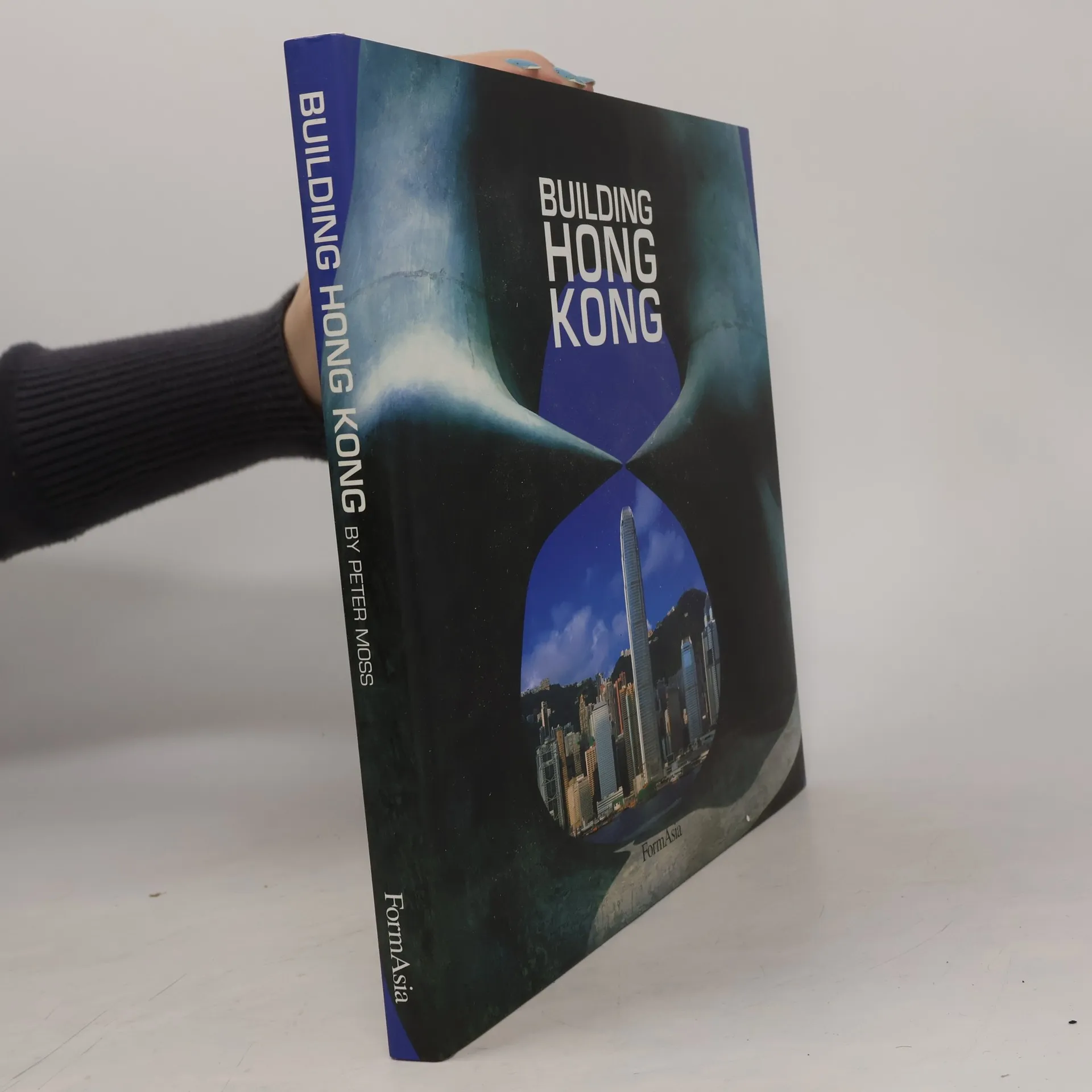
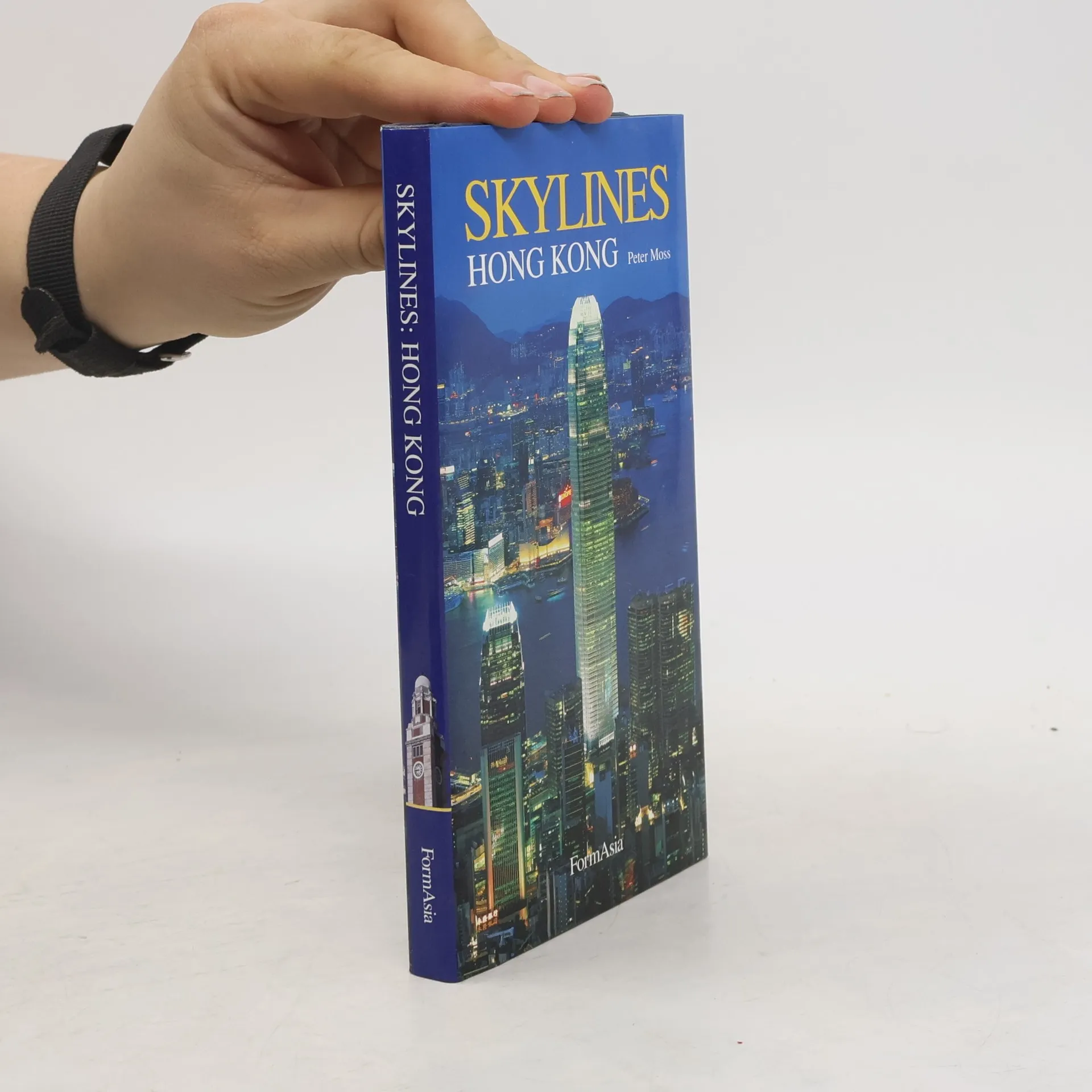
Hong Kong's skyline is ever in transition, a flamboyant affirmation of this city's determination to let nothing stand in its way as it forges full steam ahead into the future. Such unquenchable aspirations produce a seemingly endless succession of architectural marvels, but leave too little trace of historical, driving spirit of a metropolis forever creating better and grander manirestations of itself, and as a reminder of whence it came, as enchrined in the few traces of antiquity that survive that headlong progress.
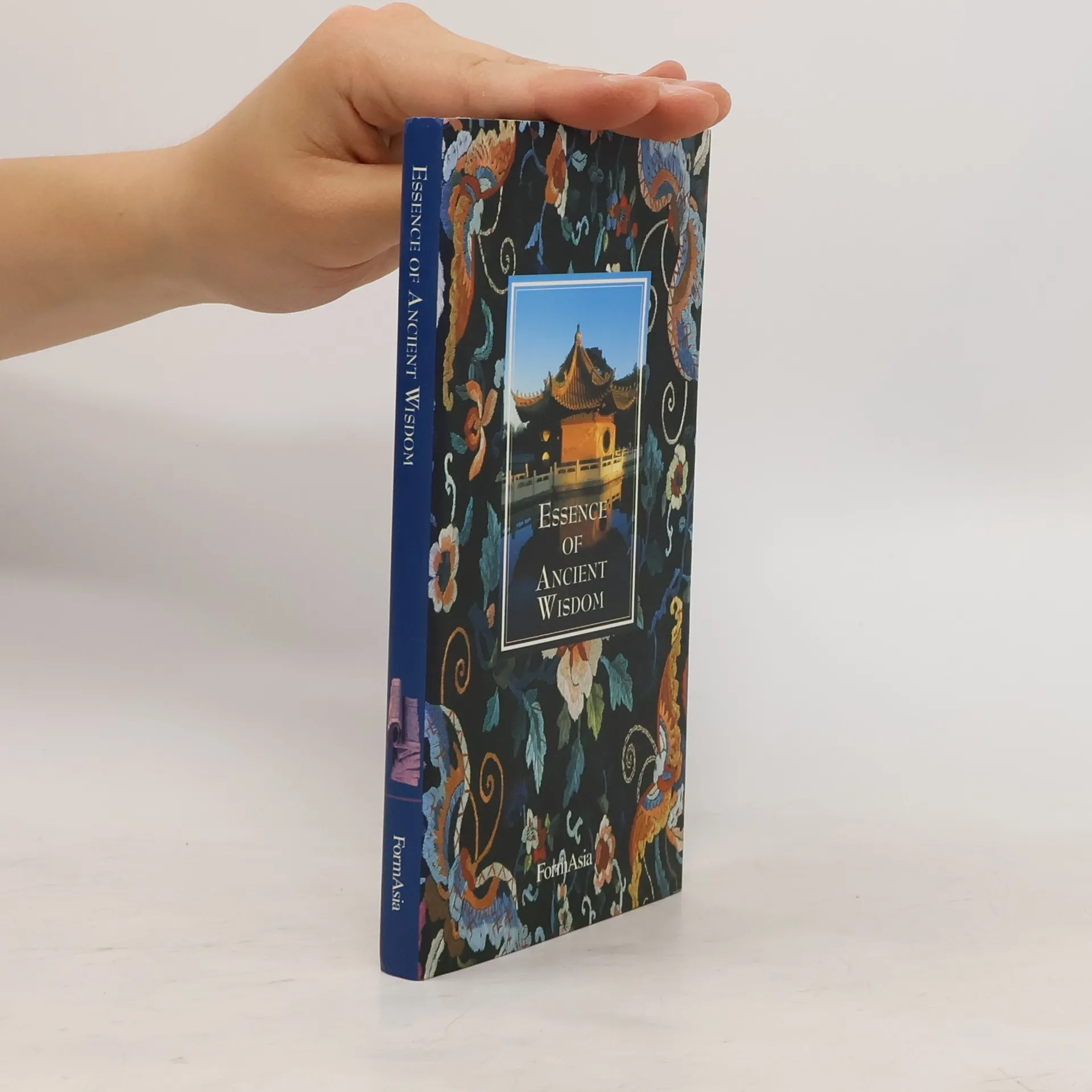
Confucius has become the oft-quoted fount of aphorisms and analects far wider and more comprehensive in their didactic scope than any attributed to sages elsewhere in the world. But the real gems of Chinese wisdom lie in the anonymous and ageless proverbs, of which this volume contains a formidable and beautifully illustrated selections.
'Deep sleep. . deep sleep. Time is running backwards and you are free to choose a character in the immensity of all time.' So begins Joe Keeton as he leads another hypnotized subject back in his search for a personality from the past. No one, least of all the person hypnotized, knows what character will emerge but as Joe Keeton's questioning continues, the subject gradually assumes the voice and the attitudes of a personality from another time and place. In his new existence, the subject is able to express facts and experiences of which he has apparently no knowledge in his conscious life - not -only well-documented historical events but also the names of unrecorded people, the trivia of everyday existence which it has taken hours of research to check. The seven subjects featured in Encounters with the Past (and they are only a tiny fraction of the thousands hypnotized by Joe Keeton) show vividly what it must have been like to live in another time. Although the subjects do not use the language of the time, it is in the small, unerringly accurate, details of their lives that a rounded and totally convincing picture of another life is built up. They recount their personal hopes and fears, speak of important historical events, not as they might be described in a history book, but with the immediacy of an eyewitness account. It is this ability to bring. the past alive in the present that makes hypnotic regression such an exciting and important new field of investigation. What is happening when subjects seem to throw off their conscious personality and assume completely the character of someone in the past? Is it really reincarnation? Is it merely unknown memories from the depths of the unconscious or can memory be handed on genetically? Peter Moss explores these and other possible explanations, finding out what the subjects feel about their new personalities and how the experience has affected their lives. But whether the answer belongs to the supernatural or to the present mind, hypnotic regression is an unforgettable phenomenon which cannot be ignored.-
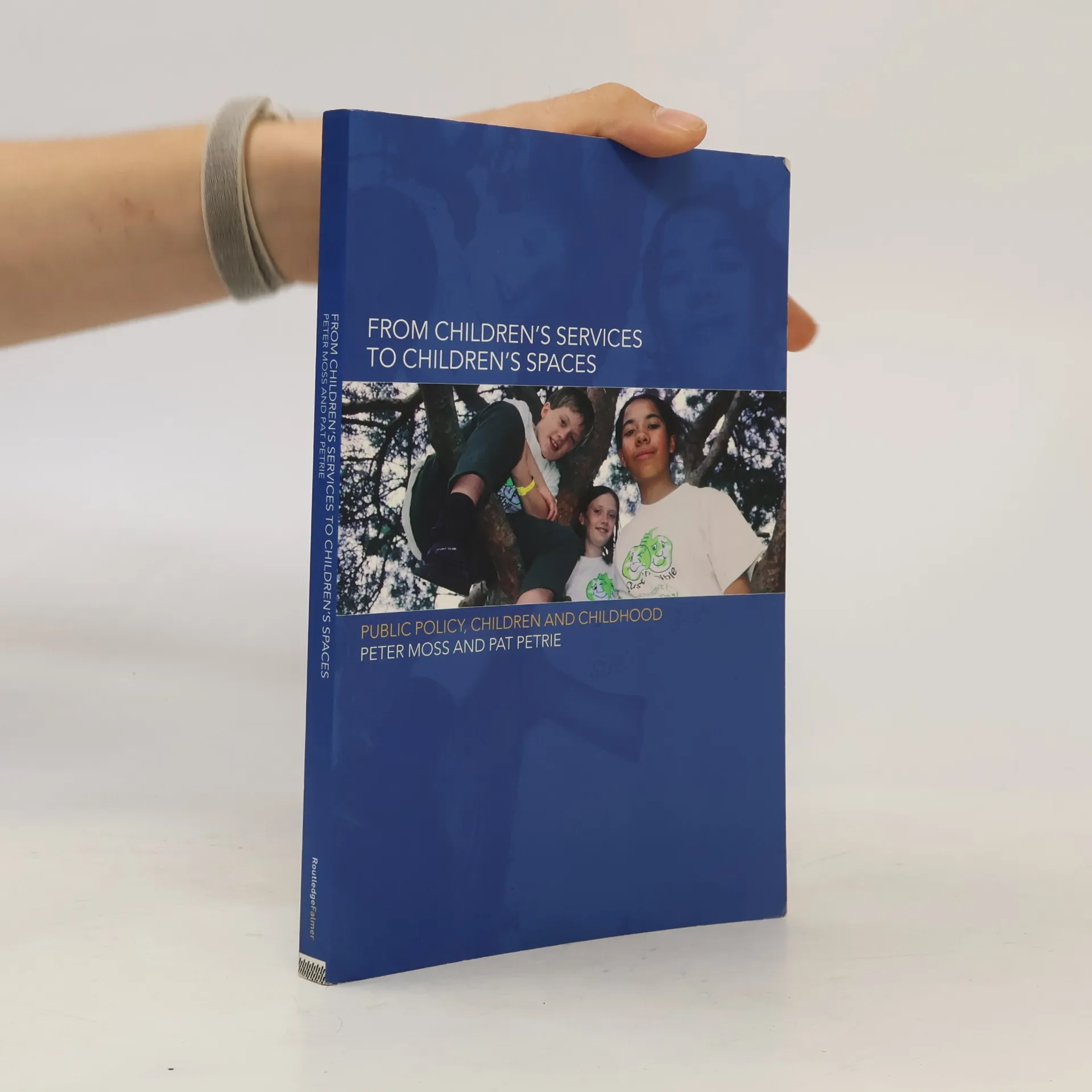
More than ever before, children are apparently being recognised as social actors and citizens. Yet public policy often involves increased control and surveillance of children. This book explores the contradiction. It shows how different ways of thinking about children produce different childhoods, different public provisions for children (including schools) and different ways of working with children. It argues that how we understand children and make public provision for them involves political and ethical choices.Through case studies and the analysis of policy and practice drawn from a number of countries, the authors describe an approach to public provision for children which they term 'children's services'. They then propose an alternative approach named 'children's spaces', and go on to consider an alternative theory, practice and profession of work with pedagogy and the pedagogue.This ground breaking book will be essential reading for tutors and students on higher education or in-service courses in early childhood, education, play, social work and social policy, as well as practitioners and policy makers in these areas.
Its Architecture is Hong Kong's sublime art, conditioning the way this ever-changing city hes evolved. The thrust is more upward than outward, shaping the vertical profile of this intensely concentrated metropolis and ensuring that, whatever changes are in store, Hong Kong continues building its fabled reputation as the 'Many Splendoured Thing'.
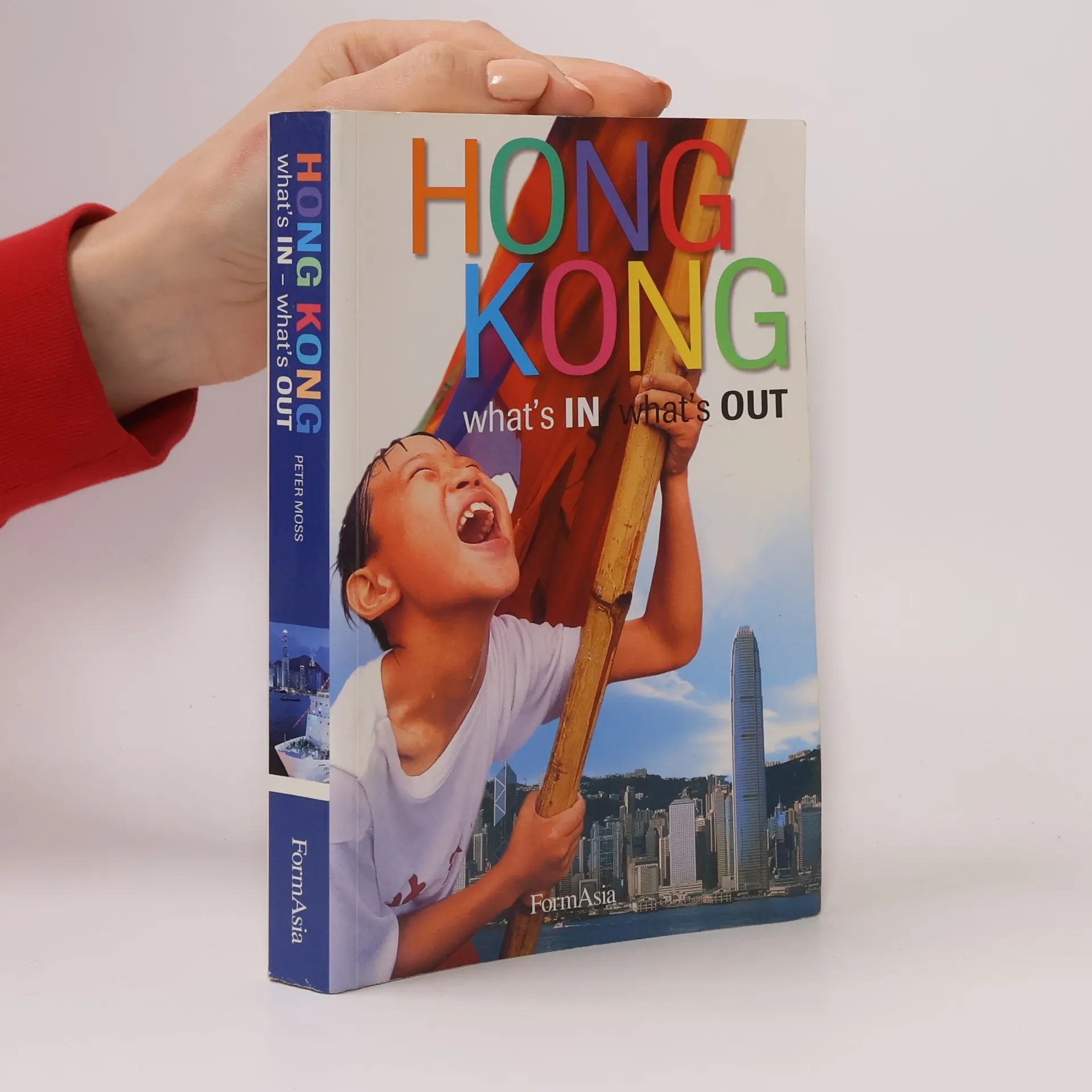
Hong Kong has far outstripped its chroniclers. Its ceaseless quest to make its better best ensures a perpetual remodeling of the way it lives, works, and functions, so that the skyline is always under reconstruction, the image always shifting. The only constants are the process of change and the excitement this engenders.