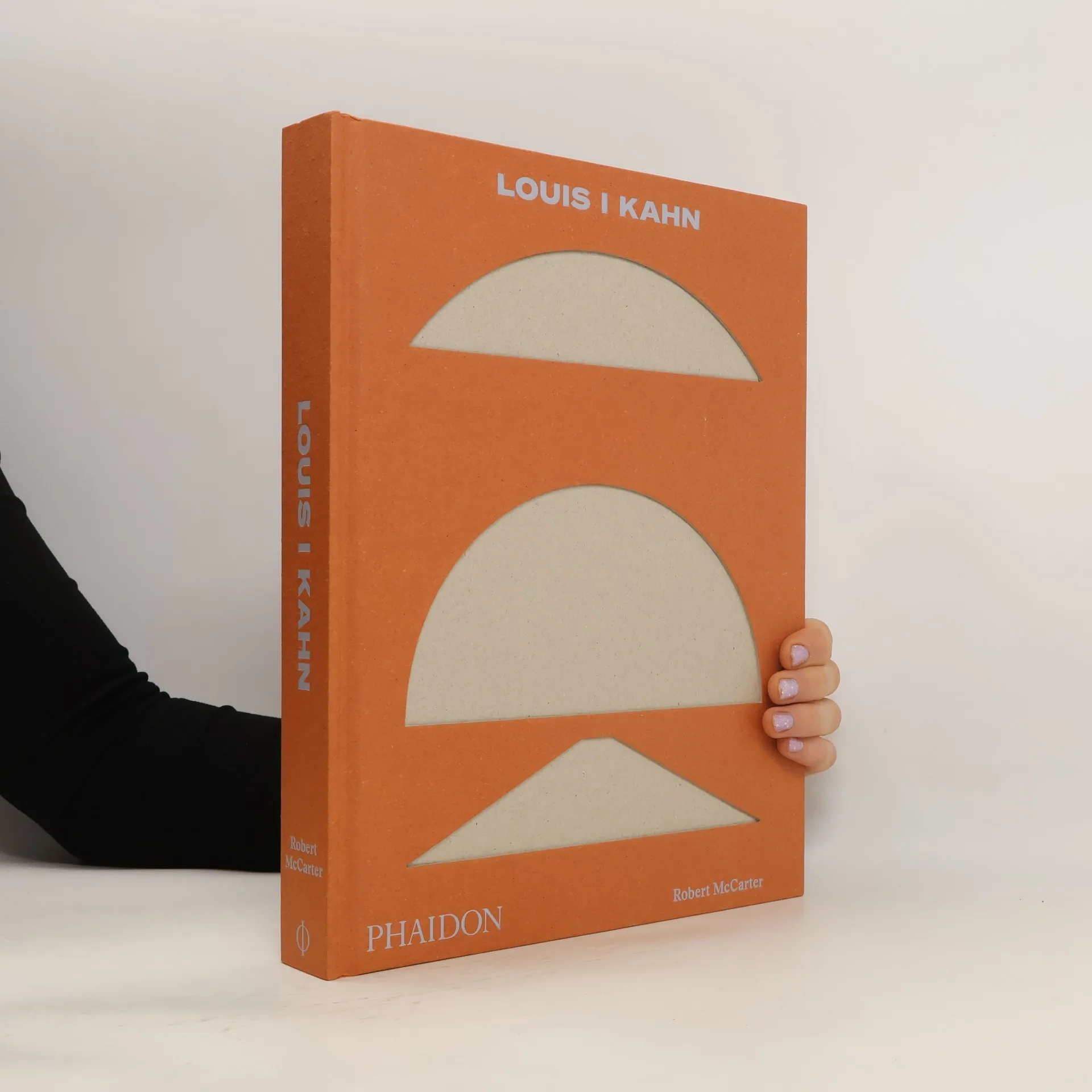
This updated edition of Robert McCarter's monograph on Louis I. Kahn explores the architect's profound impact on post-WWII architecture. It showcases key projects, including the Yale University Art Gallery and Kimbell Art Museum, and highlights his legacy with the recently completed Four Freedoms Park.
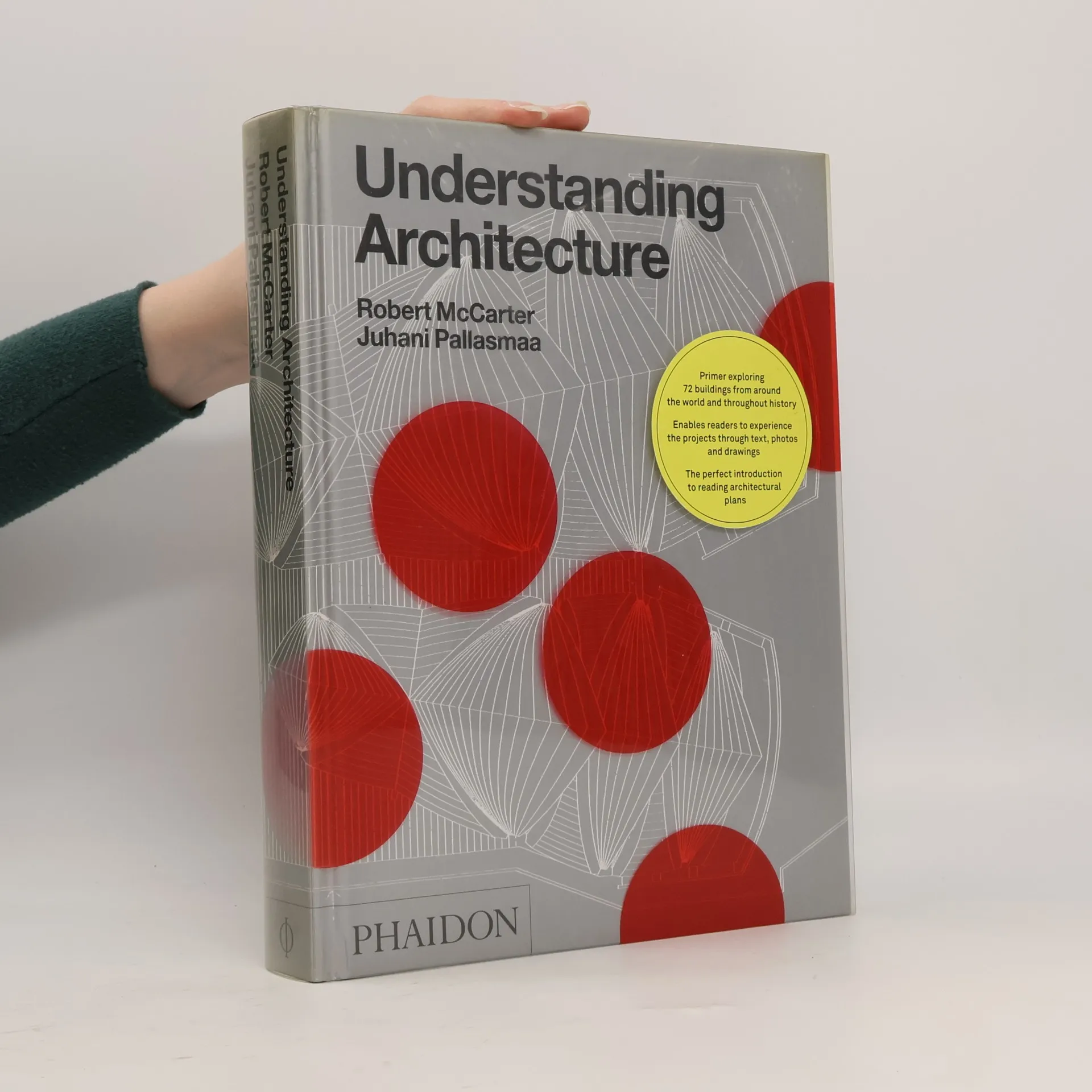
An introduction to reading architecture and architectural drawings. Each building is presented with a clear architectural plan and images that allow the reader to understand the project's key features.
The acclaimed survey of the life and works of the celebrated Italian modernist master, available again in a classic format The work of Carlo Scarpa challenged, and continues to challenge, accepted notions of modern architecture. While several books have been published on his work, none has approached the breadth and depth of this monograph by Robert McCarter, who is celebrated for his meticulously researched, experientially based, and jargon-free accounts of key figures in modern architecture. This book is the definitive study of Scarpa's many accomplishments, including such works at the Canova Museum, the Castelvecchio Museum, and the Brion Cemetery, among others.
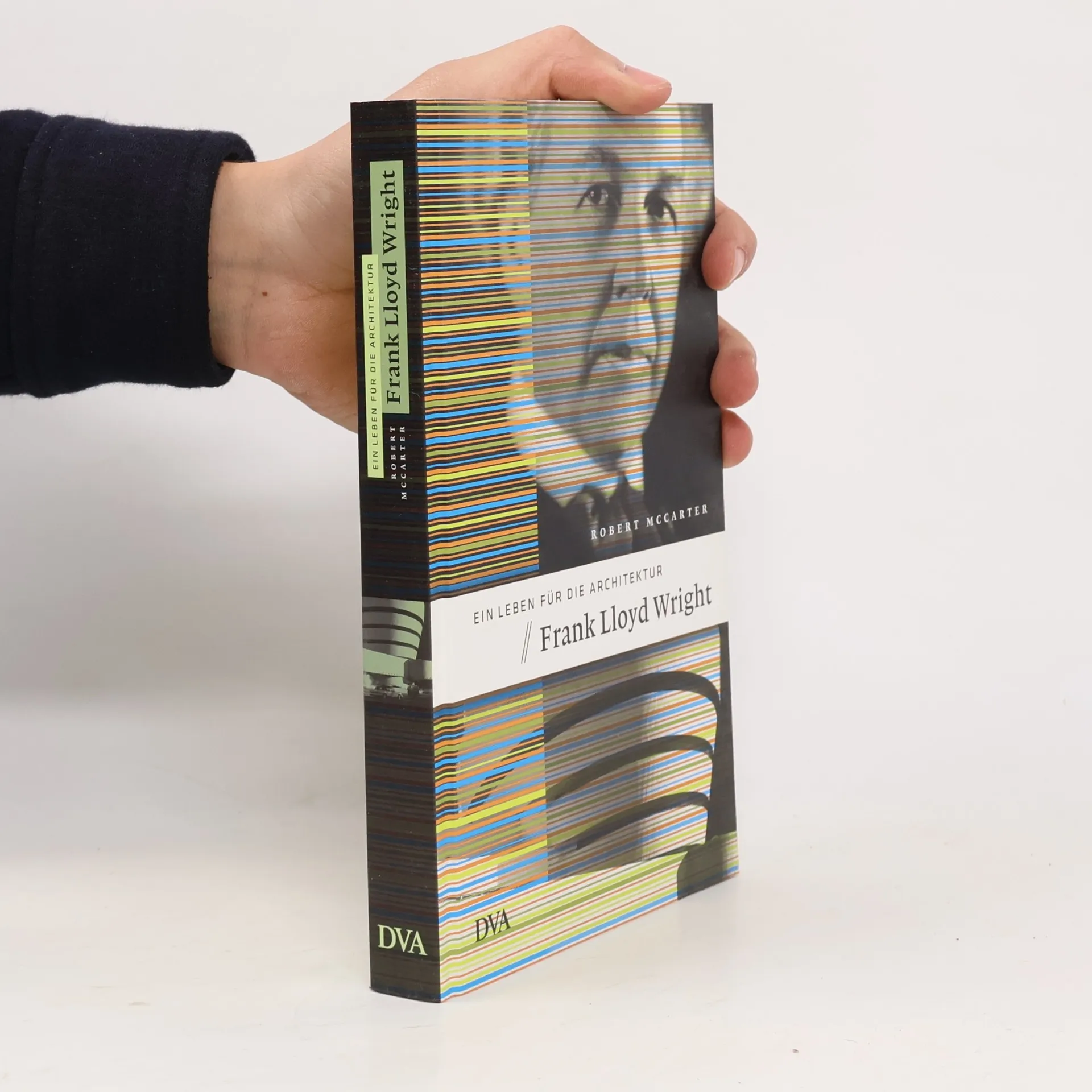
Ein Leben für die Architektur Frank Lloyd Wrights Architektur beruft sich auf grundlegend Menschliches und lebt von temperamentvoller Zeitgenossenschaft. Diese beiden Pole eines Werks mit nachhaltiger Wirkung stellt Robert McCarter in den Zusammenhang eines turbulenten Lebens und eines leidenschaftlichen Engagements für anspruchsvolle Architektur, für die Entwicklung der amerikanischen Demokratie und ein modernes Leben im Einklang mit der Natur. Wrights Gedankenwelt, seine architektonische Ethik, manifestiert in Bauten der zweiten Hälfte des 19. und der ersten Hälfte des 20. Jahrhunderts, teilt sich nach wie vor mit – und beeinflusst die Architektur bis heute.