

Serious Games provides a thorough exploration of the claim that playing games can provide learning that is deep, sustained and transferable to the real world. "Serious games" is defined herein as any form of interactive computer-based game software for one or multiple players to be used on any platform and that has been developed to provide more than entertainment to players. With this volume, the editors address the gap in exisiting scholarship on gaming, providing an academic overview on the mechanisms and effects of serious games. Contributors investigate the psychological mechanisms that take place not only during gaming, but also in game selection, persistent play, and gaming impact. The work in this collection focuses on the desirable outcomes of digital game play. The editors distinguish between three possible effects -- learning, development, and change -- covering a broad range of serious games’ potential impact. Contributions from internationally recognized scholars focus on five Anchored primarily in social science research, the reader will be introduced to approaches that focus on the gaming process and the users’ experiences. Additional perspectives will be provided in the concluding chapters, written from non-social science approaches by experts in academic game design and representatives of the gaming industry. The editors acknowledge the necessity for a broader interdisciplinary study of the phenomena and work to overcome the methodological divide in games research to look ahead to a more integrated and interdisciplinary study of digital games. This timely and singular volume will appeal to scholars, researchers, and graduate students working in media entertainment and game studies in the areas of education, media, communication, and psychology.
Ute Ritterfeld Libri
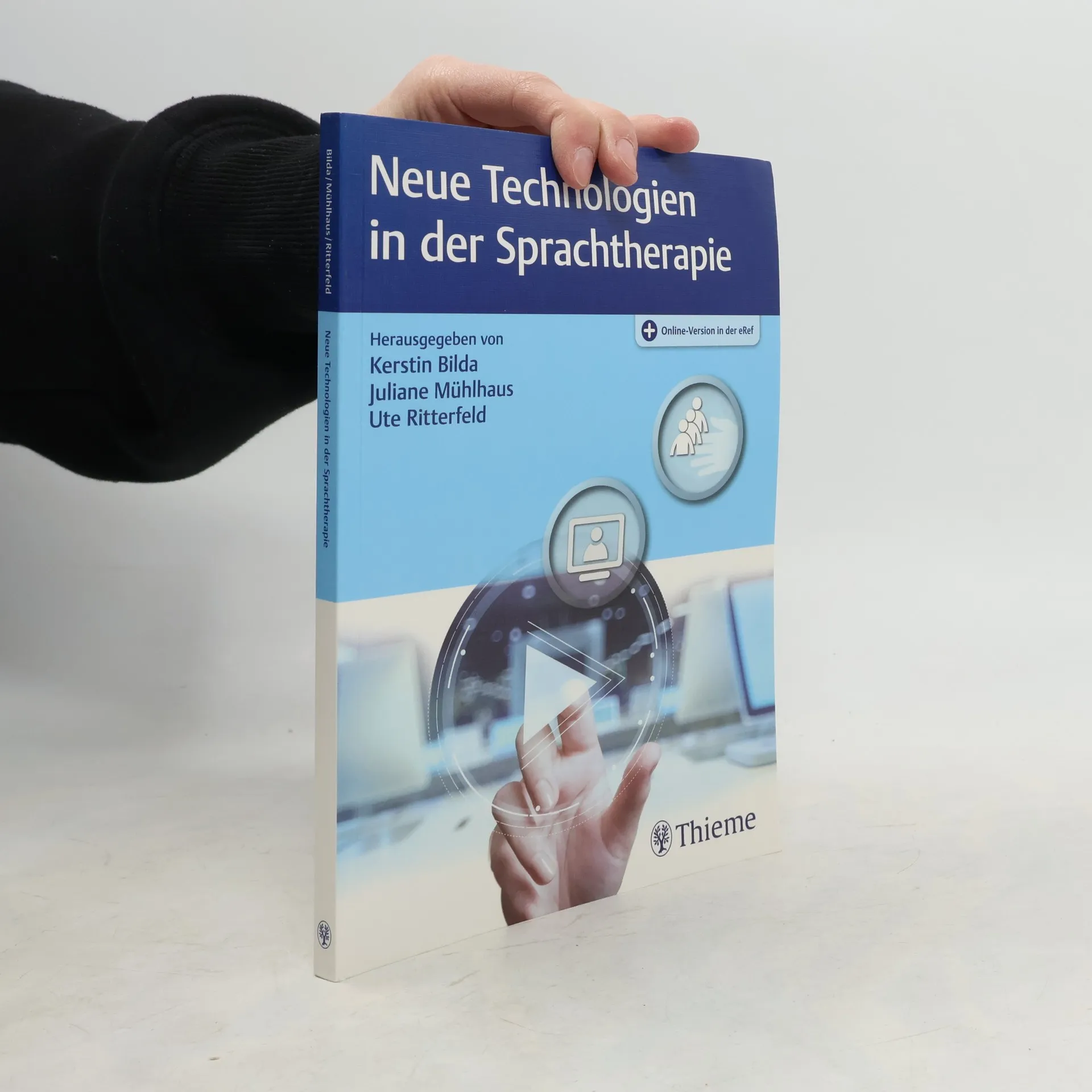

Neue Technologien in der Sprachtherapie
- 533pagine
- 19 ore di lettura
Wenn Alter, Krankheit oder Behinderung die Sprach- und Kommunikationsfähigkeit rauben, sind die Folgen für Betroffene einschneidend: Kommunikationsfähigkeit ist die Grundlage jeder sozialen Teilhabe. Moderne Kommunikationstechnologie kann diese Patienten befähigen, sich aus sozialer Isolation zu befreien. Das Buch richtet sich an Sprachtherapeuten und Logopäden in Wissenschaft und Praxis, die Patienten durch unterstützte Kommunikation und assistive Technologien wieder zu Lebensqualität verhelfen möchten. Fehlendes Sprechvermögen kompensieren und Sprach- und Kommunikationsfähigkeit im therapeutischen Prozess trainieren - zu diesen Zwecken setzt innovative Sprachtherapie auf Technologien und Applikationen. Die Autoren geben einen Überblick über verfügbare Anwendungen und deren Weiterentwicklung und vermitteln Grundlagen- wie auch Anwenderwissen. Zugrundeliegende Wirkmechanismen und wissenschaftliche Evidenz: Psychologisch-pädagogische und linguistisch-sprachtherapeutische Grundlagen. Von Teletherapie bis hin zu elektronischen Kommunikationshilfen: Anwendungspotenzial und Grenzen bei Applikationen für die Sprachtherapie. Handhabung in der Praxis: Rechtliche, soziale und ethische Rahmenbedingungen. Jederzeit zugreifen: Der Inhalt des Buches steht Ihnen auch digital im Wissensportal eRef und in der eRef App zur Verfügung. Zugangscode im Buch. Setzen Sie auf innovative Sprachtherapie - für Ihre Patienten.