Pierre Augustin Caron de Beaumarchais Libri
Pierre-Augustin Caron de Beaumarchais fu un drammaturgo francese la cui influenza spaziava dall'orologeria alla rivoluzione. Le sue opere teatrali, in particolare le commedie di Figaro, ottennero il maggior plauso e rimangono celebrate per la loro arguzia e il commento sociale. La carriera di Beaumarchais fu notevolmente sfaccettata, includendo ruoli di diplomatico, spia e trafficante d'armi, riflettendo l'epoca turbolenta in cui visse. Il suo coinvolgimento nel sostegno all'indipendenza americana e la sua partecipazione alle prime fasi della Rivoluzione Francese sottolineano il suo ruolo attivo nelle correnti politiche del suo tempo.



A French courtier, secret agent, libertine and adventurer, Beaumarchais (1732-99) was also author of two sparkling plays about the scoundrelly valet Figaro triumphant successes that were used as the basis of operas by Mozart and Rossini. A highly engaging comedy of intrigue, The Barber of Seville portrays the resourceful Figaro foiling a jealous old man's attempts to keep his beautiful ward from her lover. And The Marriage of Figaro condemned by Louis XVI for its daring satire of nobility and privilege depicts a master and servant set in opposition by their desire for the same woman. With characteristic lightness of touch, Beaumarchais created an audacious farce of disguise and mistaken identity that balances wit, frivolity and seriousness in equal measure
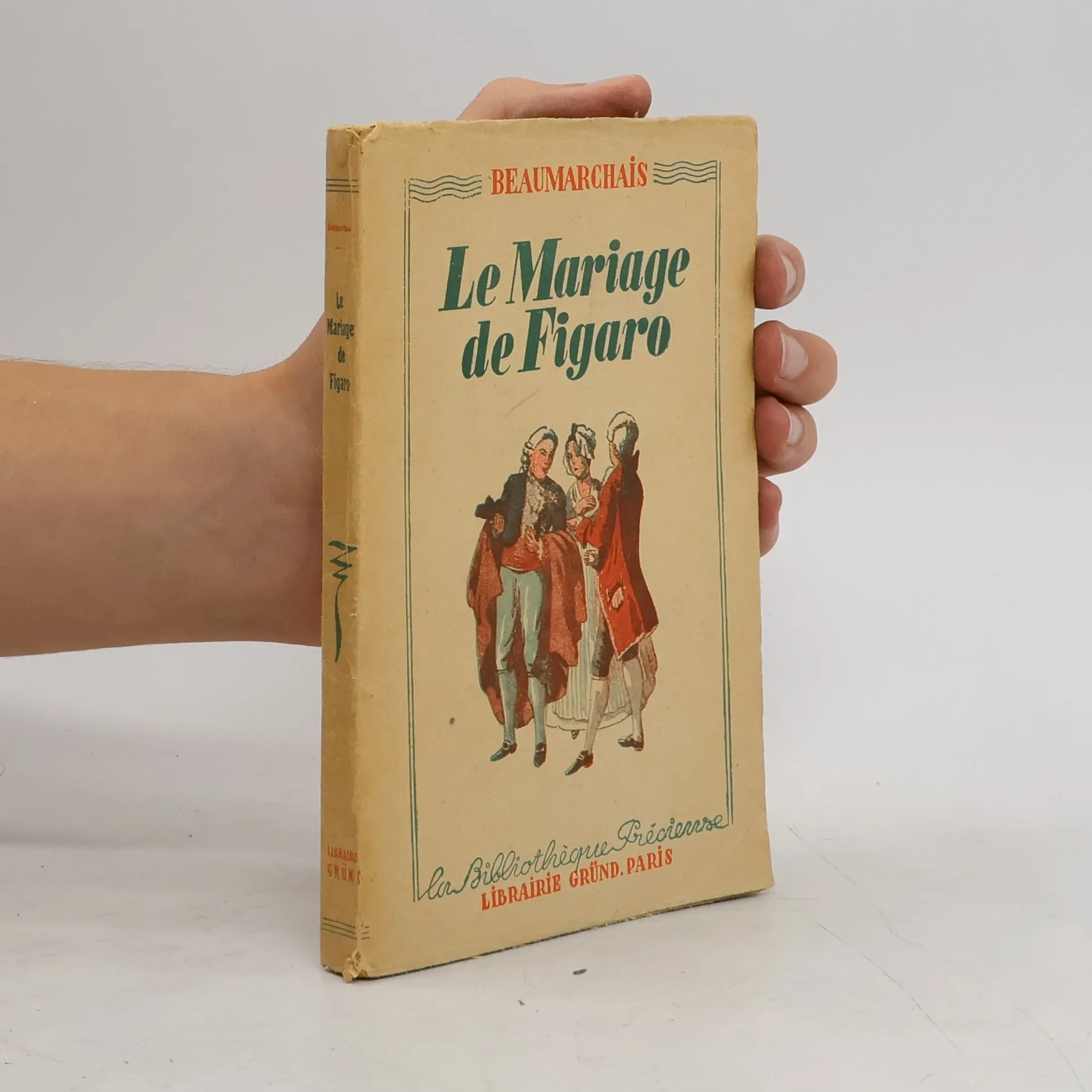
L'ingénieux et spirituel Figaro se marie ! Ce grand jour est cependant assombri par le libertinage du comte Almaviva, qui désire acheter les faveurs de sa fiancée avant la cérémonie. Goût de l'intrigue et mots d'esprit ne seront pas de trop pour faire triompher la justice et l'amour.
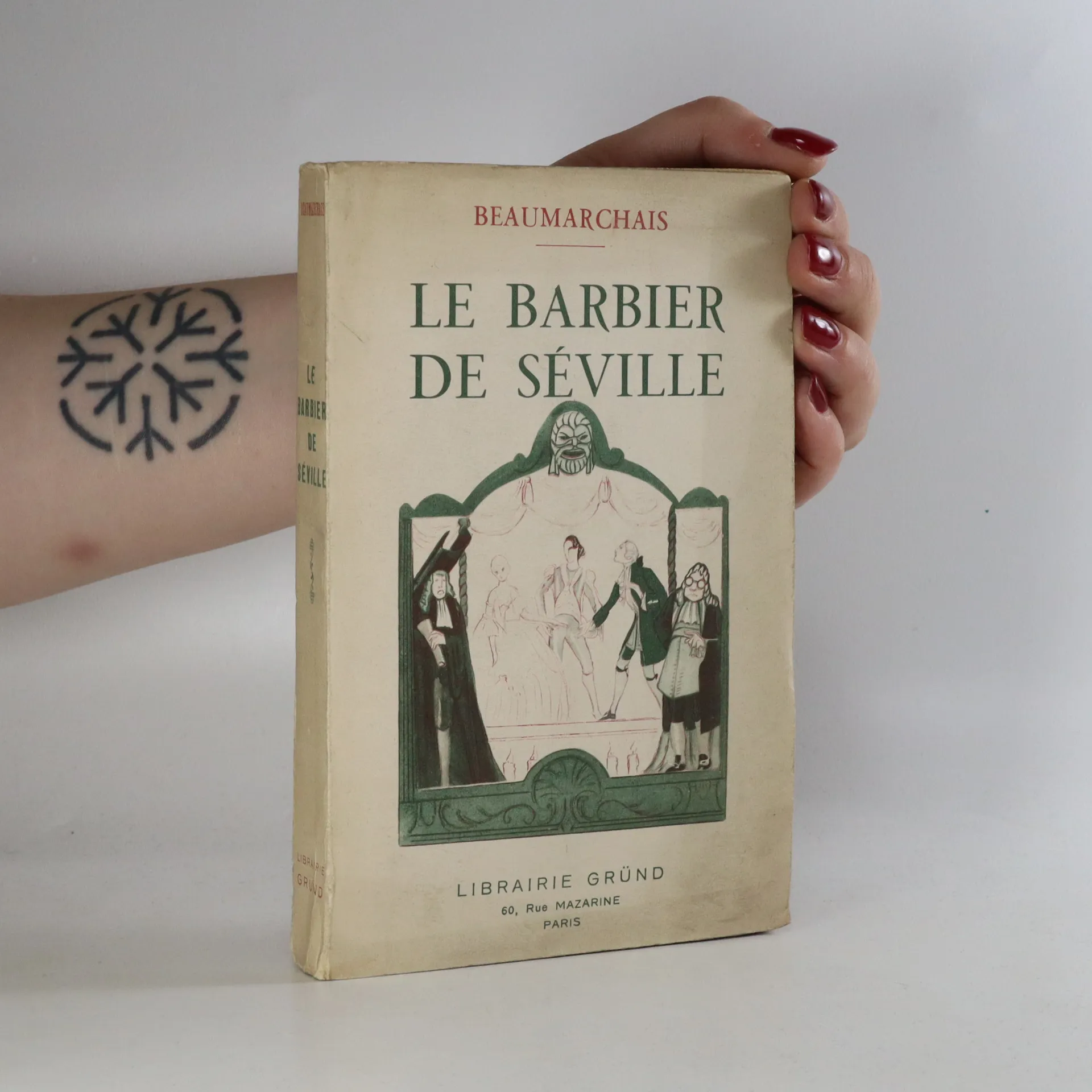
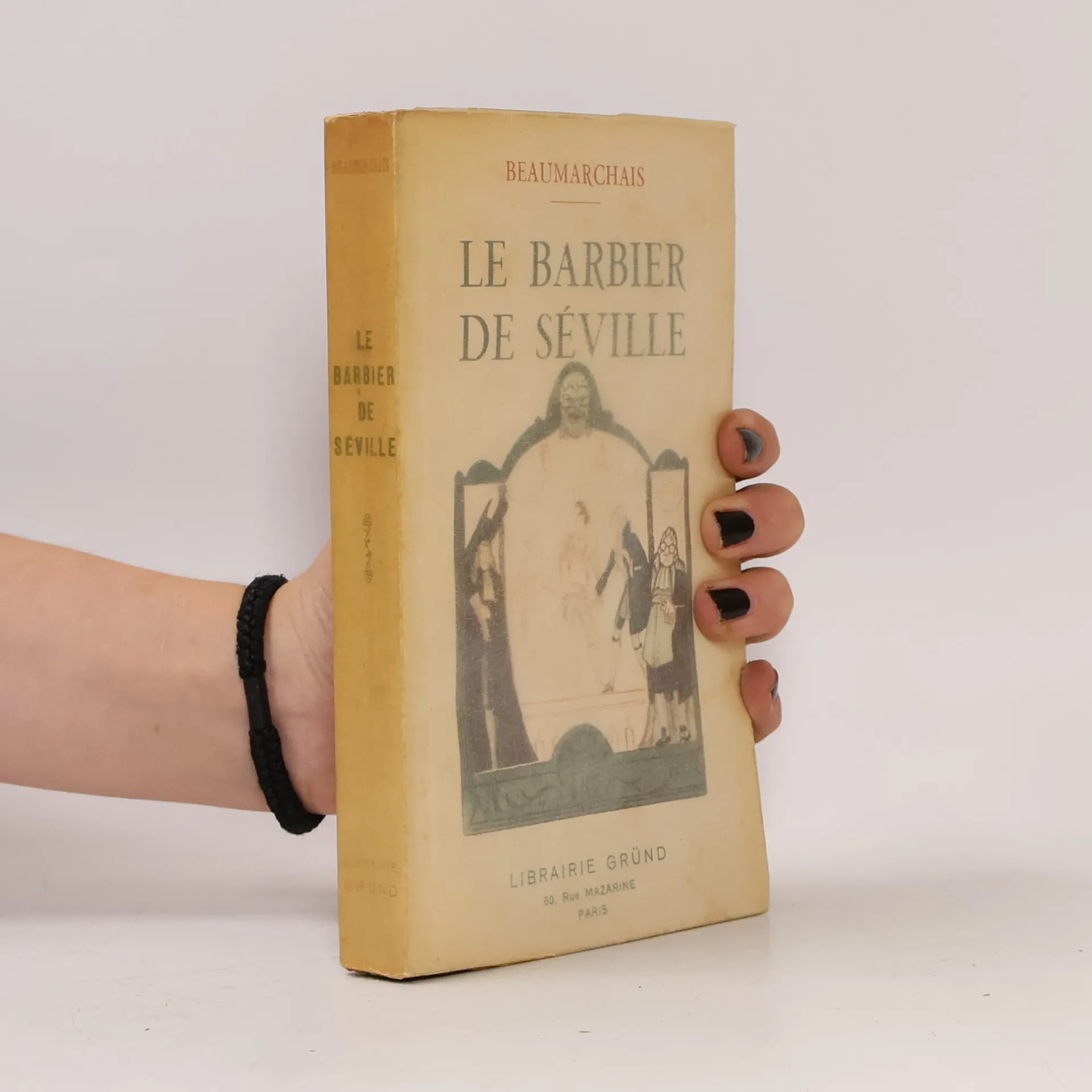
Le Barbier de Séville
- 271pagine
- 10 ore di lettura
Trois parties: Avant d'aborder le texte - Le texte - Comment lire l'oeuvre. La collection propose l'ďition annotě, commentě et illustrě du texte intǧral de l'oeuvre; une biographie de l'auteur; les contextes et la gens̈e de l'oeuvre; un appareil pďagogique et des outils de lecture.
Le texte intégral est accompagné d'une introduction présentant l'auteur, l'oeuvre (schéma narratif, sources littéraires, critiques) ainsi qu'un parcours thématique sur la vie au temps de Beaumarchais et les comédies permettant à l'élève d'approfondir sa réflexion.
La Trilogie de Figaro
Le Barbier de Séville. Le Mariage de Figaro. L'Autre Tartuffe ou la Mère Coupable
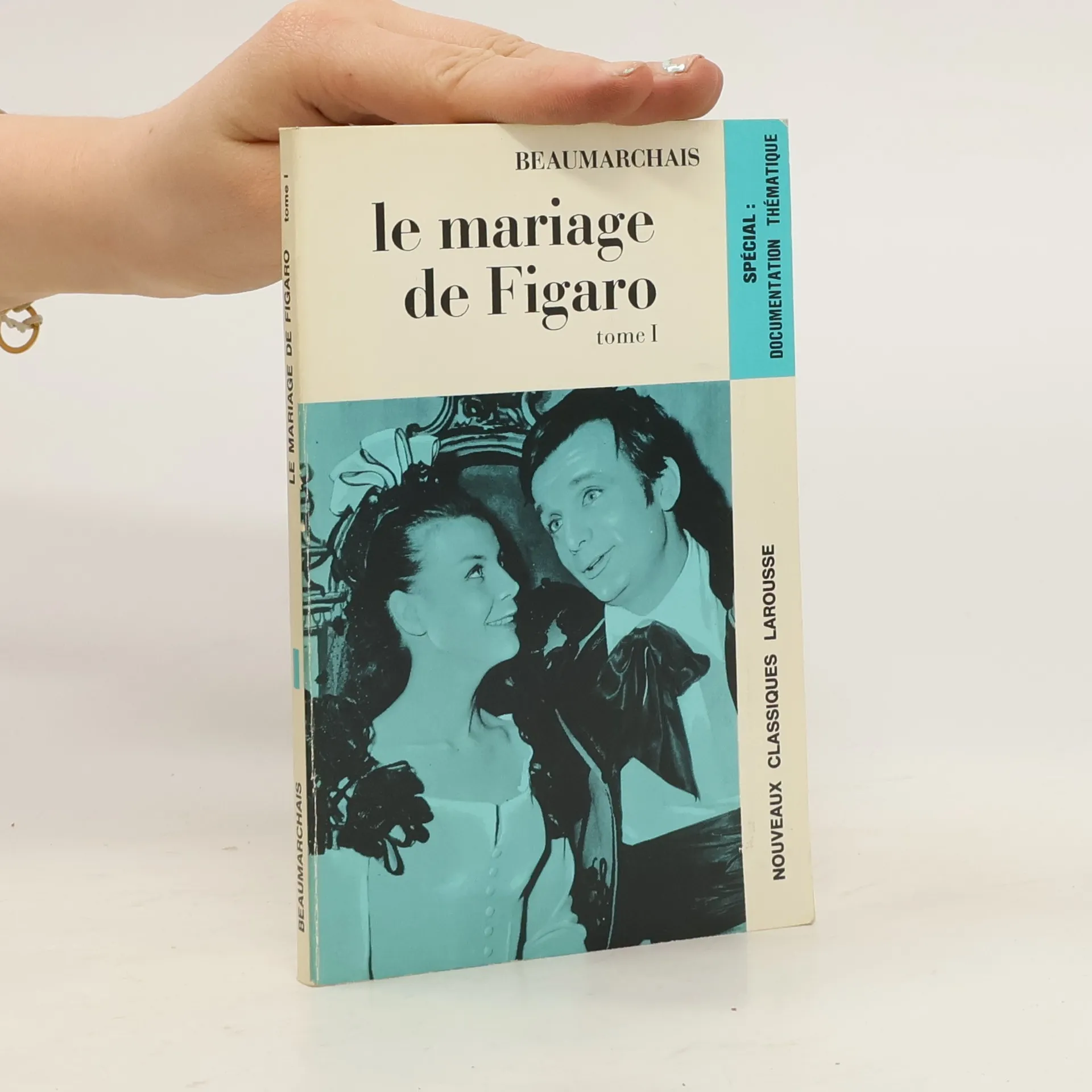
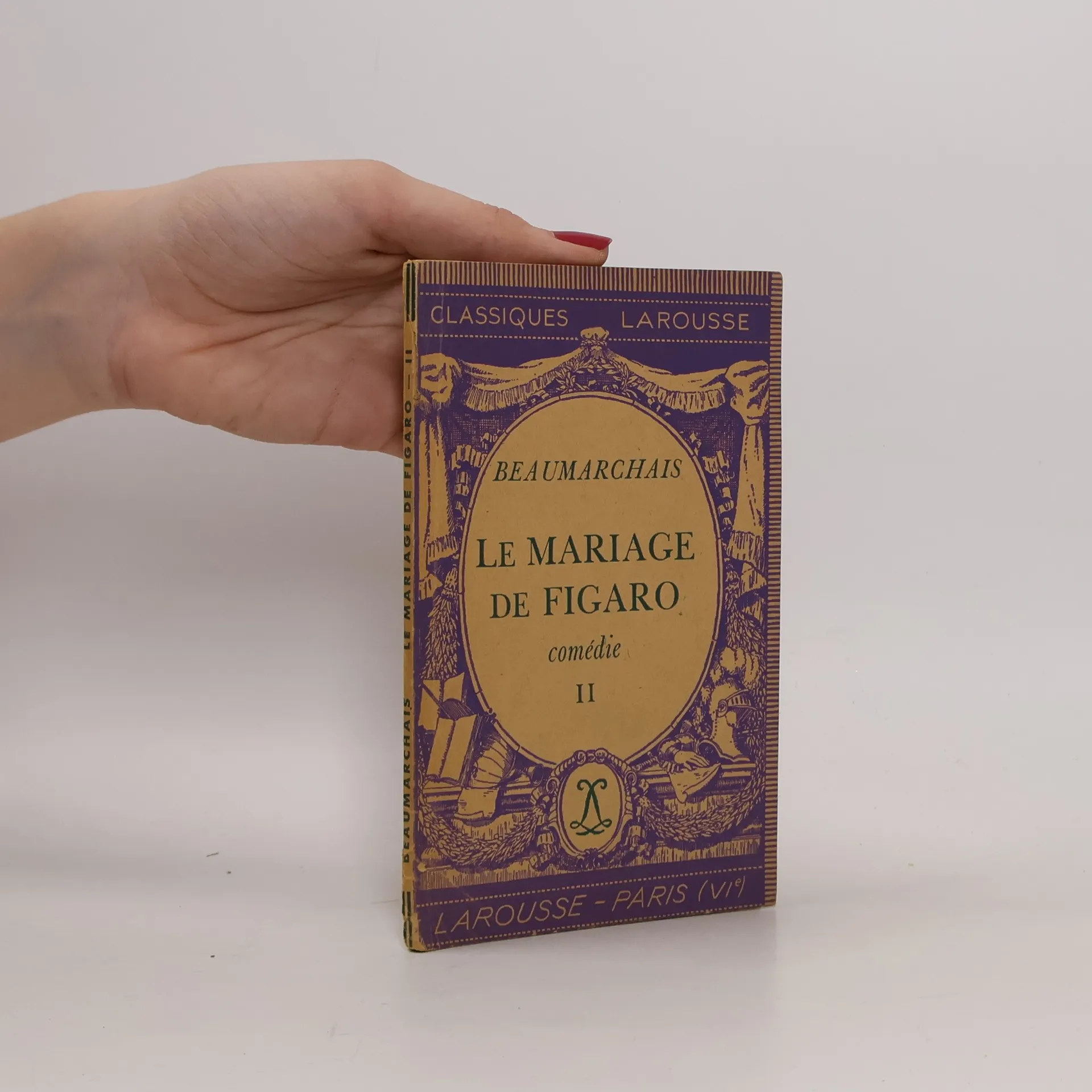
Le mariage de Figaro I
- 160pagine
- 6 ore di lettura
Avec une Notice biographique, une Notice historique et littéraire, des Notes explicatives, une Documentation thématique, des Jugements, un Questionnarie et des Sujets de devoirs, par Louis Forestier.
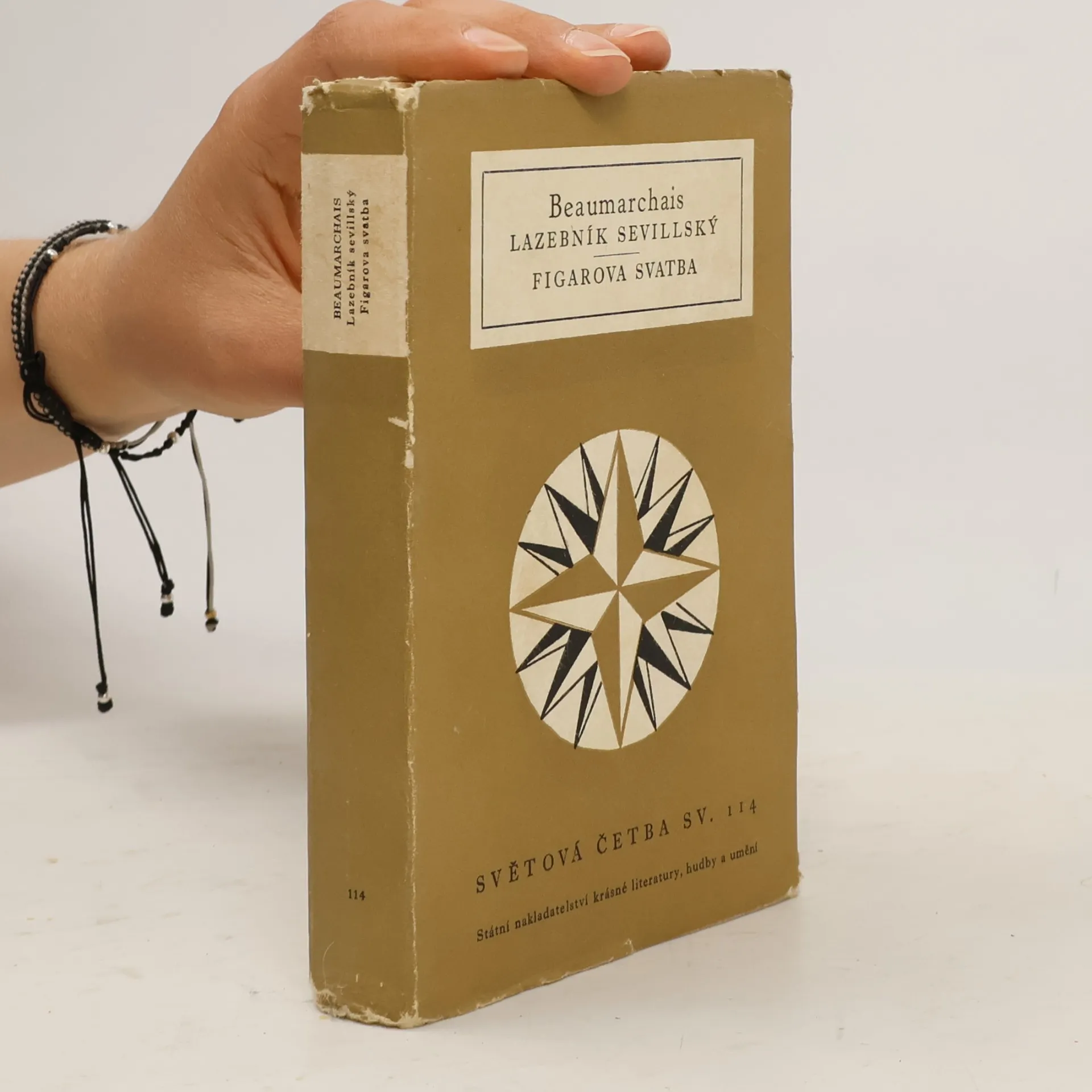
Těmito komediemi vrcholí Beaumarchaisovo dramatické dílo. Vytvořil v nich postavu slavného Figara, chlapíka, kterého nadal nejvýraznějšími vlastnostmi: břitkosti kurážného vtipu, vynálézavostí, jak vybřednout z nejnemožnějších situací a schopností roztočit svět kolem sebe podle vlastnívůle. Zdaleka to však nejsou jen zábavné komedie o lásce s překážkami. Figaro mluví ostrým jazykem pařížského lidu, stojí proti šlechtici i měšťáku, odlišen od nich třídním postavením a mentalitou. Stojí v jedné řadě s Quijotem, Tartuffem, Švejkem a jinými, kteří vešli ze života do literatury a stali se majetkem všech. Lazebník Figaro vystupuje od svého stvoření v mnoha podobách: v Rossiniho opeře a ve verších Puškinových, u nás na příklad v díle Dykově i E.F. Buriana. Beaumarchais je jednou z ústředních postav Feuchtwangerova románu "Lišky na vinici". - V tomto vydání jsou po prvé do češtiny přeložené Beaumarchaisovy předmluvy k oběma hrám.
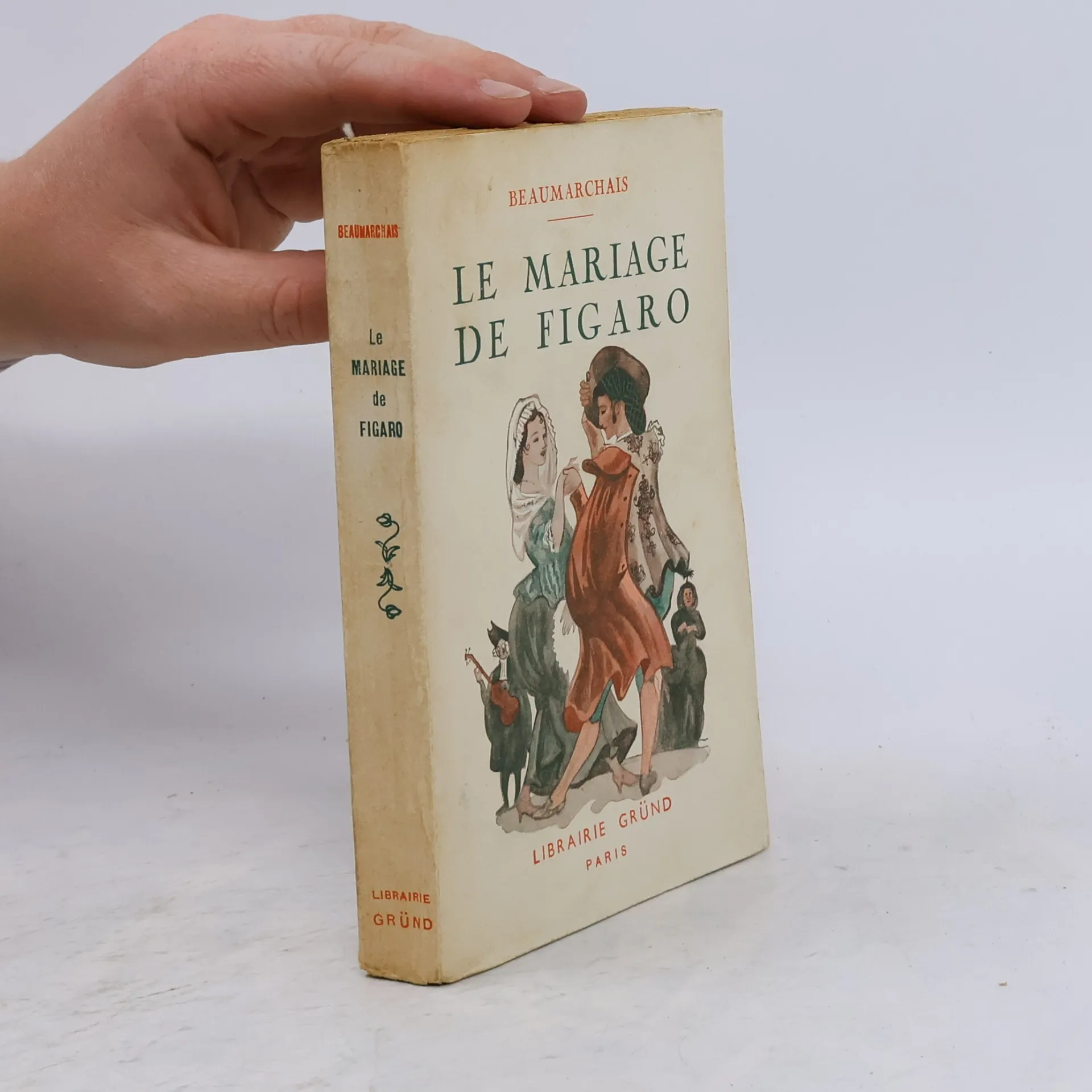
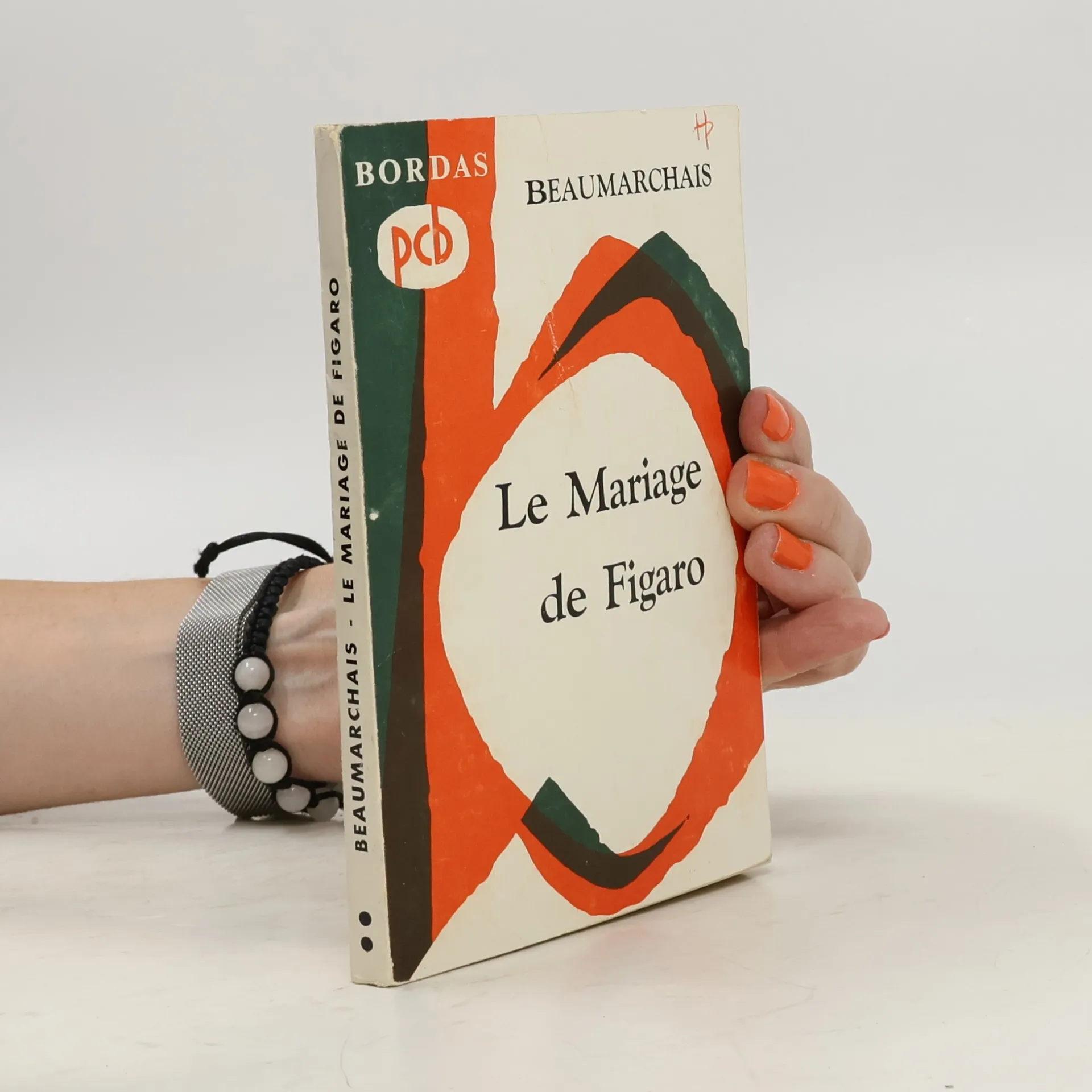
Le mariage de Figaro
Le mariage de Figaro ou La folle journée
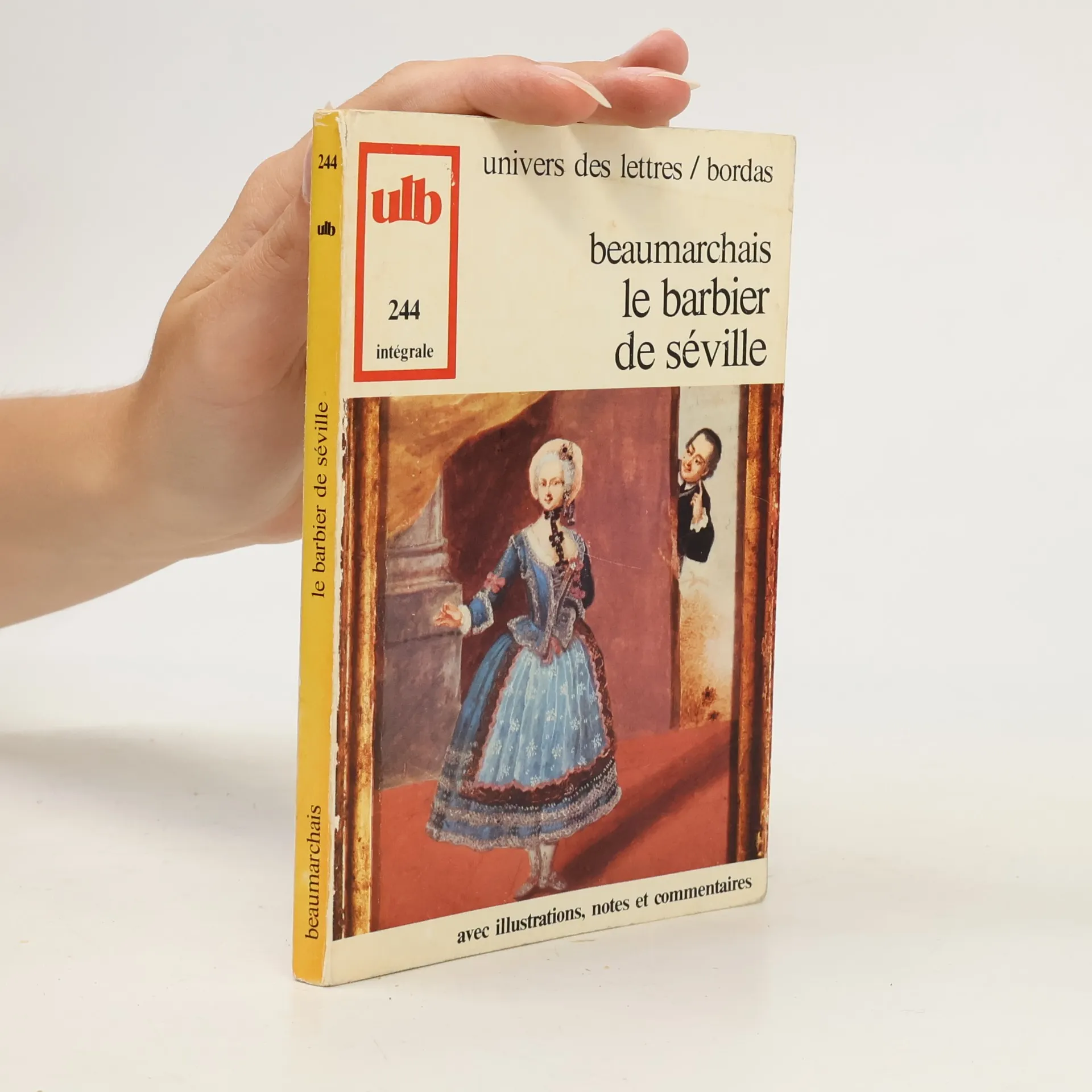
Univers des lettres - 224: Le Barbier de Séville
Comédie [par] Beaumarchais - Intégrale - Avec illustrations, notes et commentaires
- 191pagine
- 7 ore di lettura
French
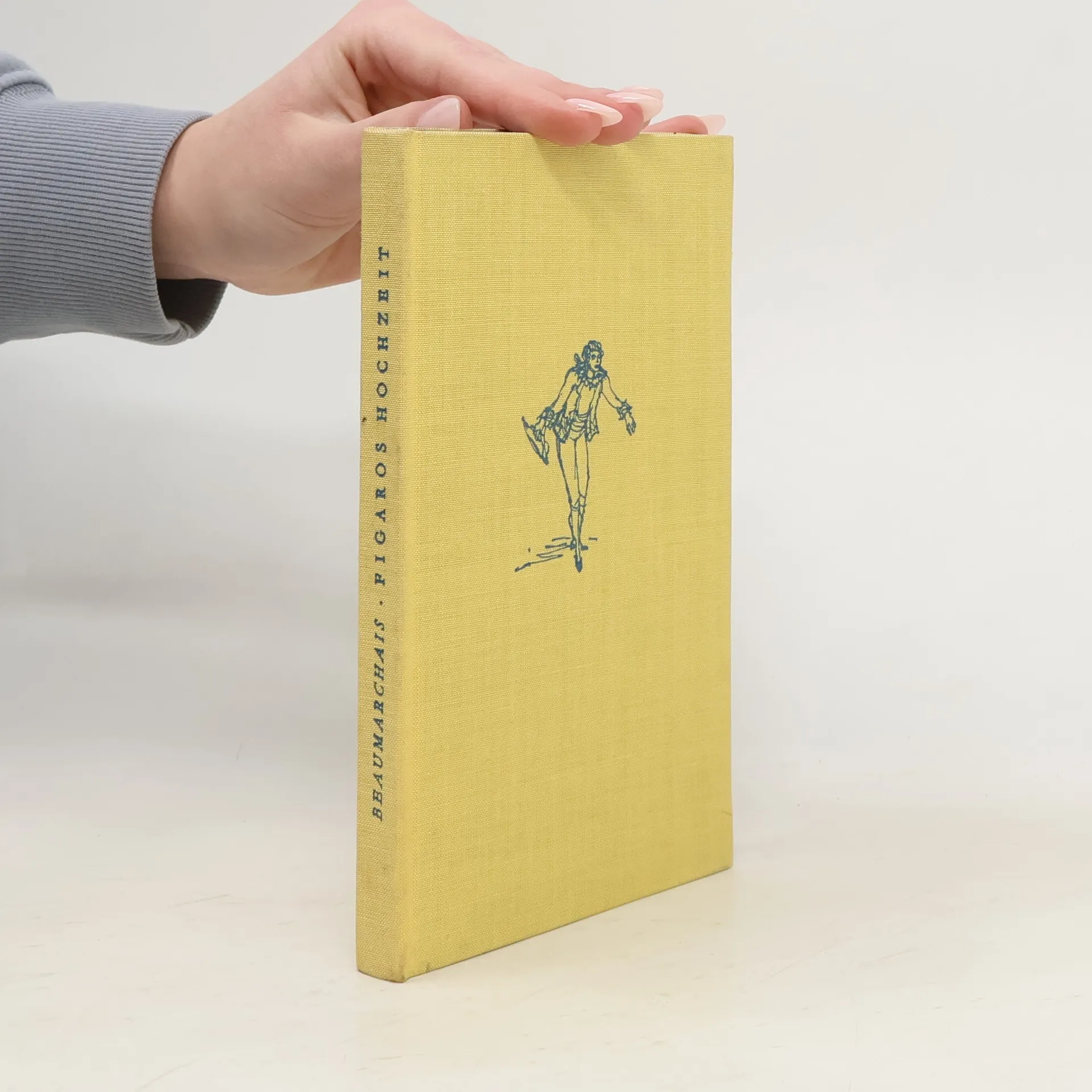
Figaros Hochzeit
Lustspiel