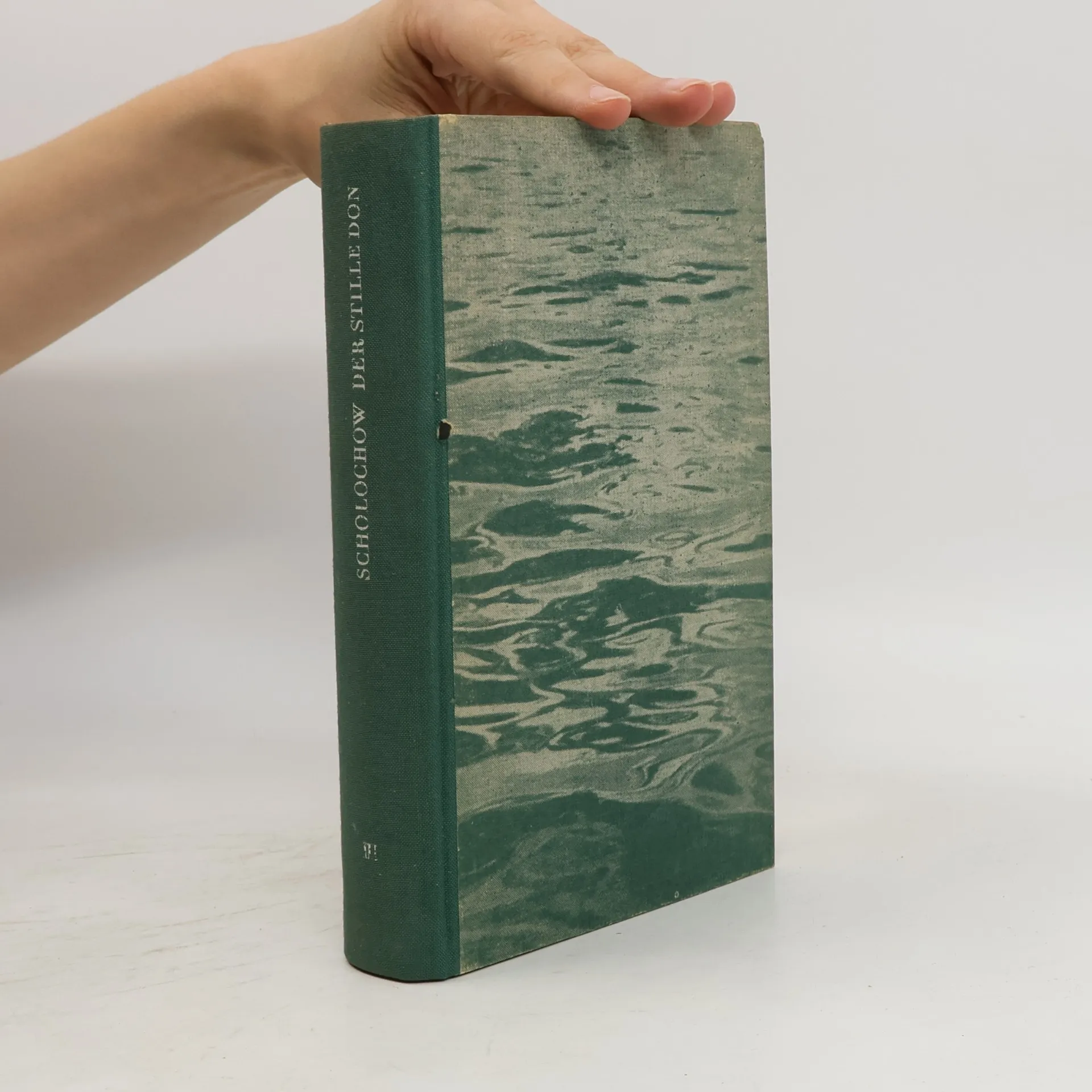
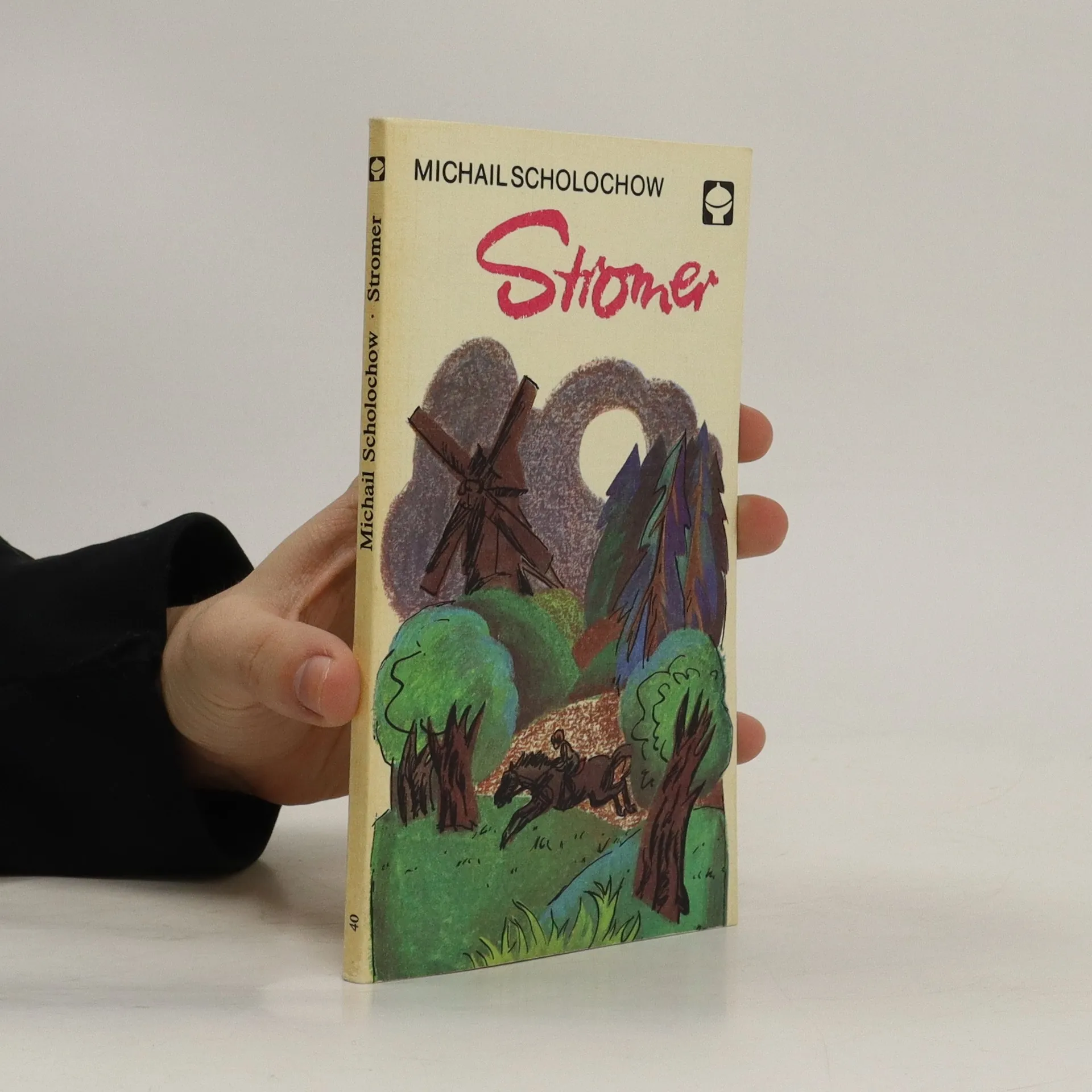
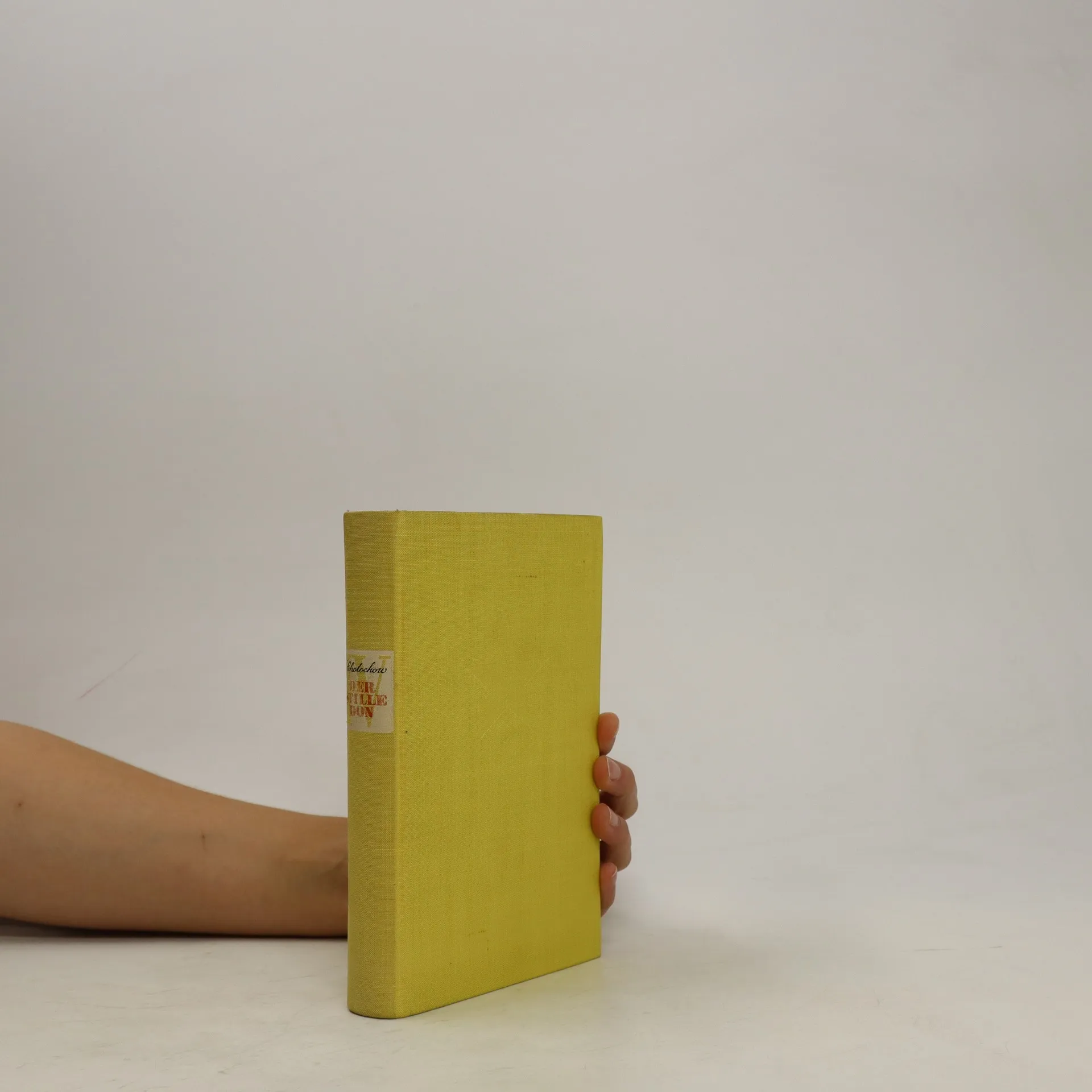
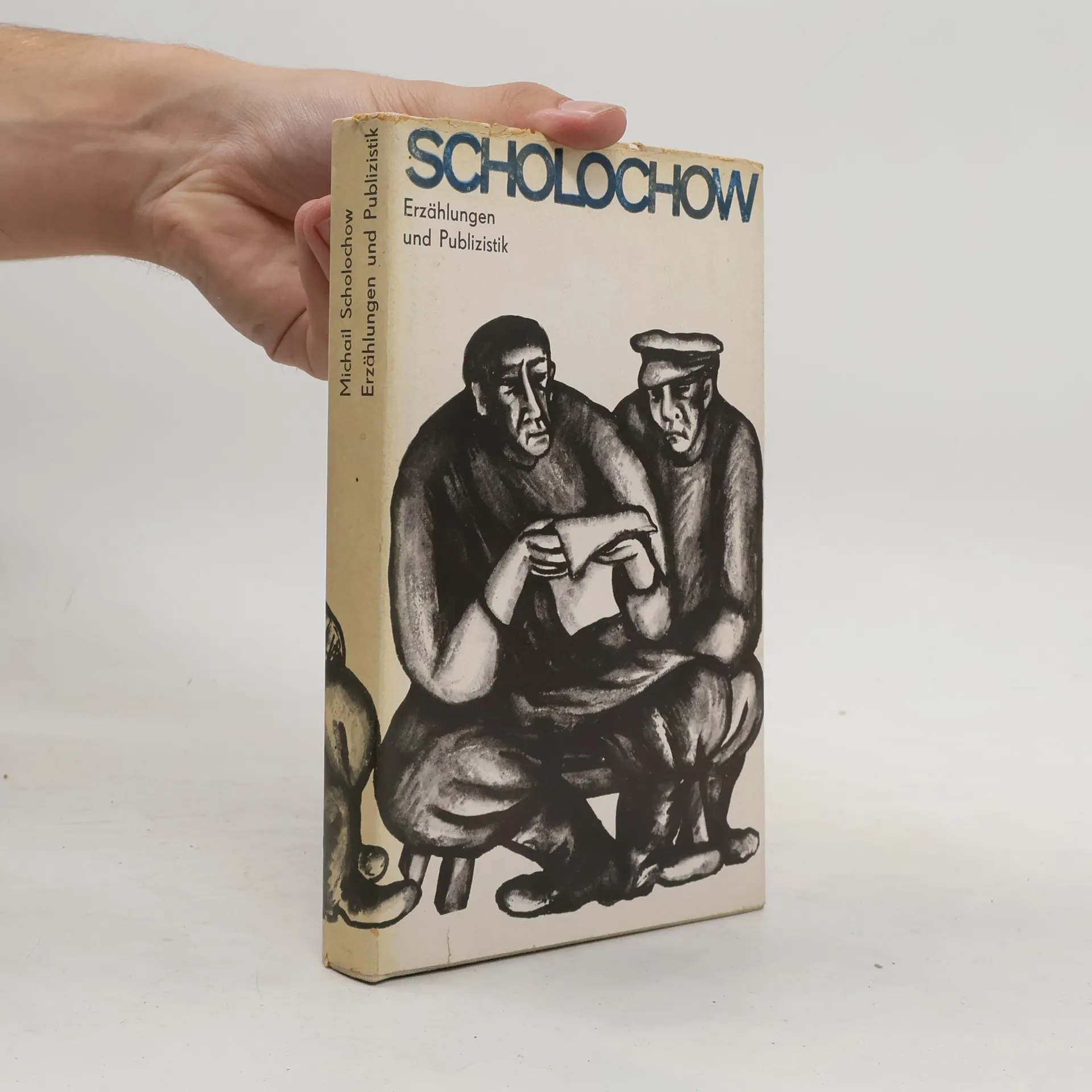
Michail Aleksandrovič Šolochov Libri




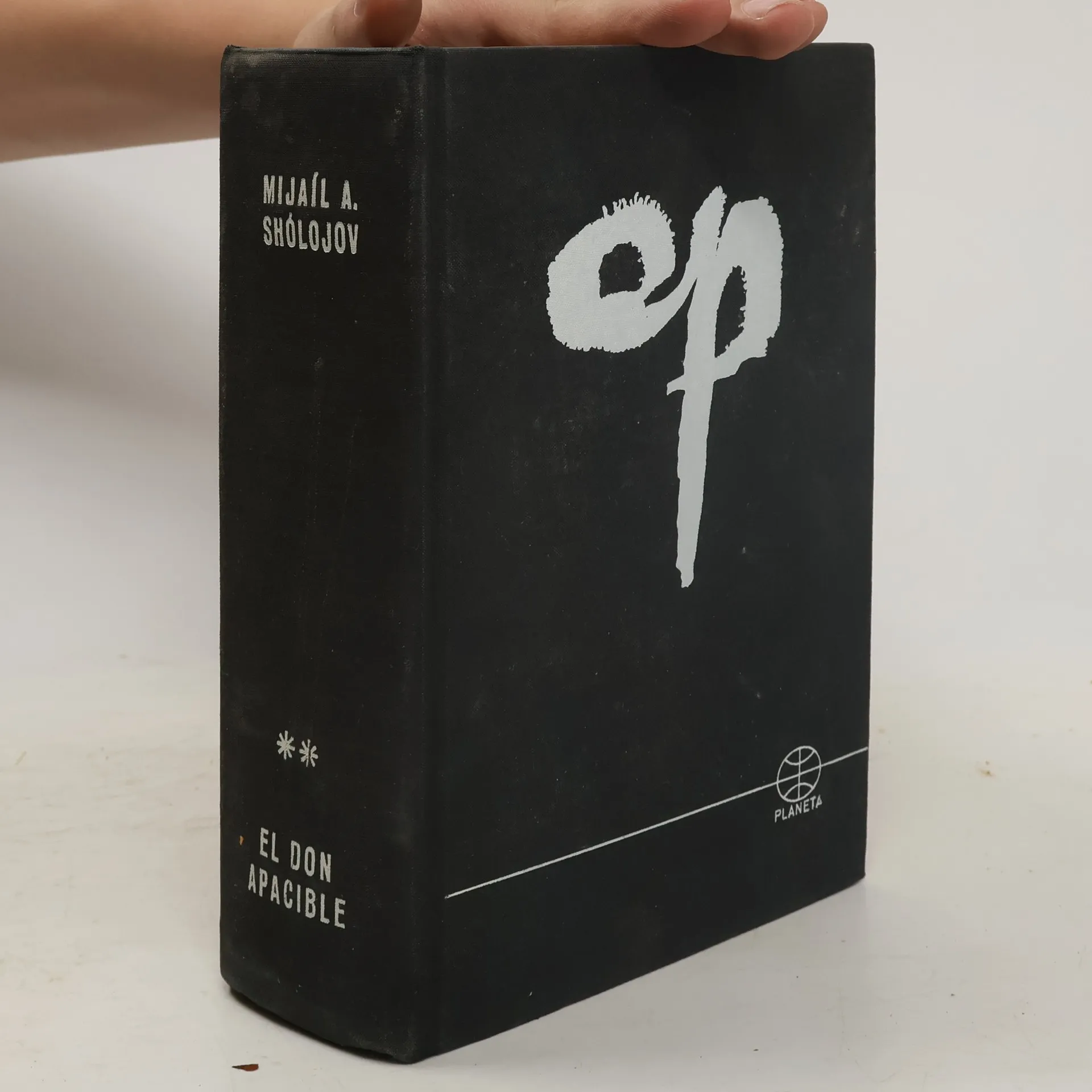
Il placido Don. I rossi e i bianchi
I rossi e i Bianchi
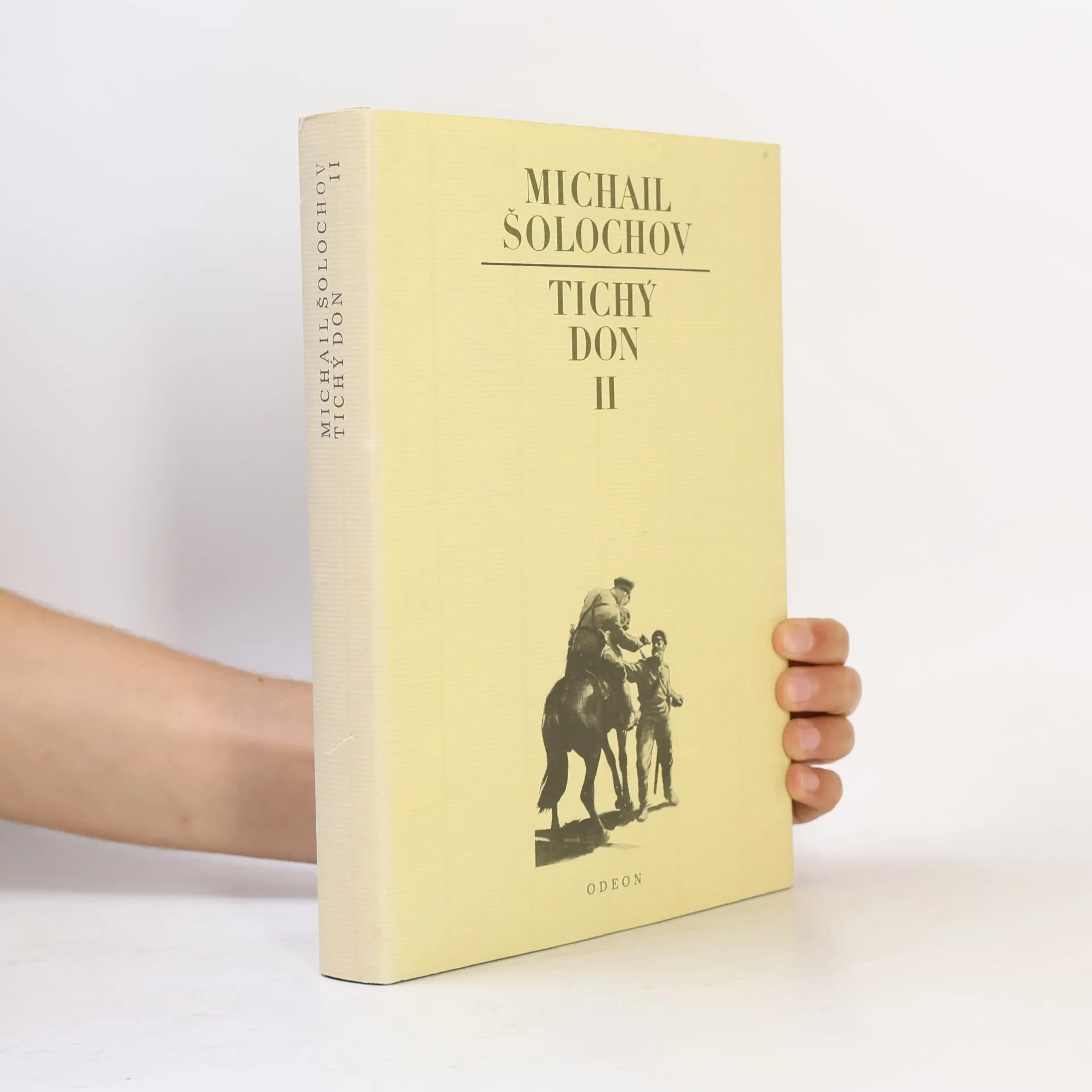
"Quiet Don" is a monumental novel that brought its author, Russian writer Mikhail Sholokhov, worldwide recognition and the Nobel Prize in Literature. This sweeping epic narrates the tragic events in Russian history, focusing on human destinies shattered by fratricidal war and love that endures through all trials. It is challenging to find a work in Russian literature that matches "Quiet Don" in its profound understanding of reality and narrative freedom.
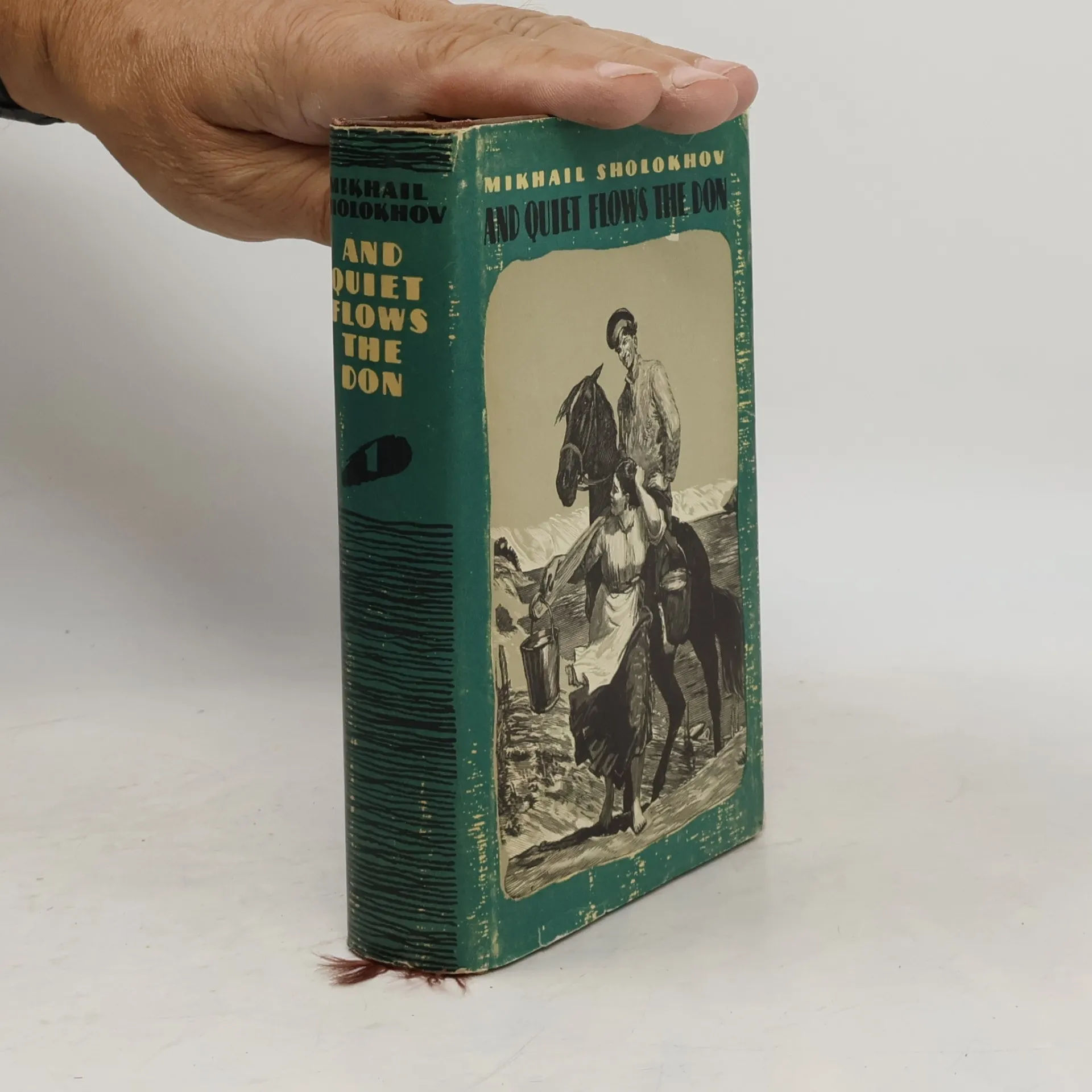
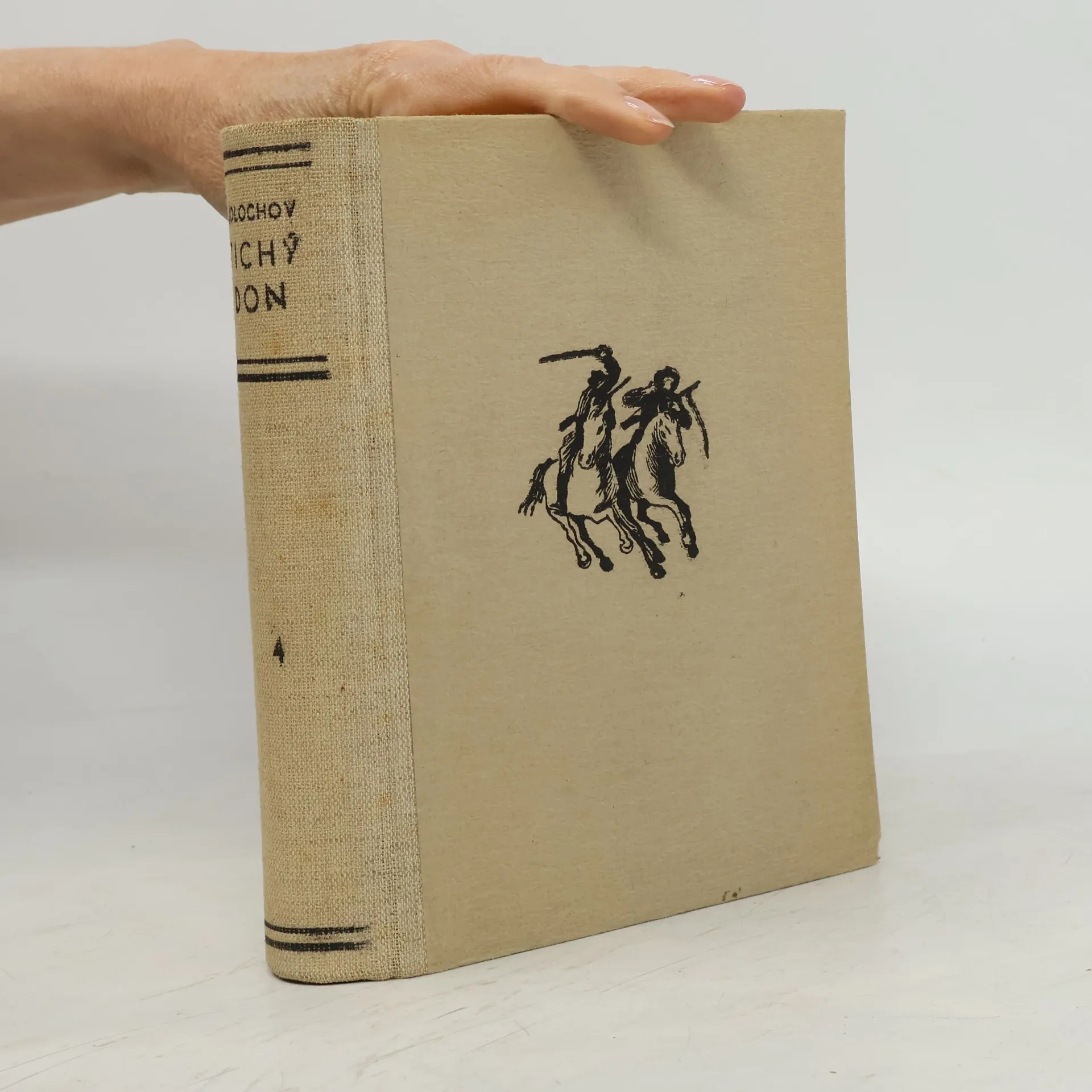
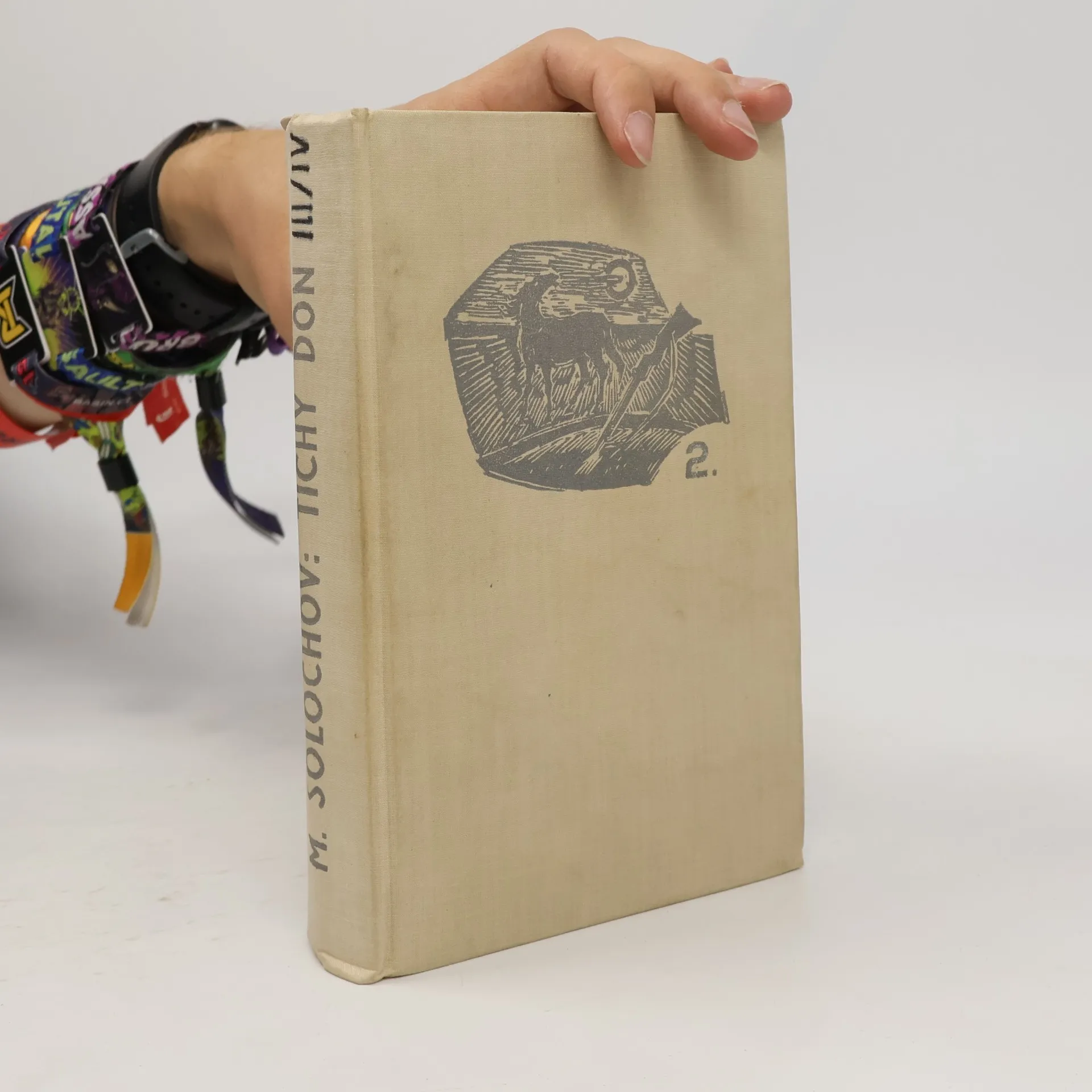
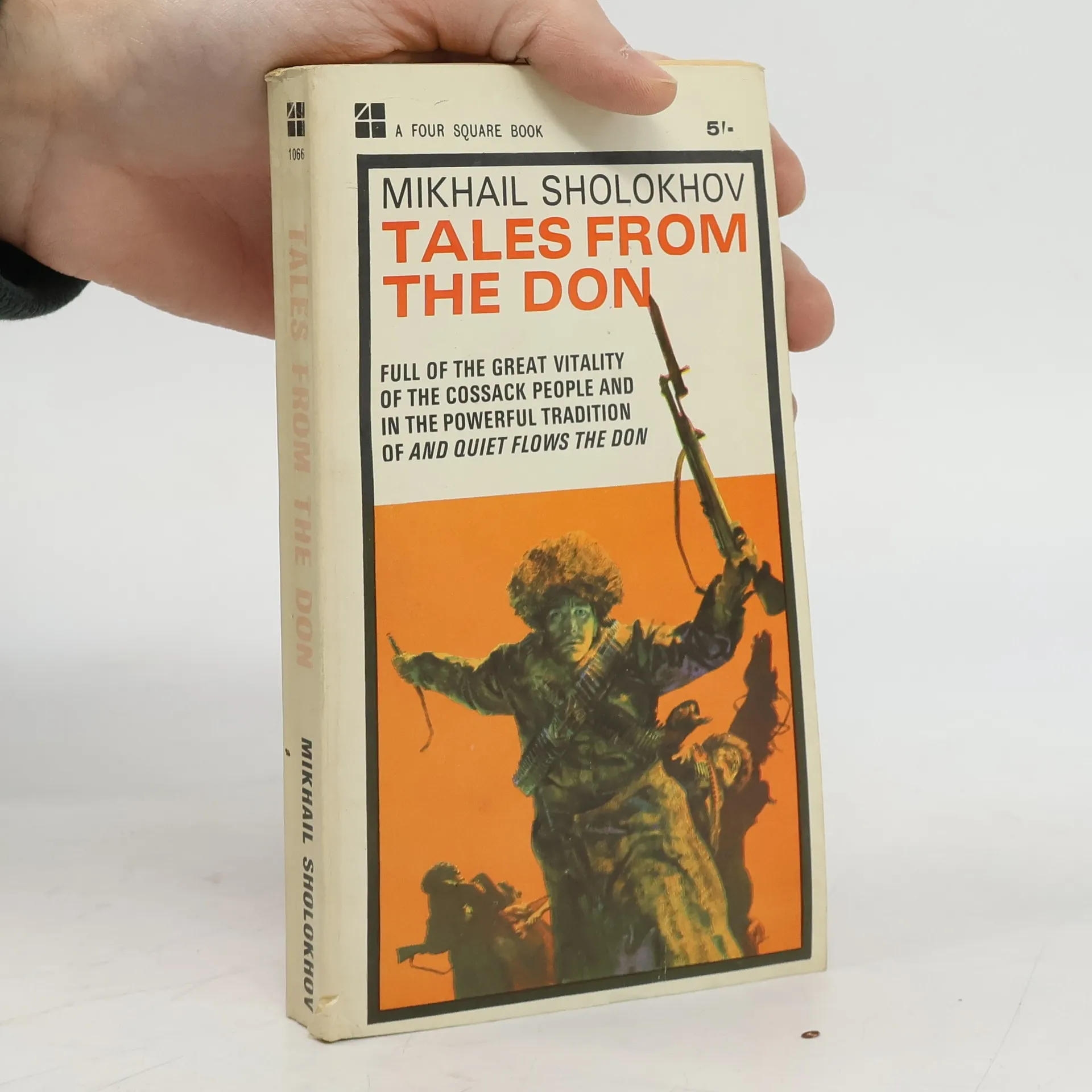
And Quiet Flows the Don or Quietly Flows the Don (Тихий Дон, lit. "The Quiet Don") is a 4-volume epic novel by Russian writer Mikhail Aleksandrovich Sholokhov. The first three volumes were written between 1925-32 and published in the Soviet magazine 'October'. The 4th volume was finished in 1940. The English translation of the first three volumes appeared under this title in 1934. The novel is considered one of the most significant works of Russian literature in the 20th century. It depicts the lives and struggles of the Don Cossacks during WWI, the Russian Revolution & Russian Civil War. In 1965, Sholokhov was awarded the Nobel Prize for Literature for this novel. The authorship of the novel is contested by some literary critics and historians, who believe it wasn't entirely written by Sholokhov.
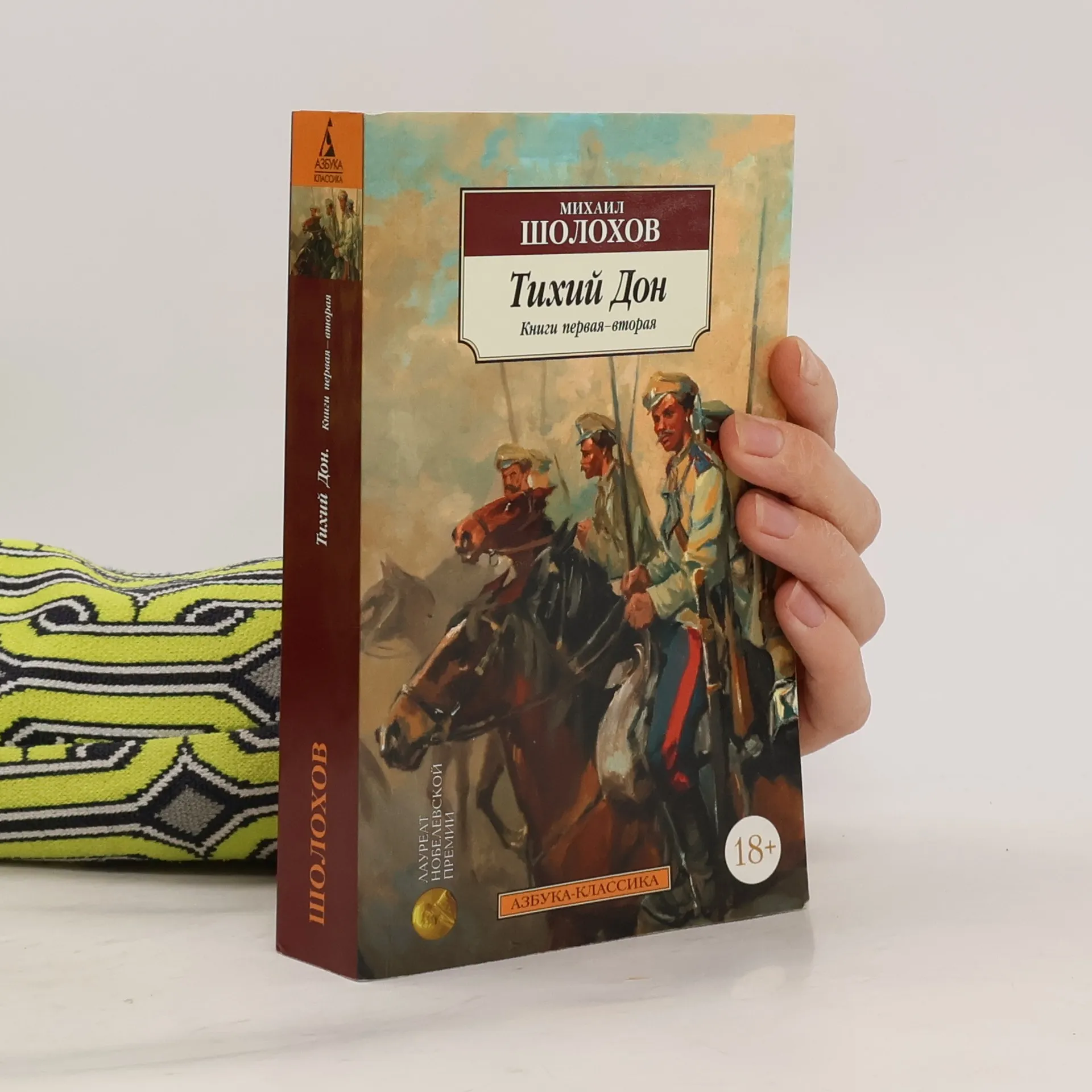
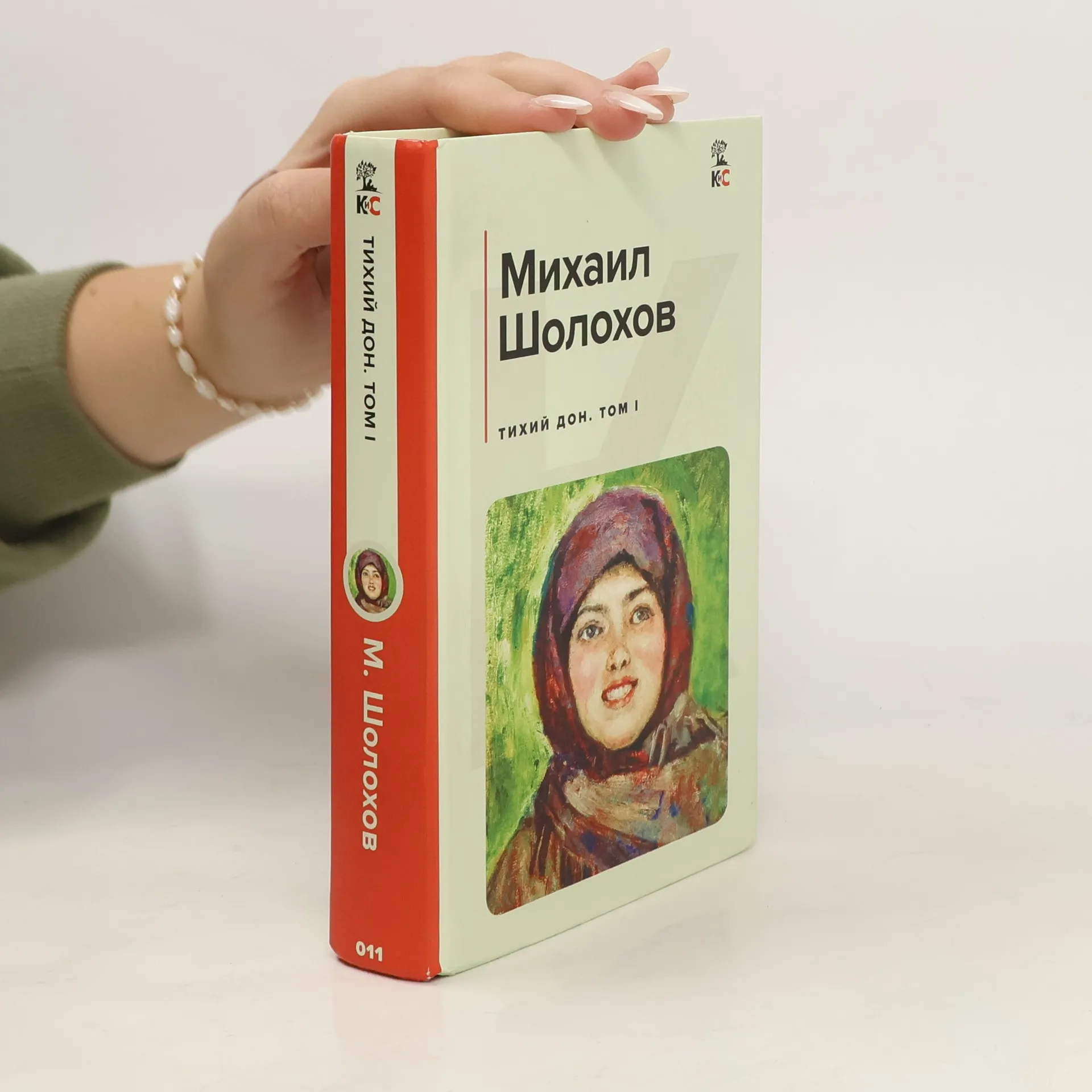
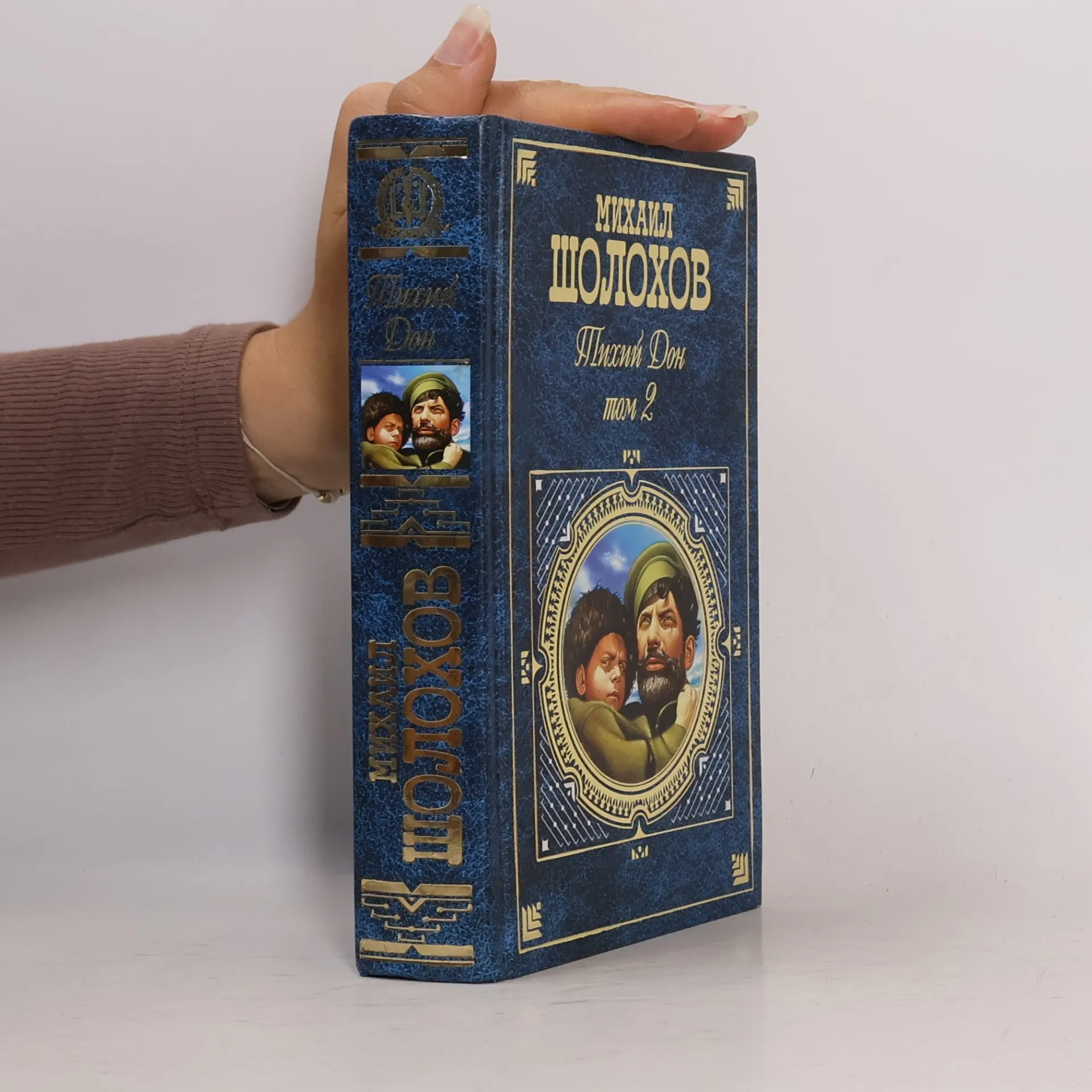
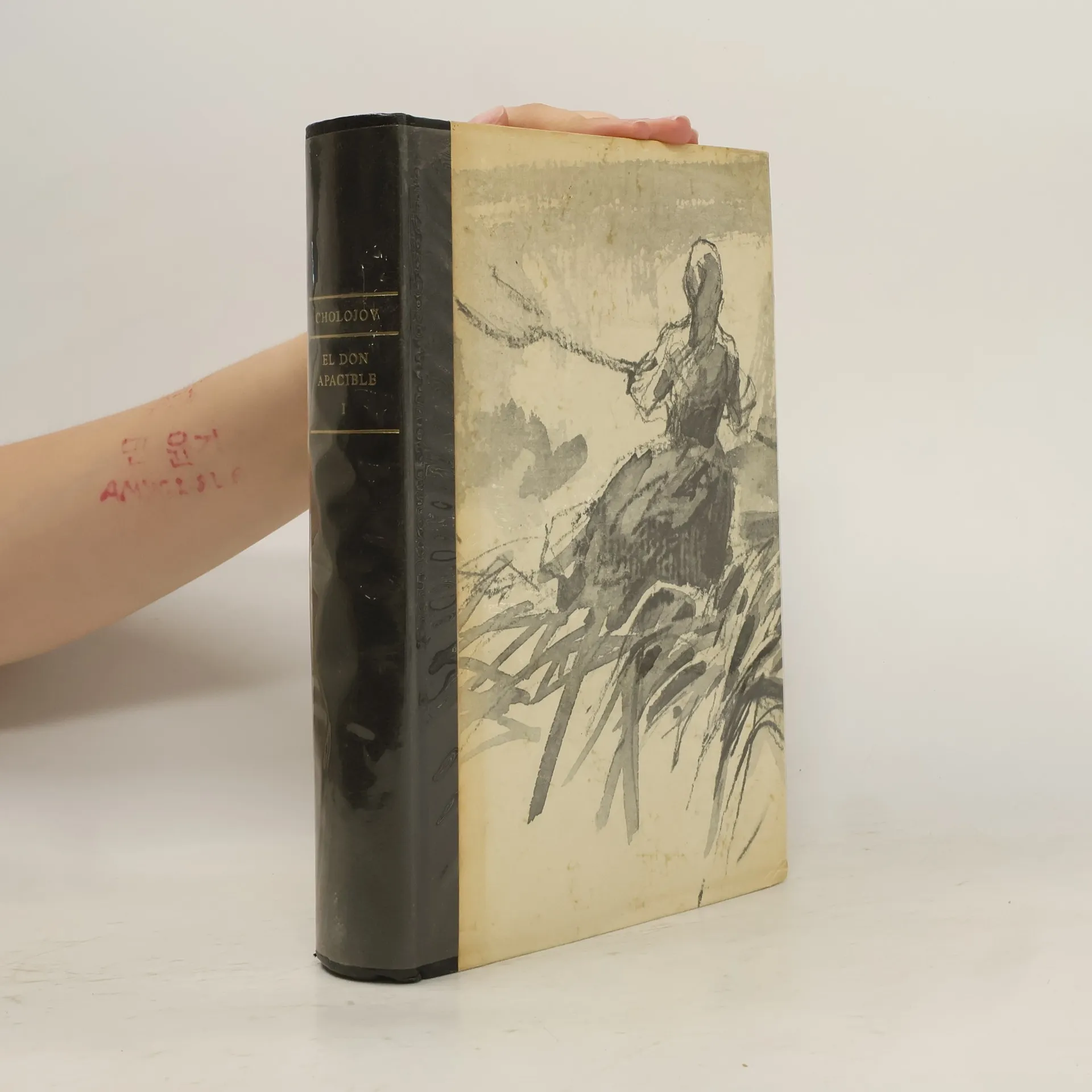
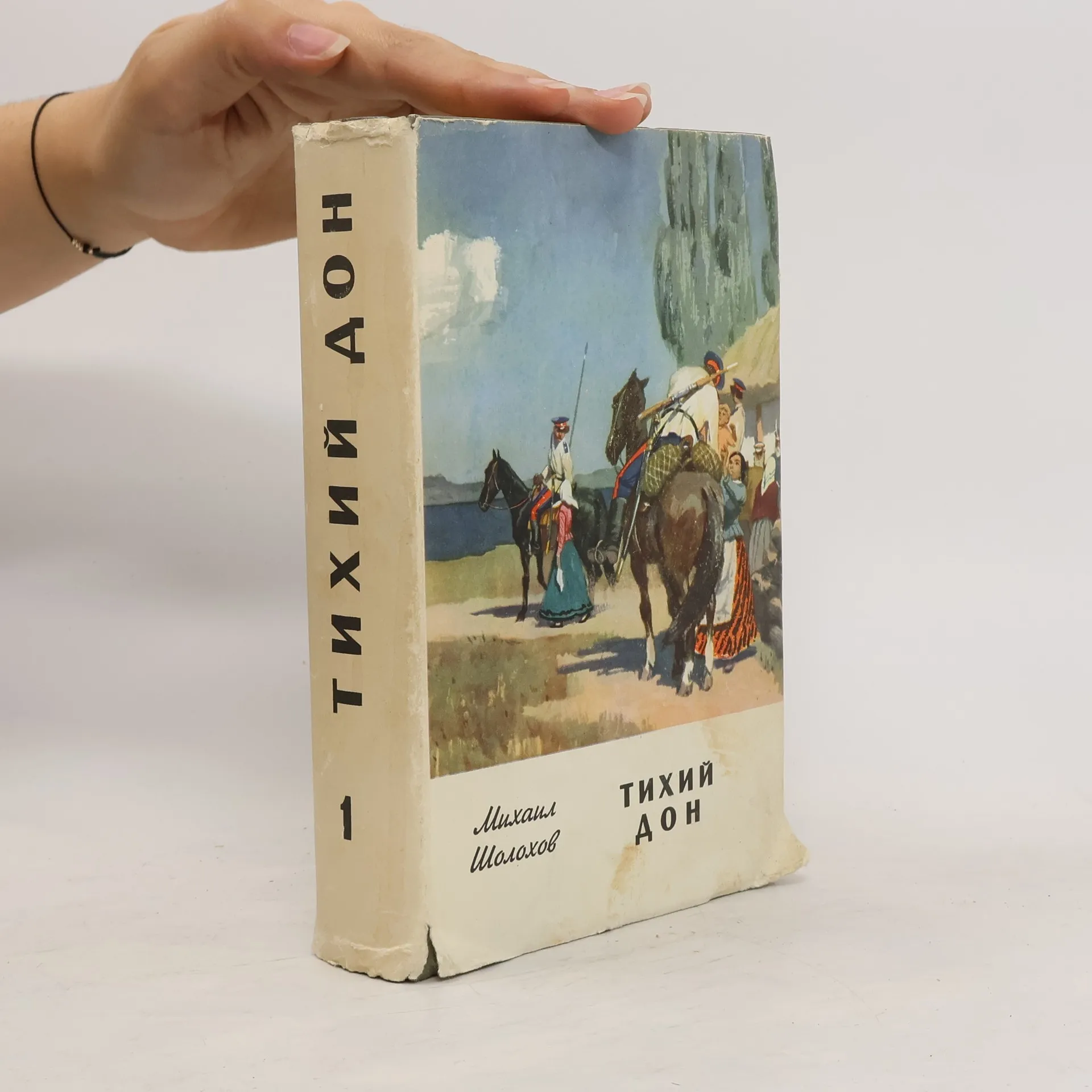
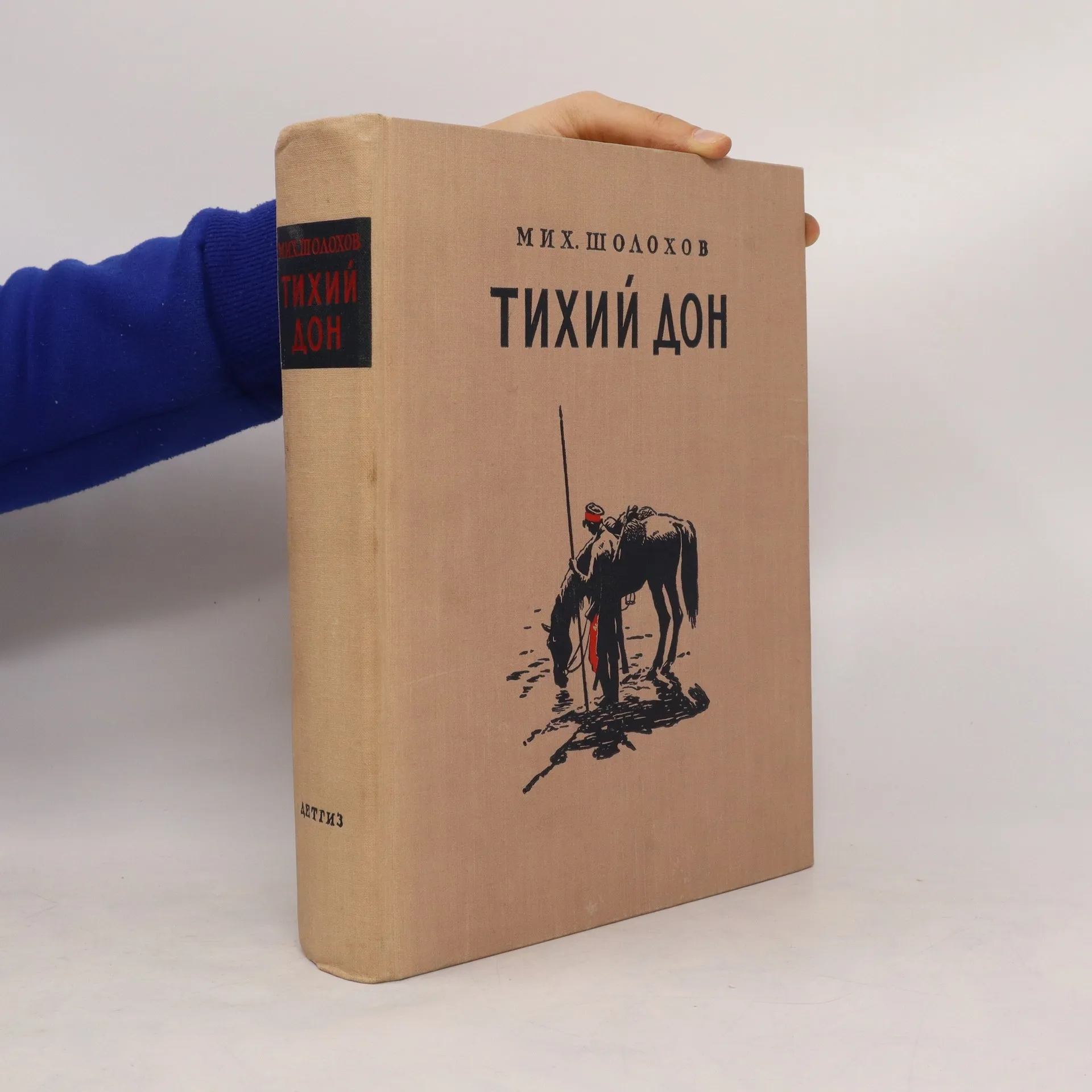
Тихий Дон. Книги первая-вторая
- 800pagine
- 28 ore di lettura
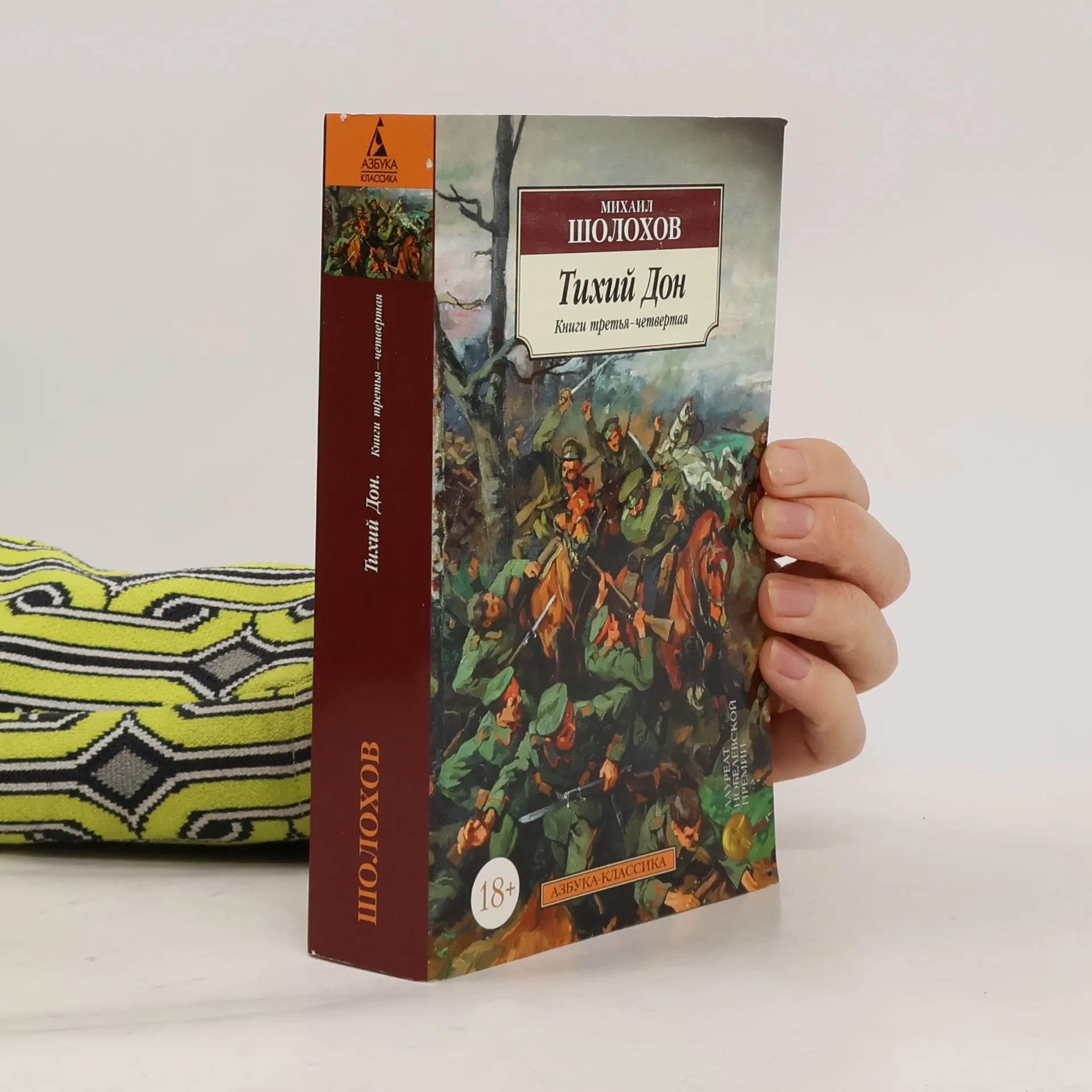
Роман-эпопея Михаила Шолохова «Тихий Дон» — одно из наиболее значительных, масштабных и талантливых произведений русскоязычной литературы, принесшее автору Нобелевскую премию. Действие романа происходит среди важнейших событий в истории России первой половины ХХ века — революции и гражданской войны, поменявших не только древний уклад донского казачества, к которому принадлежит главный герой Григорий Мелехов, но и судьбу и облик всей страны. В этом грандиозном произведении нашлось место чуть ли не для всего самого увлекательного, что может предложить читателю художественная литература: здесь и великие исторические реалии, и любовные интриги, и описания быта давно исчезнувших укладов жизни, многочисленные героические и трагические события, созданные с большой художественной силой и мастерством, тем более поразительным, что Михаилу Шолохову на момент создания первой части романа исполнилось двадцать лет.
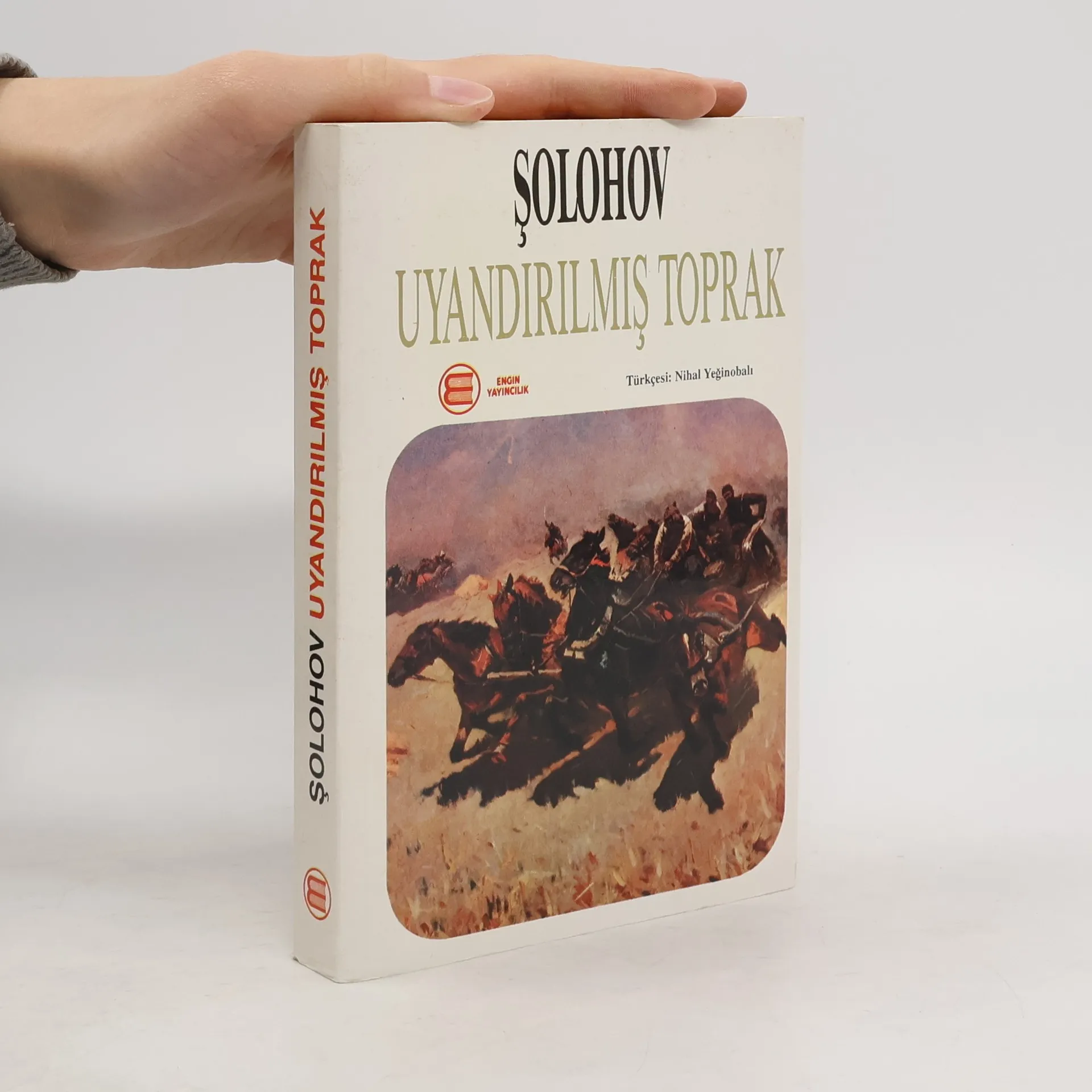
Uyandırılmış Toprak
- 423pagine
- 15 ore di lettura
Çağdaş Rus edebiyatının belki de en büyük adı olan Mihail Şoholov'un yapıtlarının kökeninde, Rus sanat dünyasını simgeleyen ve Tolstoy ve Dostoyevski gibi yazarların yapıtlarıyla ölmezleşen 19. Yüzyıl Rus edebiyatının gerçekçi geleneği yatar. Gene de iki dönemin baş yapıtları arasında belirgin farlar vardır. Şoholov'un "Don" öykülerinden buram buram yükselen insan sıcağı, mizah, iyimserlik ve güvenç de bu farklılığa parmak basan öğelerdir. Büyü çapı ve geniş soluğuna karşın okurla kurduğu yakın ilişkiyi hiç yitirmeyen bir başyapıt sunuyoruz.
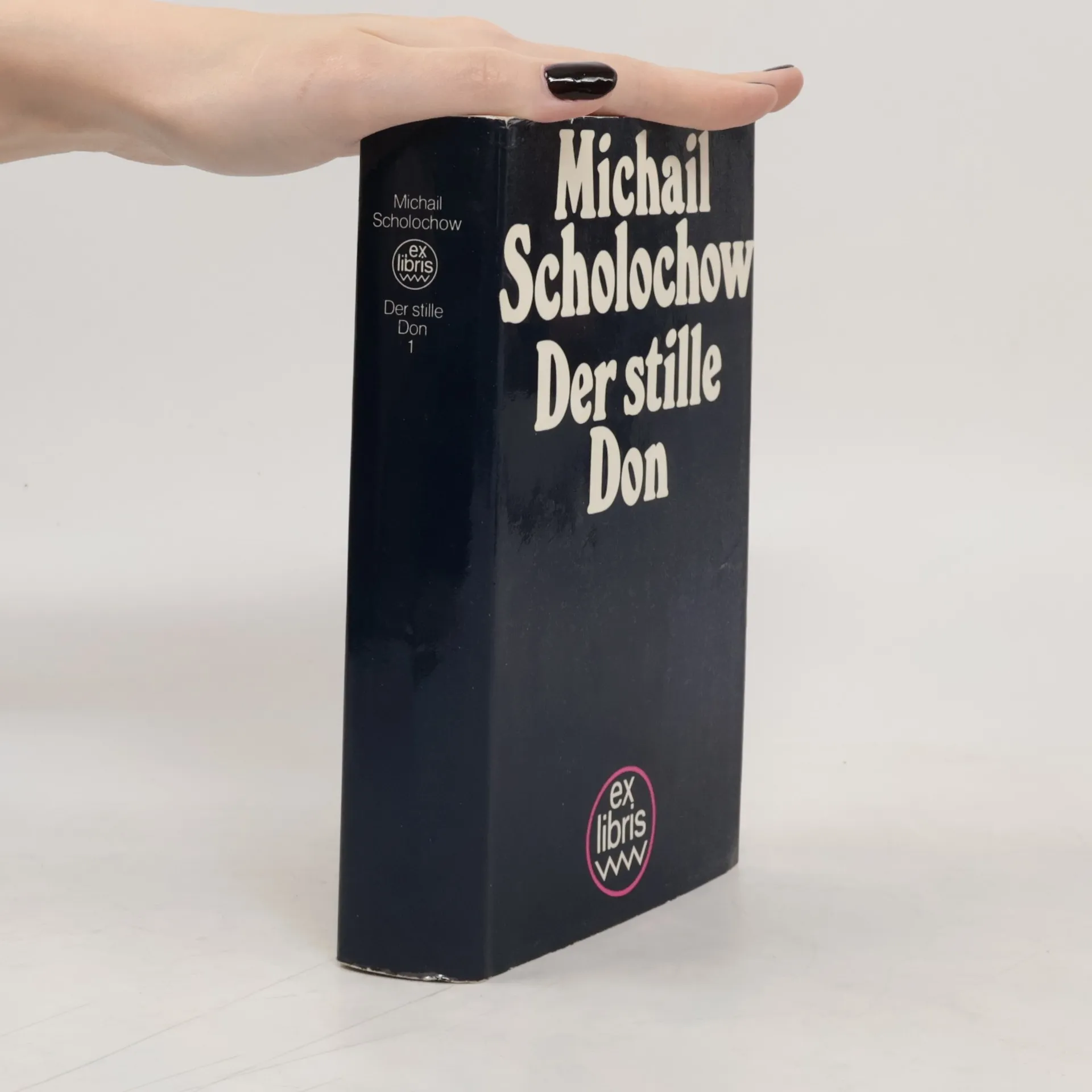
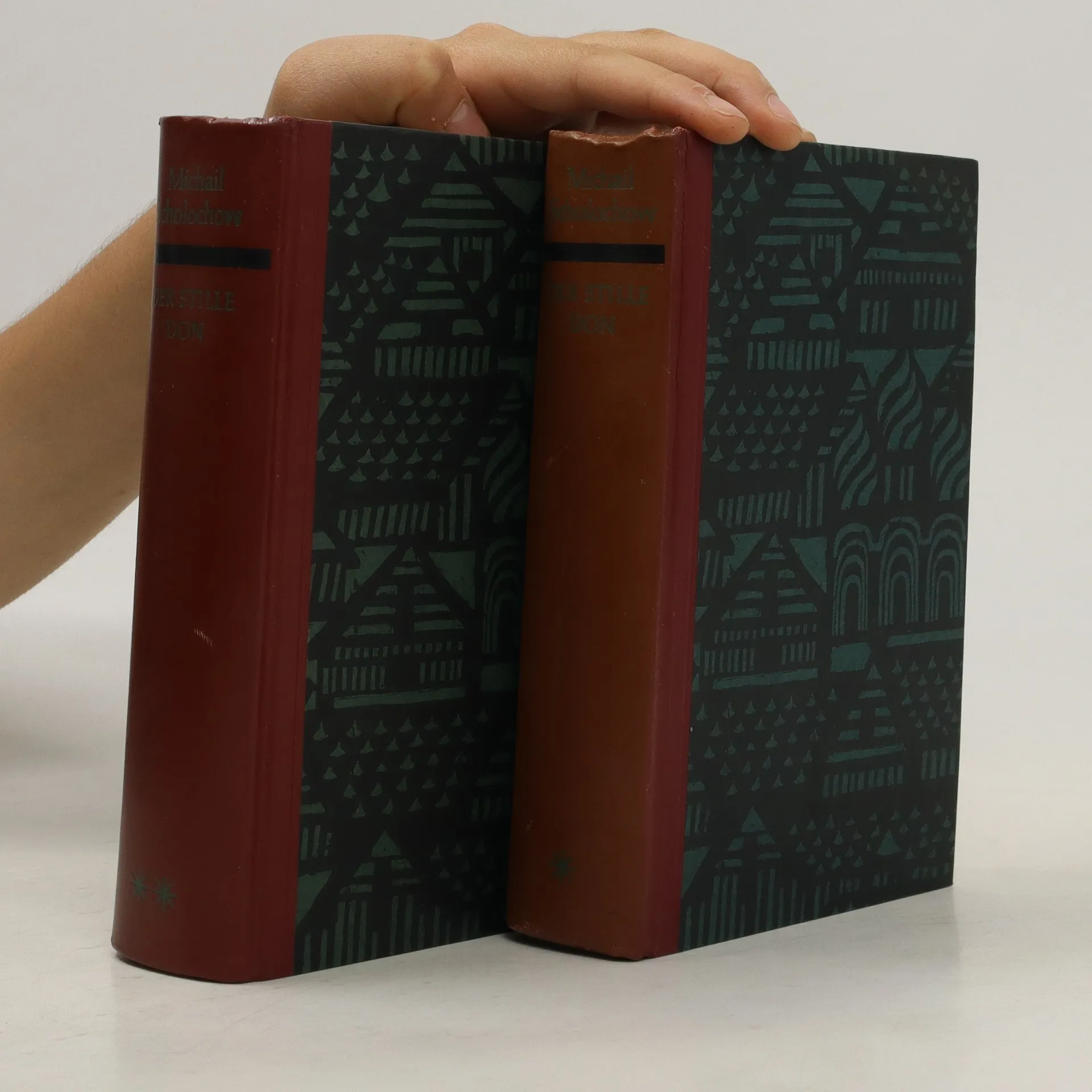
Der Stille Don, in 2 Bdn.. Roman
- 661pagine
- 24 ore di lettura
Zehn Tage vor der Rückkehr der Kosaken war Aksina weiterhin im Fieber und in der Aufregung ihrer späten, bitteren Liebe. Grigori ging trotz der Drohungen seines Vaters nachts heimlich zu ihr und kehrte morgens vor Sonnenaufgang zurück. In fünfzehn Tagen war er wie ein Pferd, das über seine Kräfte hinaus gearbeitet wurde, erschöpft und kraftlos geworden. Die schlaflosen Nächte hatten sein weizenfarbiges Gesicht und seine markanten Wangen blau gefärbt, und seine trockenen, schwarzen Augen hatten einen müden Blick, der tief in die Höhlen gesunken war. Aksina ging nun ohne sich um das Verbergen ihres Gesichts mit einem Kopftuch zu kümmern umher. Ihre wahnsinnige Verbindung war so seltsam und so offensichtlich, und das Feuer, das zwischen ihnen ohne Scham und Verkleidung brannte, war so intensiv, dass es sie unter den Blicken der Nachbarn schwarz und abgemagert erscheinen ließ, und diejenigen, die den beiden begegneten, schämten sich, sie anzusehen, ohne zu wissen, warum... Die Frauen, die insgeheim eifersüchtig auf Aksina waren, spuckten und verfluchten sie und warteten mit böswilliger Freude auf Stepan. Ihre Neugier hatte ihnen den Schlaf geraubt, und alles, woran sie dachten, war, wie sich dieser Knoten lösen würde.
Тихий Дон. Книги І-ІІ/Tykhyy Don. Knyhy I-II
- 720pagine
- 26 ore di lettura
"Тихий Дон" - это грандиозный роман, принесший его автору - русскому писателю Михаилу Шолохову - мировую известность: это масштабная эпопея, повествующая о трагических событиях в истории России и о человеческих судьбах
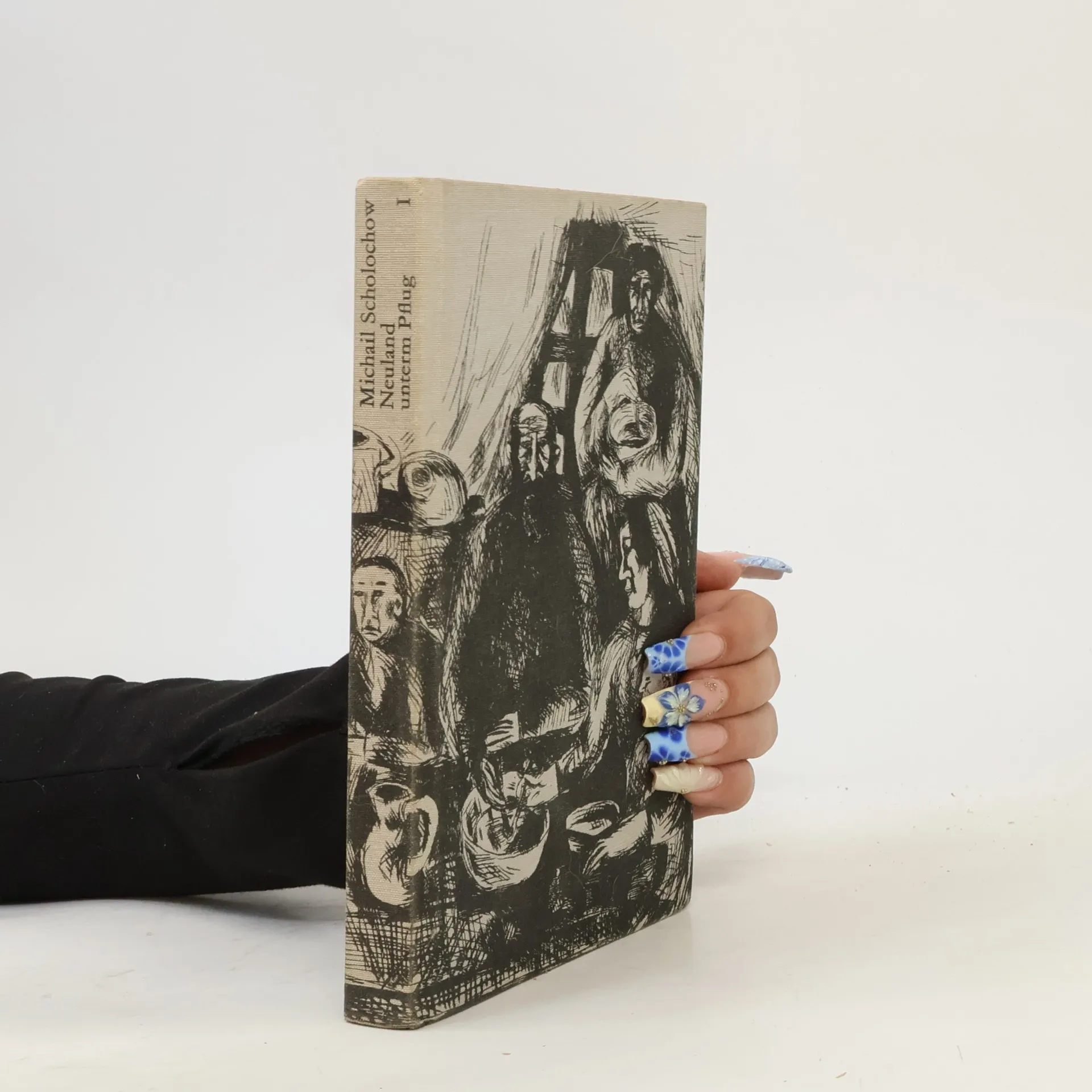
In diesem Roman sehen wir dasselbe Don-Dorf, Gremyachy Log, dessen Menschen seit Generationen nach mittelalterlichen Ritualen leben, aus den alten Wegen gerissen. Zu Gremyachy Log ist Davidov gekommen, Vertreter des Bestrebens der Partei, die Landwirtschaft im Dorf zu revolutionieren. Die Bauern sehen in den Plänen dieses Mannes eine Vision eines besseren Lebens. Doch eine bis zum Tod reichende Opposition lauert nur unter der Oberfläche.
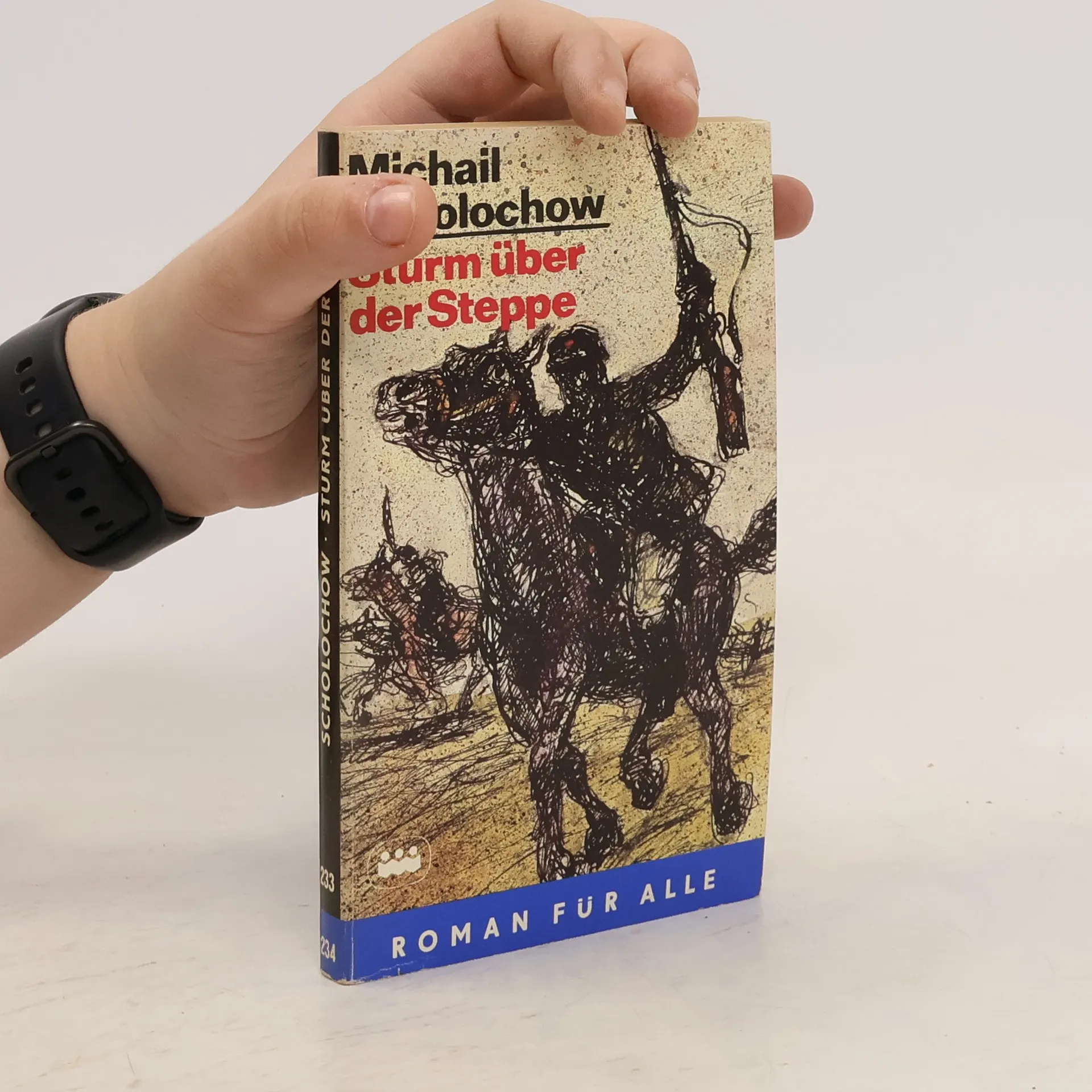
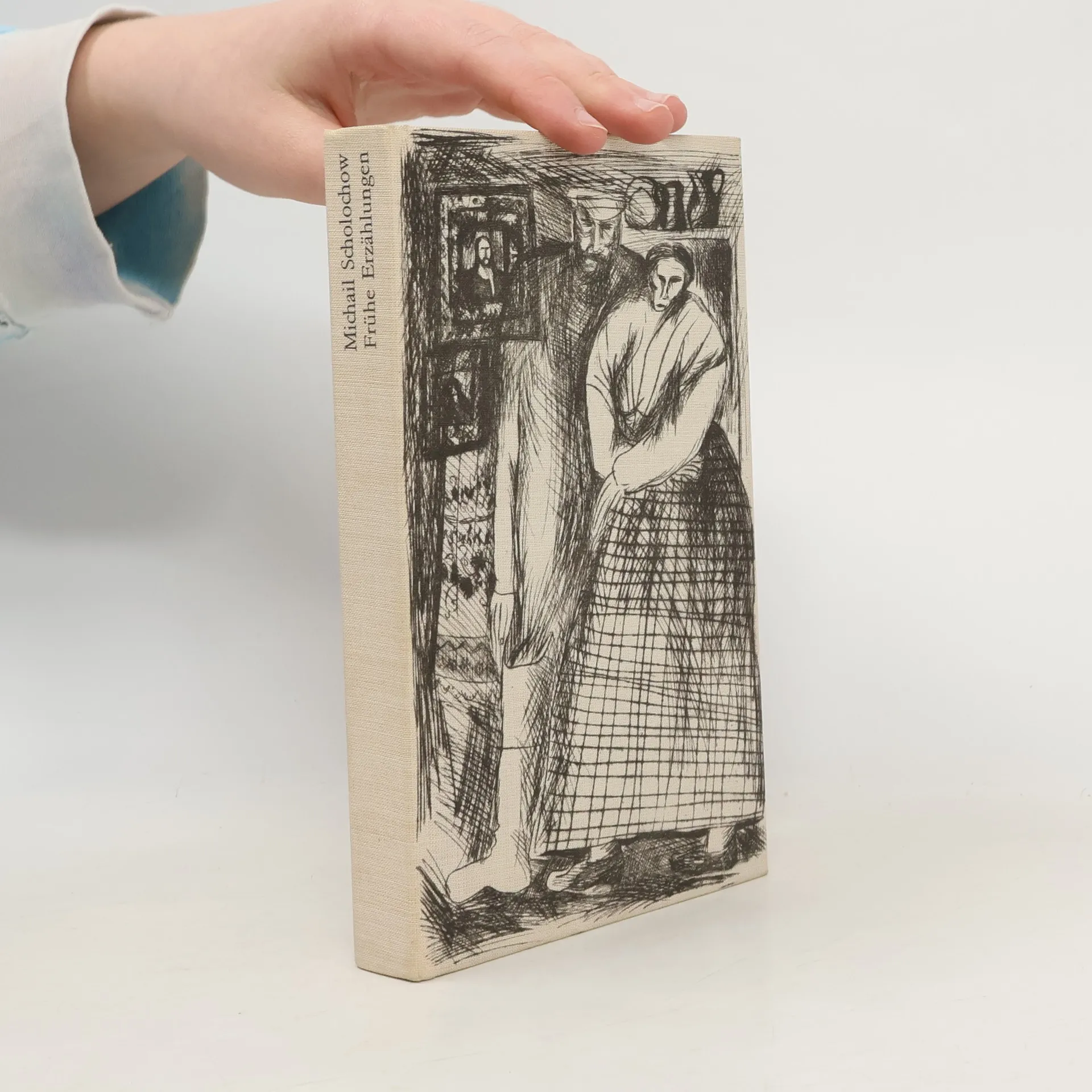
In die Ausgabe sind frühe Erzählungen der 1920er Jahre des herausragenden russischen Schriftstellers und Nobelpreisträgers Michail Šolochov aufgenommen. In diesen Werken wird eines der Hauptthemen von Šolochovs Schaffen deutlich, das sich im Epos „Der stille Don“ weiterentwickelt — das Schicksal der Donkosaken in einer Umbruchzeit des Bürgerkriegs, der Familien in zwei unversöhnliche Lager spaltete und die jahrhundertealten Lebensweisen zerstörte, dargestellt vom Autor als Bruderkrieg, der der menschlichen Natur widerspricht.
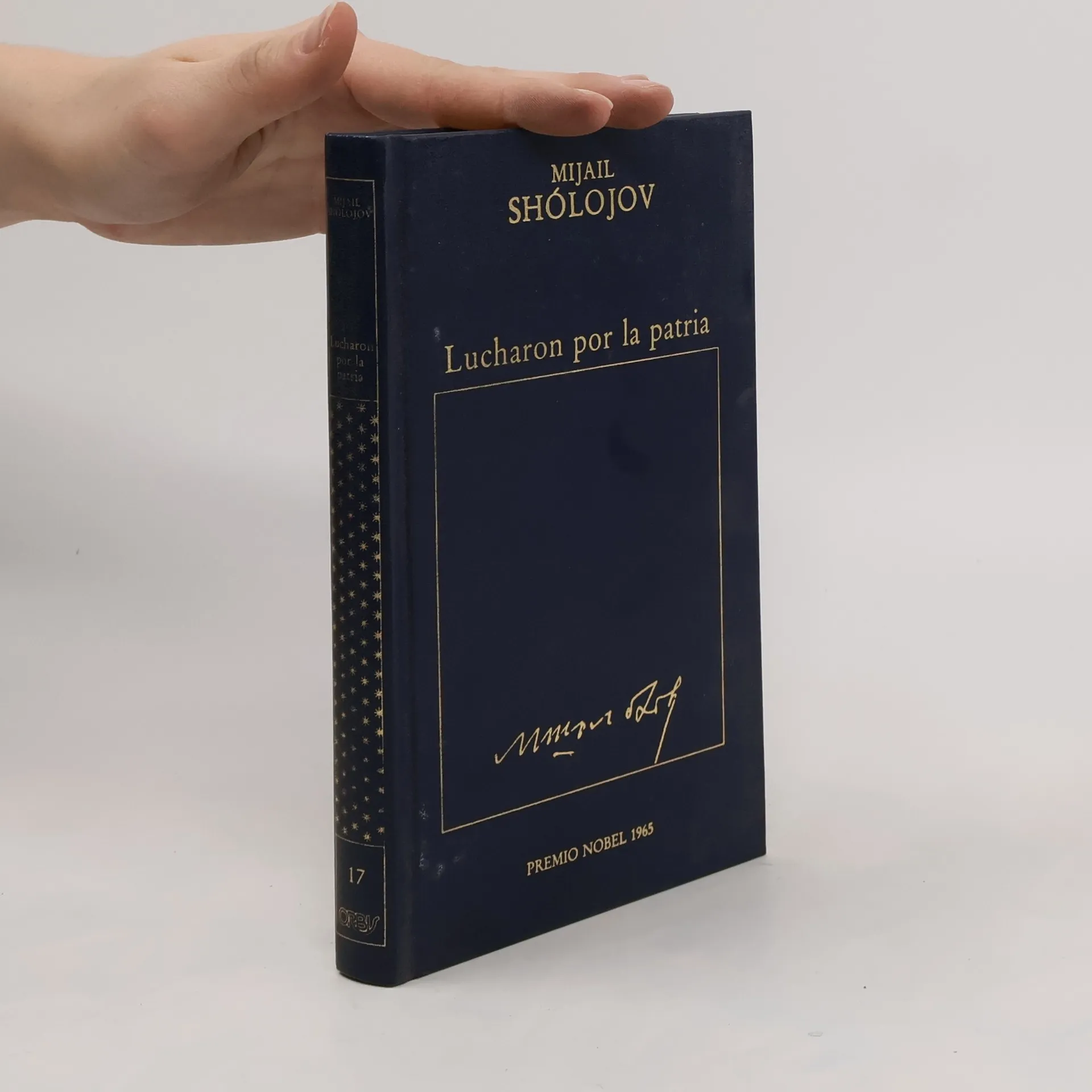
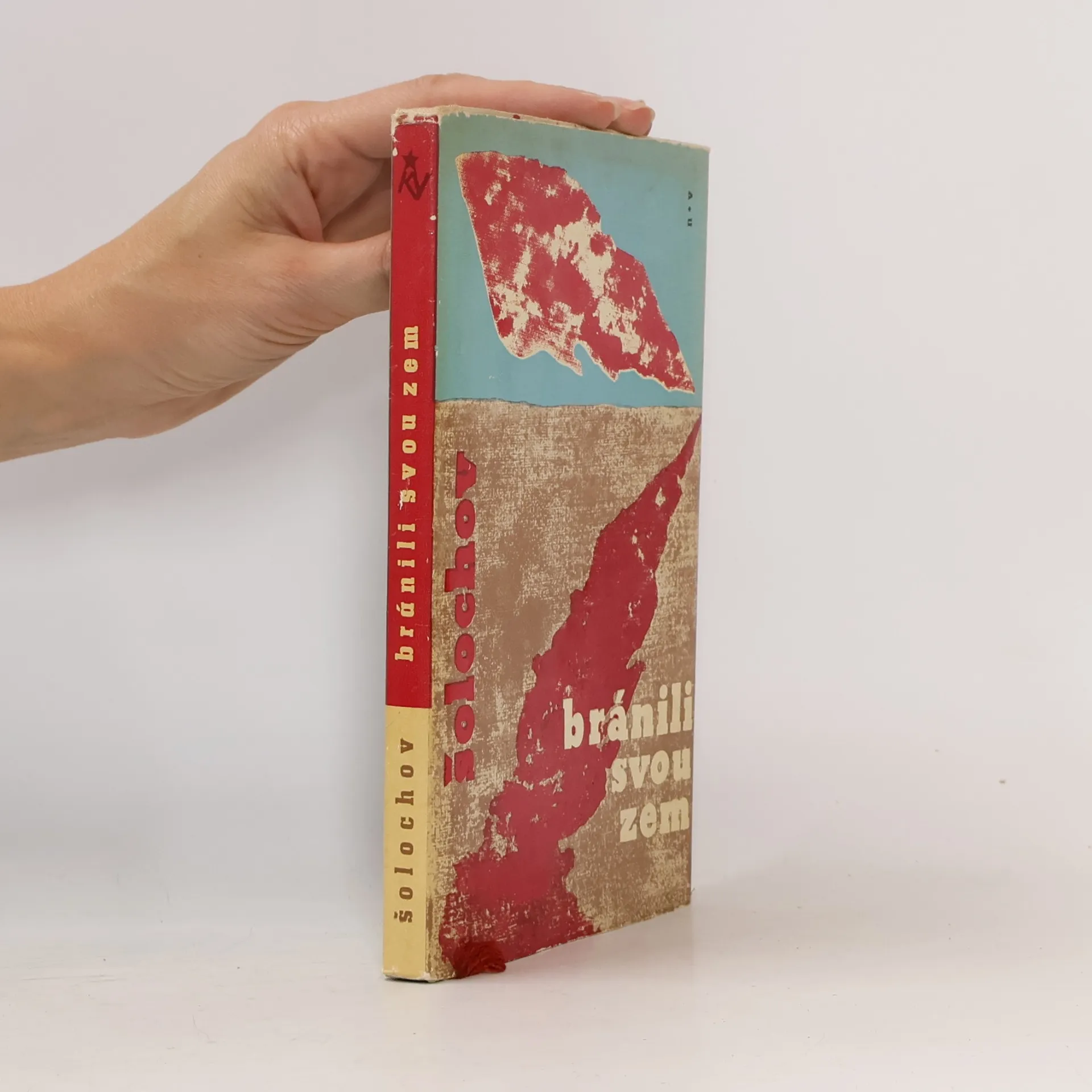
Lucharon por la patria
- 223pagine
- 8 ore di lettura
Se relata la historia de unos soldados soviéticos que luchan durante la segunda guerra mundial contra los invasores alemanes.
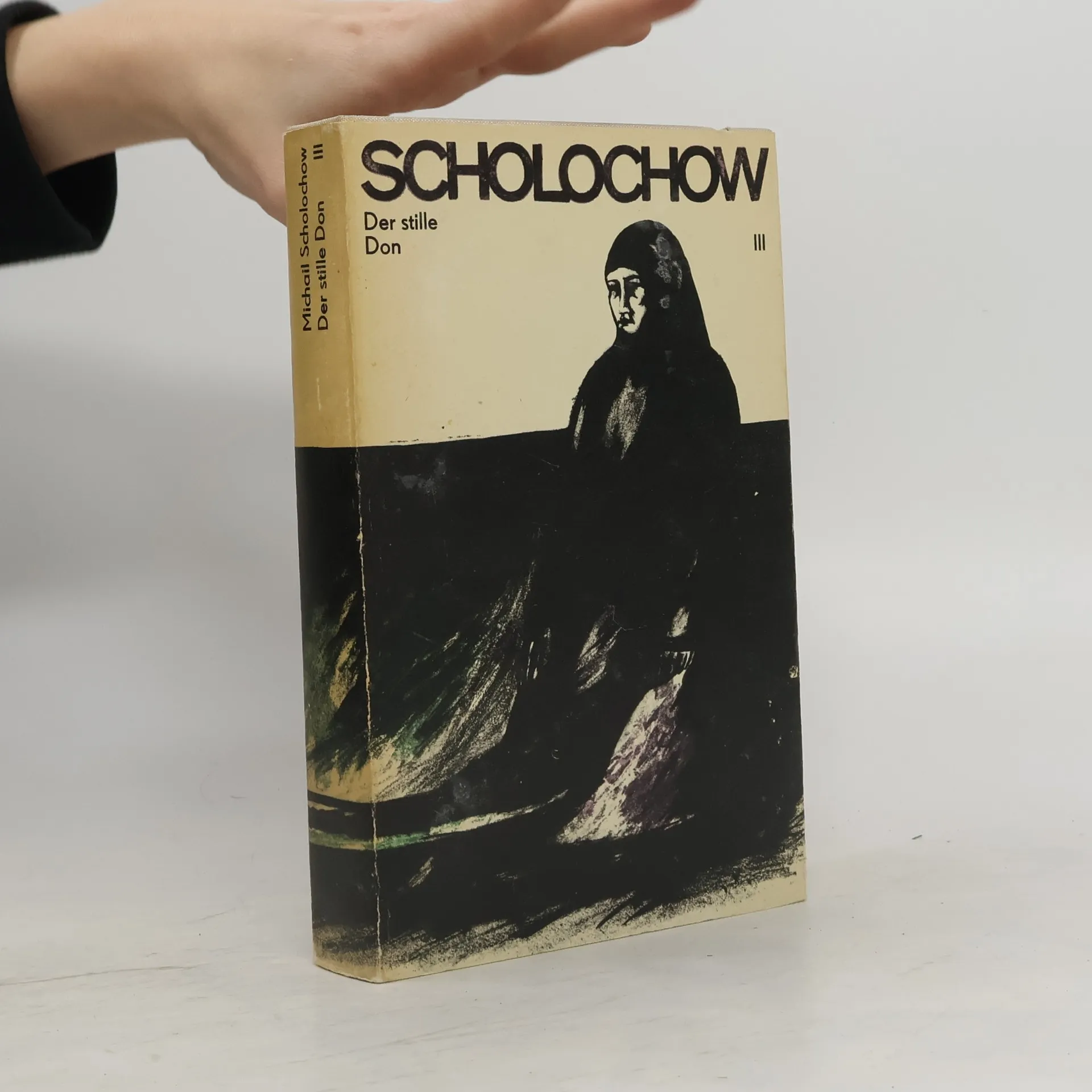
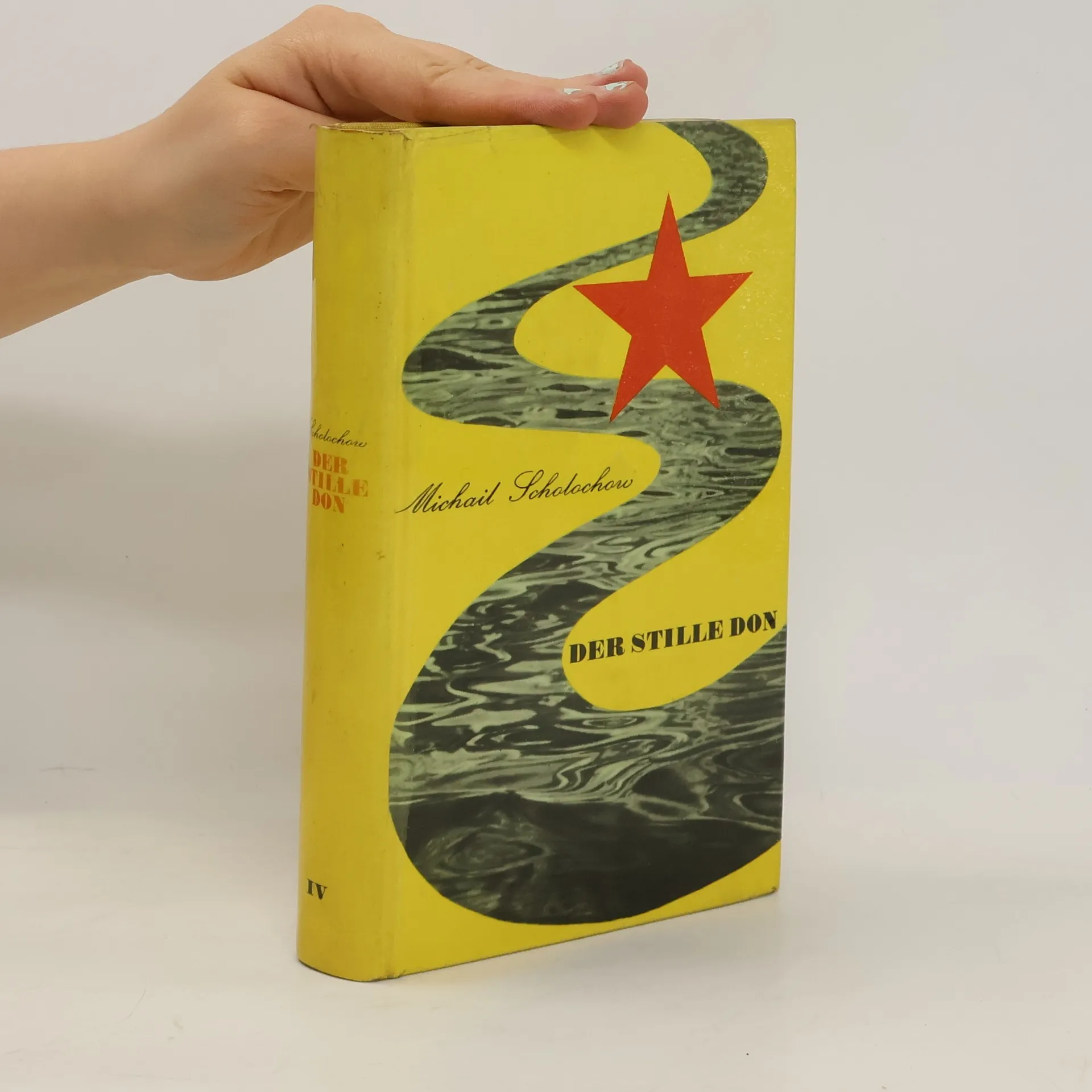
Der stille Don
Band IV
Роман-эпопея Михаила Шолохова "Тихий Дон" - одно из наиболее значительных, масштабных и талантливых произведений русскоязычной литературы. Действие романа происходит среди важнейших событий в истории России.
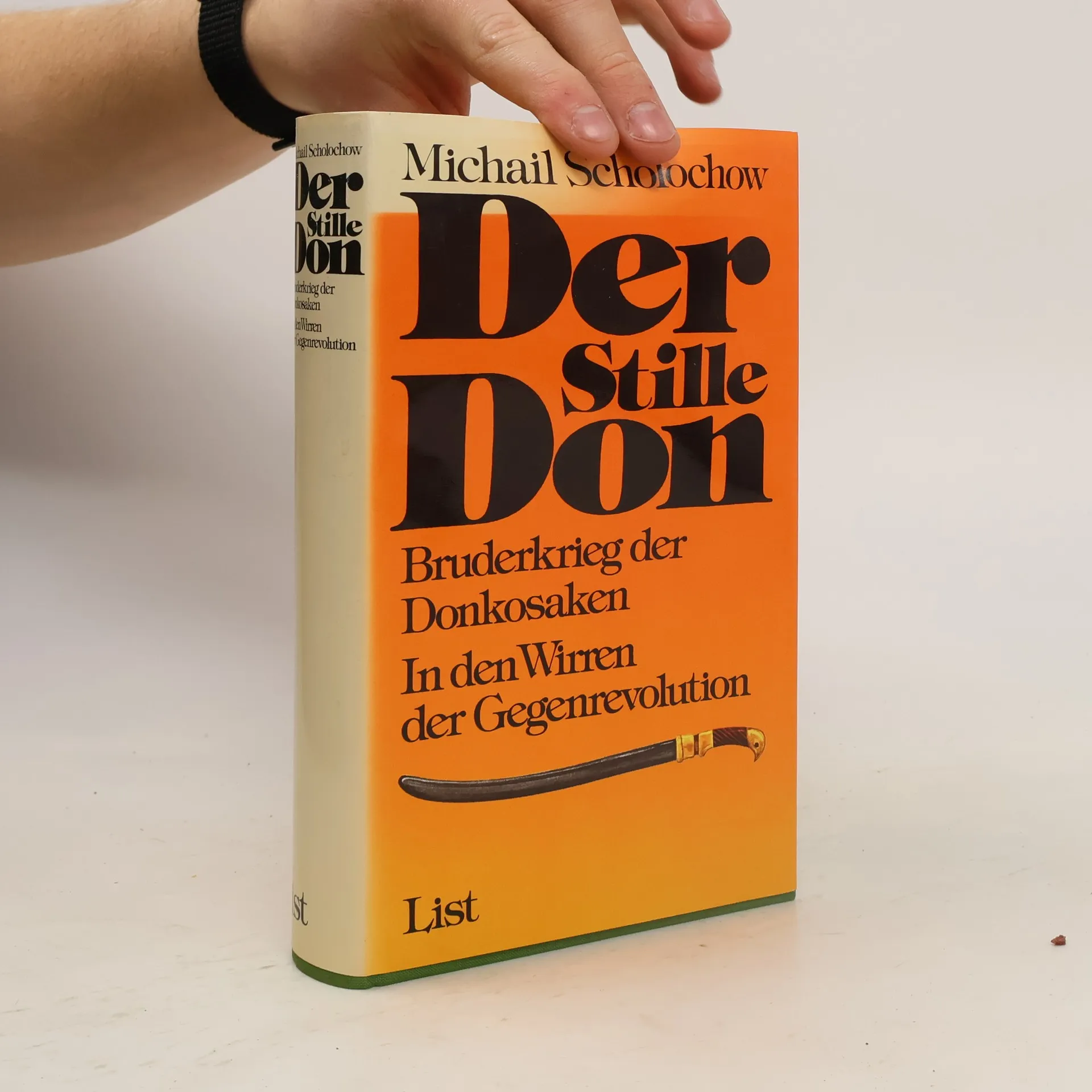
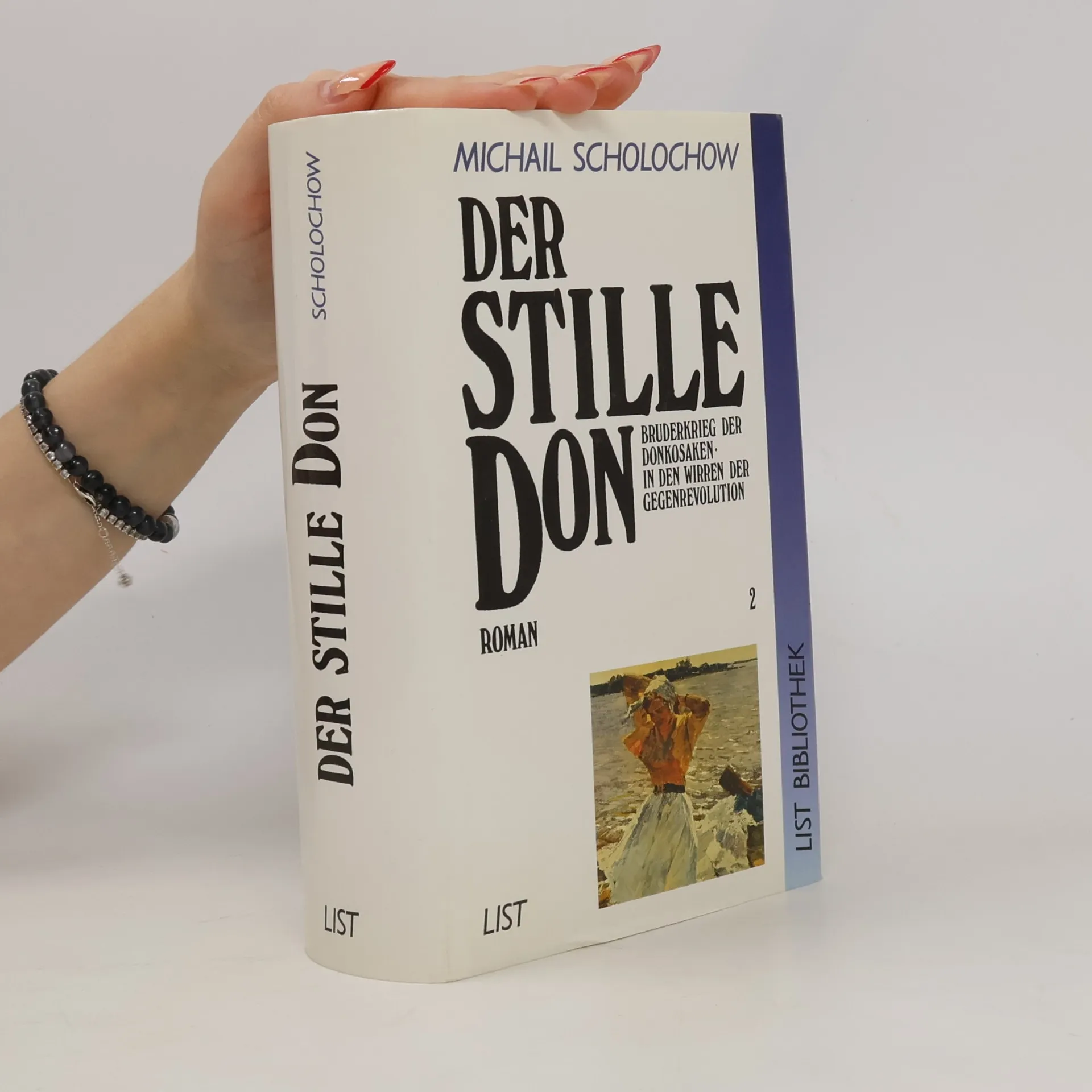
Der stille Don
Bruderkrieg der Donkosaken. In den Wirren der Gegenrevolution
- 815pagine
- 29 ore di lettura
Das Epos eines Kosakendorfes im Dongebiet vor und während des 1. Weltkrieges bis zur russischen Revolution 1918
Gesammelte Werke in Einzelausgaben. Der stille Don
- 455pagine
- 16 ore di lettura
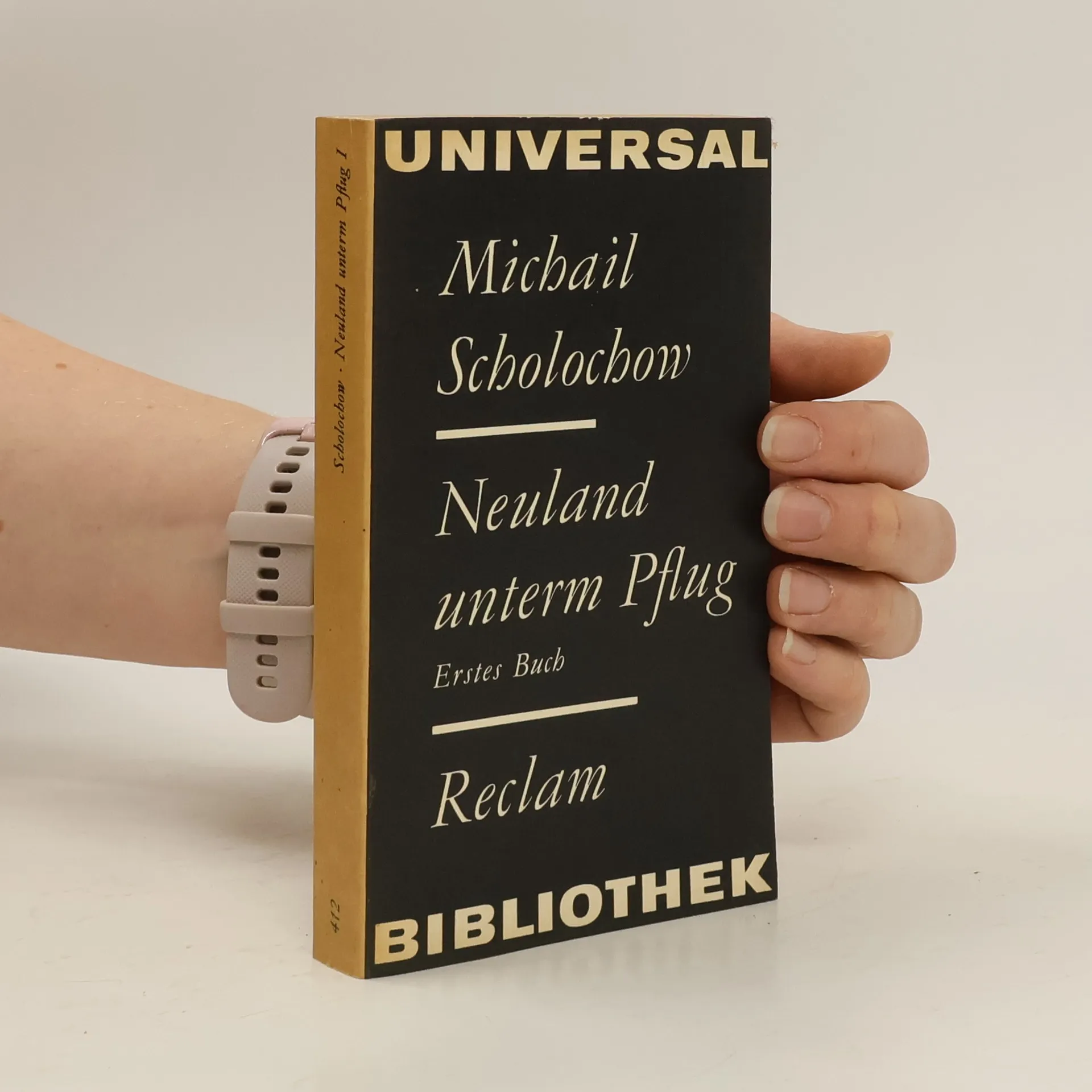
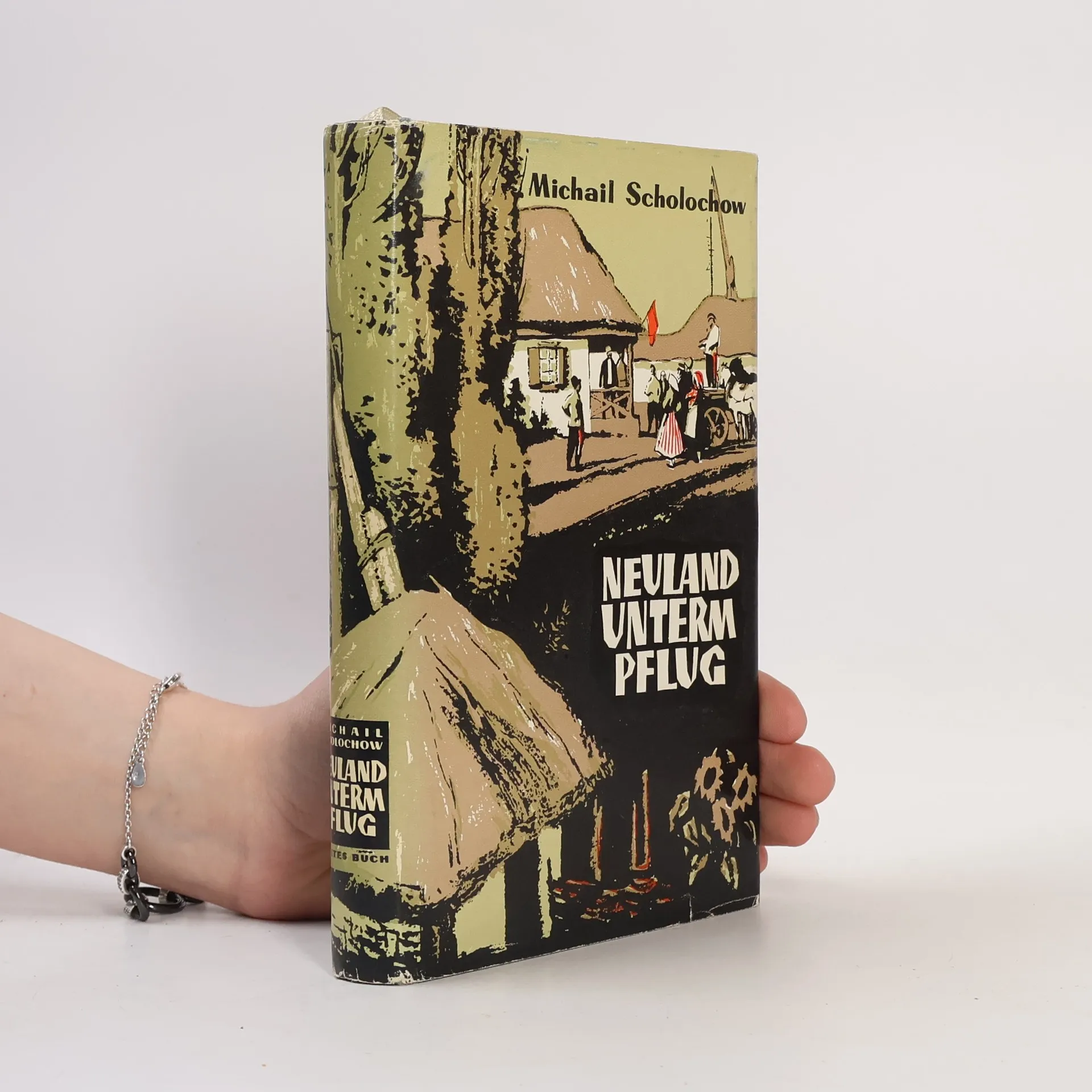
Neuland unterm Pflug
Erstes Buch
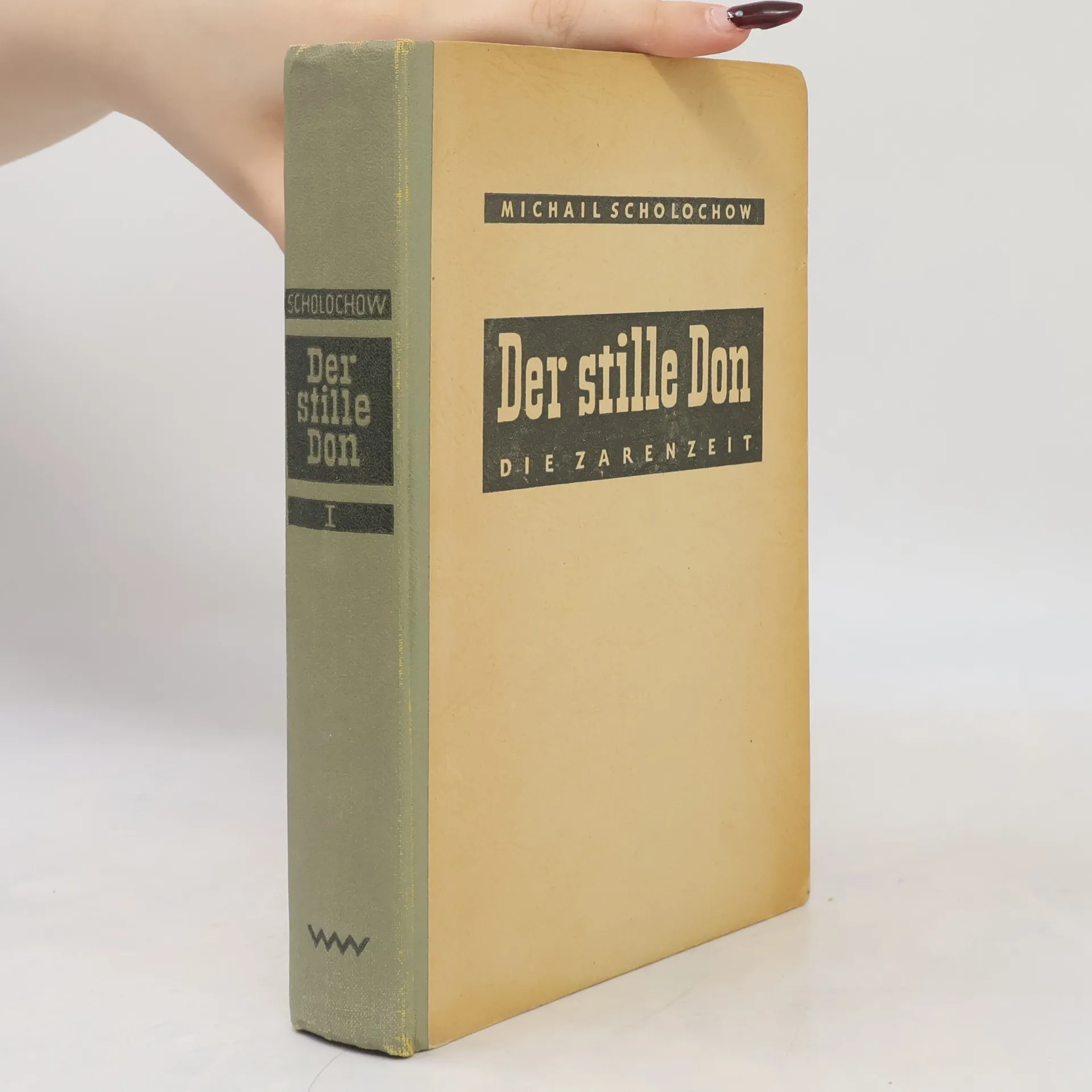
Der stille Don 1
Die Zarenzeit
Sovětští spisovatelé, svazek 10.
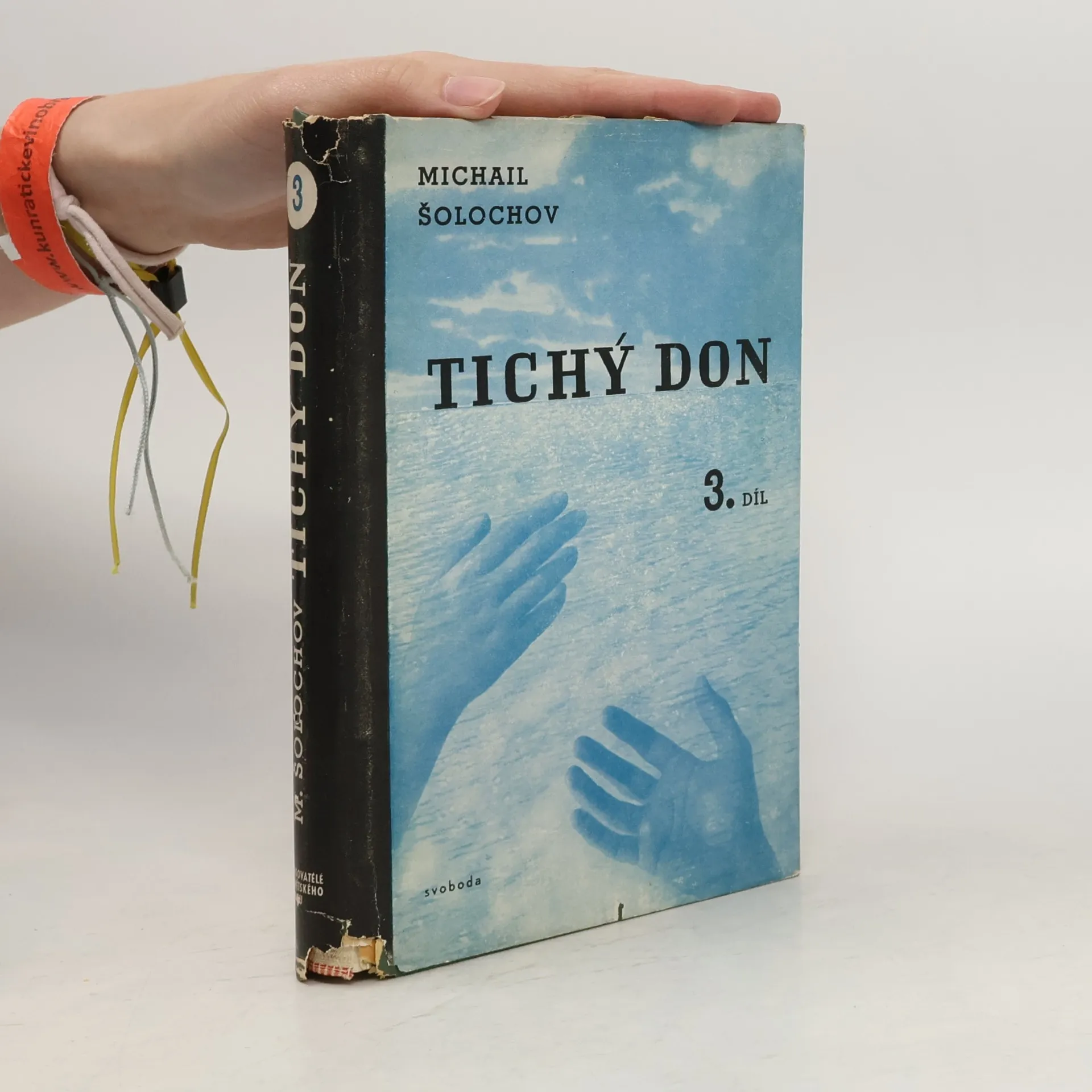
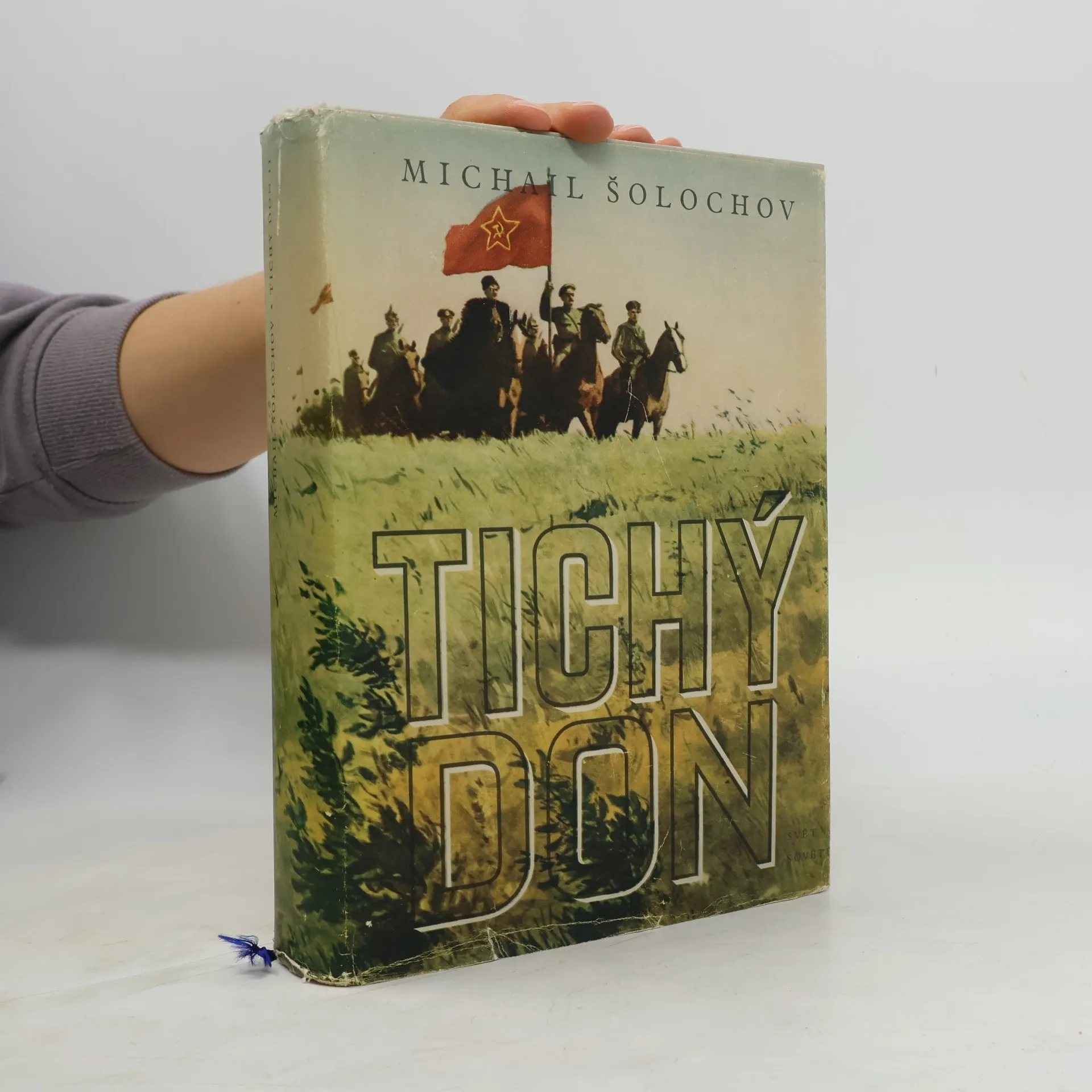
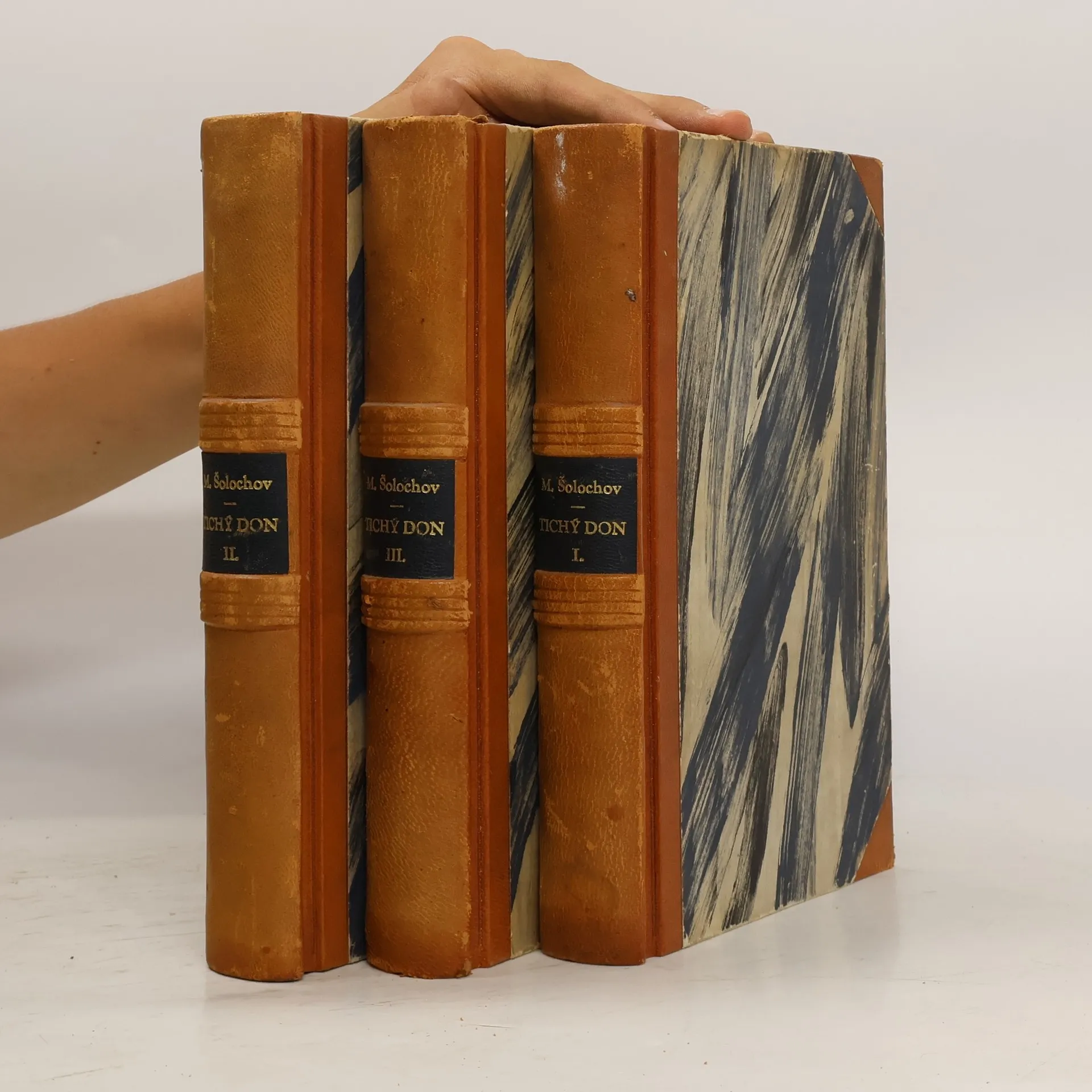
Tichý Don
Bruderkriege der Donkosaken. In den Wirren der Gegenrevolution
- 815pagine
- 29 ore di lettura
Der stille Don
Band III