

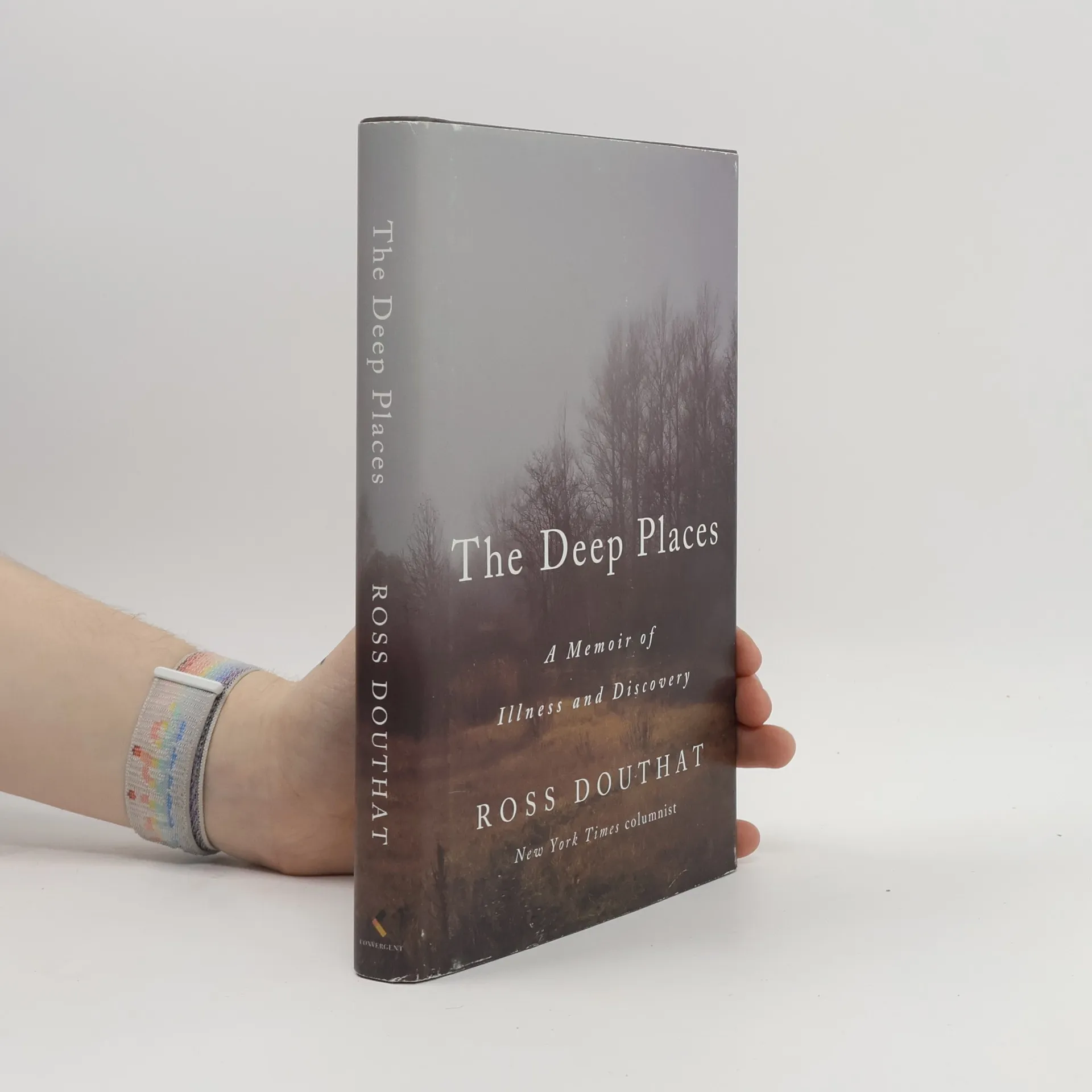
In this vulnerable memoir, a New York Times columnist recounts his five-year battle with a disease that officially doesn’t exist, probing the limits of modern medicine and the hidden truths revealed through suffering. In the summer of 2015, as he relocated his family to a picturesque Connecticut farmhouse, he fell victim to a mysterious illness that left him sleepless and in excruciating pain. After months of consultations, he learned he had chronic Lyme disease, a condition that devastates many lives yet lacks official recognition and a medically approved cure. His once-dreamy home became a prison, and his quest for help led him beyond conventional medicine into a realm filled with unconventional treatments and self-experimentation. Gradually, he came to understand that many labeled as "cranks" might actually be victims of an indifferent medical system, and that profound insights often lie beneath the surface of everyday life. This narrative explores the harsh realities of illness, the limitations of medical professionals, and the resilience discovered in adversity. It ultimately reveals that sickness, while devastating, can also teach appreciation for ordinary life, challenge established norms, and uncover inner strength and hope in the darkest times.
Ross Douthat Libri
Ross Douthat è una voce conservatrice di spicco, riconosciuta per il suo acuto commento sulla cultura e la politica americana. Attraverso la sua prolifica scrittura, approfondisce l'intersezione tra tradizione, fede e società contemporanea, offrendo una prospettiva distintiva sulle sfide che affrontano le istituzioni moderne. La prosa di Douthat è caratterizzata dal suo rigore intellettuale e dalla serietà morale, spingendo i lettori a confrontarsi con idee complesse. Il suo lavoro sfida le narrazioni prevalenti e incoraggia una riflessione ponderata sul futuro del conservatorismo e sull'esperimento americano.
The Decadent Society
- 272pagine
- 10 ore di lettura
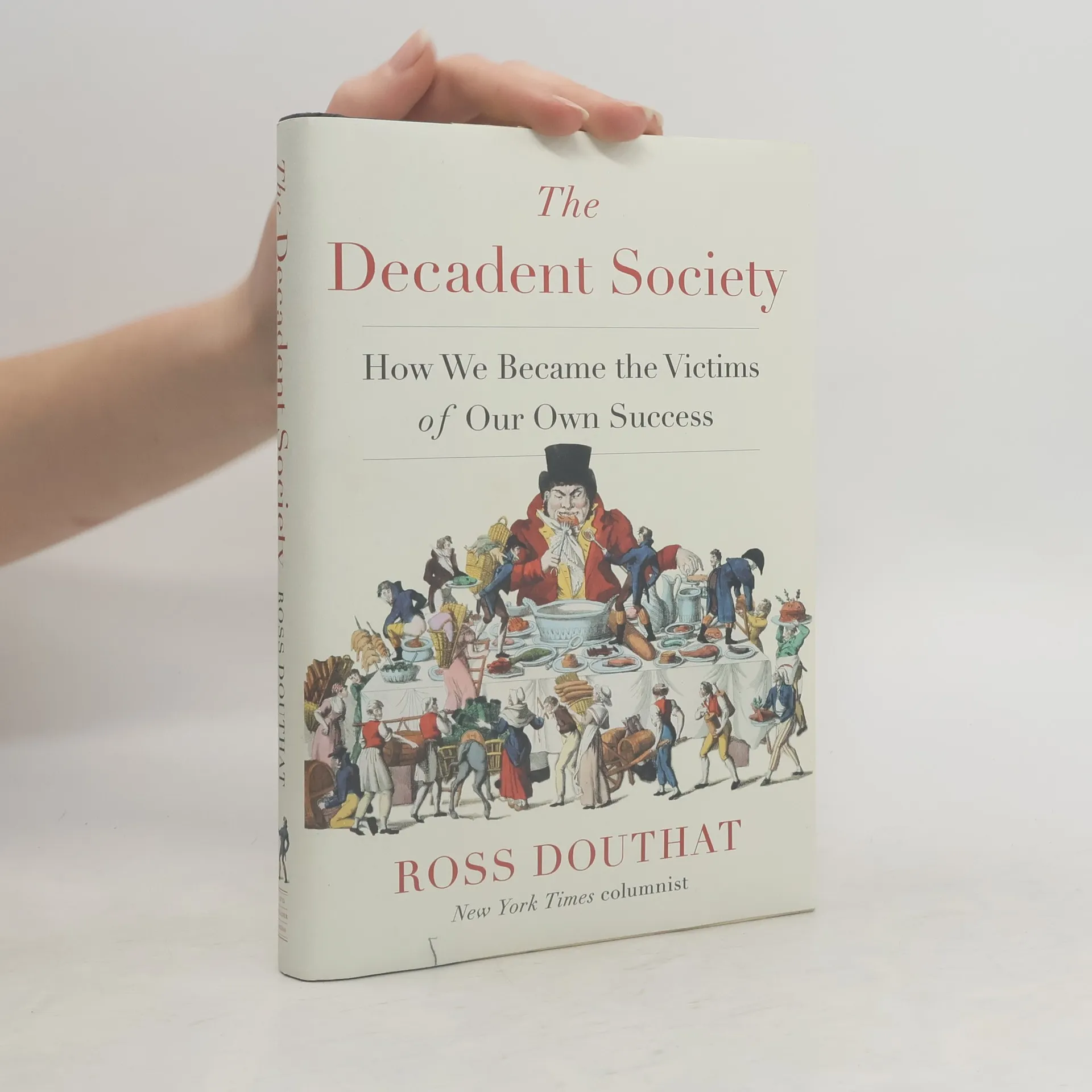
A powerful portrait of how our age in human history, so superficially turbulent, is actually defined by stagnation, repetition, deadlocks, and decay.
To Change the Church
- 256pagine
- 9 ore di lettura
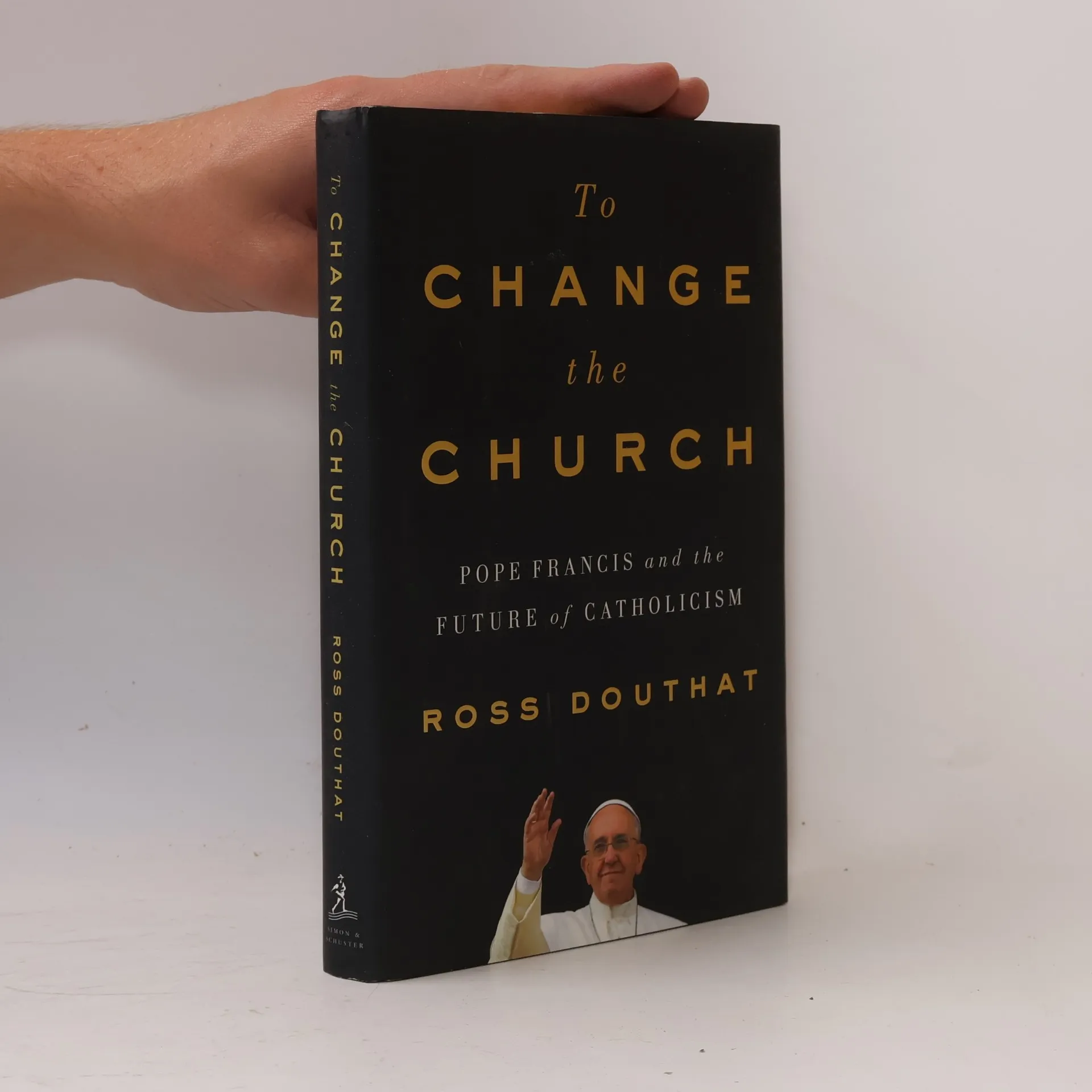
A New York Times columnist and one of America’s leading conservative thinkers considers Pope Francis’s efforts to change the church he governs. Born Jorge Mario Bergoglio in 1936, today Pope Francis is the 266th pope of the Roman Catholic Church. Pope Francis’s stewardship of the Church, while perceived as a revelation by many, has provoked division throughout the world. “If a conclave were to be held today,” one Roman source told The New Yorker, “Francis would be lucky to get ten votes.” In To Change the Church, Douthat explains why the particular debate Francis has opened—over communion for the divorced and the remarried—is so dangerous: How it cuts to the heart of the larger argument over how Christianity should respond to the sexual revolution and modernity itself, how it promises or threatens to separate the church from its own deep past, and how it divides Catholicism along geographical and cultural lines. Douthat argues that the Francis era is a crucial experiment for all of Western civilization, which is facing resurgent external enemies (from ISIS to Putin) even as it struggles with its own internal divisions, its decadence, and self-doubt. Whether Francis or his critics are right won’t just determine whether he ends up as a hero or a tragic figure for Catholics. It will determine whether he’s a hero, or a gambler who’s betraying both his church and his civilization into the hands of its enemies.
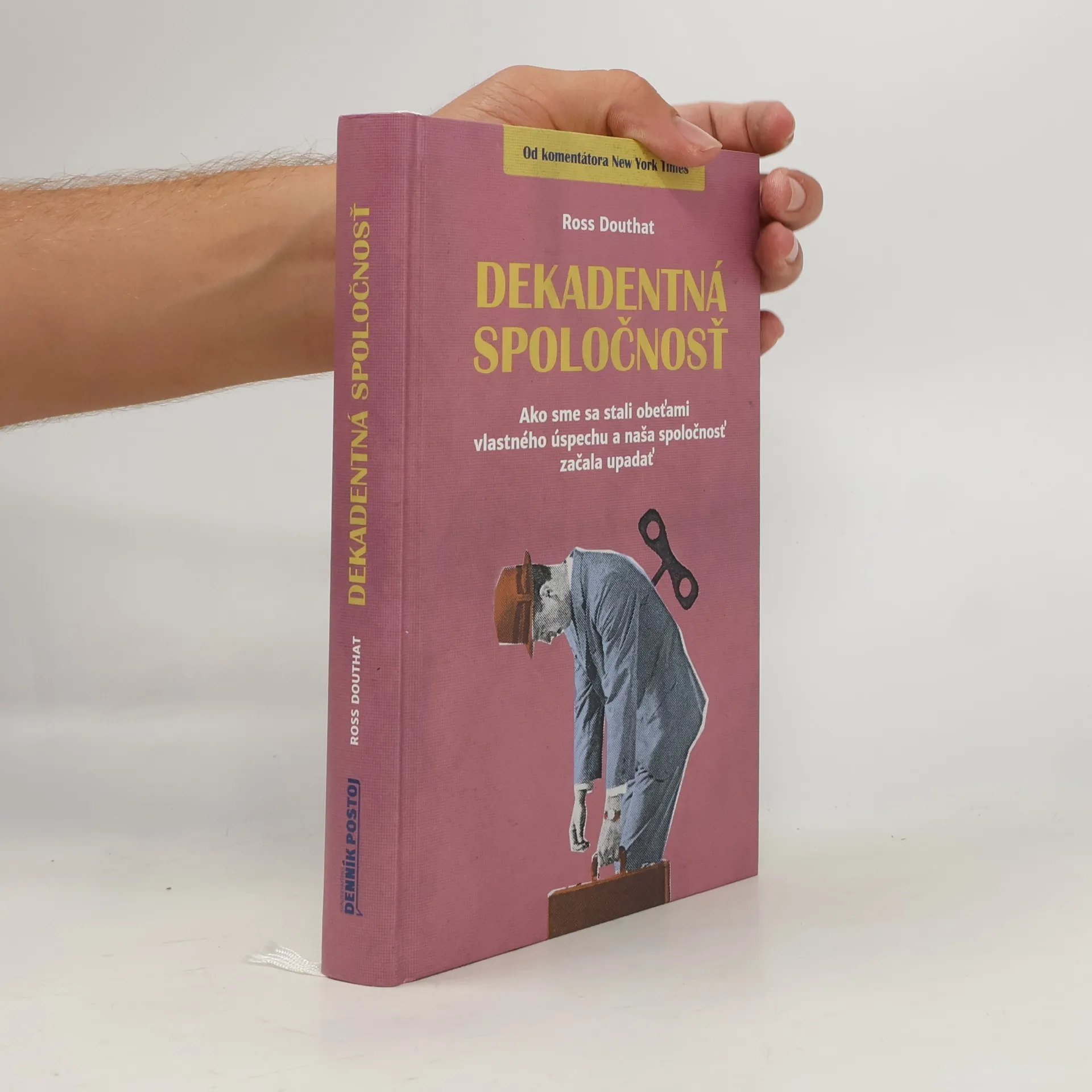
Západný svet sa dnes zdá byť v kríze, pričom pod povrchom chaosu sociálnych médií a reality šou sa skrýva hlbšia pravda: sme unášaní prúdom a ocitli sme sa v slepej uličke. Kniha skúma, čo sa stane, keď bohatá a mocná spoločnosť prestane napredovať, pričom bohatstvo a technologická zdatnosť sa kombinujú s ekonomickou stagnáciou, kultúrnym vyčerpaním a demografickým poklesom, čo vytvára „udržateľnú dekadenciu“. Autor tvrdí, že dnešná nespokojnosť a zmätok sú odrazom pocitu márnosti a sklamania, keďže budúcnosť nenaplnila sľuby, a cesty vpred vedú len do hrobu. Obavy z katastrofy sa miešajú s túžbou po nej, pretože akceptovať trvalú dekadenciu je ťažké. Starneme, spohodlneli sme a stratili sme vieru v budúcnosť, pričom čakáme na záchrannú inováciu, zatiaľ čo sa ponárame do svetla obrazoviek. Autor sa zaoberá optimistami, ktorí tvrdia, že sme bohatší a šťastnejší, aj pesimistami, ktorí očakávajú kolaps. Stanovuje diagnózu modernej spoločnosti: ako sme sa sem dostali, ako dlho môže trvať vek frustrácie a akým spôsobom sa naša dekadencia môže skončiť – či renesanciou, alebo katastrofou.