Bookbot

Soren Kierkegaard

    5 maggio 1813 – 11 novembre 1855

    Søren Kierkegaard fu un influente filosofo e teologo danese del XIX secolo, che criticò aspramente l'hegelismo del suo tempo e quelle che percepiva come vuote formalità della Chiesa di Danimarca. Gran parte della sua opera affronta temi religiosi come la fede in Dio, l'istituzione della Chiesa cristiana, l'etica e la teologia cristiana, e le emozioni e i sentimenti dell'individuo di fronte alle scelte di vita. Le sue prime opere furono scritte sotto vari pseudonimi, ciascuno presentando punti di vista distintivi in un complesso dialogo. Kierkegaard lasciò al lettore il compito di scoprire il significato delle sue opere, poiché credeva che la difficoltà dell'impresa elevasse gli animi nobili. Il suo pensiero attraversa i confini della filosofia, della teologia, della psicologia e della letteratura, affermandosi come figura di spicco nel pensiero contemporaneo.

    Soren Kierkegaard
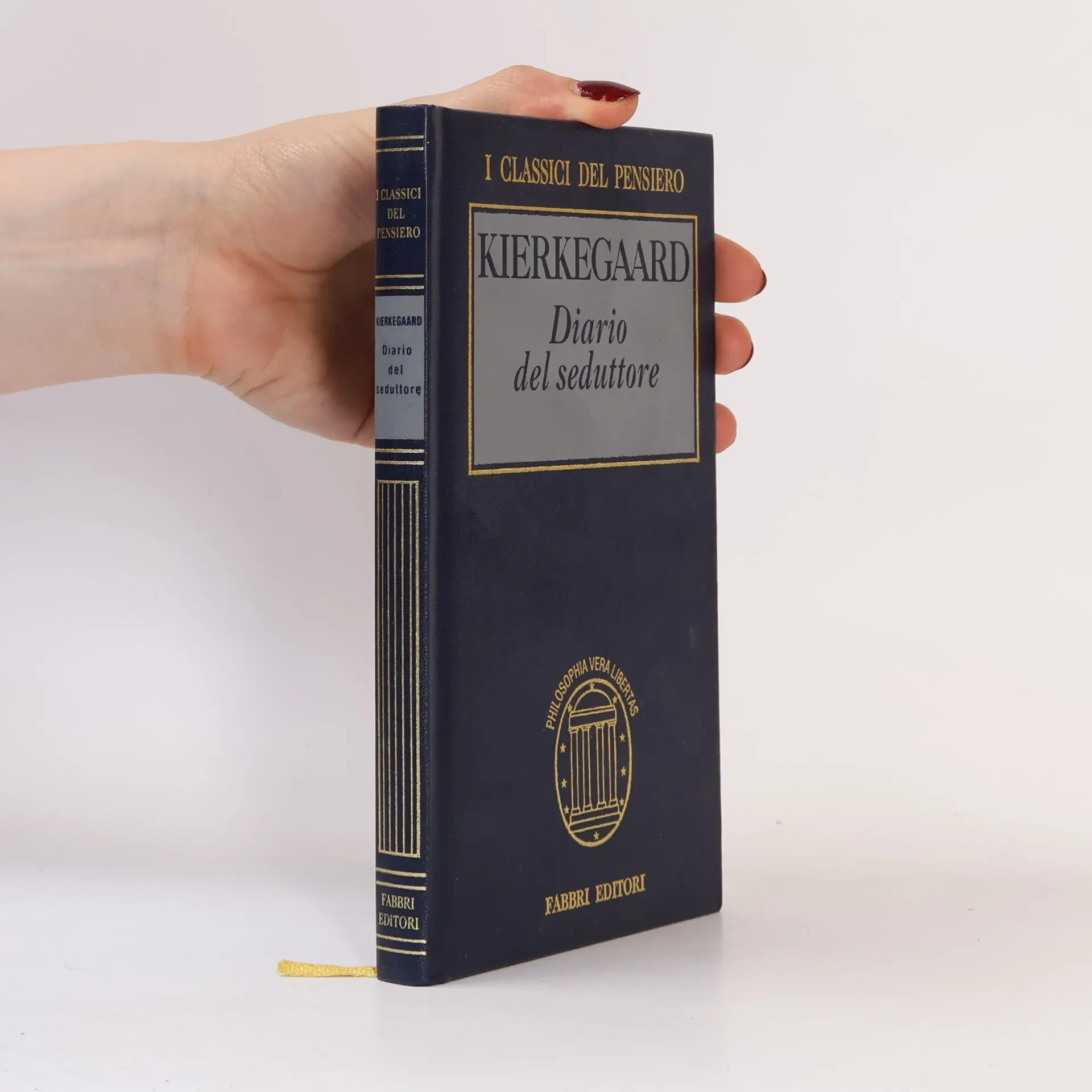
    Diario del seduttore
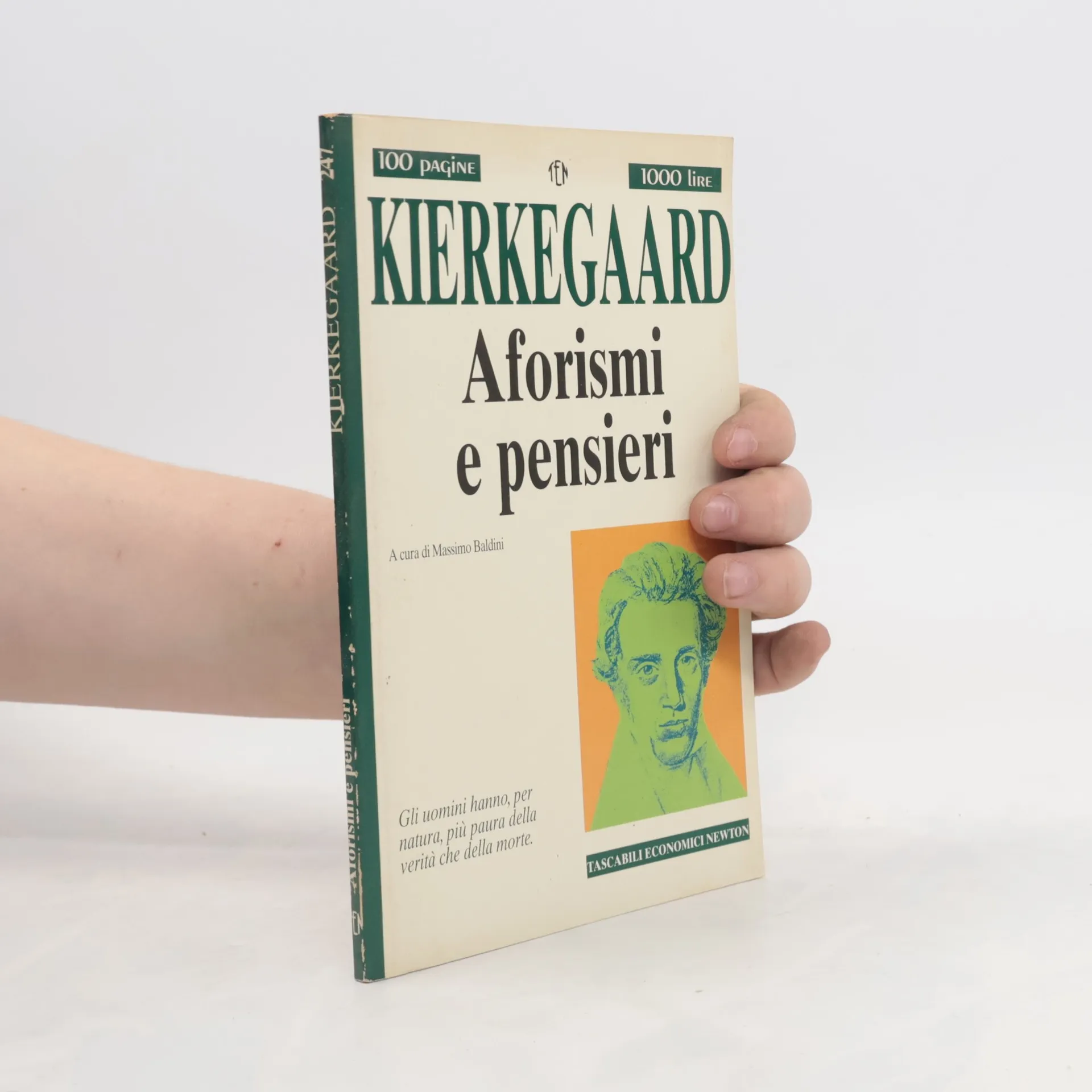
    Tascabili economici - 247: Aforismi e pensieri
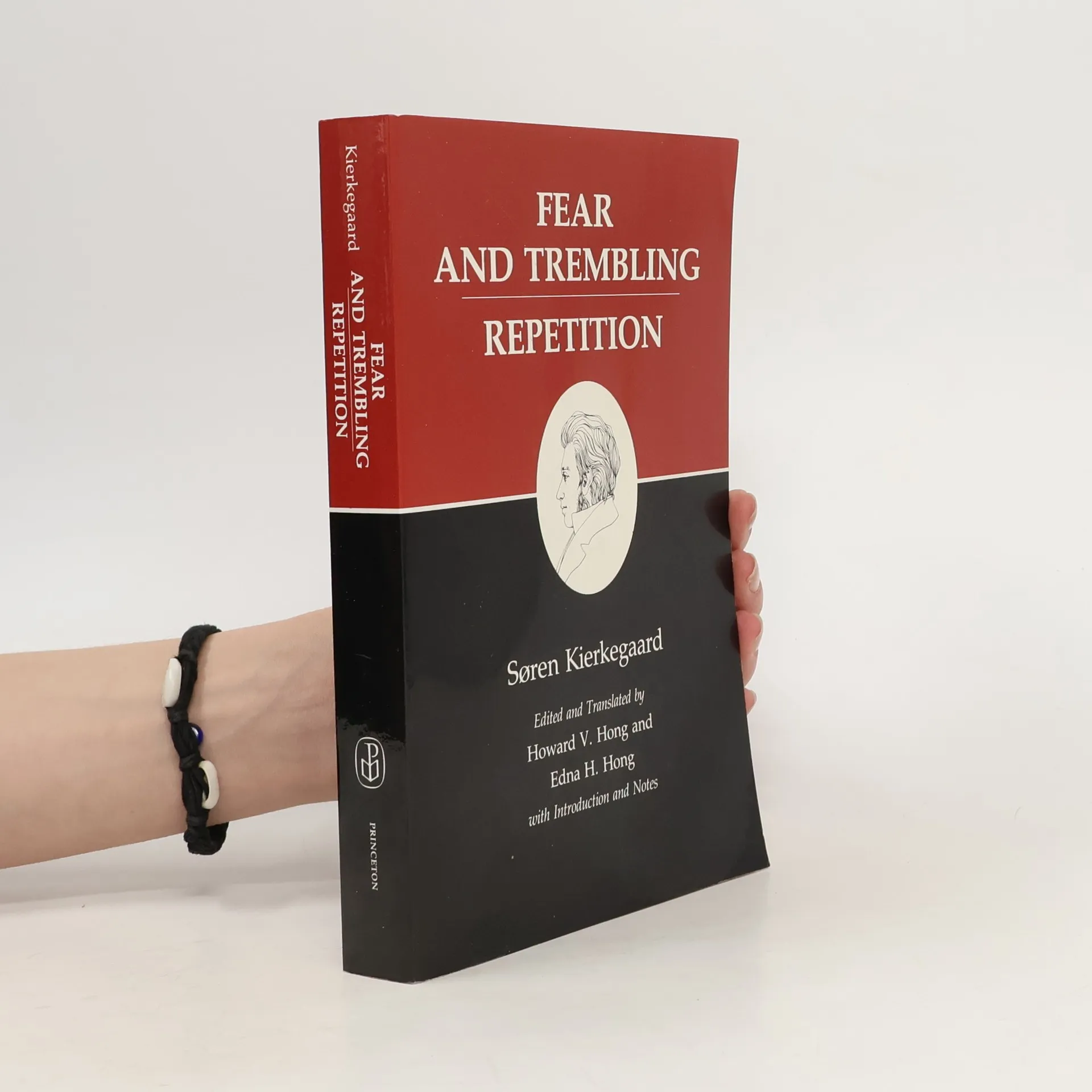
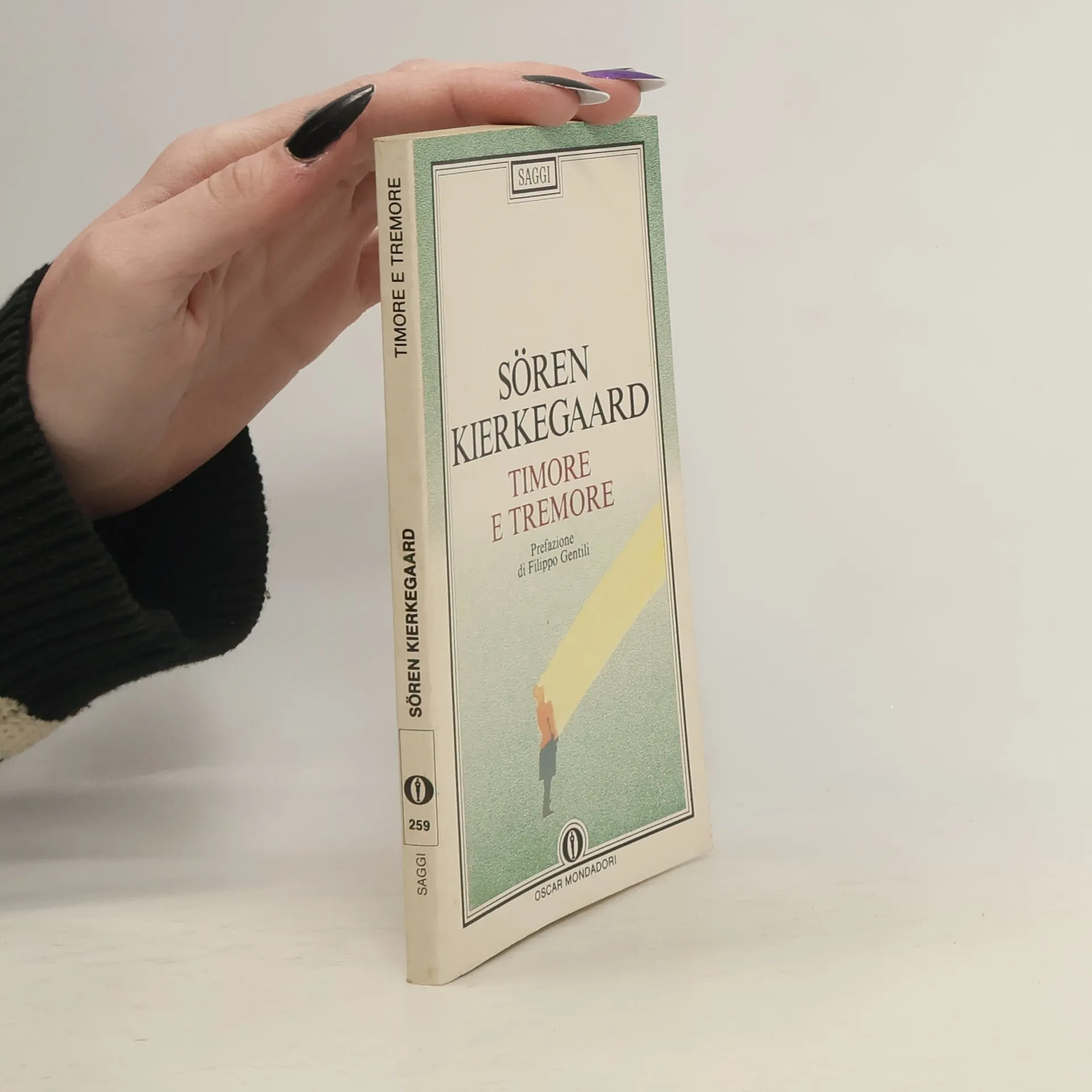
    Oscar saggi - 259: Timore e tremore
    Il concetto dell'angoscia Semplice riflessione per una dimostrazione psicologica orientata in direzione del problema dogmatico del peccato originale di Vigilius Haufniensis
    Aut-aut
    Tascabili Economici Newton - 221: La malattia mortale
    • Tascabili Economici Newton - 221: La malattia mortale

      Saggio di psicologia cristiana per edificazione e risveglio di anti climacus - Edizione integrale

      • 100pagine
      • 4 ore di lettura

      È questo il più conosciuto scritto di Kierkegaard, un autentico microcosmo che contiene in nuce tutto il senso dell’antropologia e della teologia del filosofo danese. Breve trattato sulle categorie tipicamente cristiane di peccato, disperazione, fede, risale agli ultimi anni di vita del filosofo, dunque alla fase più matura e meglio definita del suo pensiero, a quel momento culminante in cui lo stadio religioso ha superato quello etico e quello estetico. In queste pagine asciutte, concise, che poco concedono al lirismo, Kierkegaard intende soprattutto approfondire la sua analisi della psicologia del cristiano e non nasconde in alcun modo il suo proposito di compiere opera di edificazione. Al centro è la categoria della disperazione, che per Kierkegaard è malattia e salvezza insieme, «malattia mortale» e viaggio che approda a una guarigione e a un recupero dell’identità perduta dell’io; è riscoperta della persona umana nel suo valore inalienabile e universale. La grande lezione del filosofo è nel richiamo alla voce della coscienza e al senso di responsabilità, a quel sentimento metafisico fondamentale che mette l’uomo in crisi e lo solleva al di sopra della banalità quotidiana.
      Tascabili Economici Newton - 221: La malattia mortale
      4,1
    • Aut-aut

      • 272pagine
      • 10 ore di lettura

      Aut-Aut, pubblicato per la prima volta nel 1843, è l'opera in cui il pensiero di Sören Kierkegaard raggiunge il suo apice. La contrapposizione fra vita estetica e vita etica, il passaggio dall'una all'altra attraverso l'esperienza della disperazione e dell'angoscia, la scelta come fardello esistenziale, il compito della realizzazione di sé in quanto individui: sono questi i temi principali di Aut-Aut, proposti da Kierkegaard con un vigore e una lucidità che ancora oggi colpiscono il lettore per la loro forza e urgente attualità.

      Aut-aut
      4,1
    • Questa opera contiene un'importante intuizione scientifica di Kierkegaard, che rappresenta una base per sviluppi influenti nella psicologia e nella psichiatria. Come primo pensatore europeo, ha riconosciuto e afferrato filosoficamente i problemi della psicologia profonda. Attraverso la sua crisi interiore, culminata nella rottura del suo fidanzamento, ha vissuto il conflitto in cui l'essere umano è intrappolato: tra la base istintiva e la superiore destinazione spirituale. In questo conflitto, l'uomo può soddisfare solo in modo imperfetto le esigenze dello spirituale, che si riflette come peccato. Un'esperienza più profonda di questo conflitto può pervertire le possibilità spirituali in dimensioni demoniache. In una vita al limite del peccato e della demonizzazione, si cela la paura, che diventa una forza che trascina nell'abisso. Questa paura deve essere vissuta e superata con serietà religiosa. Ne derivano nuove riflessioni sulle affermazioni teologiche riguardanti il peccato e il peccato originale, che vengono fortemente criticate. Le intuizioni sono inquadrate in una visione etico-religiosa dell'essere umano.

      Il concetto dell'angoscia Semplice riflessione per una dimostrazione psicologica orientata in direzione del problema dogmatico del peccato originale di Vigilius Haufniensis
      3,9
    • Oscar saggi - 259: Timore e tremore

      • 126pagine
      • 5 ore di lettura

      A distanza di quasi due anni da "Zvodci denníka", presentiamo "Bázeň a chvenie", un'opera significativa del filosofo danese Søren Kierkegaard (1813 - 1855). Pubblicata sotto lo pseudonimo di Johannes de Silentio nel 1843, quasi contemporaneamente ai libri "Buď - alebo" e "Opakovanie", "Bázeň a chvenie" è spesso considerata l'opera "più sincera" e "più radicale" di Kierkegaard. Alcuni la vedono come la chiave del suo pensiero, mentre altri come un tentativo di liberarsi dall'intenso complesso di colpa causato dalla separazione dalla amata Regina. Il titolo, tratto dalla Lettera ai Filippesi 2,12, invita a lavorare sulla propria salvezza "con timore e tremore". Kierkegaard esplora il concetto di fede, interrogandosi se sia possibile sospendere l'etica. Utilizza come sfondo narrativo il racconto di Abramo, che deve sacrificare il figlio Isacco per ordine divino. L'opera si sviluppa anche come una drammatica introspezione dell'autore, un "poeta e pensatore" che desidera reinterpretare le relazioni individuali e l'esistenza umana.
      Oscar saggi - 259: Timore e tremore
      3,9
    • Diario del seduttore

      • 100pagine
      • 4 ore di lettura

      Il riscatto della sensualità è il primo gradino di un itinerario verso Dio. Questa concezione, diffusa già presso gli antichi, trova in Kierkegaard un’analisi fenomenologica e psicologica di sapore moderno. Nel Diario del seduttore, parte importante della più vasta opera Aut-aut, è contenuta la filosofia dell’estetico cui l’autore dedicò il primo momento della sua riflessione. Nel rapporto intenso e tormentato del giovane Kierkegaard con la ricerca del piacere interviene ben presto il demone della coscienza e dell’interrogazione a trasferire la comprensione della seduzione sul piano intellettuale e ad aprire la strada verso l’esistenza religiosa.

      Diario del seduttore
      3,8
    • Attraverso l'analisi interna della musica e del libretto mozartiani, Kierkegaard fornisce una forma esemplare di quella forma mentis dialettica che caratterizza tutta la sua opera. "Don Giovanni" rappresenta il desiderio sensuale, la genialità sensibile che può essere espressa solo dalla musica, perché solo essa può esprimere l'immediata, sfrenata, selvaggia corsa del desiderio sensuale verso il piacere.

      Don Giovanni. La musica di Mozart e l'eros
    • Without Authority

      • 344pagine
      • 13 ore di lettura

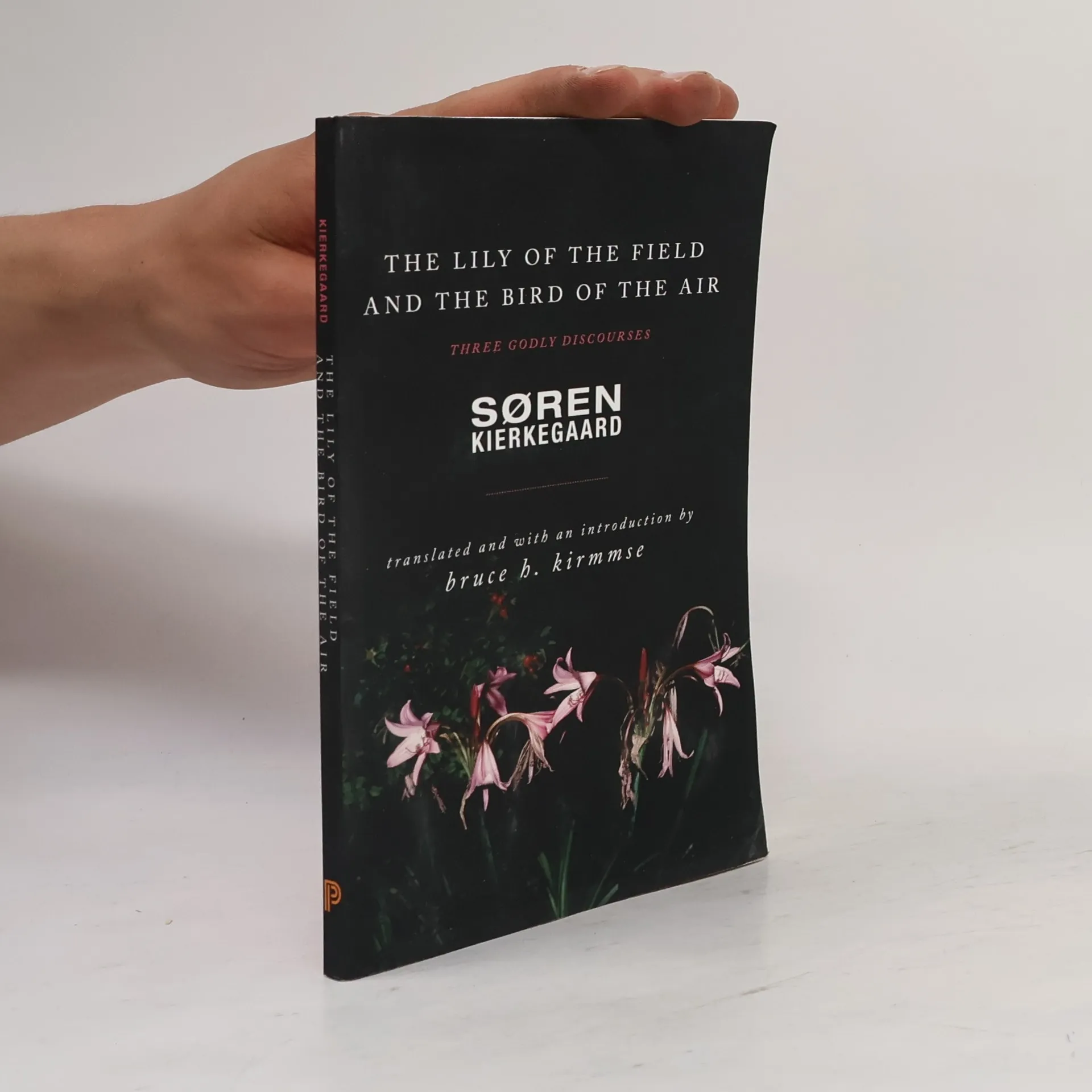
      Exploring the theme of authority, this collection features five short works by Kierkegaard that delve into various dimensions of the concept. "The Lily in the Field and the Bird of the Air" examines the teaching authority of these creatures through Gospel passages. The first of the Two Ethical-Religious Essays reflects on Jesus' martyrdom, while the second contrasts the authority of genius and apostolic figures. Additional meditations address sin, forgiveness, and love, providing profound insights into ethical and spiritual life.

      Without Authority
      4,6
    • The Book on Adler

      • 428pagine
      • 15 ore di lettura

      The exploration of authority takes center stage in this work, prompted by a Danish pastor's claim of a divine revelation. Kierkegaard's fascination with Adolph P. Adler evolves over eight years of manuscript revisions, ultimately leading to a broader philosophical inquiry. Although he published part of the manuscript during his lifetime, the complete version remained unpublished until now. This edition presents the full text along with earlier drafts and selections of Adler's writings, offering a comprehensive view of Kierkegaard's thoughts on genius and apostolic authority.

      The Book on Adler
      5,0
    • The Point of View

      • 376pagine
      • 14 ore di lettura

      Exploring the journey of a prolific writer, this spiritual autobiography reveals the complexities of the author's extensive body of work. Unlike traditional confessions or defenses, it offers insight into the motivations and reflections behind the diverse writings. The narrative examines the intricate relationship between the author's life experiences and his literary contributions, positioning it alongside significant works of self-reflection in philosophical literature.

      The Point of View
      4,7
    • Works of Love

      • 400pagine
      • 14 ore di lettura

      One of Soren Kierkegaard's most important writings, Works of Love is a profound examination of the human heart, in which the great philosopher conducts the reader into the inmost secrets of Love.

      Works of Love
      4,4
    • Christian Discourses

      The Crisis and a Crisis in the Life of an Actress.

      • 512pagine
      • 18 ore di lettura

      The book features a blend of polemical and reassuring discourses, exploring the tension between established Christianity and personal faith. The first and third parts critique societal norms, while the second and fourth parts celebrate the joy found in Christian life amidst suffering. Written in accessible language, it emphasizes clarity in expressing essential Christian ideas, making profound reflections approachable for readers. This collection captures the complexities of faith, balancing critique with uplifting affirmations of belief.

      Christian Discourses
      4,6
    • Provocations

      Spiritual Writings of Kierkegaard

      • 459pagine
      • 17 ore di lettura

      This collection offers a comprehensive introduction to Kierkegaard's thought, providing readers with a curated selection of his most significant writings. It emphasizes key themes such as existentialism, faith, and individuality, making complex ideas more approachable. Ideal for both newcomers and those familiar with Kierkegaard, the book includes helpful commentary and context to enhance understanding. It serves as a valuable resource for anyone interested in philosophy and the human experience.

      Provocations
      4,4
    • Papers and Journals - A Selection

      • 704pagine
      • 25 ore di lettura

      One of the greatest thinkers of the nineteenth century, Soren Kierkegaard (1814-55) often expressed himself through pseudonyms and disguises. This book features his private reflections that reveal the development of his own thought and personality.

      Papers and Journals - A Selection
      4,4
    • The Moment and Late Writings

      • 712pagine
      • 25 ore di lettura

      Kierkegaard's work showcases his dual nature as both a poet of ideals and a direct critic of the ecclesiastical order. In his writings, he employs an indirect method to explore profound themes, but ultimately culminates in a direct and confrontational stance in "The Moment," where he challenges established religious institutions. This tension between poetic idealism and polemical critique defines his philosophical contributions.

      The Moment and Late Writings
      4,5
    • The Kierkegaard Collection

      • 194pagine
      • 7 ore di lettura

      Søren Kierkegaard, often considered the first existentialist philosopher, explores themes of individual choice and commitment through his critical works. His writings, marked by metaphor, sarcasm, and parables, delve into organized religion, morality, ethics, and psychology. Kierkegaard advocates for prioritizing personal experience and living authentically as a "single individual," challenging readers to engage with the complexities of existence beyond abstract concepts.

      The Kierkegaard Collection
      5,0
    • Produced by Copenhagen's Soren Kierkegaard Research Centre, this volume, the first of an eleven-volume series, offers an insight into Kierkegaard's inner life. In addition to early drafts of his published works, it also contains his thoughts on events and philosophical and theological matters and ideas for future literary projects.

      Kierkegaard's Journals and Notebooks, Volume 11, Part 2
      5,0
    • Discusses the profound implications of unity of personhood and of identity within change, beginning with the ironic story of a young poet who cannot fulfill the ethical claims of his engagement because of the possible consequences of his marriage.

      Kierkegaard's Writings, VI, Volume 6
      4,3
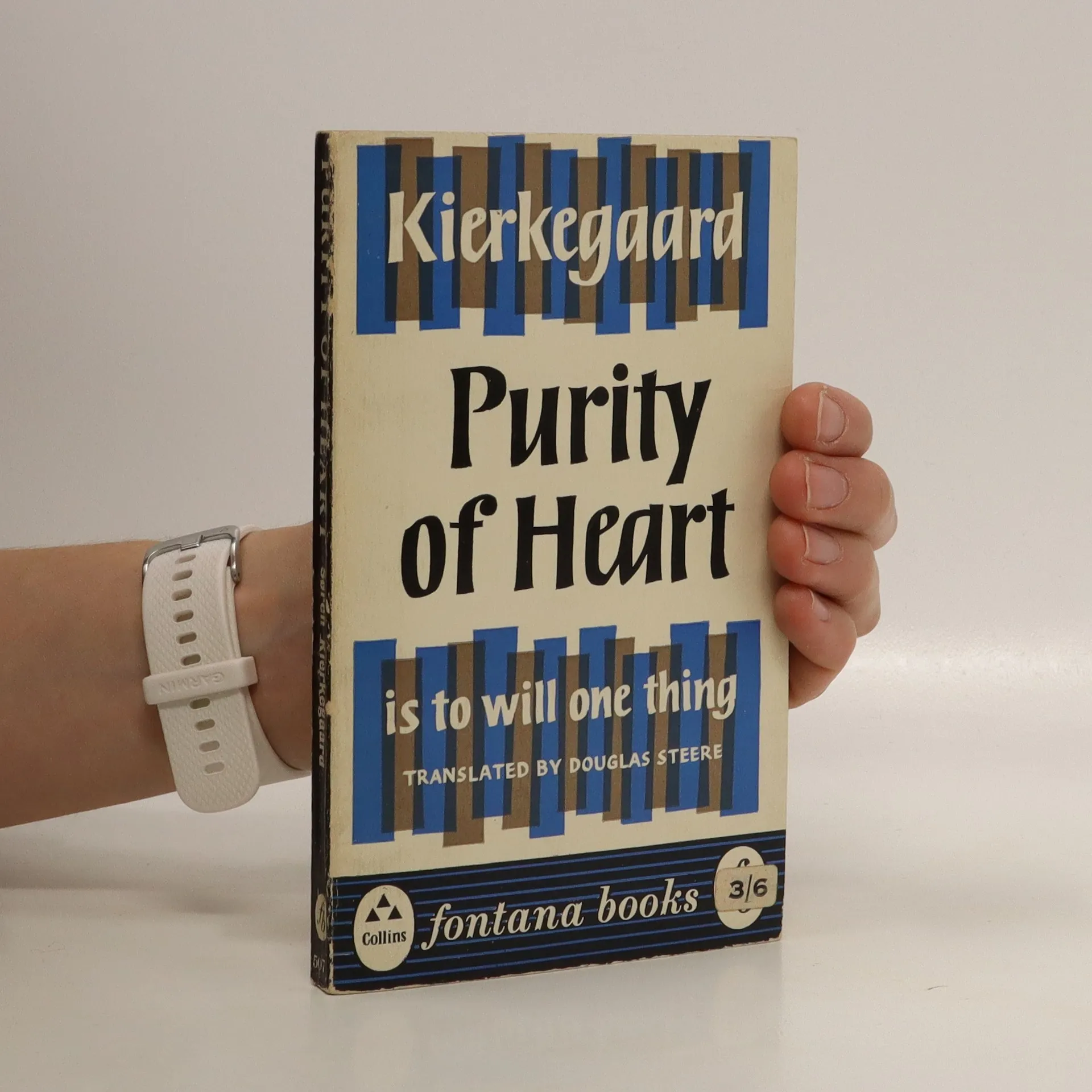
    • Purity of Heart is to Will One Thing

      • 156pagine
      • 6 ore di lettura

      Father in heaven! What is a man without Thee! What is all that he knows, vast accumulation though it be, but a chipped fragment if he does not know Thee! What is all his striving, could it even encompass a world, but a half-finished work if he does not know Thee: Thee the One, who art one thing and who art all!

      Purity of Heart is to Will One Thing
      4,3
    • Gospel of Sufferings

      • 150pagine
      • 6 ore di lettura

      The only English translation of one of the great Danish thinker's most important spiritual writings, distilling together his insights as mystic, theologian and precursor to the existentialist philosophers.

      Gospel of Sufferings
      4,2
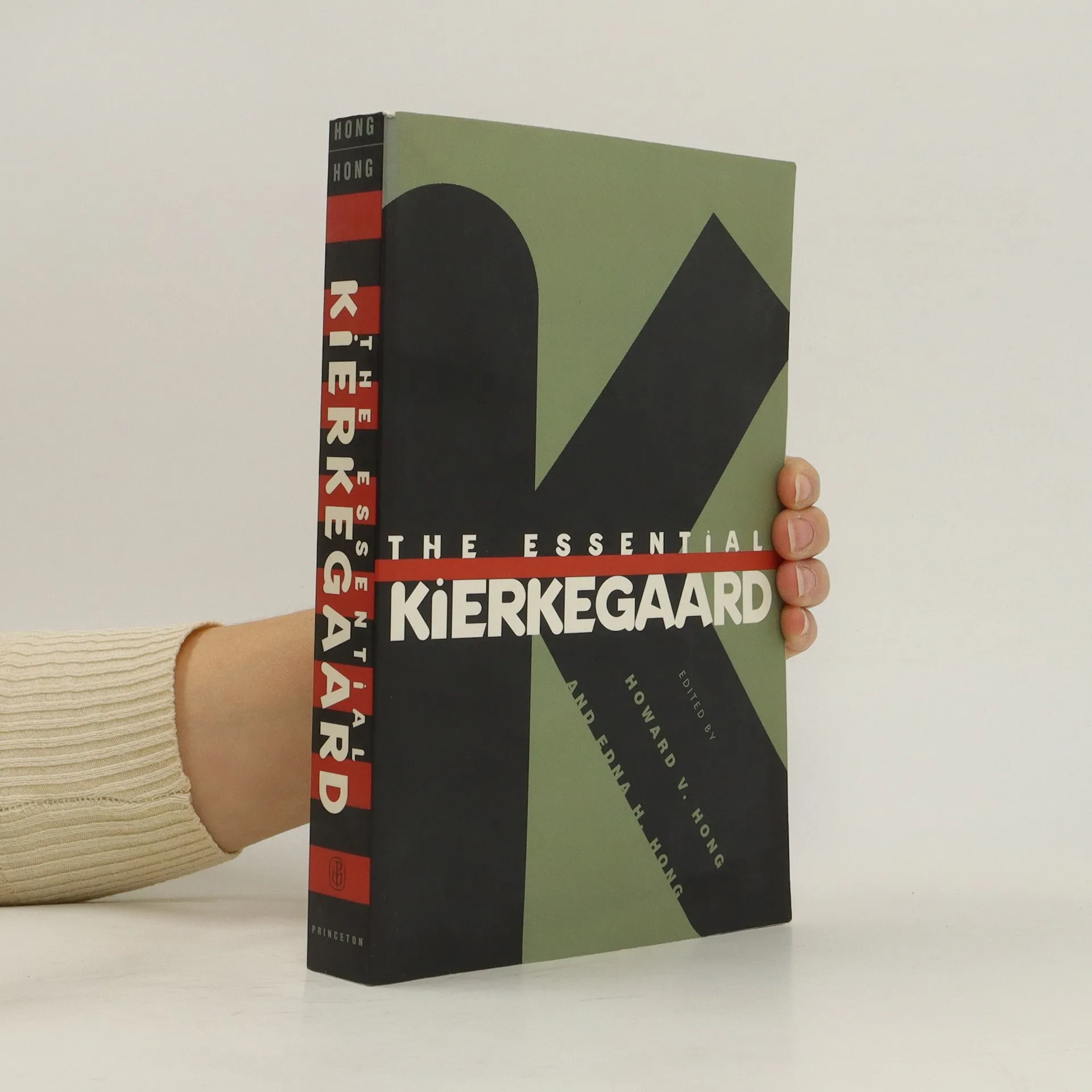
    • An anthology containing substantial excerpts from the Danish philosopher's major works.

      The essential Kierkegaard
      4,2
    • Presents Christian writings that alter our understanding of the great philosopher Soren Kierkegaard. This title argues that the Kierkegaard known to the history of modern ideas is, in an important sense, not Kierkegaard at all.

      Spiritual Writing
      4,1
    • Torchbooks: The Present Age

      • 112pagine
      • 4 ore di lettura

      "Those who would know Kierkegaard, the intesely religious humorist, the irrepressibly witty critic of his age and ours, can do no better than to begin with this book. In it, we find the heart of Kierkagaard. It is not innocuous, not genteel, not comfortable. He does not invite the reader to relax and have a little laugh with him at the expense of other people or at his own foibles. Kierkegaard deliberately challenges the reader's whole existence. Nor does he merely challenge our existence; he also questions some ideas that had become well entrenched in his time and that are even more characteristic of the present age. Kierkegaard insists, for example, that Christianity was from the start essentially authoritarian --not just that the Catholic Church was, or that Calvin was, or Luther, or, regrettably, most of the Christian churches, but that Christ was-- and is. Indeed, though Kierkegaard was, and wished to be, an individual, and even said that on his tombstone he would like no other epitaph than 'That Individual, ' his protest against his age was centered in his lament over the loss of authority." --Walter Kaufman, in the Introduction

      Torchbooks: The Present Age
      4,1
    • By far the most profound thinker of the 19th century. -- Ludwig Wittgenstein The Present Age is the stunningly prescient essay on the rise of mass media-- particularly advertising, marketing, and publicity--by the great philosopher Soren Kierkegaard, the father of existentialism. With an introduction from celebrated philosopher Walter Kaufmann--who states those who would know Kierkegaard can do no better than to begin with this book--The Present Age is an ideal introduction to one of the greatest thinkers in the history of western philosophy.

      The Present Age : On the Death of Rebellion
      4,1
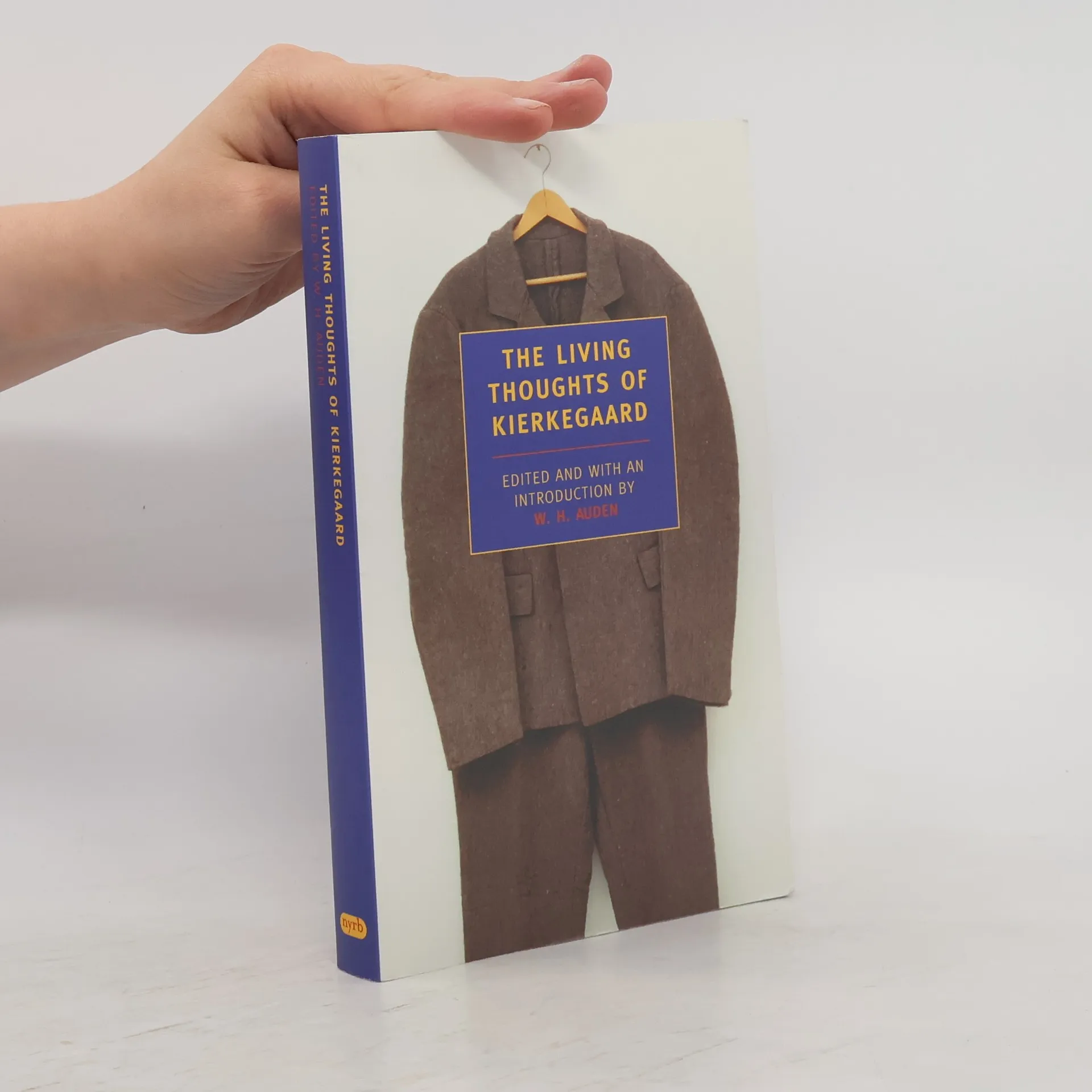
    • The Living Thoughts Of Kierkegaard

      • 280pagine
      • 10 ore di lettura

      The Danish philosopher Kierkegaard is one of the master thinkers of the modern age, a defining influence on existentialism and on twentieth-century theology, and this brilliantly tailored selection from his vast and varied writings--made by the great English poet W.H Auden--is a perfect introduction to his work. Auden's inspired and incisive response to a thinker who had done much to shape his own beliefs is a fundamental reading of an author whose spirit remains as radical as ever more than 150 years after he wrote.Translated from the Danish by Walter Lowrie, David Swenson, and Alexander Dru.

      The Living Thoughts Of Kierkegaard
      4,0
    • The Quotable Kierkegaard

      • 234pagine
      • 9 ore di lettura

      The father of existentialism, Soren Kierkegaard (1813-1855) was a philosopher who could write like an angel. Drawing from the authoritative Princeton editions of Kierkegaard's writings, this book presents a selection of his wit and wisdom, as well as a stimulating introduction to his life and work.

      The Quotable Kierkegaard
      3,8
    • The Sickness Unto Death

      A Modern Translation for the 21st Century

      • 154pagine
      • 6 ore di lettura

      Delving into themes of despair, self-identity, and faith, this transformative exploration by Søren Kierkegaard offers profound philosophical insights. Renowned for his deep understanding of human existence, Kierkegaard challenges readers to confront their inner struggles and the complexities of belief. His work invites a reflective journey, encouraging a deeper understanding of the self and the nature of faith amidst despair.

      The Sickness Unto Death
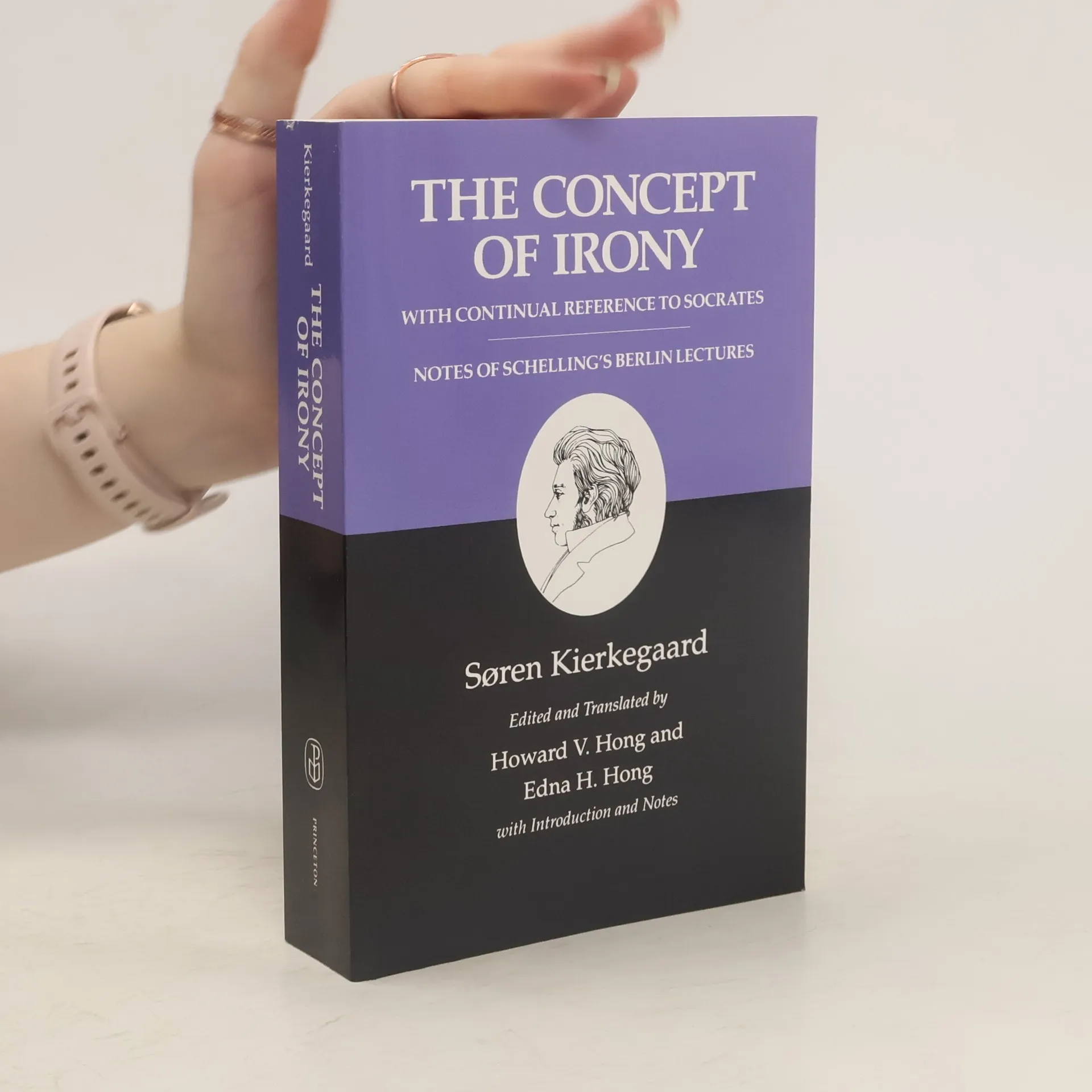
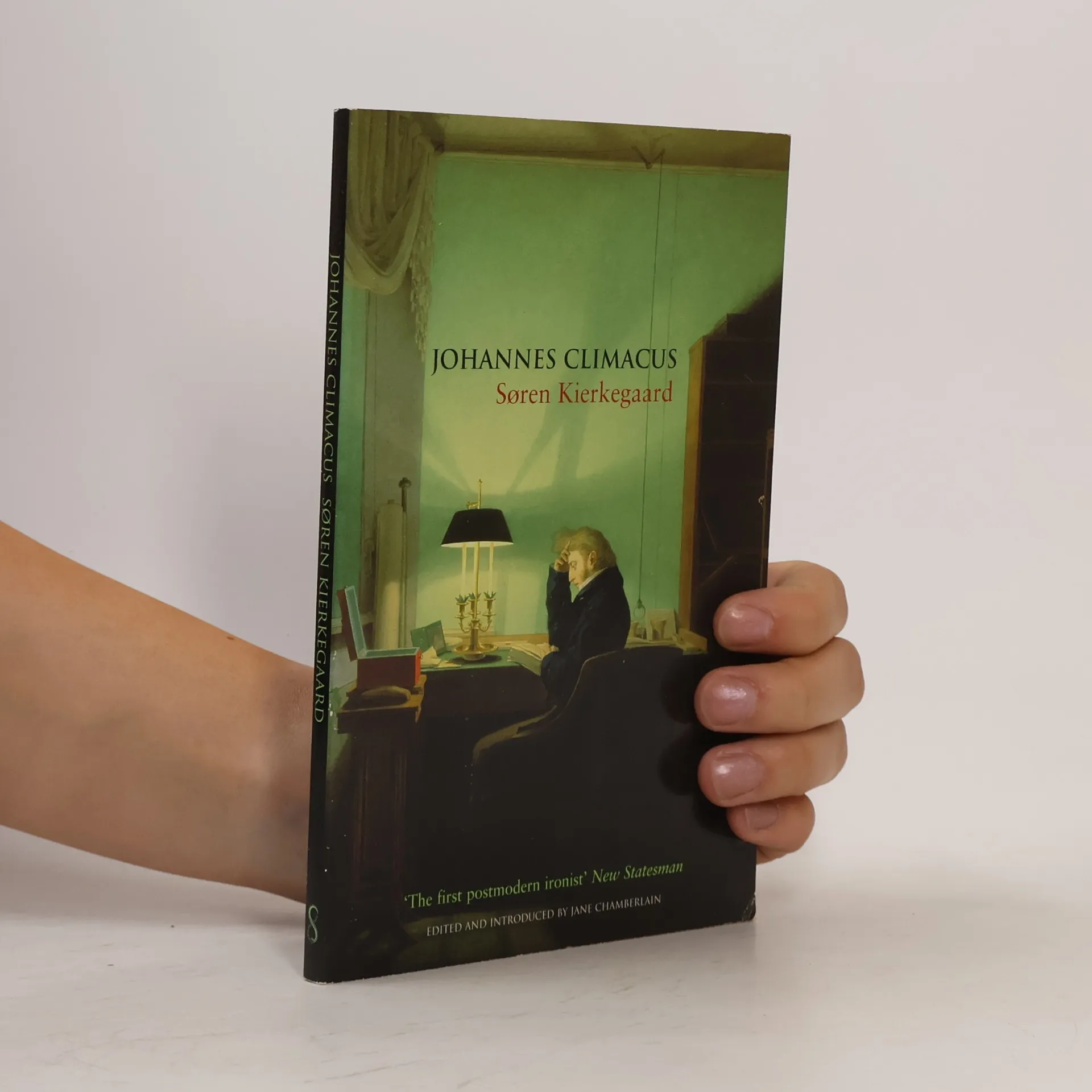
    • Kierkegaard concluded his studies in theology and philosophy with a dissertation on irony, which became the foundation of his thought and writing. He focused on Socratic irony, analyzed through Xenophon, Plato, and Aristophanes. He views Socrates as an independent figure, distinct from Plato's dialogues, and defends Aristophanes' non-philosophical approach, which better captures Socrates' sense of irony. Aristophanes' negative portrayal of Socrates paradoxically reveals what Socrates aimed to achieve through irony—questioning the presumed ownership of truth and knowledge. Ironical questioning leads to introspection and the search for personal existential answers. Kierkegaard learns the mastery of irony from Socrates and seeks to disrupt the contemporary leveling and faith in science and progress that suppress individuality. He believes people suffer from an excess of knowledge that obscures their personal existence. This work serves as the starting point for Kierkegaard's oeuvre and contains the seeds of existentialism. Irony liberates but does not provide a positive guide; it represents "absolute negativity" and the first step toward self-discovery. Kierkegaard adhered to the maxim "know thyself" throughout his work, with irony as his constant companion. He further reflects on the irony of romantic authors and praises Shakespeare's controlled irony, which allows characters to remain "their own artists."

      The Concept of Irony
    • Bojaźń i drżenie

      • 125pagine
      • 5 ore di lettura

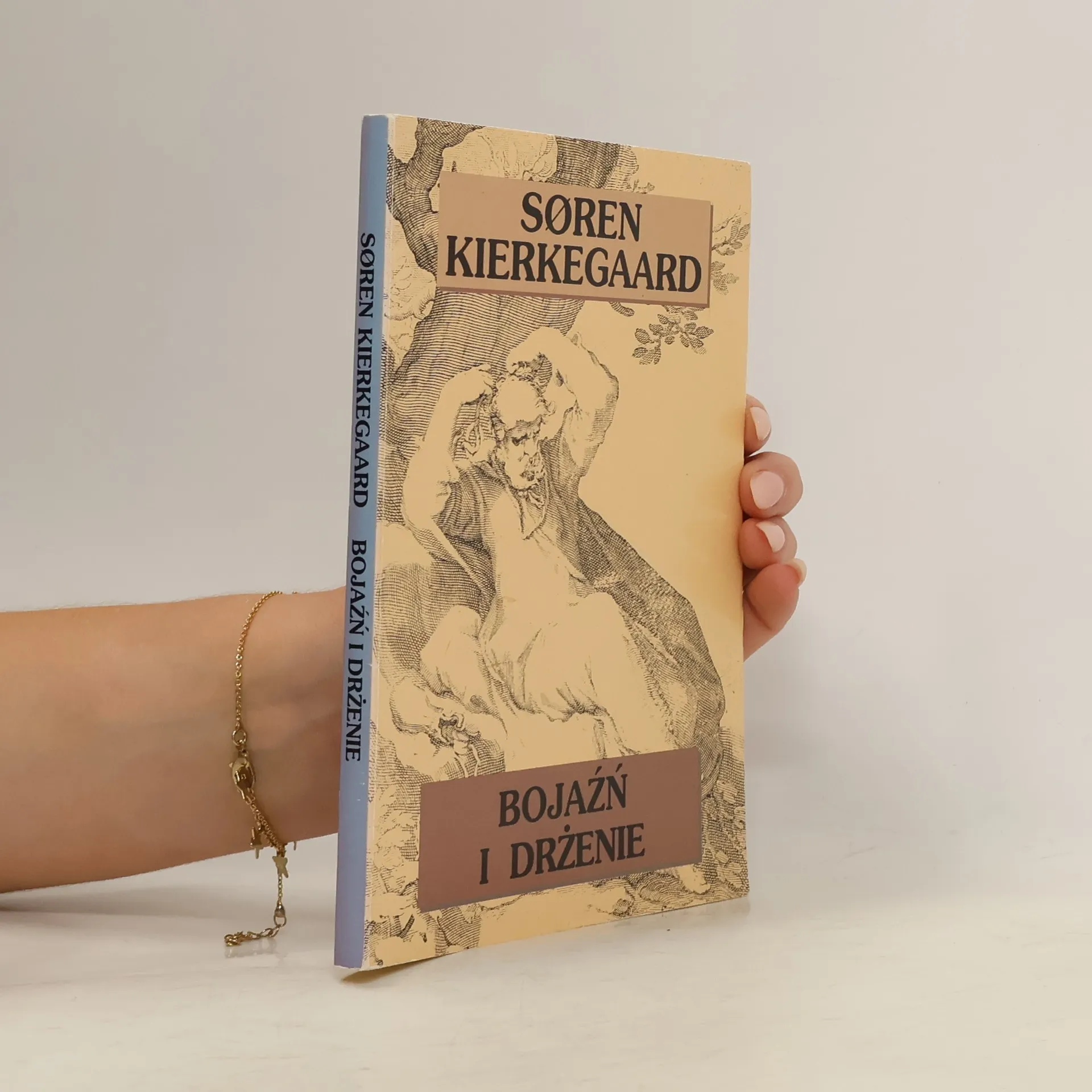
      Książka "Bojaźń i drżenie" odnosi się do nowotestamentowych epistoł. Kierkegaard stara się zrozumieć lęk, który musiał czuć Abraham, gdy Bóg wezwał go do ofiarowania swojego syna Izaaka. Ostatnim stadium przed osiągnięciem wiary jest według autora stan nieskończonej rezygnacji i determinacji, by zrezygnować ze wszystkiego, co człowiek mógłby przedkładać przed Bogiem. "Choroba ku śmierci" dotyczy rozpaczy, którą Kierkegaard z chrześcijańskiego punktu widzenia określa jako grzech, chociaż psychologicznie ją rozumie. Tytuł odnosi się do historii wskrzeszonego Łazarza. Autor analizuje różne formy rozpaczy, które odnoszą się do tego, jak człowiek potrafi zaakceptować swoją skończoność (fizyczny aspekt) lub nieskończoność (duchowy aspekt). Oba teksty powstały w latach czterdziestych XIX wieku i do dziś pozostają istotne zarówno w kontekście twórczości autora, jak i w ramach filozofii oraz psychologii egzystencjalnej.

      Bojaźń i drżenie
      4,4
    • Dánský filozof konfrontuje podstatu „současnosti“ a „revoluční doby“, jeho kritika je zaměřena vůči stávající nadvládě „rozumnosti“.

      Současnost
      4,4
    • Okamžik

      • 246pagine
      • 9 ore di lettura

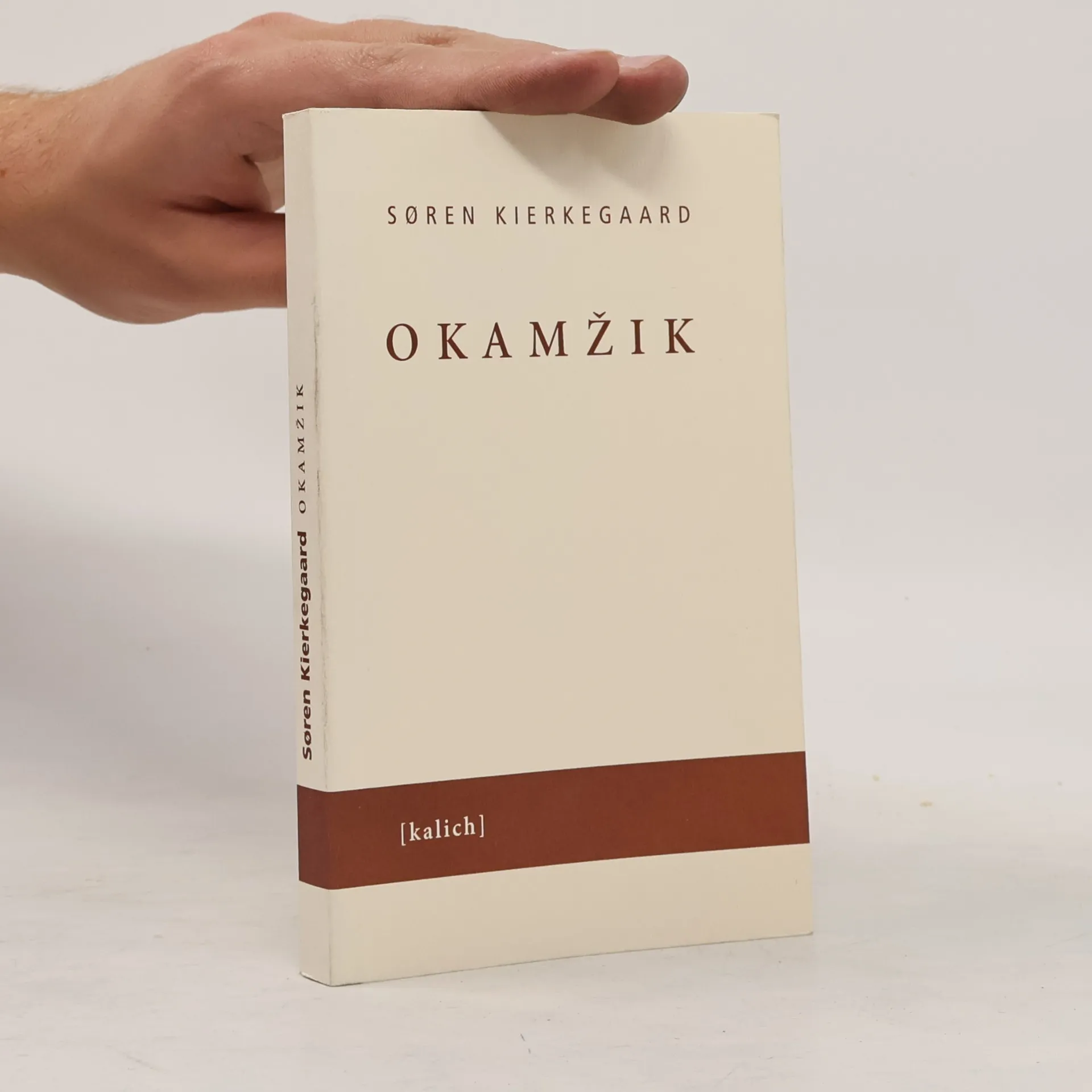
      Význačný dánský filozof kriticky zkoumá dobovou podobu i význam křesťanství. V průběhu uplynulých osmnácti století toto náboženství prošlo úpadkovým vývojem, neboť pro církevní činitele se stalo zdrojem osobního obohacení. Ke křesťanské víře se hlásili téměř všichni, kněžský stav se tak stal "vzkvétající živností". Kierkegaard tudíž zásadně odmítá vztáhnout na sebe charakteristiku křesťana, poněvadž v dobové formě křesťanství nenachází nic, s čím by se mohl ztotožnit. Vztahuje na sebe naopak tzv. sokratickou úlohu - po svém antickém vzoru bude zpochybňovat, zpochybní podstatu "křesťana"! Kněží a křesťanští myslitelé představují pouhé sofisty, kteří se neznalým snaží namluvit co je pravda a co je křesťanství. Vášnivá kritika dobové podoby křesťanství coby instituce pochybným způsobem ovládající svět.

      Okamžik
      4,4
    • Gesammelte Werke

      • 159pagine
      • 6 ore di lettura

      In seiner während der Verlobungszeit 1840/41 verfaßten Dissertation versucht Kierkegaard einerseits von seinem neugewonnenen Begriff der Ironie her das sokratische Element der platonischen Dialoge herauszukristallisieren, andererseits aber einen selbständigen Beitrag zur Auseinandersetzung Hegels mit der deutschen Romantik zu leisten. Während der erste Teil noch von einer wissenschaftlichen Stubengelehrsamkeit geprägt ist, läßt der brillante, geistvolle Stil des zweiten schon das schriftstellerische Talent des späten Kierkegaard ahnen: er ist aus der Opposition gegen den verflachten Hegelianismus seiner Zeit zu verstehen.

      Gesammelte Werke
      4,5
    • Kierkegaard: die Hauptwerke

      Ein Lesebuch

      • 400pagine
      • 14 ore di lettura

      Soren Kierkegaard (1813-1855) zählt zu den Klassikern der Philosophiegeschichte. Er brach aus dem Mainstream der klassischen Metaphysik aus und gab dem scheinbar Unwesentlichen eine Stimme: dem Einzelnen, Geschichtlichen, Zufälligen. Seine Beschreibungen individuellen Selbstwerdens, in denen er die Vernunft mit den Phänomenen Angst und Verzweiflung konfrontiert, haben Jaspers und Heidegger ebenso beeinflusst wie Sartre und Camus. Der Band versammelt ausgewählte Originaltexte, die nach zentralen Themen sortiert sind und einen guten Überblick über Kierkegaards Philosophie bieten. Die fünf Kapitel sind jeweils mit einer Einleitung und Anmerkungen der Herausgeberin versehen. Prof. Dr. Annemarie Pieper lehrte in München und Basel Philosophie. Ihre Forschungsschwerpunkte sind Ethik und Existenzphilosophie.

      Kierkegaard: die Hauptwerke
      5,0
    • Sevřené a naléhavé výklady evangelijních textů z poetického pera význačného, u nás dosud nedoceněného dánského myslitele 19. století, „otce existencialismu“.

      Tři páteční pozvání k Večeři Páně
      4,4
    • Philosophische Schriften 1

      • 1142pagine
      • 40 ore di lettura

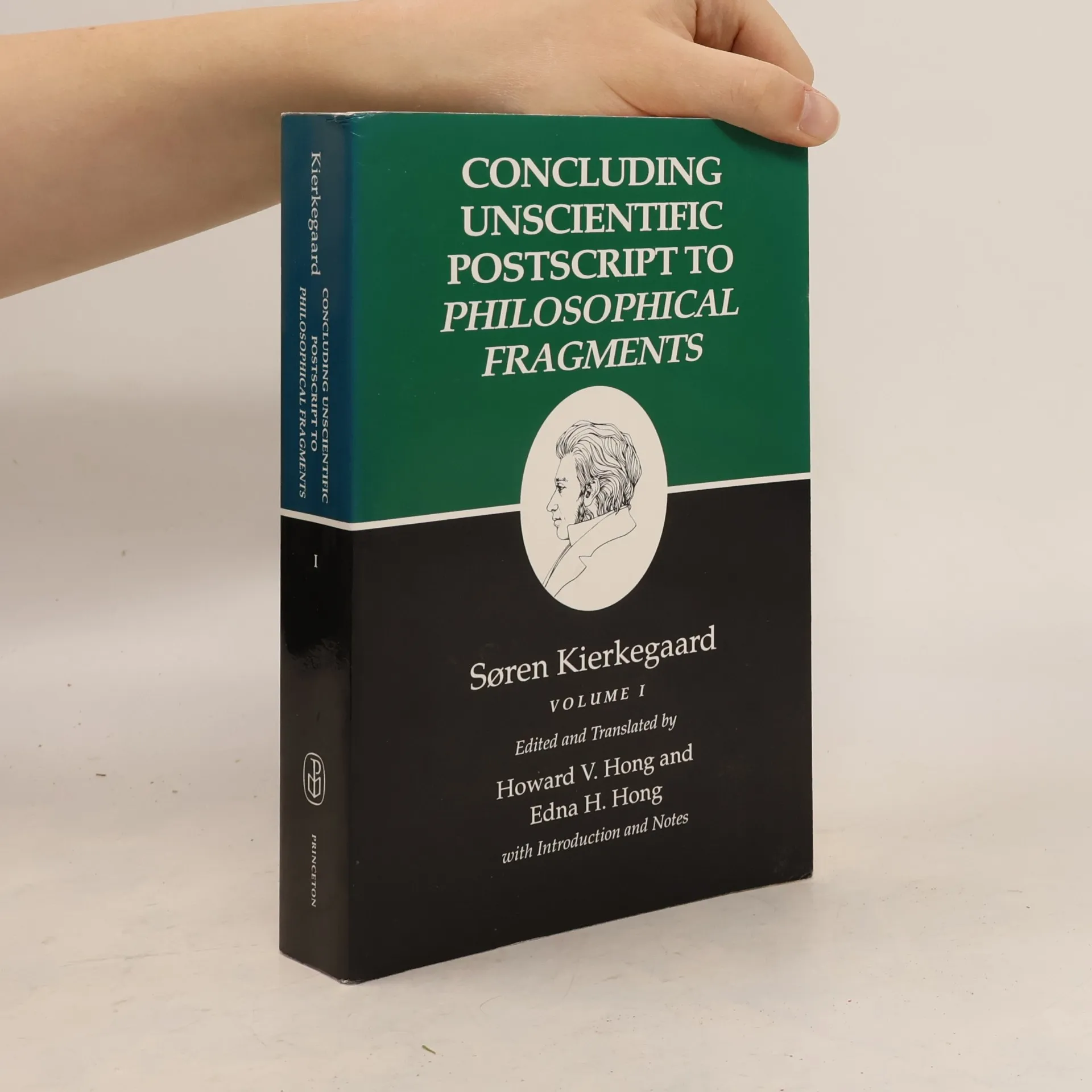
      Kierkegaards Philosophische Schriften. 1.200 Seiten. Nur bei uns. Nur 7,99€. „Von Sören Kierkegaard kann man lernen, das eigene Leben wirklich zu leben und nicht nur zu führen. Das ist einerseits anstrengend, regt einen andererseits aber so sehr auf, dass man davon nicht wieder loskommt“, empfiehlt die Frankfurter Allgemeine „den lebendigsten aller Denker“, der unter anderem die französischen Existentialisten inspirierte. Gleich mit seinem Debütwerk „Entweder - Oder“ erschütterte er alle bisherige Philosophie. Es ist „ein Buch, das den Boden wanken lässt, auf dem wir durchs Leben trotten, auch heute noch“, staunt Der Spiegel. In seinen folgenden philosophischen Werken unterzieht Kierkegaard die Geschichtsphilosophie Hegels einer ebenso ätzenden wie scharfsinnigen Kritik. Diese Edition versammelt die drei philosophischen Hauptwerke „Entweder - Oder“, „Philosophische Brocken“ und die „Abschließende unwissenschaftliche Nachschrift zu den Philosophischen Brocken“ in der berühmten Übersetzung von Christoph Schrempf.

      Philosophische Schriften 1
      4,4
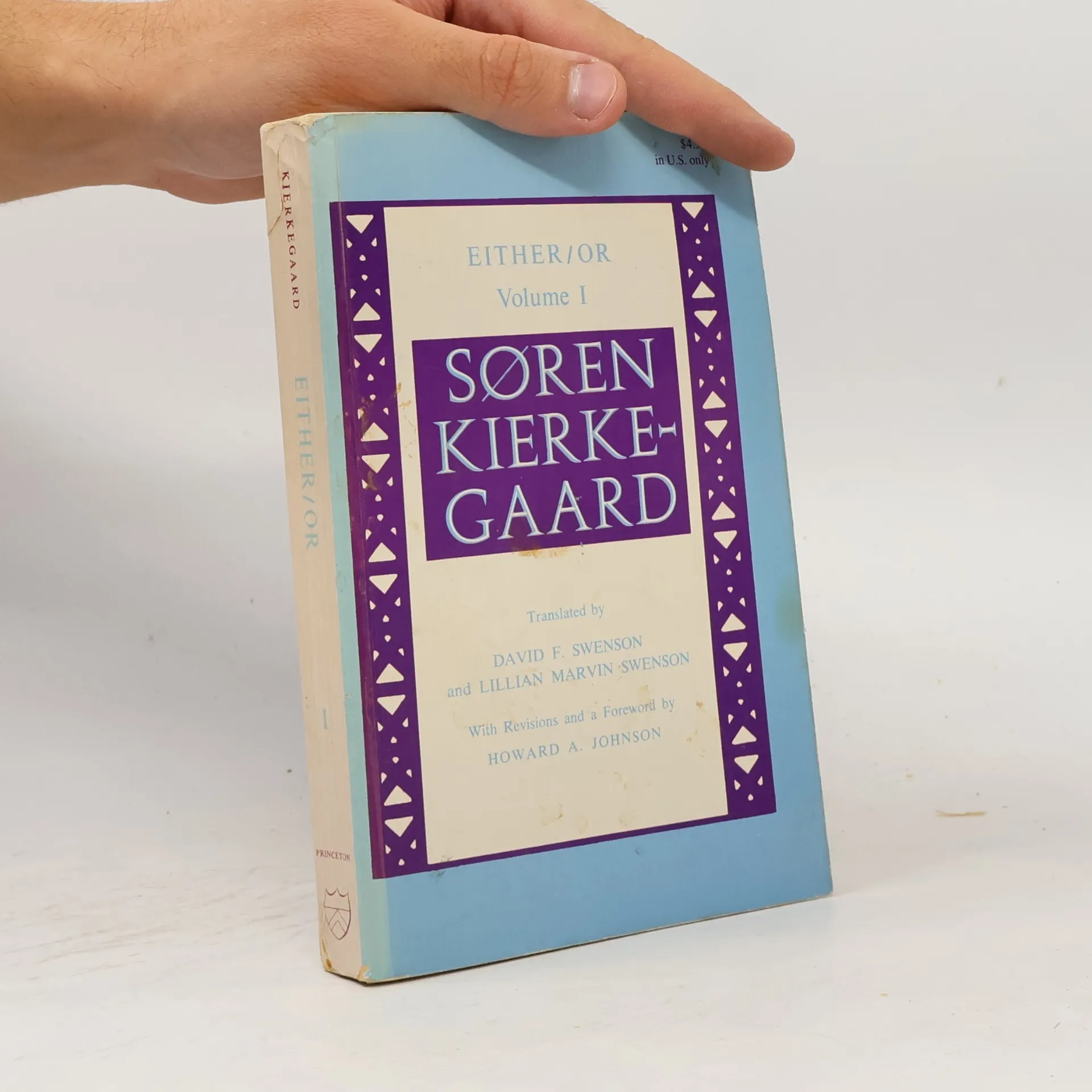
    • <i>Sau-sau</i> (1843) afspejler to måder at forholde sig til livet: den etiske og den æstetiske, men der skitseres også en tredje eksistensform: den religiøse. Synspunkterne, der tilskrives pseudonyme forfattere, A og B, kommenteres af en fiktiv redaktør, Victor Eremita. <br />Punktet i Kierkegaards tænkning og en af de mest berømte værker i filosofiens historie, <i>Sau-sau</i> kan tolkes som en afhandling om hegelianisme og aristotelisme, en kommentar om de hellige sakramenters rolle i kirken eller en moderne roman. <br />Første del af bogen, som er indeholdt i dette bind, er dedikeret til de æstetiske menneskers opfattelser af livet og kunsten. "Diapsalmata", "De umiddelbare erotiske stadier", "Refleksionen af det antikke tragiske i det moderne tragiske", "Silhuetter", "Den mest ulykkelige", "Første kærlighed", "Kulturernes rotation", "Forførerens dagbog" repræsenterer forskellige perspektiver på de store temaer i det æstetiske liv: oppositionen mellem umiddelbarhed og refleksion, mellem nihilisme og nydelse, angst og entusiasme, ironi og passion. Især den berømte "Forførerens dagbog" viser sig, når den læses i denne kontekst, at være et filosofisk bidrag til erkendelsesproblematikken.

      Søren Kierkegaards skrifter 3
      4,3
    • <i>Sau-sau</i> (1843) afspejler to måder at forholde sig til livet: den etiske og den æstetiske, men der skitseres også en tredje eksistensform: den religiøse. Synspunkterne, der tilskrives pseudonyme forfattere, A og B, kommenteres af en fiktiv redaktør, Victor Eremita. <br />Punktet i Kierkegaards tænkning og en af de mest berømte værker i filosofiens historie, <i>Sau-sau</i> kan tolkes som et traktat om hegelianisme og aristotelisme, en kommentar om de hellige sakramenters rolle i kirken eller en moderne roman. <br />Første del af bogen, som er indeholdt i dette bind, er dedikeret til de æstetiske menneskers opfattelser af livet og kunsten. "Diapsalmata", "De umiddelbare erotiske stadier", "Refleksionen af det antikke tragiske i det moderne tragiske", "Silhuetter", "Den mest ulykkelige", "Første kærlighed", "Kulturernes rotation", "Seducerens dagbog" repræsenterer forskellige perspektiver på de store temaer i det æstetiske liv: oppositionen mellem umiddelbarhed og refleksion, mellem nihilisme og nydelse, angst og entusiasme, ironi og passion. Især den berømte "Seducerens dagbog" viser sig, når den læses i denne kontekst, at være et filosofisk bidrag til erkendelsesproblemet.

      Søren Kierkegaards skrifter 1
      4,3
    • <i>Sau-sau</i> (1843) af Søren Kierkegaard præsenterer to måder at forholde sig til livet på: den etiske og den æstetiske, hvorigennem der dog også skitseres en tredje måde at eksistere på: den religiøse. Synspunkterne, der tilskrives pseudonyme forfattere, A og B, kommenteres af en fiktiv redaktør, Victor Eremita. <br />Som grundstenen i den kierkegaardske tænkning og et af de mest berømte værker i filosofiens historie kan <i>Sau-sau</i> fortolkes som et traktat om hegelianismen og aristotelismen, en kommentar om de hellige sakramenters rolle i kirken eller en moderne roman. <br />Den første del af bogen, som er indeholdt i dette bind, er dedikeret til de æstetiske menneskers opfattelser af livet og kunsten. "Diapsalmata", "De umiddelbare erotiske stadier", "Refleksionen af det antikke tragiske i det moderne tragiske", "Silhuetter", "Den mest ulykkelige", "Første kærlighed", "Kulturens rotation", "Forføresens dagbog" repræsenterer forskellige perspektiver på de centrale temaer i det æstetiske liv: oppositionen mellem umiddelbarhed og refleksion, mellem nihilisme og nydelse, angst og entusiasme, ironi og passion. Især den berømte "Forføresens dagbog" viser sig, når den læses i denne kontekst, at være et filosofisk bidrag til erkendelsesproblematikken.

      Søren Kierkegaards skrifter. K 2-3. Kommentarer til. Enten-Eller
      4,3
    • Geheime Papiere

      • 299pagine
      • 11 ore di lettura

      Kierkegaard äußert 1836 in seinem Tagebuch eine radikale Kritik an der geistigen Zahlungsunfähigkeit Europas, die er als gefährlicher ansieht als den finanziellen Bankrott. Seine unpublizierten Notizen bieten tiefgehende Gesellschafts- und Kulturkritik, analysieren das aufkommende Medienzeitalter und kritisieren das Bildungsbürgertum. Hagemanns Kommentar kontextualisiert diese Gedanken und zeichnet ein Bild von Kierkegaards Kopenhagen.

      Geheime Papiere
      4,0
    • Die Lilie auf dem Feld und der Vogel unter dem Himmel

      Drei Reden, Gott betreffend

      • 105pagine
      • 4 ore di lettura

      In der Lilie auf dem Feld und dem Vogel unter dem Himmel entdeckt Søren Kierkegaard die Lehrmeister im Schweigen, im Gehorsam und der Freude – den drei überzeitlichen Lebenshaltungen auf dem Weg zur Erkenntnis dessen, »was es heißt, Mensch zu sein«. Mit der Beharrungskraft des Gläubigen richtet sich Kierkegaards Lektüre gegen säkulare Beliebigkeit und mahnt dazu, »zuerst nach dem Gottesreich zu trachten«

      Die Lilie auf dem Feld und der Vogel unter dem Himmel
      4,4
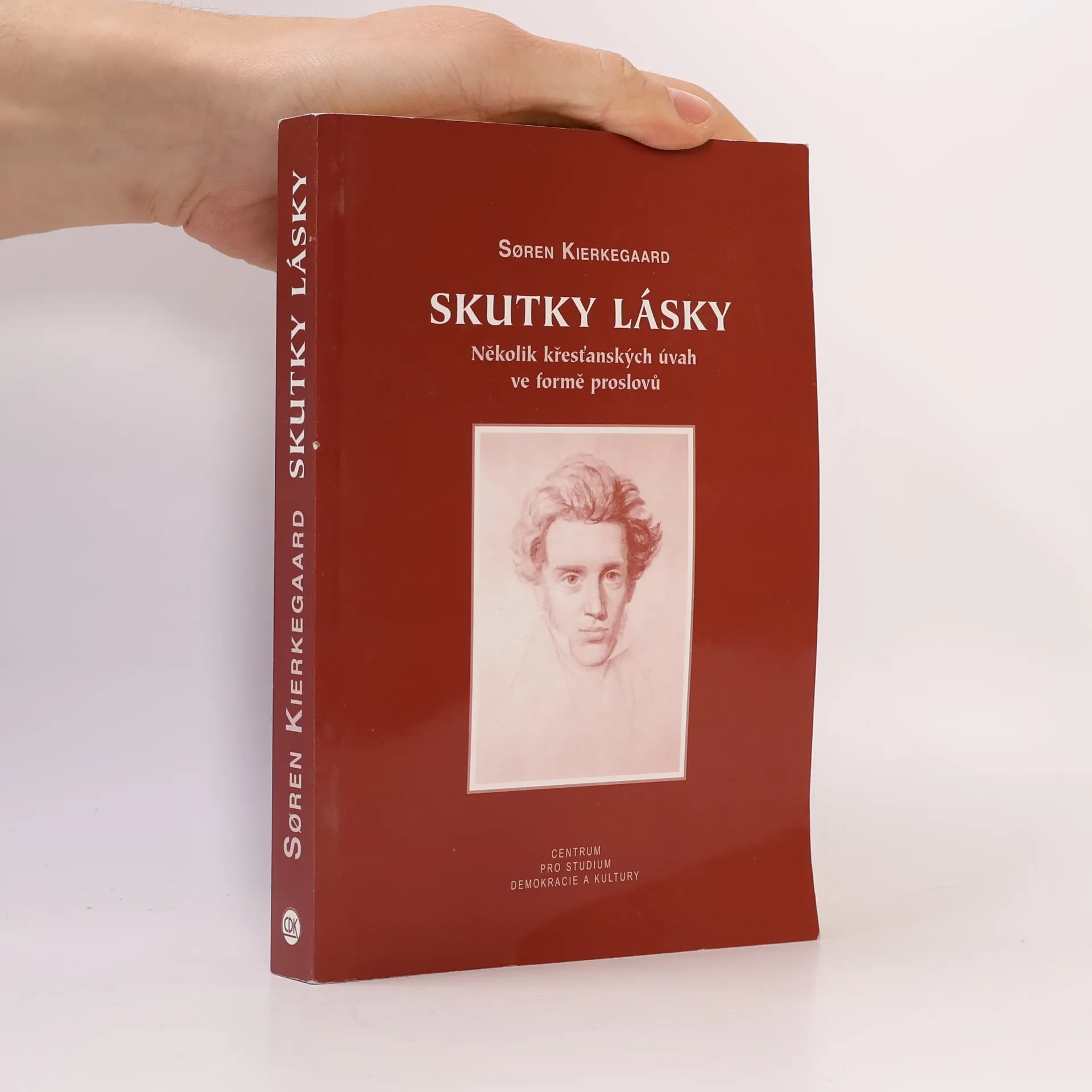
    • Skutky lásky

      • 271pagine
      • 10 ore di lettura

      Dílo proslulého dánského filosofa a náboženského myslitele 19. století (1813–1855), který bývá označován za předního představitele existencialismu a hlavního kritika dánské církve své doby, o charakteru a projevech lásky v Novém zákoně. Originální přímý přístup k novozákonnímu textu, který autor označoval jako „příručku pro ty, kdo mají být obětováni“, hledání osobního oslovení „poníženým Kristem“ a spontánní a osobně zaručované angažmá, to jsou základní východiska Kierkegaardova dvojdílného spisu.

      Skutky lásky
      4,4
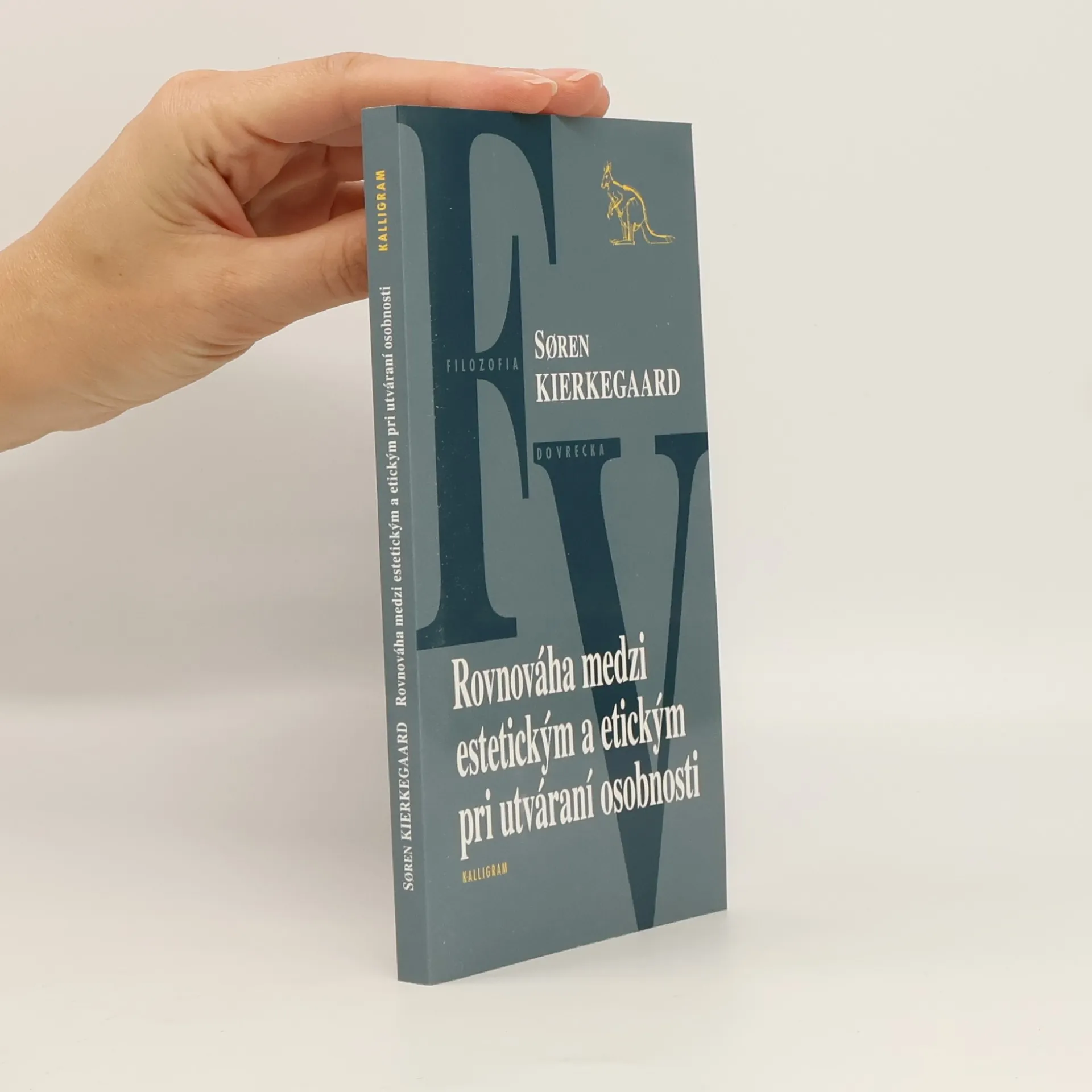
    • Ďalšie z diel veľkého dánskeho mysliteľa, predchodcu filozofie existencializmu, zachytáva proces utvárania subjektu, osobnosti a jej smerovanie k dokonalosti. Čitateľovi pred očami defilujú rozličné možnosti a spôsoby, ako sa stať naozajstnou osobnosťou, ako myslieť a žiť, ako si zvoliť tomuzodpovedajúci životný postoj a názor.

      Rovnováha medzi estetickým a etickým pri utváraní osobnosti
      4,0
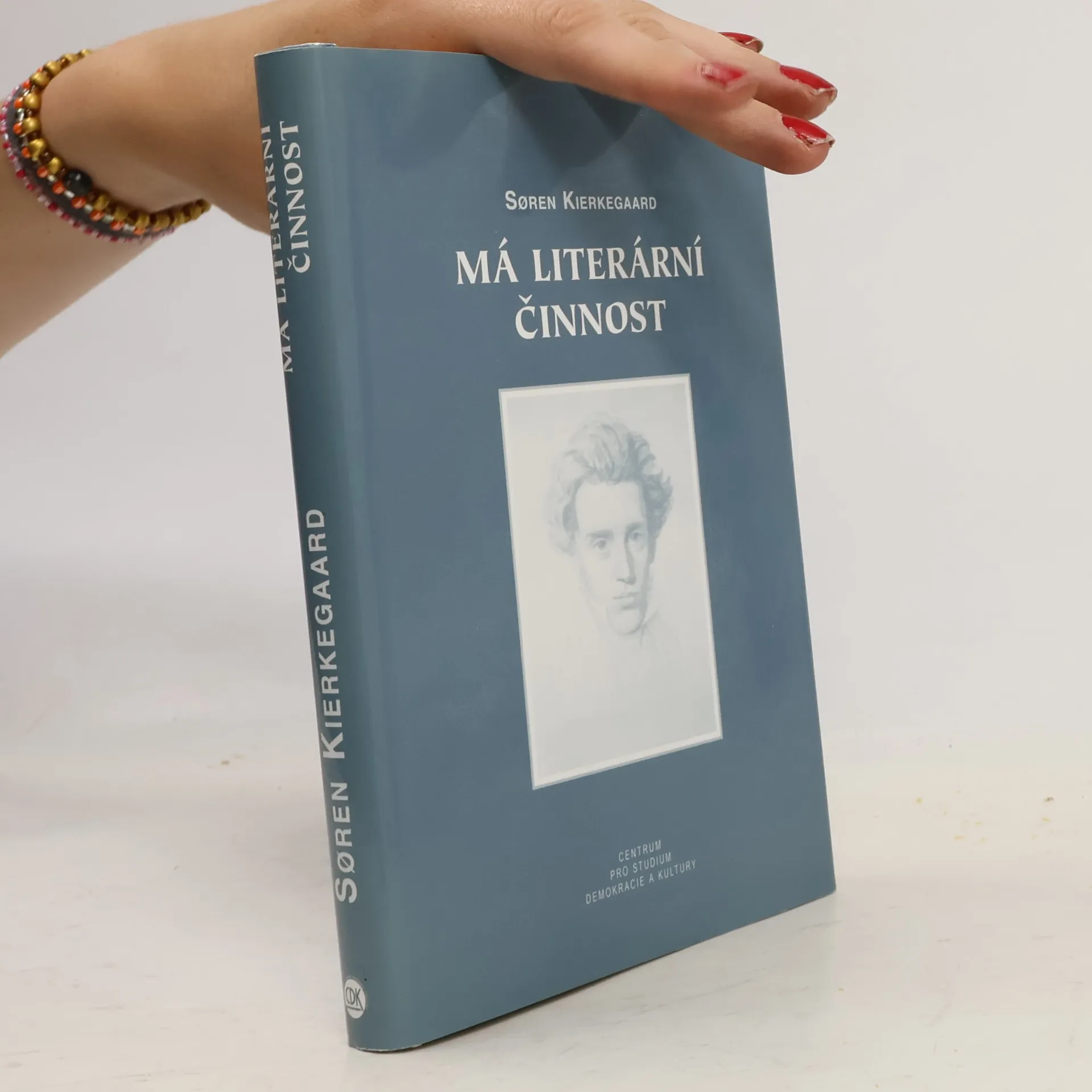
    • Souborné vydání pěti Kierkegaardových textů, jejichž společným tématem je autorova vlastní spisovatelská činnost: "Dobový trend v dánské literatuře" pojednává o Kierkegaardových pseudonymních dílech a usměrňuje nechápající kritiku, "Rozdíl mezi géniem a apoštolem" je zajímavou studií o autorově vlastním poslání, "Má spisovatelská činnost" popisuje pohyb v autorových sférách reflexe a vydává z něj počet, "Hledisko mé spisovatelské činnosti" je posthumně vydaný text, v němž se Kierkegaard svléká ze všech pseudonymů a otevřeně mluví o svém díle, a konečně Jedinec je doplněním předchozího titulu, objasněním, co pro autora "jedinec" znamená.

      Má literární činnost
      4,0
    • Výběr z bohaté sbírky Kierkegaardových deníků a tzv. Papírů sestavený překladatelkou Marií Mikulovou Thulstrupovou přibližuje českému čtenáři autorův privátní myšlenkový svět, a nabízí tak velice zajímavý kontext pro četbu a interpretaci jeho spisů. Kniha zahrnuje Kierkegaardovy filozofické a teologické názory, poznámky o antice a Sókratovi, komentáře k Schopenhauerovi, zápisky věnované otci, svědectví o bojích s žurnalisty, dále pak reflexe o biskupu Mynsterovi a úvahy o sobě samém. Velká část výběru patří Kierkegaardovým poznámkám o jeho vztahu ke snoubence Regině, s níž se rozešel kvůli své „těžkomyslnosti". Kniha jistě zaujme všechny čtenáře Kierkegaardova díla, ať už jej vnímají v prvé řadě jako filozofa, nebo jako křesťanského myslitele, neboť je vůbec prvním výborem z Kierkegaardových deníků a Papírů, který v českém jazyce vychází.

      Z deníků a Papírů
      4,0
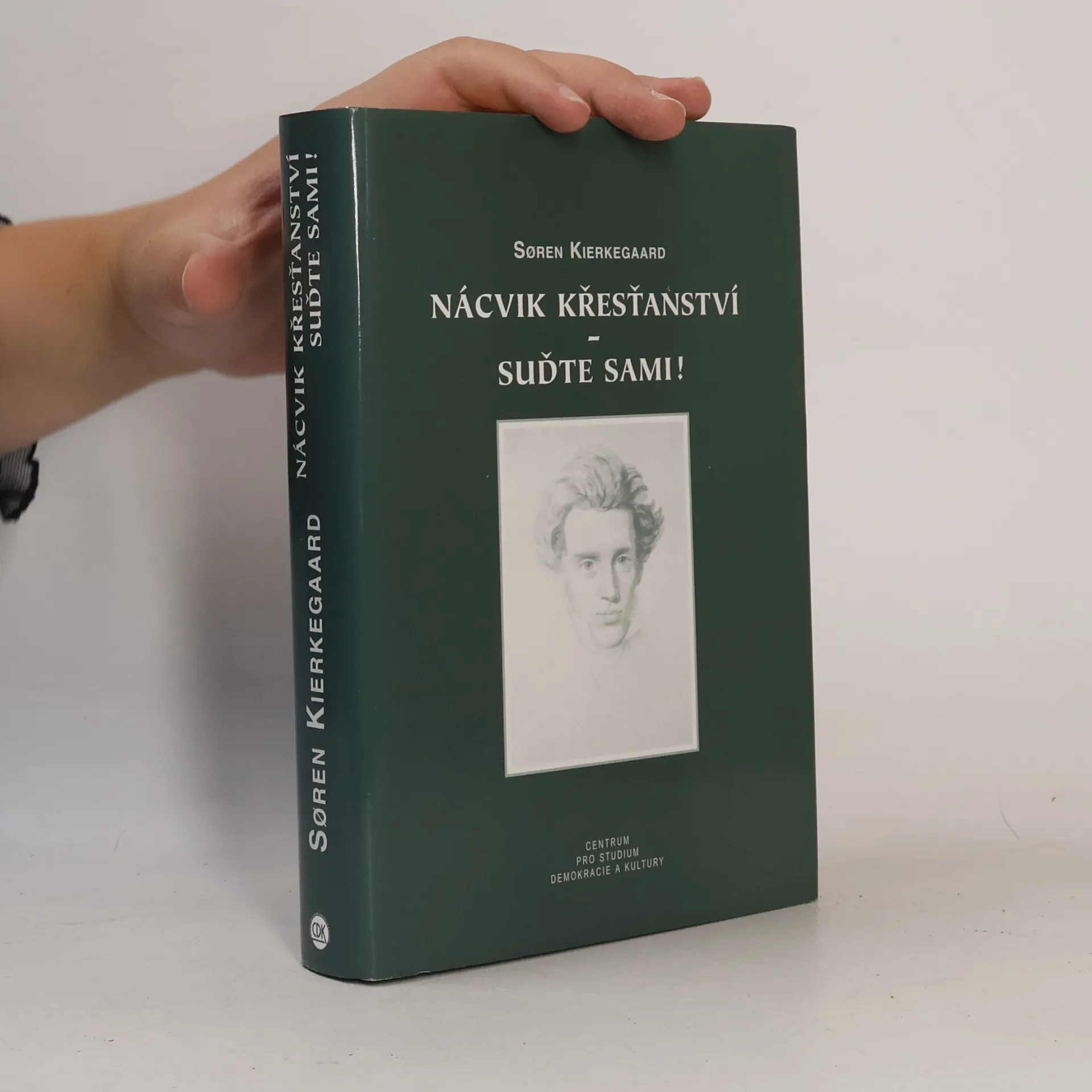
    • Význačný dánský filozof vymezuje základní principy křesťanství coby cesty k etické přísnosti a přibližuje atributy reálného Kristova následovníka.

      Nácvik křesťanství
      4,0
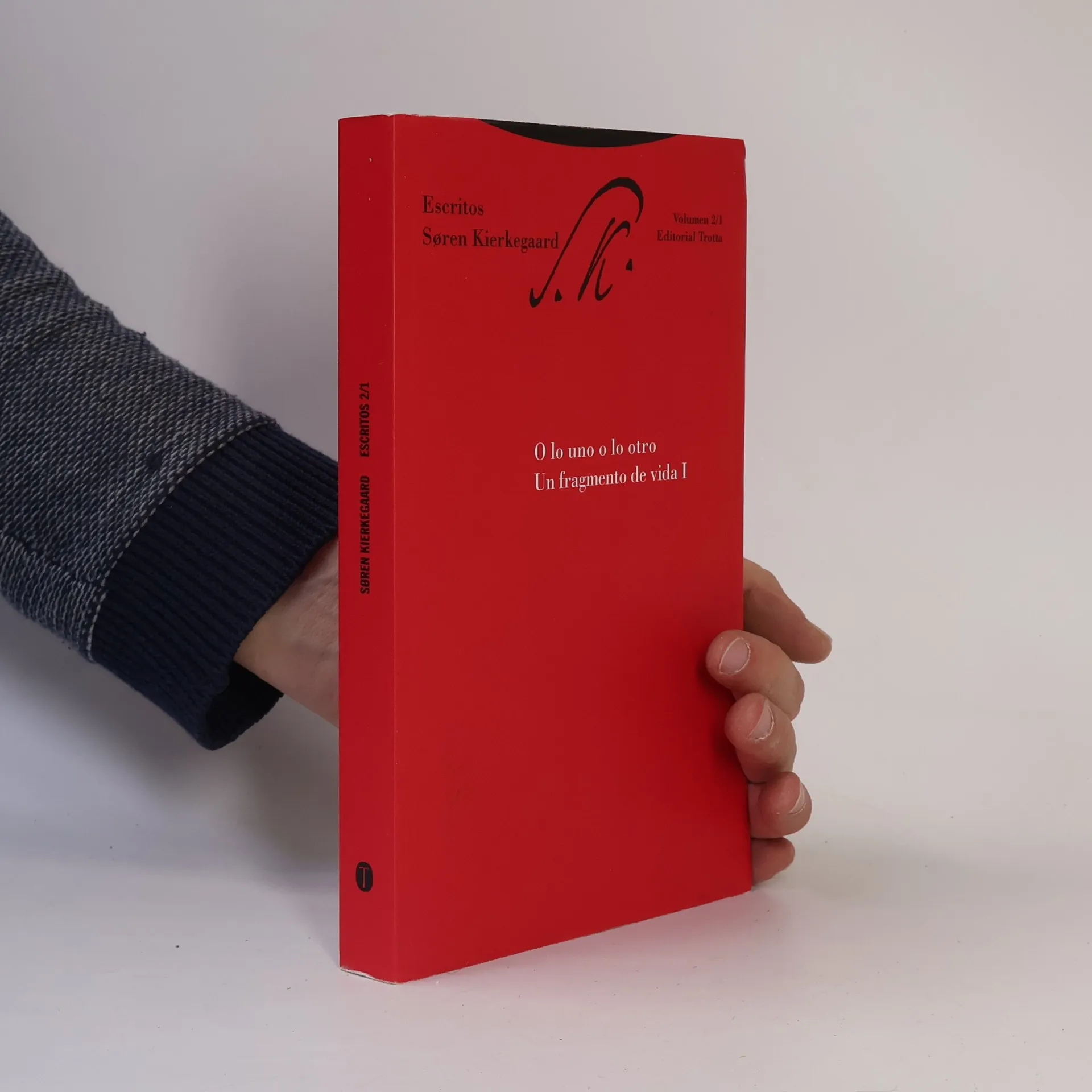
    • O lo uno o lo otro (1843) es la primera obra publicada por Soren Kierkegaard, surgida tras su tesis Sobre el concepto de ironía. Con una estructura textual compleja, es considerada una de sus obras más destacadas, resultado de dieciséis meses de dedicación, aunque algunos materiales se elaboraron años antes. Publicada bajo el pseudónimo de Victor Eremita, marca el inicio de la carrera literaria de Kierkegaard. La obra presenta una disyunción existencial entre lo estético, que representa lo que un hombre es de inmediato, y lo ético, que define cómo un hombre se convierte en lo que es. La Primera Parte incluye tratados estéticos que comienzan con los aforismos Diapsálmata y continúan con ensayos sobre el erotismo musical, ejemplificado en Don Juan, y la tragedia griega en relación con la moderna, representada por Antígona. La sección culmina en el Diario de un seductor, que ofrece una visión del "esteta reflexivo", entendible solo a la luz de los escritos previos. Esta edición es la primera traducción íntegra y anotada de la obra para el lector hispanohablante.
      Escritos - 2/1: O lo uno o lo otro. Un fragmento de vida I
      4,0
    • Kierkegaard für Gestresste

      • 183pagine
      • 7 ore di lettura

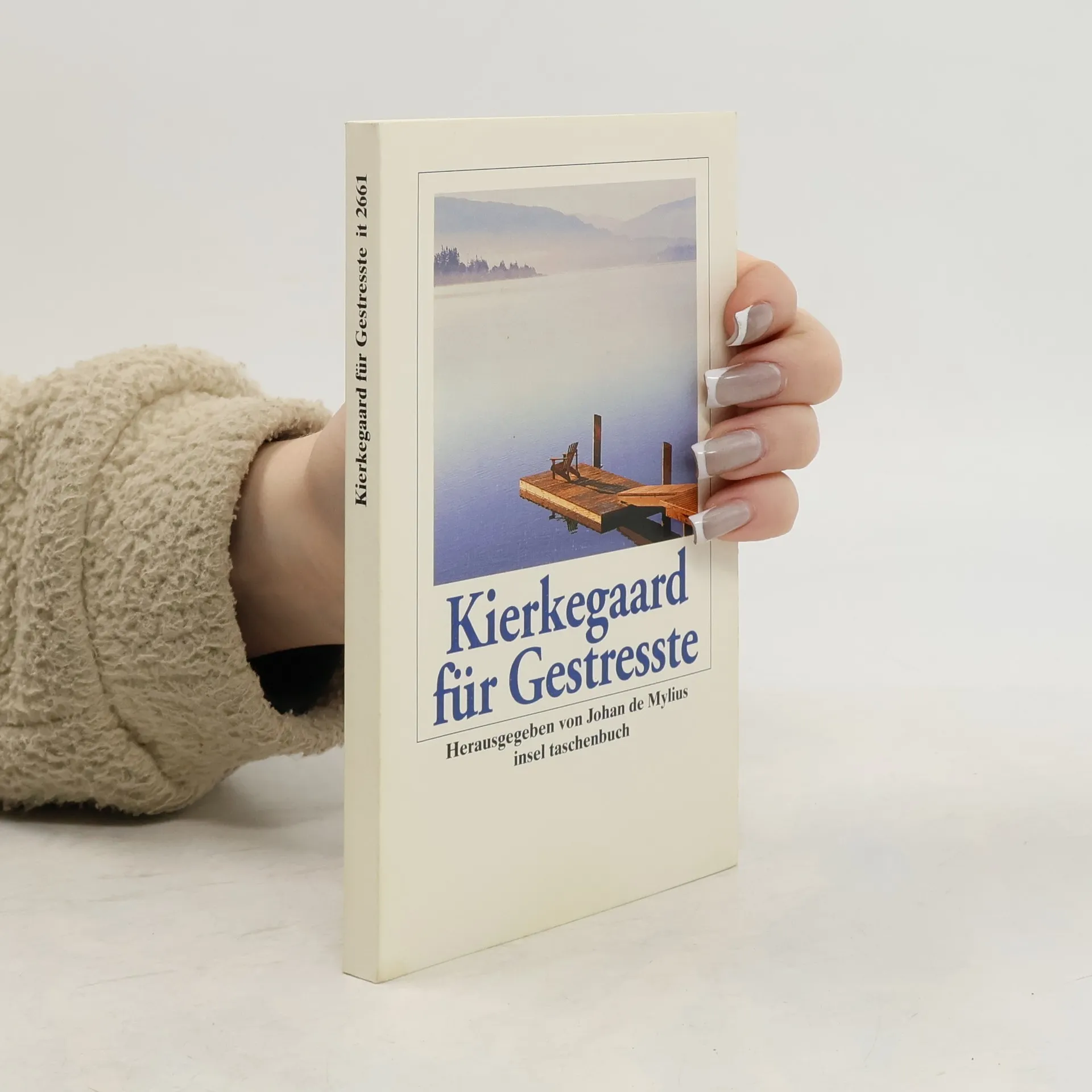
      »Leben kann man nur vorwärts.« Søren Kierkegaard gibt Anregungen zu den unterschiedlichsten Lebensbereichen wie Genuss, Natur, Liebe, aber auch Glaube und Ehe. Bis heute haben seine leuchtend klaren, amüsanten und zutiefst nachdenklichen Gedanken nicht an Aktualität verloren.

      Kierkegaard für Gestresste
      3,8
    • In 'Die Wiederholung' hat Kierkegaard sich in zwei Personen aufgespalten: den Verfasser Constantin Constantius und einen 'jungen Menschen', der die Liebesqualen des jungen Kierkegaard durchlebt. Constantin, ein älterer Einsiedler, steht dem Leben und Frauen mit skeptischer Distanz gegenüber. Der geheime Dialog mit Regine, bekannt aus 'Entweder-Oder', wird hier fortgesetzt. Constantin reist zweimal nach Berlin, um nach der Auflösung seiner Verlobung die Spuren hinter sich zu lassen und herauszufinden, auf welchen Existenzebenen eine Wiederholung möglich ist. Dabei stellt er fest, dass sie im weltlichen Dasein nicht möglich ist. 'Die Krise und eine Krise im Leben einer Schauspielerin' widmet sich Johanne Louise Heiberg. Die lateinische Unterschrift 'Inter et Inter' bedeutet: In den Theaterpausen, aber auch in den Ruhepausen zwischen den Entwicklungsstadien des Schauspielers. Die Schriften Sören Kierkegaards, als Bände 21-25 der Reihe eva-Taschenbücher veröffentlicht, sind ein Nachdruck der in den sechziger Jahren erschienenen Auswahl. Diese Werke sind in der als beste bekannten Übersetzung zugänglich, ergänzt durch Glossar, Bibliographie und einen Essay von Liselotte Richter, der das Verständnis des Werkes erleichtert.

      Die Wiederholung
      3,9
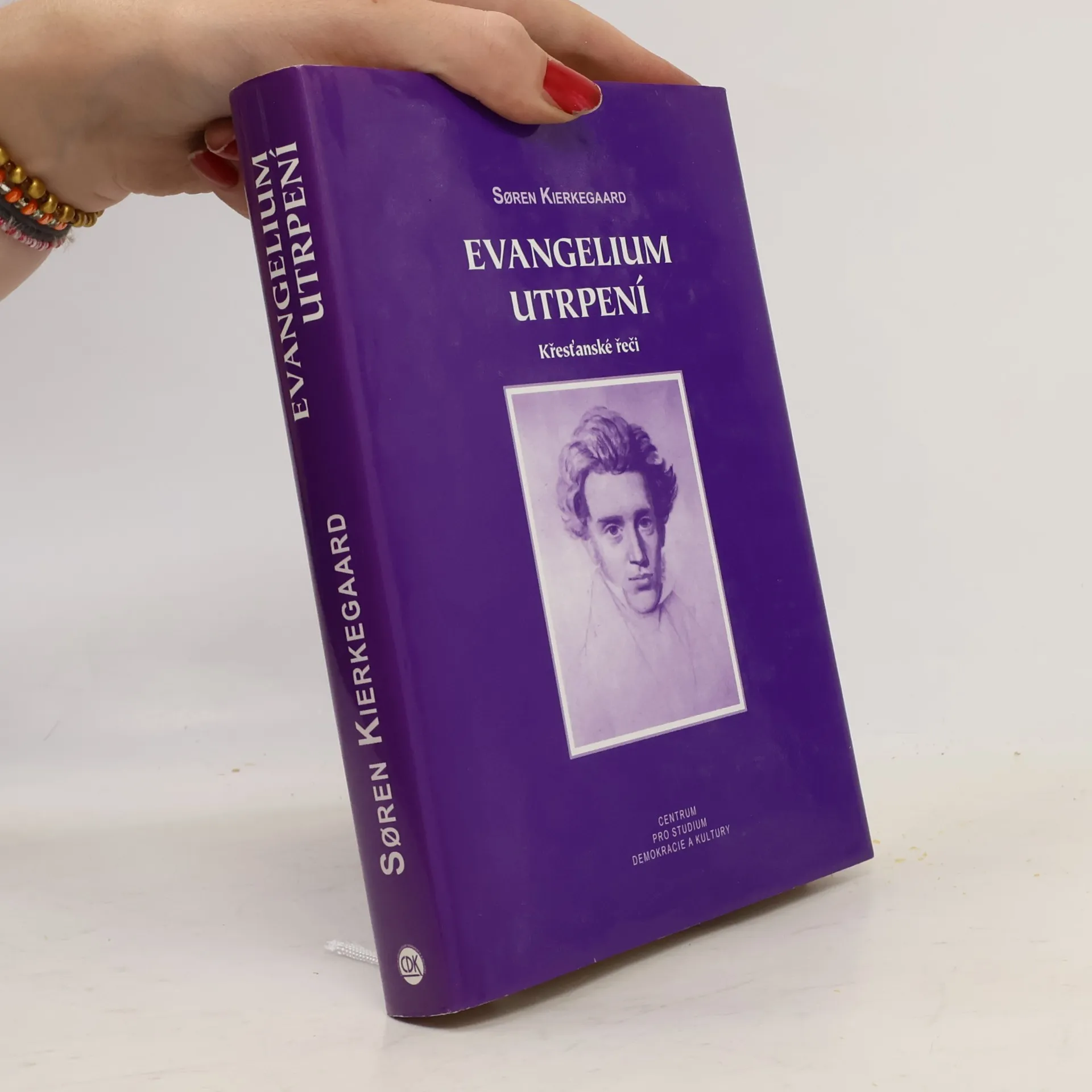
    • Pod souborným názvem Evangelium utrpení vycházejí čtyři kratší Kierkegaardovy spisy. První z nich přináší analýzu utrpení, jimiž musí každý věřící projít, neboť jsou mu Novým zákonem předurčena. Křesťan má následovat Krista, nést svůj kříž a činit tak, aby byl jeho břemeno lehké. Víra vyžaduje poslušnost a uvědomění si, že trpíme jako viníci, avšak utrpení je překonáno věčností, která převyšuje veškerou bolest. Kierkegaard kritizuje církev, která se spoléhá na boží milost a zanedbává přípravu na věčnou blaženost v bázni a chvění. V dílku Starosti pohanů Kierkegaard porovnává "starosti" různých bytostí — rostlin, zvířat, nevěřících a věřících — a zkoumá starosti spojené s chudobou, nadbytkem, povýšeností a bezradností. Spis Ladění v zápasech utrpení se zaměřuje na paradoxní radost, kterou křesťané nacházejí v utrpení, jako je radost z jedinečnosti utrpení a naděje, kterou přináší. Myšlenky, jež raní zezadu, jsou určeny křesťanům a pojednávají o jejich pokušeních a nedorozuměních. Kierkegaard se zamýšlí nad smyslem chození do kostela, vzdáním se pozemských věcí a nesmrtelností. Text končí krásným kontrastem mezi jeho obdivem k Sókratovi a vírou v Krista.

      Evangelium utrpení
      3,7
    • Kierkegard zum Vergnügen? Ist das nicht ein Widerspruch in sich? Weit gefehlt: Seine Wortspiele, ironischen Verdrehungen und sein verzweigtes Maskenspiel machen seine Texte, die in den verschiedensten literarischen Gattungen sich tummeln, durchaus zu einem Vergnügen: »Heirate, du wirst es bereuen; heirate nicht, du wirst es auch bereuen; heirate oder heirate nicht, du wirst beides bereuen; entweder du heiratest oder du heiratest nicht, du bereust beides.«

      Kierkegaard zum Vergnügen
      3,0
    • In dieser Schrift fasst Kierkegaard die theologischen und philosophischen Ansätze seiner bisherigen Werke zusammen, wobei der Konflikt zwischen christlichem Glauben und wissenschaftlichem Denken im Mittelpunkt steht. Der unter dem Pseudonym Climacus auftretende „Verfasser“ der „Philosophischen Brocken“ hat bereits versucht, diesen Konflikt zu beleuchten. Besonders ausführlich wird das Konzept des „Paradoxes“ behandelt, das als zentrale Aussage des christlichen Glaubens gilt. Die Interpretation wird erschwert, da Climacus als ungläubiger Verstand den Glaubensfragen distanziert gegenübersteht, jedoch ein leidenschaftliches Interesse an ihnen zeigt. Seine ironische Behandlung der Versuche hegelischer Philosophen, das Christentum in ihr System einzuordnen, verdeutlicht seine kritische Haltung. Die Schrift ist ein zentrales Dokument von Kierkegaards Auseinandersetzung mit dem Hegelianismus und der zeitgenössischen Theologie. Wichtige Leitgedanken wie das „Absurde“, der „Einzelne“, die „Subjektivität“ und die „Existenz“ werden ausführlich entwickelt. Zudem wird das System der „Existenzsphären“ religiöser Entwicklung vertieft, einschließlich der ästhetischen, ethischen und paradox-religiösen Sphären sowie der Unterscheidung zwischen endlichem und ewigem Ethos. Diese Schrift hat einen starken Einfluss auf die Existenzphilosophie ausgeübt und fordert den Leser auf, zwischen Climacus’ Skepsis und Kierkegaards eigener Überzeugung zu diff

      Abschliessende unwissenschaftliche Nachschrift zu den Philosophischen Brocken
      2,0
    • Spis dánského myslitele S. Kierkegaarda (1813-1855) Filosofické drobky aneb Drobátko filosofie se snaží upřesnit, co je pravé křesťanství ve vztahu k filosofii a zvláště k idealismu, jak k platónskému, tak i k Hegelově. Kierkegaard komponoval Filosofické drobky zhruba podle klasického dramatu o pěti jednáních; mezi 4. a 5. jednáním je přestávka (Mezihra), která má vyjádřit plynutí času - přesně 1843 let od narození Krista, neboť téhož roku byl spis napsán. Tak je dodržena jednota místa, času i děje. Hlavními osobami jsou Sókrates a Kristus, který však z úcty není jmenován a je nazýván pouze "Bohem v čase". Experimentující spisovatel a čtenář vedou na konci každého oddílu dialog; čtenář přednese námitky a spisovatel odpovídá. Jednota místa je dána faktem, že se může odehrávat všude. Děj je dán jednotou dialogu o nejvyšší pravdě a o vztahu člověka k ní.

      Filosofické drobky, aneb, Drobátko filosofie
      3,6
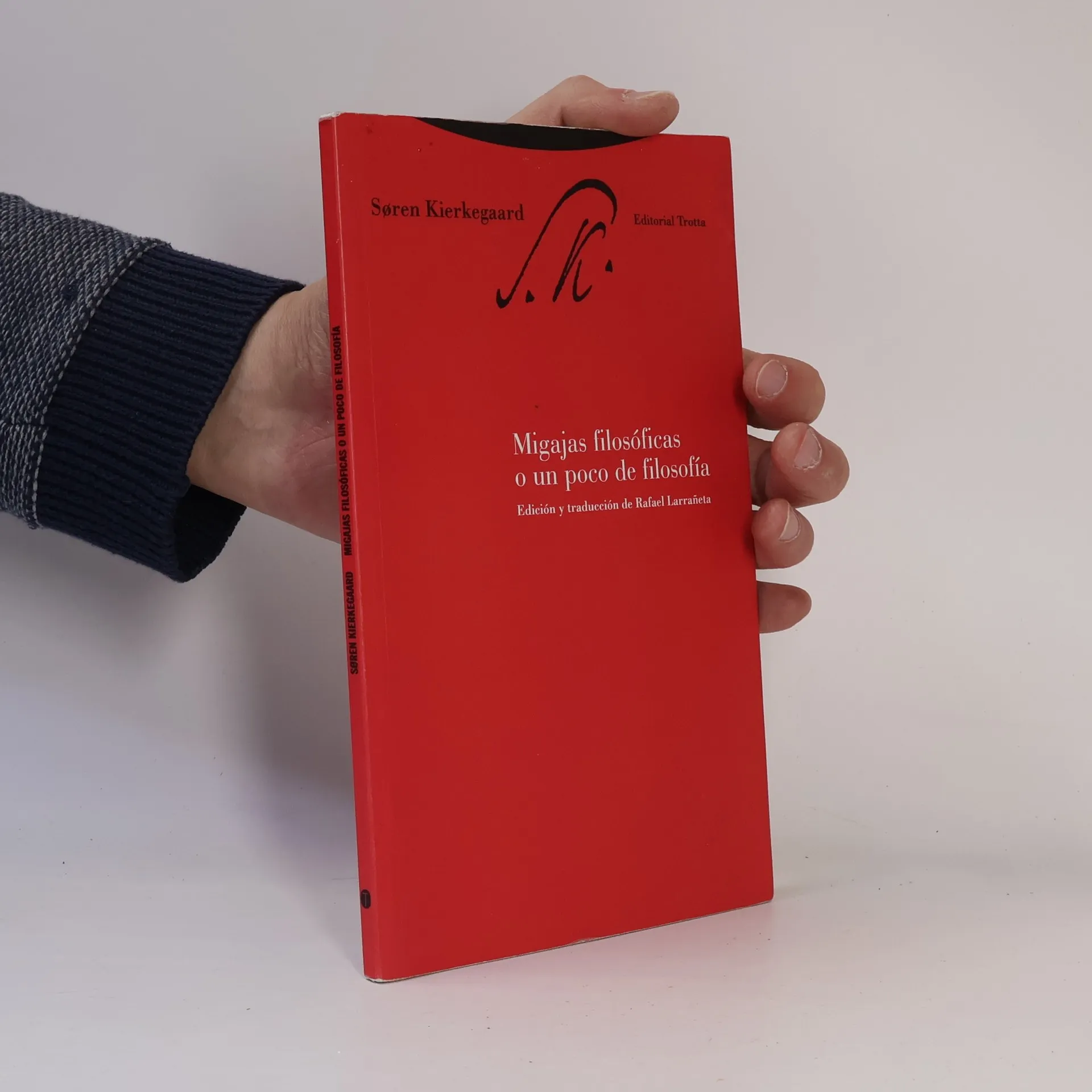
    • En 1844, un año prolífico para Søren Kierkegaard, se publican tres escritos que presentan una notable heterogeneidad estilística y temática, firmados bajo tres pseudónimos: Johannes Climacus, Vigilius Haufniensis y Nicolaus Notabene. En "Migajas filosóficas", Climacus examina las limitaciones del pensamiento filosófico en la búsqueda de la verdad individual, enfocándose en el aprendizaje representado por la mayéutica socrática y el cristianismo. "El concepto de angustia" aborda la relación entre la angustia psicológica y el pecado hereditario, describiendo la angustia como una "antipatía simpatética". Kierkegaard señala que la angustia es un poder extraño que se apodera del individuo, quien, aunque teme, también desea lo que le causa angustia. Por último, "Prólogos" refleja el interés de Kierkegaard en esta forma literaria, presentando ocho prólogos a libros inexistentes y un prólogo inicial que aboga por la emancipación del texto "prologal" en su ambigüedad, permitiendo "tratar sobre nada". Estos escritos ofrecen una profunda exploración de la verdad, la angustia y la naturaleza del texto, revelando la complejidad del pensamiento de Kierkegaard.

      Escritos - 4/2: Migajas filosóficas. El concepto de angustia. Prólogos
      3,2
    • Filosofické drobky patří ke Kierkegaardovým nejvýznamnějším dílům, mimo jiné i proto, že obsahují většinu základních pojmů jeho myšlení. Fiktivním autorem textu je Johannes Climacus a jeho úvahy se točí kolem otázky poznání věčné (tedy ne historické) pravdy. Své pojednání nazývá „myšlenkovým projektem“ neboli experimentem. Ten spočívá v rozvinutí hypotézy, jak by tomu bylo, kdyby poznání věčné pravdy probíhalo jinak, než jak předpokládá Sókratés. K závěru, že alternativou je křesťanská víra, se Climacus dopracuje až po vyloučení možnosti, že by analyzovaný hypotetický způsob poznání mohl být metodou filosofickou nebo historickou. Autor křesťanství přímo neobhajuje, volbu mezi sókratovskou a křesťanskou alternativou nechává na čtenáři. Přitom ukazuje, že důsledný myslitel nemůže dojít ke třetí, hegelovské alternativě, která tehdy v dánské filosofii i teologii převládala a vycházela z předpokladu, že věčná pravda prodělává historický vývoj a že tento vývoj lze postupně rozumově poznat.

      Filosofické drobty aneb trocha filosofie
    • Philosophische Schriften 2

      • 1145pagine
      • 41 ore di lettura

      Mit verblüffendem Spürsinn entdeckte Kierkegaard einige der seelischen Grundströmungen des 20. Jahrhunderts und wurde so zum Vordenker der Existenzialisten und Psychoanalytiker. Sein 1844 erschienenes Buch „Der Begriff der Angst“ gilt als eines der Schlüsselwerke für die Tiefenpsychologie wie für die moderne Philosophie. Aus dem Inhalt: Die Krankheit zum Tode, Der Begriff der Angst, Der Gesichtspunkt für meine Wirksamkeit als Schriftsteller u.a.

      Philosophische Schriften 2