Ilan Stavans è un distinto studioso e scrittore il cui lavoro approfondisce il ricco arazzo della cultura latinoamericana e latina. Come autore pluripremiato e conduttore televisivo pubblico, esamina criticamente le intersezioni tra lingua, identità e scambio culturale. I suoi scritti esplorano le complesse narrazioni che emergono dalla fusione di diverse tradizioni ed esperienze. Stavans offre profonde intuizioni sull'esperienza ispanica e sul suo marchio indelebile sul più ampio panorama sociale.
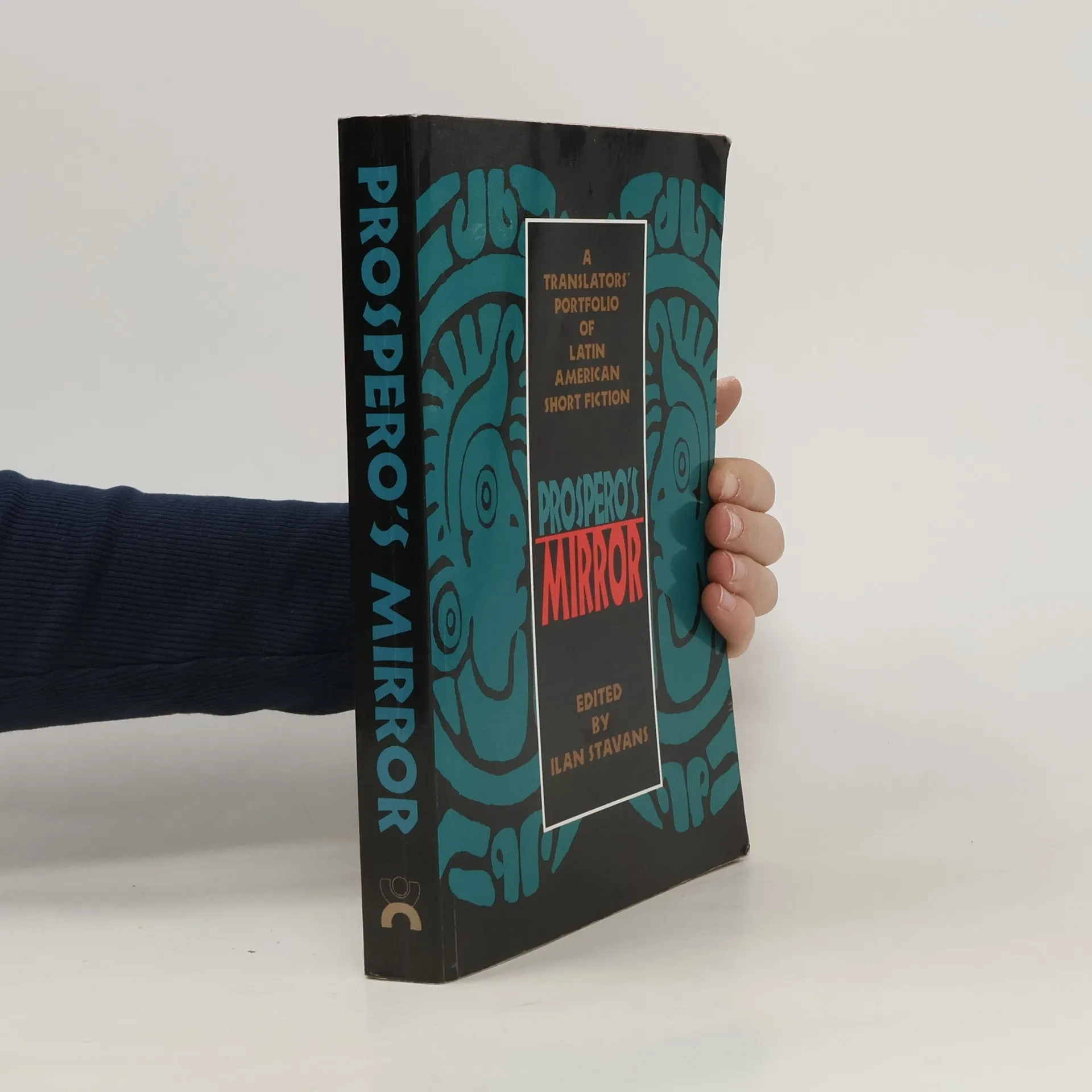
Sixteen master translators have chosen their favorite stories from Latin America. Writers and translators include Edith Grossman, Helen R. Lane, Augusto Monterroso, Gregory Rabassa, Alfonso Reyes, Hardie St. Martin, and Luisa Valenzuela. An introductory essay on translation by Ilan Stavans and an epilogue by Margaret Sayers Peden provide entertaining food for thought.
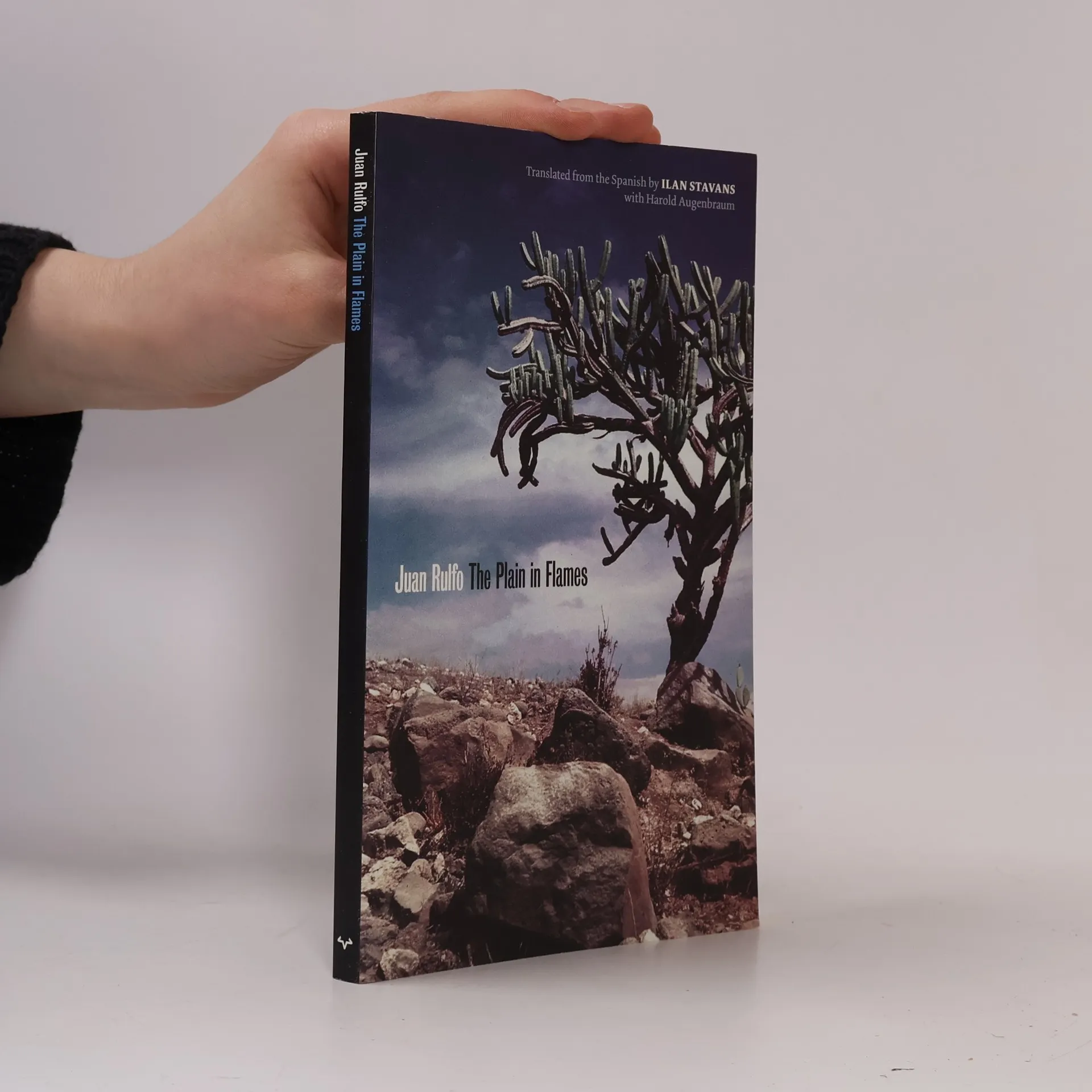
This fresh, definitive translation of El llano en llamas—which restores two stories that were not included in the first English translation, The Burning Plain (1967, nearly 45,000 copies sold)—introduces a new generation of readers to one of Mexico’s greatest writers of the twentieth century.
2020 Foreword INDIES Silver Winner for Anthologies Winner of the Canadian Jewish Literary Award (Yiddish) A momentous and diverse anthology of the influences and inspirations of Yiddish voices in America--radical, dangerous, and seductive, but also sweet, generous, and full of life--edited by award-winning authors and scholars Ilan Stavans and Josh Lambert.
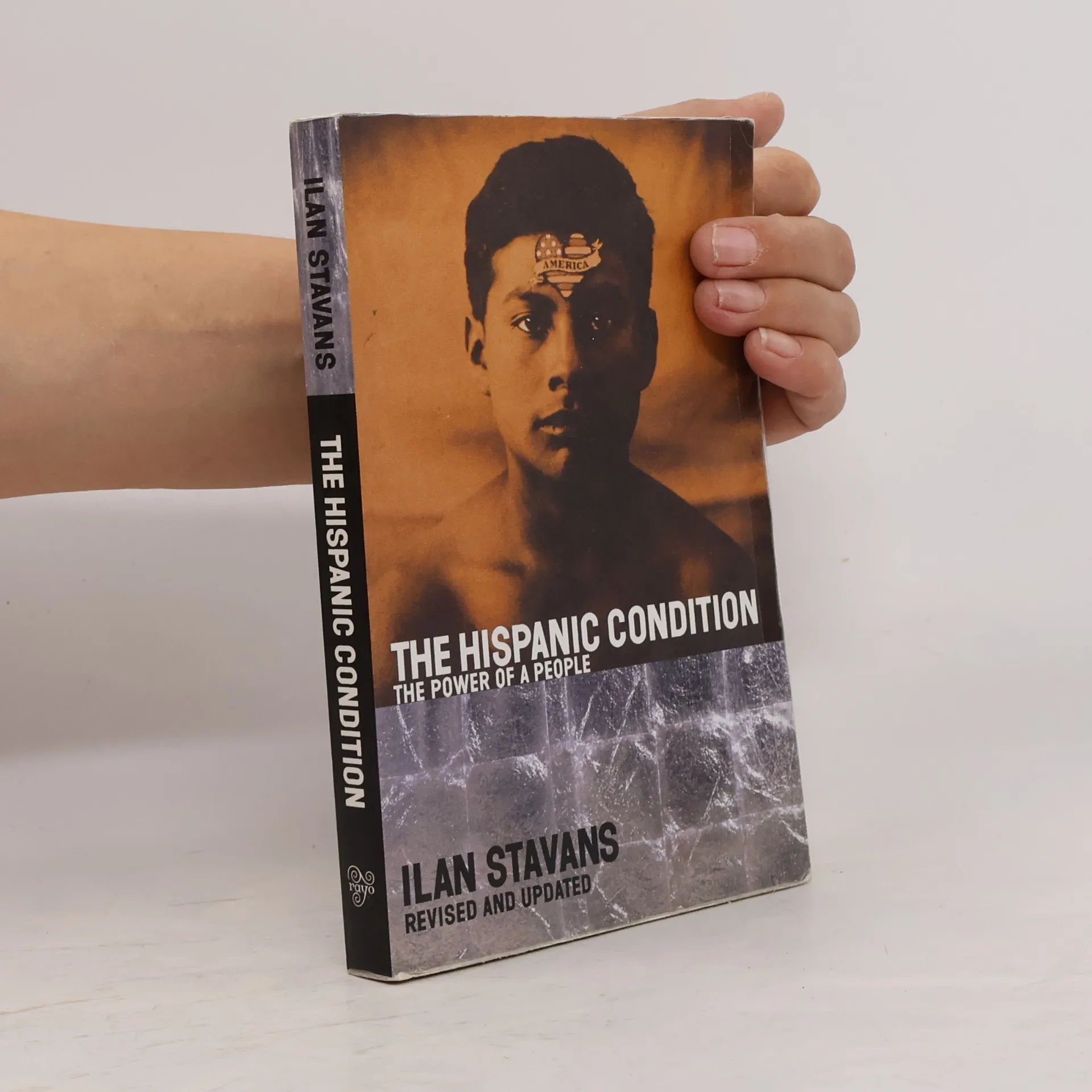
In The Hispanic Condition, Ilan Stavans offers a subtle and insightful meditation on Hispanic society in the United States. A native of Mexico, Stavans has emerged as one of the most distinguished Latin American writers of our time, an award-winning novelist and critic praised by scholars and beloved by readers. In this pioneering psycho-historical profile, he delves into the cultural differences and similarities among the five major Hispanic Cubans, Puerto Ricans, Mexicans, Central and South Americans, and Spaniards. Masterfully interweaving historical, literary, and political references with his personal experience, Stavans discusses the divisions within a common heritage; customs of music, love, sex, marriage, and religious belief; the role of the intellectual in society; ideological struggle; and the hopeful visions of the future at the core of a civilization rooted in the trauma of the past.