

La narrativa di Rabindranath Maharaj approfondisce le realtà quotidiane e le sfide affrontate dagli individui nelle comunità indo-caraibiche in Canada e Trinidad. La sua scrittura è nota per la sua comprensione empatica e umana dei suoi personaggi, offrendo una prospettiva meno critica di alcuni dei suoi contemporanei. Maharaj esplora l'interazione tra tradizione e innovazione, vita urbana e rurale, con l'obiettivo di mettere in luce le voci emergenti. Il suo lavoro cattura le complessità della società immigrata con un approccio caloroso e acuto.
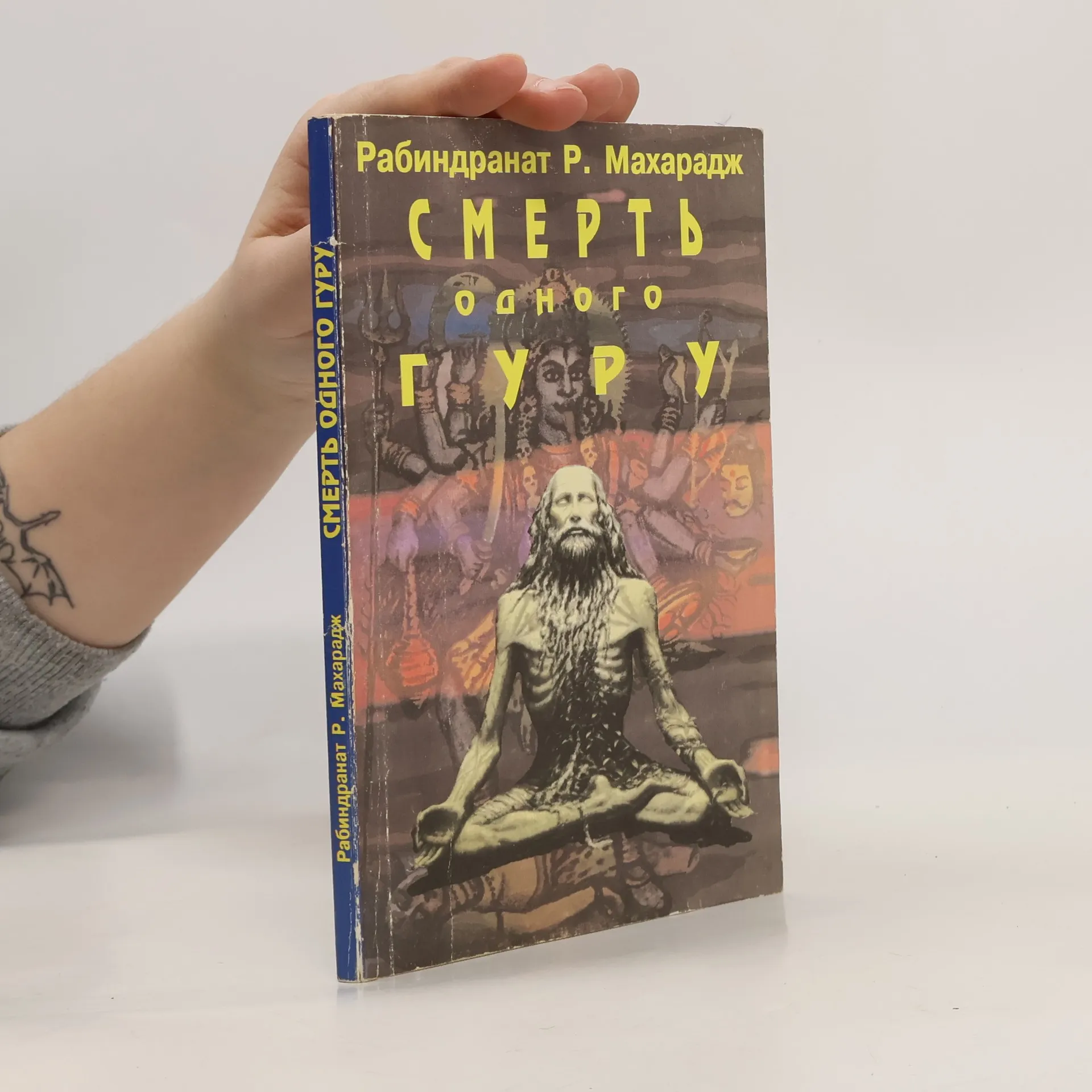
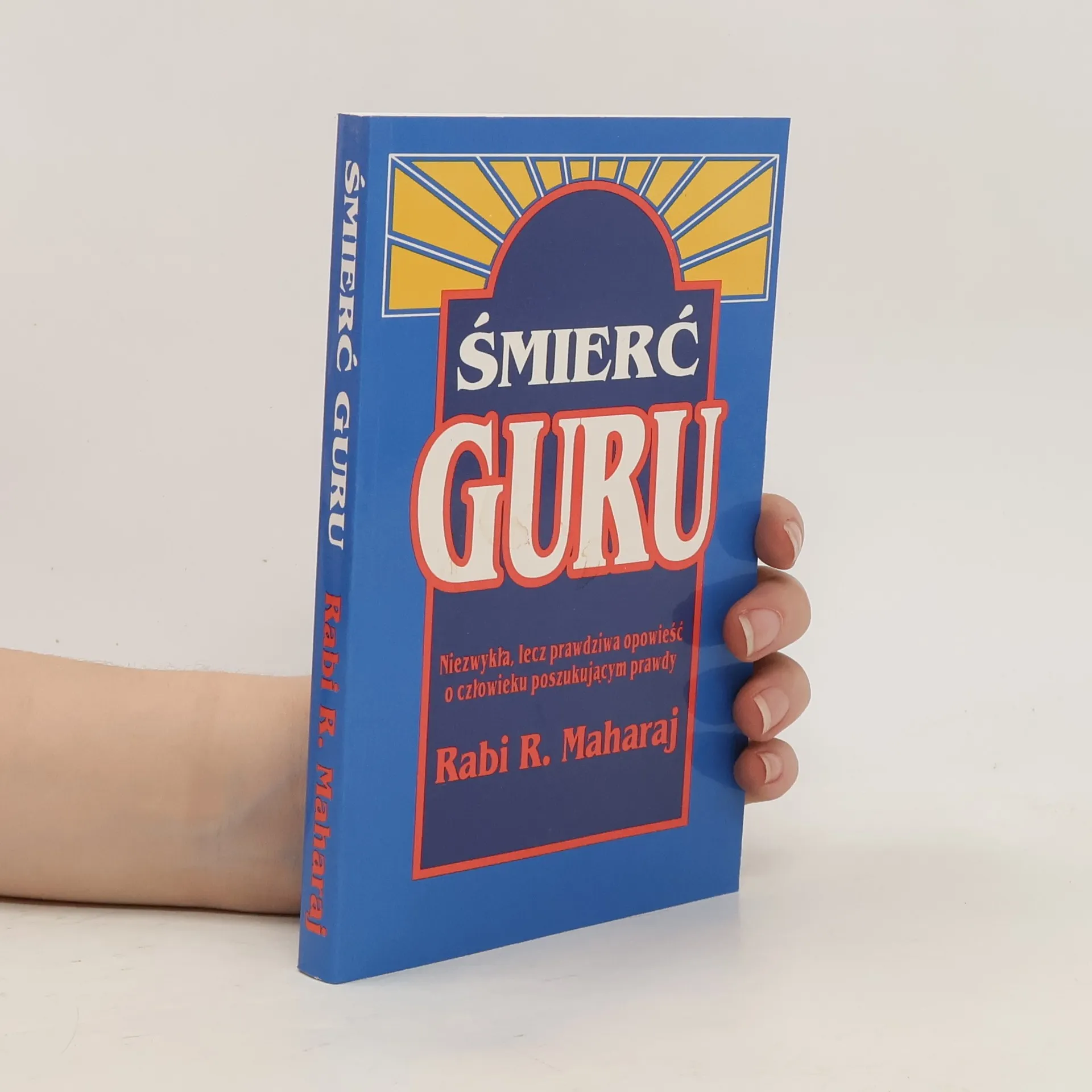
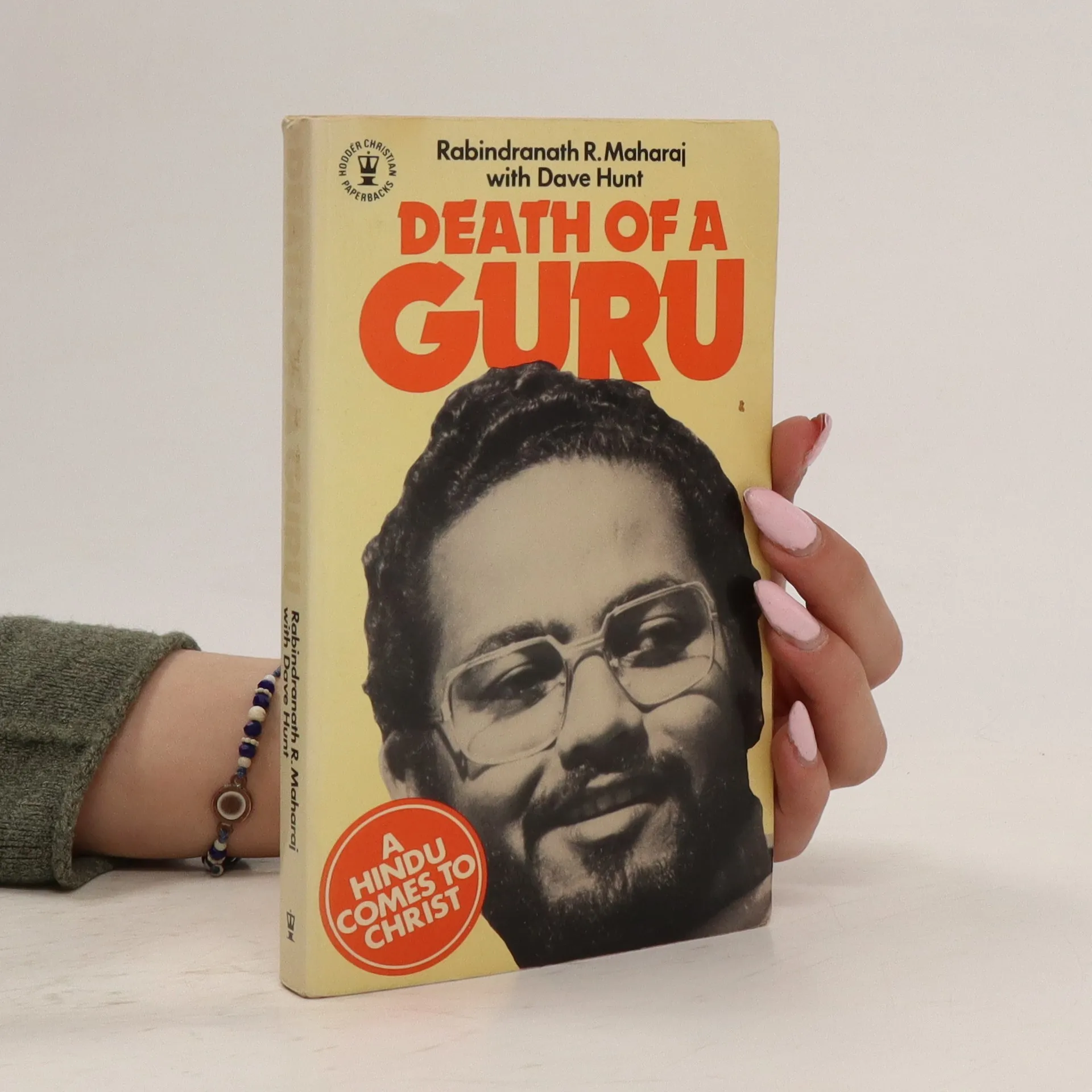
Rabi R. Maharaj came from a long line of Brahmin priests and gurus and trained as a yogi. He meditated for many hours each day, but gradually disillusionment set in. He describes Hindu life and custom, vividly and honestly tracing his difficult search for meaning and his struggle to choose between Hinduism and Christianity. At a time when Eastern mysticism, religion, and philosophy fascinate many in the West, Maharaj offers fresh and important insights from the perspective of his own experience. "A unique revelation of the inward struggles of a Hindu and the ultimate triumph over death that he discovered. I found it challenging and inspiring. Must reading."--Hal Lindsey
It is 1961 and Trinidad, at once a lush island paradise and a poverty-stricken hole, is inching toward independence. Narpat, a sugar cane farmer, finds himself caught at the crossroads of a changing world. He is a hard-working man of modest means, and is sickened by the corruption and materialism running rampant on the island. He thinks his neighbors are greedy, shiftless, and enslaved to the rumshop. But Narpat is different. He contrasts the helplessness of the islanders with the resourcefulness of his ancient Aryans, and through a series of stringent moral codes and dietary injunctions, sets about to create order within his family and the village. His rules impose a great deal of deprivation on his wife and four children, and his wife must wage her own battle against her husband's ensuing neglect. Then Narpat decides to single-handedly build a factory to prevent the loss of his livelihood. Narpat's youngest son Jeeves watches his father's obsession with the factory, watches his mother's health decline, and watches as she dies. Unable to prevent his mother's death, he tries to redeem his father by constantly reminding him of the fables the older man told to his young children. And these fables with their undertones of pledges and duty steel the son for a terrible sacrifice. In "A Perfect Pledge, "Maharaj combines a Dickensian rendering of the effects of poverty, caste, envy, superstition, corruption and bigotry with vivid, complex characters and gorgeous writing, in a novel that celebrates both the resilience of the human spirit and the heartbreak of failed dreams.