10 libri per 10 euro qui
Bookbot

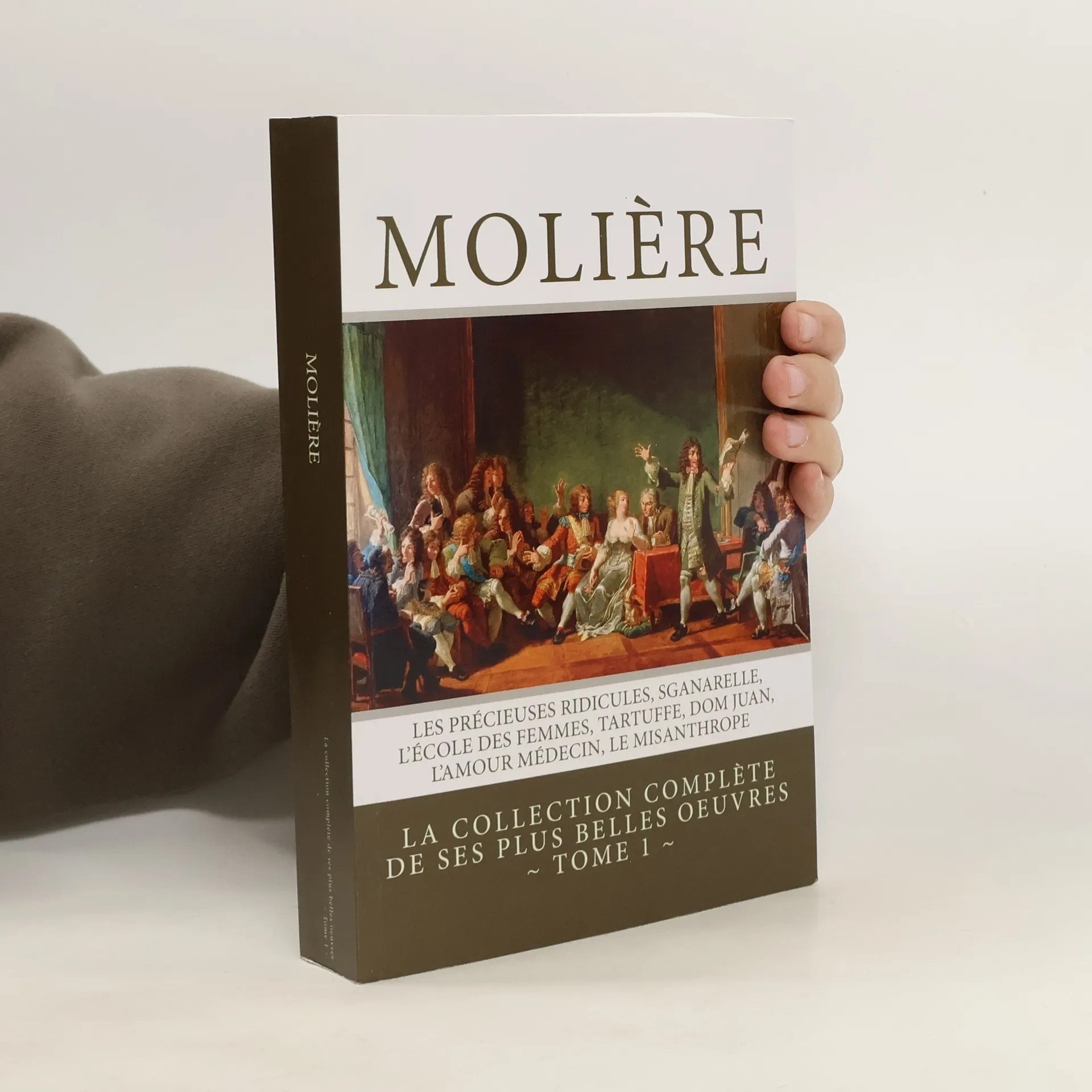
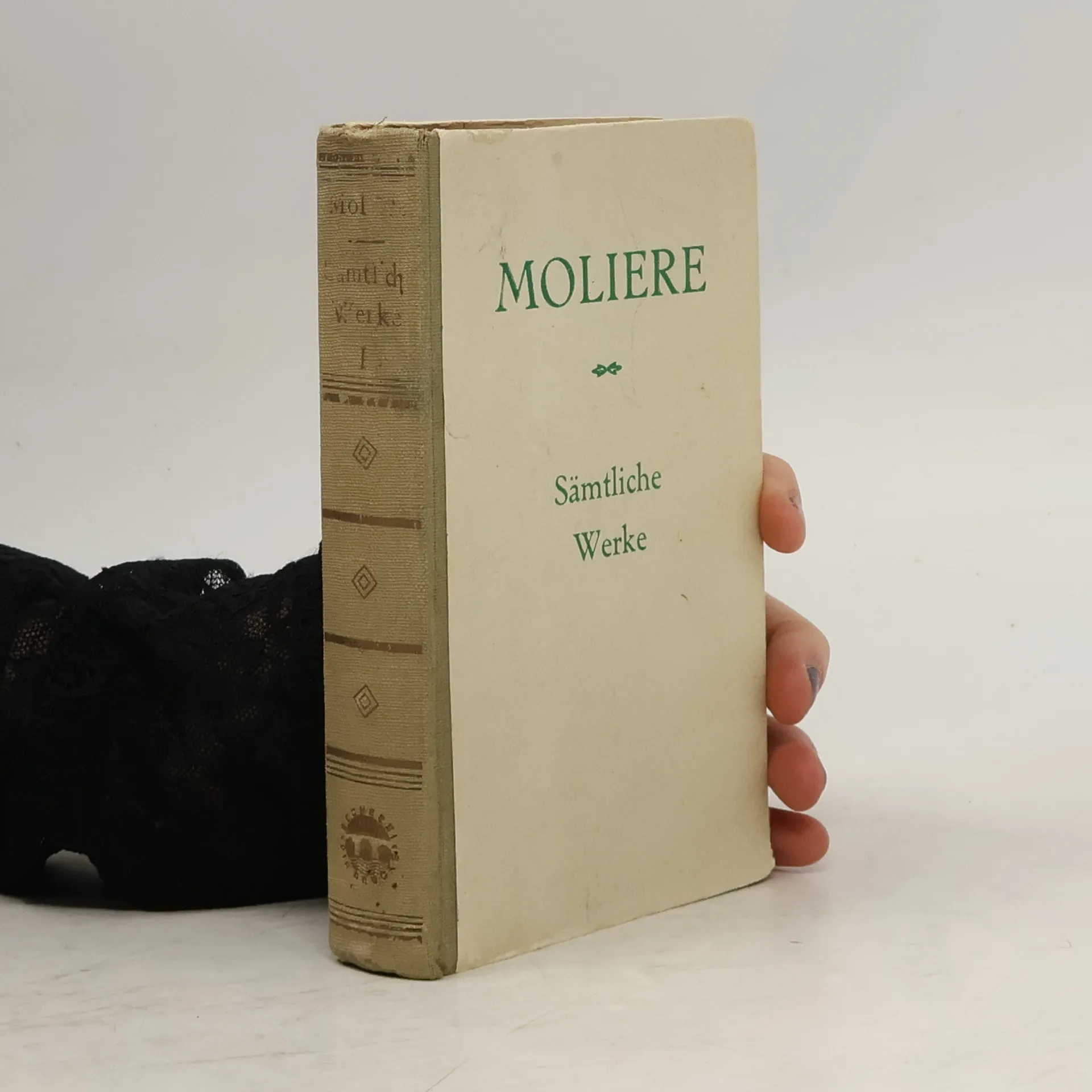
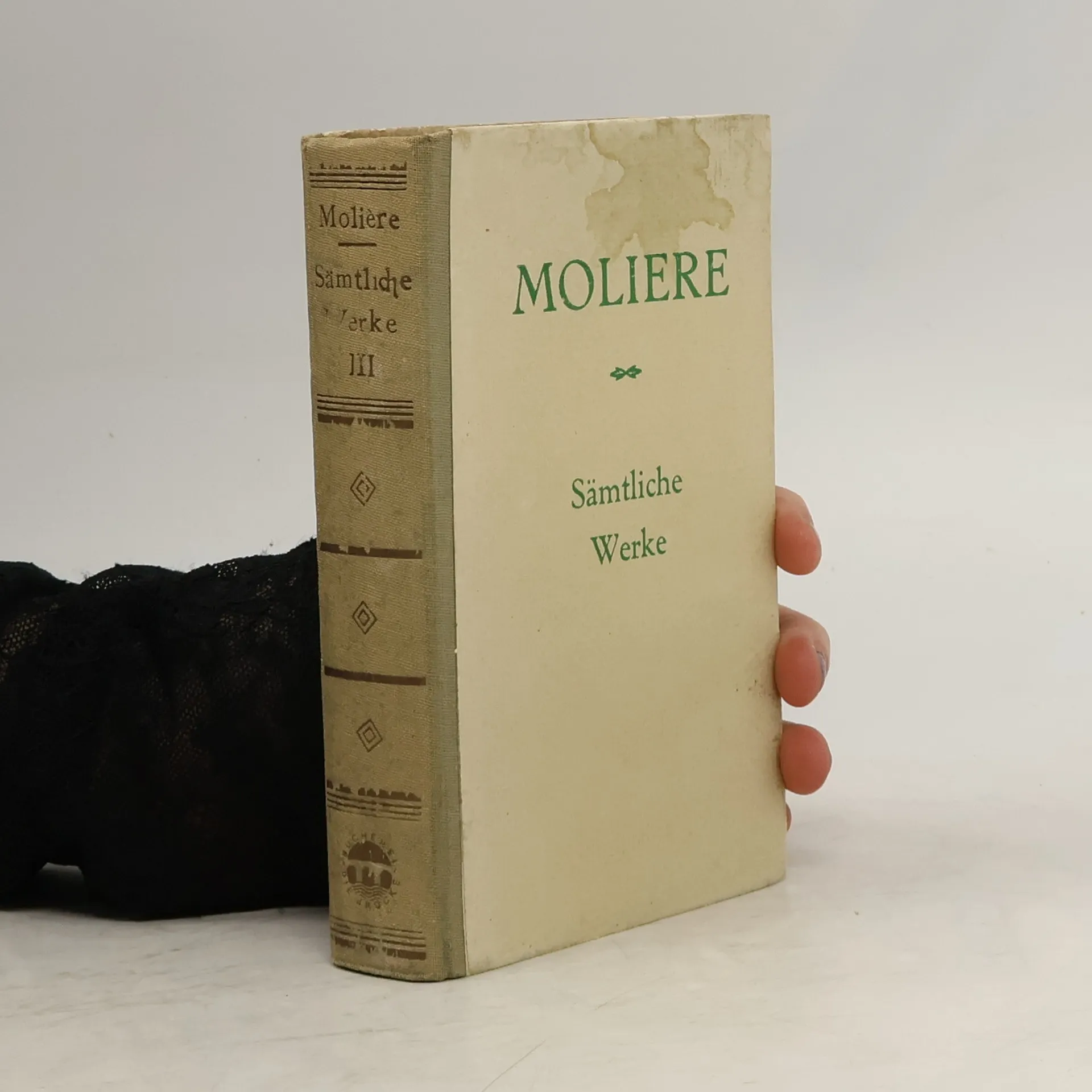
Moliere

    15 gennaio 1622 – 17 febbraio 1673

    Jean-Baptiste Poquelin, noto con il suo nome d'arte Molière, è considerato uno dei più grandi maestri della commedia nella letteratura occidentale. Le sue opere, che combinano elementi della commedia dell'arte con la raffinata commedia francese, satirizzano acutamente l'ipocrisia sociale e le debolezze umane. Nel corso della sua carriera, Molière ha rivoluzionato la commedia francese, guadagnandosi l'ammirazione della corte e del pubblico parigino, pur affrontando critiche da moralisti e dalla Chiesa per i suoi temi audaci. La sua opera magistrale rimane una testimonianza della sua acuta osservazione della natura umana e dell'umorismo.

    Moliere
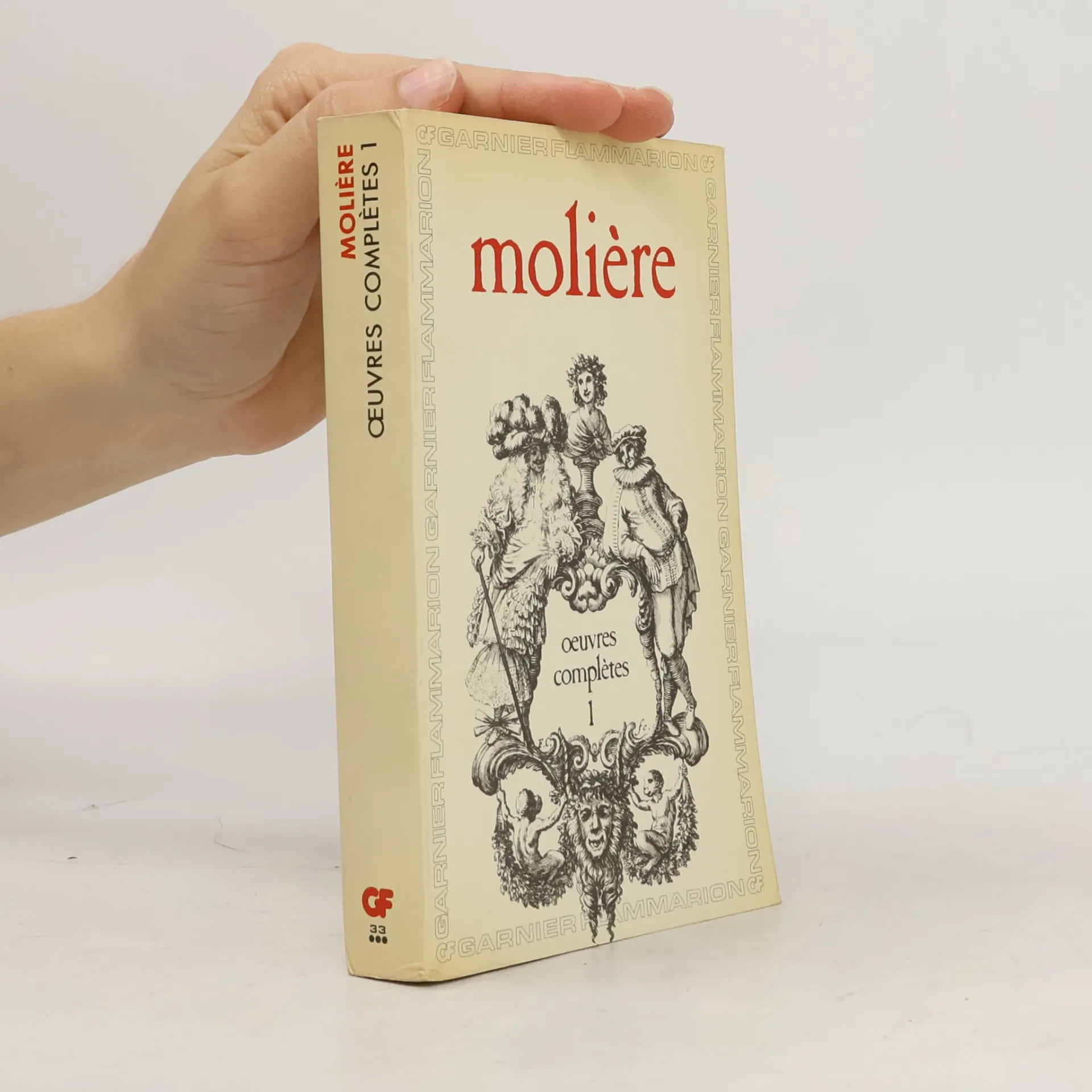
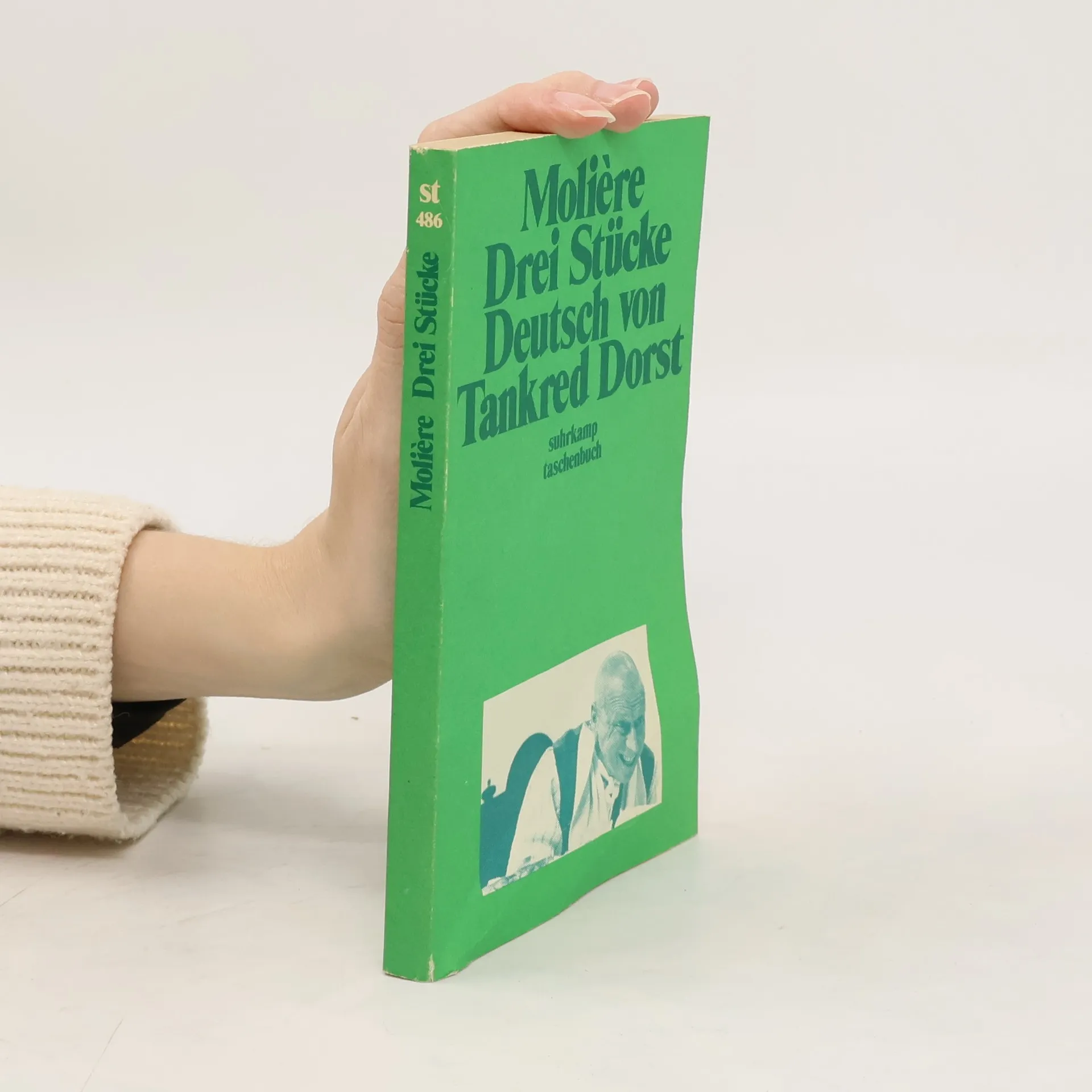
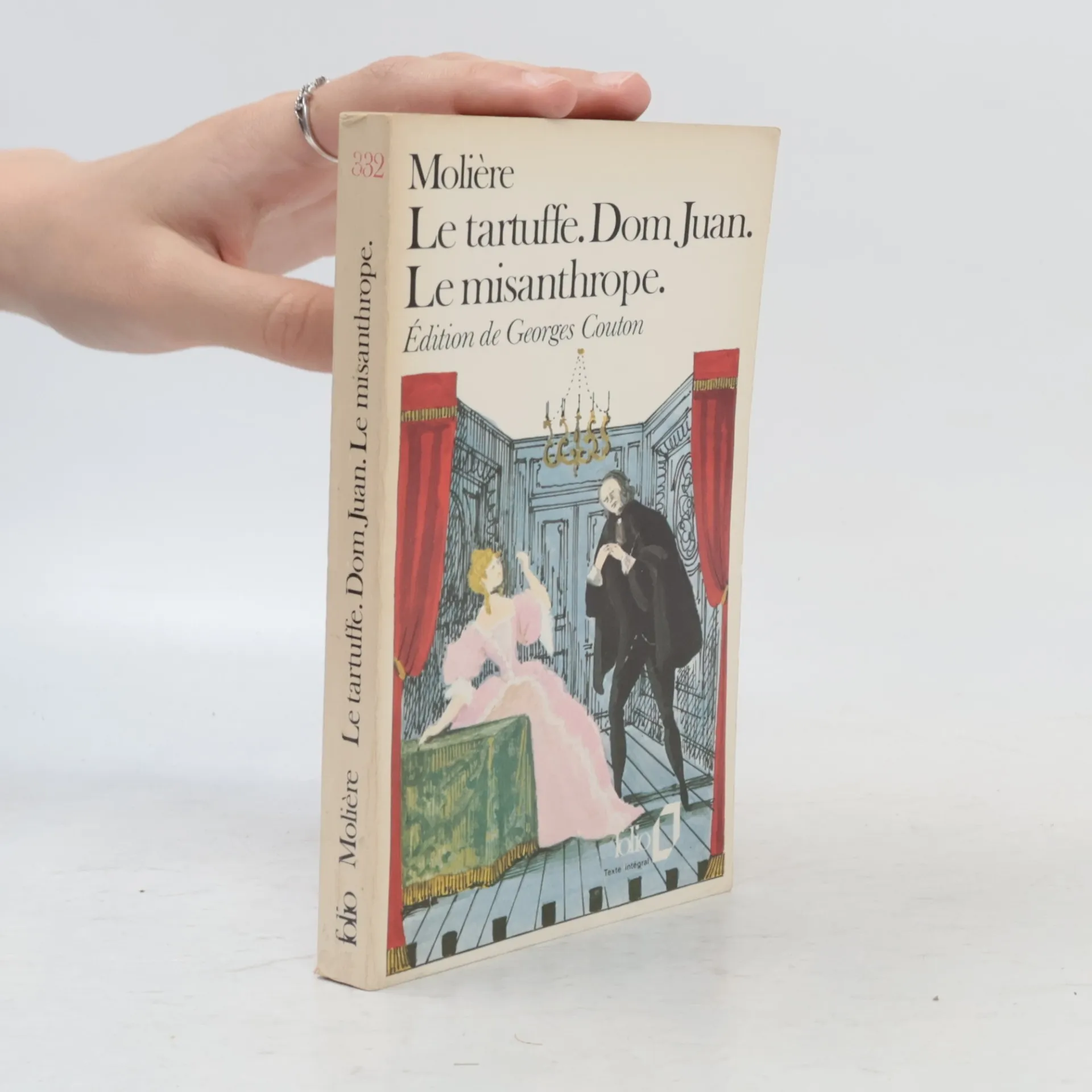
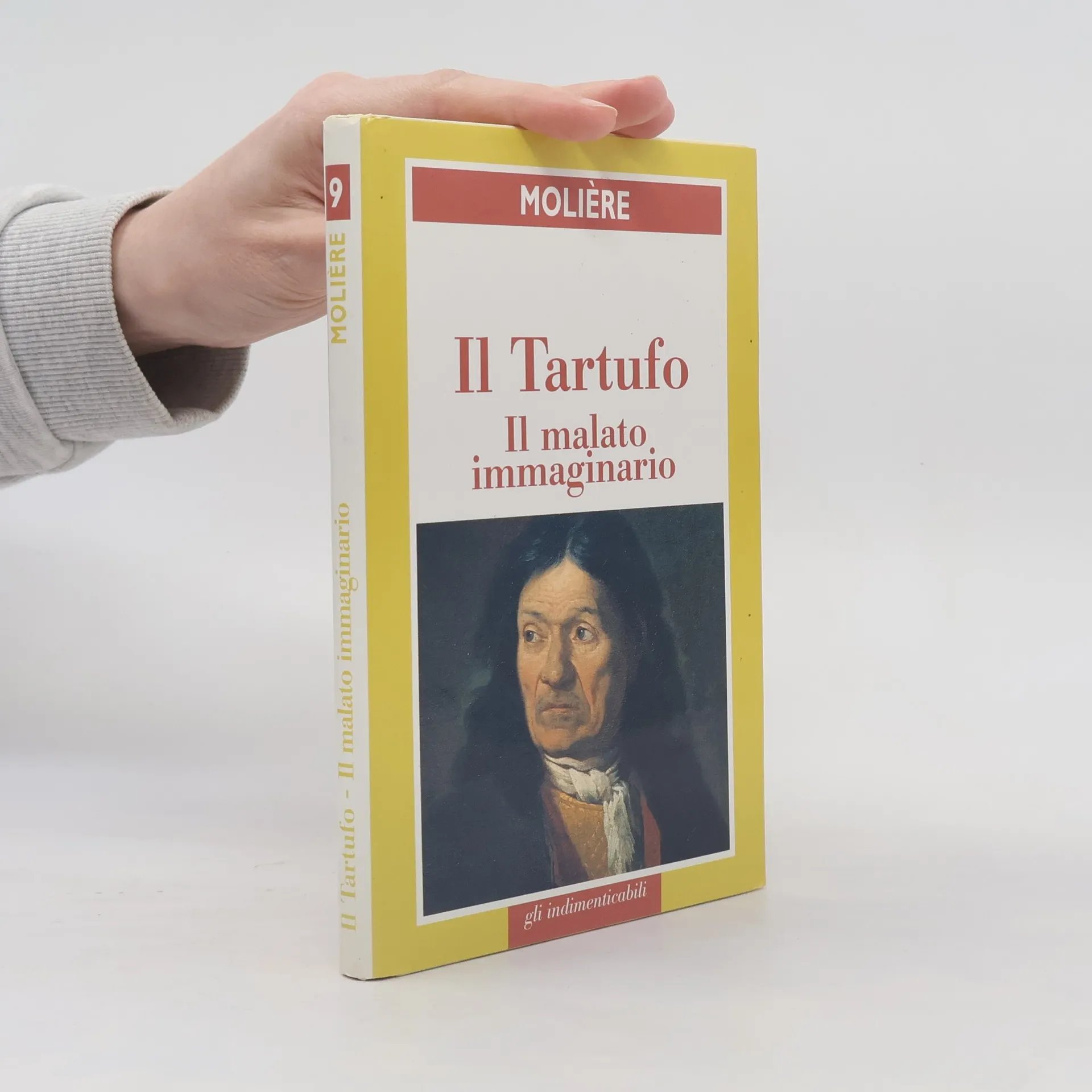
    Il Tartufo. Il Misantropo
    Il tartufo. Il malato immaginario. Odi Barbare Rime e Ritmi
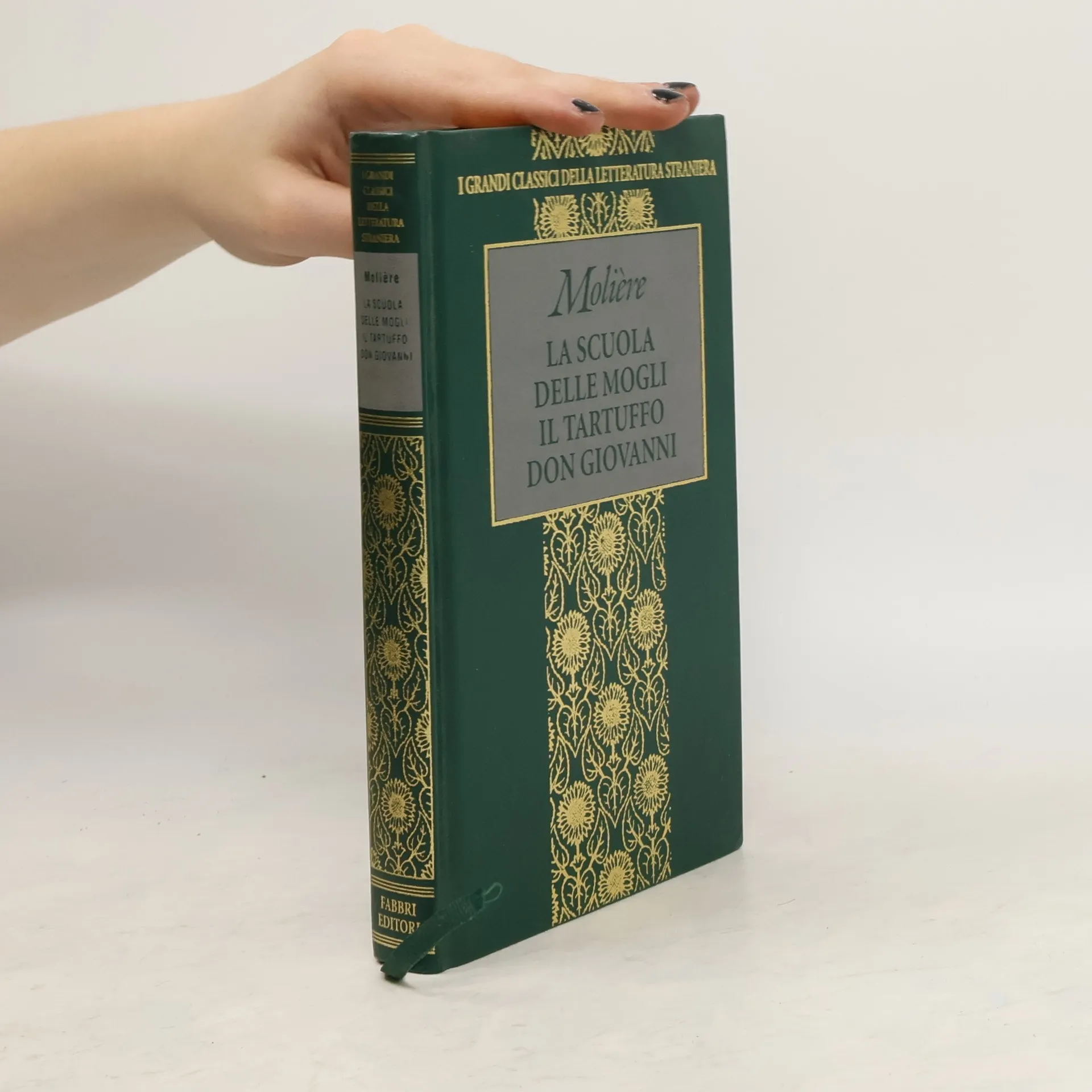
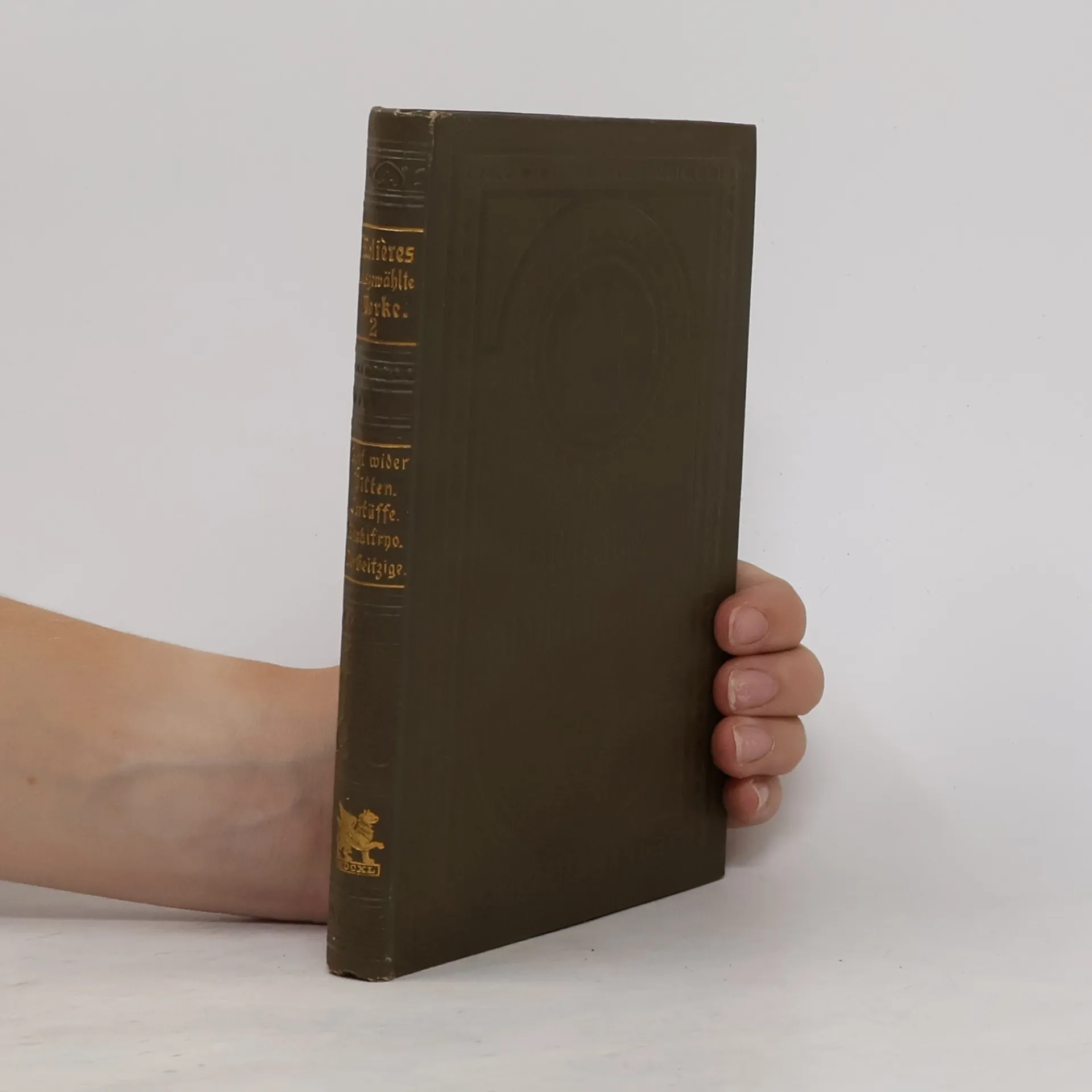
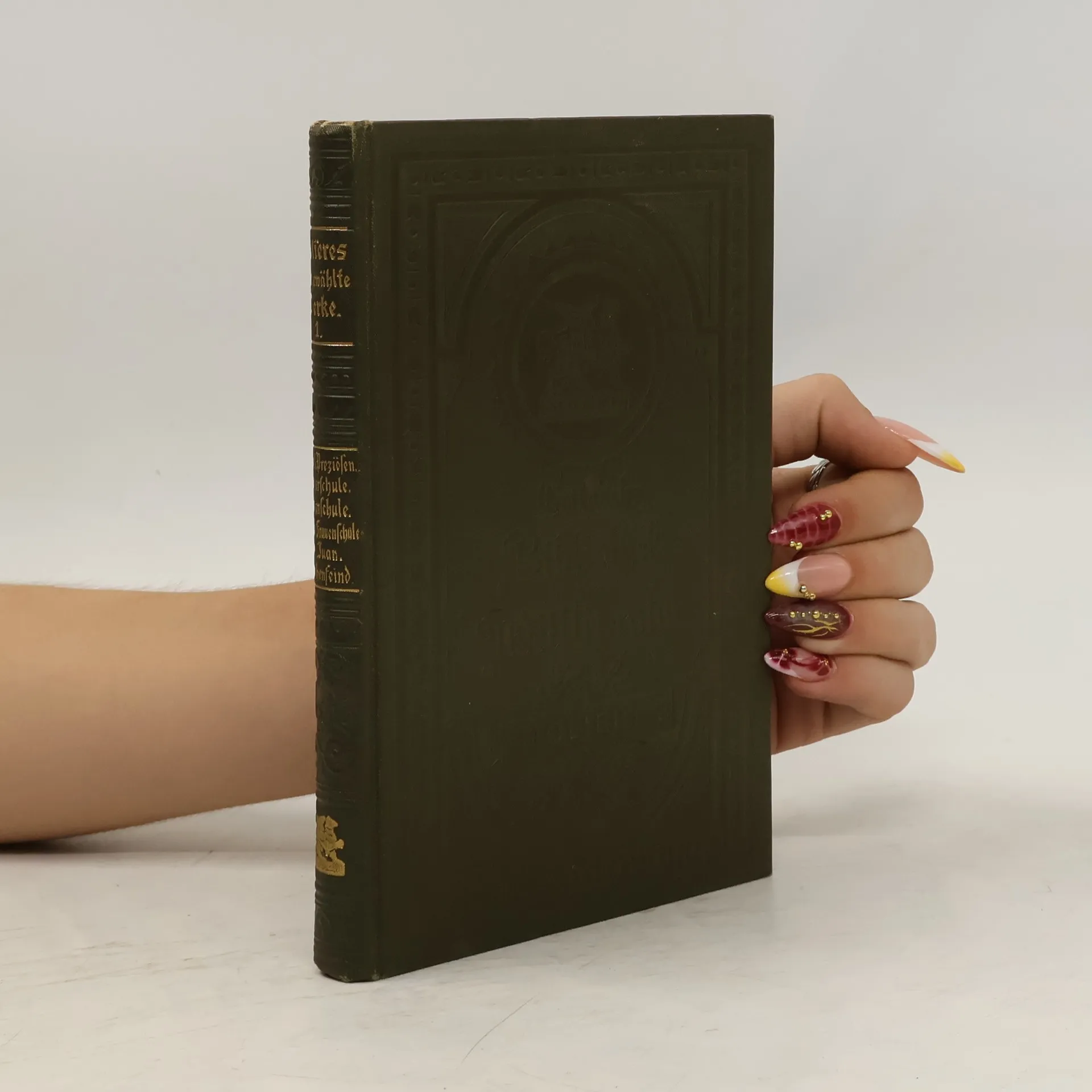
    La scuola delle mogli. Il tartufo. Don Giovanni
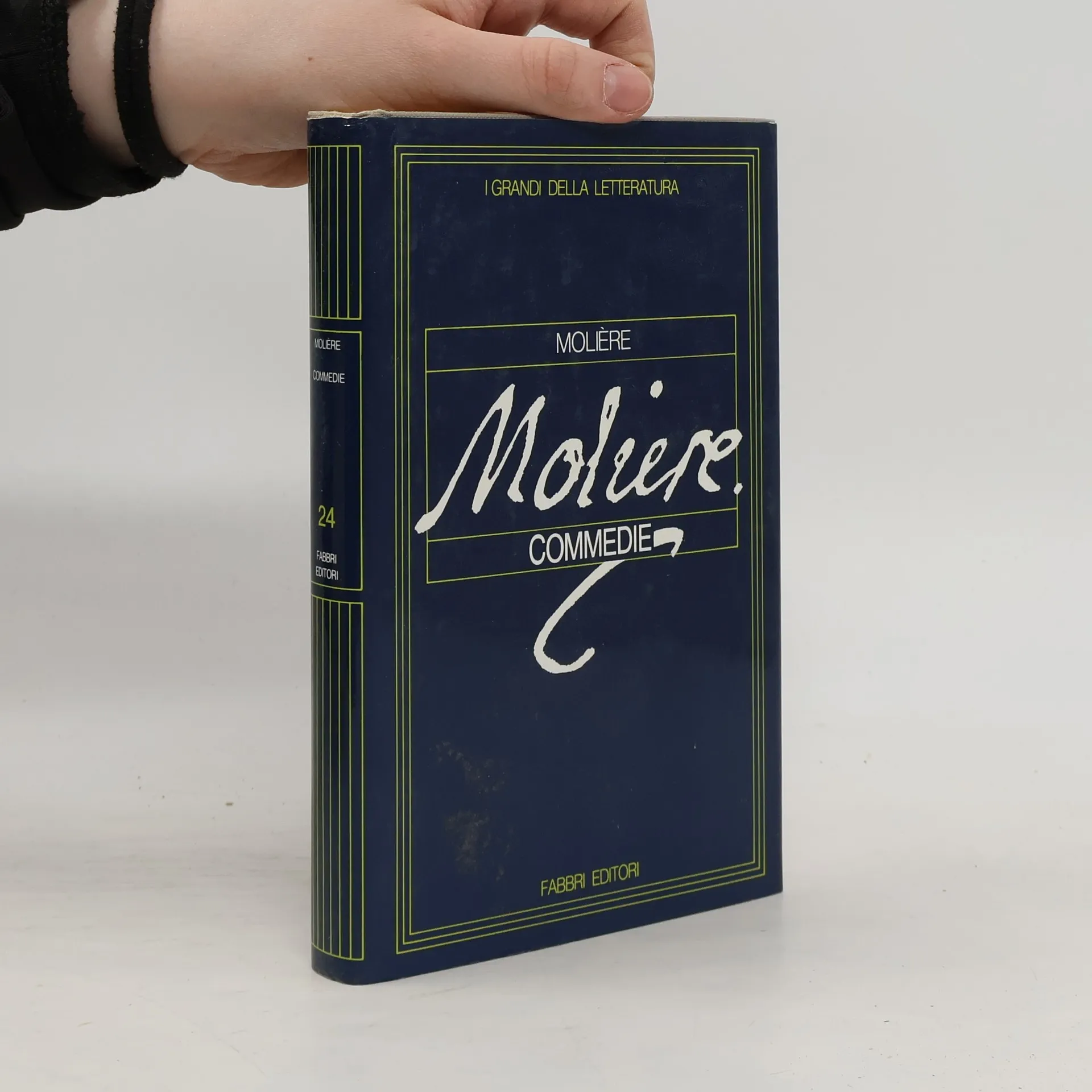
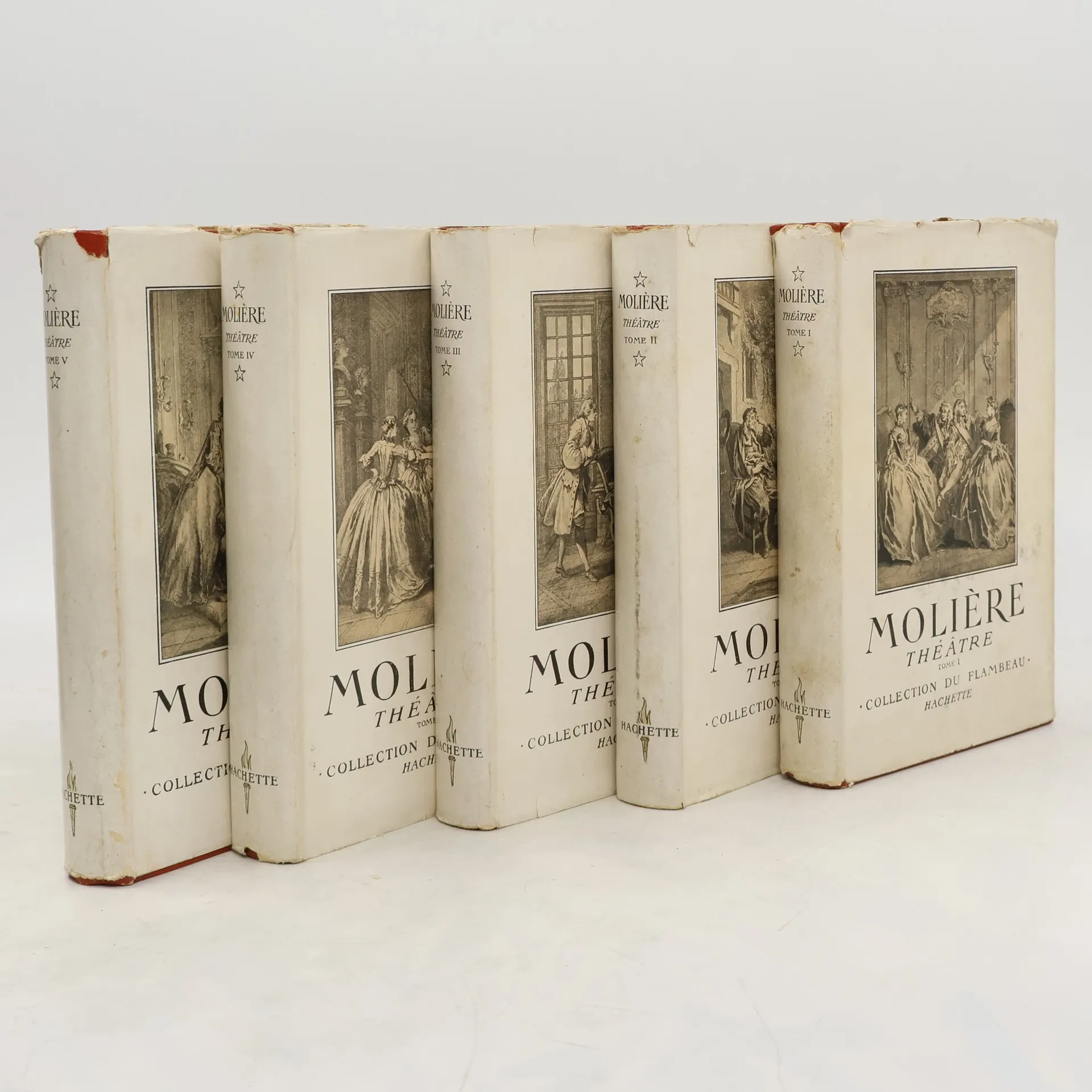
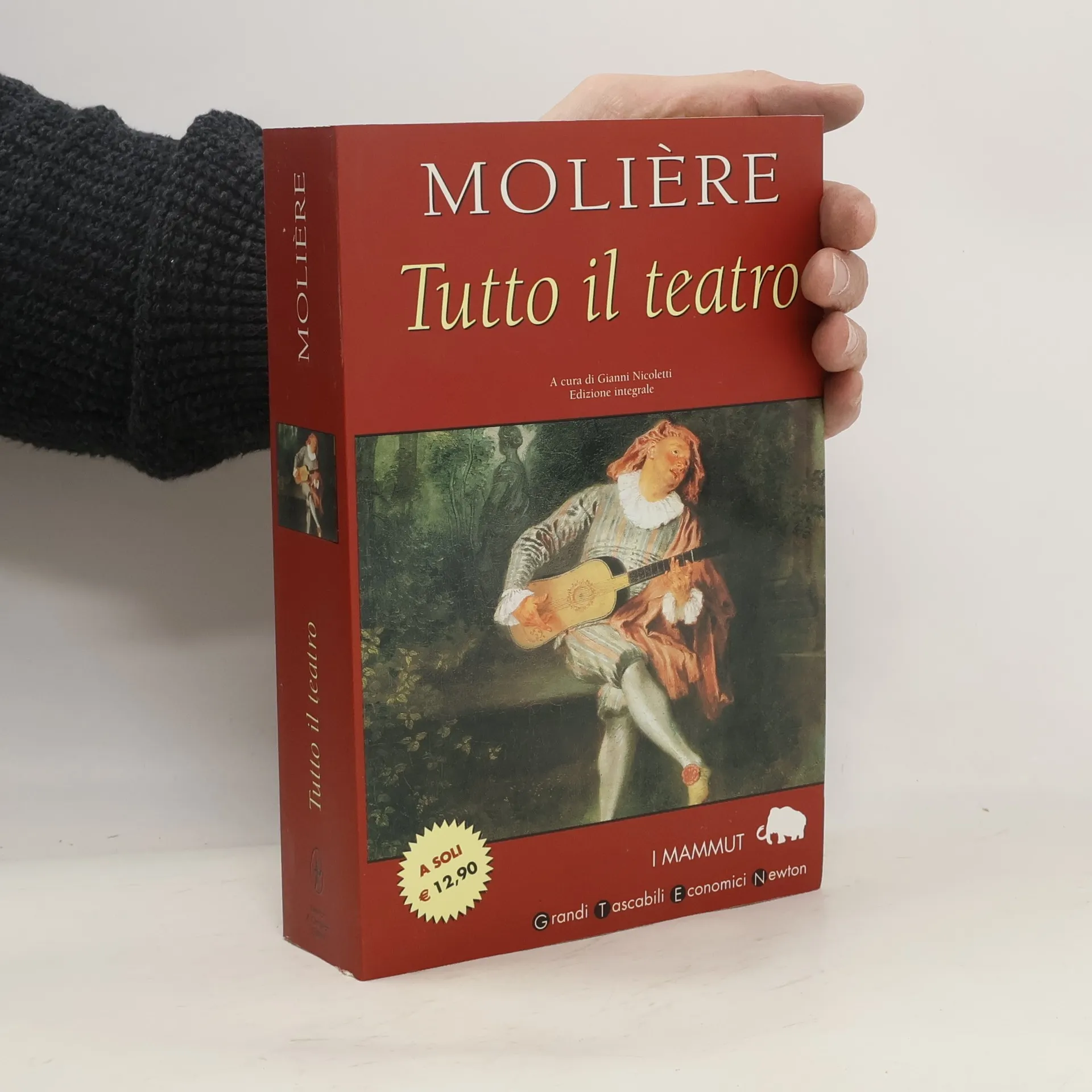
    Tutto il teatro
    Il misantropo
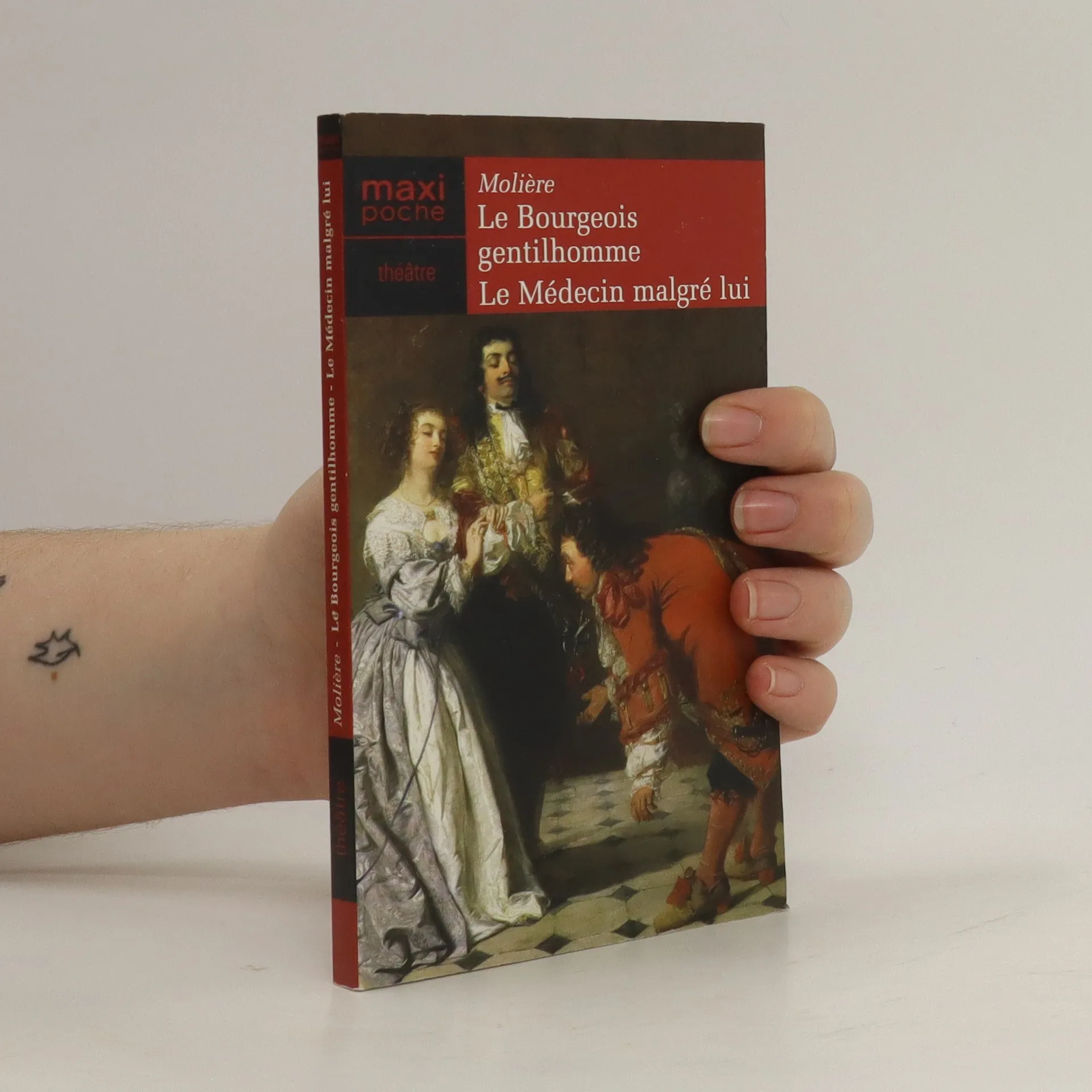
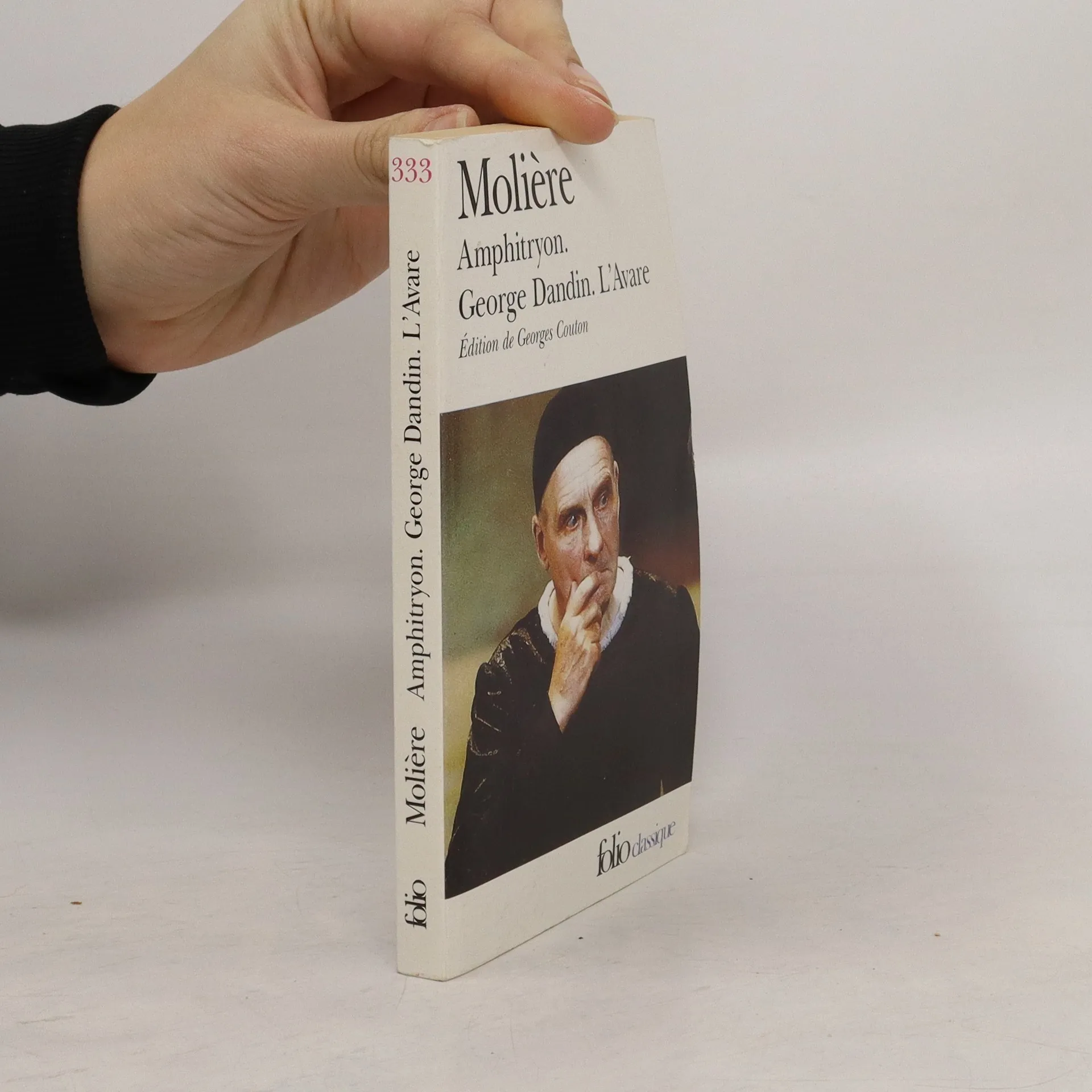
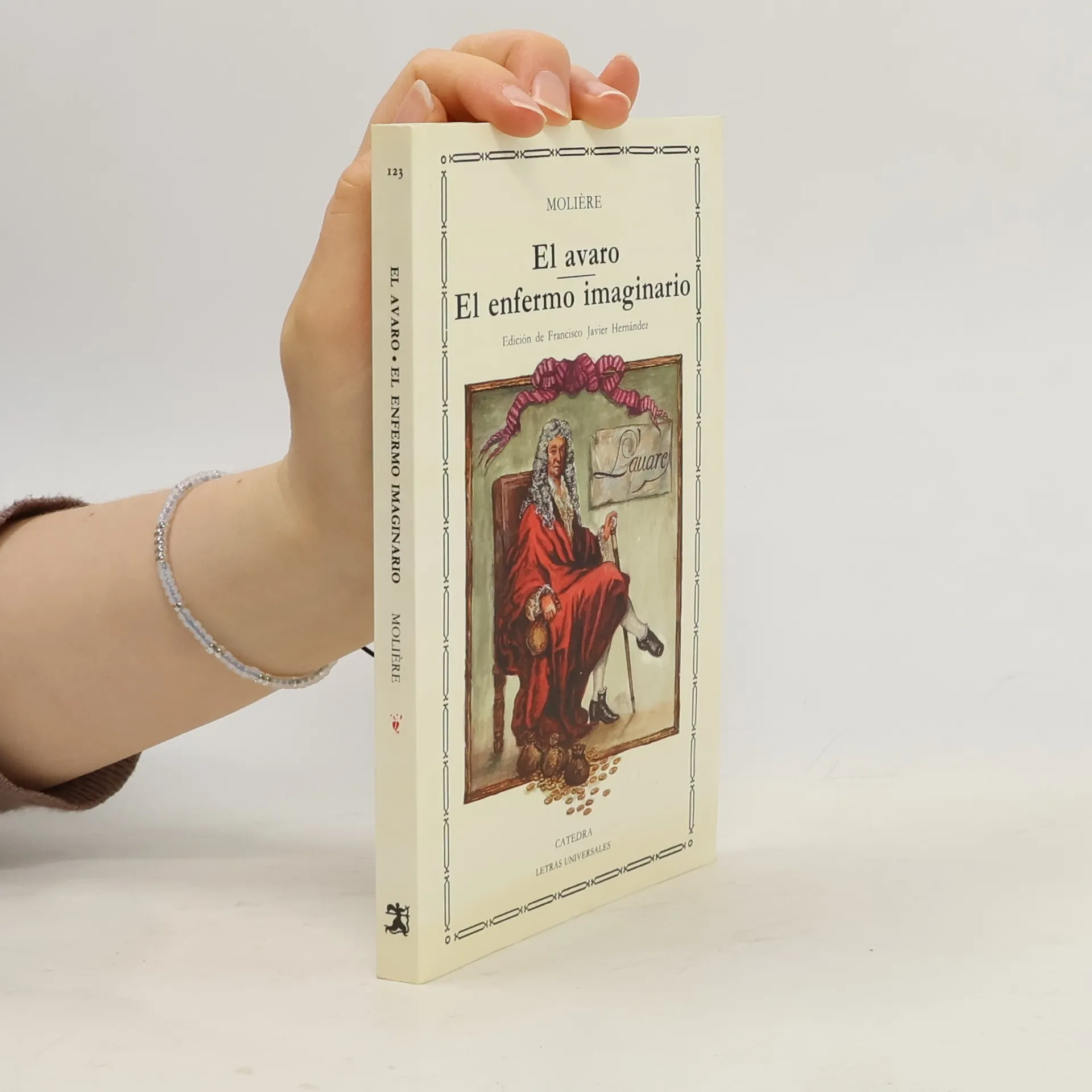
    L'Avaro
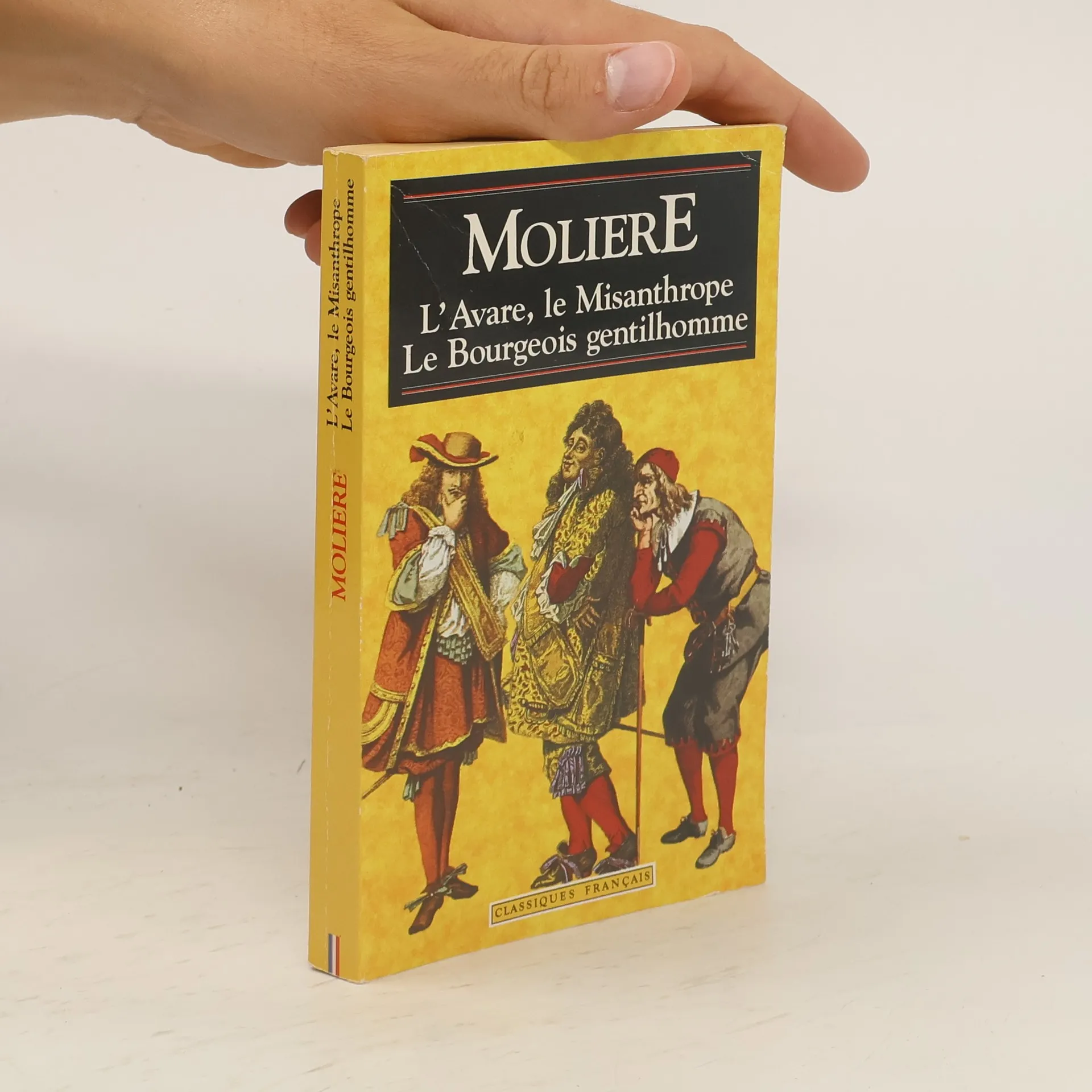
    • L'Avaro

      • 147pagine
      • 6 ore di lettura

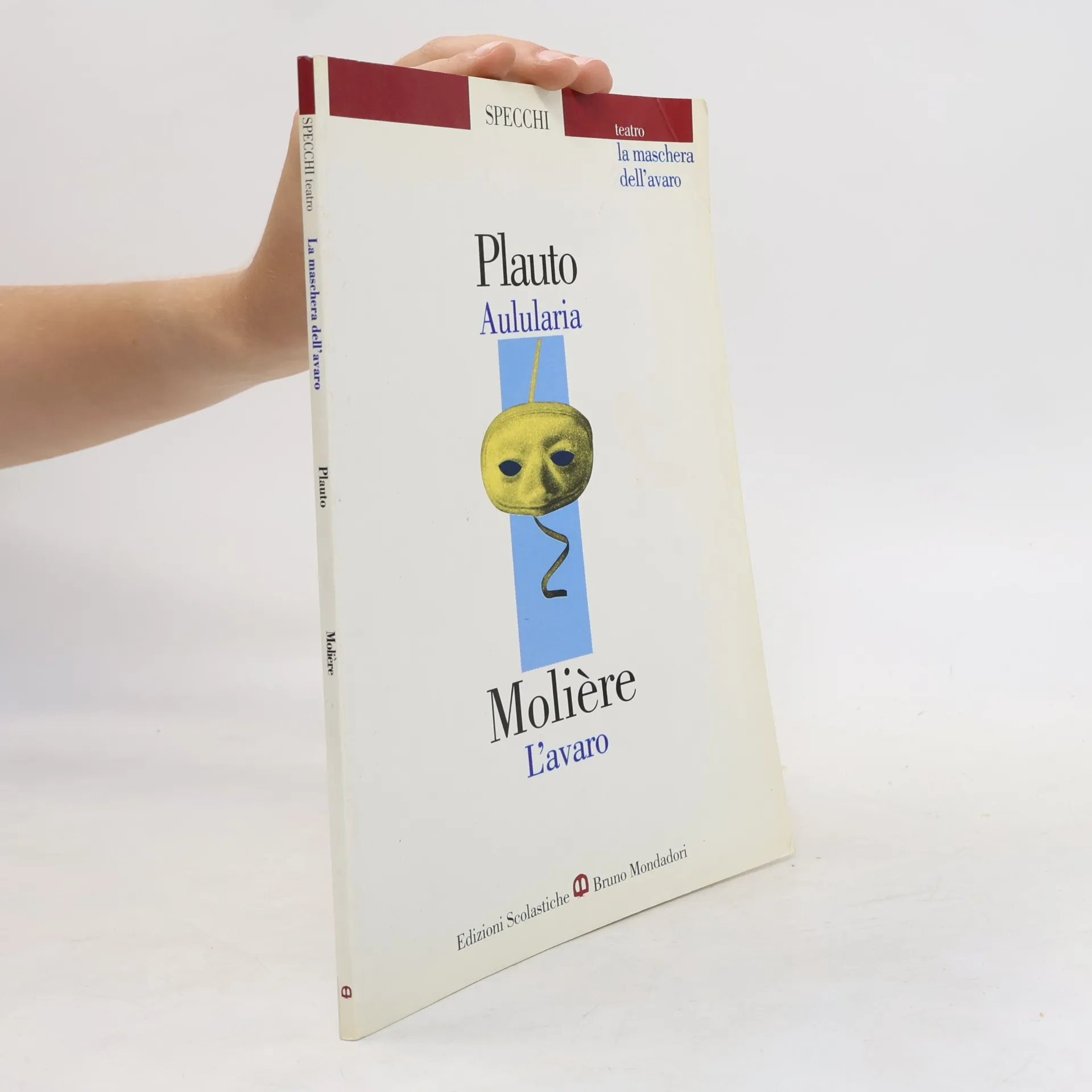
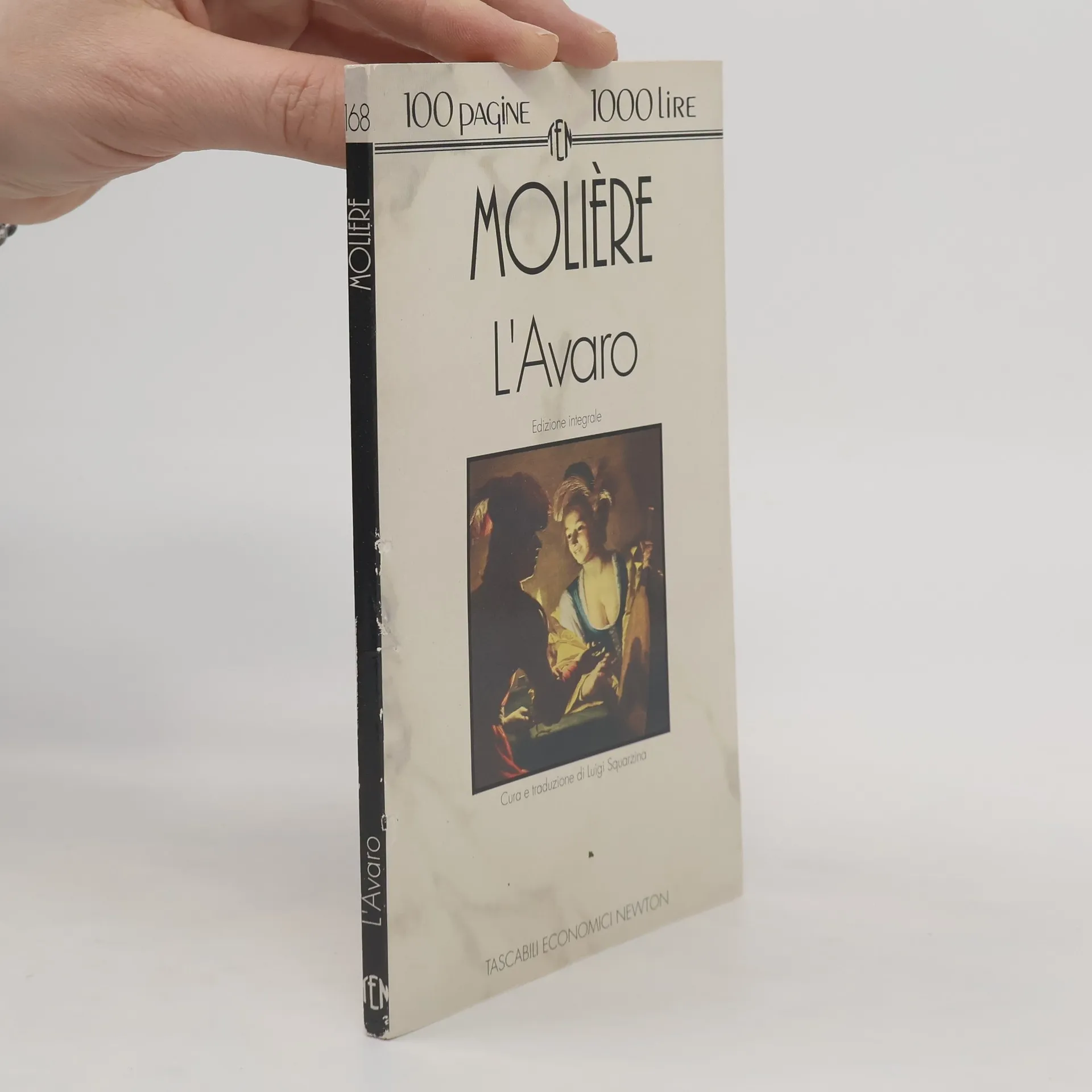
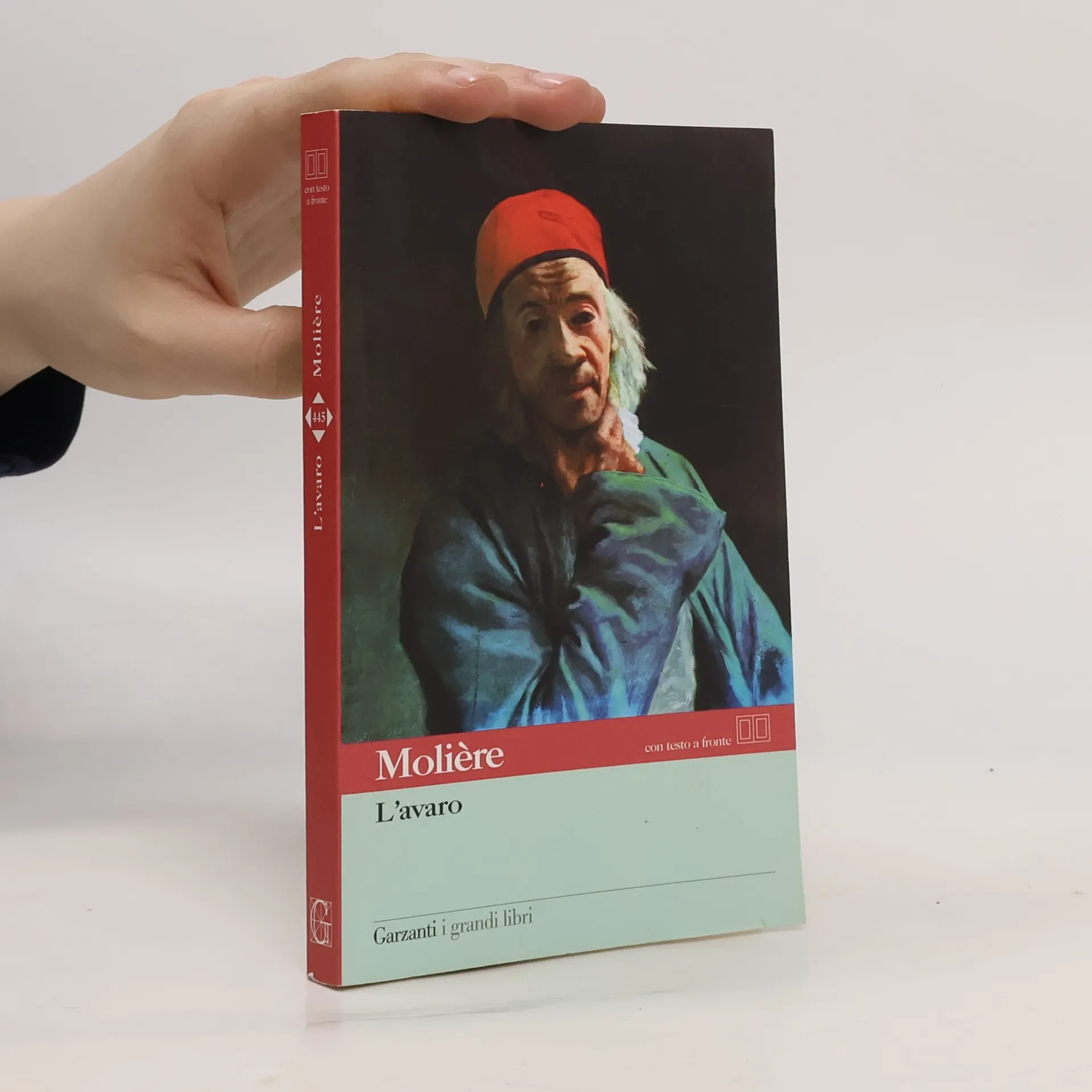
      L'Avaro è una commedia di costume tra le più rappresentate e il suo Arpagone è uno dei ruoli più ambiti dagli attori. Autoritario, assertore del proprio sfrenato egoismo, personaggio vivo e concreto, suscita larghe risate ma induce anche amare riflessioni sulla sua passione devastatrice, che soffoca ogni altro sentimento e acceca la coscienza. Pianificando la vita dei suoi due figli secondo il proprio tornaconto, Arpagone alimenta in loro l'odio e il raggiro. Contro questo dispotismo da padre-padrone Molière si scaglia con forza e profonda convinzione. Testo a fronte.

      L'Avaro
    • Il misantropo

      • 176pagine
      • 7 ore di lettura

      Il misantropo è Alceste, personaggio memorabile che oscilla tra fiero idealismo e ingenua intransigenza. Edizione integrale con testo francese a fronte.

      Il misantropo
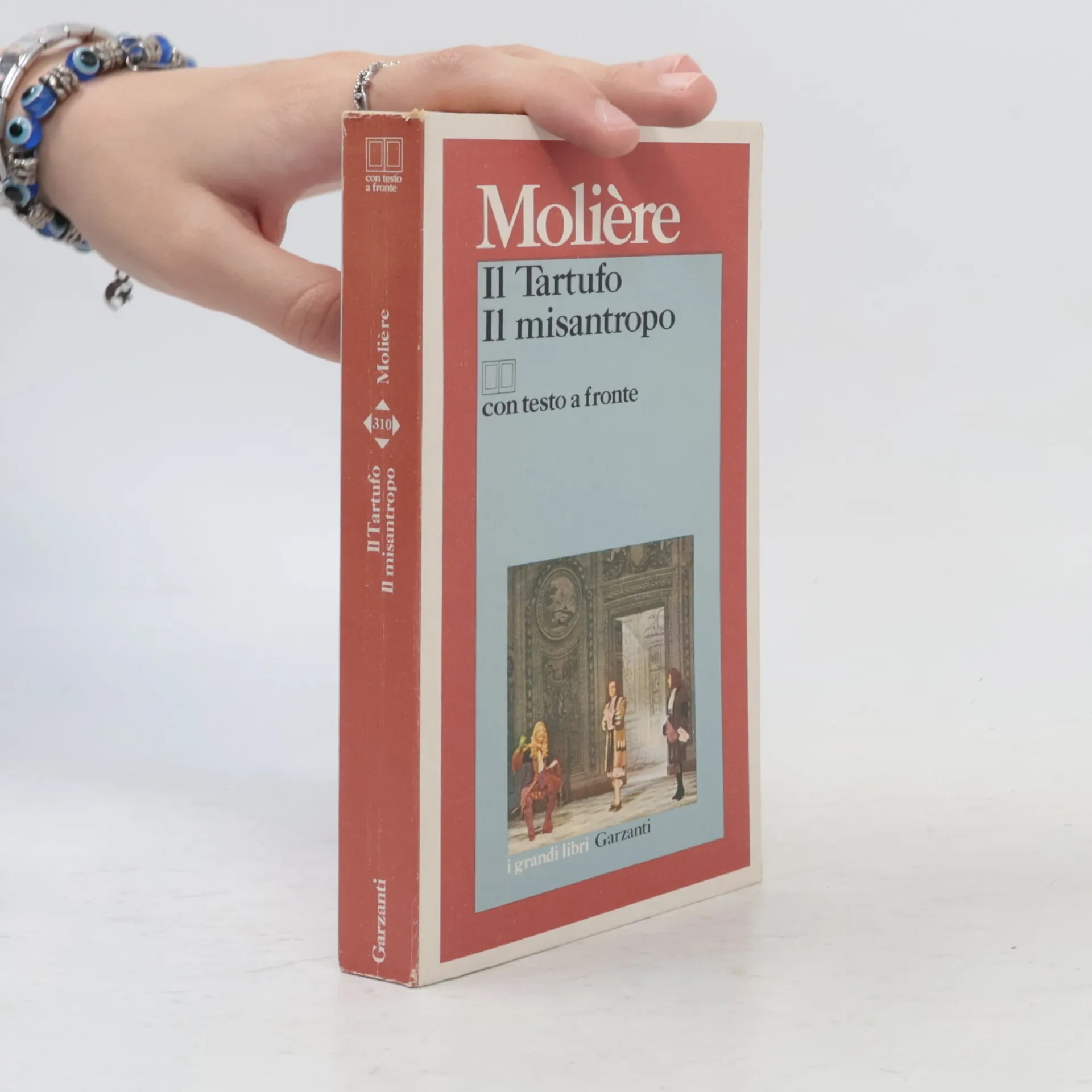
    • Con testo a fronte. L'ipocrisia è il filo conduttore che unisce queste due commedie, opposte ma speculari, con le quali Molière tocca il suo apice creativo. Il Tartufo, che costò all'autore le ire della corte e del clero, mette in scena una satira dissacrante e irriverente contro la bigotteria, i falsi perbenismi e i vizi di chi si crede depositario di ogni virtù. Il Misantropo irride invece il paladino di una male intesa verità; la sua rigida intolleranza lo pone in lite perenne col mondo e lo condanna infine a una sterile solitudine.

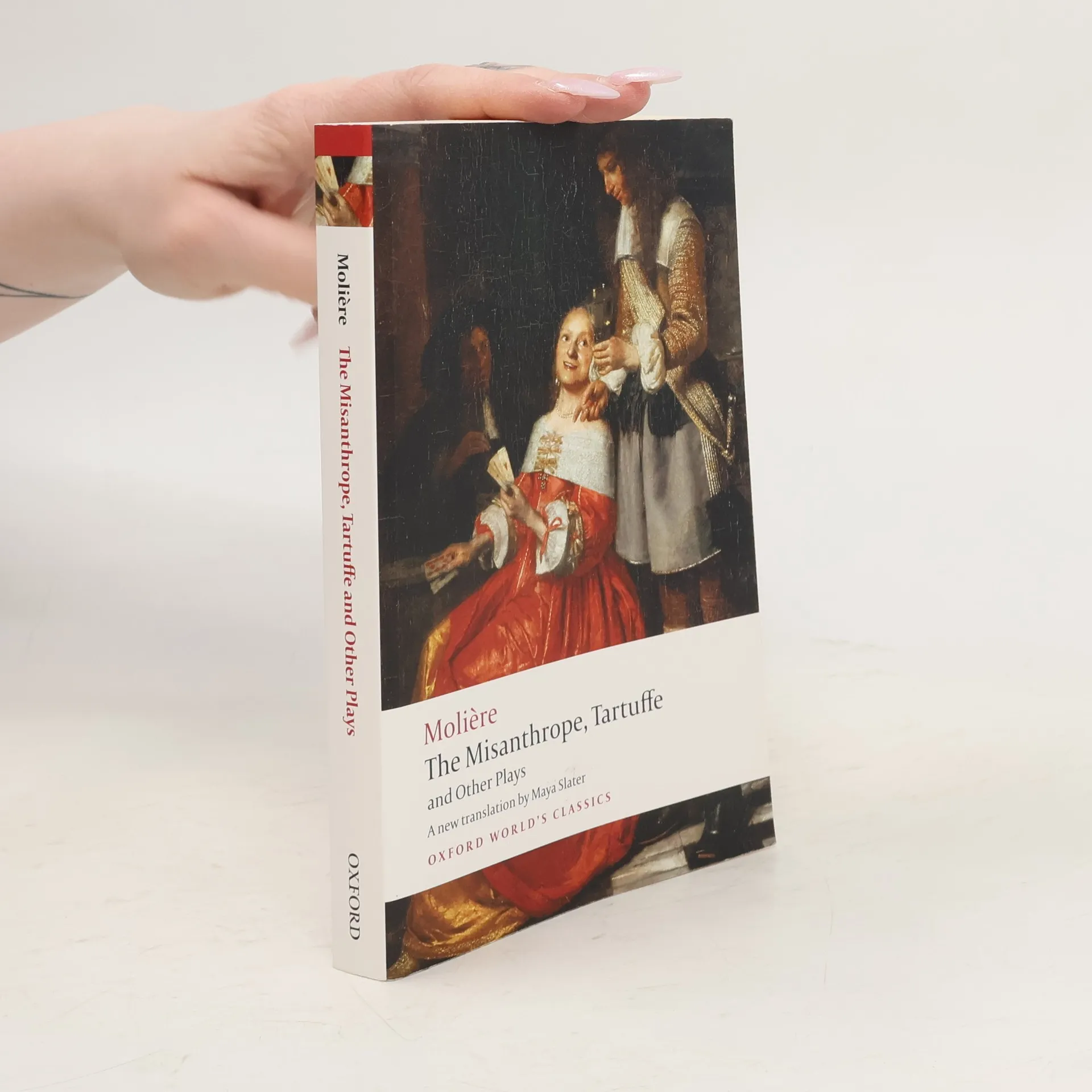
      Il Tartufo. Il Misantropo
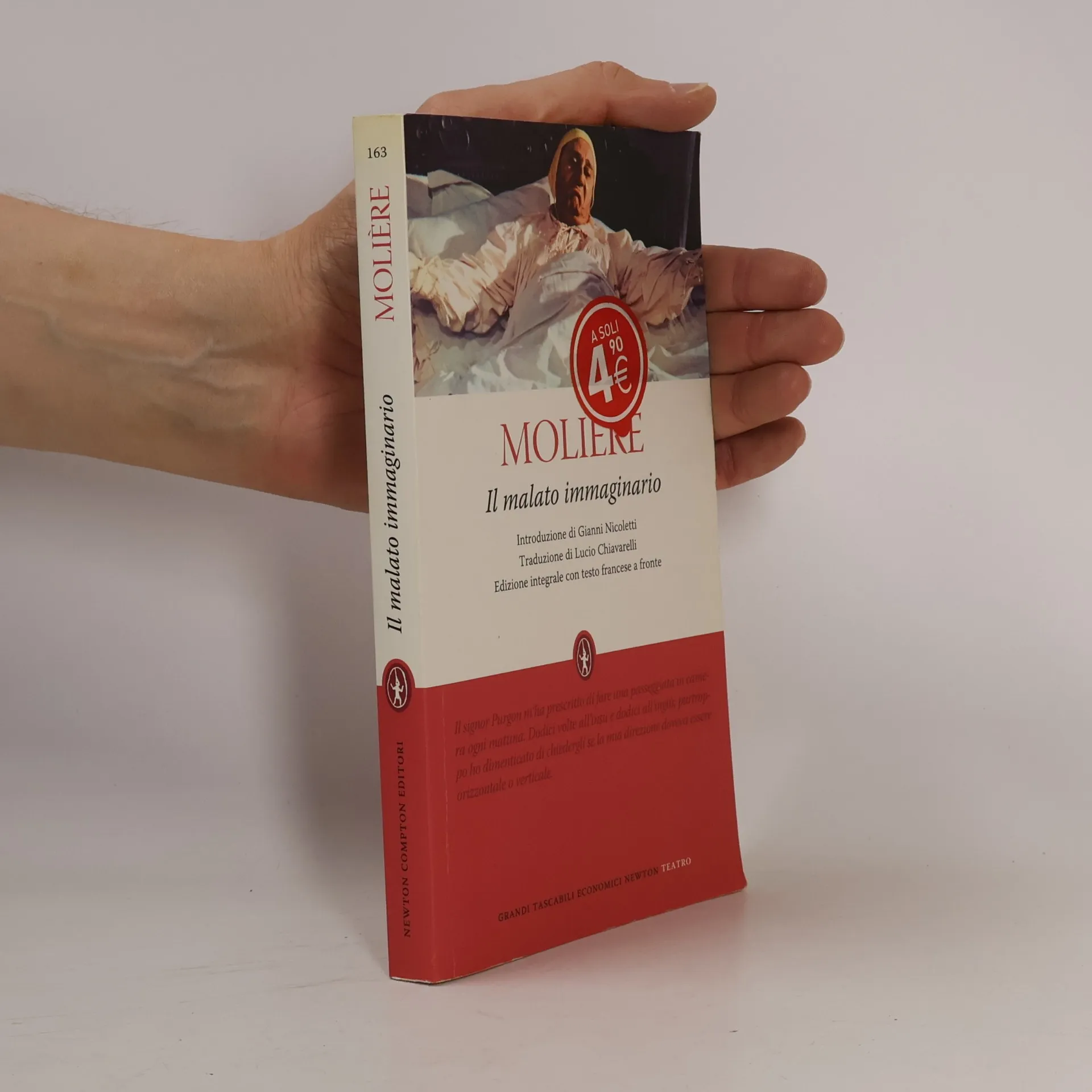
    • Bilingue: francese e italiano - Testo francese a fronte. Bilingue: Français et Italien. Argan è un malato immaginario che trascorre il suo tempo a cercare malattieinesistenti. Cercano di approfittare di questa mania, la sua seconda moglieche vorrebbe essere nominata unica erede, i medici e il farmacista. La figliaAngélique ama Cléante, ma il padre vuole darla in moglie a Diafoirus, per avere un medico in casa. Toinette, la cameriera e Béraldo, fratello di Argan, loconvincono a fingersi morto: potrà così scoprire l'ipocrisia di chi lo circonda. Alla fine solo l'affetto sincero della figlia Angélique verrà premiato:potrà sposare il giovane che ama e Argan deciderà di diventare medico luistesso.
      I grandi libri Garzanti: Il malato immaginario: Con testo a fronte
    • "One of the most accomplished American poets of his generation, Richard Wilbur (1921-2017) was also a prolific translator of French and Russian literature. His verse translations of Molïre's plays are especially admired by readers and are still performed today in theaters around the world. Wilbur, the critic John Simon once wrote, makes Molïre into as great an English verse playwright as he was a French one. Now, for the first time, all ten of Wilbur's unsurpassed translations of Molïre's plays are brought together in two-volume Library of America edition, fulfilling the poet's vision for the translations. This first volume comprises Molïre's delightful early farces The Bungler, Lover's Quarrels, and The Imaginary Cuckhold, or Sganarelle; the comedies The School for Husbands and The School for Wives, about the efforts of middle-aged men to control their young wives or fiancés, which so delighted female theater goers in Moliere's seventeenth-century France; and Don Juan, Molïre's retelling of the Don Juan story, performed only briefly in the playwright's lifetime before pious censure forced it to close and not part of the repertoire of the Comédie-Fraṅaise until 1847. This volume includes the original introductions by Richard Wilbur and an introduction by Adam Gopnik on the exquisite art of Wilbur's translations."--Provided by publisher
      Moliere: The Complete Richard Wilbur Translations, Volume 1
    • For the 400th anniversary of Moliere's birth, Richard Wilbur's unsurpassed translations of Molière's plays--themselves towering achievements in English verse--are brought together by Library of America in a two-volume edition One of the most accomplished American poets of his generation, Richard Wilbur (1921-2017) was also a prolific translator of French and Russian literature. His verse translations of Molière's plays are especially admired by readers and are still performed today in theaters around the world. "Wilbur," the critic John Simon once wrote, "makes Molière into as great an English verse playwright as he was a French one." Now, for the first time, all ten of Wilbur's unsurpassed translations of Molière's plays are brought together in two-volume Library of America edition, fulfilling the poet's vision for the translations. The second volume includes the elusive masterpiece, The Misanthrope, often said to occupy the same space in comedy as Shakespeare's Hamlet does in tragedy; the fantastic farce Amphitryon, about how Jupiter and Mercury commandeer the identities of two mortals ; Tartuffe, Molière's biting satire of religious hypocrisy; and The Learned Ladies, like Tarfuffe, a drama of a household turned suddenly upside down. This volume includes the original introductions by Richard Wilbur and a foreword by Adam Gopnik on the exquisite art of Wilbur's translations.

      Moliere: The Complete Richard Wilbur Translations, Volume 2
    • Of all the French dramatists, it is Molière (1622–73) who had the greatest sense of fun and he who, single-handed, transformed earthbound comedy into art. The Misanthrope, a drama of true love unrequited, is his knowledge masterpiece. As the portrait of a man doomed to a social wilderness because he cannot bow to convention nor compromise his principles, it is a comedy taken it the limit where laughter touches on grief. Also in this volume are Tartuffe, the first great comedy of human obsession (in this case, religion); The Imaginary Invalid, a joyful and absurd burlesque on the doctor-patient relationship; A Doctor in Spite of Himself, Molière's most famous farce; and The Sicilian, a comédie-ballet.

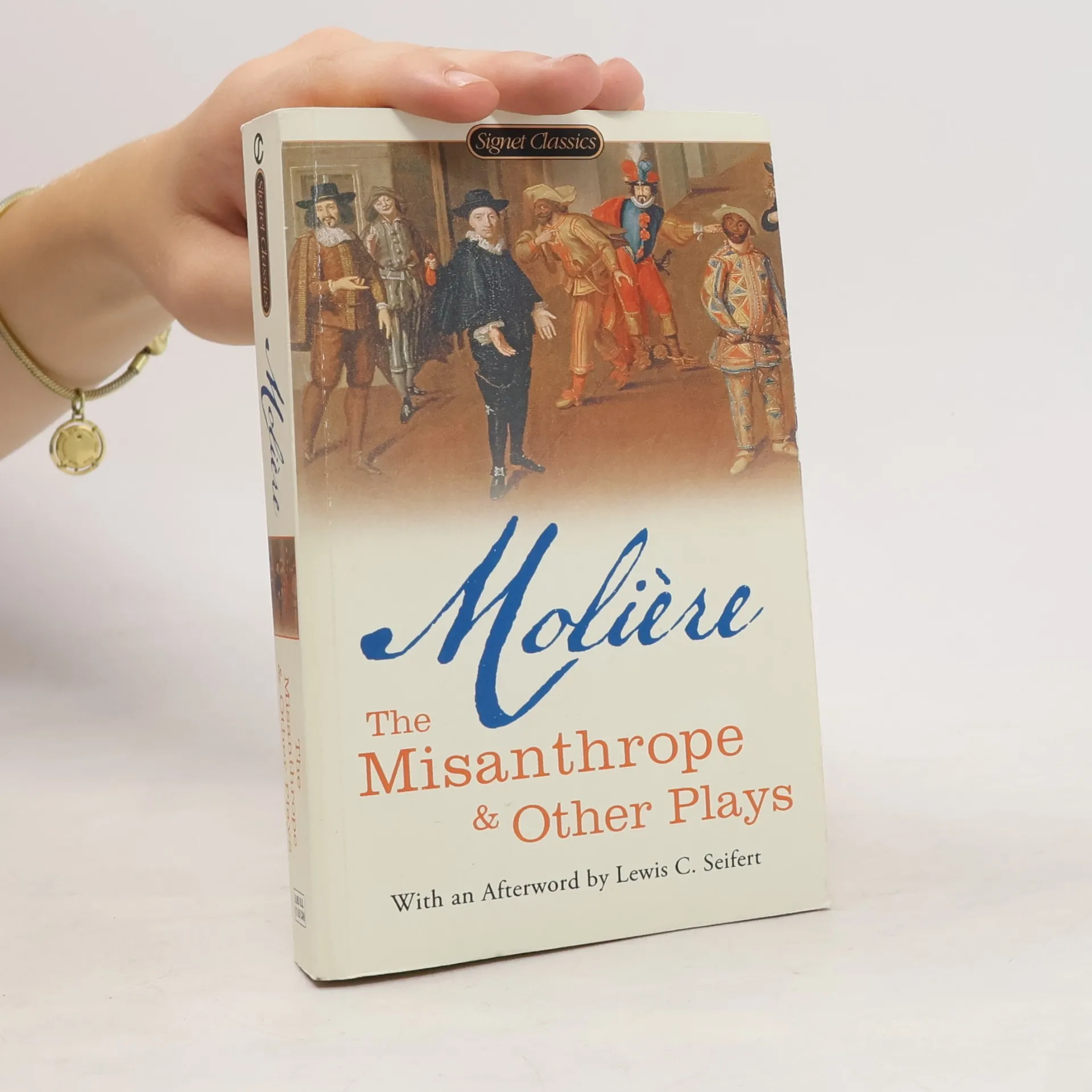
      The Misanthrope, and Other Plays