

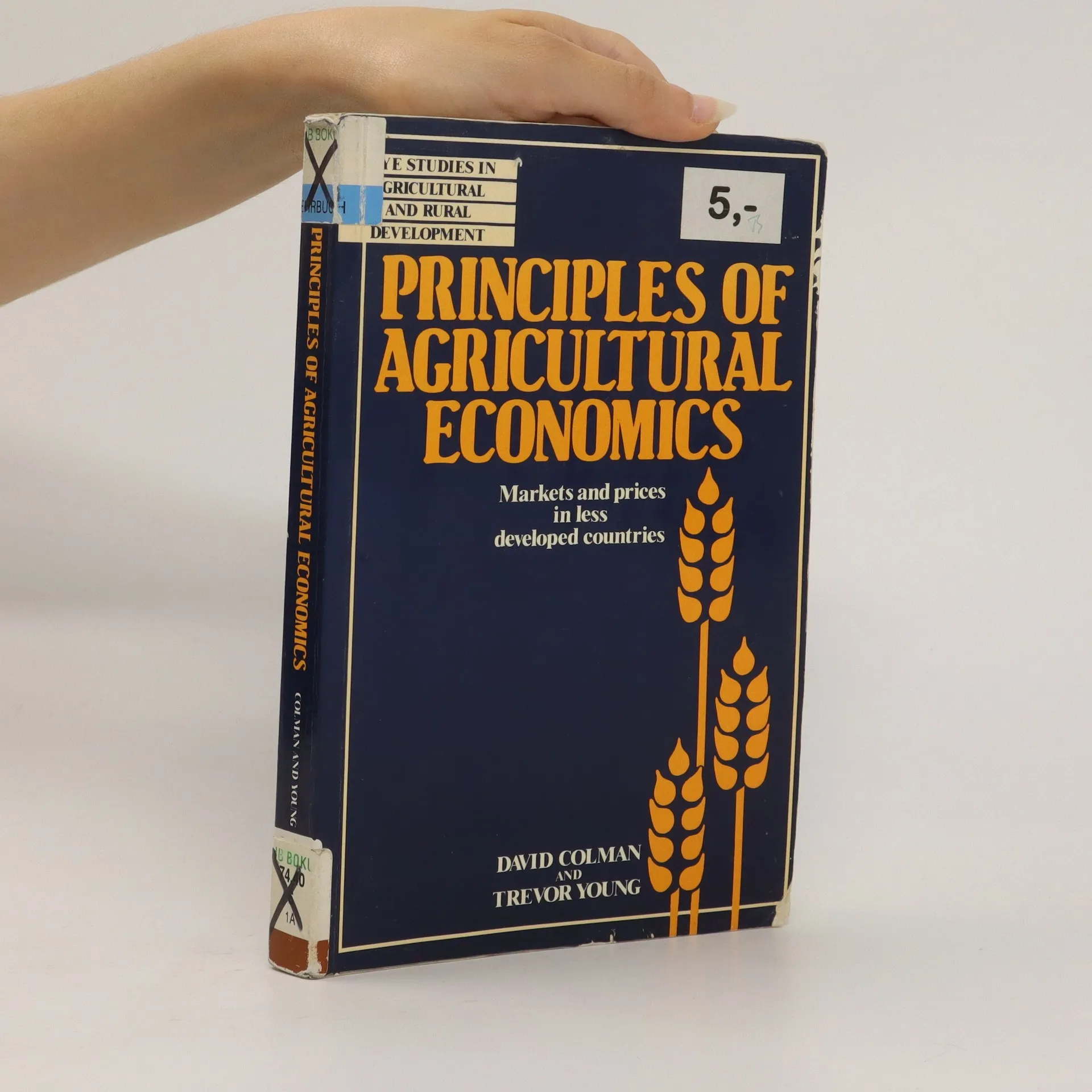
This textbook focuses on essential economic principles for agricultural economists engaged in rural development. While the principles of micro-economics or price-theory are relevant globally, the book emphasizes their significance in the context of agricultural and food sectors in developing countries. It sets itself apart from other texts by using hypothetical and real-world examples primarily from these nations, unlike many that rely on industrialized country scenarios. The first half covers foundational concepts of production, supply, and demand, which are crucial for managing agricultural sectors and food markets. The second half integrates supply and demand into discussions of equilibrium and exchange, followed by trade and economic welfare theory. The concluding chapter illustrates how earlier material can be synthesized by agricultural economists to analyze and compare the impacts of various agricultural policies. This structured approach allows agricultural economics to offer a consistent framework for addressing policy challenges, thereby playing a vital role in promoting rural development.
Trevor Leonard Young Libri


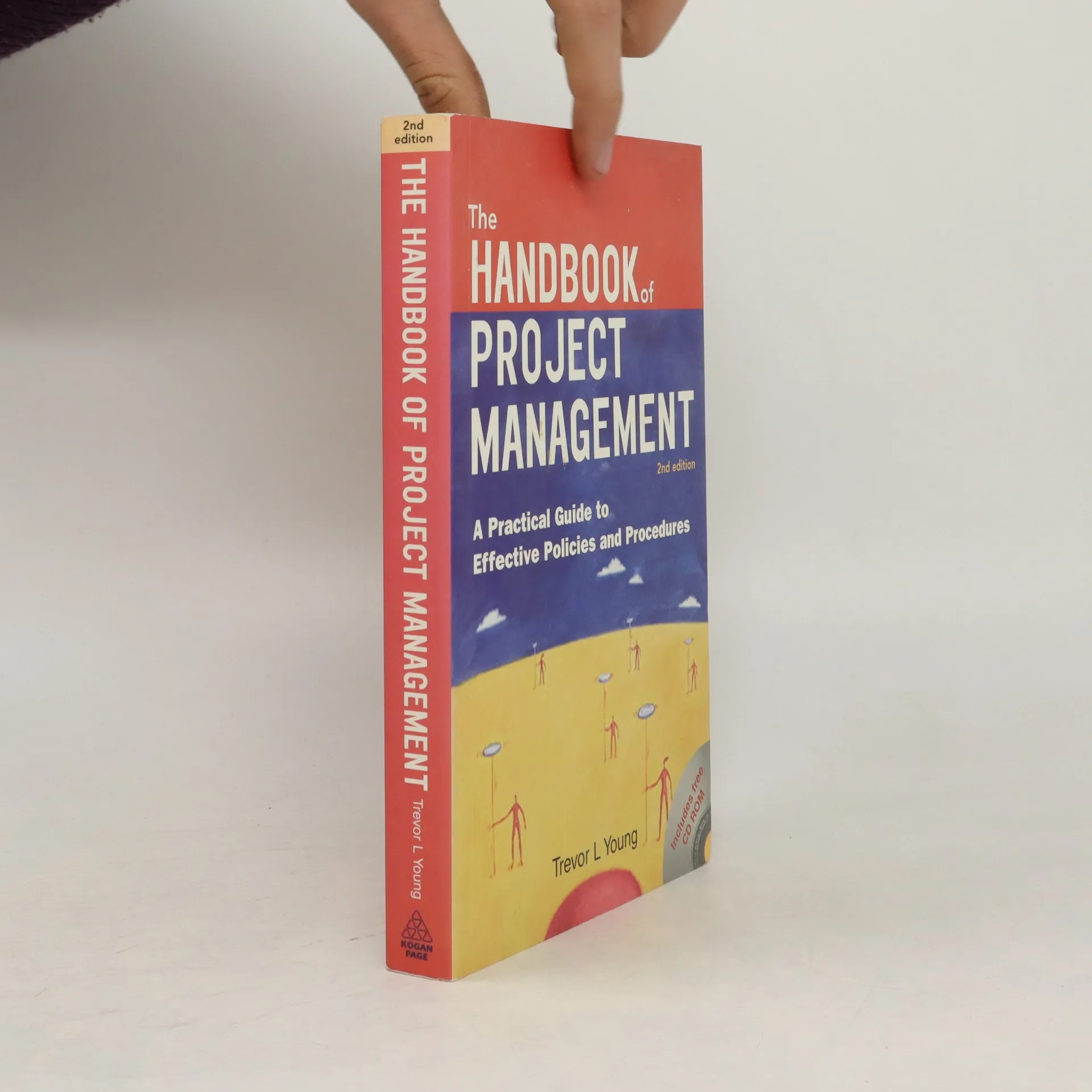
The Handbook of Project Management
- 296pagine
- 11 ore di lettura
Project management skills are hugely desirable for managers at all levels of an organization. Most people today can benefit from the application of these skills to some areas of their daily operations. From large undertakings, such as the Channel Tunnel or North Sea oil rigs, to the unique but smaller projects that take place in every type of organization, special skills are required if project management is to produce the right results.
30 Minutes to Plan a Project
- 64pagine
- 3 ore di lettura
Part of a series of pocket guides aimed at enabling the reader to learn a new skill in just 30 minutes, this text is packed with ideas on how to plan a project from conception to practice.
Successful project management
- 158pagine
- 6 ore di lettura
Covers the entire project management process, directing the skills of maintaining a balance between the demands of the customer, project, team and the organization. Enables any manager to significantly raise the probability of success with their projects.