Focusing on Xamarin.Forms, this guide provides a practical approach to developing cross-platform mobile applications for Android, iOS, and Windows Phone using C# and .NET. It covers the essentials of building both business and consumer apps, making it a valuable resource for developers looking to create applications for Google Play and the iTunes App Store. The book serves as a comprehensive reference for leveraging Xamarin's capabilities in mobile app development.
Günter Grass wurde am 16. Oktober 1927 in Danzig geboren, absolvierte nach der Entlassung aus amerikanischer Kriegsgefangenschaft eine Steinmetzlehre, studierte dann Grafik und Bildhauerei in Düsseldorf und Berlin. 1956 erschien der erste Gedichtband mit Zeichnungen, 1959 der erste Roman "Die Blechtrommel". 1999 wurde ihm der Nobelpreis für Literatur verliehen. Grass lebt in der Nähe von Lübeck.
Romanzo ambizioso e potente, "Anni di cani" fa i conti con le contraddizioni della coscienza tedesca. Lo fa montando una storia a tre strati, fittissima di eventi, di memoria, di figure umane e animali. Due i personaggi centrali: Eduard Amsel, il regazzzo mezzo ebreo, grassoccio, goffo, materasso della ragazzaglia, figlio di mercante, dotatissimo nella costruzione di spaventapasseri, più tardi pittore, poi coreografo e infine proprietario di uan miniera; e Walter Matern, il robusto rampollo di una dinastia di mitici mugnai, l'amico di infanzia e il fratello di sangue di Amsel, lo sbandato, l'ubriacone, l'ex comunista, l'attore, il milite SA, il nazista, il disertore, il cattolico, l'heideggeriano, l'antifascista che, accompagnato dal cane di Hitler, percorre la Germania del dopoguerra alla ricerca di colpevoli... Intorno a queste due vite parallele, un brulichio di personaggi: gli arcaici abitanti dell'estuario della Vistola, come il mugnaio Matern, che predice il futuro ascoltando i vermi della farina, come i paesani della Werder, i professori, gli SA, le nonne e, specialmente, la ragazzetta Tulla, sinistra, attraente, misteriosa, perduta.
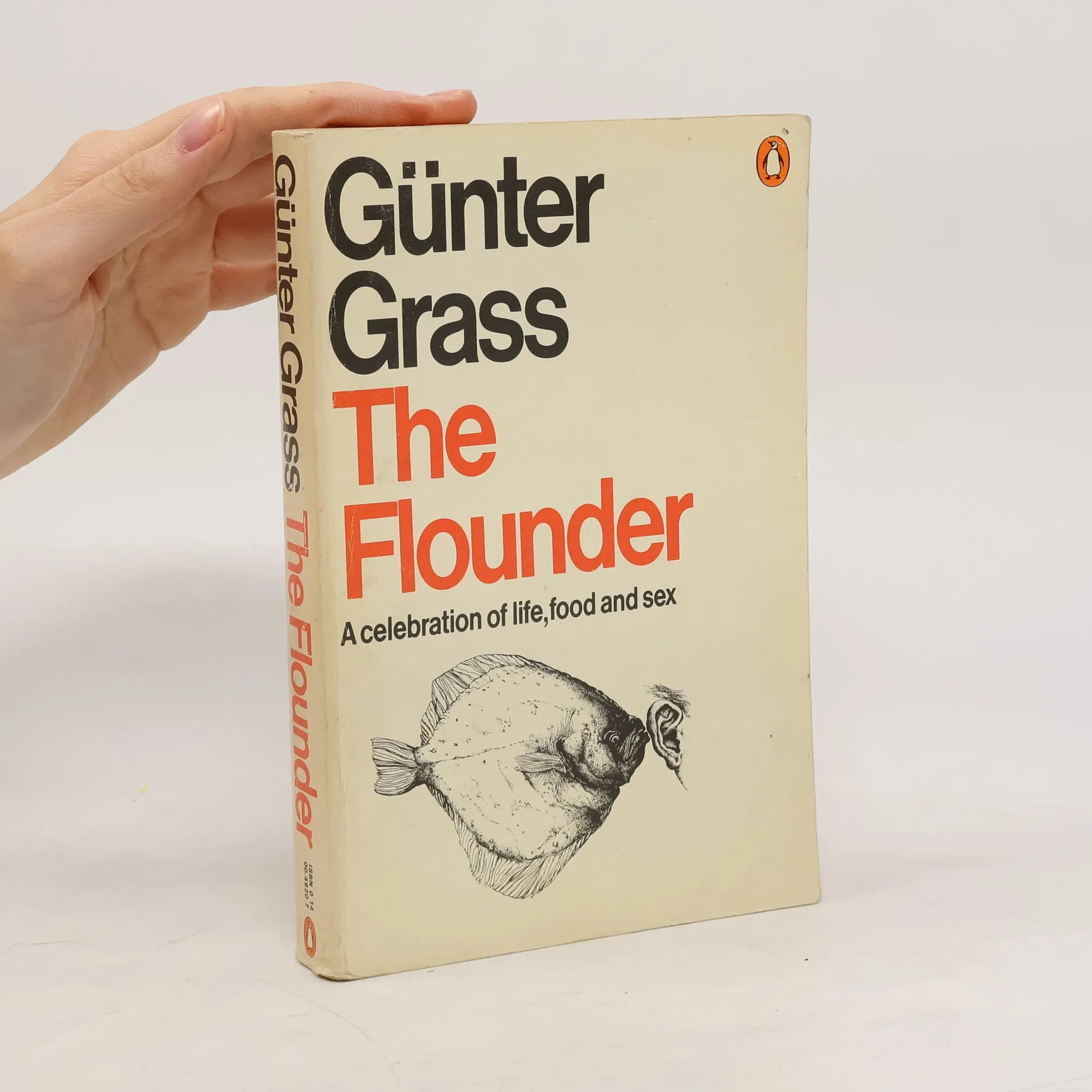
@lt;DIV@gt;It all begins in the Stone Age, when a talking fish is caught by a fisherman at the very spot where millennia later Grass's home town, Danzig, will arise. Like the fish, the fisherman is immortal, and down through the ages they move together. As Grass blends his ingredients into a powerful brew, he shows himself at the peak of his linguistic inventiveness. Translated by Ralph Manheim. A Helen and Kurt Wolff Book@lt;br@gt;@lt;/div@gt;
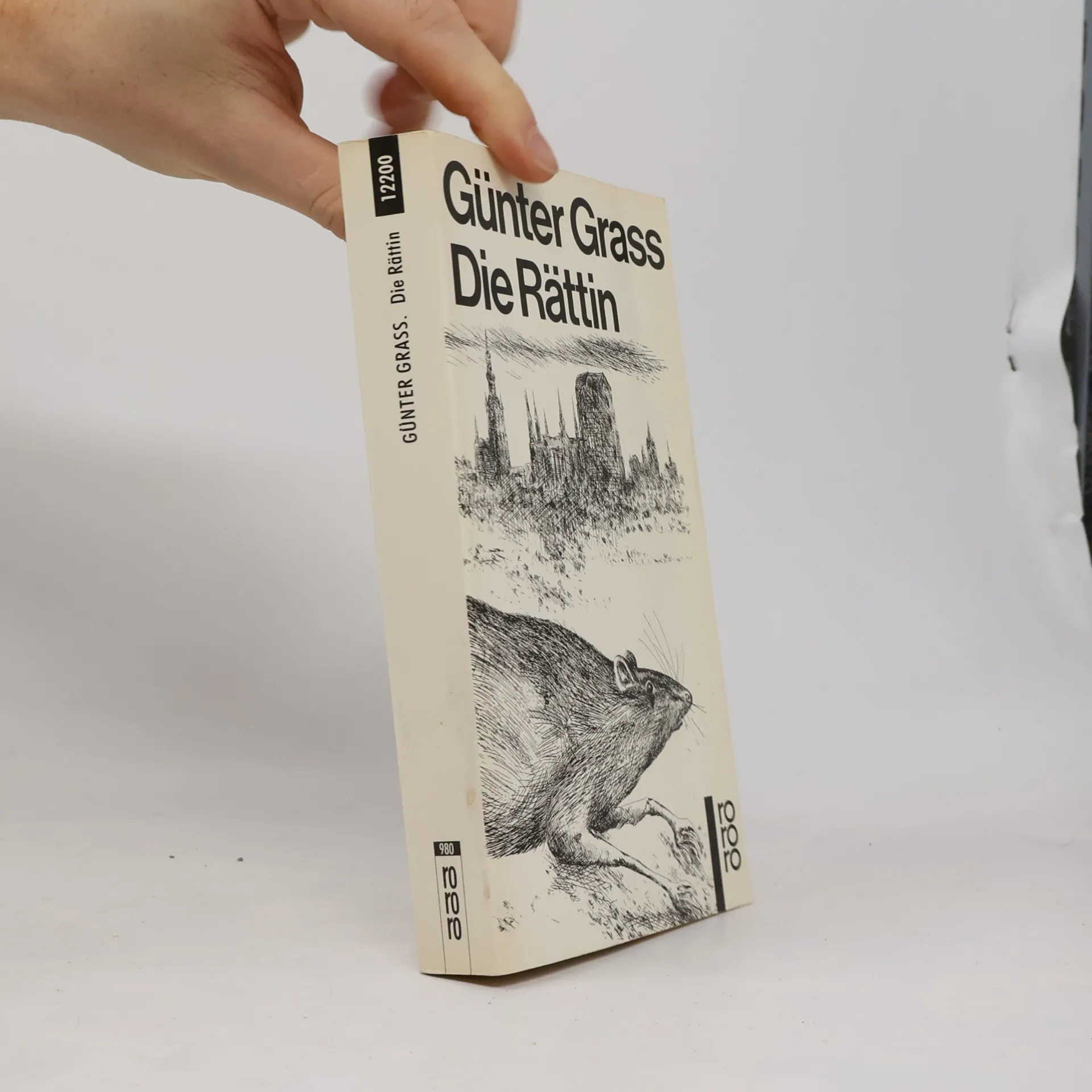
”Auf Weihnachten wünschte ich eine Ratte mir.“ In den Träumen des Erzählers kann das Tier sprechen und zwingt ihm die Vision vom Untergang der Menschheit und der Übernahme der Herrschaft auf Erden durch Ratten auf. Sie allein haben in der von Neutronenbomben getroffenen Stadt Gdansk-Danzig überlebt und bauen dort auf eine Solidarität gegründete neue Zivilisation auf. Gegen diese apokalyptischen Visionen entwickelt der Erzähler seine eigenen Geschichten, teils als Filmskripte für den zum Medienzar avancierten Oskar Matzerath: vom Maler Malskat und der falschen Restauration der 50er Jahre, von den toten Wäldern und der sterbenden Kraft der Märchen und von fünf geliebten Frauen, die sich in der quallenverseuchten Ostsee auf die vergebliche Suche nach Vineta als Ort weiblicher Utopie machen.
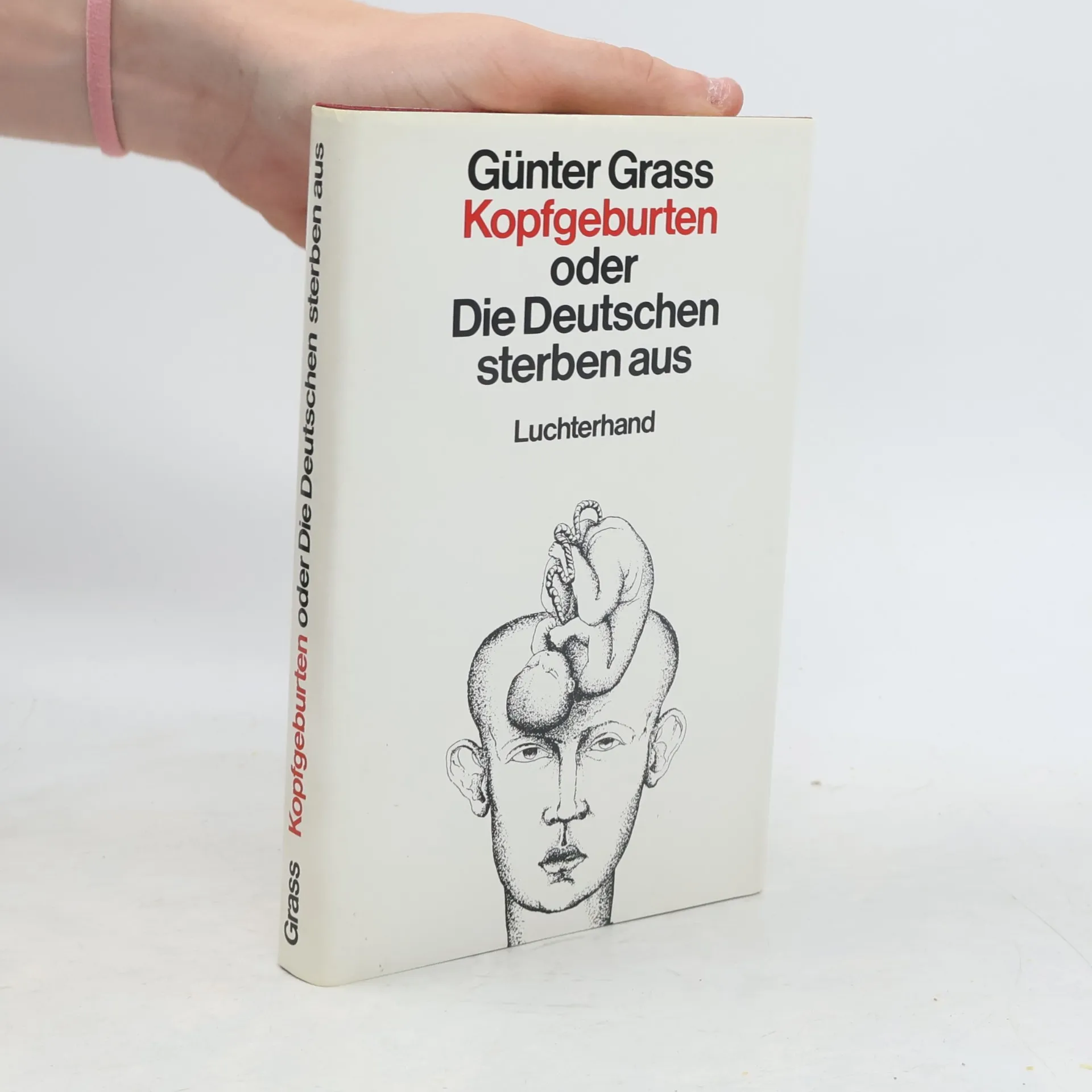
Ein Buch voller Luft- und Gedankensprünge, voller Ironie und Witz. Sommer 1980: Ein Lehrerehepaar aus Itzehoe macht eine Ferienreise in den Fernen Osten. Ob in Bangkok, in Bombay oder auf Bali: die deutschen Fragen werden sie trotz der andrängenden Bilder der Dritten Welt nicht los. Dafür sorgt schon der sich immer wieder einmischende Erzähler, dem mitten in Shanghai die Idee kommt, wie es wohl wäre, wenn nicht die Chinesen, sondern die Deutschen ein Volk von neunhundertfünfzig Millionen Menschen wären. Oder wenn, wie manche Politiker befürchten, die Deutschen ausstürben.
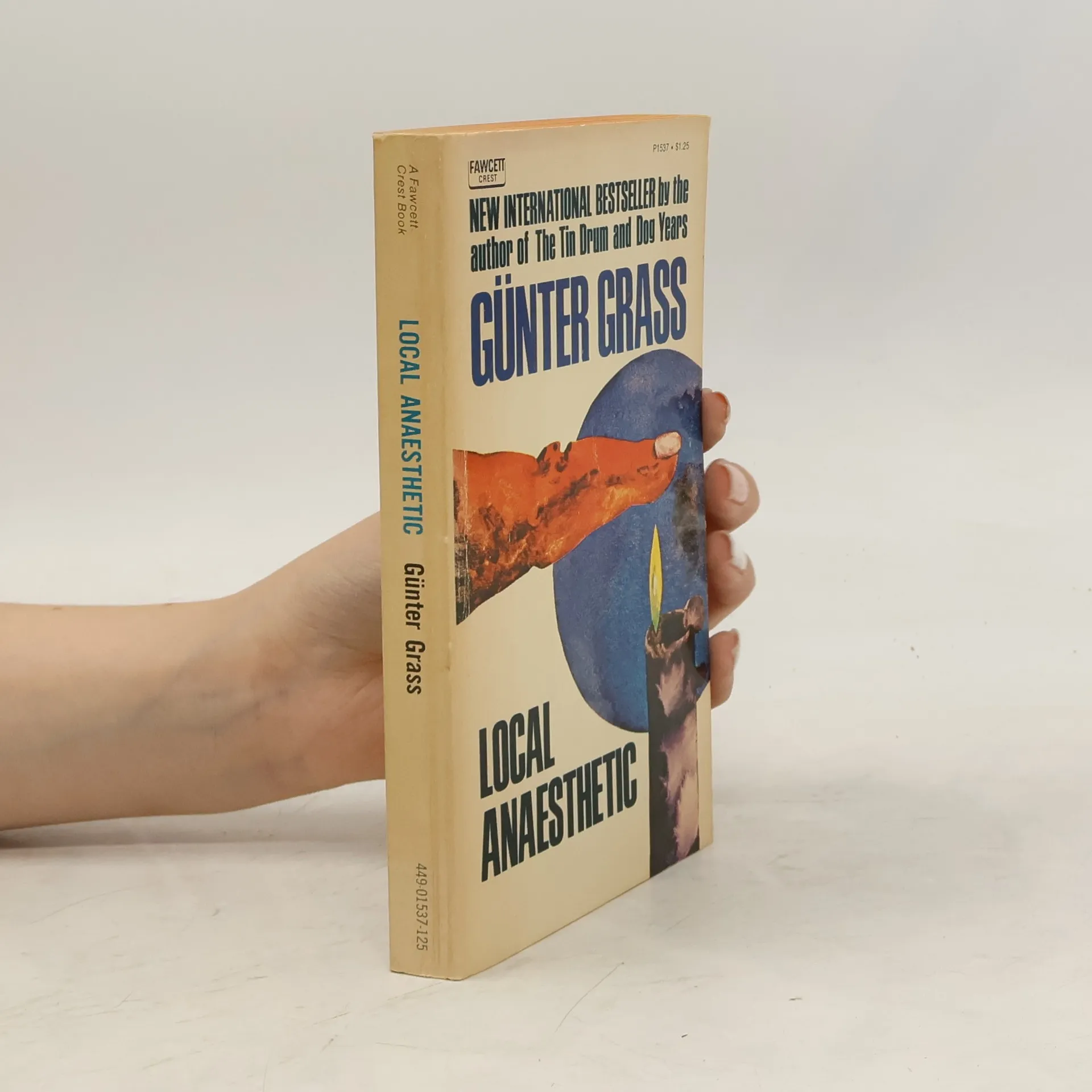
The plot of the novel, set primarily in 1967, revolves around high school student Scherbaum, who plans to publicly set his dachshund on fire in front of the Kempinski hotel in Berlin to shock a consumer society he believes has dulled its conscience. His teacher Starusch, the narrator and the author's alter ego, attempts to dissuade Scherbaum, although he fundamentally sympathizes with his views. The grotesque and humorous narrative structure unfolds through Starusch's painful dental therapy, during which he recalls personal failures and memories of war and the economic miracle. These reminiscences reveal critical issues in German society during the Adenauer era, including unpunished war criminals. Among the characters is General Schörner, known for his cruelty in the war's final days. Grass, as one of the first leftist intellectuals, provides an ironic and balanced analysis of the mentalities and ideologies that led to the radical "student movement" of 1968, acknowledging its motivations and goals while distancing himself from the means that often resulted in blind terrorism.