Tantrabhidhana
With Vija-Nighantu and Mudra-Nighantu


Questo autore scrive sotto pseudonimo, offrendo una prospettiva unica attraverso la quale esplorare i suoi contributi letterari.



With Vija-Nighantu and Mudra-Nighantu
Two works on Laya-yoga, translated from the Sanskrit, with introduction & commentary. Written by a leading authority on Shaktic & Tantric thought, this book is considered the prime document for study & application of Kundalini yoga. It probes the philosophical & mythological nature of Kundalini, the esoteric anatomy associated with it, the study of mantras, the chakras, or psychic centers in the human body, etc. Sir John George Woodroffe (1865–1936), aka Arthur Avalon, was a British Orientalist whose work helped to unleash in the West an interest in Hindu philosophy & Yogic practices. His The Serpent Power is a source for many modern Western adaptations of Kundalini yoga practice. It's a philosophically sophisticated commentary on, & translation of, the Satcakra-nirupana ("Description of & Investigation into the Six Bodily Centres") of Purnananda (dated c.AD 1550) & the Paduka-Pancaka ("Five-fold Footstool of the Guru"). The term "Serpent Power" refers to the kundalini, an energy said to be released within an individual by meditation techniques.
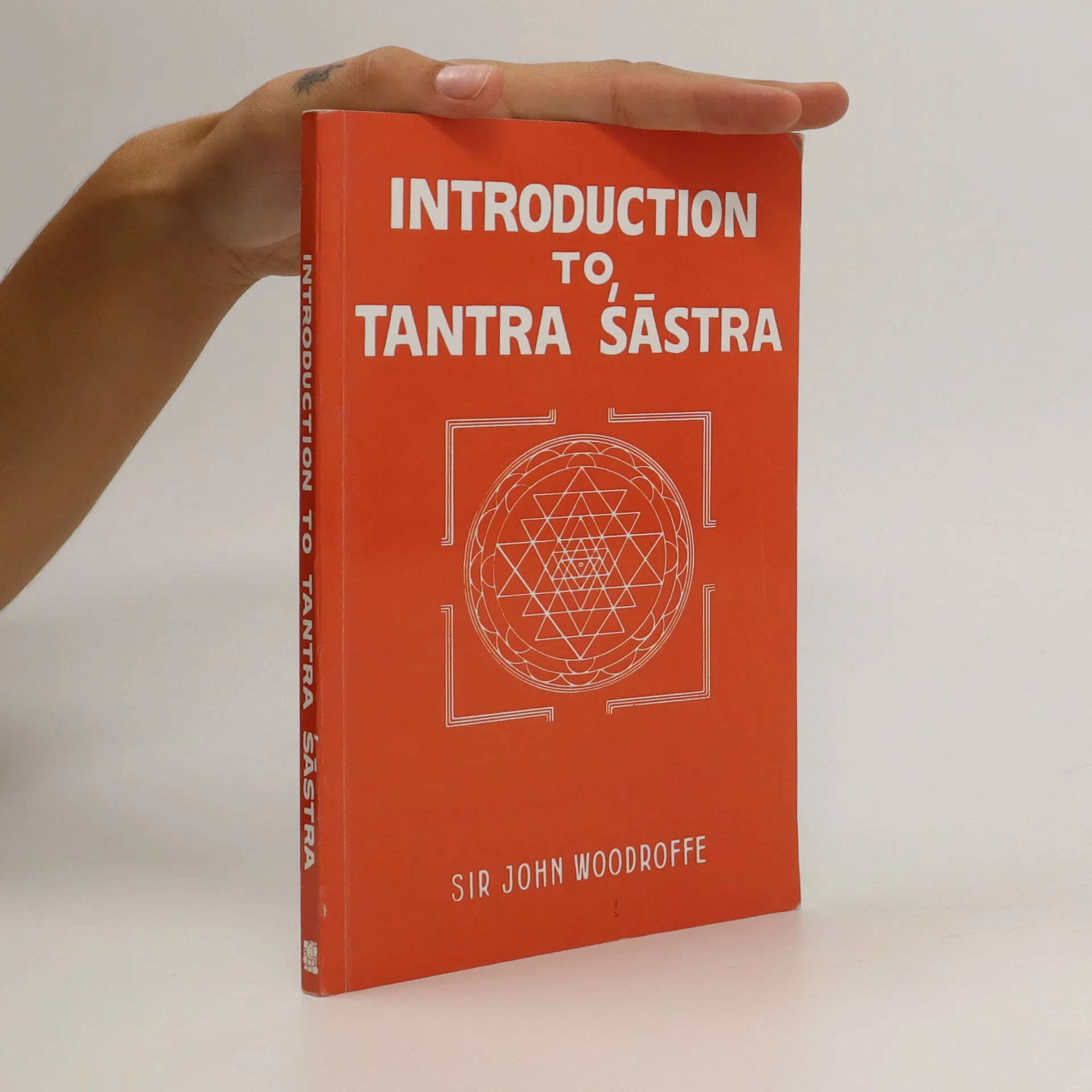
Focusing on the spiritual tradition of Tantra, this classic text offers a comprehensive guide to its practices and the pursuit of liberation from the cycle of rebirth. Divided into four parts, it covers foundational principles, the worship of the divine feminine, detailed instructions on Kundalini yoga, and the stages of spiritual evolution leading to moksha. The translation and annotations by Arthur Avalon enhance its accessibility, making it a valuable resource for those interested in Indian spirituality and Tantra.
The Kularnava is an authority in Tantric literature. It is one of the basic works of the rituals and philosophy of the Sakta Tantrism following the Kulacara, the most advanced of the Sakta way. The learned introduction in English gives detailed information about the constitution of the text and esoteric philosophy and practices peculiar to the school. The complete text is given in Devanagari for those who wish to study the book in the original Sanskrit.
Originally the extended introduction to a translation of the Mahanirvana Tantra by "Arthur Avalon" (a collective pseudonym for Woodroffe and an unnamed collaborator), this is a sufficiently general treatment to repay reading apart from the work to which it was originally attached.
The book features a comprehensive Sanskrit text accompanied by an English introduction, making it accessible to a wider audience. It is presented in a well-preserved red cloth binding with gilt lettering, and includes a dustwrapper that shows minor wear. Spanning 837 pages, it offers an in-depth exploration of its subject matter, appealing to both scholars and enthusiasts of Sanskrit literature. The absence of inscriptions indicates a clean copy, enhancing its value for collectors.
Hymn to Kali by Arthur Avalon "Kali is a Hindu goddess with a long and complex history in Hinduism. Although sometimes presented as dark and violent, her earliest incarnation as a figure of annihilation still has some influence, while more complex Tantric beliefs sometimes extend her role so far as to be the Ultimate Reality (Brahman) and Source of Being. She is also known and revered as Bhavatarini (meaning: redeemer of the universe Dakshineswar Kali Temple). Finally, the comparatively recent devotional movement largely conceives of Kali as a straightforwardly benevolent mother-goddess. Therefore, as with her association with the Deva (god) Shiva, Kali is associated with many Devis (goddesses) - Durga, Bhadrakali, Bhavani, Sati, Rudrani, Parvati, Chinnamasta, Chamunda, Kamakshi or kamakhya, Uma, Meenakshi, Himavanti, Kumari and Tara. These names, if repeated, are believed to give special power to the worshipper. She is the foremost Goddess among the Dasa Mahavidyas." Table of Contains.... 01. Chapter 02. Chapter 03. Chapter 04. Chapter 05. Chapter 06. Chapter 07. Chapter 08. Chapter 09. Chapter 10. Chapter 11. Chapter 12. Chapter 13. Chapter 14. Chapter 15. Chapter 16. Chapter 17. Chapter 18. Chapter 19. Chapter 20. Chapter 21. Chapter 22. Chapter
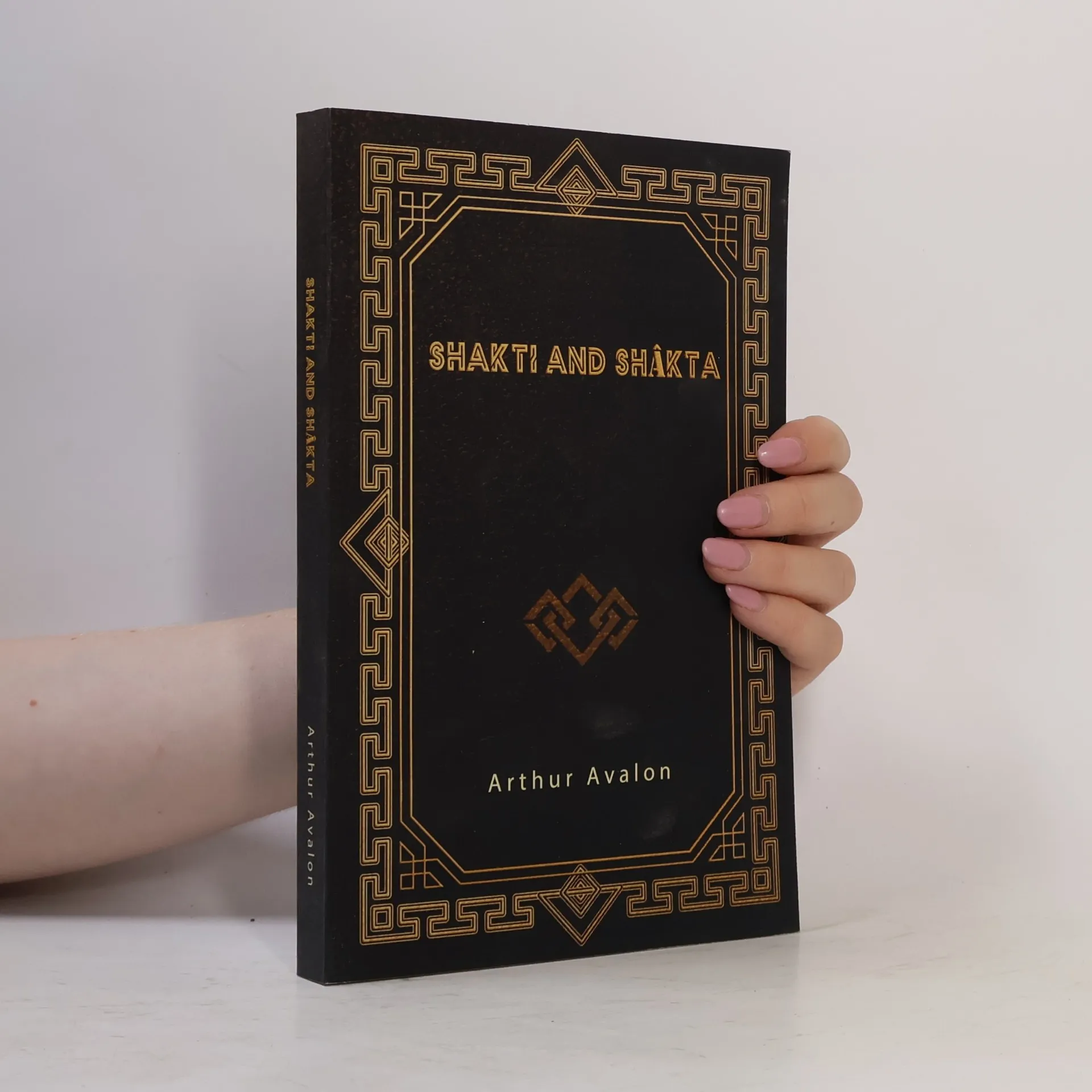
Agama, which governs according to its followers the Kali-yuga, is itself divided into several schools or communities of worshippers. One of these divisions is the Shakta. It is with Shakta doctrine and worship, one of the forms of Brahmanism, which is again a form of the general Bharata Dharma, that this book deals. The Shakta is so called because he is a worshipper of Shakti (Power), that is, God in Mother-form as the Supreme Power which creates, sustains and withdraws the universe. His rule of life is Shaktadharma, his doctrine of Shakti is Shaktivada or Shakta Darshana. God is worshipped as the Great Mother because, in this aspect, God is active, and produces, nourishes, and maintains all. Theological Godhead is no more female than male or neuter. God is Mother to the Sadhaka who worships Her Lotus Feet, the dust on which are millions of universes. The Power, or active aspect of the immanent God, is thus called Shakti.
Exploring the depths of spiritual liberation, this ancient text delves into the practices and philosophies of Tantra. It emphasizes the importance of self-realization and the union of the individual with the divine. Through a blend of rituals, meditative techniques, and philosophical teachings, it guides practitioners on a transformative journey towards enlightenment. The Mahanirvana Tantra also addresses the significance of energy, the chakras, and the interplay between the physical and spiritual realms, making it a vital resource for those seeking deeper understanding in Tantric traditions.
This work features a translation of two previously untranslated Sanskrit texts, expanding on the themes and teachings of Tantrik philosophy. It is part of a broader series dedicated to Tantrik texts, offering insights into ancient spiritual practices and beliefs. The publication aims to provide readers with access to these significant works, enhancing the understanding of Tantrik traditions.
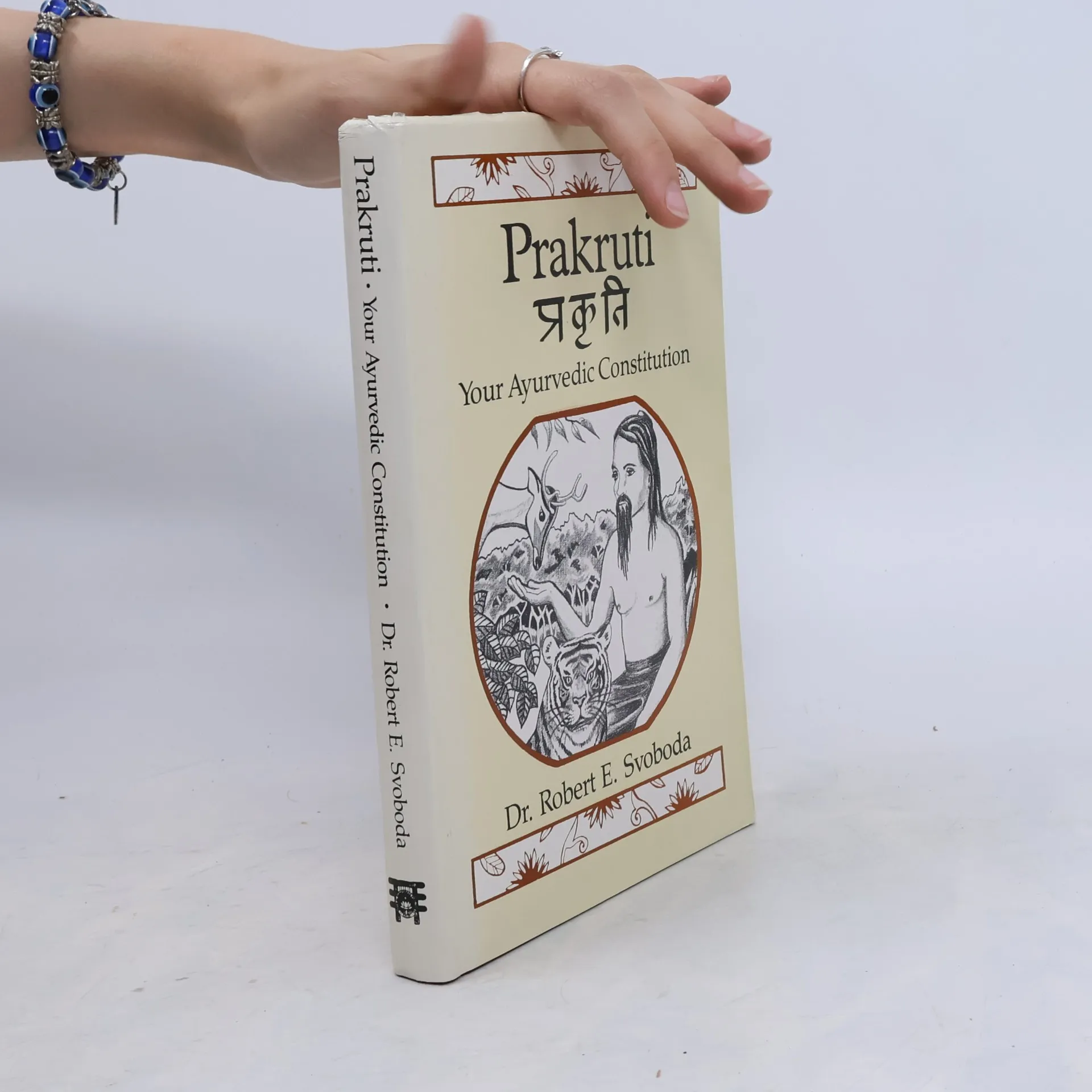
ABOUT THE BOOK:This book is based on Ayurveda, the ancient healing science of India, by a Westerner first ever to obtain a degree in Ayurveda. It is meant to reintroduce modern man to Walking With Naked Feet through life to come back into contact w
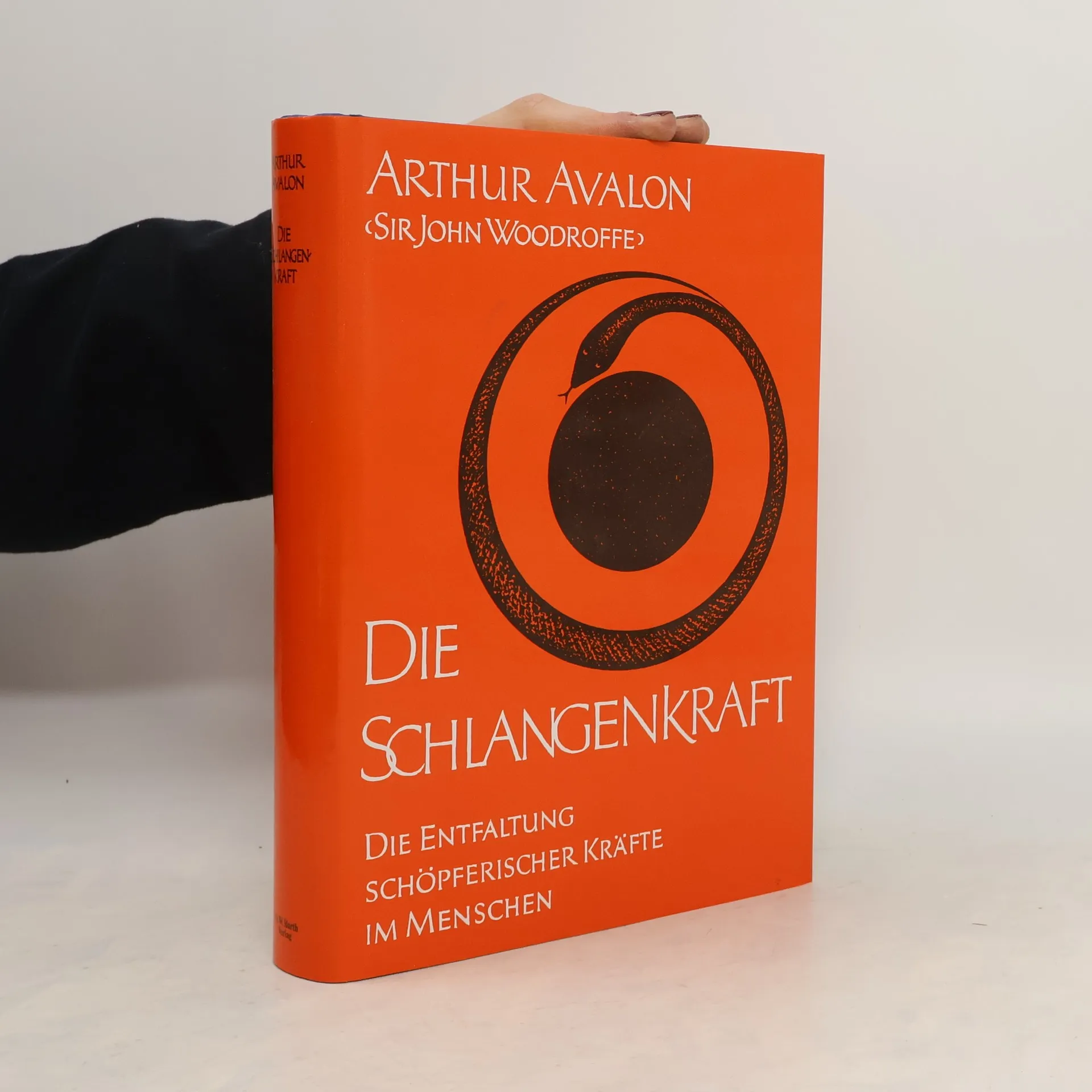
Die Schlangenkraft ist eine Beschreibung und Erklärung der Schlangenkraft (Kundali Shakti) und des durch sie bewirkten Yoga, ein Thema von herausragender Bedeutung im Tantra Shastra. Es handelt sich um eine Übersetzung zweier Sanskrit-Werke, die vor einigen Jahren im zweiten Band meiner Reihe von Tantrischen Texten veröffentlicht wurden, jedoch bisher unübersetzt waren. Das erste, mit dem Titel "Shatchakranirupana" ("Beschreibung und Untersuchung der sechs körperlichen Zentren"), wurde von dem berühmten Tantriker Purnananda Svami verfasst und bildet das sechste Kapitel seines umfangreichen und unveröffentlichten Werkes über tantrisches Ritual mit dem Titel "Shritattvachintamani".