
Bookbot

David A. Holmes

    David L. Holmes è uno storico della chiesa il cui lavoro esplora principalmente la vita religiosa in America. La sua scrittura approfondisce le radici profonde e variegate della fede americana e il suo impatto sulla società. L'approccio di Holmes è caratterizzato da una ricerca approfondita e da una narrazione avvincente che porta alla vita le generazioni passate per il lettore. La sua erudizione offre spunti preziosi su come la religione abbia plasmato, e continui a plasmare, il carattere americano.

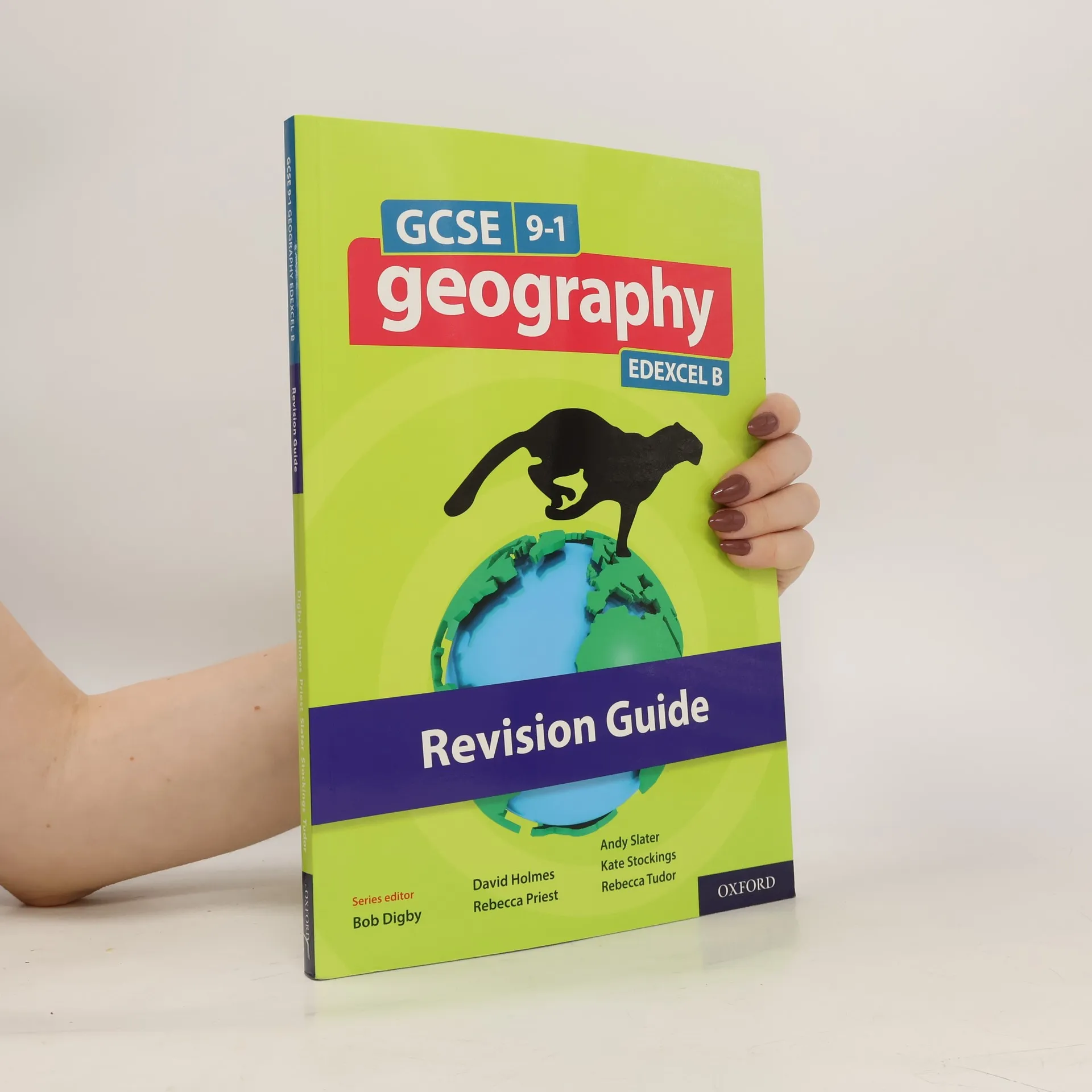
    GCSE 9-1 Geography Edexcel B: GCSE: GCSE 9-1 Geography Edexcel B Revision Guide
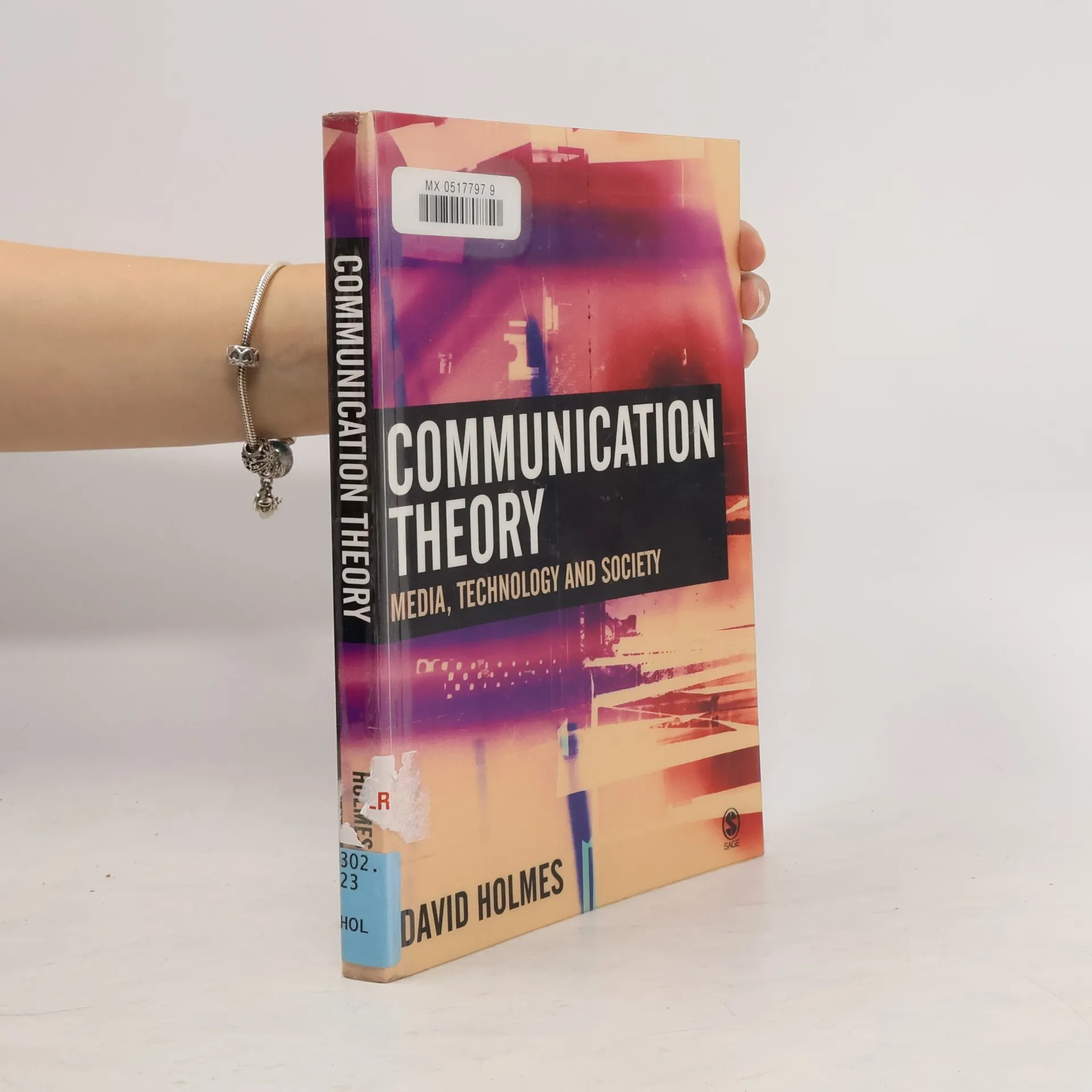
    Communication Theory
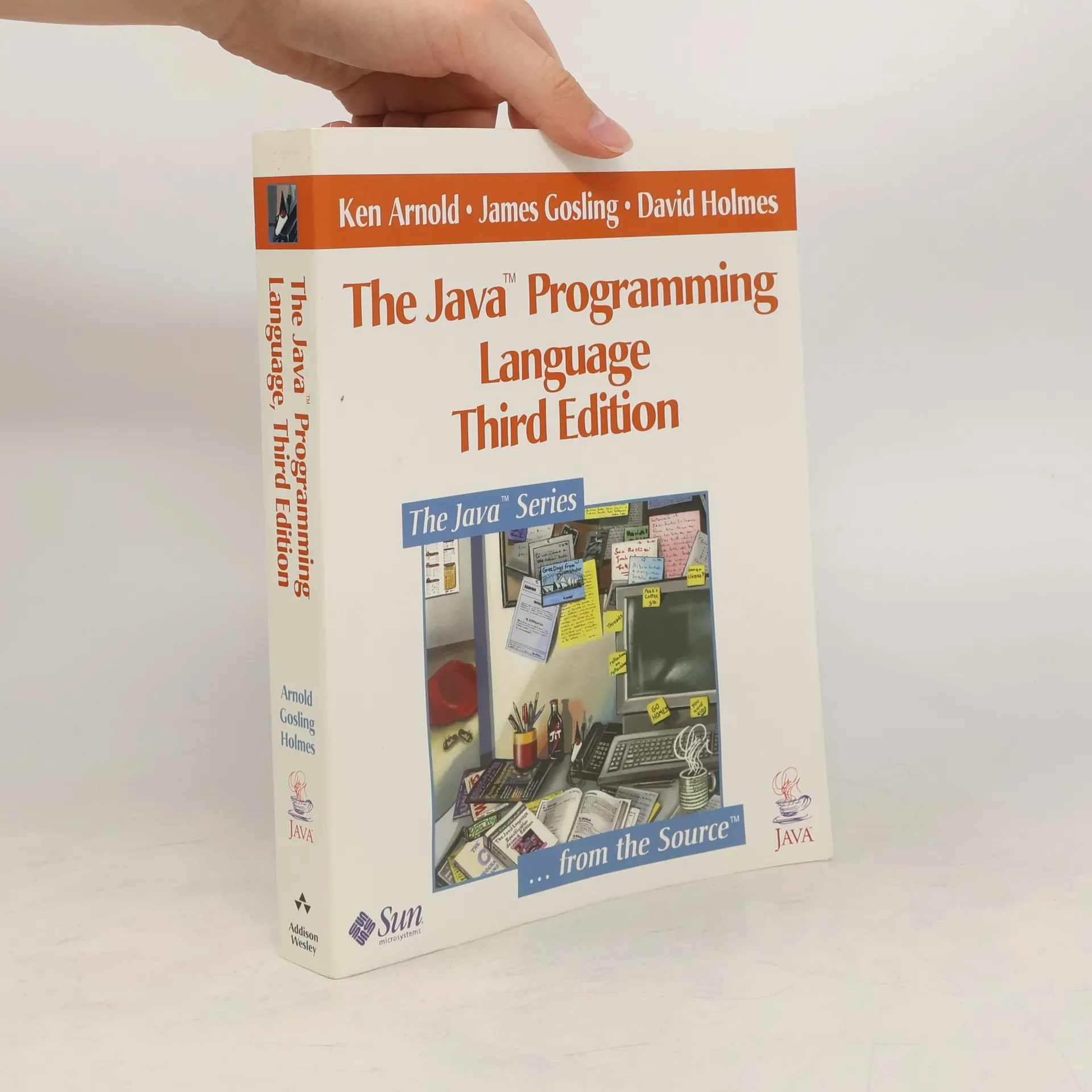
    The Java Programming Language - Third Edition
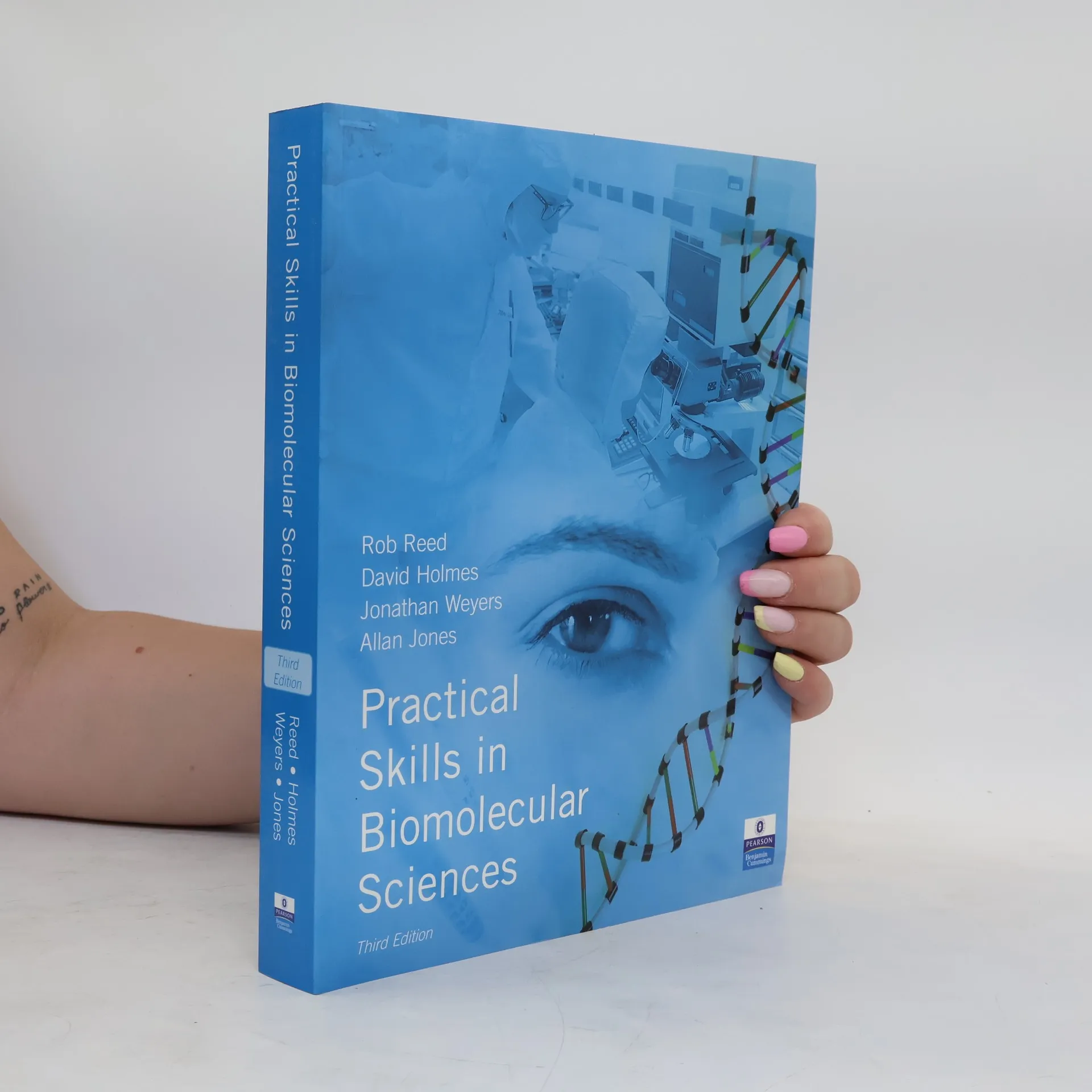
    Practical Skills in Biomolecular Sciences
    The Boy Who Lived
    • The Boy Who Lived

      Harry Potter Changed My Life, with a foreword by Daniel Radcliffe

      • 272pagine
      • 10 ore di lettura

      The narrative centers on David Holmes, who gained fame as Harry Potter's stunt double, showcasing his incredible gymnastic abilities in thrilling sequences. His close bond with Daniel Radcliffe and the cast created a familial atmosphere on set. However, everything changed when a tragic accident during the filming of Deathly Hallows Part 1 left him paralyzed at just 25 years old. The story explores themes of resilience, camaraderie, and the challenges faced by those in the film industry after life-altering events.

      The Boy Who Lived2024
      4,5
    • Communication Theory

      Media, Technology and Society

      • 272pagine
      • 10 ore di lettura

      Exploring the intricacies of how information is transmitted and understood, this book delves into various communication models and theories. It examines the roles of context, culture, and technology in shaping communication processes, highlighting both verbal and non-verbal interactions. The text also addresses contemporary issues in communication, such as media influence and the impact of digital platforms. Rich with examples and case studies, it serves as a comprehensive resource for students and professionals seeking to deepen their understanding of communication dynamics.

      Communication Theory2005
      3,0
    • Practical Skills in Biomolecular Sciences

      Second Edition

      • 538pagine
      • 19 ore di lettura

      Practical Skills in Biomolecular Science, is an indispensable book for undergraduate students in the life sciences. The book provides useful support at all stages of a degree course and underpins any practical course in biochemistry, biomedical science, genetics, immunology and microbiology. It is also a valuable resource for teachers of biology in colleges adn secondary schools. Laboratory and field studies are essential components of undergraduate training in biomolecular science. Pratcical work must be fully understood and effectively presented, but many students under-perform because they lack basic laboratory skills. This book, now in its second edition, continues to provide students with easy-to-use guidance for laboratory and field studies, but in addition it now covers broader transferable skills. As a result the new edition provides guidace and support over the entire range of a typical undergraduate course in biochemistry and biomedical science.

      Practical Skills in Biomolecular Sciences2003
      3,4
    • Direct from the creators of the Java programming language, this Third Edition of The Java Programming Language is a valuable resource for both novice and advanced programmers. More than 100,000 developers who programmed with C, C++, Smalltalk, or other high-level languages have used this book to get a concise, intelligent, and deep understanding of the Java programming language. This book is what you need to understand the basic design goals of the language and the application of the language in real-world development. It provides unique insights into why and how the language was designed and intended to be used. The authors describe the latest version of the language, as defined in the Java Language Specification, Second Edition and implemented in version 1.3 of the Java 2 SDK, Standard Edition. This third edition has been structured to give more in-depth treatment of the newer language features, as well as informative examples on using some of the new APIs. New and/or revised in this edition: *more details on language features, including an expanded section on nested classes *more comprehensive treatment of garbage collection and related programming issues *coverage of new APIs,

      The Java Programming Language - Third Edition2000
      3,5