

Bookbot

David G. Victor

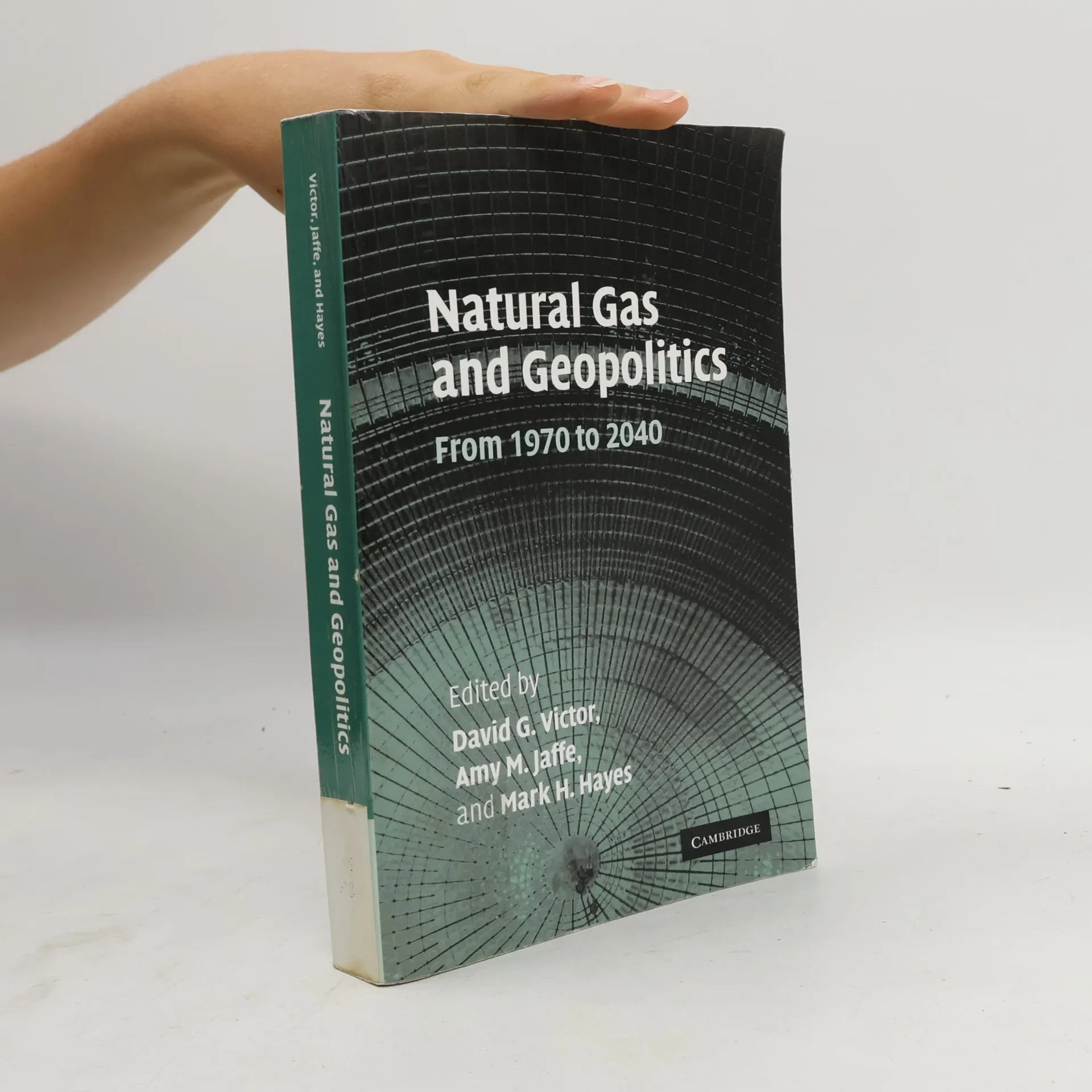
    Natural Gas and Geopolitics
    Fixing the Climate
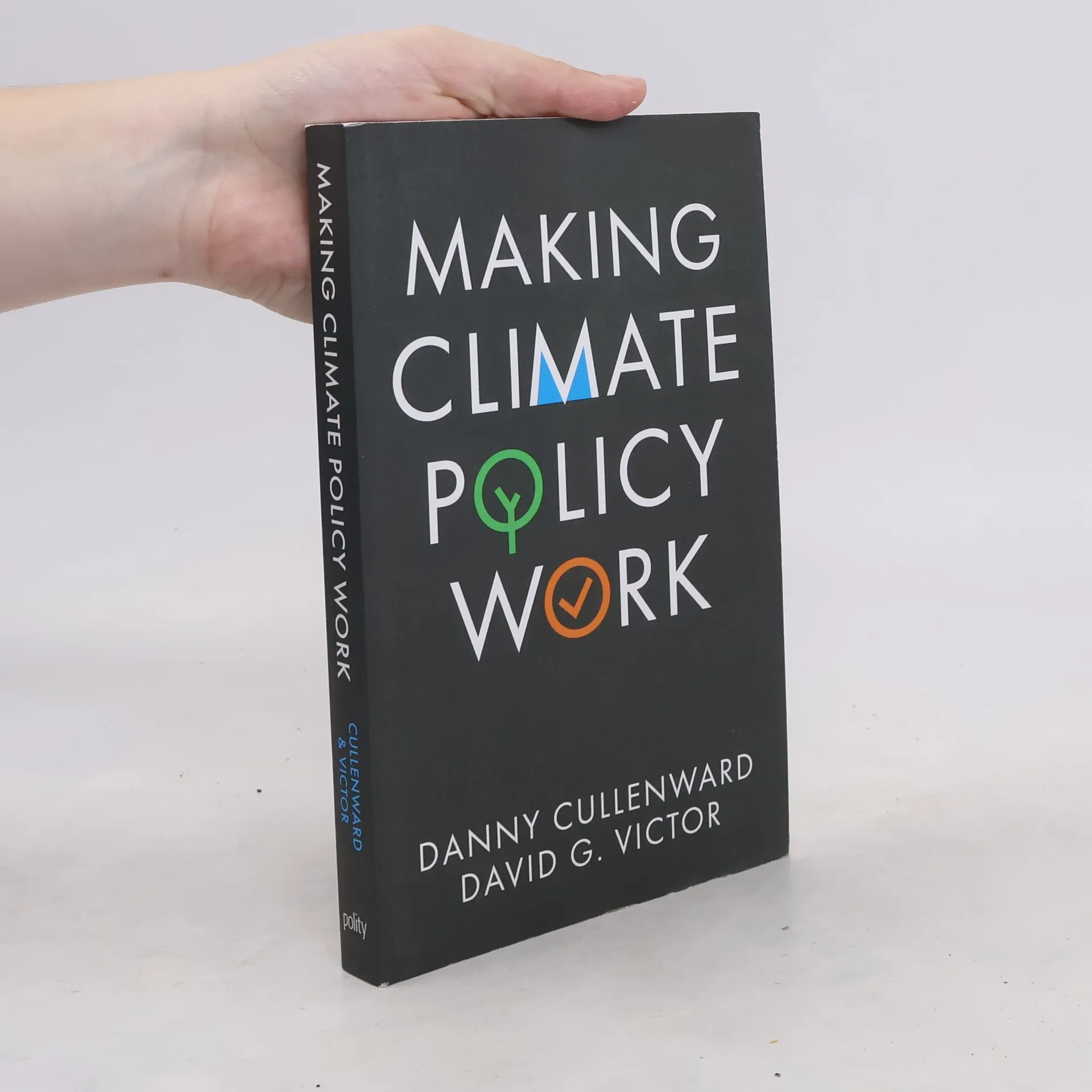
    Making Climate Policy Work
    • Fixing the Climate

      • 256pagine
      • 9 ore di lettura

      The global climate crisis is worsening despite decades of international negotiations, indicating that top-down treaties are insufficient. The solution lies in local partnerships and experimentation, where government and business collaborate to innovate and share effective technologies. Charles Sabel and David Victor illustrate how successful environmental policies, such as the Montreal Protocol and the rise of electric vehicles, emerged from this experimentalist approach. They argue that while the Paris Agreement serves as a framework, real progress will come from local initiatives that push technological boundaries and facilitate the deployment of effective solutions. This perspective reorients our understanding of the climate crisis and offers a roadmap for institutional designs that can achieve the self-sustaining emission reductions that global diplomacy has failed to deliver.

      Fixing the Climate2022
      3,4
    • Making Climate Policy Work

      • 256pagine
      • 9 ore di lettura

      For decades the world’s governments have struggled to move from talk to action on climate. Many now hope that growing public concern will lead to greater policy ambition, but progress depends on sound strategy. Yet the most widely promoted climate policy—the use of market-based programs to reduce climate pollution—hasn’t been working and isn’t ready to scale. Danny Cullenward and David Victor show why the elegant theory of markets has failed to have much impact in practice. The reasons, they argue, are deeply rooted in the politics of creating and maintaining effective markets—forces that have caused low prices and led to few climate benefits in nearly every program to date. These problems are structural and won’t disappear with increasing demand for climate solutions. Confronting them requires counterintuitive reforms, but even reformed markets are unlikely to drive the scale of change needed to stabilize the climate. Facing that reality, Cullenward and Victor argue, requires relying more heavily on regulation and industrial policy—strategies that ultimately turn on strengthened government capacities to deliver the benefits markets promise, but rarely deliver.

      Making Climate Policy Work2020
      4,5
    • Natural Gas and Geopolitics

      From 1970 to 2040

      • 540pagine
      • 19 ore di lettura

      By most estimates, global consumption of natural gas - a cleaner-burning alternative to coal and oil - will double by 2030. However, in North America, Europe, China, and South and East Asia, which are the areas of highest-expected demand, the projected consumption of gas is expected to far outstrip indigenous supplies. Delivering gas from the world's major reserves to the future demand centres will require a major expansion of inter-regional, cross-border gas transport infrastructures. This book investigates the implications of this shift, utilizing historical case studies as well as advanced economic modelling to examine the interplay between economic and political factors in the development of natural gas resources. The contributors aim to shed light on the political challenges which may accompany a shift to a gas-fed world.

      Natural Gas and Geopolitics2008