

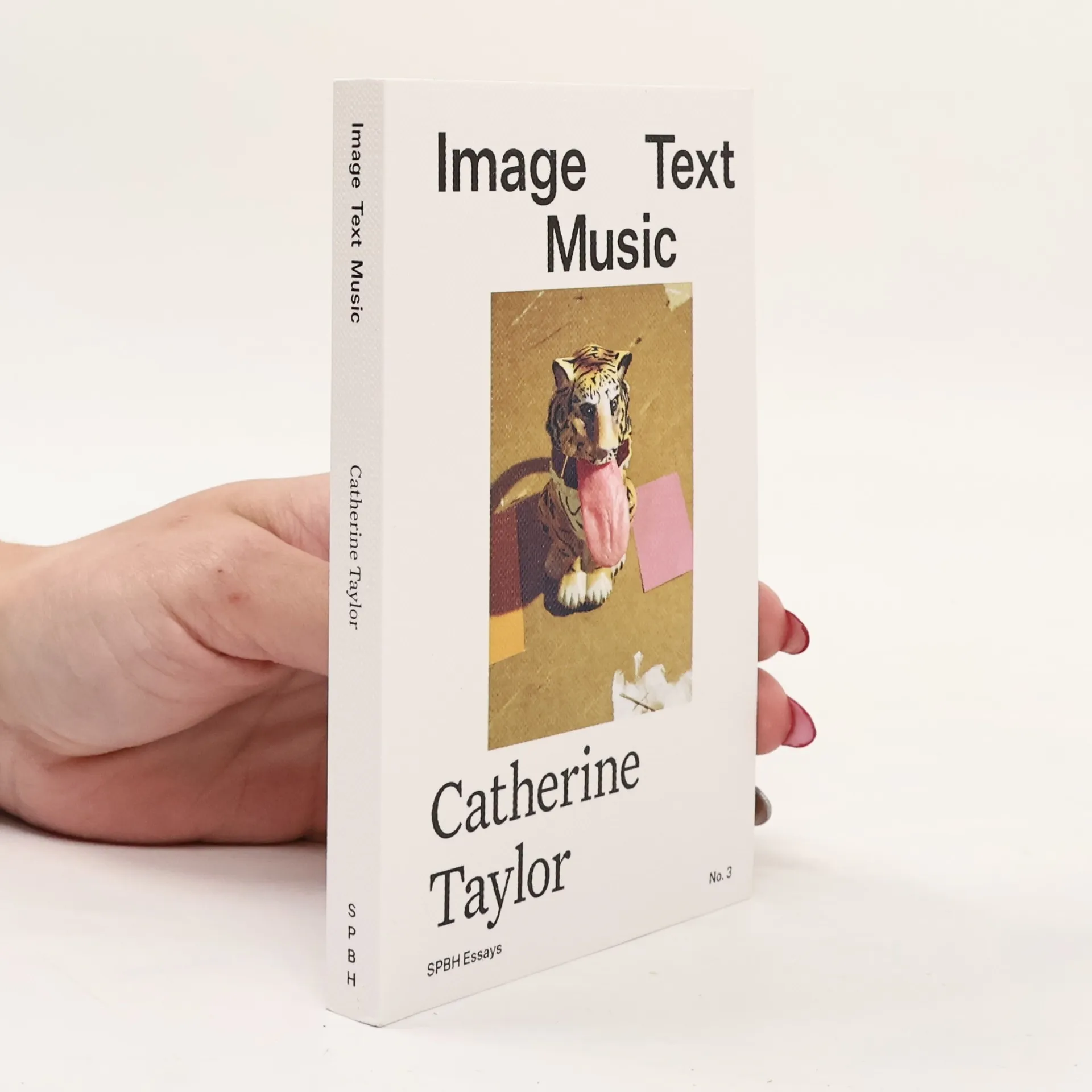
On the unique meaning-making of image-text art In a series of textual and photographic essays, writer and editor Catherine Taylor explores our encounters with the intersection of the visual and the verbal. Taylor riffs on and subverts Roland Barthes' classic 1977 essay collection, Image Music Text, using his title as a playful point of departure for her thinking about the nature of image-text works and the music being made at their intersection. Taylor rejects overarching statements about medium or genre in favor of observing the particular to reveal broader ways of reading that are both familiar and disorientating. These reflections are at once critical and celebratory, dystopian and utopian, investigative and contemplative, didactic and dreamlike. They are imaginings of the world which ask: as we shuttle between linguistic and visual modes of meaning-making, what is the purpose of reinventing forms if not to reinvent ways of living? The author of You, Me, and the Violence, Apart and Giving Birth, Catherine Taylor (born 1964) is a founding editor of Essay Press, and an associate professor in writing at Ithaca College, where she codirects the Image Text MFA. She is also a codirector of ITI Press.
Catherine Taylor Libri

The Stirrings
- 228pagine
- 8 ore di lettura
The Stirrings is a powerful personal memoir of love and violence, anger and feminism, the thrills and terrors of youth - all shot through with poetry, risk-taking and humour
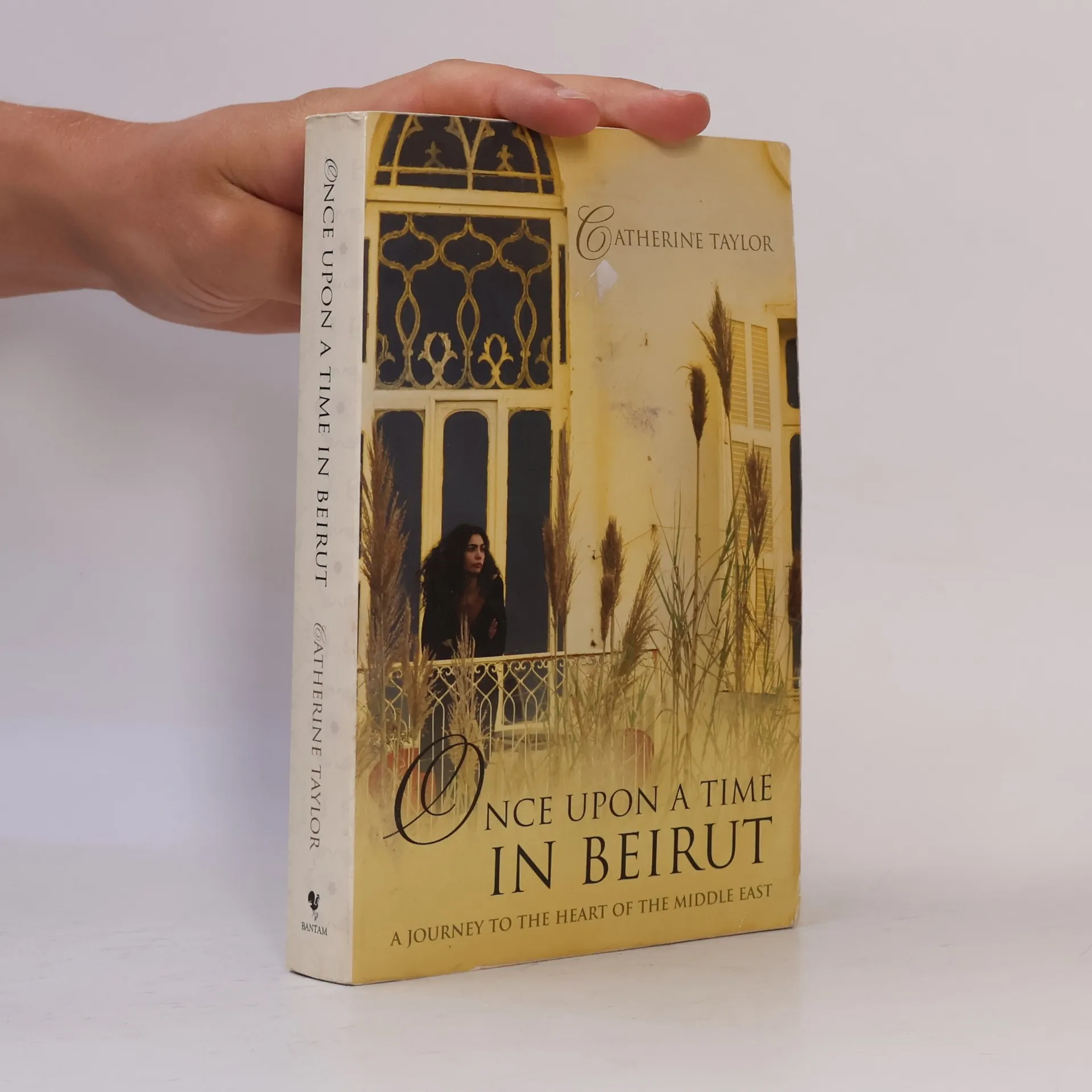
Beirut isn't an obvious home for a young Australian couple, but when the opportunity arose for journalist Catherine Taylor and her husband to move to Lebanon, they didn't think twice about leaving their comfortable life in Sydney. Catherine soon fell in love with the Paris of the Middle East and became fascinated by the complexity of its people: their exuberant and loving nature seemed to belie the many dark years of bloodshed and conflict they'd endured. She set about trying to understand the region, interviewing the wives of suicide bombers, Lebanese hashish farmers, stricken Palestinians on the West Bank, female boxing contestants in Cairo, Hezbollah fighters, and even Osama bin Laden's best friend. She also witnessed firsthand the impact of 9/11 on the region. Gradually she learnt to negotiate these very different cultures with humour and more than the occasional faux pas. When she reluctantly left after several years she vowed to return. In 2006, after the violence flared up again between Israel and Lebanon, she went back to see how her adopted country and friends had coped, and how, with their remarkable resilience, they saw the way forward.