Bookbot

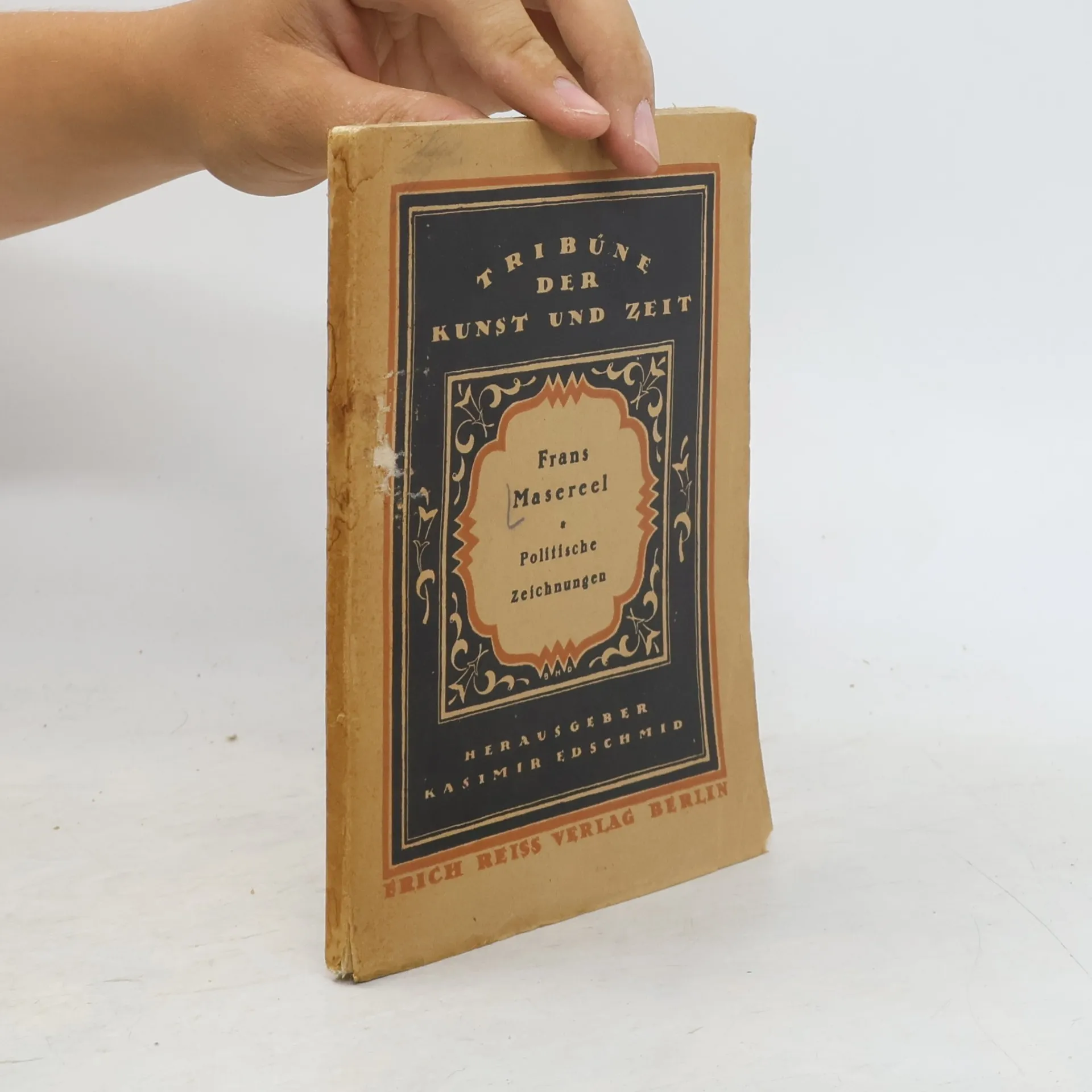
Frans Masereel

    31 luglio 1889 – 3 gennaio 1972

    Frans Masereel fu un pittore e incisore fiammingo, celebrato soprattutto per le sue magistrali xilografie. La sua opera, spesso intrisa di una forte critica sociale e di un ideale umanista, esplora le tensioni tra l'individuo e il collettivo. È particolarmente rinomato per le sue xilografie a pagina intera e come pioniere del moderno romanzo senza parole, un mezzo di narrazione visiva che ha esplorato con eccezionale abilità e risonanza emotiva.

    Frans Masereel
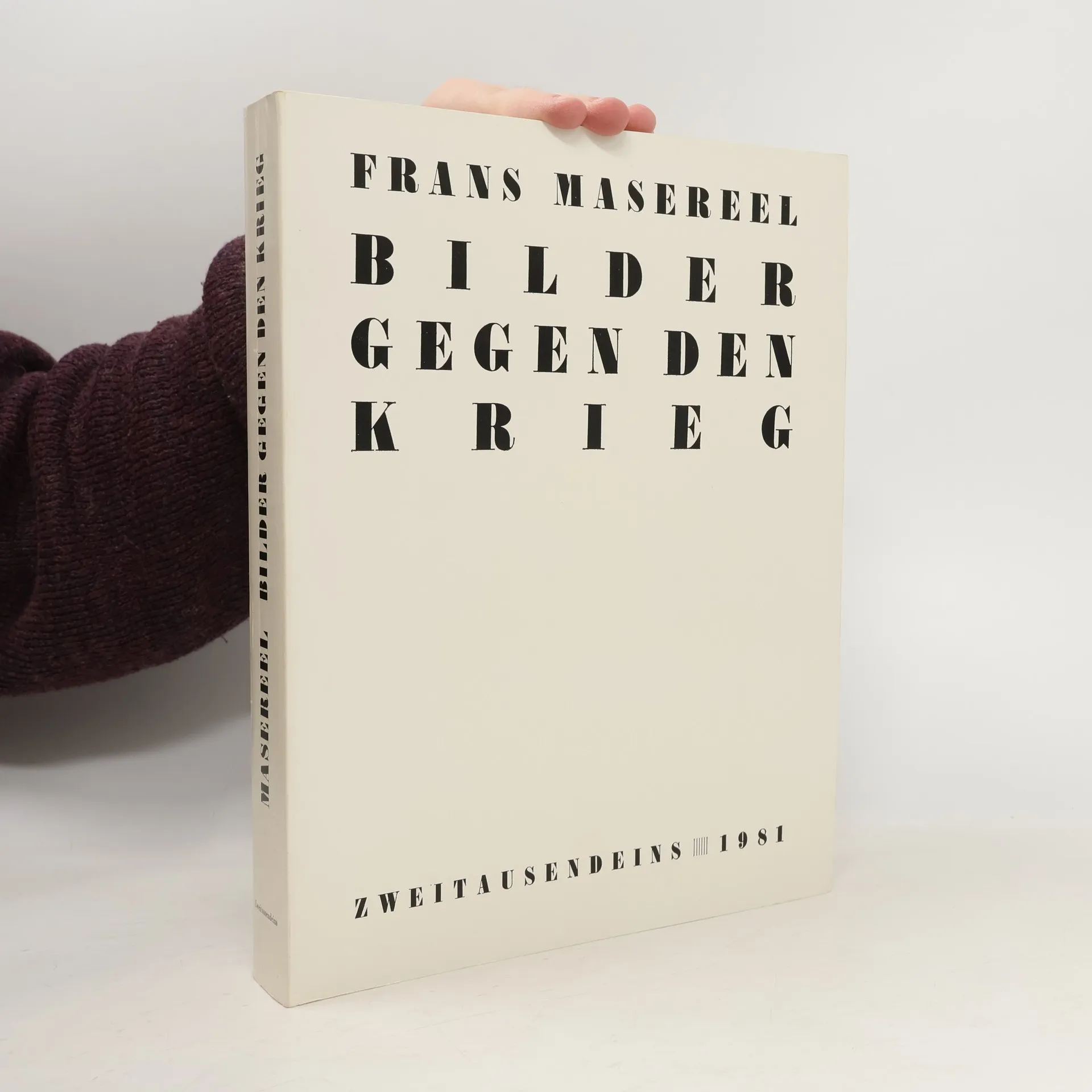
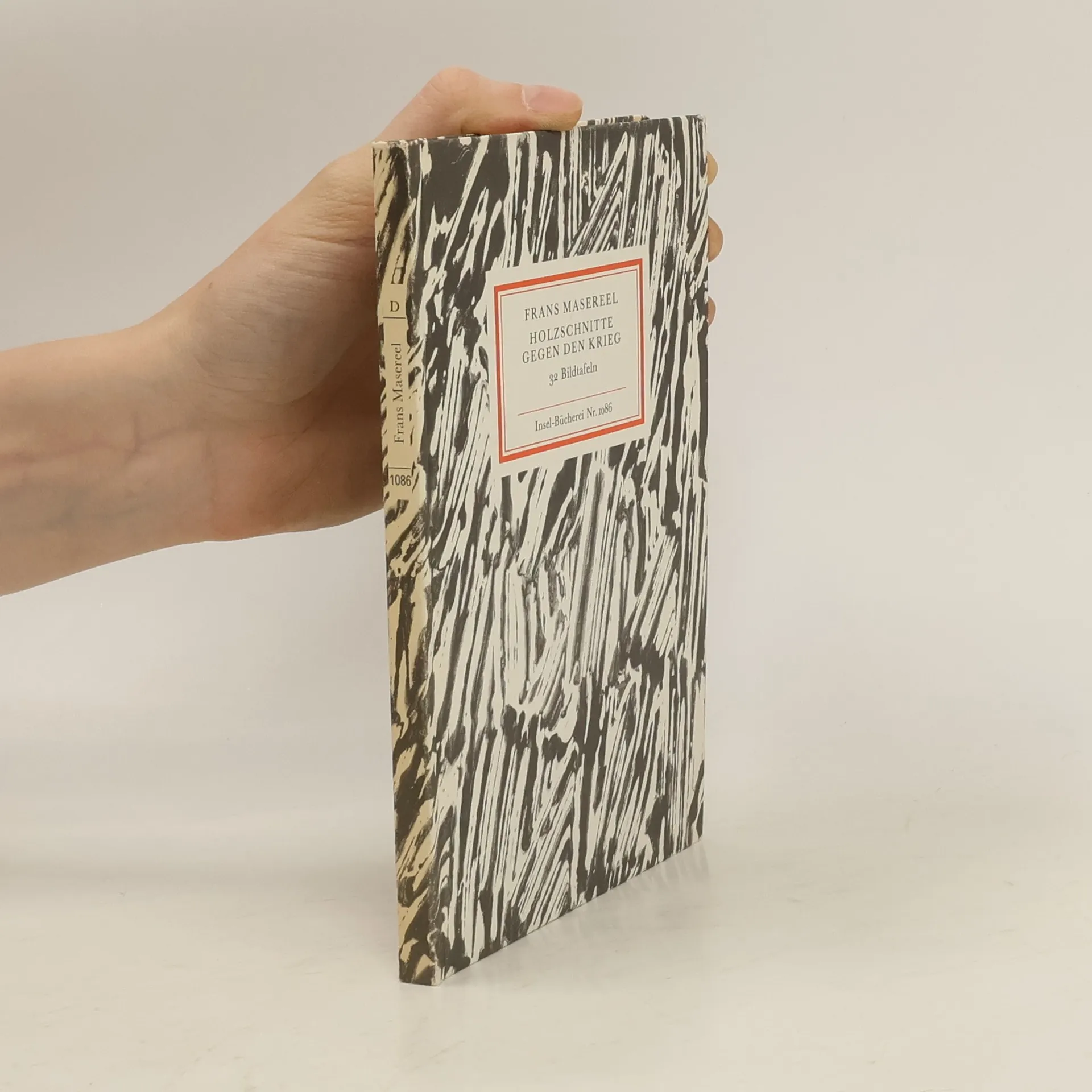
    Holzschnitte gegen den Krieg
    Germinale
    China Memories
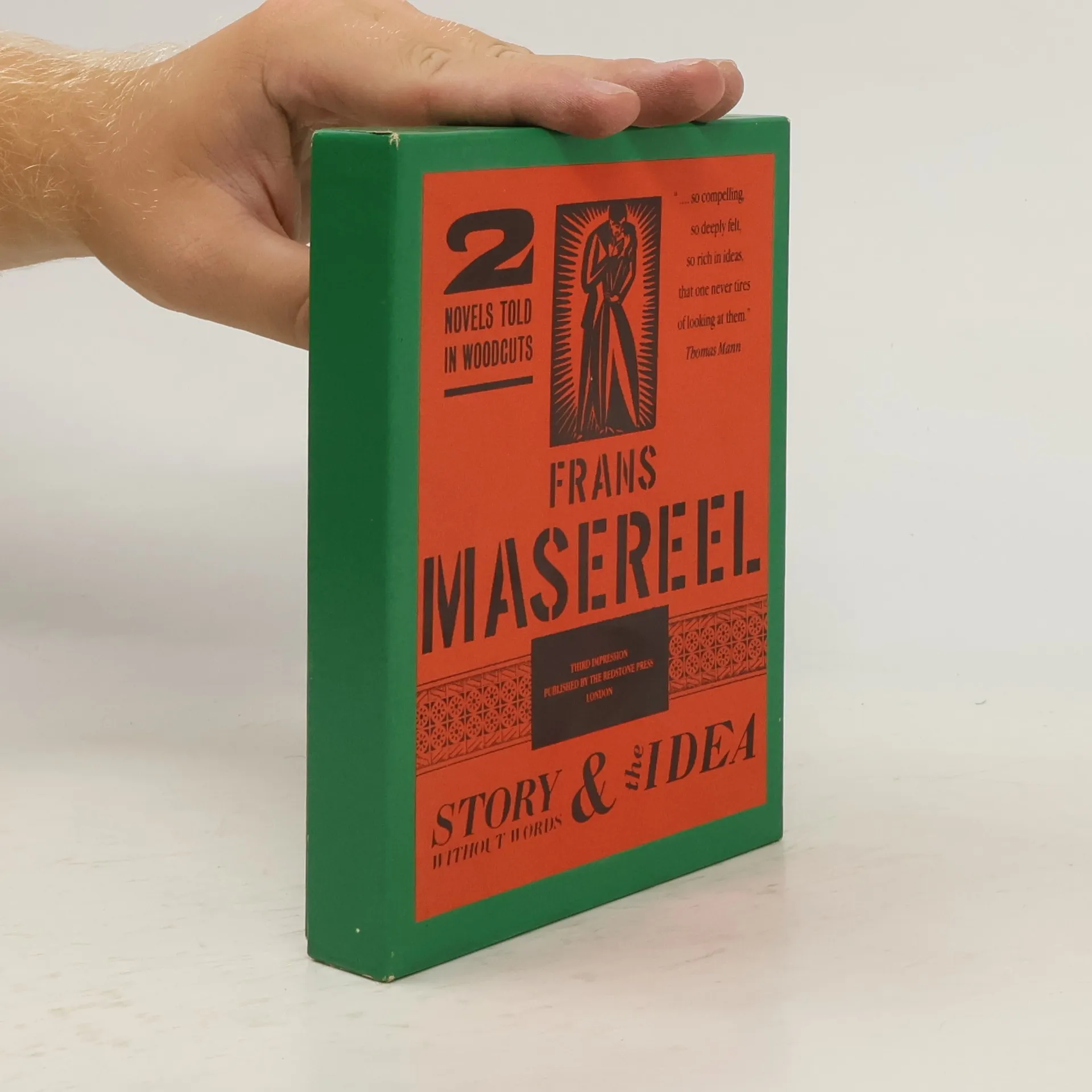
    The Idea / Story Without Words: Third Impression
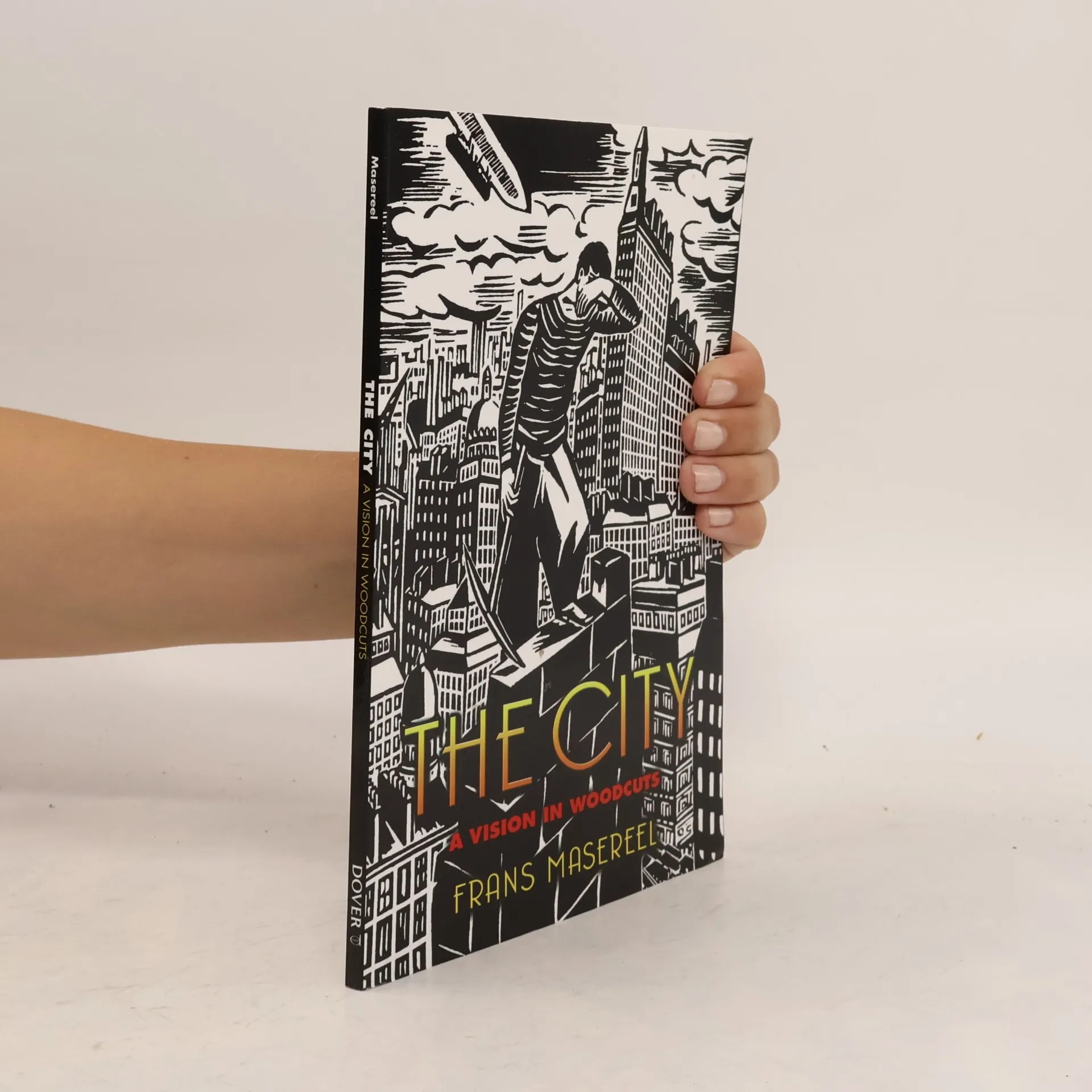
    The City A Vision In Woodcuts
    • The City A Vision In Woodcuts

      • 112pagine
      • 4 ore di lettura

      "An absolute song for an ongoing visit with timelessness." — The New York TimesThis graphic novel by an Expressionist master offers a stunning depiction of urban Europe between the world wars. First published in Germany in 1925, it presents unforgettable images from the tense and dynamic Weimar period, rendered in 100 woodcuts of remarkable force and beauty.A pacifist during World War I, Belgian-born Frans Masereel (1889-1972) sympathized with the struggles of the working classes and strived to make his art accessible to ordinary people. His evocative woodcuts convey scenes of work and leisure, wealth and deprivation, and joy and loneliness. Banned by the Nazis, Masereel's works were championed in Communist countries; however, the artist steered clear of political affiliations. His clarity of vision transcends any propagandist use of the images, which stand as timeless indictments of oppression and injustice.Thomas Mann described Masereel's works as "so strangely compelling, so deeply felt, so rich in ideas that one never tires of looking at them." Epic and unflinching in its scope, The City continues to influence modern fine and graphic art, while recapturing the mood of a vanished era.
      The City A Vision In Woodcuts
      4,3
    • Created in the 1920s by the acclaimed wood-engraver Frans Masereel, this book contains two picture novels in one. The Idea depicts the life cycle of an idea, as personified by a naked woman, struggling in the streets of an industrialized city peopled by politicians and businessmen who try to use and destroy her. Story Without Words is a tale of unrequited love and courtship, its images rich with symposium.

      The Idea / Story Without Words: Third Impression
      4,0
    • Germinal (1885) è il tredicesimo romanzo del ciclo di venti opere di Émile Zola sulla dinastia Rougon-Macquart. Racconta la storia di Étienne Lantier, appartenente al ramo illegittimo della famiglia, che arriva nel villaggio minerario di Montsou e osserva in prima persona le condizioni terribili in cui vivono e lavorano i minatori. Coinvolto in una aspra disputa tra i minatori e i loro datori di lavoro, alla fine guida lo sciopero che è il fulcro del romanzo. Ma questa è più di una lotta tra lavoro e capitale. È anche la lotta dei affamati contro i benestanti, contro la passività e la rassegnazione tramandate attraverso generazioni di persone affamate, e infine contro la fame stessa, rappresentata dal mostro fantastico che divora la miniera, che inghiotte gli uomini, proprio come la bestia dell'economia industriale moderna inghiotte inesorabilmente il capitale. Questo apparente pessimismo sulla società è bilanciato dalla possibilità di rinascita e rigenerazione. Nonostante la miseria ereditata degli oppressi, il vecchio ordine potrebbe un giorno essere rovesciato.

      Germinale
      4,5
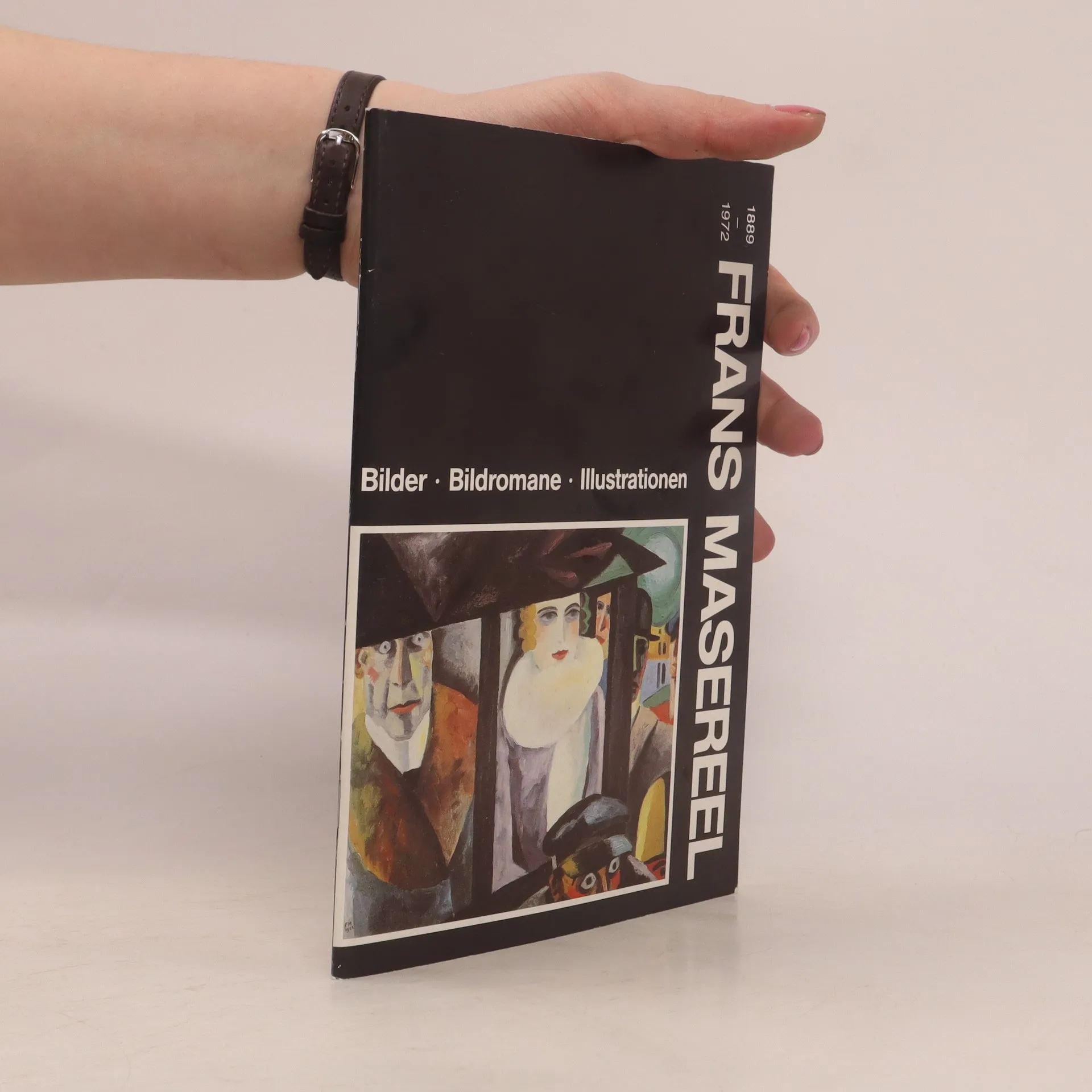
    • Monographie de l'artiste belge Frans Masereel.

      Frans Masereel
      4,0
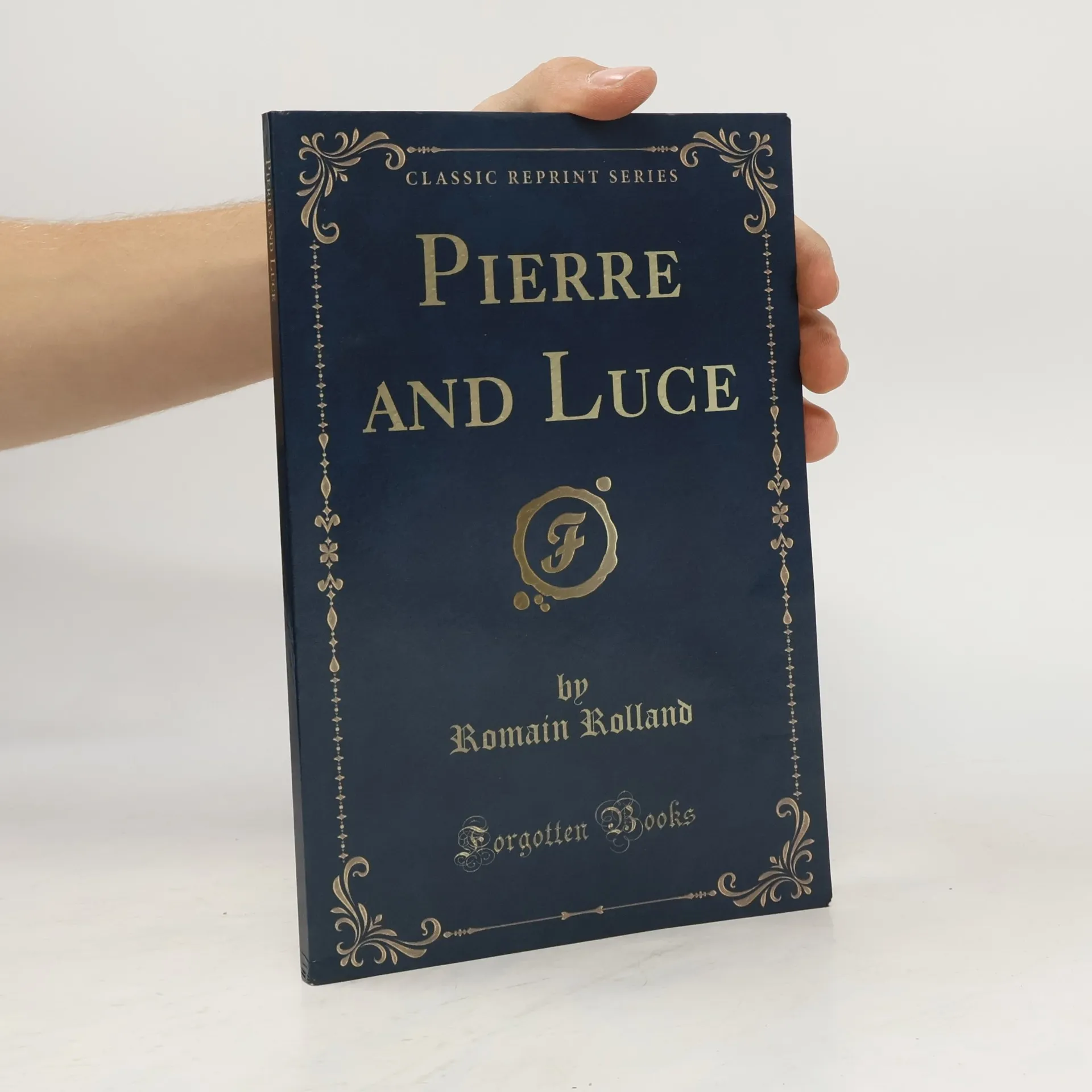
    • Excerpt from Pierre and Luce Pierre plunged into the subway. A feverish, a brutal crowd. On his feet near the door, closely pressed in a bank of human bodies and sharing the heavy atmosphere passing in and out of their mouths, he stared without seeing them at the black and rumbling vaults over which flickered the shining eyes of the train. The same heavy shadows lay in his mind, the same gleams, hard and tremulous. About the Publisher Forgotten Books publishes hundreds of thousands of rare and classic books. In rare cases, an imperfection in the original, such as a blemish or missing page, may be replicated in our edition. We do, however, repair the vast majority of imperfections successfully; any imperfections that remain are intentionally left to preserve the state of such historical works.

      Classic Reprint Series: Pierre and Luce
      3,7
    • Jeunesse

      • 620pagine
      • 22 ore di lettura

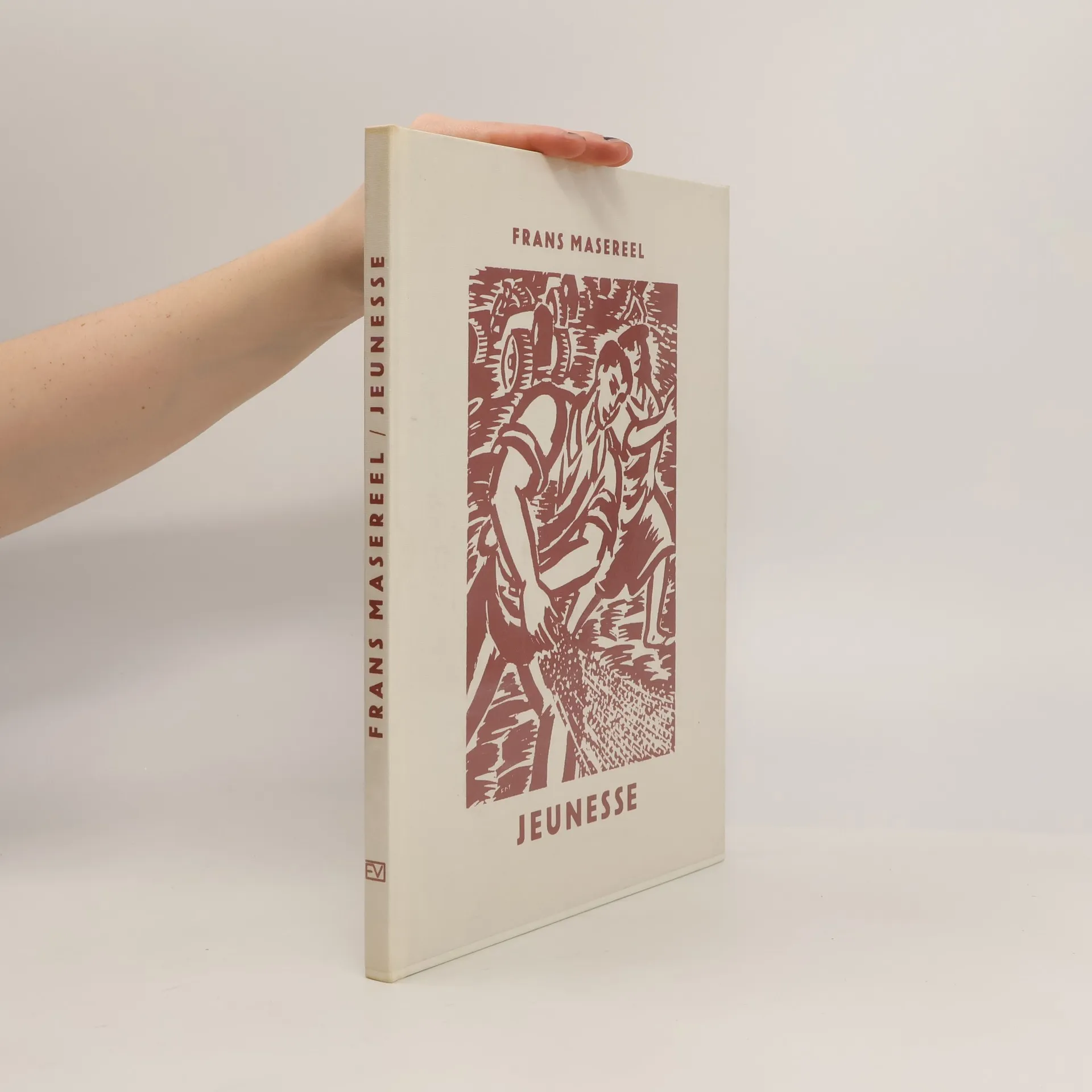
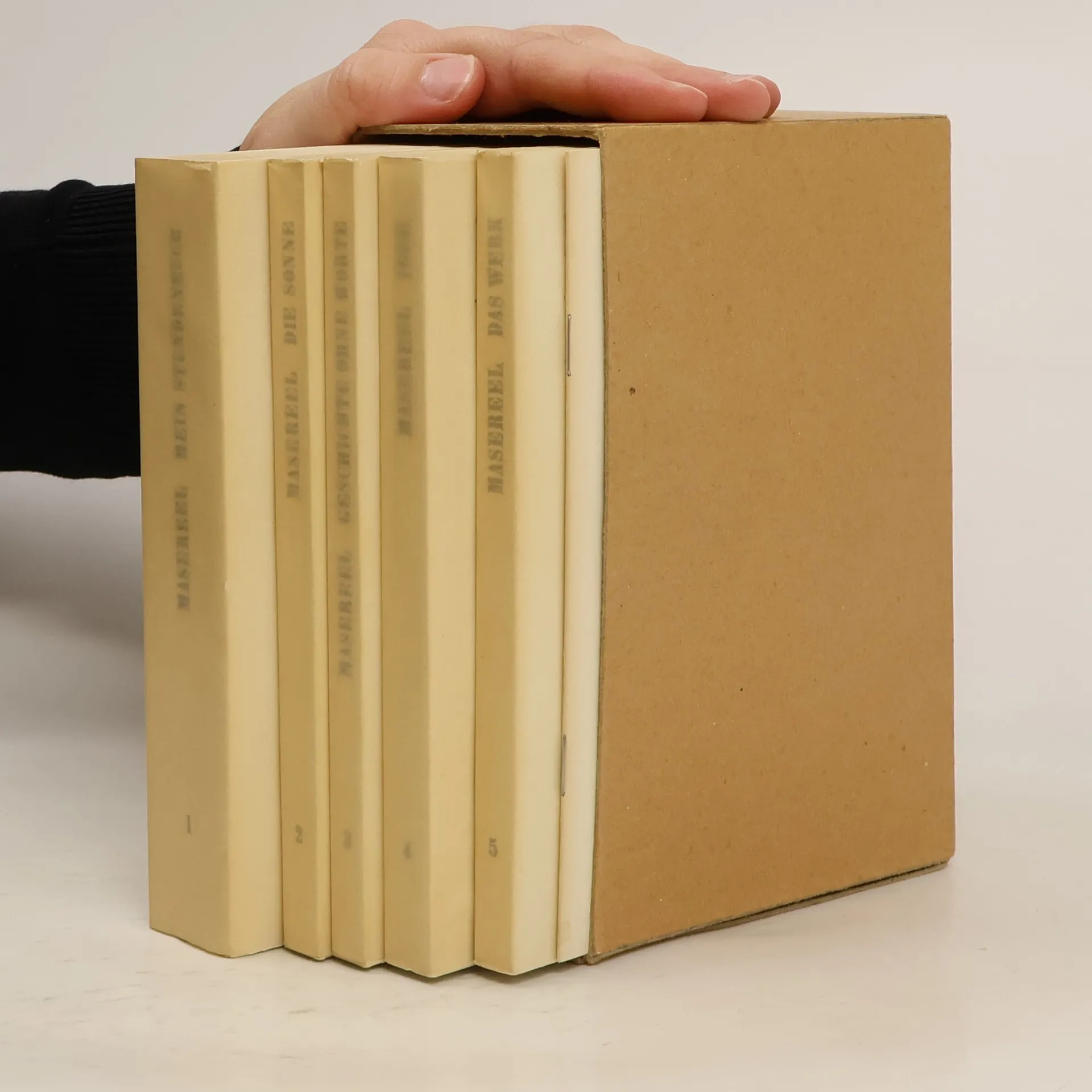
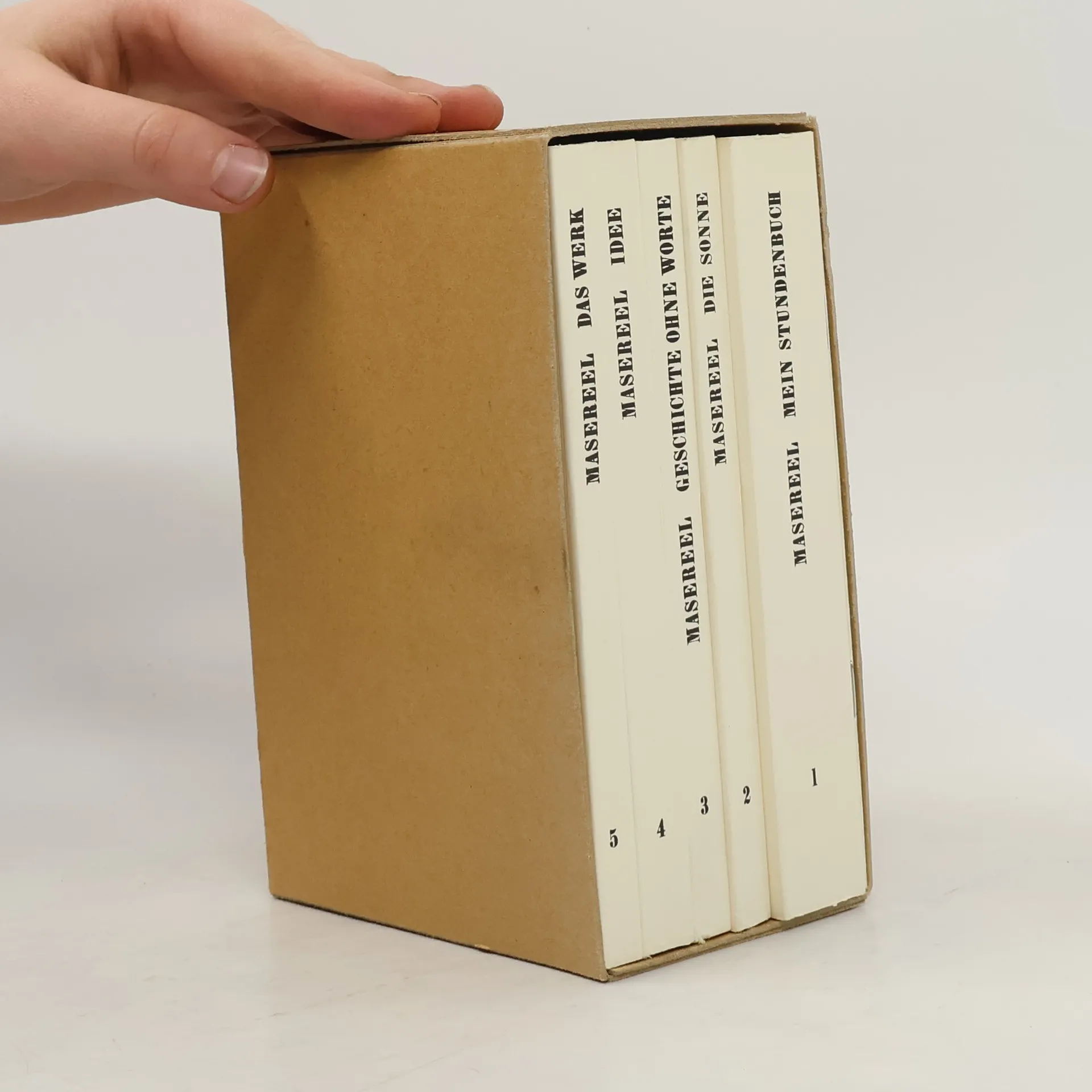
      1986 63 Seiten mit der Abbildung von 22 Holzschnitten, illustrierter OLeinenband mit Klarfolienumschlag und Kartonschuber, 28,6 x 20,6 cm Europaverlag, Woien - München - Zürich,

      Jeunesse
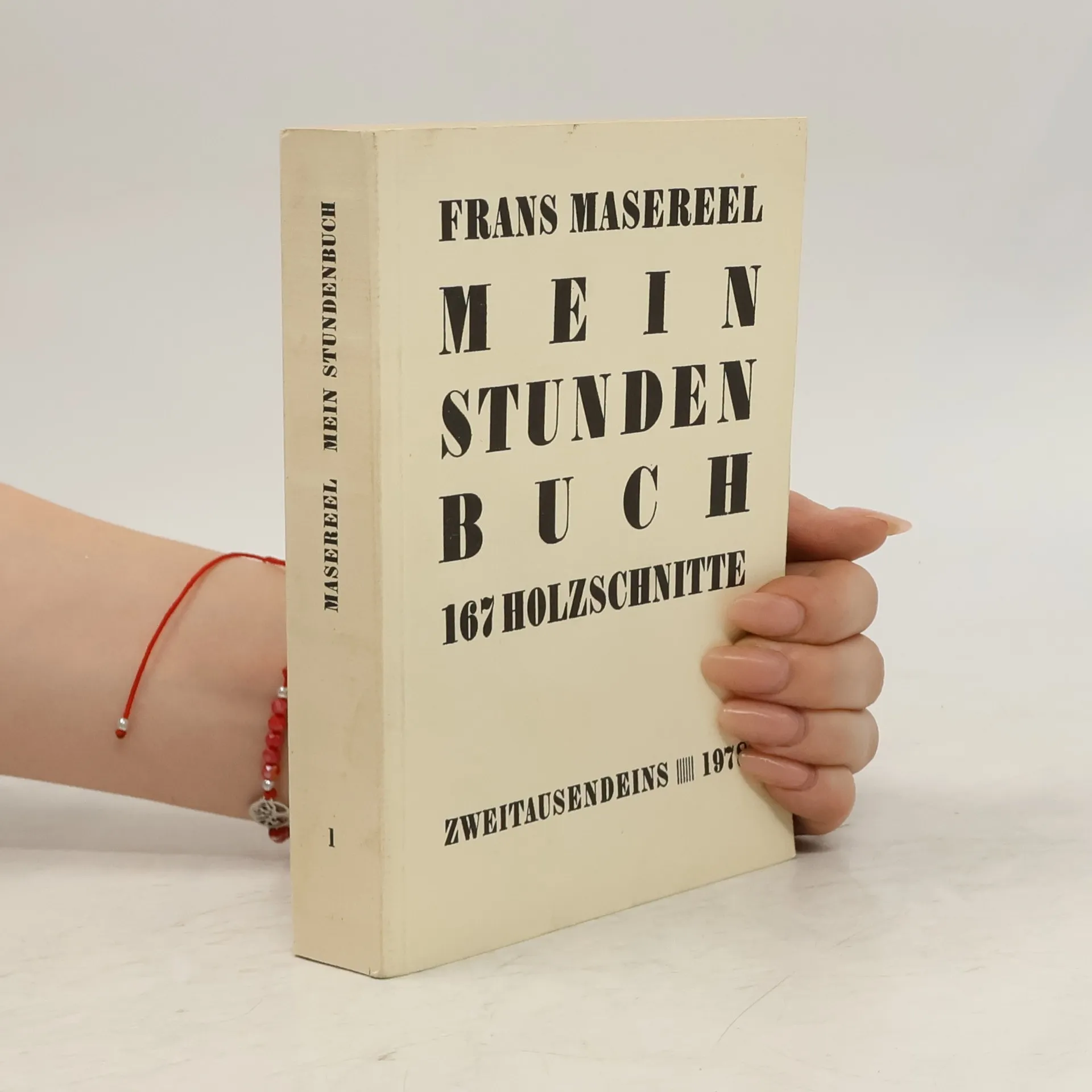
    • Die Geschichte folgt dem Leben eines prototypischen Jedermann des frühen 20. Jahrhunderts, nachdem er in eine Stadt eingetreten ist. Sie ist mal komisch, mal tragisch; eine kranke Frau, um die sich der Mann kümmert, verliert ihr Leben; der Mann furzt vor einer Gruppe von Geschäftsleuten; und er wird von einer Prostituierten, in die er sich verliebt hat, zurückgewiesen. Er unternimmt auch Reisen zu verschiedenen Orten auf der Welt. Am Ende verlässt der Mann die Stadt und geht in den Wald, hebt die Arme zur Lobpreisung der Natur und stirbt. Sein Geist erhebt sich von ihm, stampft auf das Herz seines toten Körpers und winkt dem Leser zu, während er sich ins Universum aufmacht.

      Mein Stundenbuch
    • Mit einer Einleitung v. Hesse, Hermann 83 Holzschnitte.

      Die Idee
    • Frans Masereel

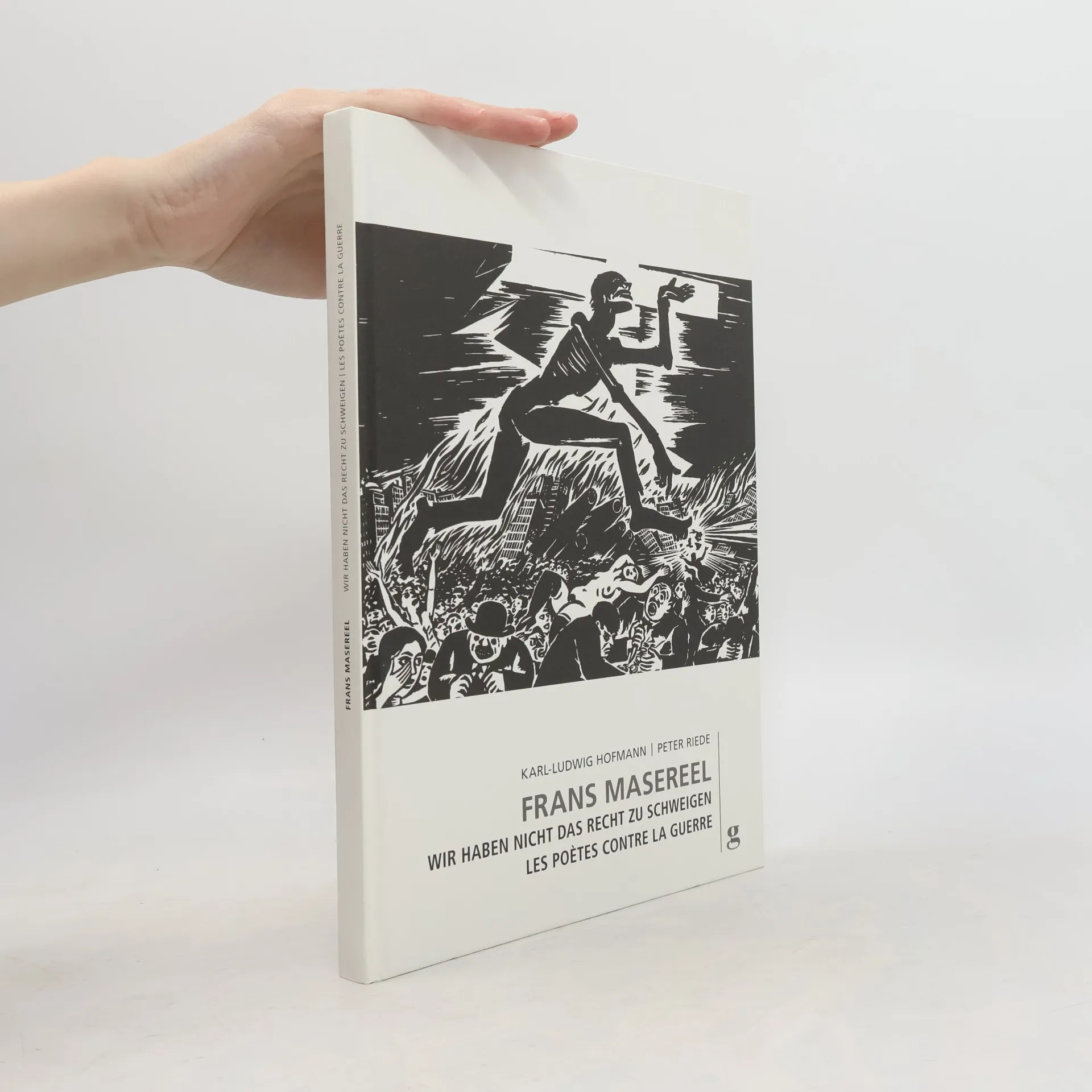
      Wir haben nicht das Recht zu Schweigen : Les poètes contre la guerre

      • 140pagine
      • 5 ore di lettura

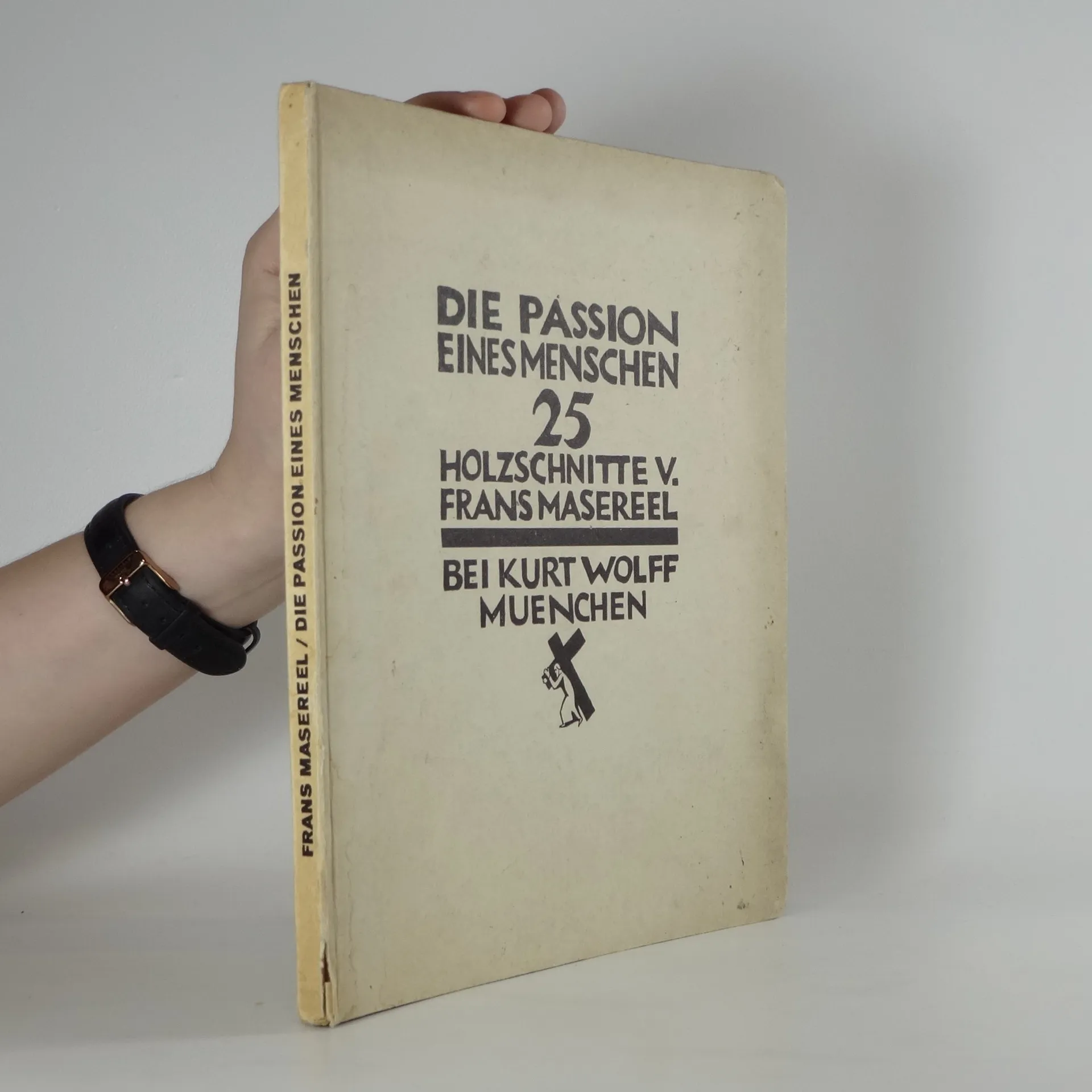
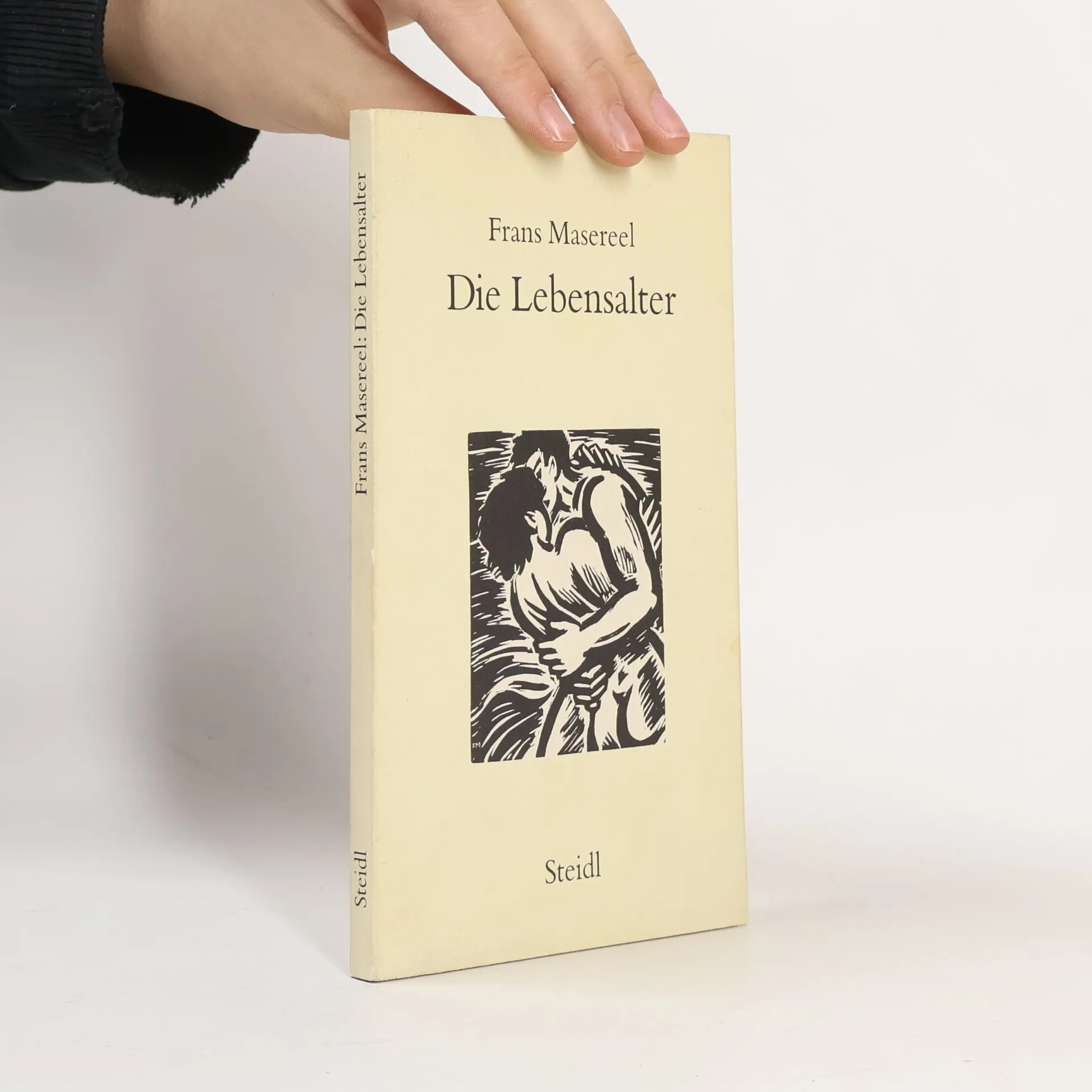
      Frans Masereel setzte sich zeitlebens künstlerisch und politisch für eine freie, solidarische Gesellschaft ein. Durch Holzschnitte, Zeichnungen, Aquarelle und Gemälde stellte er soziale und politische Realitäten dar und trat für Frieden und Gerechtigkeit ein. Er beschrieb sein Werk als ein Plädoyer für die Unterdrückten und gegen die Unterdrücker, für Brüderlichkeit und gegen Spaltung, sowie für den Frieden und gegen Kriegshetzer. Der Blick auf sein bewegtes Leben und umfangreiches Werk, präsentiert von Karl-Ludwig Hofmann und Peter Riede, soll an die verheerenden Weltkriege erinnern, die durch zahlreiche Gedenktage ins öffentliche Bewusstsein rücken, sowie an die anhaltenden Konflikte, die ein friedliches Miteinander der Menschheit verhindern. Der zweite Teil des Buches widmet sich Masereels Beziehungen zu Literaten, die wie er die Schrecken des Krieges thematisierten. Dazu zählen Autoren wie René Arcos, Johannes R. Becher, Bertolt Brecht, Hermann Hesse und Thomas Mann, deren Werke er illustrierte oder die seine Bilderzyklen besprachen. Dies verdeutlicht das künstlerische Netzwerk von Kriegsgegnern aus verschiedenen europäischen Ländern. Rund 170 Werke Masereels sowie Fotos und Zeitdokumente bereichern den Band.

      Frans Masereel
    • Idea

      • 180pagine
      • 7 ore di lettura

      IDEA to historia idei, która rodzi się w umyśle mężczyzny doświadczającego olśnienia. Przyjmuje postać kobiety, nagiej jak prawda, którą twórca umieszcza w kopercie i wysyła w świat. Odbiorcy, odkrywając ją, są zszokowani i spieszą się, by ją ubrać. Jednak Idea nie ma nic do ukrycia, buntuje się, zrywa ubrania i ucieka ulicami obcego miasta. Rozprzestrzenia się w prasie i książkach, wzbudzając gniew władz, co prowadzi do autodafe. Mimo to, Idea jest odporna na ogień głupoty, wstaje z płomieni i wykorzystuje nowoczesne środki komunikacji, by jeszcze szybciej siać panikę i chaos w społeczeństwie. Po zakończeniu swojej misji wraca do swojego twórcy. Powieść graficzna ukazała się w 1920 roku w Paryżu i zdobyła ogromną popularność w środowisku artystycznym. Frans Masereel dążył do tego, by jego książki były dostępne dla wszystkich. Jego marzenie spełniło się w 1926 roku, gdy książka została wznowiona w przystępnym wydaniu. Wydawnictwo LOKATOR po 104 latach od pierwszego francuskiego wydania publikuje to dzieło po raz pierwszy na polskim rynku w limitowanym nakładzie 853 numerowanych egzemplarzy, otwierając serię albumów graficznych belgijskiego twórcy.

      Idea