

Bookbot

David Mellor

    Bill Brandt
    Alien Nation
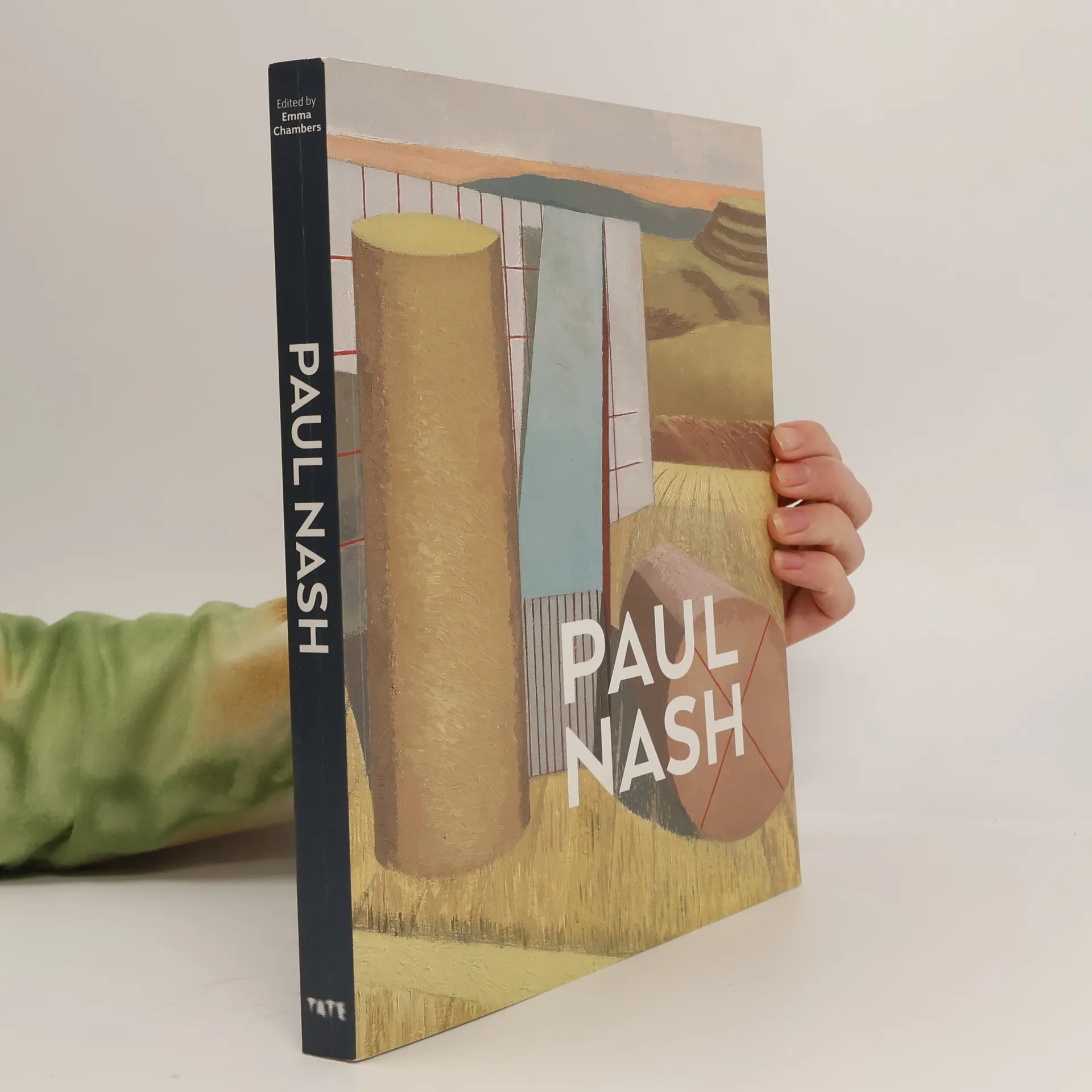
    Paul Nash
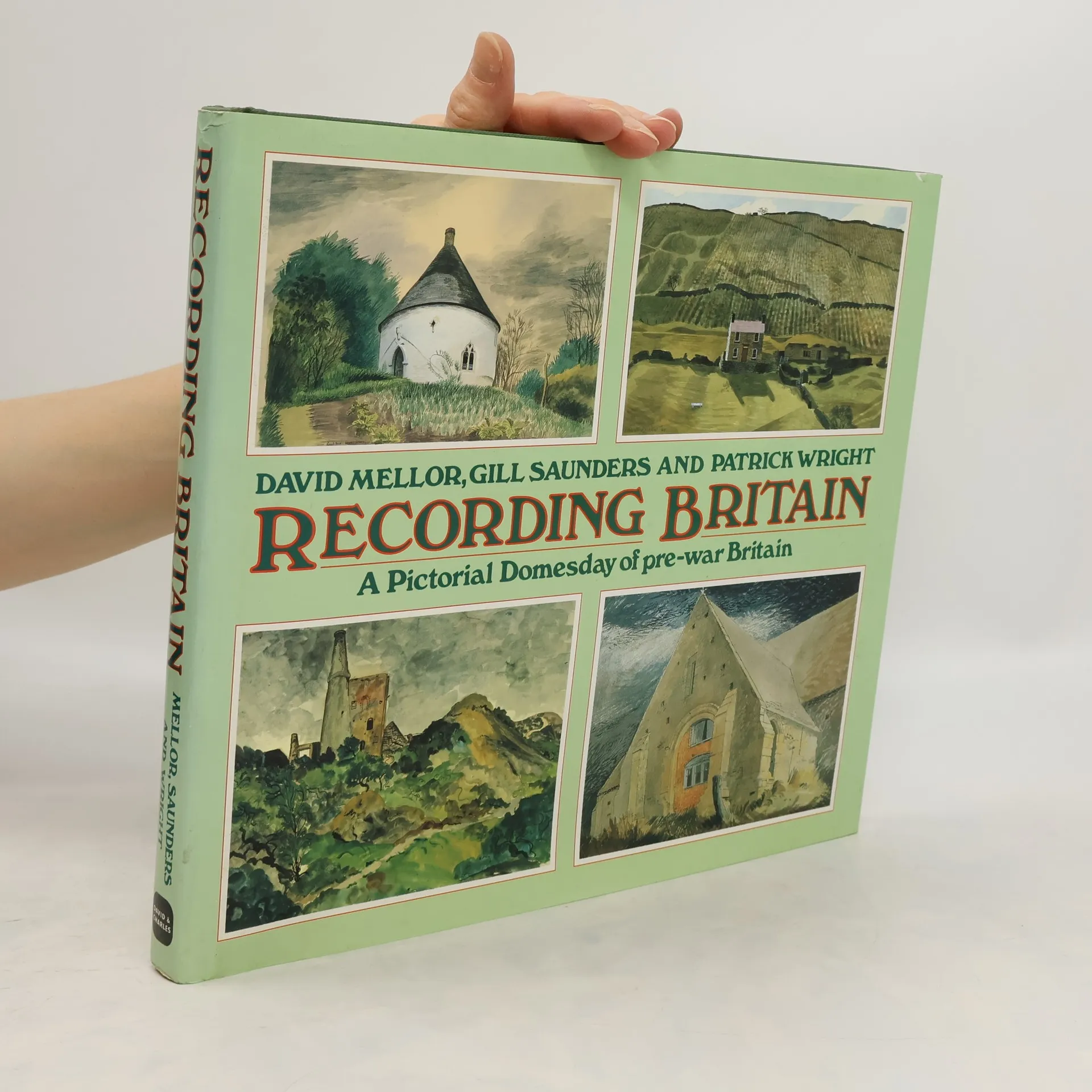
    Recording Britain
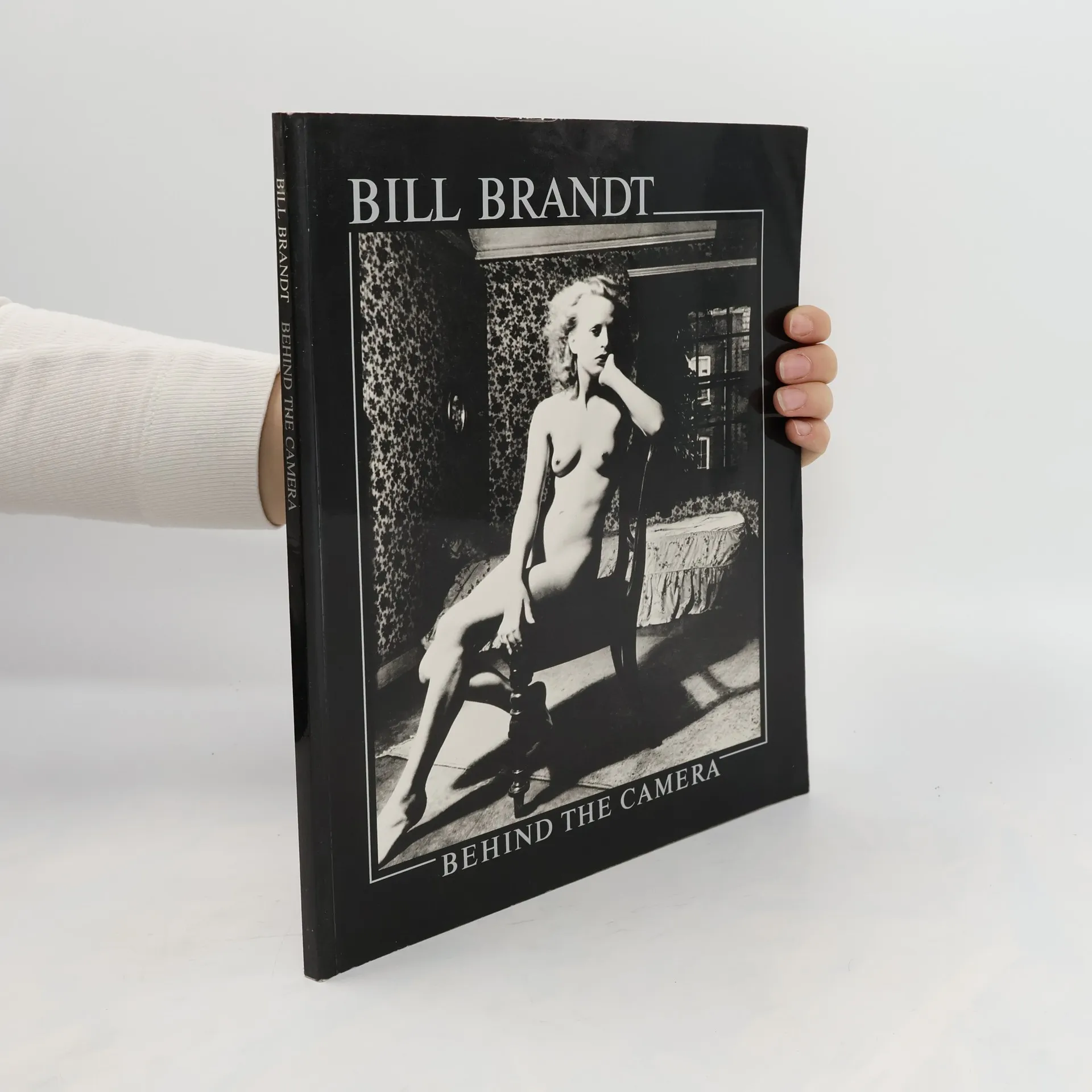
    Bill Brandt, Behind the Camera
    • Bill Brandt, Behind the Camera

      • 100pagine
      • 4 ore di lettura

      Acknowledged as a master of twentieth-century photography and the greatest British photographer, Bill Brandt left an indelible mark on the medium during a career that spanned more than 50 years. Trained in Man Ray's Paris studio, Brandt returned to England and produced a body of work that ranged from portraits of upper-crust society to views of the poverty of the industrial north. During the Blitz of World War II Brandt created an epic picture of blacked-out London, with images of bomb-damaged landmarks and residents sheltering in underground subway stations. After the war, he began a series of nude studies using lens distortions and unusual points of view to interpret the female form in new ways. He also photographed the movers and shakers of the English art scene, from Alec Guinness to David Hockney, and, for a series called Literary Britain , he toured the country tracking down landscapes that had been influential to important British writers.Mark Haworth-Booth, curator of photography at London's Victoria and Albert Museum, provides a contextual overview and information on Brandt's working methods and biography. David Mellor, professor of art history at the University of Sussex, offers cogent interpretations of the larger significance of Brandt's themes and preoccupations.

      Bill Brandt, Behind the Camera
      4,2
    • Recording Britain

      • 162pagine
      • 6 ore di lettura

      In 1940 the familiar British landscape was under attack, not only from the imminent threat of German bombers but also from rapid urban development. The Ministry of Labour, in association with the Pilgrim Trust, commissioned many of Britain's foremost artists to paint a record of the changing face of the country. This record of more than 1500 watercolours was given into the care of the Victoria & Albert Museum and this book presents more than 100 of these paintings. Artists featured include John Piper, Kenneth Rowntree, Barbara Jones, Rowland Hilder and Sir William Russell Flint.

      Recording Britain
      3,0
    • Paul Nash

      • 192pagine
      • 7 ore di lettura

      Published on the occasion of the exhibition Paul Nash, Tate Britain, London, 26 October 2016 - 5 March 2017.

      Paul Nash
      4,0
    • Alien Nation

      • 120pagine
      • 5 ore di lettura

      "Alien Nation" explores the ways the metaphor of the alien (little green man) has been used to process the reality of the alien (illegal or otherwise). If the cinema of the 1950s and 60s sublimated the fear of atomic catastrophe or communist attack into interplanetary drama, the more recent work collected here uses elements of that retro sci-fi world as powerful metaphors for our deep-seated fears of the Other, the foreigner--the increasingly frequently decried "invasion" of immigrants, or just the presence of people of different skin colors and beliefs. Among the 12 international contemporary artists showcased are Laylah Ali, Kori Newkirk and Yinka Shonibare. They and their compatriots explore themes of otherness and difference in film, sculpture, painting, photography and installation. Their interplanetary visitors--which might be built from Christmas ornaments, like Marepe's untitled creature, or sewn from African cloth, like Shonibare's "Dysfunctional Family"--are illustrated alongside film stills and posters from the 1950s and 60s, a glossary of alien names from those films, several thoughtful essays and interviews with the participating artists. A timely, ambitious and thought-provoking exploration of the complex relationship between fiction, race and contemporary art.

      Alien Nation
    • Bill Brandt

      Behind the Camera - Aperture Monograph

      • 100pagine
      • 4 ore di lettura

      Acknowledged as a master of twentieth-century photography and the greatest British photographer, Bill Brandt left an indelible mark on the medium during a career that spanned more than 50 years. Trained in Man Ray's Paris studio, Brandt returned to England and produced a body of work that ranged from portraits of upper-crust society to views of the poverty of the industrial north. During the Blitz of World War II Brandt created an epic picture of blacked-out London, with images of bomb-damaged landmarks and residents sheltering in underground subway stations. After the war, he began a series of nude studies using lens distortions and unusual points of view to interpret the female form in new ways. He also photographed the movers and shakers of the English art scene, from Alec Guinness to David Hockney, and, for a series called Literary Britain , he toured the country tracking down landscapes that had been influential to important British writers.Mark Haworth-Booth, curator of photography at London's Victoria and Albert Museum, provides a contextual overview and information on Brandt's working methods and biography. David Mellor, professor of art history at the University of Sussex, offers cogent interpretations of the larger significance of Brandt's themes and preoccupations.

      Bill Brandt