This historical guide retells, in graphic detail, the story of nine of the most important battles to be fought in Scotland south of the Highland Line. By skilful use of maps, diagrams and photographs the author explains the complex sequence of events that makes these encounters so fascinating. He provides a detailed tour of each battleground as it appears to the visitor in the present day and rediscovers the lanes and by-ways tramped by soldiers hundreds of years ago.
Featuring artwork, this study examines the role that the flintlock played in
close-order combat on European and other battlefields around the world. This
book shows how tactical doctrines were successfully developed to overcome the
weapon's inherent limitations, and more.
A stunning exploration of a legendary moment in Irish history. In 1798 with the British Army preoccupied in fighting France in the Caribbean and Mediterranean as well as guarding Southeast England from threatened invasion, a co-ordinated uprising broke out across the water in Ireland. Uniquely this was neither a Catholic nor a Protestant rebellion, but rather a joint effort by leaders and insurgents from both sides of the community. The Irish Rebellion (1798) was directed against the corrupt government based at Dublin Castle and was inspired in part by the people's revolutions in America and France. This title illuminates the lives of the Irish peasants, armed mostly with pikes, who confronted the small number of British troops based in their country.
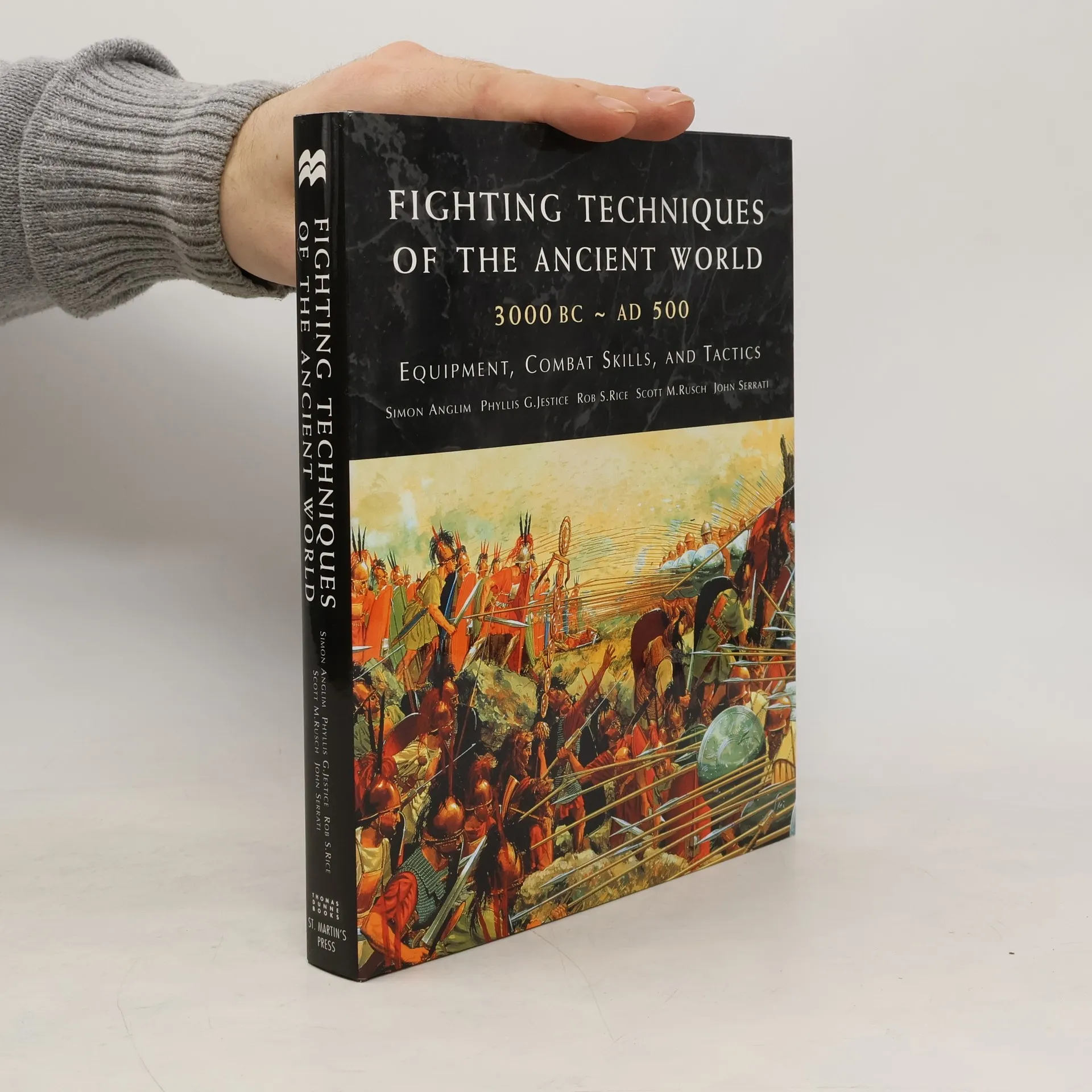
A comprehensive and heavily illustrated guide to warfare in the ancient world.This essential guide to ancient warfare describes the fighting methods of soldiers in Europe and the Middle East in an age before gunpowder. From a detailed examination of the individual components of an ancient army and their equipment, to a fascinating exploration of ancient battle strategies, siege warfare, and naval battles, it explores the unique tactics required to win battles with the technology available. Using specially commissioned color and black-and-white artwork and 24 full-color tactical maps, this book shows in great detail the methods by which armies, including Assyrians and Roman forces, prevailed over their foes, and why other armies were less successful. This is a must-read for any reader interested in ancient warfare.
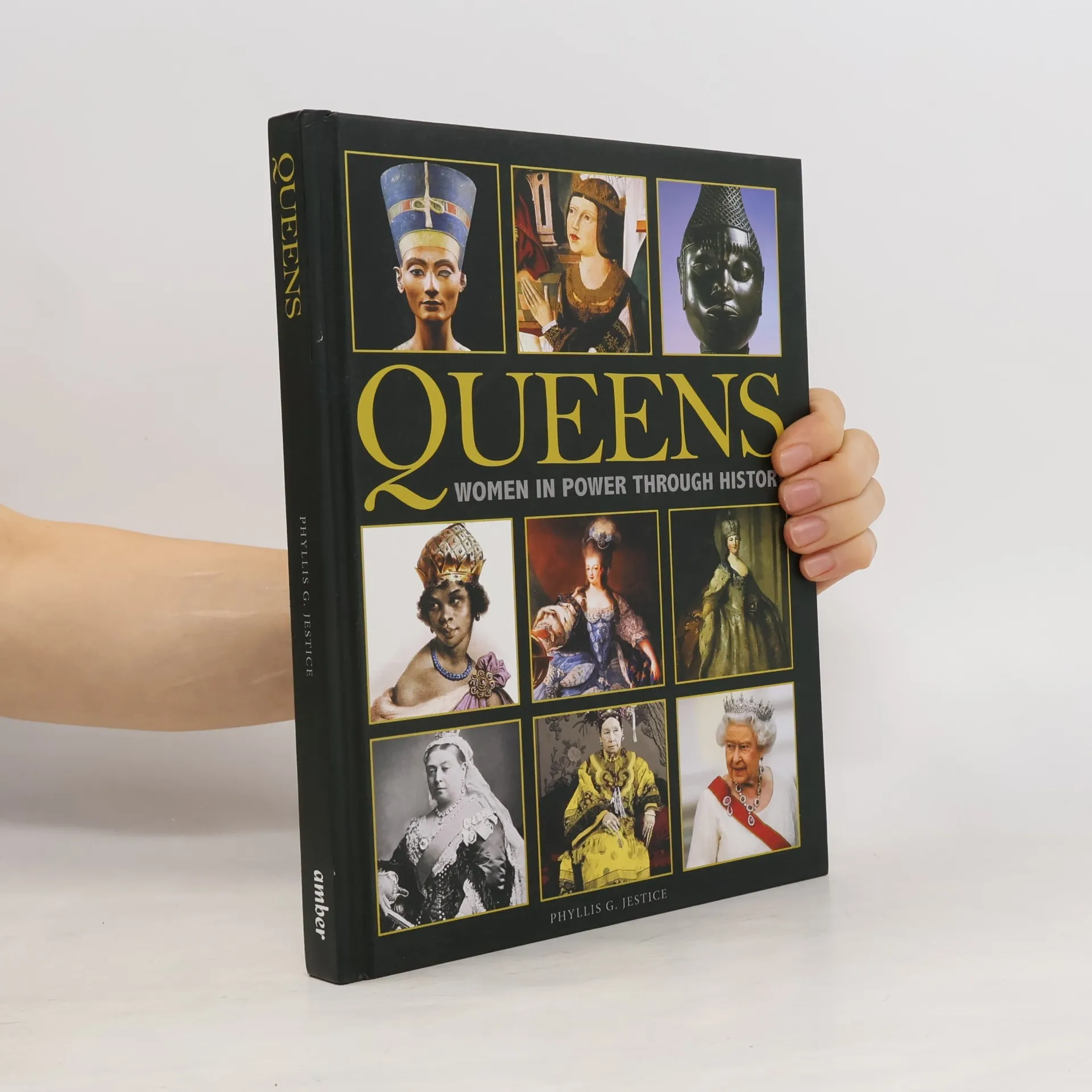
In a world historically dominated by male rulers, the women who have sat on thrones of their own shine out brightly. Some queens and empresses were born to greatness, while others fought their way to power. Illustrated with more than 180 photographs and artworks, Queens highlights the true personalities and real lives of the women who ruled.
Frauen und Herrschaft im Deutschland des zehnten Jahrhunderts
345pagine
13 ore di lettura
Im zehnten Jahrhundert konnten kaiserliche Frauen wie Theophanu und Adelheid im ottonischen Reich bedeutenden Einfluss ausüben. Phyllis G. Jestice analysiert Faktoren wie gesellschaftliche Einstellungen, Reichtum und ihr Image, die zu ihrem Prestige beitrugen. Das Buch hinterfragt den Exzeptionalismus und beleuchtet die Macht dieser Frauen.
Středověk, který je často mylně vnímán jako temné „mezidobí“ mezi starověkem a moderní dobou, byl ve skutečnosti obdobím radikálních proměn. Profesorka Phyllis G. Jestice podává fascinující přehled tohoto neuvěřitelného období po celém světě a oživuje osobnosti, politiku i kulturu, které formovaly tuto etapu ve vývoji světa, jaký známe dnes. V knize se dočtete o vzestupu křesťanství, o pokroku vědy a umění v islámském světe, o strašlivých dopadech mongolských invazí nebo o křížových výpravách a mnoha dalších konfliktech v Evropě.
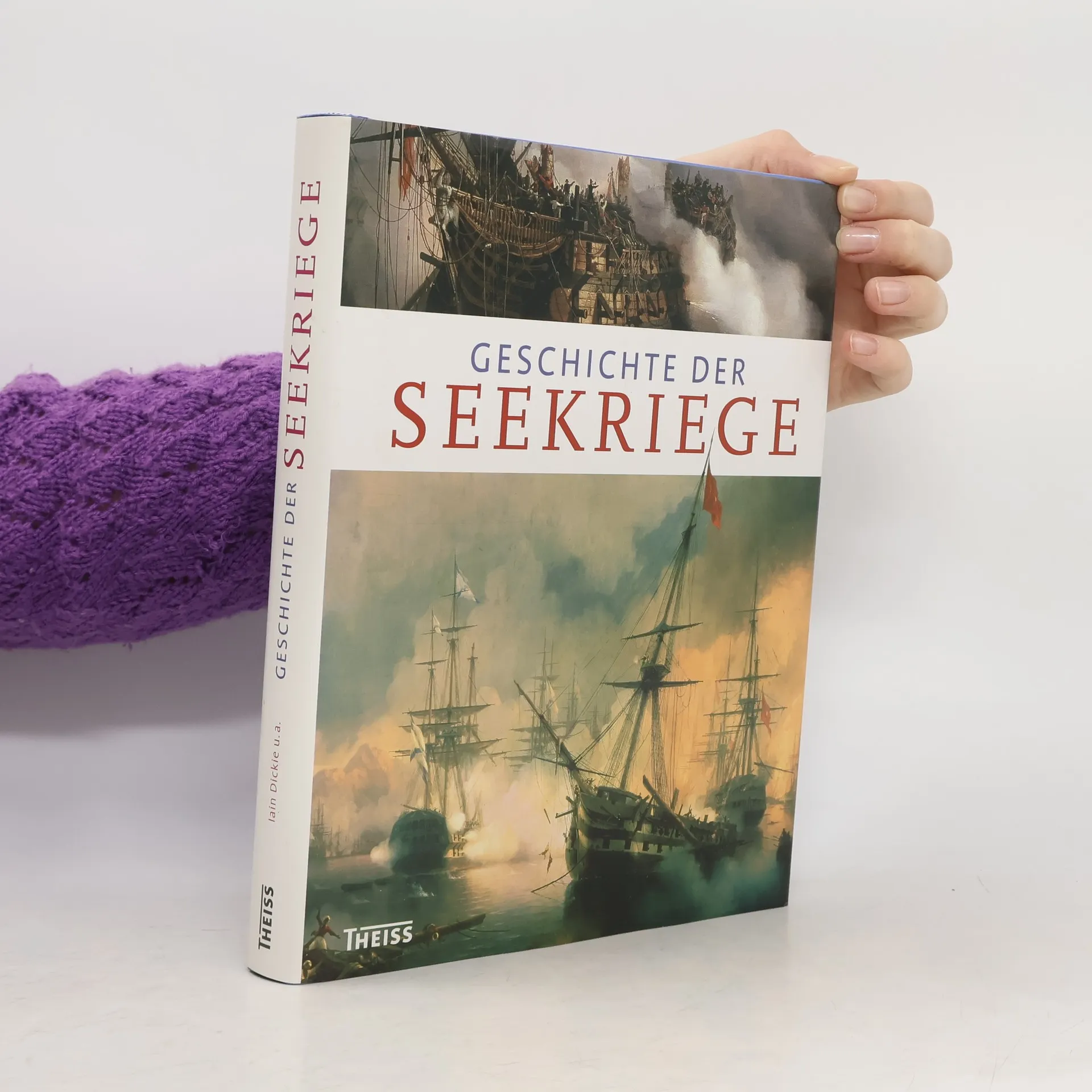
Vom Sieg der Ägypter über die Seevölker 1190 v. Chr. bis zur Waffentechnik moderner Flugzeugträger in der Schlacht um Midway – 3.000 Jahre Seekriege in einem hervorragend illustrierten Überblick. Fachkundig erläutern die Autoren, wie in der Geschichte der Seekriege technische Innovation in Schiffbau und Bewaffnung Hand in Hand gingen mit immer neuen Kriegstaktiken und Strategien. Sie untersuchen die Erfolgsrezepte siegreicher Admirale ebenso wie die Bauweise und Ausrüstung der Schiffe, die Ausbildung der Mannschaft oder die politischen und wirtschaftlichen Hintergründe von Seekriegen und ihre Bedeutung für den Lauf der Geschichte. Großformatige strategische Karten zu Aufstellung und Bewegung der verfeindeten Flottenverbände veranschaulichen den Ablauf der bedeutendsten Schlachten, detaillierte Zeichnungen und Fotografien zeigen die verschiedenen Schiffstypen und Waffensysteme: von den antiken Galeeren, über die mittelalterlichen Koggen bis zu den atomgetriebenen Raketenkreuzern im Zweiten Weltkrieg. Salamis, 480 v. Chr.; Lepanto, 1571; Trafalgar, 1805; Skagerragschlacht, 1916; Midway, 1942