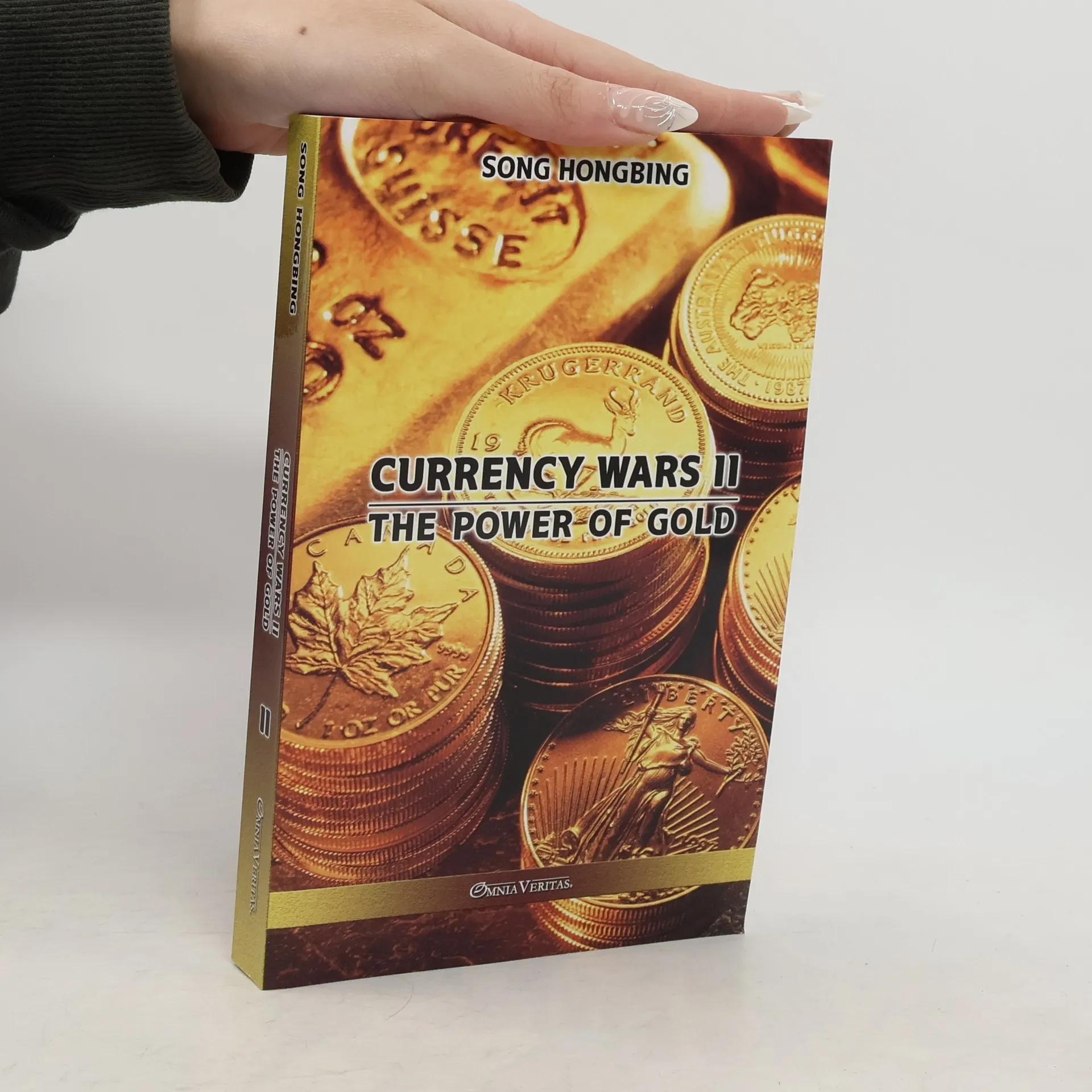
Human society typically resembles a pyramid, where a small, critical minority ascends the social structure through intelligence, diligence, and sometimes through violence or fraud. Once they gain financial power and influence, they consolidate their interests by altering the rules and forming a ruling elite with interconnected agendas. In Eastern societies, this power pyramid is based on regimes, while in the West, it relies on hidden debts that bind various societal strata. Here, creditors wield dominant power over debtors, with the state apparatus primarily serving to uphold this financial chain. The largest creditors, particularly central banks controlled by international bankers since the 19th century, dictate the rules of the game, positioning themselves as the ultimate lawmakers. Consequently, the West functions as a financial powerhouse that significantly influences government decisions. This work will explore the formation, development, exclusion, conflict, alliance, and checks and balances among major financial power groups in Europe and the United States over 300 years. It will systematically analyze the decision-making mechanisms of today's dominant forces and unveil the mystery of the "international banking family club" that governs the world.
Hongbing Song Libri

Currency Wars IV: Age of the Warring States
- 402pagine
- 15 ore di lettura
Exploring the historical rivalry between the US dollar and the pound sterling, this book details the strategic maneuvers that led to the dollar's dominance over the pound. It highlights how US monetary policies systematically diminished the pound's status as a global reserve currency, while also examining the pound's attempts to reclaim its influence through the "imperial preference system." The narrative illustrates how this intense competition contributed to a financial power vacuum in the 1930s, intensifying the global Great Depression.
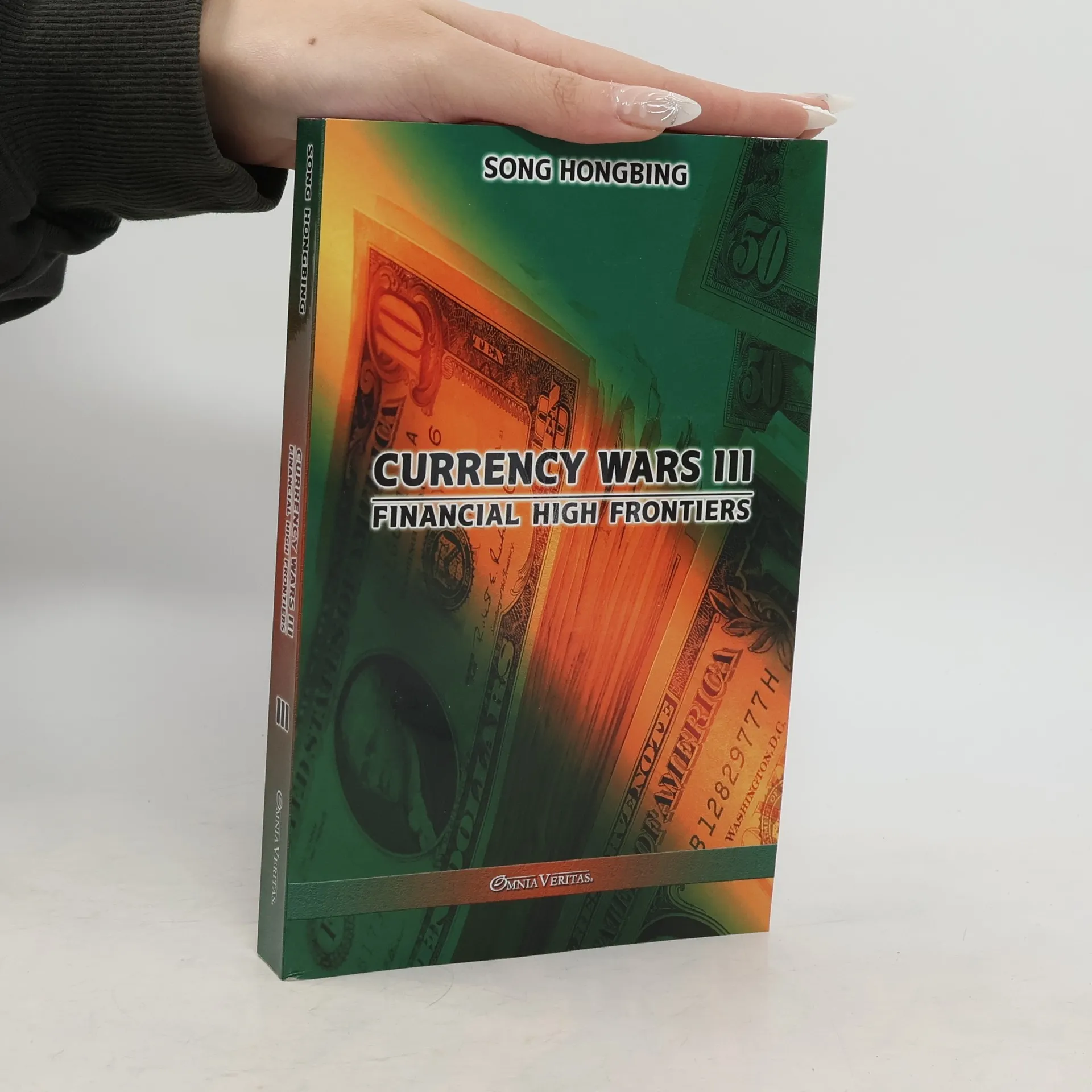
Currency, often overlooked by historians, is crucial for unlocking historical puzzles, navigating today's complexities, and envisioning the future. Through the study of financial history across Europe, America, China, and Japan, it becomes evident that finance represents a "fourth dimensional frontier" that sovereign nations must protect. This frontier extends beyond traditional land, sea, and air boundaries to encompass finance as a vital dimension. As international currency wars intensify, the significance of this financial frontier will grow. The evolution of finance in Europe and the U.S. reveals that the architecture of this frontier comprises currency standards, central banks, financial networks, trading markets, institutions, and clearing centers, all aimed at ensuring efficient and secure resource mobilization for currency pairs. This system spans from the central bank's money creation to the customer terminals that accept it; from intricate money flow networks to funds remittance clearing centers; from financial trading markets to credit rating systems; and from the flexible regulation of financial laws to the establishment of robust financial infrastructure. Ultimately, this financial high frontier safeguards the flow of money from the central bank, through financial networks, to the broader economy, ensuring a seamless circulation system vital for economic health.
Currency Wars I: Currency Warfare
- 366pagine
- 13 ore di lettura
Exploring the intrinsic relationship between money and wealth, this work delves into how currency serves as a receipt for wealth, shaped by human labor. It highlights the evolution of currency over 5,000 years, identifying over 2,000 commodities that have been used as money, ultimately leading to the dominance of gold and silver. These metals are presented as universal symbols of wealth across civilizations and religions, embodying both the claim to wealth and wealth itself, reflecting the market's preference for tangible assets.
Currency Wars V: The Coming Rain
- 420pagine
- 15 ore di lettura
The book explores how an overload of information and conflicting opinions can hinder critical thinking, especially in economic contexts. It highlights the struggle to discern essential data from noise, leading to confusion between significant and trivial details. By examining how superficial issues can overshadow deeper problems, the author emphasizes the challenges of maintaining clear reasoning and sound judgment in a complex information landscape, ultimately revealing how illusions can obscure the truth.
Currency Wars II: The Power of Gold
- 420pagine
- 15 ore di lettura
The book explores the hierarchical structure of human societies, emphasizing the dynamics of power and influence. It contrasts the Eastern power pyramid, based on regimes, with the Western model, which is heavily reliant on hidden debts that bind societal layers. In the West, creditors hold significant authority, with central banks, influenced by international bankers, as the primary creditors. This structure positions the largest creditors as the ultimate decision-makers, revealing how financial power shapes government actions and societal dynamics.
Wojna o pieniądz 3
- 384pagine
- 14 ore di lettura
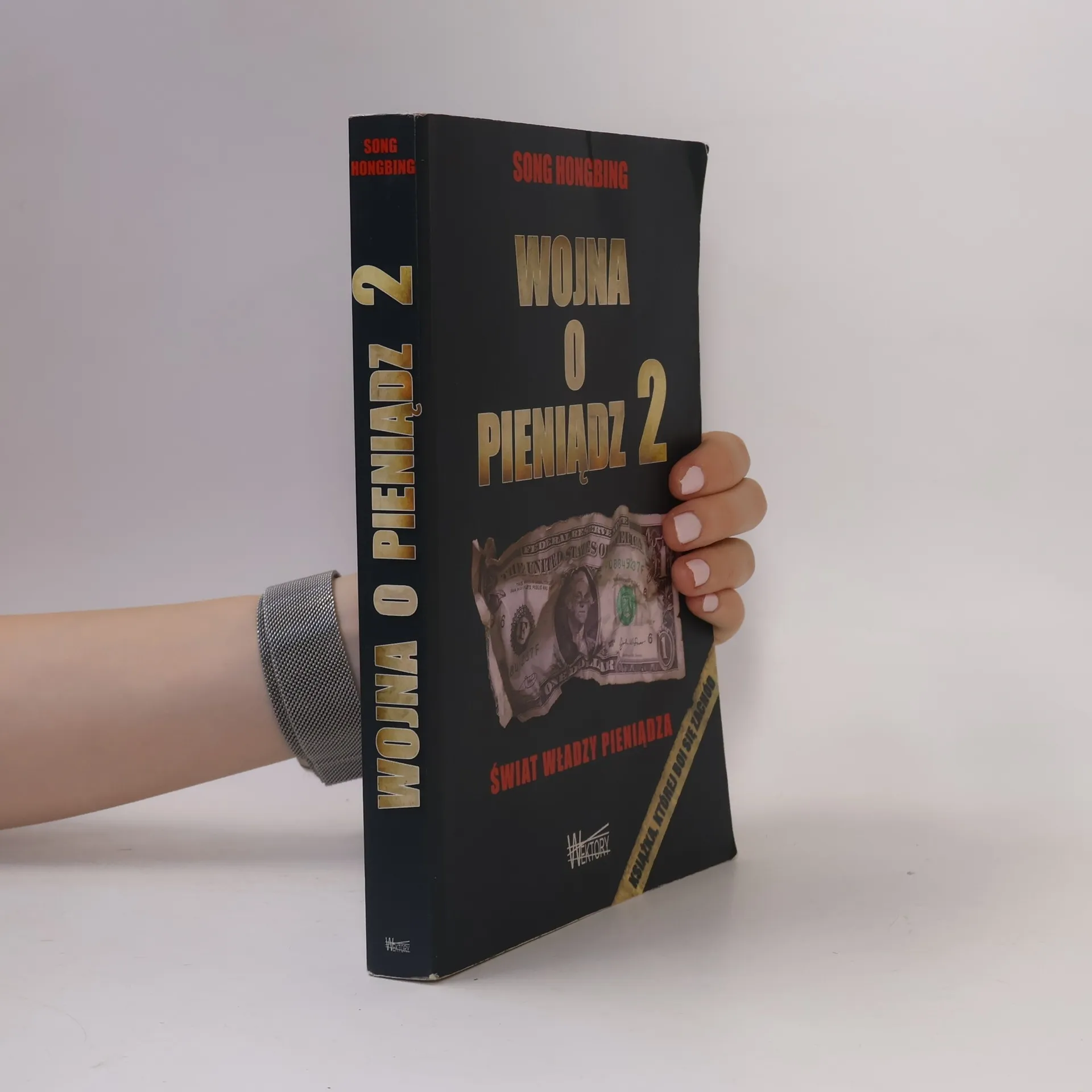
Odsłaniając kulisy wielkiej polityki i ujawniając nieznane, sensacyjne informacje, autor ukazuje, w jaki sposób w ciągu XX wieku dolar stał się najsilniejszą walutą świata, wypierając najpierw funta, a następnie degradując nawet złoto. Oprócz przeszłości, Song Hongbinga interesuje jednak przede wszystkim przyszłość. Żyjemy w epoce kresu dominacji dolara. Stany Zjednoczone są schyłkowym mocarstwem, którego siła, również militarna, oparta jest na gigantycznym zadłużeniu. Co nas czeka, kiedy mocarstwo to upadnie? Jak potoczą się losy świata? Co zrobi Europa, co zrobią Chiny? Jaka waluta ma szansę zastąpić dolara? Wszystkie te kwestie Song Hongbing opisuje jak zwykle w pełen rozmachu i fascynujący sposób.
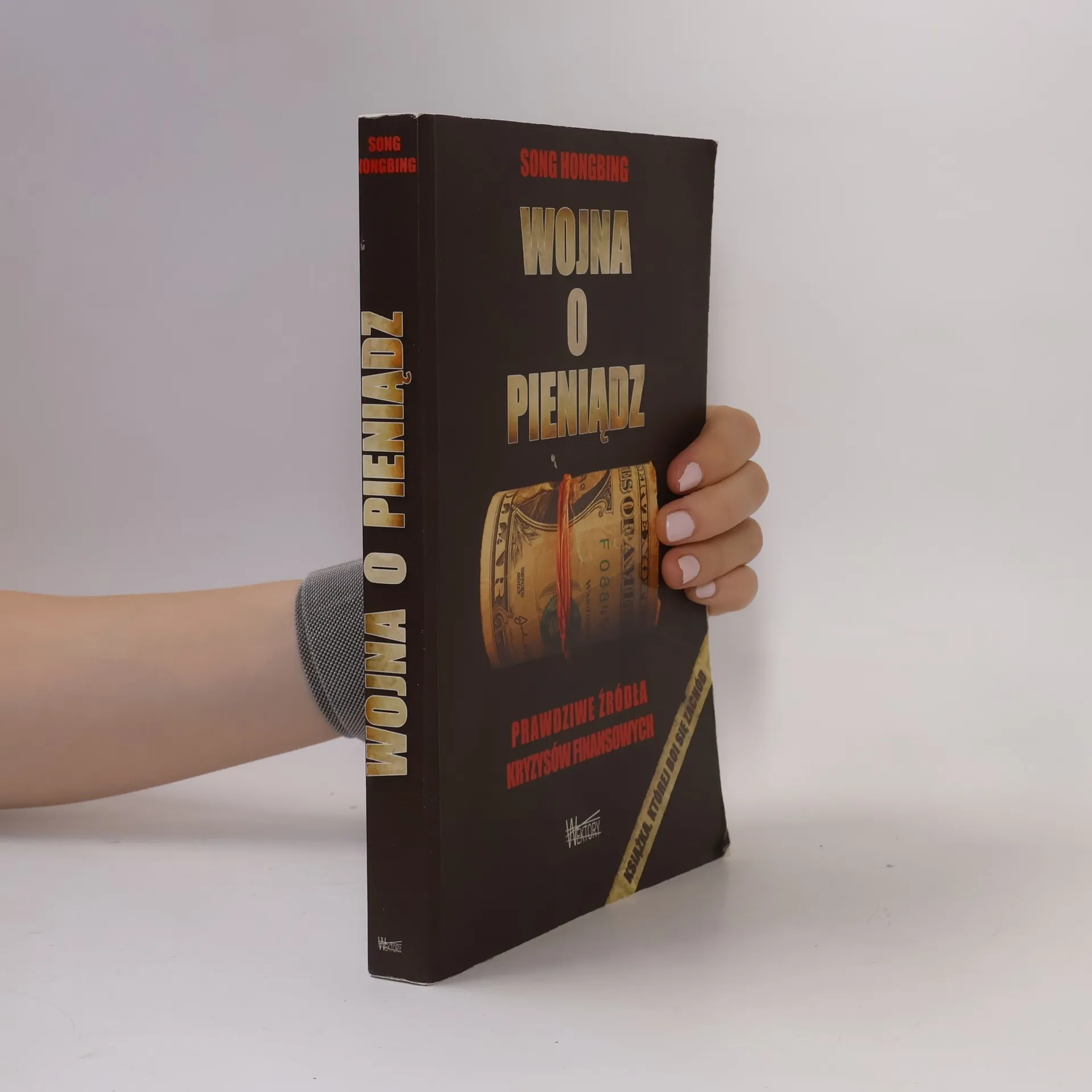
Skąd się biorą kryzysy finansowe? Aby odpowiedzieć na to pytanie, należy zadać inne: kto kontroluje emisję waluty? Kto czerpie korzyści z inflacji? Kto pragnie drukować pieniądz bez pokrycia w złocie? Song Hongbing, chiński analityk finansowy, bada te kwestie, analizując zachodni świat z zewnątrz. Stara się zrozumieć, gdzie popełniono błędy, które doprowadziły do dzisiejszego kryzysu i rosnącego zadłużenia. Jego narracja obejmuje trzy wieki historii Europy i Ameryki, od założenia Banku Anglii w 1694 roku, przez dzieje rodziny Rothschildów, powołanie Rezerwy Federalnej, aż po kryzysy finansowe, takie jak kryzys naftowy lat siedemdziesiątych czy kryzys nieruchomości w USA. Autor przedstawia powolny upadek Zachodu, który oddaje się w niewolę banków, a jego celem jest ostrzeżenie Chin i innych rozwijających się krajów Azji przed popełnieniem podobnych błędów, które mogą zagrażać ich dobrobytowi i suwerenności. Książka, skierowana do azjatyckiego czytelnika, jest również pouczająca dla nas, oferując nadzieję, że unikniemy kolejnych pomyłek.
Po co stworzono Międzynarodowy Fundusz Walutowy? A przede wszystkim: w jaki sposób prowadzona jest globalna wojna o pieniądz? Song Hongbing, chiński analityk finansowy, stara się odpowiedzieć na te pytania, spoglądając na świat zachodni z zewnątrz i usiłując dociec, w którym momencie ta dynamicznie rozwijająca się cywilizacja popełniła błąd, który doprowadził do dzisiejszego permanentnego kryzysu i rosnącego zadłużenia. Jego opowieść obejmuje ostatnie trzy wieki historii Europy i Ameryki, poczynając od założenia Banku Anglii w 1694 roku, poprzez dzieje rodziny Rothschildów i ich imperiumfinansowego, powołanie Rezerwy Federalnej, udział kół finansowych w inspirowaniudwóch wielkich wojen światowych, rezygnację z parytetu złota, aż po kryzys naftowy lat siedemdziesiątych, klęskę „azjatyckich tygrysów” w latach dziewięćdziesiątychi ostatni kryzys finansowy na rynku nieruchomości USA. Przedstawiającdzieje powolnego upadku Zachodu polegającego na dobrowolnym oddawaniu się państw w niewolę banków, autor pragnie ostrzec Chiny i inne dynamicznie rozwijające się kraje Azji przed popełnieniem błędów, które mogą doprowadzić do utraty nie tylko dobrobytu, ale także suwerenności. Jednakże ta książka, pisana dla azjatyckiego czytelnika, może być również pouczająca dla nas. Choć bowiem popełniliśmy już wiele z błędów, o których pisze autor, zawsze jest nadzieja, że nie będziemy popełniać następnych.