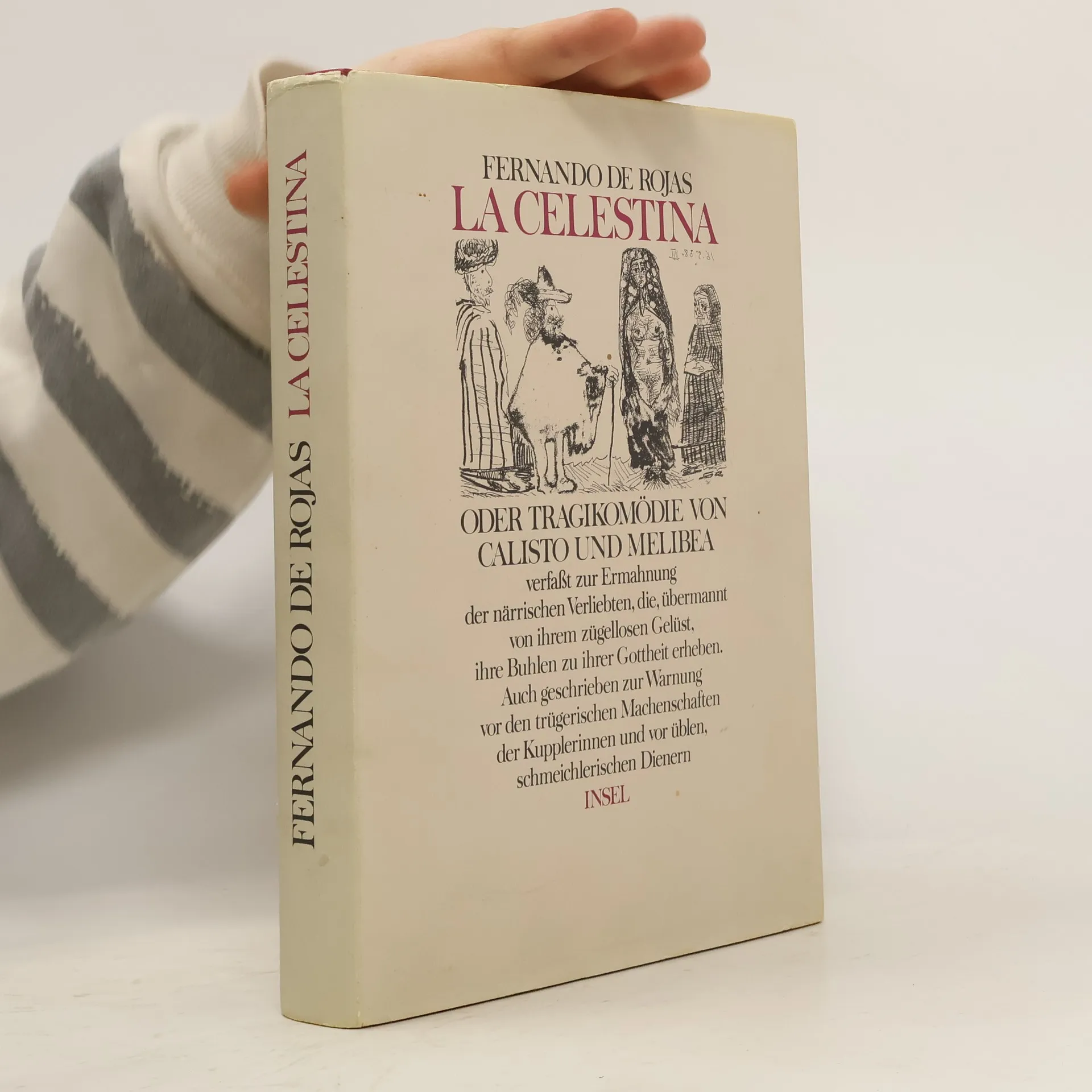
La Celestina oder Tragikomödie von Calisto und Melibea
- 363pagine
- 13 ore di lettura


Fernando de Rojas è una figura avvolta nel mistero, conosciuta principalmente per una singola opera innovativa. Questo autore è accreditato per aver dato inizio al Rinascimento letterario spagnolo attraverso una tragica storia d'amore che ha affascinato i lettori. Sebbene inizialmente pubblicato in forma anonima, l'identità dell'autore fu successivamente rivelata in modo sottile. Nonostante l'importanza del suo contributo, non gli vengono attribuite altre opere e rimane una presenza in gran parte enigmatica nella storia letteraria.


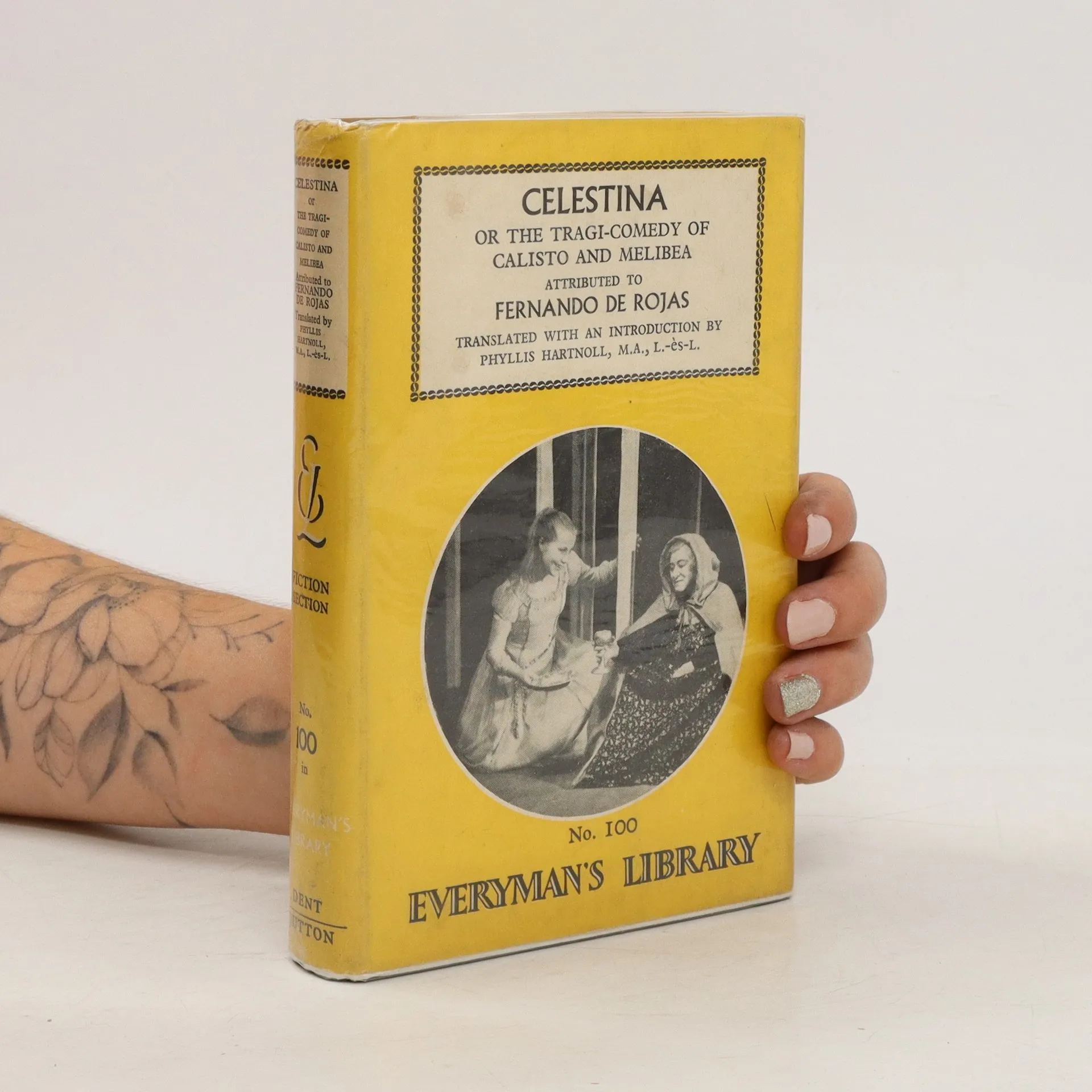
Celestina, or simply Celestina, is the title under which the Tragicomedy of Calisto and Melibea, attributed to Fernando de Rojas, has become popular. Its composition dates back to the late 15th century, during the reign of the Catholic Monarchs, although its extraordinary editorial success began in the 16th century and continued, with fluctuations, until its prohibition in 1792. Due to its romantic plot, didactic purpose, abundance of authoritative quotes, character choices, dialogic form, and probable connection to a university environment, Celestina is considered a unique example of humanistic comedy, though some prefer to view it as a hybrid between novel and drama. Its influence on both genres is significant, to the extent that one can speak of the subgenre of celestinesque, which includes works developed directly from its plot, characters, or themes, as well as celestinesque settings or characters in comedies and novels that, at first glance, have no connection to Celestina.