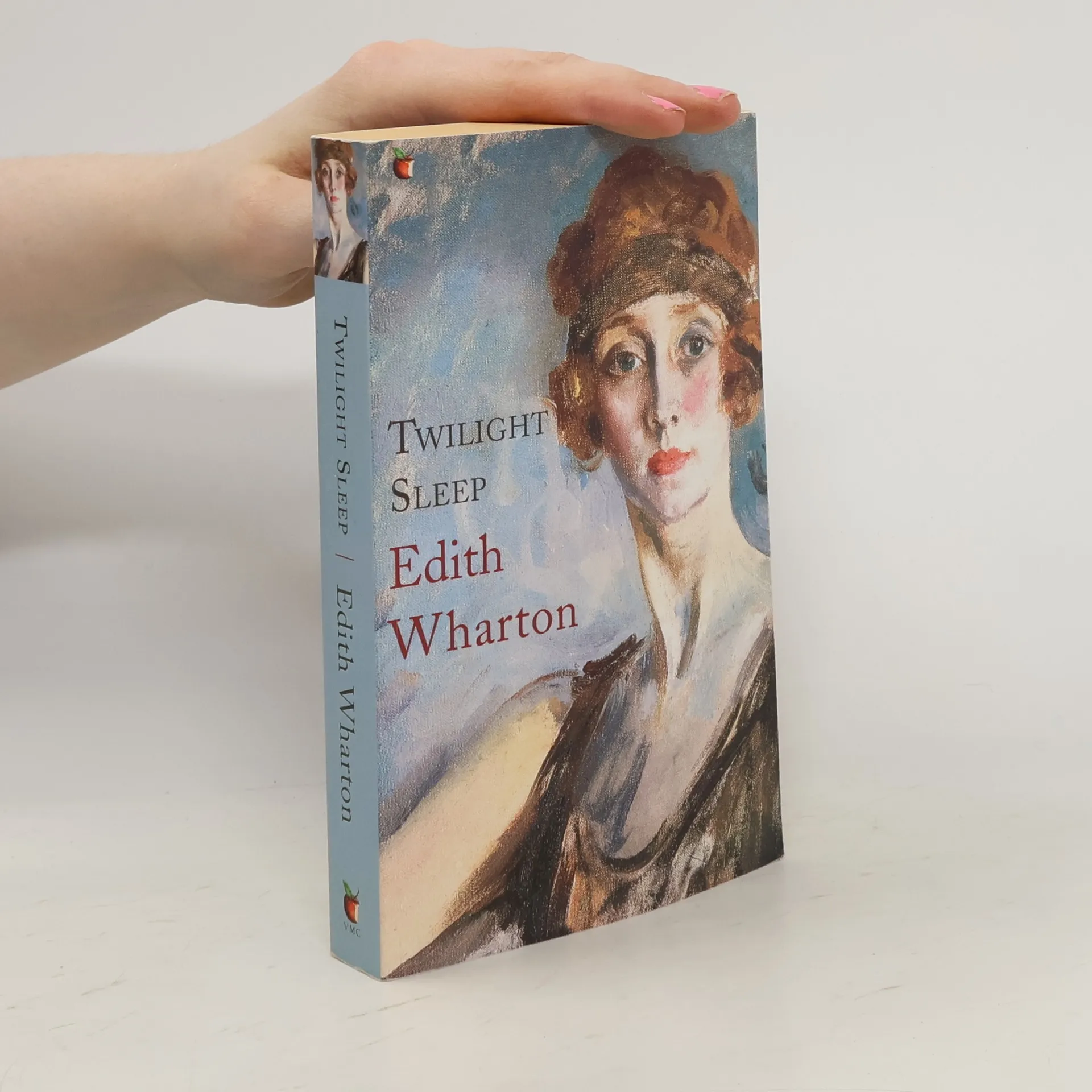
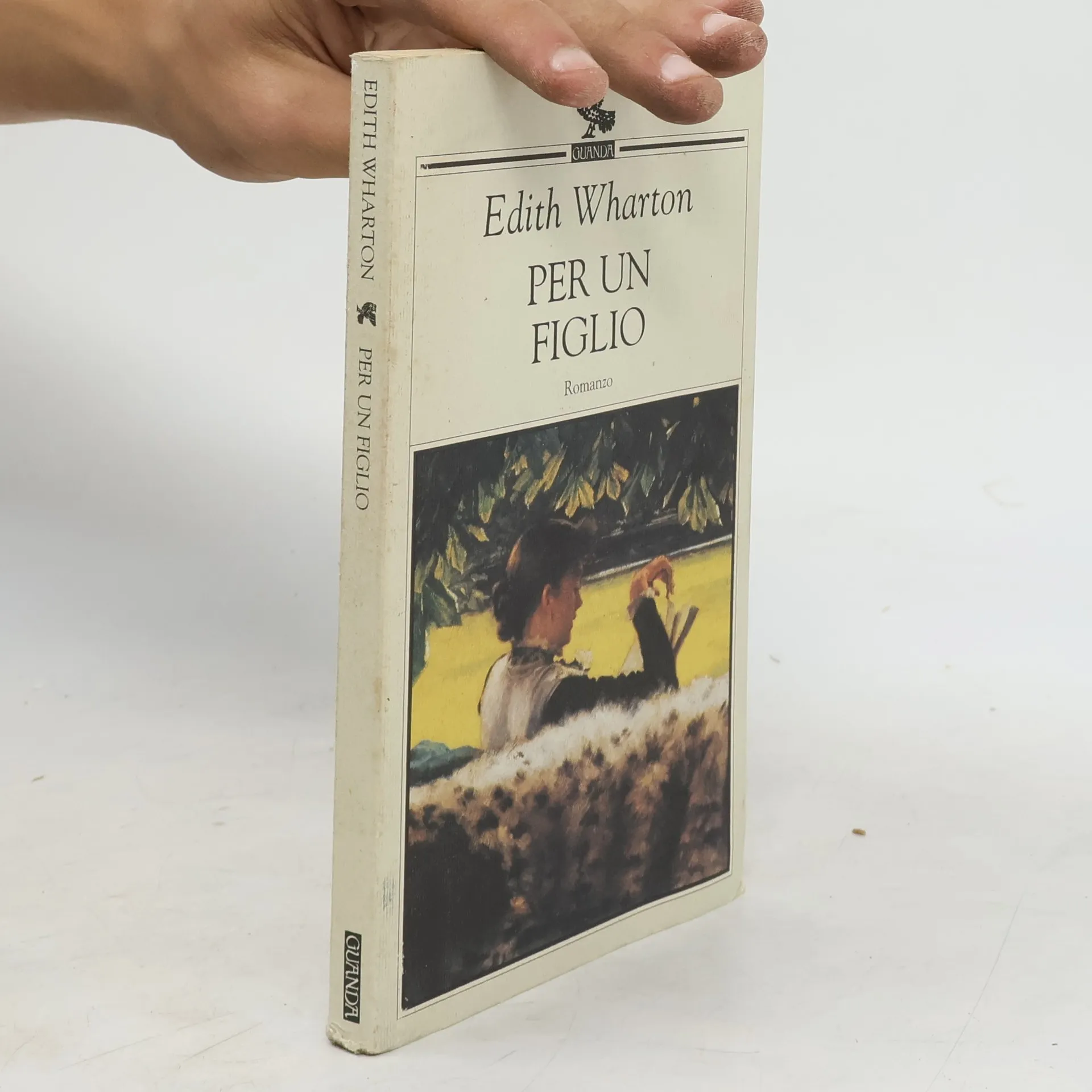
Parma, Guanda, 1995, 8vo (cm. 20 x 12) brossura con copertina illustrata a colori, pp. 122 (Prosa contemporanea) . Ex libris all'occhiello.
Edith Wharton Libri
24 gennaio 1862 – 11 agosto 1937
Edith Wharton è stata una talentuosa romanziera le cui opere offrono penetranti esplorazioni delle consuetudini sociali e delle relazioni umane. La sua prosa, spesso ambientata nei circoli più elevati della sua epoca, è caratterizzata da un'acuta osservazione e da uno stile elegante. Wharton approfondì temi del conflitto tra la realizzazione personale e le aspettative sociali, in particolare nel contesto di matrimoni infelici. La sua capacità di rappresentare la profondità psicologica e di commentare criticamente le convenzioni del suo tempo la rendono una voce letteraria significativa.

Storie di fantasmi
- 234pagine
- 9 ore di lettura
Ghosts, , è il nome originario di questa raccolta, dove i racconti sono caratterizzati dalla specifica sensibilità dell'autrice, una sensitiva che grazie alla costante razionalità riesce a rimanere sempre "al di qua della pagina". Fin da bambina inoltre, la Wharton è , e al lettore viene chiesto solo di provare, o meglio di condividere, la dovuta paura e di prestare la dovuta attenzione.
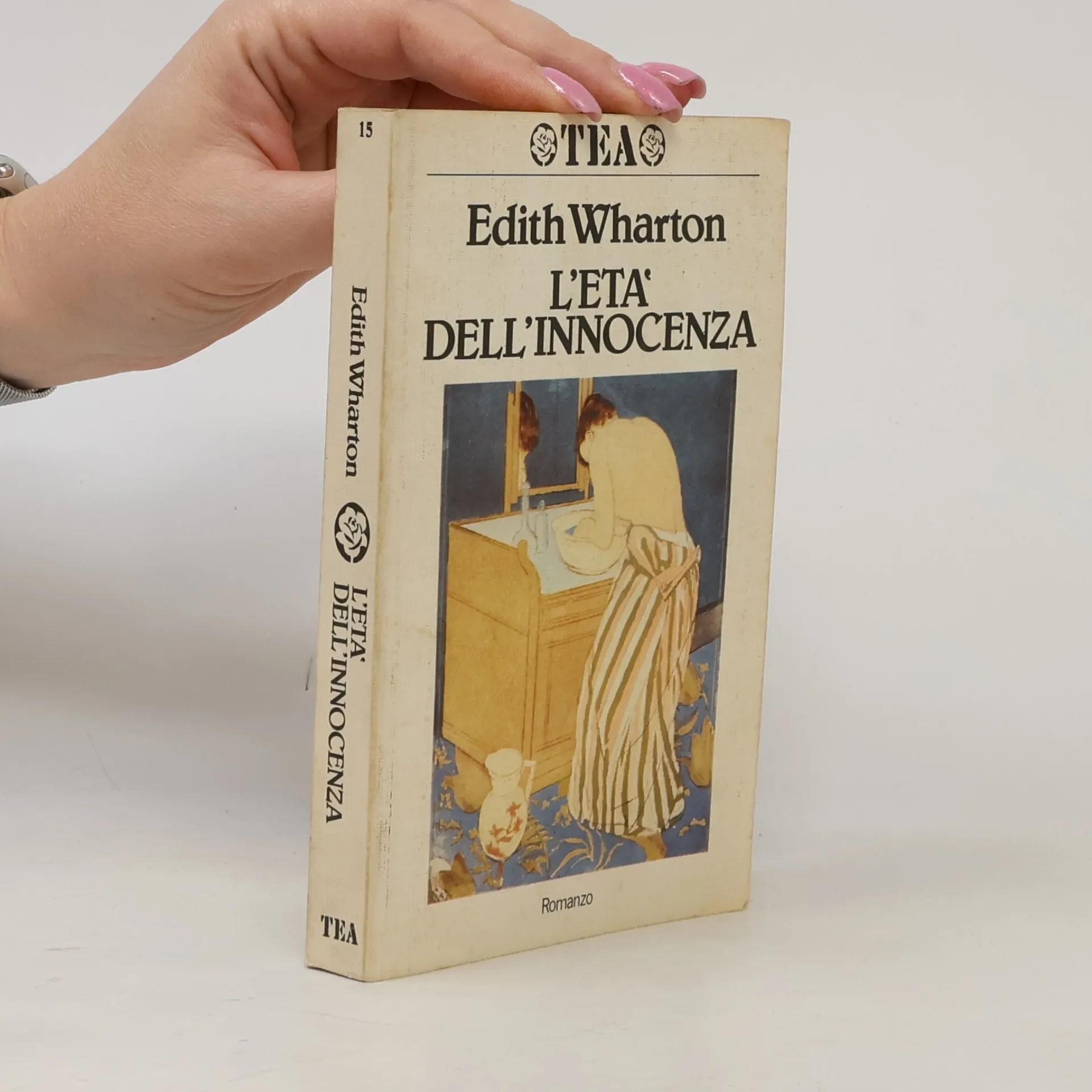
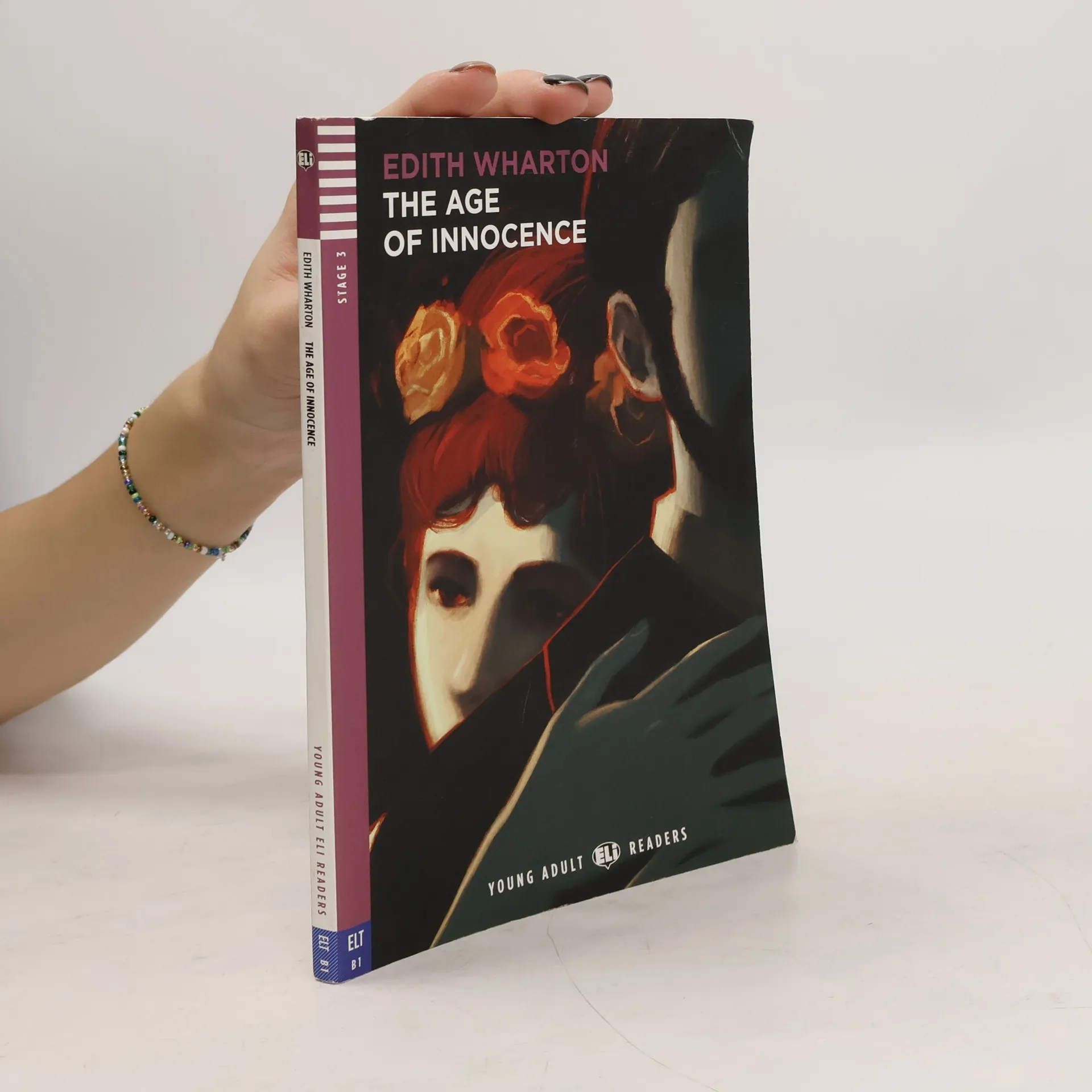
Clicca qui per l'edizione "Storie senza tempo". Edizione con copertina alternativa qui. Rilanciato dal successo del film con Michelle Pfeiffer e Daniel Day Lewis, L'età dell'innocenza è un mirabile affresco della borghesia newyorkese di quasi fine Ottocento, contro il cui ottuso moralismo Edith Wharton si scaglia coraggisamente difendendo l'autenticità di un amore sincero. La storia sentimentale tra Newland Archer, brillante avvocato dell'aristocrazia cittadina, e la contessa Ellen Olenska, cui inflessibili convenzioni impediscono di divorziare dal marito, è lo specchio di una società che l'autrice conosce e contesta profondamente. Una società ipocrita e perbenista, in cui pregiudizi atavici, tradizionalismi ormai svuotati di significato, princìpi ingiusti e falsamente morali impongono precise regole comportamentali, che cozzano contro il desiderio di affermazione del singolo. Contro tutto questo lotta con ammirevole tenacia la protagonista del romanzo, che tenta di difendere fino alla fine il suo amore e la sua libertà di scelta, cui si oppone la consapevolezza, che porterà Archer alla rinuncia finale, dei suoi doveri sociali.
A bestseller when it was first published, The Children is a comic, bittersweet novel about the misadventures of a bachelor and a band of precocious children. The seven Wheater children, stepbrothers and stepsisters grown weary of being shuttled from parent to parent are eager for their parents' latest reconciliation to last. A chance meeting between the children and the solitary 46-year old Martin Boyne leads to a series of unforgettable encounters.
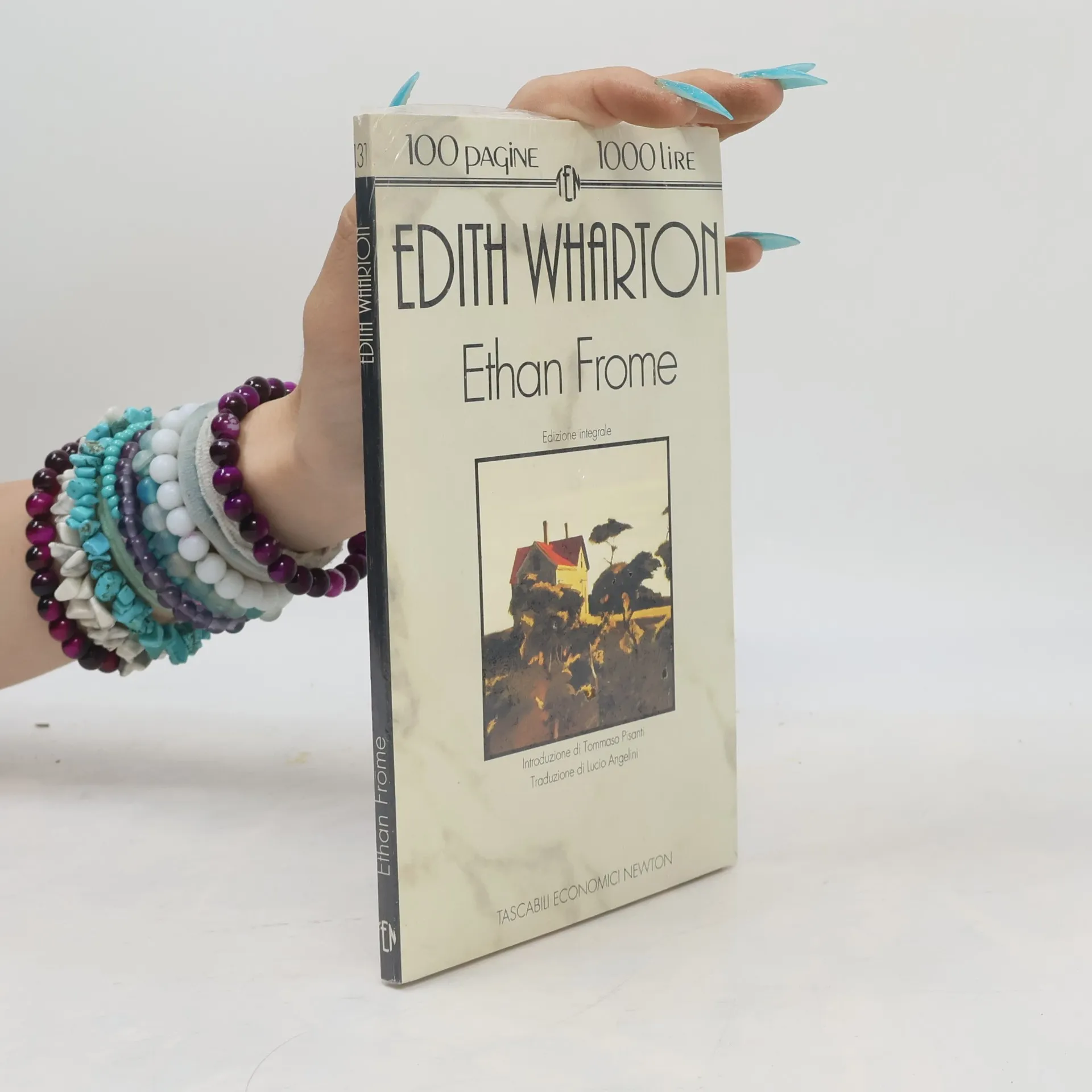
Ethan Frome, un povero contadino del New England, è intrappolato in un matrimonio senza amore con sua moglie invalida, Zeena. La sua ambizione e intelligenza sono oppresse dal carattere freddo e calcolatore di Zeena. Quando la giovane cugina di Zeena, Mattie, arriva per aiutarla, Ethan è subito colpito dalla personalità calorosa e vivace di Mattie. Si innamorano disperatamente mentre Ethan si rende conto di quanto manchi nella sua vita e nel suo matrimonio. Tragicamente, il loro amore è condannato dalla presenza costante di Zeena e dalle convenzioni sociali dell'epoca. Ethan rimane lacerato tra il senso del dovere e il desiderio di soddisfare il desiderio del suo cuore fino a un conclusione suspense e inaspettata.
TEA - 15: L'età dell'innocenza
- 368pagine
- 13 ore di lettura
L'età dell'innocenza
Edizione integrale
The House of Mirth
- 368pagine
- 13 ore di lettura
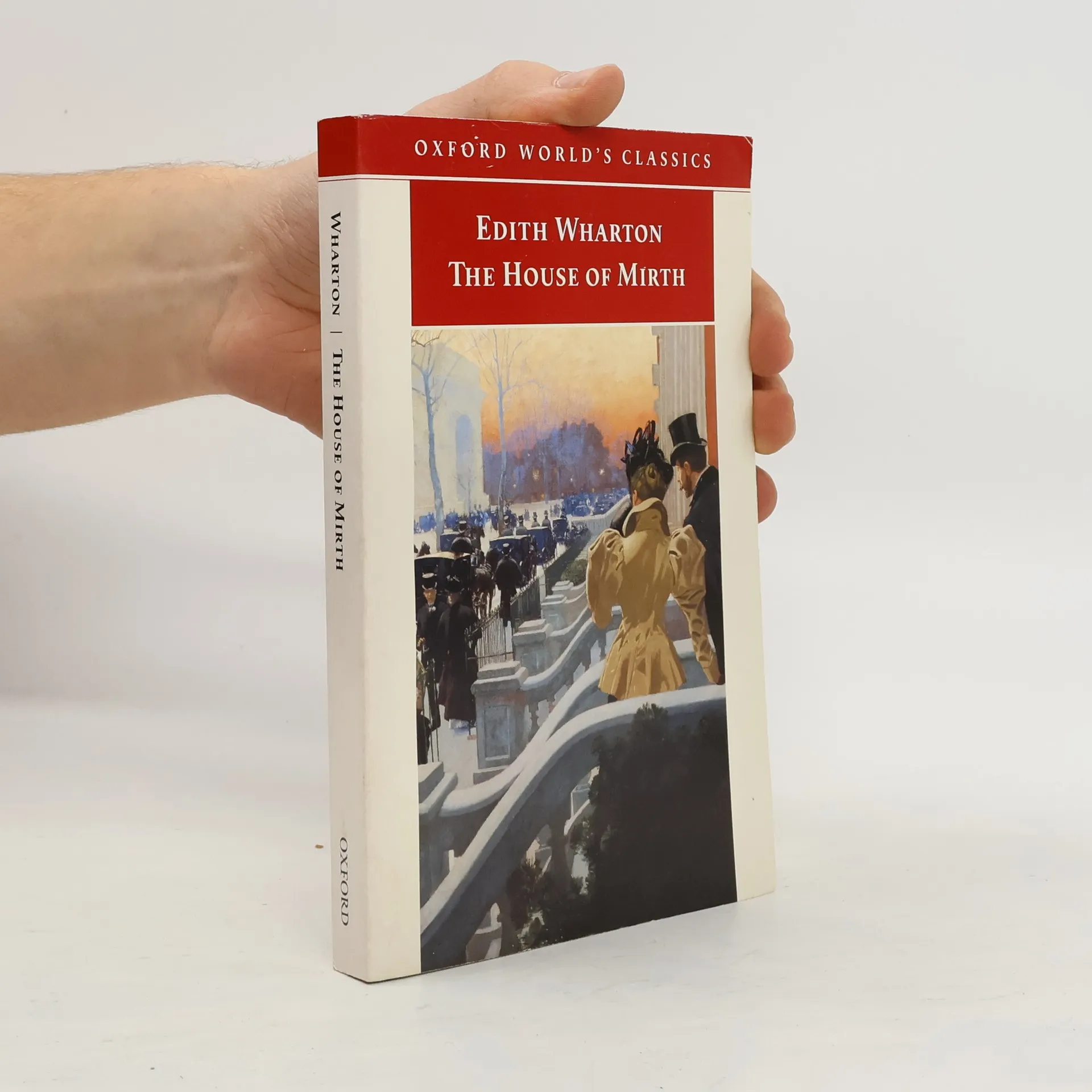
Since its publication in 1905 The House of Mirth has commanded attention for the sharpness of Wharton's observations and the power of her style. Its heroine, Lily Bart, is beautiful, poor, and unmarried at 29. In her search for a husband with money and position she betrays her own heart and sows the seeds of the tragedy that finally overwhelms her. The House of Mirth is a lucid, disturbing analysis of the stifling limitations imposed upon women of Wharton's generation. Herself born into Old New York Society, Wharton watched as an entirely new set of people living by new codes of conduct entered the metropolitan scene. In telling the story of Lily Bart, who must marry to survive, Wharton recasts the age-old themes of family, marriage, and money in ways that transform the traditional novel of manners into an arresting modern document of cultural anthropology.
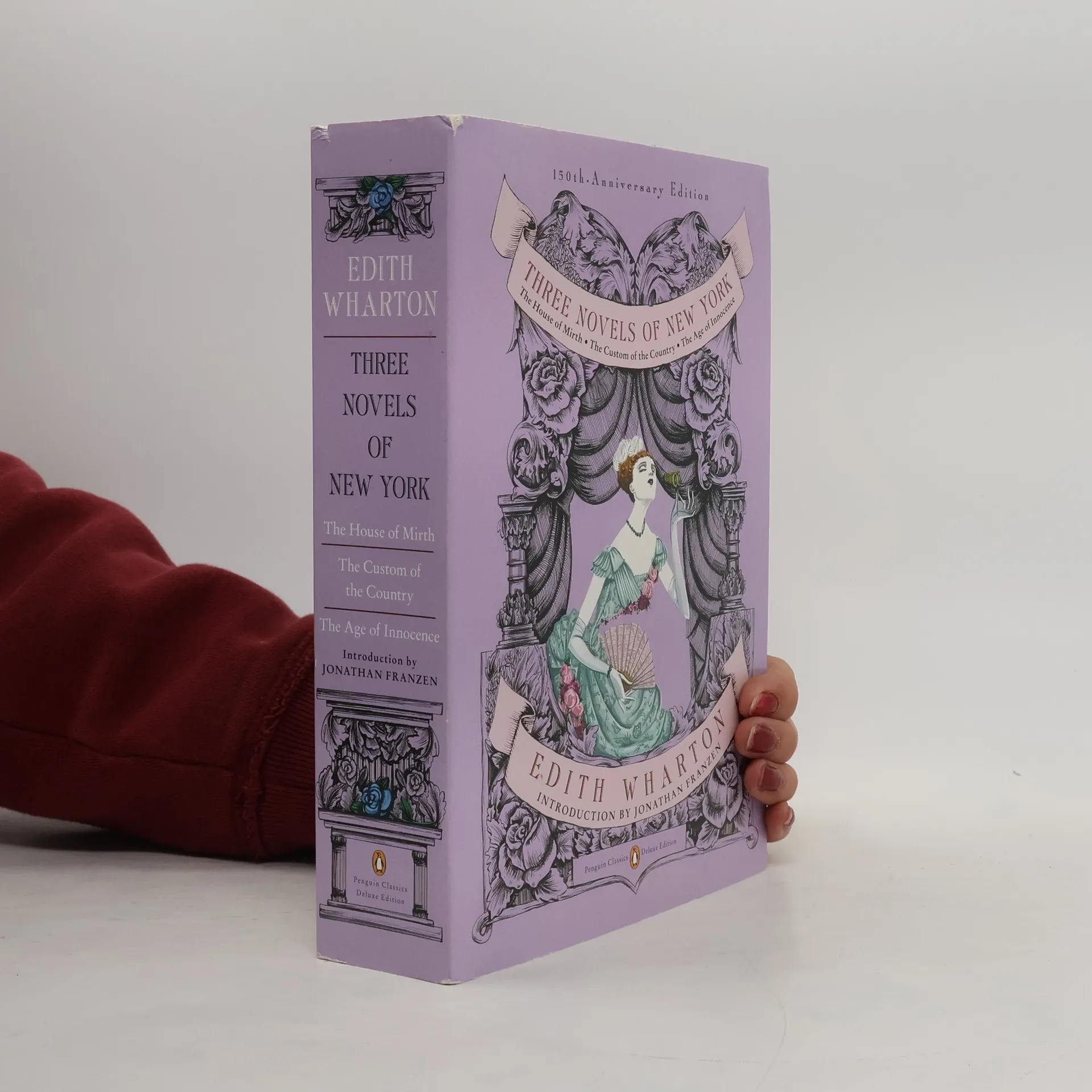
Novels
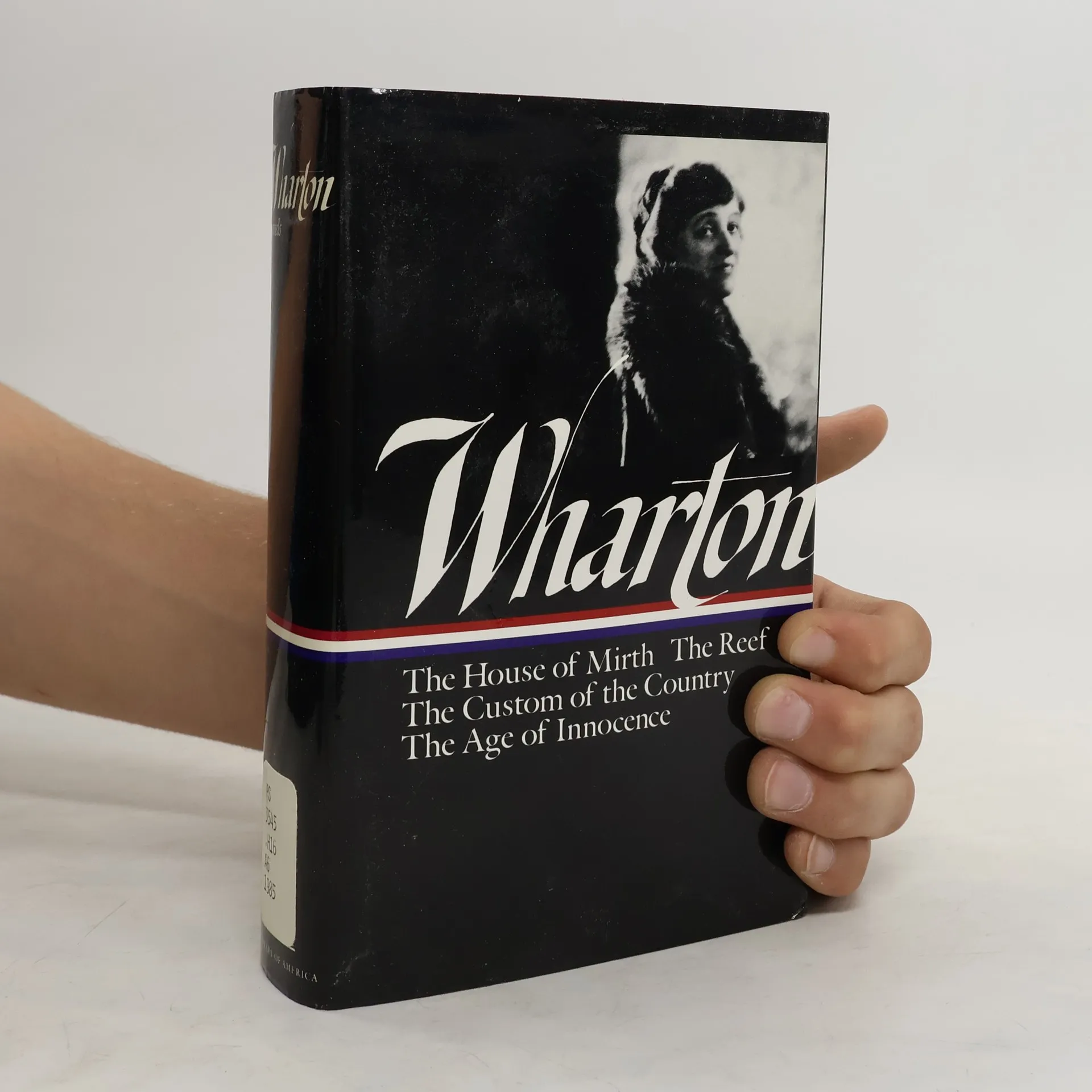
The House of Mirth, The Reef, The Custom of the Country, The Age of Innocence
- 1328pagine
- 47 ore di lettura
The four novels in this volume show Wharton at the height of her powers as a social observer and critic, examining American and European lives with a vision rich in detail, satire, and tragedy
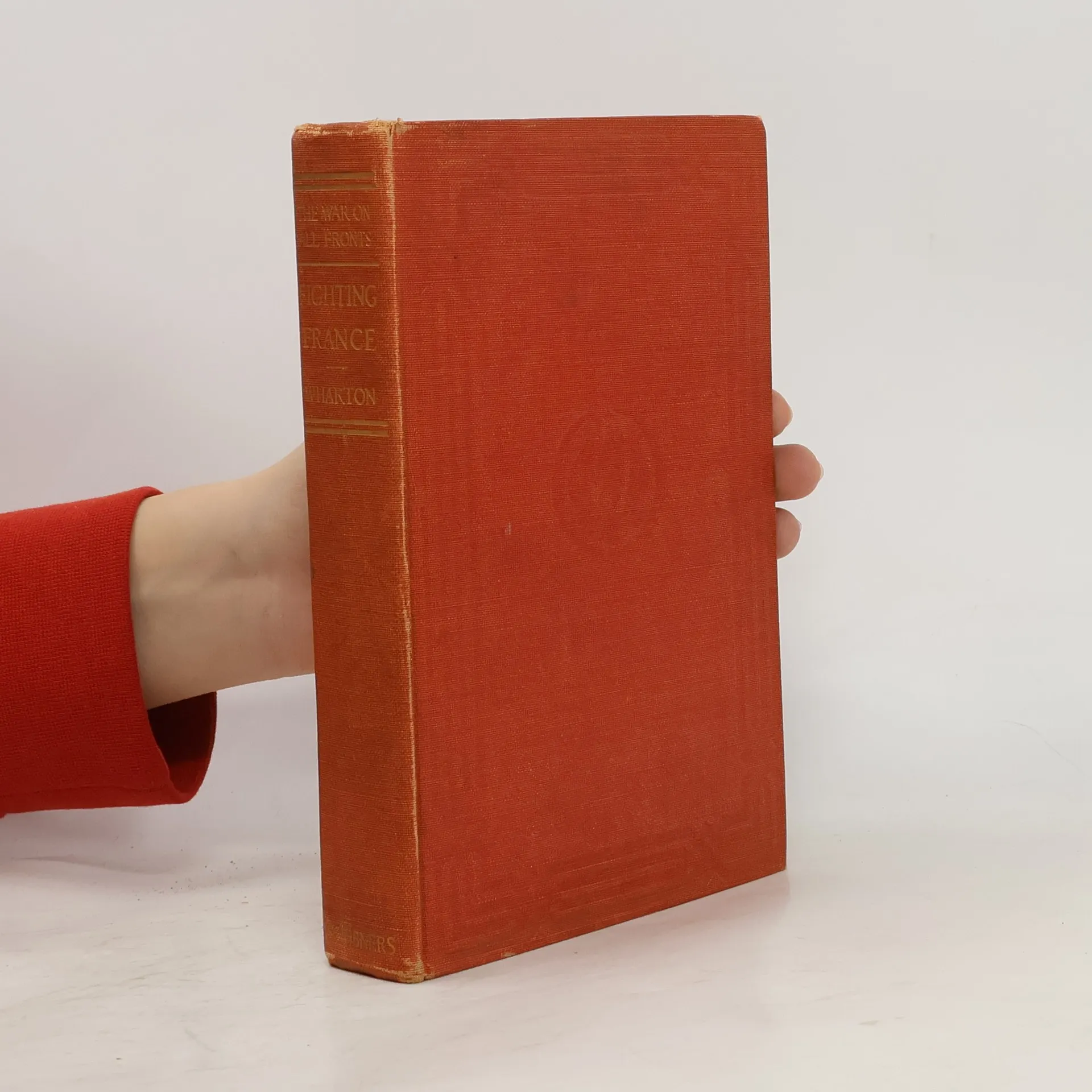
Fighting France by Edith Wharton, History, Travel, Military, Europe, France, World War I
- 130pagine
- 5 ore di lettura
Set against the backdrop of a tranquil French landscape on the eve of World War I, the narrative captures a moment of serene beauty and the deep-rooted connection of generations to the land. The author reflects on the contrast between the peaceful surroundings and the ominous whispers of impending conflict. Through vivid imagery, the story evokes the rich history and labor of the countryside, highlighting the tension between the idyllic present and the uncertain future looming over Europe.
The Old Maid
- 96pagine
- 4 ore di lettura
Delia rejected passion in favor of a secure marriage but cousin Charlotte followed her own heart, even though it meant remaining unwed and giving up her baby. Charlotte's sacrifice has allowed the child, Tina, an advantageous position in New York City's fashionable society as Delia's adopted daughter. Now Tina's a graceful young woman and ready to marry — and the anguish that Charlotte has long suppressed is ready to explode. In addition to her mastery of the novella, Edith Wharton was a keen observer of her own privileged class. Her skill at capturing telling details of nineteenth-century society elevates this soap-opera scenario of a mother's self-denial into a memorable and compelling drama. First published in serial form in The Red Book Magazine in 1922, the story has since become a classic of American literature and has served as the basis for a Pulitzer Prize-winning Broadway play as well as a classic Hollywood film. This edition features an Introduction by Roxana Robinson, author of Cost.
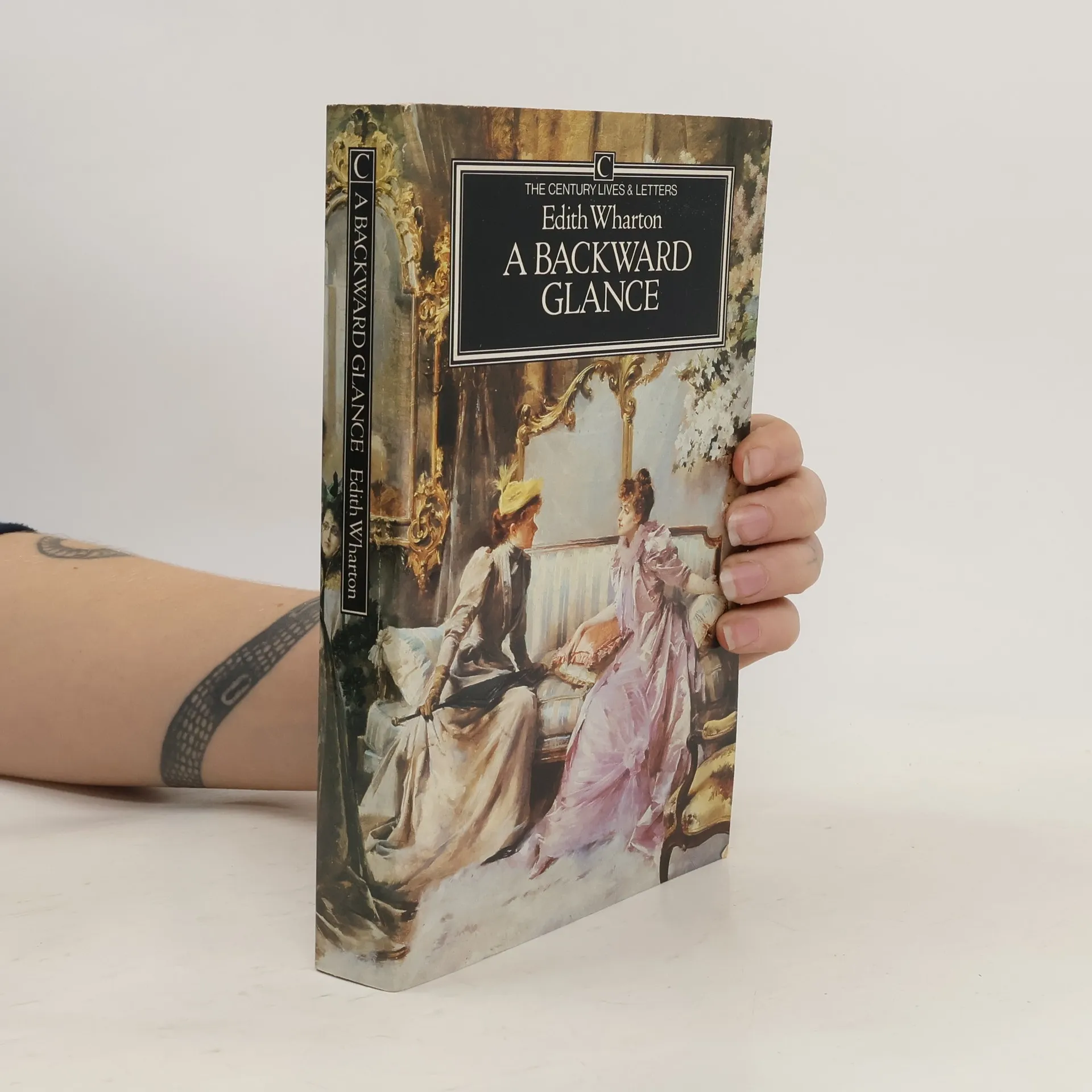
A Backward Glance
- 386pagine
- 14 ore di lettura
Edith Wharton, the first woman to win the Pulitzer Prize, vividly reflects on her public and private life in this stunning memoir. With richness and delicacy, it describes the sophisticated New York society in which Wharton spent her youth, and chronicles her travels throughout Europe and her literary success as an adult. Beautifully depicted are her friendships with many of the most celebrated artists and writers of her day, including her close friend Henry James. In his introduction to this edition, Louis Auchincloss calls the writing in A Backward Glance “as firm and crisp and lucid as in the best of her novels.” It is a memoir that will charm and fascinate all readers of Wharton’s fiction.
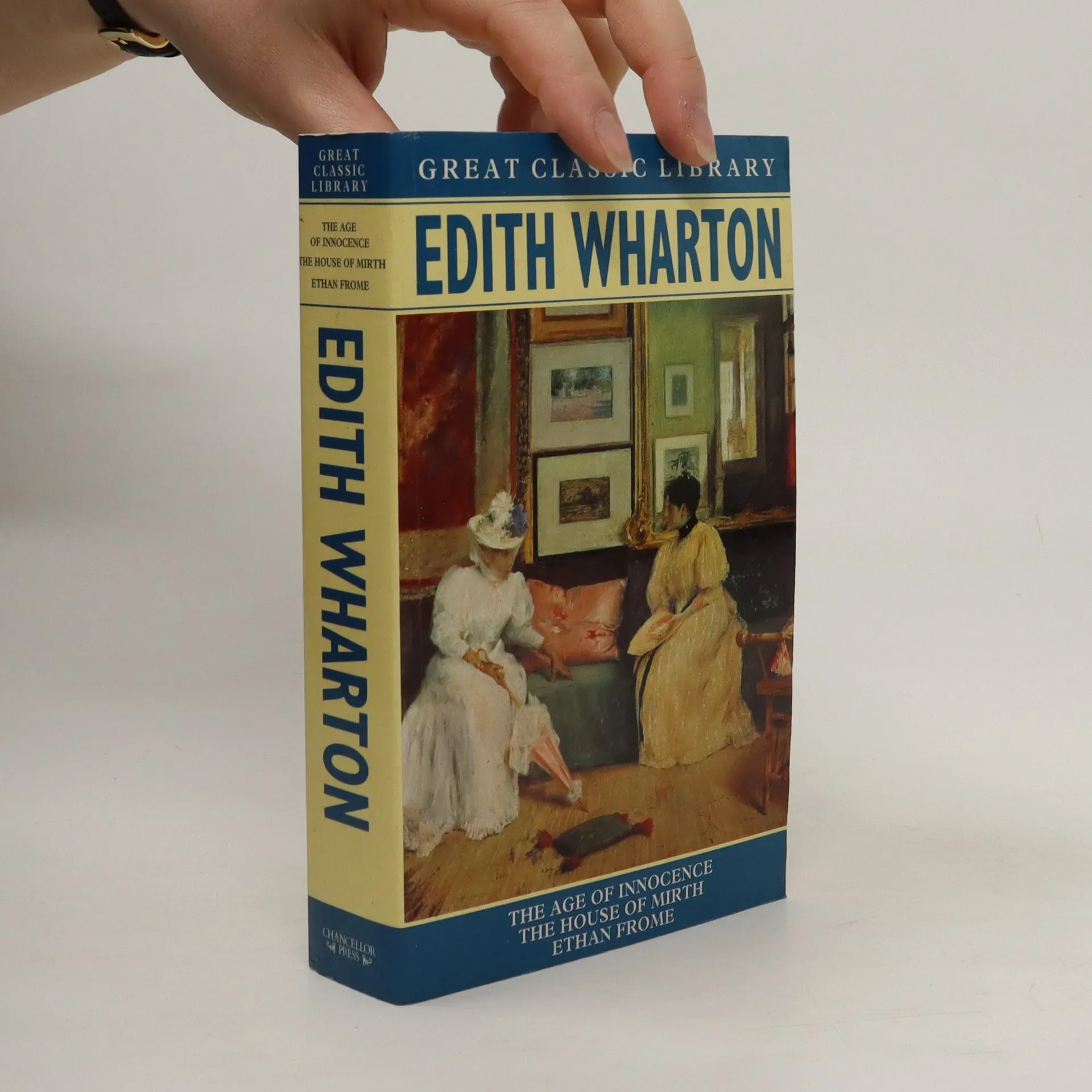
This trilogy binds Edith Wharton's most popular works: The Age of Innocence, Ethan Frome, and The House of Mirth. The Age of Innocence is set in upper-class New York in the 1870s. Newland Archer is looking forward to marrying beautiful May Welland but he is not without doubts -- particularly after the appearance of her exotic cousin Countess Ellen Olenska, both beautiful and scandalous. Ethan Frome takes place in New England during winter, where an unnamed narrator encounters Ethan Frome, a mysterious man injured years earlier. The House of Mirth is the story of Lily Bart, torn between her dream of luxurious living and a relationship based on love.
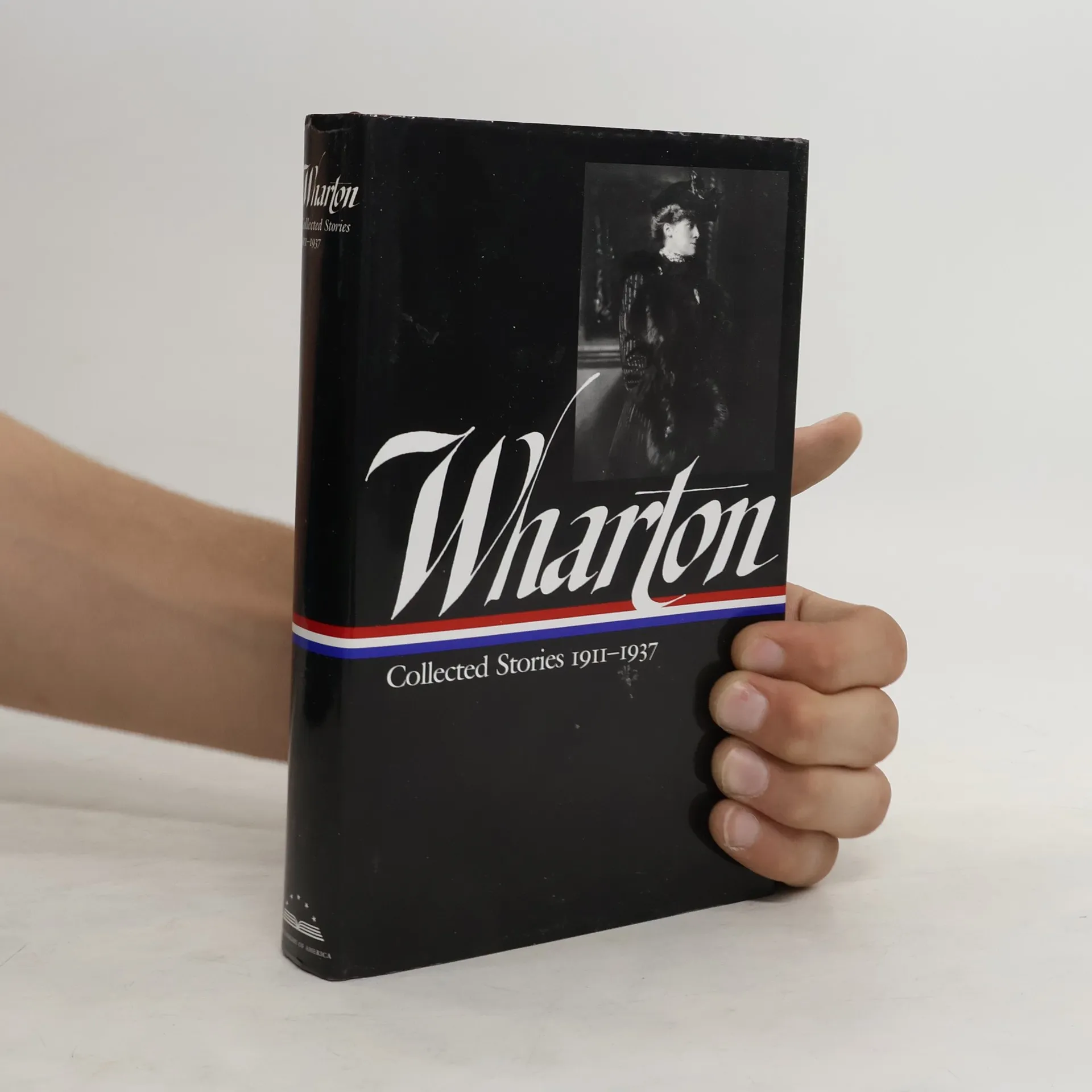
Collected Stories 1911-1937
- 848pagine
- 30 ore di lettura
Here is Wharton's sly and subtle humor and her flair for puncturing social pretensions; her provocative delineation of sexuality and woment's roles and the emotional price exacted by the rules of decorum; and her excursions into the uncanny and supernatural, in which her lucid prose makes her explorations of irrational forces all the more unsettling
A young couple's love is threatened by the destructive power of money, by one of the greatest authors of her age In this beautiful novel, Edith Wharton perceptively describes the seductions and temptations of high society with all her trademark wit and irony. Nick Lansing and Susy Branch are young, attractive, but impoverished New Yorkers. They are in love and decide to marry, but they realise their chances of happiness are slim without the wealth and status that their more privileged friends take for granted. Nick and Susy agree to separate whenever either encounters a more eligible proposition. However, as they honeymoon in friends' lavish houses, from a villa on Lake Como to a Venetian palace, jealous passions and troubled consciences cause the idyll to crumble.
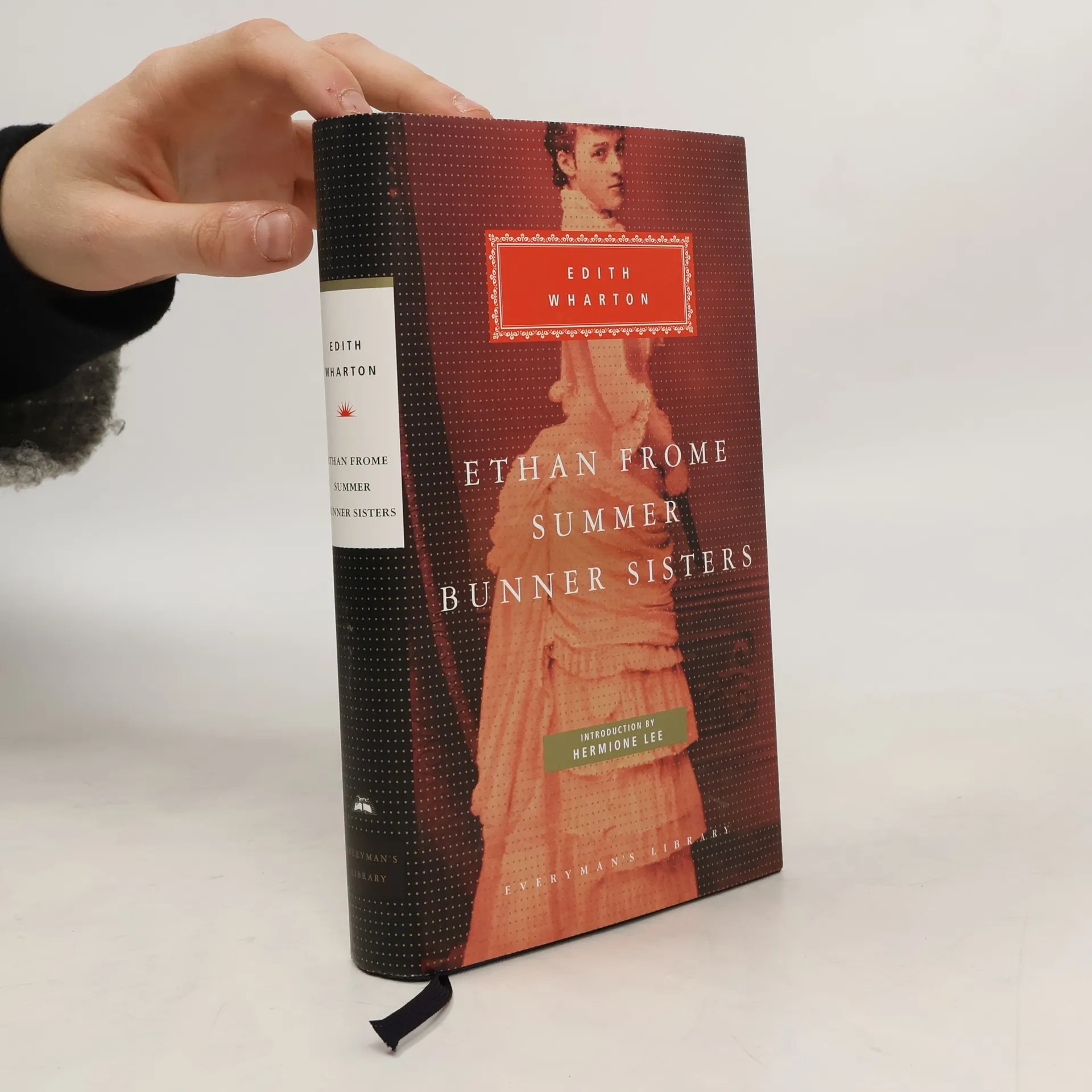
Ethan Frome, Summer, Bunner Sisters
- 408pagine
- 15 ore di lettura
These brilliantly wrought, tragic novellas explore the repressed emotions and destructive passions of working-cass people far removed from the social milieu usually inhabited by Edith Wharton's characters.
Madame de Treymes and Other Stories
- 128pagine
- 5 ore di lettura
An American tries to escape her marriage to a French aristocrat in the title story of this collection. Additional tales include "Autres Temps …," "The Long Run," and "The Triumph of Night."
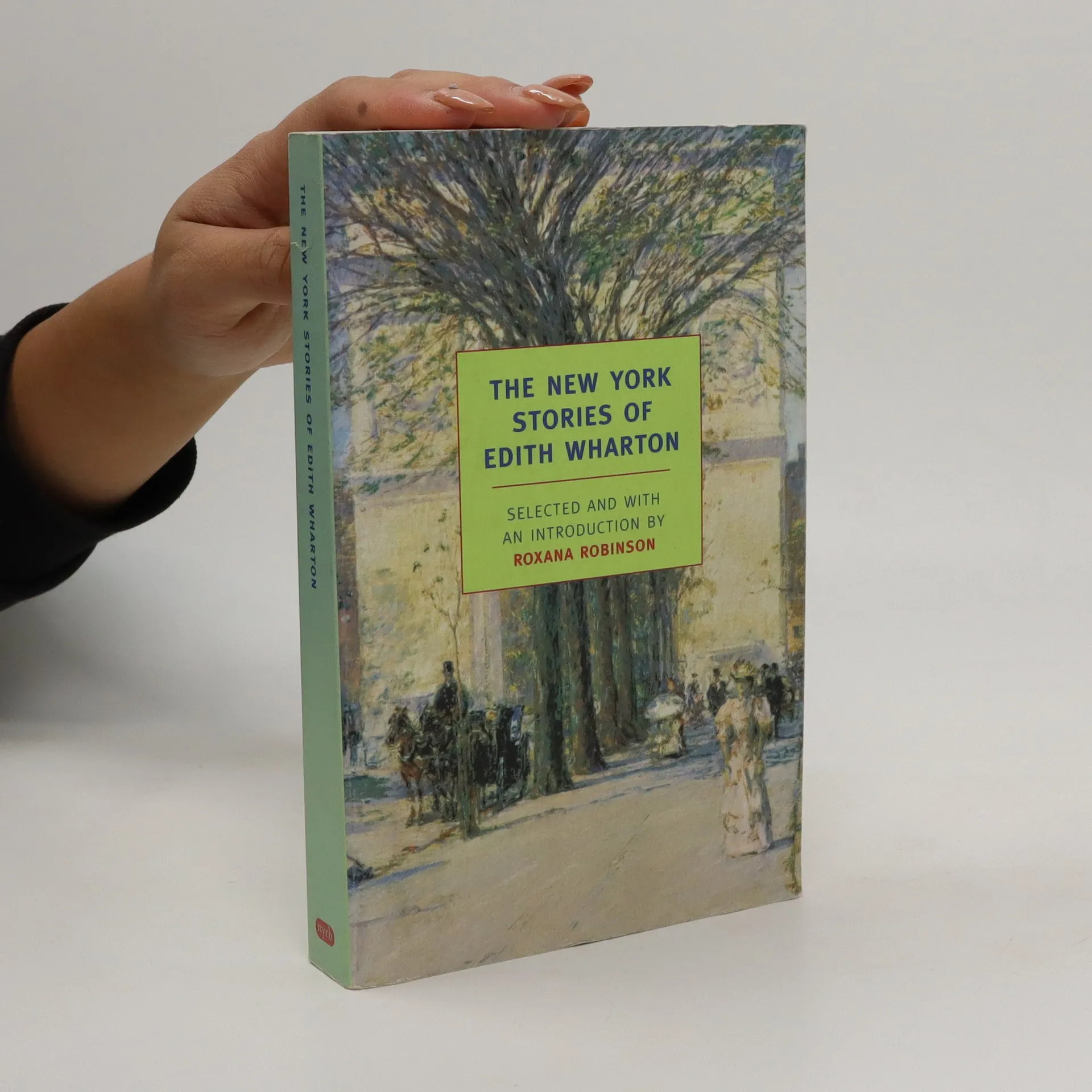
Edith Wharton wrote about New York as only a native can. Her Manhattan is a city of well-appointed drawing rooms, hansoms and broughams, all-night cotillions, and resplendent Fifth Avenue flats. Bishops’ nieces mingle with bachelor industrialists; respectable wives turn into excellent mistresses. All are governed by a code of behavior as rigid as it is precarious. What fascinates Wharton are the points of weakness in the structure of Old New York: the artists and writers at its fringes, the free-love advocates testing its limits, the widows and divorcées struggling to hold their own.The New York Stories of Edith Wharton gathers twenty stories of the city, written over the course of Wharton’s career. From her first published story, “Mrs. Manstey’s View,” to one of her last and most celebrated, “Roman Fever,” this new collection charts the growth of an American master and enriches our understanding of the central themes of her work, among them the meaning of marriage, the struggle for artistic integrity, the bonds between parent and child, and the plight of the aged. Illuminated by Roxana Robinson’s Introduction, these stories showcase Wharton’s astonishing insight into the turbulent inner lives of the men and women caught up in a rapidly changing society.
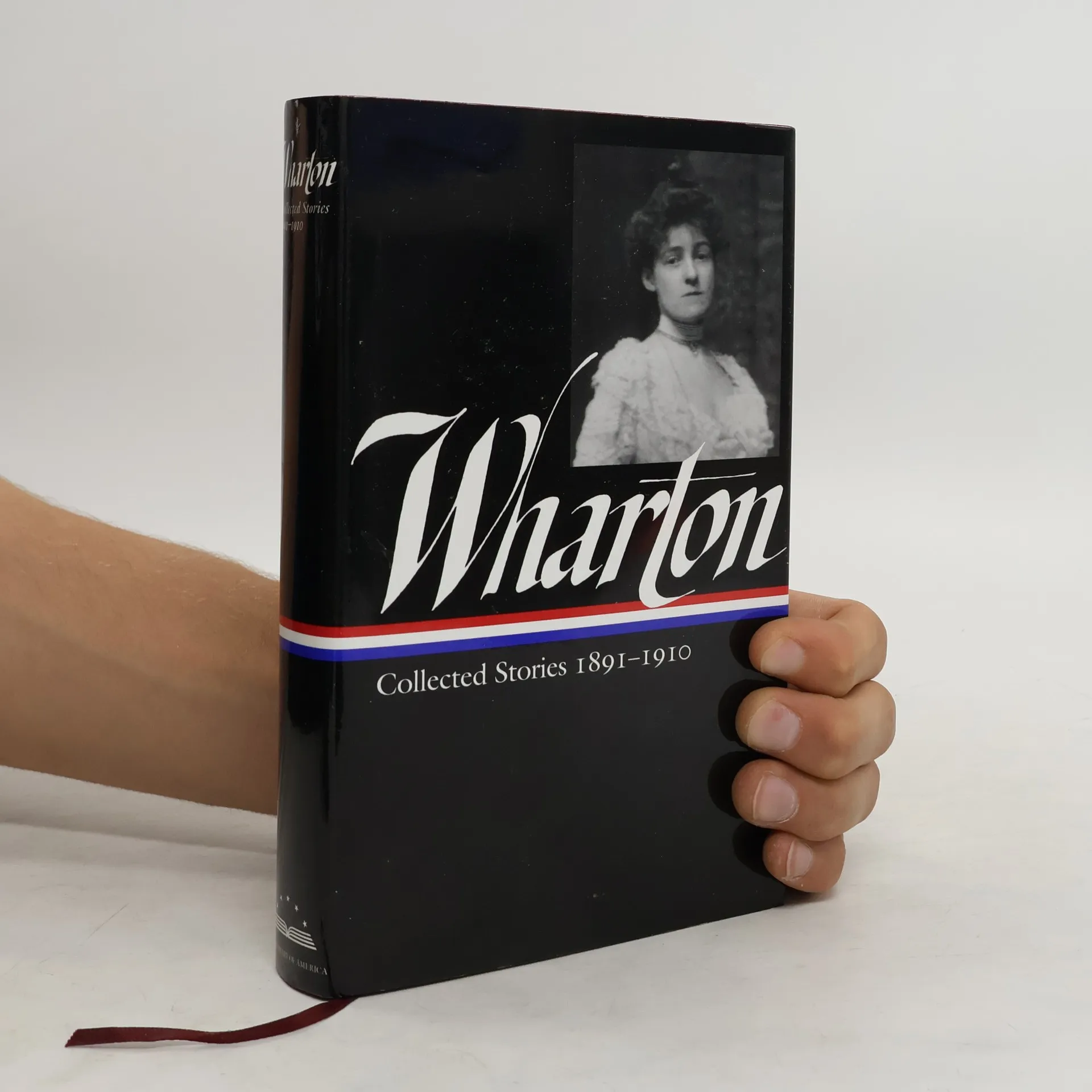
Edith Wharton: Collected Stories Vol 1. 1891-1910 (Loa #121)
- 928pagine
- 33 ore di lettura
This collector's edition features the unparalleled stories of a renowned American author, showcasing their literary mastery. The first volume in a landmark two-volume set highlights the unique narratives that have shaped American literature, offering readers an opportunity to explore the depth and richness of the author's work.
Hudson River Bracketed
- 454pagine
- 16 ore di lettura
The narrative centers on Vance Weston, an aspiring writer, and Halo Spear, a talented young woman who becomes his mentor in literature. Their relationship deepens as they navigate personal struggles, including Vance's challenges and Halo's disappointments, alongside their troubled marriages. The novel explores themes of ambition, intellectual companionship, and the complexities of love, highlighting the resilience of their bond against life's adversities.
The Descent of Man and Other Stories
- 176pagine
- 7 ore di lettura
Exploring the legacy of Edith Wharton, this work delves into the unique balance of security and alertness that defines her literary tradition. It raises questions about the future of writers and their ability to embody this distinctive blend, reflecting on Wharton's influence and the evolving landscape of literature. Forster's inquiry invites readers to consider the enduring impact of Wharton's style and themes on contemporary writing.
Tales of Men and Ghosts
- 222pagine
- 8 ore di lettura
Edith Wharton, an influential American novelist and short story writer, expertly depicted the lives and morals of the Gilded Age elite, drawing from her intimate understanding of New York's upper class. Her literary contributions earned her the distinction of being the first woman to win the Pulitzer Prize for Literature in 1921. In recognition of her impact on literature and culture, she was inducted into the National Women's Hall of Fame in 1996, solidifying her legacy as a pioneering figure in American literature.
Kerfol
- 26pagine
- 1 ora di lettura
HardPress Classic Books Series
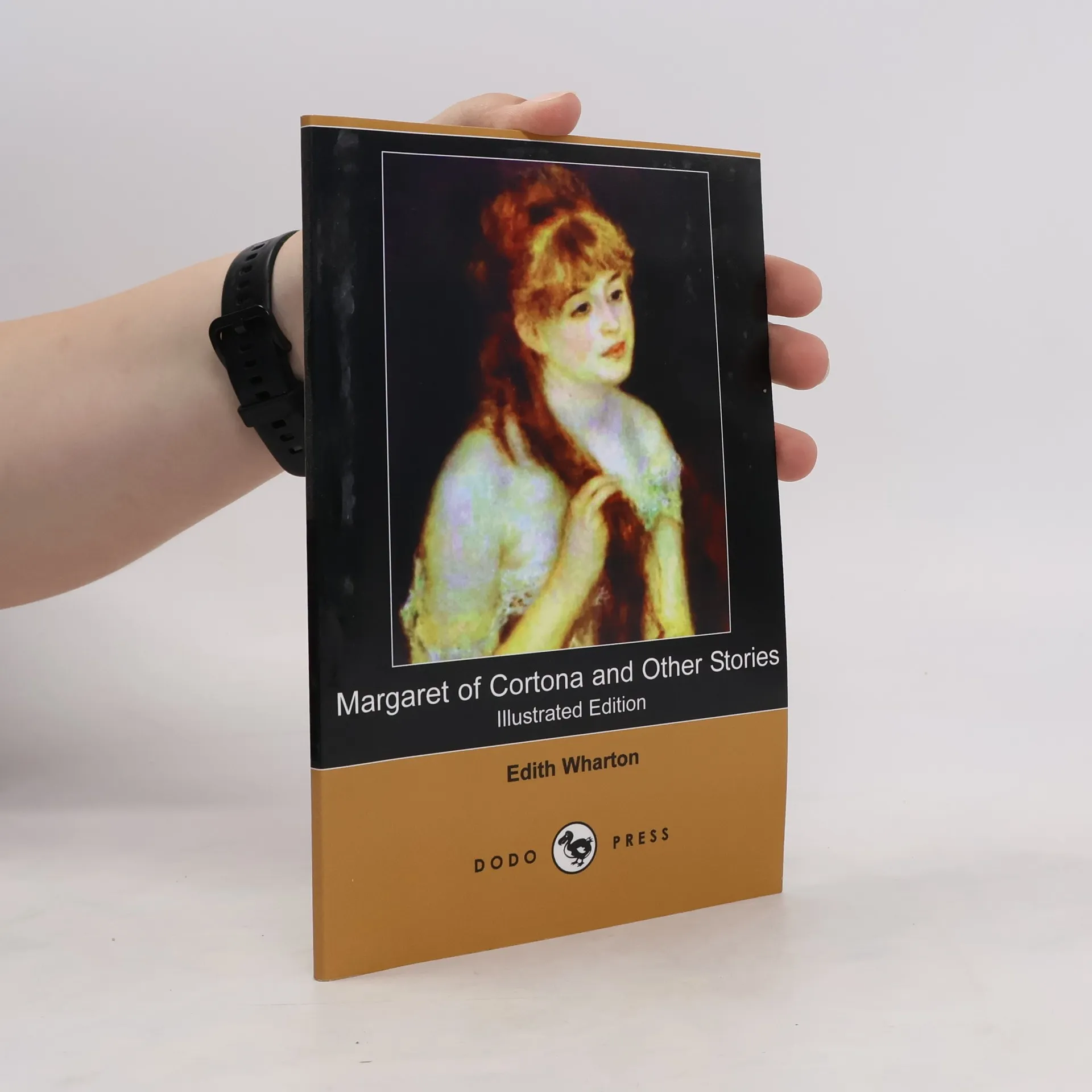
Margaret of Cortona and Other Stories
- 80pagine
- 3 ore di lettura
Edith Wharton (1862-1937), born Edith Newbold Jones, was an American novelist, short story writer, and designer. She combined her insider's view of America's privileged classes with a brilliant, natural wit to write humourous and incisive novels and short stories. Wharton was well-acquainted with many of her era's literary and public figures, including Henry James and Theodore Roosevelt. Besides her writing, she was a highly regarded landscape architect, interior designer, and taste-maker of her time. She wrote several influential books, including The Decoration of Houses (1897), her first published work, and Italian Villas and Their Gardens (1904). The Age of Innocence (1920), perhaps her best known work, won the 1921 Pulitzer Prize for literature, making her the first woman to win the award. Her other works include: The Greater Inclination (1899), The Touchstone (1900), Sanctuary (1903), The Descent of Man and Other Stories (1904), The House of Mirth (1905), Madame de Treymes (1907), The Fruit of the Tree (1907), The Hermit and the Wild Woman and Other Stories (1908), Ethan Frome (1912), In Morocco (1921), and The Glimpses of the Moon (1921).
The collection features poetry that immerses readers in a timeless and evocative world, showcasing Edith Wharton's lyrical and introspective talent. Departing from her narrative prose, these verses reflect her unique perspective and artistic depth, providing a fresh exploration of themes and emotions. Published in the early 20th century, the work highlights Wharton's versatility as a writer, inviting readers to experience her poetic voice.
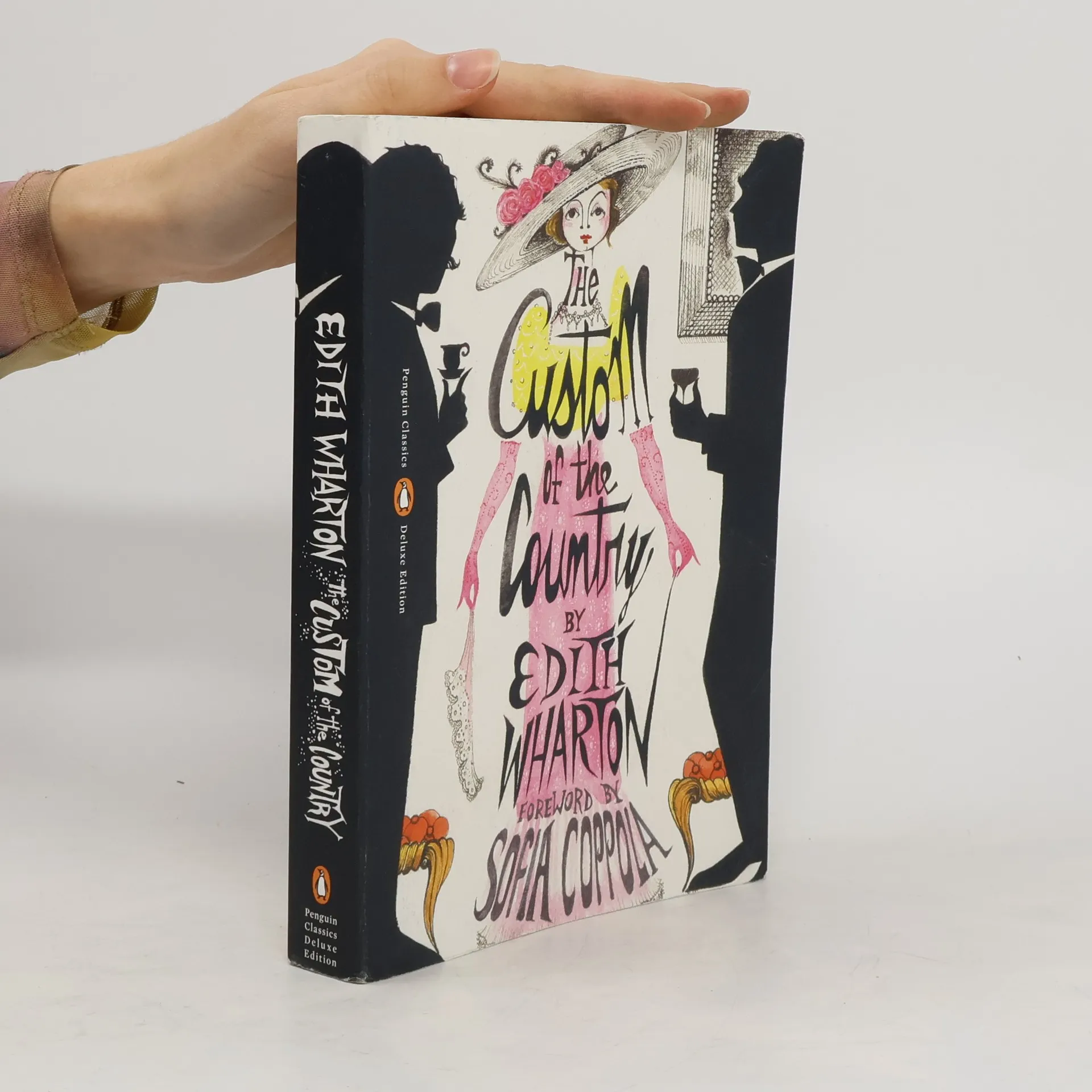
The Custom of the Country: (Penguin Classics Deluxe Edition)
- 400pagine
- 14 ore di lettura
Wharton’s sly and delicious novel about the ambitious social ascent of Undine Spragg, now in a Penguin Vitae edition, with a foreword by Sofia Coppola A Penguin Vitae Edition Considered by many to be her masterpiece, Edith Wharton’s second full-length work is a scathing yet personal examination of the exploits and follies of the modern upper class. As she unfolds the story of Undine Spragg, from New York to Europe, Wharton affords us a detailed glimpse of what might be called the interior décor of this America and its nouveau riche fringes. Through a heroine who is as vain, spoiled, and selfish as she is irresistibly fascinating, and through a most intricate and satisfying plot that follows Undine’s marriages and affairs, she conveys a vision of social behavior that is both supremely informed and supremely disenchanted.
Old New York
- 156pagine
- 6 ore di lettura
"Old New York" (1924) by Edith Wharton is a collection of four novellas set in upper-class New York City during the 1840s to 1870s. These stories explore themes of infidelity, jealousy, and class, showcasing Wharton's sharp social insights and character examinations. Included tales are "False Dawn," "The Old Maid," "The Spark," and "New Year's Day."
A Son at the Front offers a vivid portrait of American expatriate life in Paris during World War I. Wharton's only full-length novel dealing with the war, it portrays the relationship between an American expatriate artist father and his soldier son.
“Newland felt more and more embarrassed. The men were all staring into the box where May was sitting between her mother and her aunt, he didn’t recognise the lady in the strange dress, and he didn’t know why everyone was so shocked to see her.” Newland Archer, heir to one of New York City’s best families, is planning a proper marriage, a perfect product of New York society. One night he meets May’s cousin, the Countess Ellen Olenska. This exotic and beautiful woman has returned to New York from Poland after a mysterious scandal. Newland becomes caught in a battle between duty and mystery, between tradition and the power of love. Newland je v rozpakoch. Všetci muži uprene hľadeli smerom k miestu, kde sedela May s mamou a tetou. Nepoznal dámu v zvláštnych šatách a netušil, prečo boli všetci takí šokovaní, že ju vidia. Newland Archer, dedič jednej z najlepších newyorských rodín, chce riadne manželstvo, ako si to žiada newyorská spoločnosť V jeden večer spozná Mayinu sesternicu, grófku Ellen Olenskú. Táto exotická a krásna žena sa vrátila z Poľska do New Yorku po záhadnom škandále. Newland musí zvádzať boj medzi povinnosťou a záhadnosťou, medzi tradíciou a silou lásky.
Presents a collection of short stories about love, marriage, and divorce, including "Souls belated," "The pelican," and "The other two."
Ghosts
- 288pagine
- 11 ore di lettura
"No history of the American uncanny tale would be complete without mention of Edith Wharton, yet many of Wharton's most dedicated admirers are unaware that she was a master of the form. In fact, one of Wharton's final literary acts was assembling Ghosts, a personal selection of her own most chilling stories, written between 1902 and 1937. In 'The Lady's Maid's Bell,' the earliest tale included here, a servant's dedication to her mistress continues from beyond the grave, and in 'All Souls,' the last story Wharton wrote, an elderly woman treads the permeable line between life and the hereafter. In all her writing, Wharton's great gift was to mercilessly illuminate the motives of men and women, and her ghost stories never stray far from the preoccupations of the living, using the supernatural to investigate such worldly matters as violence within marriage, the horrors of aging, the rot at the root of new fortunes, the darkness that stares back from the abyss of one's own soul. These are stories to 'send a cold shiver down one's spine,' not to terrify, and as Wharton explains her in her preface, her goal in writing them was to counter 'the hard grind of modern speeding-up' by preserving that ineffable space of 'silence and continuity' which is not merely the prerogative of humanity, but -- 'in the fun of the shudder'--its delight"-- Provided by publisher
More Poetry Please!
- 672pagine
- 24 ore di lettura
Next volume in excellent H G Wells series H G Wells (1866-1946)was one of the inventors of science fiction and remains arguably the finest writer that the genre has known.This second volume of his science fiction includes THE INVISIBLE MAN(1897),WHEN THE SLEEPER AWAKES(1899) and THE SHAPE OF THINGS TO COME(1933).
Timeless Love: Poems, Stories, and Letters
- 304pagine
- 11 ore di lettura
This beautiful, giftable collection celebrates the beauty and the agony of love through classic poems, stories, and letters from beloved writers. Because it defines human existence, love is one of art's favorite subjects. Timeless Love: Poems, Stories, and Letters celebrates the mysterious nature of love and passion by bringing together classic works by beloved writers through the ages. Including stories, poems, and letters from Shakespeare, Elizabeth Barret Browning, John Keats, Edith Wharton, and more, this collection explores how each love is singular--yet love itself is universal. Hand-selected and presented in a lovely, gift-worthy package, Timeless Love will make a romantic, thoughtful gift for the reader in your life or the perfect addition to a collector's shelf.
A collection of shorts by Edith Wharton including The Reckoning, Roman Fever, The Day of the Funeral and many more.
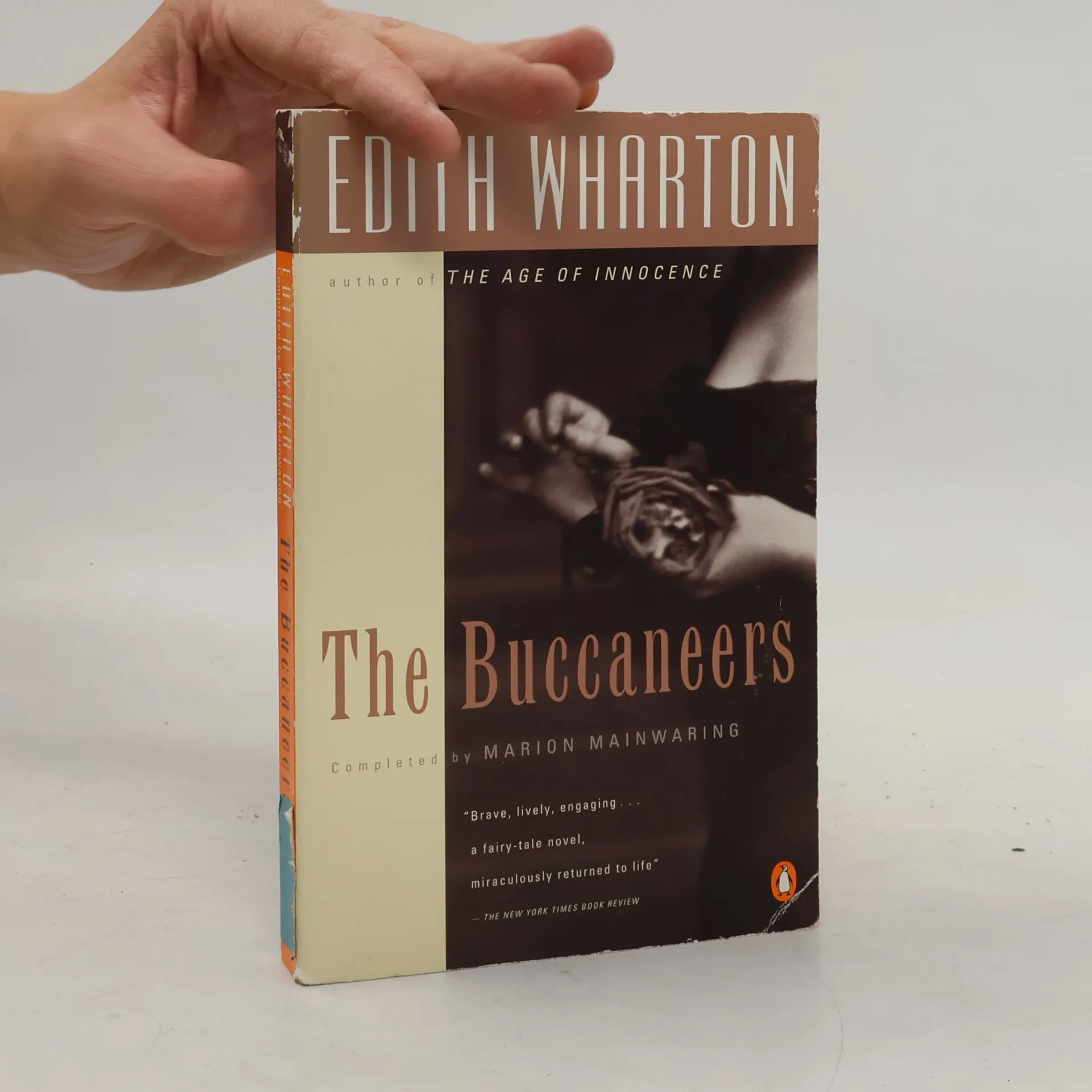
Edith Wharton's spellbinding final novel tells a story of love in the gilded age that crosses the boundaries of society—now an original series on AppleTV+! “Brave, lively, engaging...a fairy-tale novel, miraculouly returned to life.”—The New York Times Book Review Set in the 1870s, the same period as Wharton's The Age of Innocence, The Buccaneers is about five wealthy American girls denied entry into New York Society because their parents' money is too new. At the suggestion of their clever governess, the girls sail to London, where they marry lords, earls, and dukes who find their beauty charming—and their wealth extremely useful. After Wharton's death in 1937, The Christian Science Monitor said, "If it could have been completed, The Buccaneers would doubtless stand among the richest and most sophisticated of Wharton's novels." Now, with wit and imagination, Marion Mainwaring has finished the story, taking her cue from Wharton's own synopsis. It is a novel any Wharton fan will celebrate and any romantic reader will love. This is the richly engaging story of Nan St. George and Guy Thwarte, an American heiress and an English aristocrat, whose love breaks the rules of both their societies.
A portrait of 1920s New York society. 7.30 Mental uplift. 7.45 Breakfast. 8 Psychoanalysis. 8.15 See cook. And so begins another day in the elegant, langorous world of the Manford family around whom this ironic and amusing study of a family drama revolves.
Mr Jones
- 96pagine
- 4 ore di lettura
When Lady Jane Lynke unexpectedly inherits Bells, a beautiful country estate, she declares she'll never leave the peaceful grounds and sets about making the house her home. But she hasn't reckoned on the obstinate Mr Jones, the caretaker she's told dislikes her changes, yet never seems able to be found.
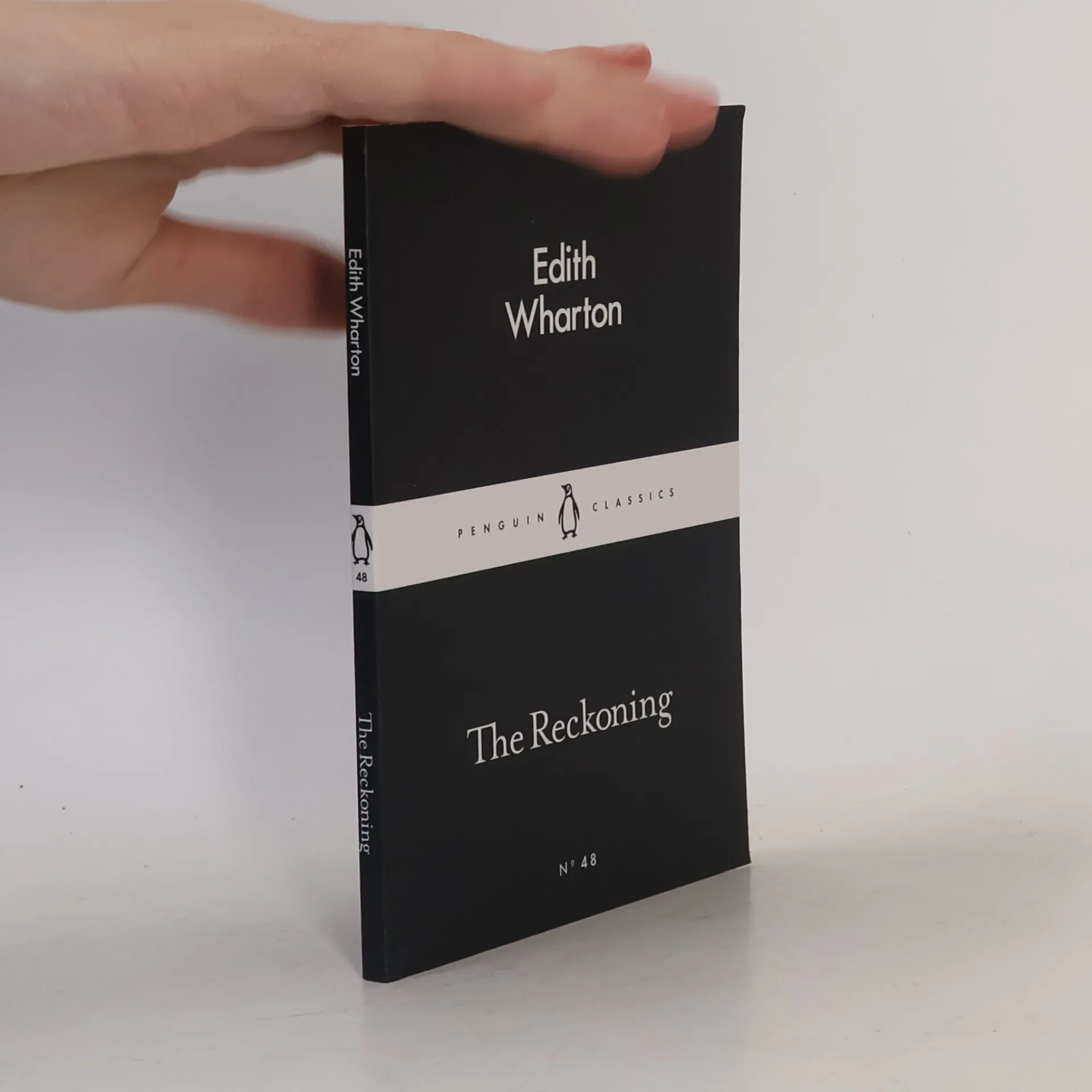
The Reckoning
- 64pagine
- 3 ore di lettura
From the great writer of turn-of-the century New York, two devastating portraits of lonely widowhood and an unconventional marriage.
Ethan Frome and Other Short Fiction
- 256pagine
- 9 ore di lettura
On a bleak New England farm, a taciturn young man has resigned himself to a life of grim endurance. Bound by circumstance to a woman he cannot love, Ethan Frome is haunted by a past of lost possibilities until his wife's orphaned cousin, Mattie Silver, arrives and he is tempted to make one final, desperate effort to escape his fate. In language that is spare, passionate, and enduring, Edith Wharton tells this unforgettable story of two tragic lovers overwhelmed by the unrelenting forces of conscience and necessity.Included with Ethan Frome are the novella The Touchstone and three short stories, "The Last Asset," "The Other Two," and "Xingu." Together, this collection offers a survey of the extraordinary range and power of one of America's finest writers.
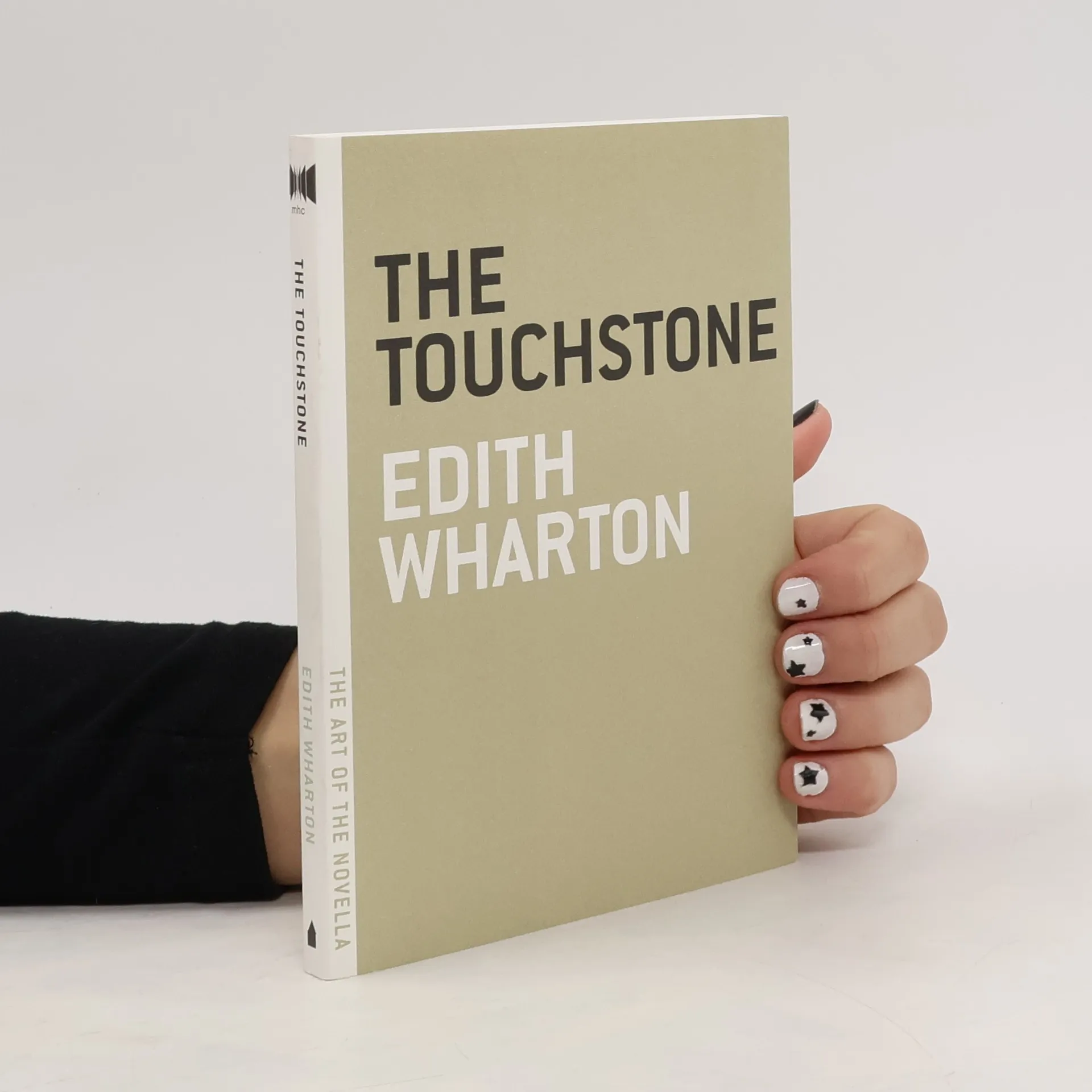
The Touchstone
- 124pagine
- 5 ore di lettura
A young man scorns the love of a tortured novelist, only to have her words come back to haunt him from the dead. The Touchstone shows off the skills Wharton became famous for in later novels such as Ethan Frome and House of Mirth, particularly her piercing and delicious talent for satiric observation.
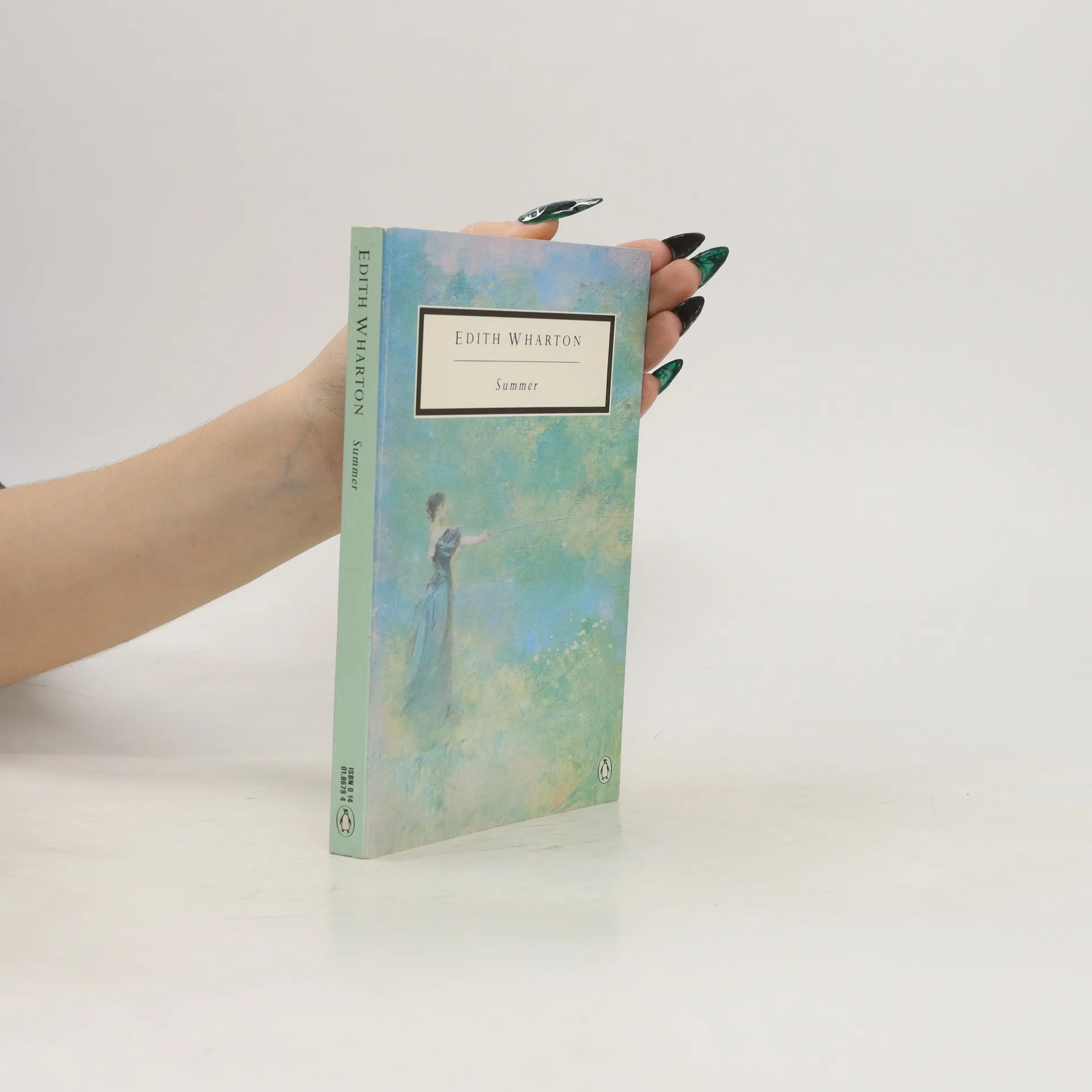
Charts the sexual awakening of young Charity Royall from her carefree life in June through her affair in July and August, ending in autumn with her de facto abandonment and marriage of convenience to the man who raised her
The Mother's Recompense
- 198pagine
- 7 ore di lettura
The story revolves around Kate Clephane, who has been living in exile in France after leaving her husband and daughter. Now, her adult daughter is inviting her back to New York for her wedding, which becomes even more complicated as she discovers her daughter is engaged to Chris Fenno, Kate's former lover. As old feelings resurface and trust issues arise, Kate must navigate the emotional turmoil of rekindled love and familial obligations.
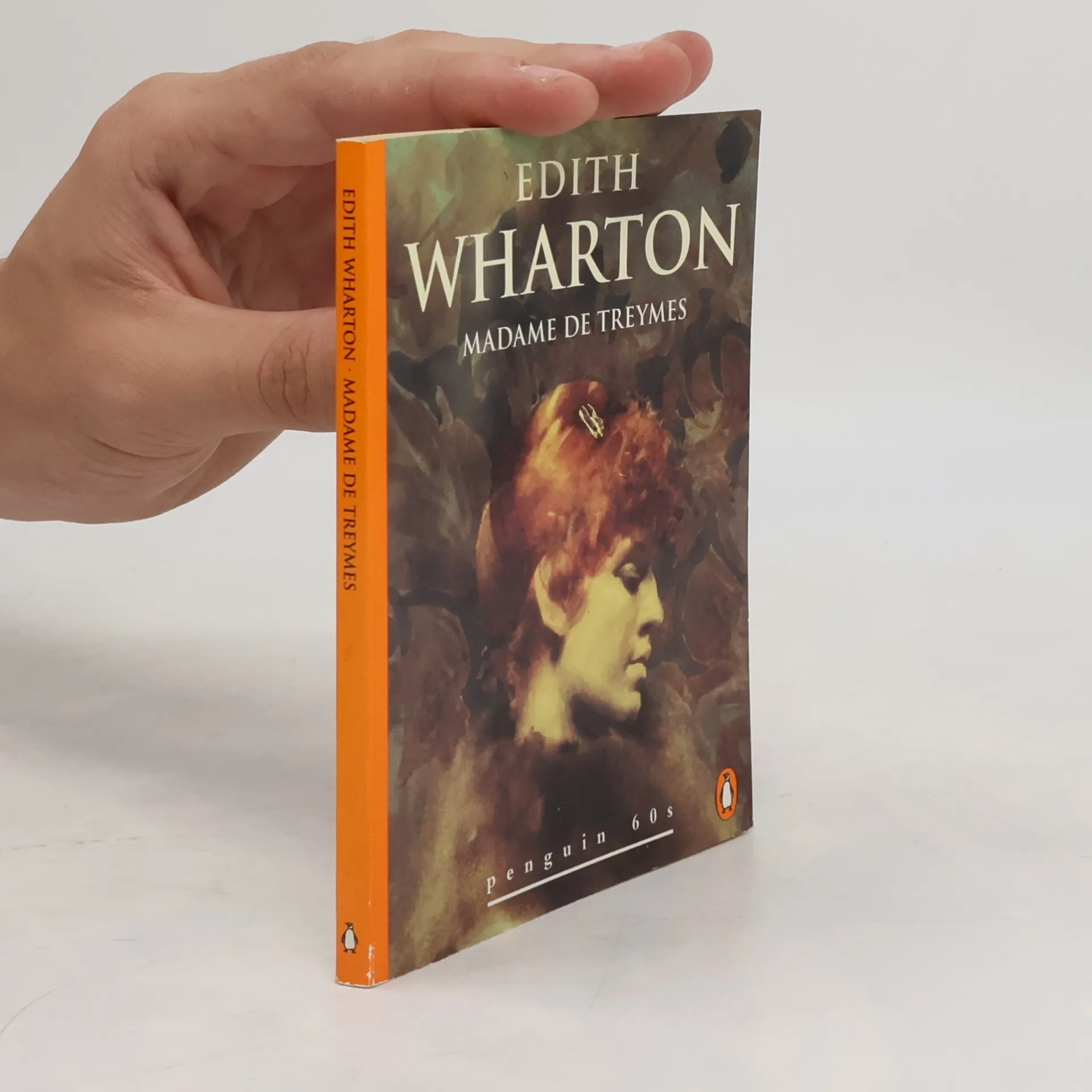
Madame de Treymes
- 96pagine
- 4 ore di lettura
Edith Wharton's "Madame de Treymes" is a remarkable example of the form. It is the story of the tactical defeat but moral victory of an honest and upstanding American in his struggle to win a wife from a tightly united but feudally minded French aristocratic family. He loses, but they cheat. . . . In a masterpiece of brevity, Wharton dramatizes the contrast between the two opposing forces: the simple and proper old brownstone New York, low in style but high in principle, and the achingly beautiful but decadent Saint-Germain district of Paris. The issue is seamlessly joined. Louis Auchincloss in the "Wall Street Journal," 2006
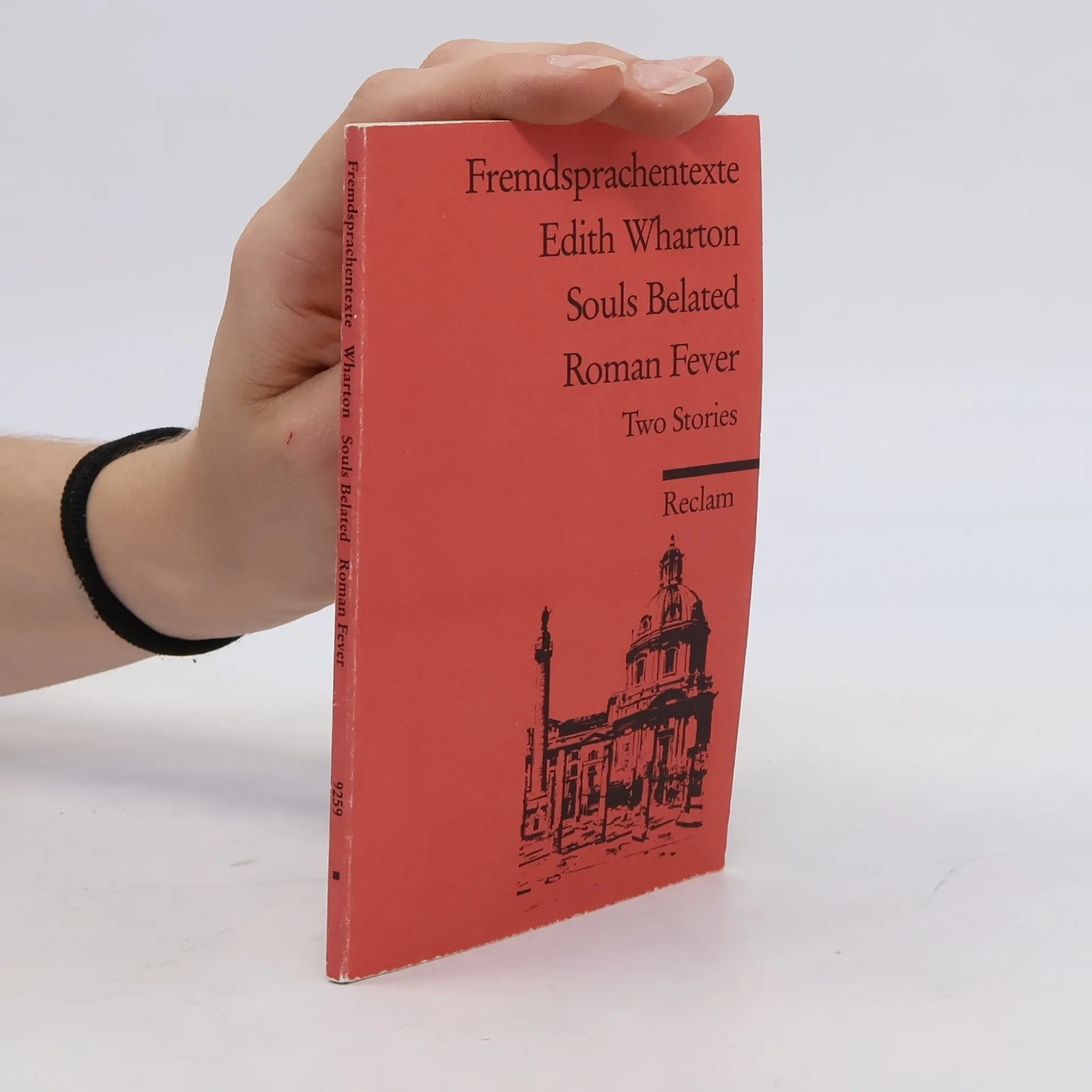
Souls belated
Roman fever. two stories. Edith Wharton. Hrsg. von Eva-Maria König
- 91pagine
- 4 ore di lettura
The House of Mirth is a 1905 novel by the American author Edith Wharton. It tells the story of Lily Bart, a well-born but impoverished woman belonging to New York City's high society around the turn of the last century. Wharton creates a portrait of a stunning beauty who, though raised and educated to marry well both socially and economically, is reaching her 29th year, an age when her youthful blush is drawing to a close and her marital prospects are becoming ever more limited. The House of Mirth traces Lily's slow two-year social descent from privilege to a tragically lonely existence on the margins of society. In the words of one scholar, Wharton uses Lily as an attack on "an irresponsible, grasping and morally corrupt upper class.The House of Mirth was Wharton's second published novel and was preceded by two novellas, The Touchstone (1900), Sanctuary (1903), and one full-length novel, The Valley of Decision (1902). Her subsequent important novels are Ethan Frome (1911), The Custom of the Country (1913), and The Age of Innocence (1920) for which she won the Pulitzer Prize in 1921. These works influenced a host of American authors for two generations. They include F. Scott Fitzgerald (The Great Gatsby), Sinclair Lewis (Main Street), John O'Hara (Appointment in Samarra), and Louis Auchincloss (The House of Five Talents).
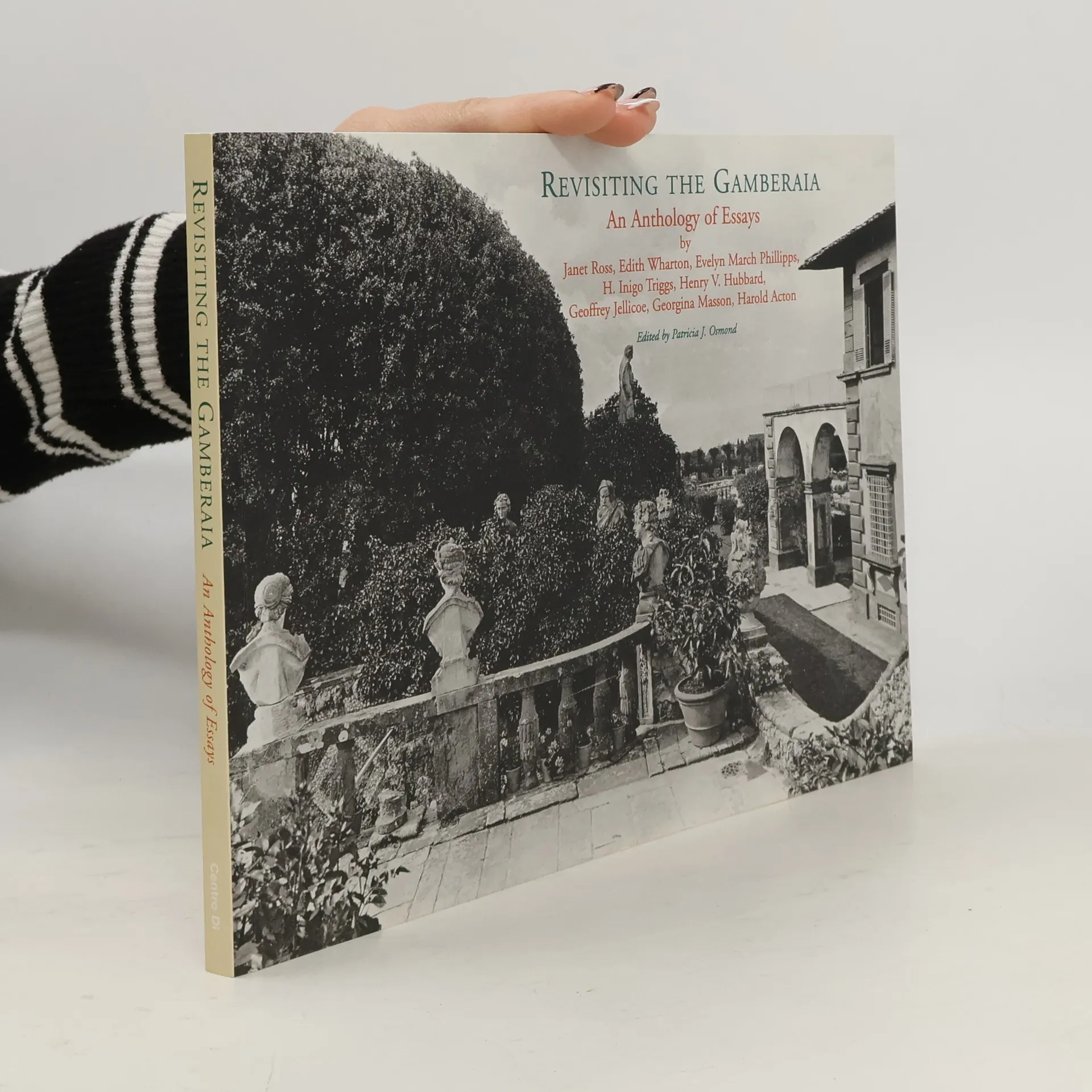
Italian Villas and Their Gardens
- 68pagine
- 3 ore di lettura
The travel narrative invites readers to explore the enchanting landscapes of Italy, focusing on its architectural marvels and lush gardens. Written in the early 20th century, it provides an insightful glimpse into the beauty and intricacies of Italian villas, highlighting their historical significance and aesthetic appeal. Wharton's vivid descriptions transport readers to the heart of the Italian countryside, making it a captivating journey for lovers of travel and garden design.
The book is a reproduction of a historical work, presented in large print to enhance accessibility for readers with impaired vision. Published by Megali, a house dedicated to making historical texts more approachable, it aims to ensure that important works remain available to a wider audience, emphasizing inclusivity in literature.
A Bottle of Perrier, and After Holbein
- 62pagine
- 3 ore di lettura
Edith Wharton, an influential American writer, expertly depicted the lives and morals of the Gilded Age elite through her intimate understanding of upper-class society in New York. She made history as the first woman to win the Pulitzer Prize in Literature in 1921 for The Age of Innocence and was later honored in the National Women's Hall of Fame. Despite starting her writing career later in life, she produced an impressive body of work, including 15 novels, seven novellas, and numerous short stories, poetry, and critical essays.
Focusing on accessibility, this publication by Megali aims to provide historical works in large print, catering specifically to individuals with impaired vision. The effort emphasizes the importance of making literature more inclusive, ensuring that a wider audience can enjoy and engage with classic texts.
Edith Wharton's Tales of Men and Ghosts
- 300pagine
- 11 ore di lettura
Exploring the depths of the human psyche, this collection of ghost stories intertwines psychological tension with literal horror. Each tale dissects characters' minds, revealing their fears and vulnerabilities while immersing readers in a chilling atmosphere. The stories promise to captivate those intrigued by the complexities of fear and the supernatural.
The Old Maid (The 'Fifties)
- 78pagine
- 3 ore di lettura
Edith Wharton was a prolific American author known for her insightful depictions of the upper-class society during the Gilded Age. Her insider perspective allowed her to explore the complexities of morality and social norms in her works. Notably, she was the first woman to win the Pulitzer Prize in Literature in 1921 for The Age of Innocence. With a diverse body of work that includes novels, novellas, short stories, poetry, and criticism, Wharton's literary contributions have solidified her place in American literature, earning her recognition in the National Women's Hall of Fame.
Focusing on accessibility, this publication is a reproduction of a historical work presented in large print, catering specifically to individuals with impaired vision. Megali, the publishing house behind this initiative, aims to enhance the reading experience for those who may struggle with standard text sizes.
The book is a reproduction of a historical work published by Megali, a company dedicated to producing large print editions for individuals with impaired vision. This initiative aims to enhance accessibility and promote reading among those who may struggle with standard print sizes.
Focusing on accessibility, this publication from Megali emphasizes the importance of making historical works available in large print for individuals with impaired vision. The initiative aims to enhance readability and ensure that significant texts can be enjoyed by a wider audience.
A Motor-Flight Through France
- 142pagine
- 5 ore di lettura
The book offers a unique exploration of France through the lens of early motor travel, capturing the historical context and significance of the journey. Its preservation in a modern format ensures clarity and readability, making it accessible for contemporary audiences. This edition reflects a commitment to maintaining the book's importance in history, appealing to those interested in the genres of history and cultural exploration of the Eastern Hemisphere.
This book is a reproduction of a historical work, presented in large print to enhance accessibility for readers with impaired vision. The publishing house Megali focuses on preserving and making such texts available, ensuring that important works remain accessible to a broader audience.
The book is a reproduction of a historical work, produced by Megali, a publishing house dedicated to creating large print editions. This initiative aims to enhance accessibility for readers with impaired vision, ensuring that important historical texts remain available and easy to read.
Focusing on accessibility, this publication by Megali emphasizes the importance of historical works for readers with impaired vision. It features a large print format designed to enhance readability, ensuring that significant texts are more approachable for all audiences. The commitment to preserving and reproducing original works highlights the publisher's dedication to inclusivity in literature.
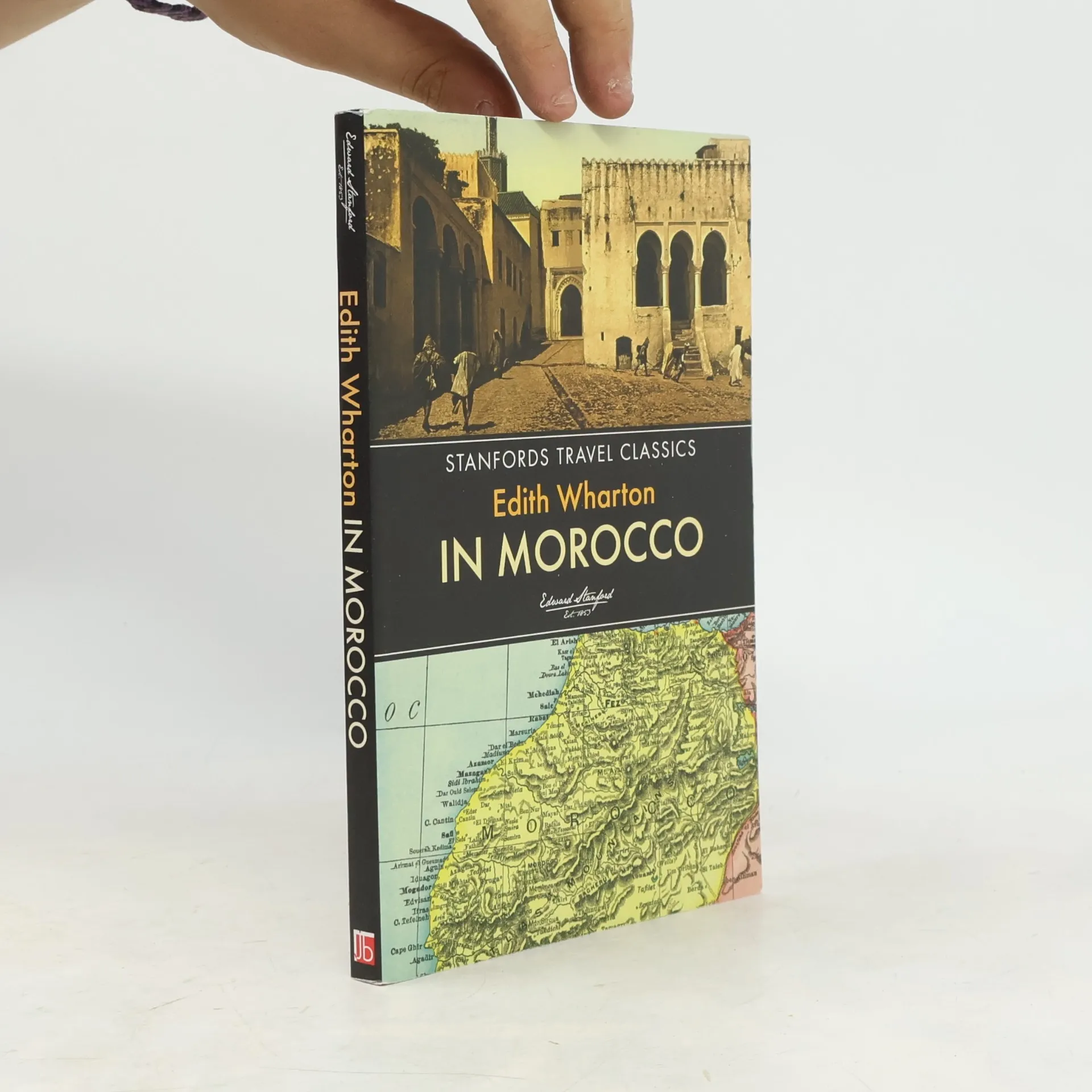
Stanfords Travel Classics: In Morocco
- 144pagine
- 6 ore di lettura
Edith Wharton journeyed to Morocco in the final days of the First World War, at a time when there was no guidebook to the country. In Morocco is the classic account of her expedition.
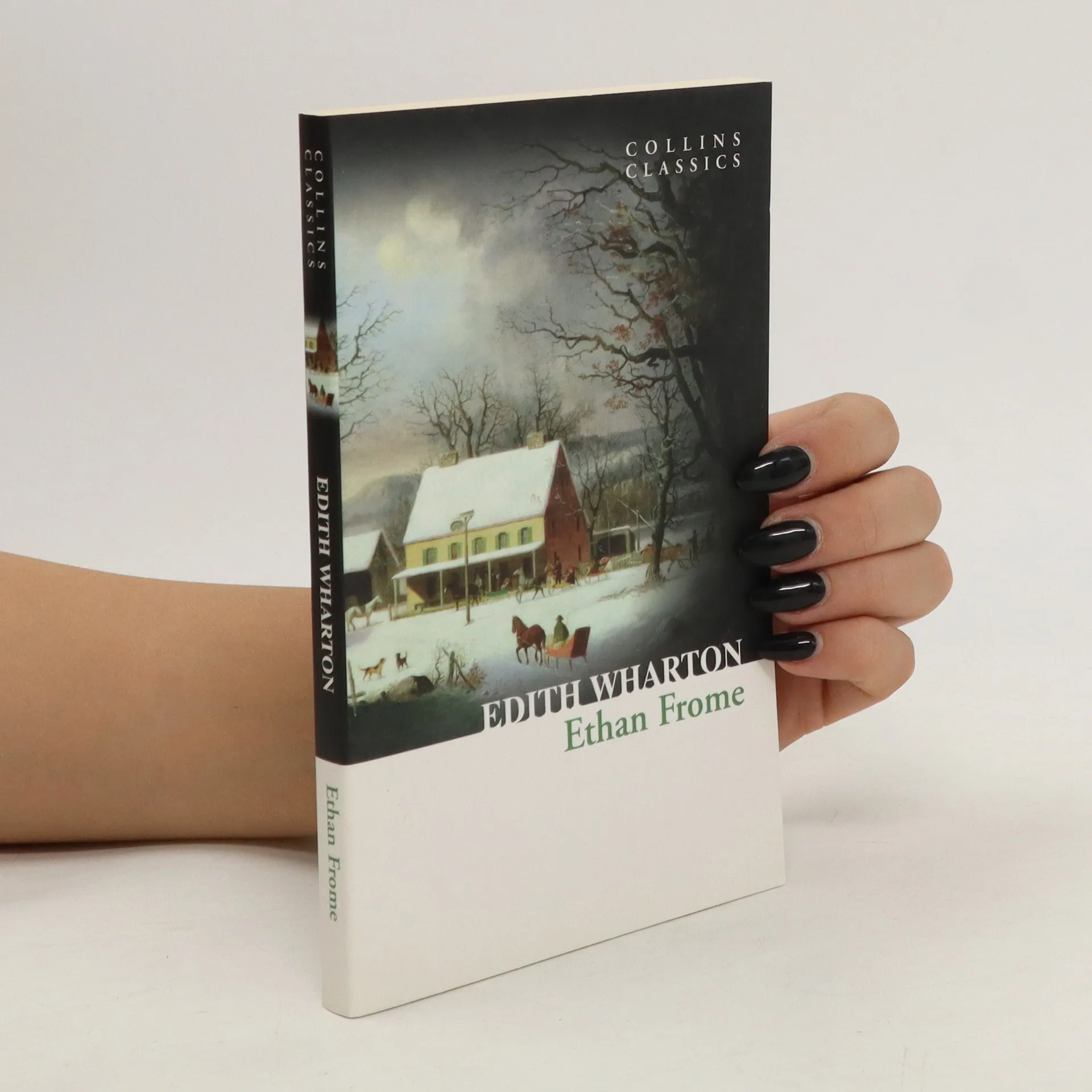
Collins Classics. Ethan Frome
- 142pagine
- 5 ore di lettura
Ethan Frome is a poor New England farmer who lives a downtrodden existence with his wife in this story of pessimism and tragic waste from one of America's great authors.
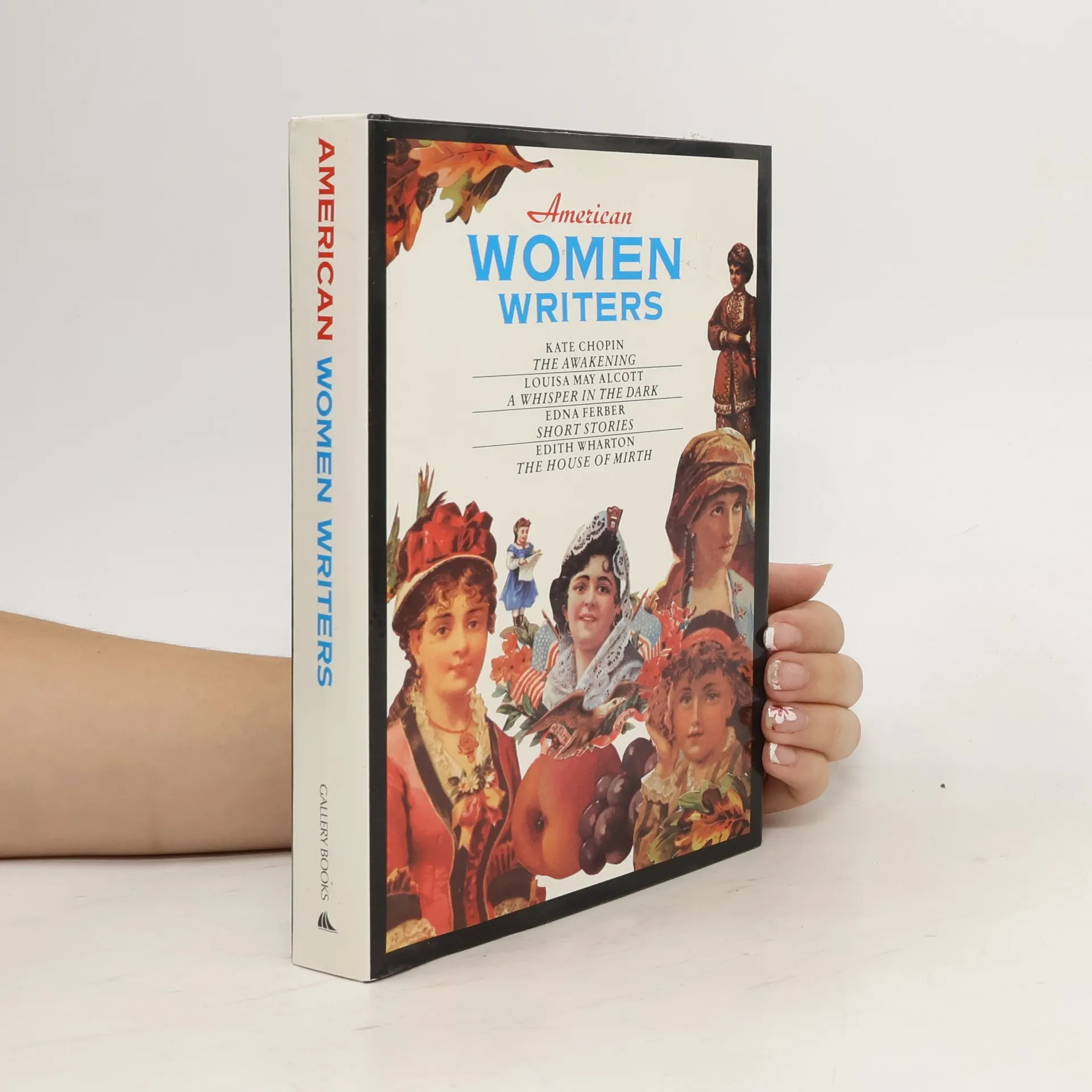
American Women Writers
- 347pagine
- 13 ore di lettura
Selections by Kate Chopin, Louisa May Alcott, Edna Ferber, and Edith Wharton.
Edith Wharton was one of the most outstanding short story writers of this century and Anita Brookner has selected 14 more stories by this prolific author for this 2nd collection.
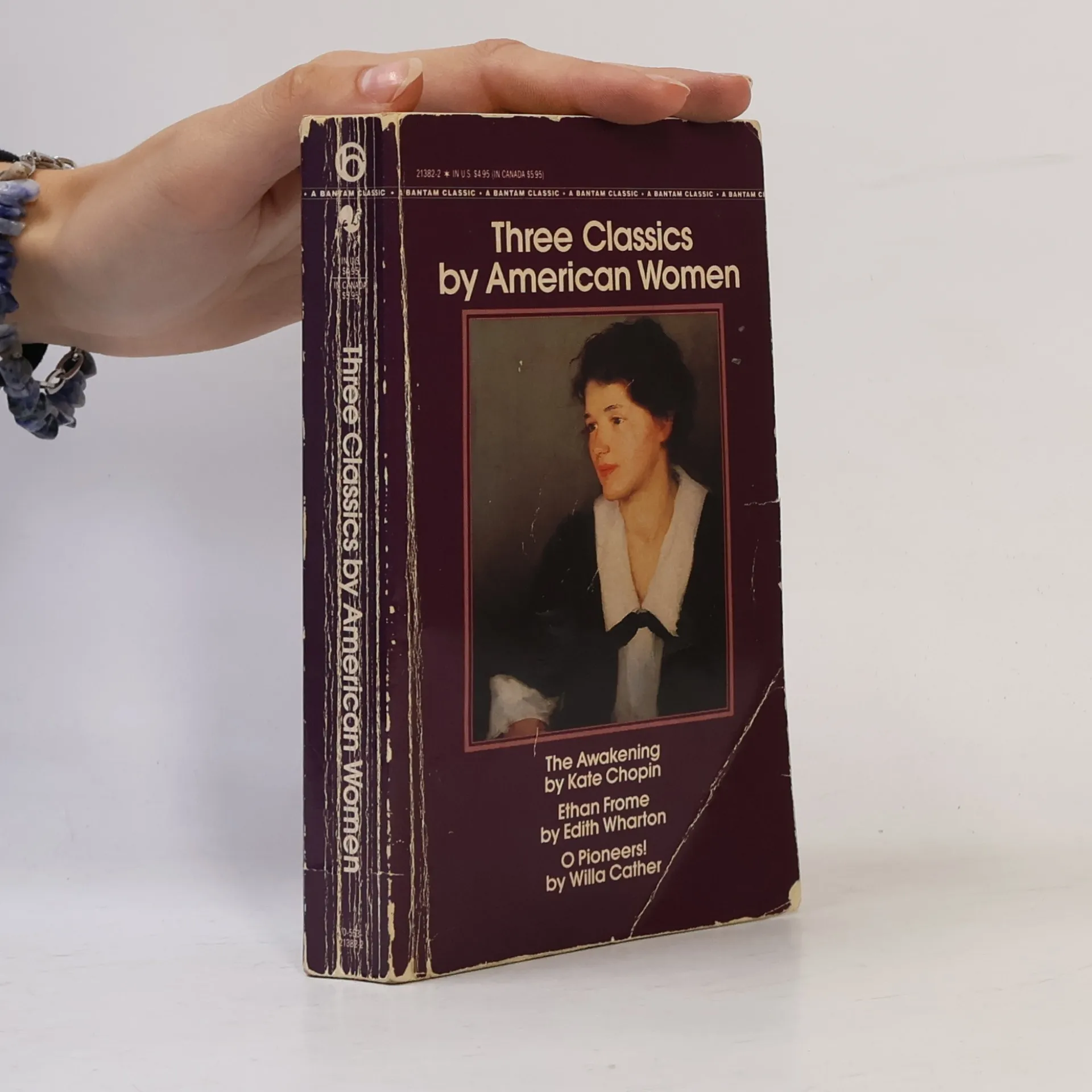
A Bantam Classic: Three Classics by American Women
The Awakening; Ethan Frome; O Pioneers!
- 404pagine
- 15 ore di lettura
In one volume, readers now have access to three classic novels by outstanding American women authors.THE AWAKENING by Kate ChopinJean Stafford wrote, "Kate Chopin was long before her time in dealing with sexual passion...and the personal emotions of women." The Awakening, which shocked its contemporary critics in 1899, is now considered a masterpiece, a novel that traces a woman's growing sensuality, search for identity, and final self-destruction--in a drama played out against the sultry climate and insulated culture of Creole New Orleans.ETHAN FROME by Edith Wharton"There are only three or four American novelists who can be thought of as 'major' and Edith Wharton is one", wrote Gore Vidal. In Ethan Frome, her most popular novel, Wharton tells a tragic story of thwarted love with irony and bitterness that seems to reflect the author's own dissatisfaction with twentieth-century American values.O PIONEERS! by Willa CatherRebecca West called Willa Cather "the most sensuous of writers" because of her evocative descriptions of American life. Cather's magnificent tale of the Nebraska prairie, O Pioneers!, portrays a woman of strong will and even stronger desire to overcome adversity, bringing to life the prairie landscape in lush, provocative colors.
The road grew swilder and drearier and more faintly traced, and vanished at length, leaving him in the heart of the dark wilderness... -Young Goodman Brown
Souls Belated
- 60pagine
- 3 ore di lettura
She stayed there for a long time, in the hypnotized contemplation, not of Mrs. Cope's present, but of her own past. Gannett, early that morning, had gone off on a long walk--he had fallen into the habit of taking these mountain tramps with various fellow lodgers; but even had he been within reach she could not have gone to him just then. She had to deal with herself first. She was surprised to find how, in the last months, she had lost the habit of introspection. Since their coming to the Hotel Bellosguardo she and Gannett had tacitly avoided themselves and each other.
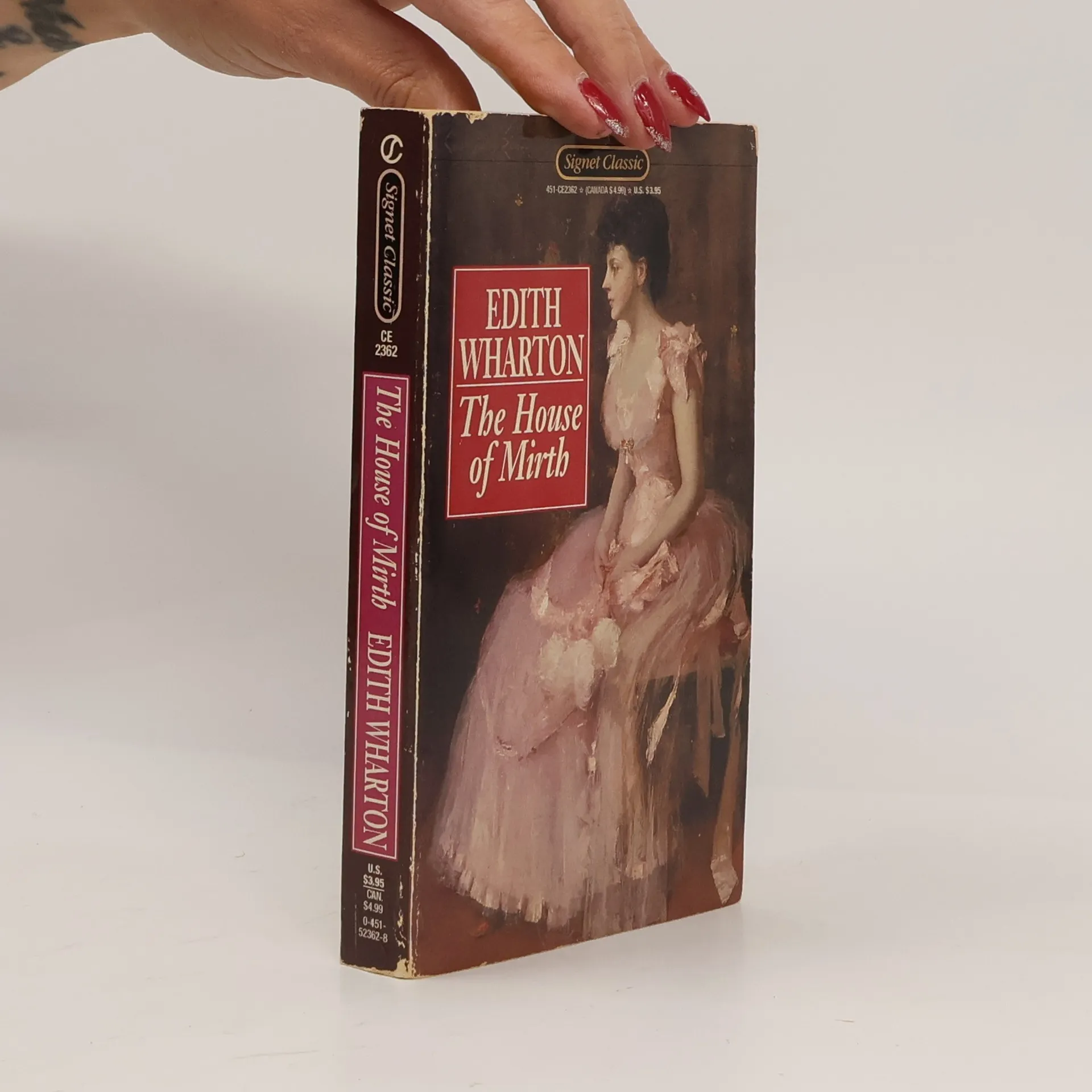
Signet Classic: The House of Mirth
- 349pagine
- 13 ore di lettura
From the esteemed author of The Age of Innocence--a black comedy about vast wealth and a woman who can define herself only through the perceptions of others. Lily Bart's quest to find a husband who can satisfy her cravings for endless admiration and all the trappings of the rich comes to a scandalous end when she is accused of being a wealthy man's mistress.
Nineteen year old Lily Bart is in need of a rich husband to safeguard her place in the social elite. Unwilling to marry without both love and money, Lily becomes vulnerable to gossip.
The Descent of Man
- 310pagine
- 11 ore di lettura
When Professor Linyard came back from his holiday in the Maine woods, the air of rejuvenation he brought with him was due less to the influences of the climate than to the companionship he had enjoyed on his travels. To Mrs. Linyard's observant eye, he had appeared to set out alone; but an invisible traveller had in fact accompanied him, and if his heart beat high, it was simply at the pitch of his adventure: for the Professor had eloped with an idea.
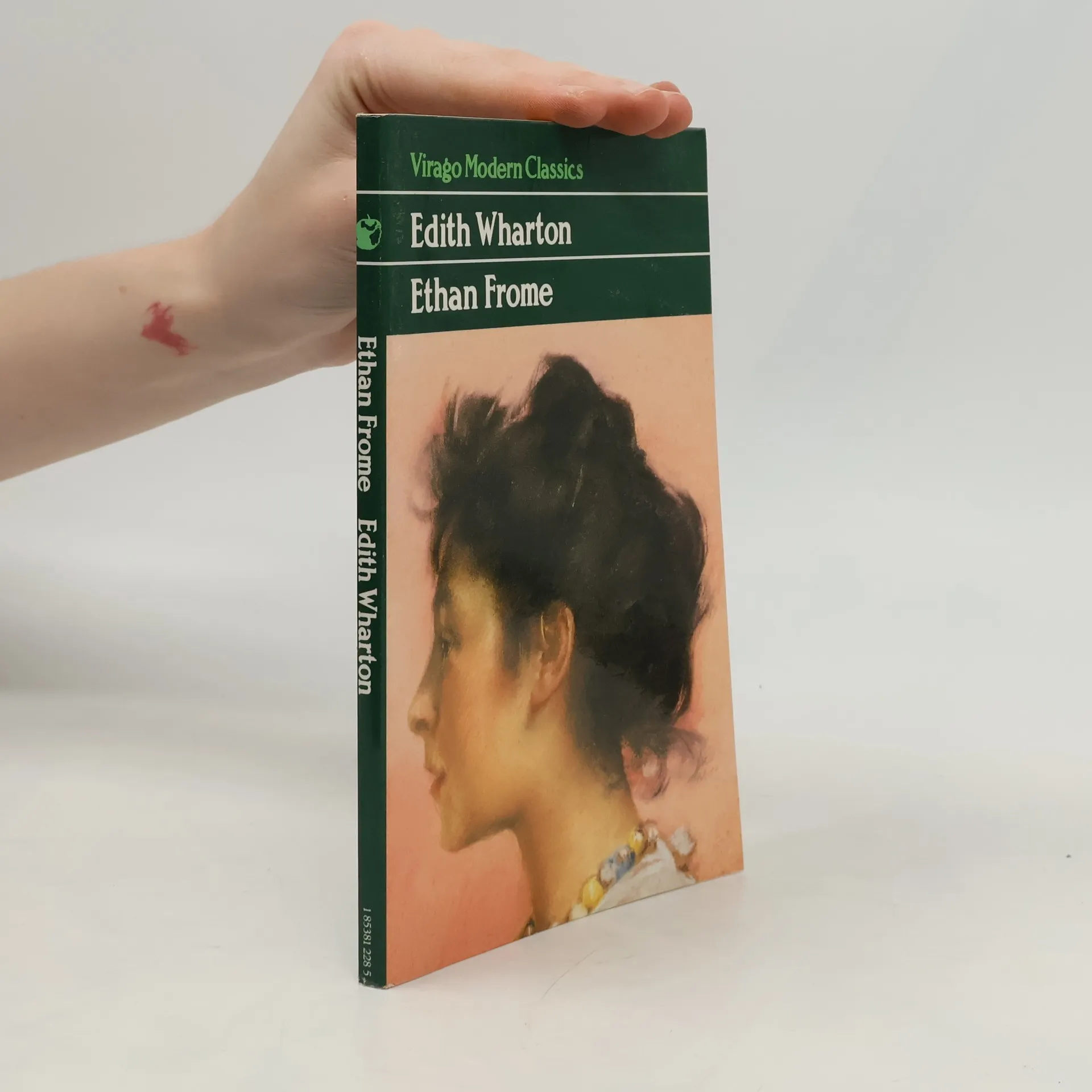
Virago Modern Classics: Ethan Frome
- 128pagine
- 5 ore di lettura
Set in New England, a farmer struggles to survive a bare existence, tethered to his farm, first by his helpless parents and then by a hypochondriac wife. Yet, when his wife's alluring cousin comes to stay, his dreams are rekindled.
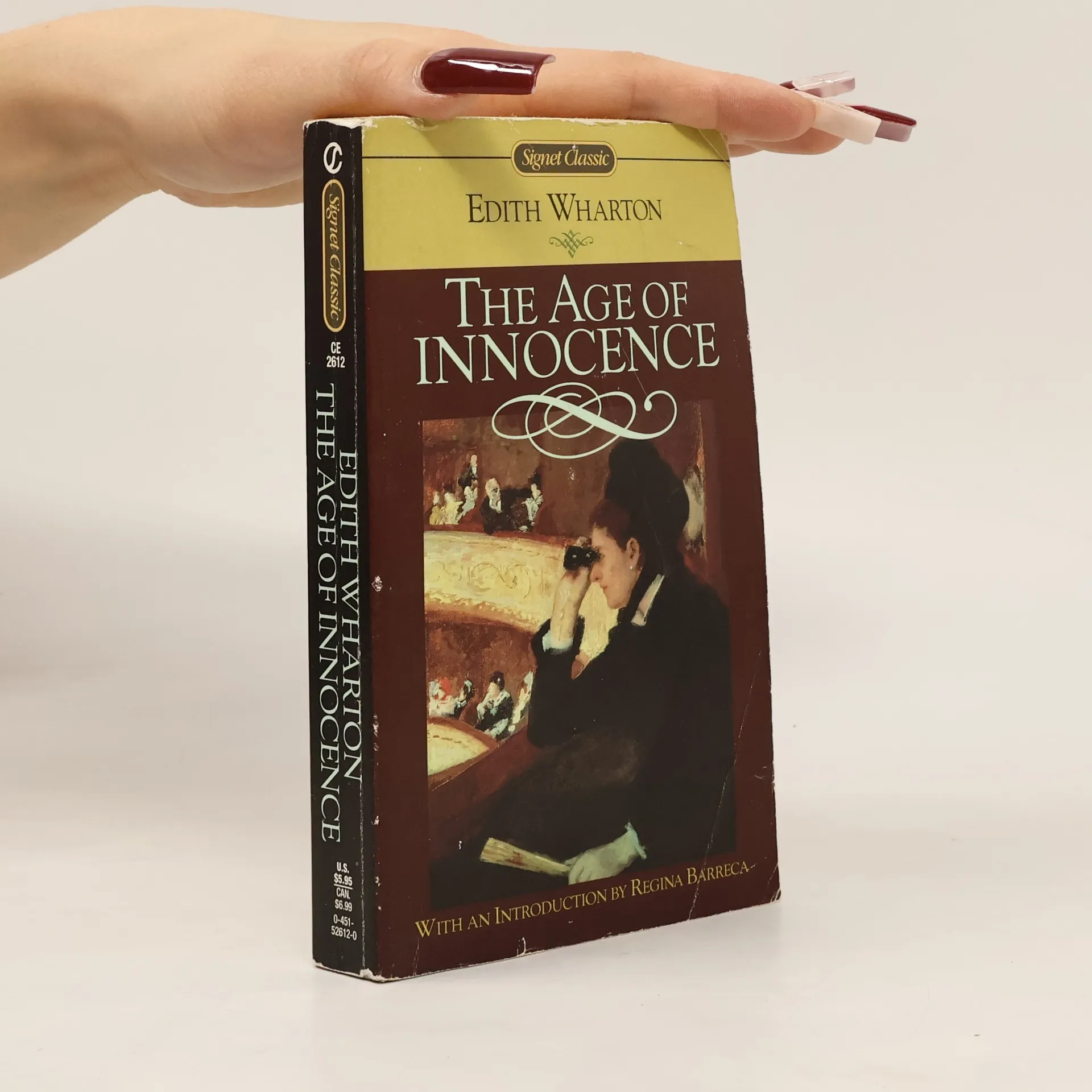
Signet Classic: The Age of Innocence
- 313pagine
- 11 ore di lettura
Widely regarded as one of Edith Wharton's greatest achievements, The Age of Innocence is not only subtly satirical, but also a sometimes dark and disturbing comedy of manners in its exploration of the 'eternal triangle' of love.
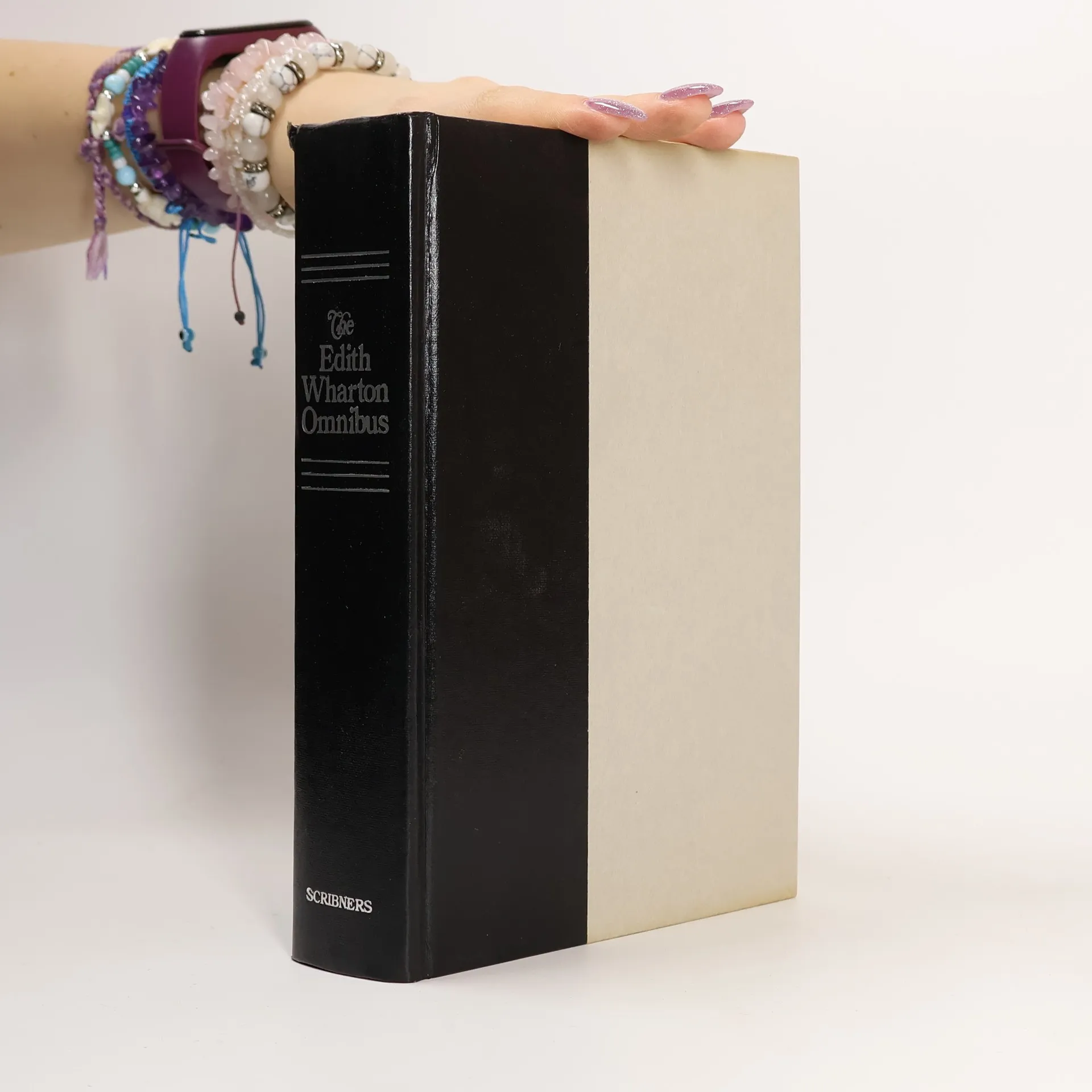
The Edith Wharton Omnibus
- 588pagine
- 21 ore di lettura
The age of innocence. Ethan Frome. Old New York.
Die Kinder. Roman
- 338pagine
- 12 ore di lettura