

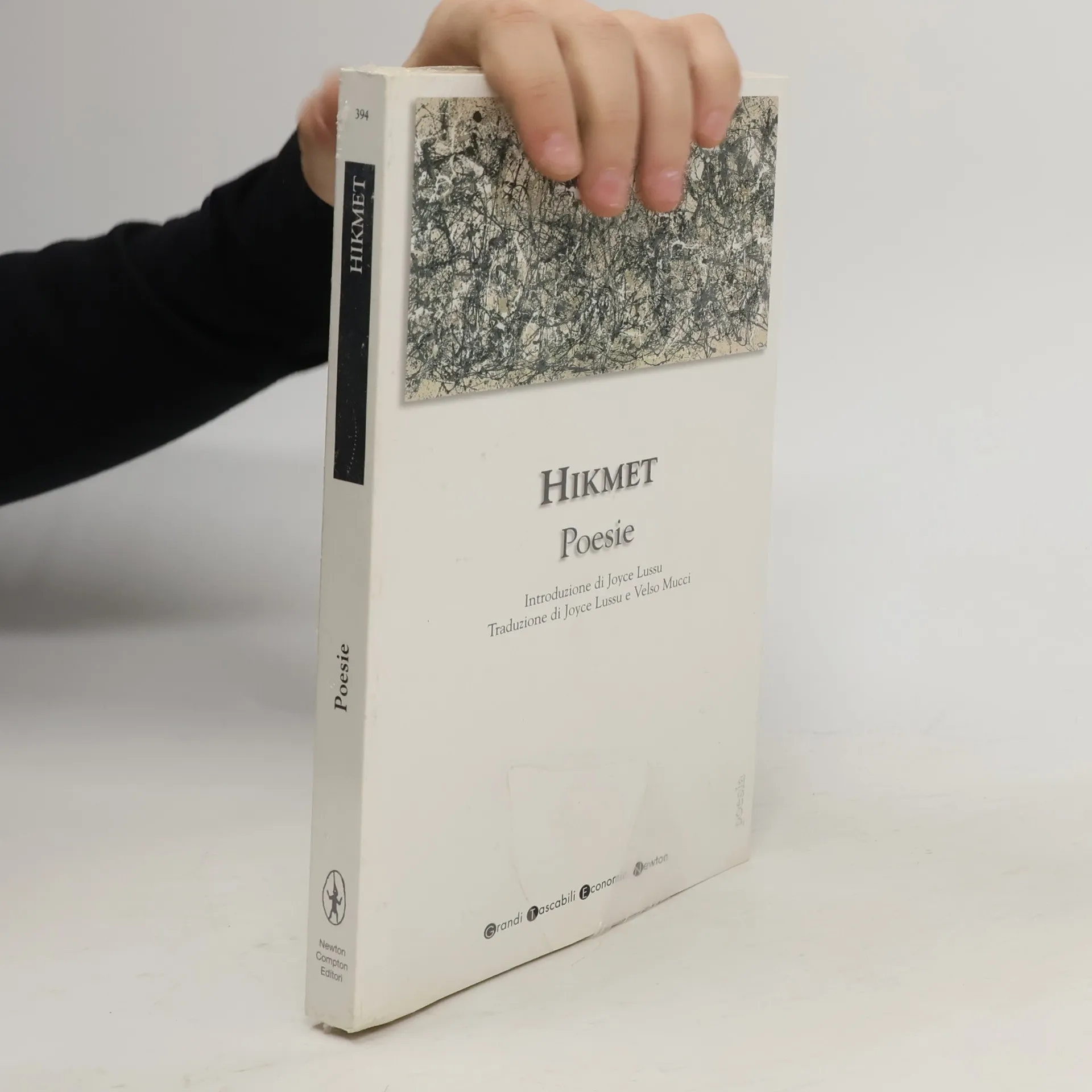
L'itinerario creativo di uno dei poeti rivoluzionari più celebri del nostro tempo viene ripercorso in queste pagine attraverso i suoi versi immortali. La nostalgia, la passione politica, l'amore per il suo popolo, per la sua donna, per il figlio sono i temi centrali della sua poesia, coraggioso strumento di una ribellione indomita e profonda, che ha segnato il passo della letteratura di quegli anni. Tutta l'esperienza umana e culturale di Hikmet si esprime nella sua grande costruzione poetica, tenuta insieme da un forte e contagioso sentimento di passione per la vita.
Mutlu Konuk Blasing Libri
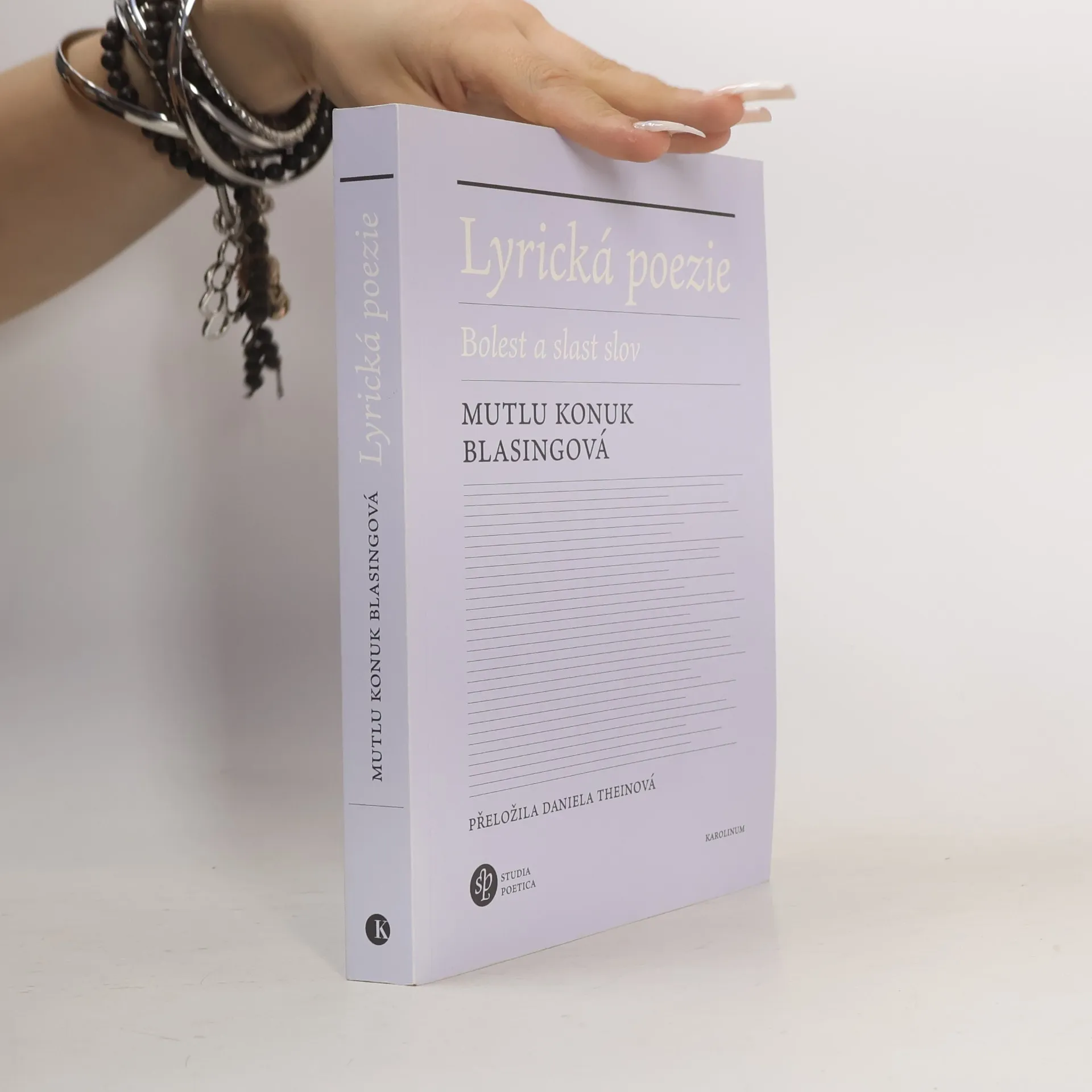
Lyrická poezie - Bolest a slast slov
- 342pagine
- 12 ore di lettura
Americká badatelka tureckého původu Mutlu Konuk Blasingová se zabývá povahou lyrického subjektu a jeho vztahem k básnickému jazyku. Zdánlivě soukromé, individuální vědomí vyjádřené v básni je podle ní jen virtuální entitou. Oním „já“, s nímž se v lyrickém diskursu setkáváme, totiž nejsou básníkova stylizovaná a společensky ukotvená „já“ – jsme jím my sami. Blasingová klade důraz na rétorickou, veřejnou a univerzální povahu básnického kódu, jenž je hluboce zakořeněn v mateřské řeči. Podrobné čtení kanonických děl modernistů T. S. Eliota, Wallace Stevense a Ezry Pounda či americké básnířky Anne Sextonové opírá Blasingová o výzkum v oblasti lingvistiky, psychologie a psychoanalýzy. Pomáhá nám tak nahlédnout složité historické procesy, jejichž výsledkem jsou promlouvající lidské subjekty. Pochází-li účinek básnického jazyka z emočního náboje řeči samotné, lyrický subjekt je v prvé řadě produktem básnického kódu.