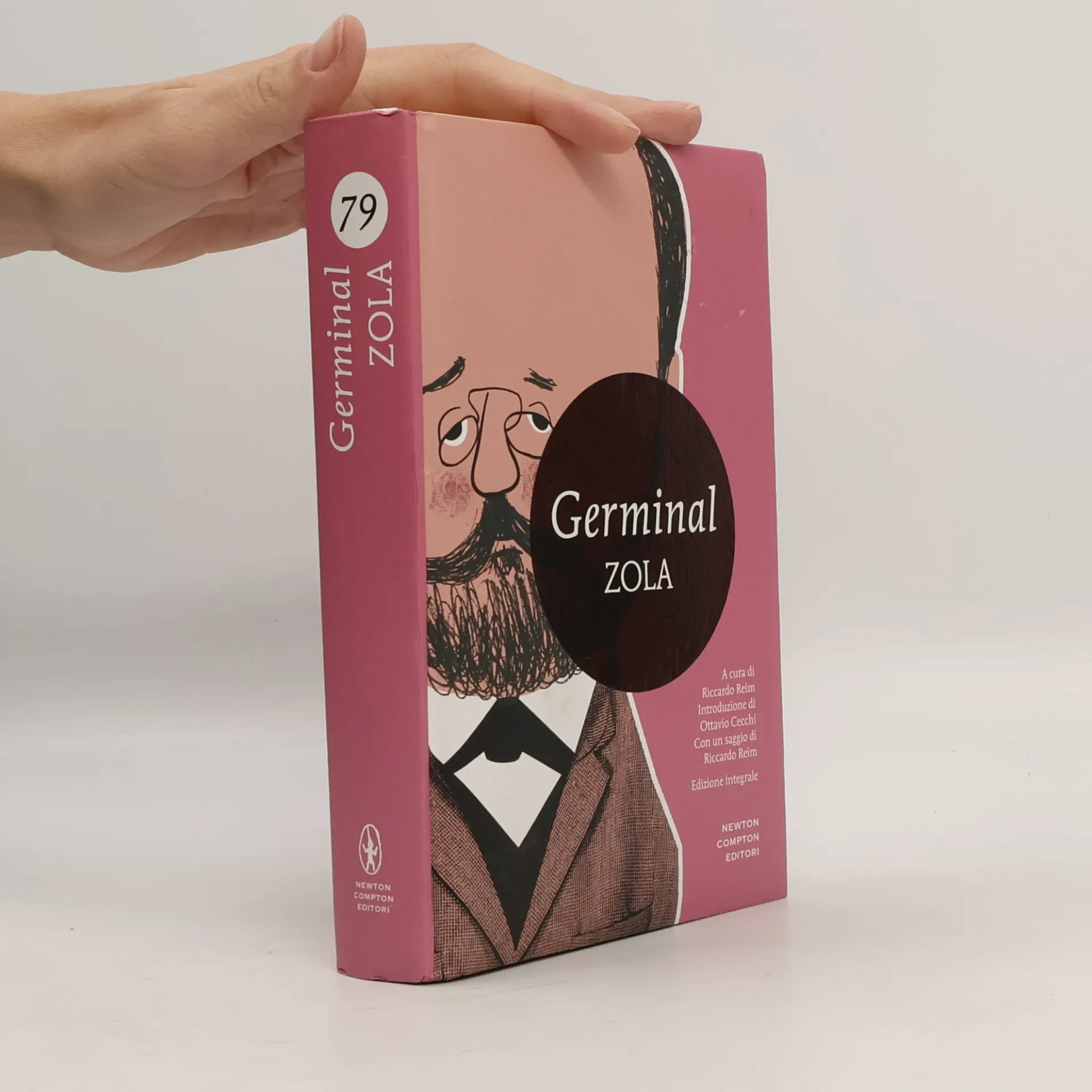
Germinal (1885) è il tredicesimo romanzo del ciclo di venti opere di Émile Zola sulla dinastia Rougon-Macquart. Racconta la storia di Étienne Lantier, appartenente al ramo illegittimo della famiglia, che arriva nel villaggio minerario di Montsou e osserva in prima persona le condizioni terribili in cui vivono e lavorano i minatori. Coinvolto in una aspra disputa tra i minatori e i loro datori di lavoro, alla fine guida lo sciopero che è il fulcro del romanzo. Ma questa è più di una lotta tra lavoro e capitale. È anche la lotta dei affamati contro i benestanti, contro la passività e la rassegnazione tramandate attraverso generazioni di persone affamate, e infine contro la fame stessa, rappresentata dal mostro fantastico che divora la miniera, che inghiotte gli uomini, proprio come la bestia dell'economia industriale moderna inghiotte inesorabilmente il capitale. Questo apparente pessimismo sulla società è bilanciato dalla possibilità di rinascita e rigenerazione. Nonostante la miseria ereditata degli oppressi, il vecchio ordine potrebbe un giorno essere rovesciato.
Émile Zola Libri
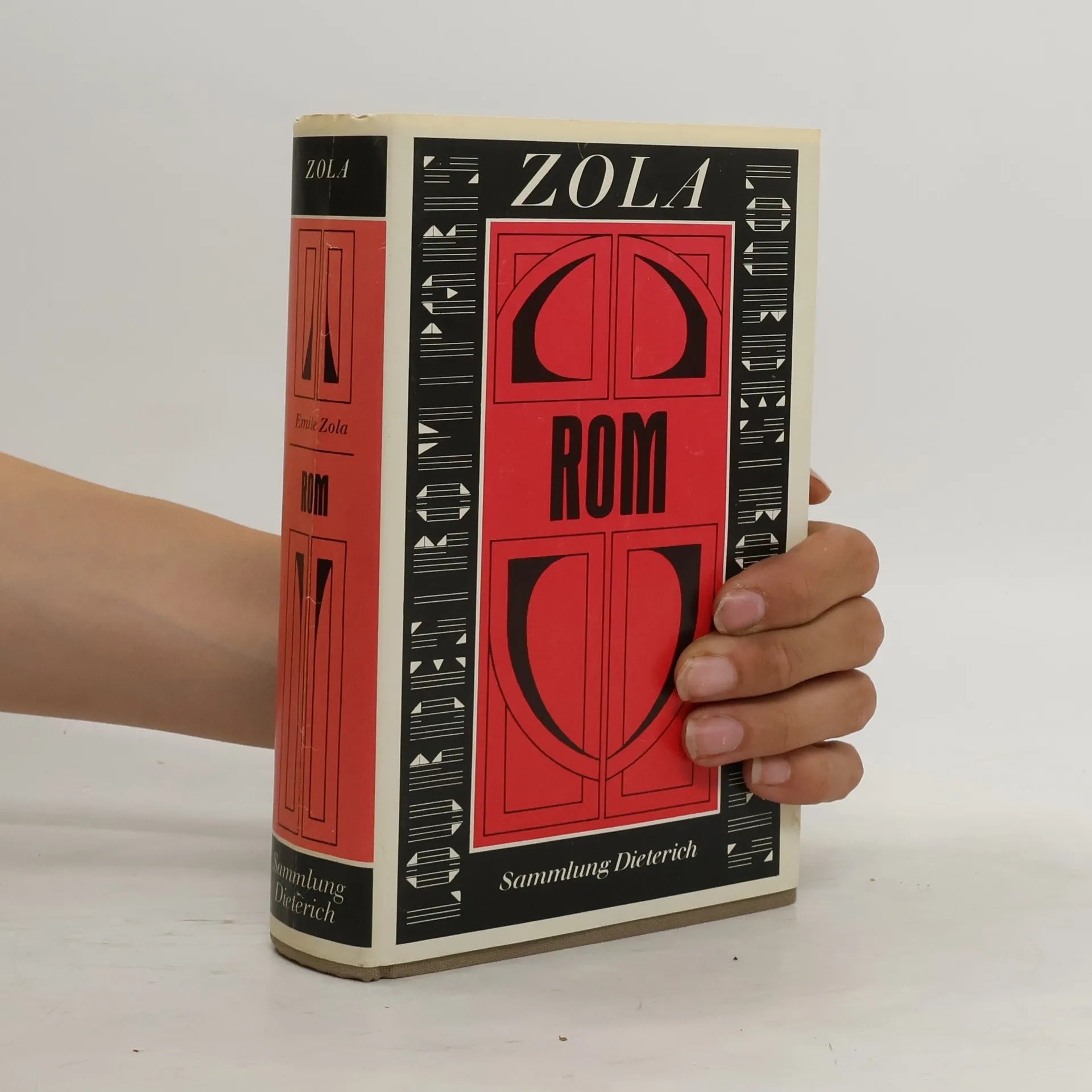
Émile Zola si erge come figura cardine del naturalismo letterario, dissezionando l'intricata interazione tra ambiente, ereditarietà e destino umano. La sua monumentale serie, Les Rougon-Macquart, narra meticolosamente le trasformazioni sociali e le conseguenze della Rivoluzione Industriale attraverso la lente di un'unica famiglia attraverso le generazioni. La profonda esplorazione di Zola dei temi sociali e della profondità psicologica consolidò il suo status di voce potente della sua epoca. Le sue opere durature continuano a ispirare artisti e risuonano profondamente con i lettori contemporanei.


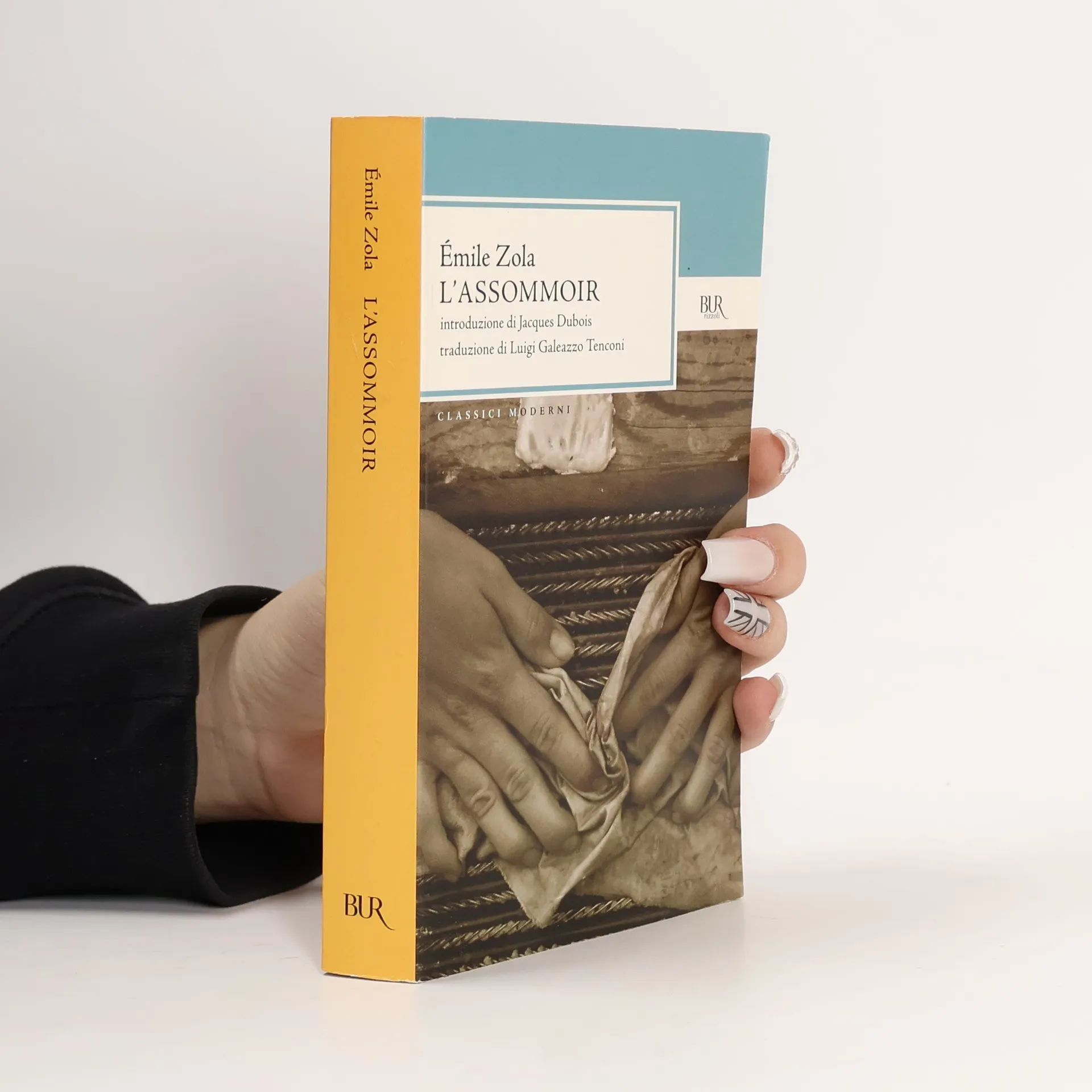

Protagonista del romanzo è la giovane lavandaia Gervaise Macquart, che all'inizio della storia viene abbandonata dal suo amante Auguste Lantier, il quale porta via tutti i suoi soldi, lasciandole solo i due figli Claude ed Etienne. Gervaise, una donna virtuosa e laboriosa ma ora in miseria, sposa il rispettabile ma vivace operaio zincifero Coupeau. Inizialmente sembra che la situazione migliori: lavorando duramente, i due guadagnano abbastanza per permettersi di aprire una propria lavanderia e hanno una figlia, chiamata Nana. Tuttavia, Coupeau subisce un infortunio sul lavoro che lo costringe a letto per diversi mesi, e parte dei risparmi viene spesa per le sue cure. Quando si riprende, si è abituato tanto all'ozio che non riesce a tornare al lavoro. Gervaise si indebita e affitta un negozio per avviare la sua lavanderia, dovendo ora guadagnare da sola, un compito arduo, soprattutto perché Coupeau inizia a bere e lei stessa viene invidiata dalla famiglia Lorilleux per il suo successo.
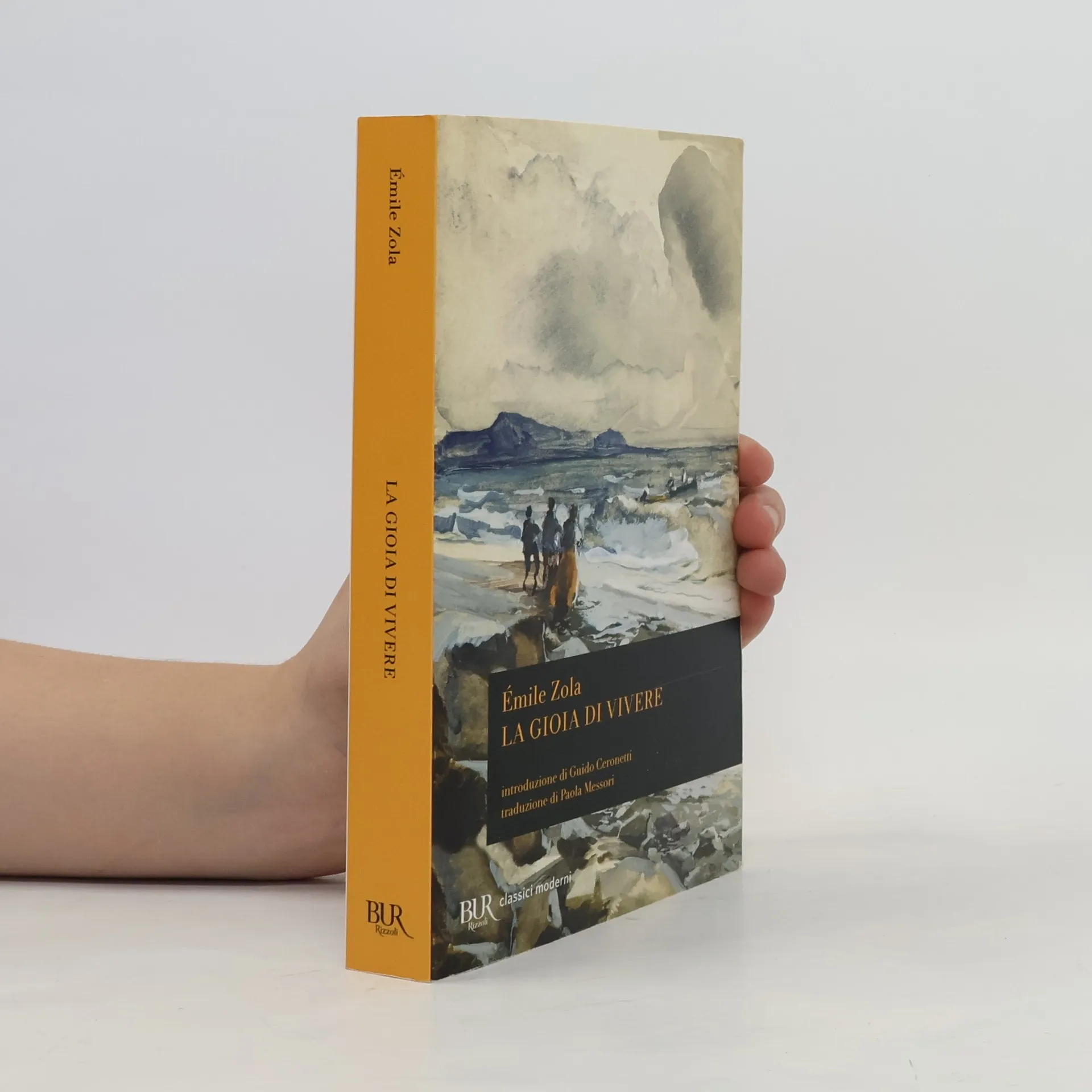
La gioia di vivere
- 500pagine
- 18 ore di lettura
Nell'ironia amara della Gioia di vivere Emile Zola ha rappresentato un insieme prodigioso di umanità. Pochi fra i suoi romanzi più importanti sono grandi come la storia di questa semplice famiglia borghese, i cui drammi mediocri e terribili si svolgono nello scenario maestoso del mare, un mare feroce come la vita, al pari della vita spietato e infaticabile, un mare che lentamente inghiotte un povero villaggio di pescatori costruito nell'ansa di una scogliera. E sull'intero libro plana, nero uccello dalle ali spiegate, la morte.
La disfatta
- 384pagine
- 14 ore di lettura
The penultimate novel of the Rougon-Macquart cycle, La Debacle (1892) takes as its subject the dramatic events of the Franco-Prussian War and the Commune of 1870-1. During Zola's lifetime it was the bestselling of all his novels, praised by contemporaries for its epic sweep as well as for its attention to historical detail. La Debacle seeks to explain why the Second Empire ended in a crushing military defeat and revolutionary violence. It focuses on ordinary soldiers, showing their bravery and suffering in the midst of circumstances they cannot control, and includes some of the most powerful description Zola ever wrote. Zola skilfully integrates his narrative of events and the fictional lives of his characters to provide the finest account of this tragic chapter in the history of France. Often compared to War and Peace, La Debacle has been described as a "seminal" work for all modern depictions of war.
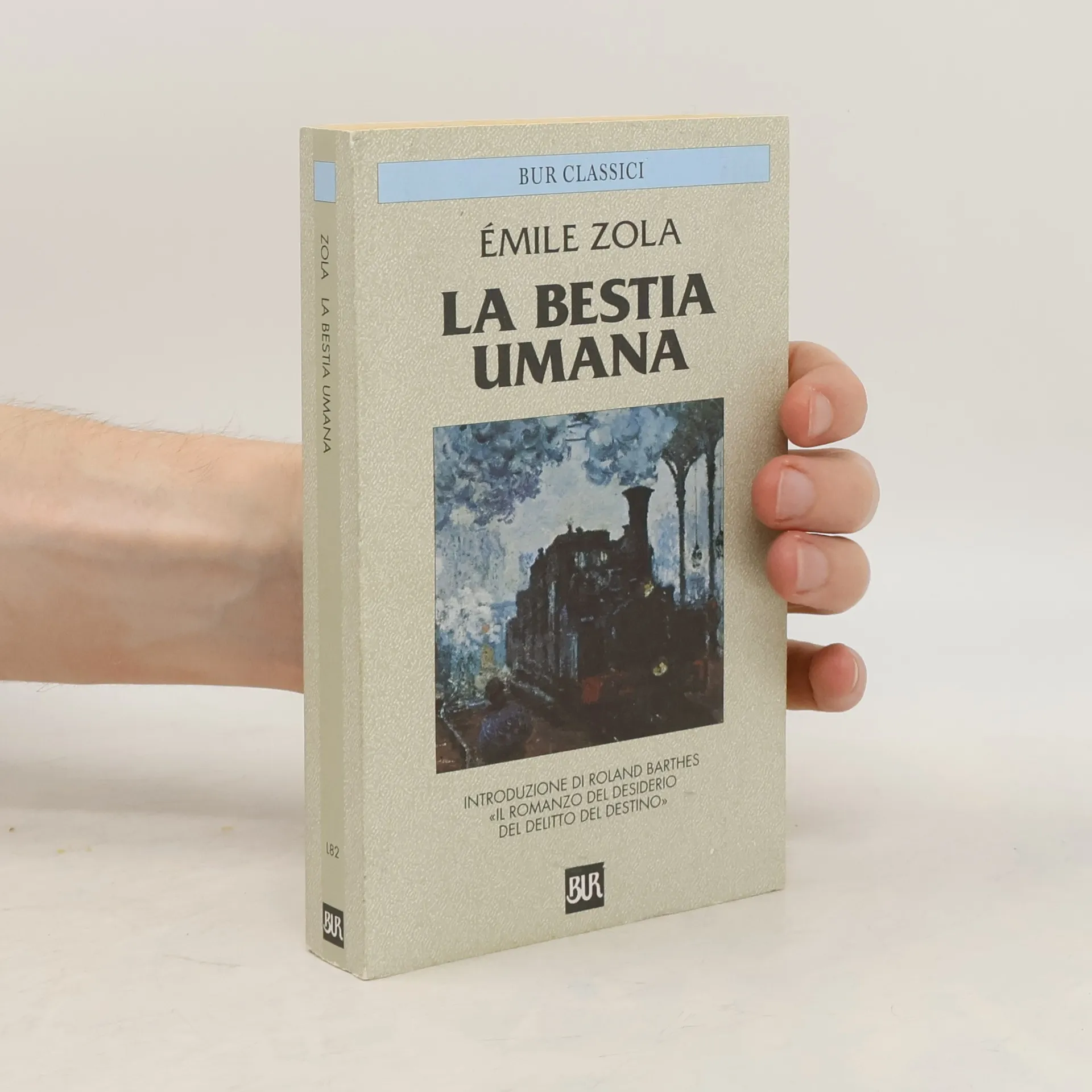
La bestia umana
- 384pagine
- 14 ore di lettura
[Trovi un'edizione con copertina alternativa per questo ISBN qui ] La "Lison", palpitante creatura ferroviaria che respira, soffi a, sbuffa e con voracità ingurgita grandi quantità di carbone; Jacques Lantier, macchinista della linea Parigi-Le Havre, che in lei ritrova la dolcezza e la docilità di una moglie. Sono i protagonisti del diciassettesimo romanzo del ciclo dei Rougon-Macquart che Zola concepì come terreno sperimentale per le teorie deterministiche. La locomotiva diventa scena di un tremendo delitto, di cupe passioni di amore e vendetta che faranno emergere in Lantier quella malvagità cui lo predestinano le tare ereditarie. Ed è sullo sfondo di questa fatalità del sangue che si staglia l'epopea dei due veri protagonisti: la locomotiva, mostro figlio di modernità e progresso, e l'eroe romantico, combattuto tra bene e male, volontà e fato.
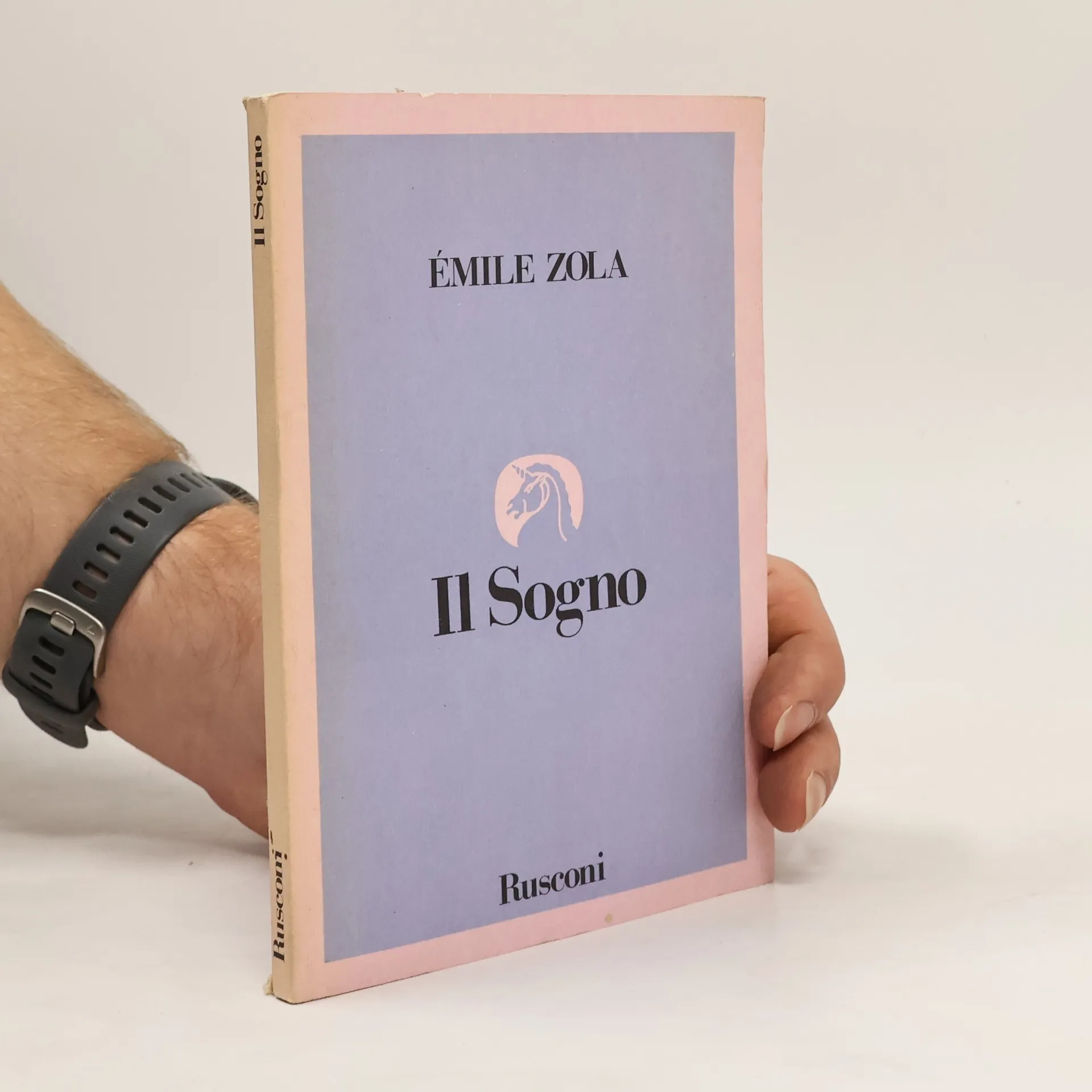
Una giovane Angélique si presenta alla porta della coppia piosa di Hubert la vigilia di Natale, e decidono di crescerla come fosse loro figlia. Crescendo nei pressi della maestosa cattedrale della città e apprendendo il mestiere di ricamatrice dai genitori, la ragazza diventa sempre più affascinata dalle vite dei santi, una passione alimentata dalla lettura della Legenda Aurea e di altri scritti mistici cristiani. Un giorno, l'amore, sotto forma di Félicien Hautecoeur, irrompe nel mondo dei sogni che ha costruito attorno a sé, portando scompiglio e angoscia. Sebbene offra un ritratto dettagliato della vita provinciale del XIX secolo e aderisca a un approccio naturalista, Sogno evita molte delle caratteristiche degli altri romanzi del ciclo Rougon-Macquart—come un pronunciato programma polemico o tematiche cruenti—offrendo invece un racconto senza tempo e lirico di amore e innocenza.
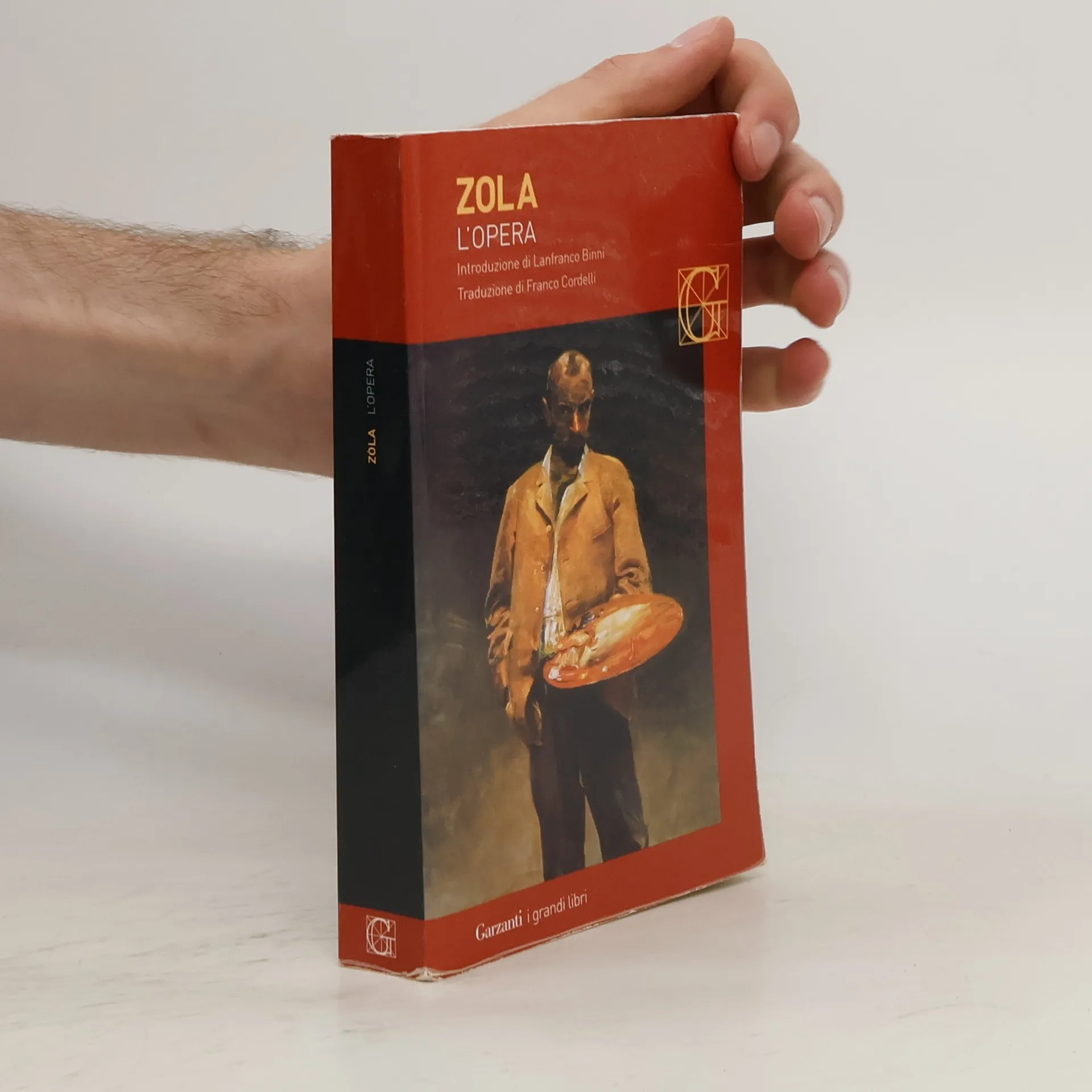
L'opera
- 369pagine
- 13 ore di lettura
Il dramma del protagonista, il pittore Claude Lantier, è quello - scrive Lanfranco Binni nell'introduzione - "del rapporto con il proprio lavoro, con la durezza della materia; è lo stesso dramma del lavoro-passione e del lavoro-fatica che Zola medesimo prova quotidianamente. "L'opera" infatti non è un romanzo autobiografico soltanto per l'ambiente che accuratamente descrive, l'ambiente più direttamente conosciuto da Zola; è un romanzo autobiografico soprattutto perché testimonia l'atteggiamento dello stesso Zola nei confronti del proprio lavoro letterario, ed è proprio per questa ragione un romanzo di centrale importanza per conoscere la sua concezione del mondo e la sua poetica".
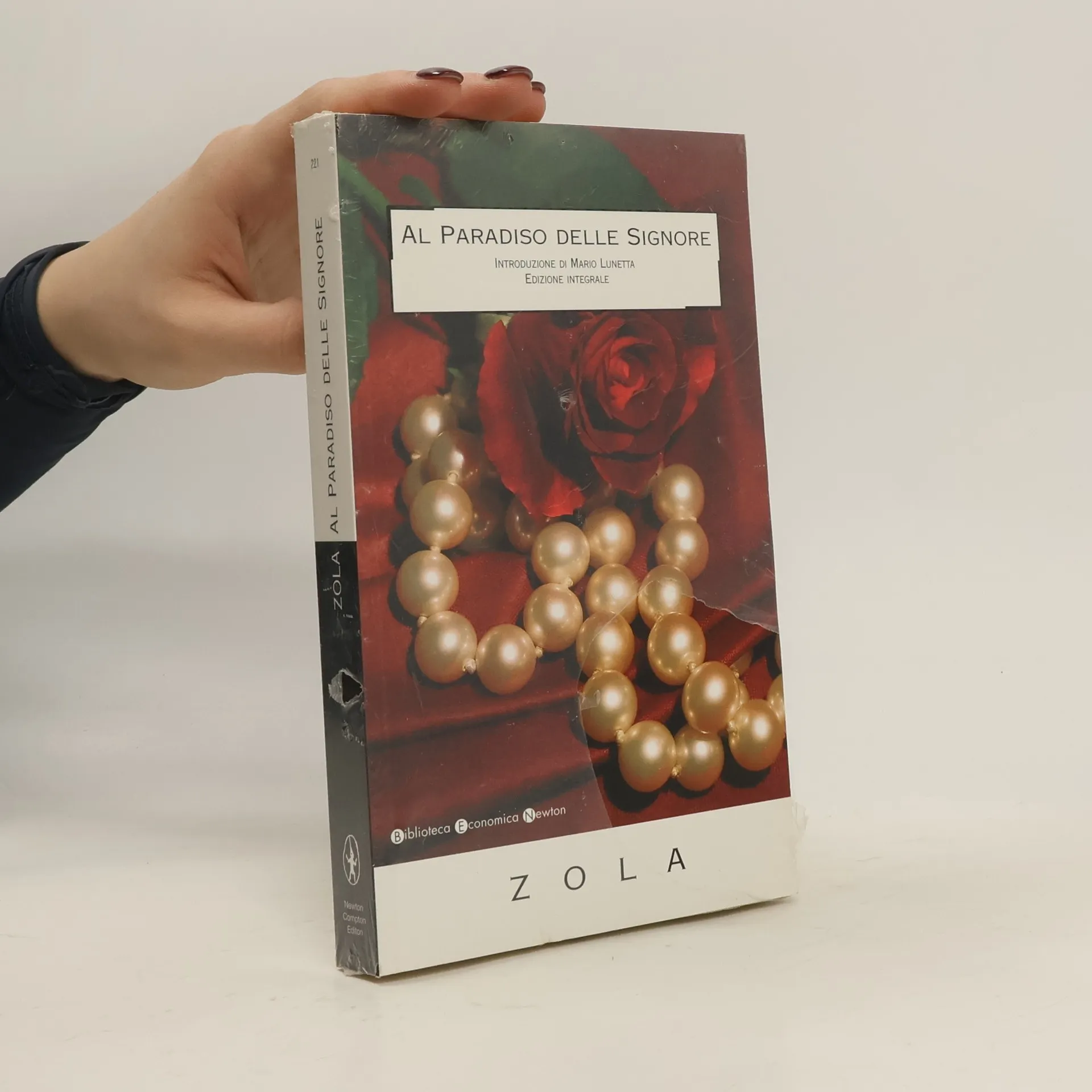
Al Paradiso delle Signore - Edizione Integrale
- 286pagine
- 11 ore di lettura
Un romanzo che esplora lucidamente l'universo femminile, un testo che dà la misura del talento rappresentativo e dell'acutezza dello sguardo sociale del grande narratore francese. La vicenda della giovane provinciale Denis che, approdata timidamente a Parigi, riesce a evitarne le insidie e a domarne i mostri solo in virtù della sua integrità e della sua dolcezza, non ha nulla di edulcorato né di consolatorio: è invece, per energia di scrittura e profondità di analisi, il diagramma di un destino femminile che si realizza nel quadro di una società opulenta e spietata mantenendo intatti la sua dignità e il suo spessore.
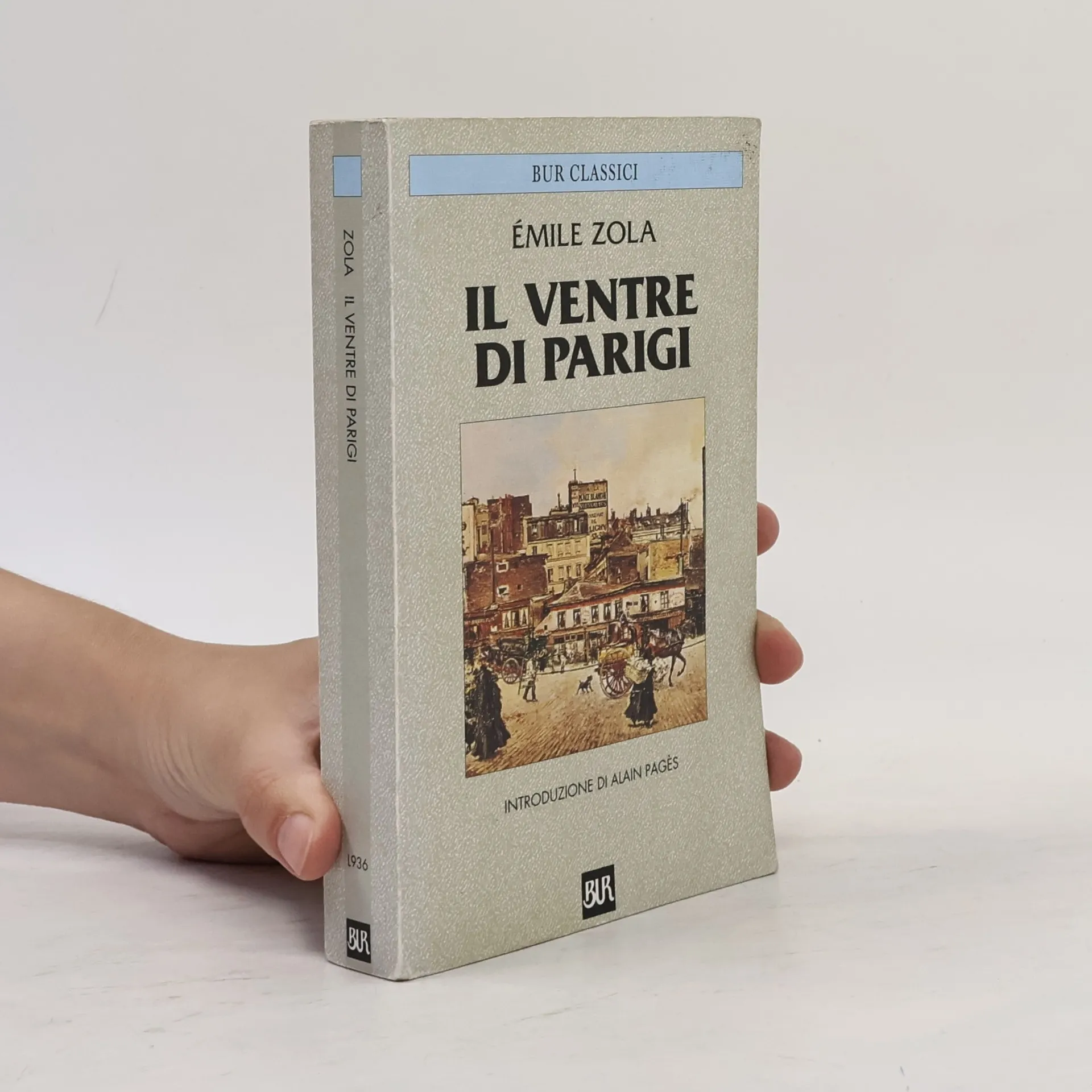
BUR Classici: Il ventre di Parigi
- 398pagine
- 14 ore di lettura
Il romanzo è il terzo del ciclo dei "Rougon-Macquart". La storia è semplice; si svolge durante il Secondo Impero nel quartiere delle Halles. Siamo nel 1858. Florent, insorto contro il colpo di stato del 2 dicembre 1852, è stato deportato in Guyana, ma riesce a fuggire dal bagno penale e a ritornare in Francia. E' accolto dal fratello Quenu, proprietario di una salumeria in rue Rambuteau. Lisa Macquart, moglie di Quenu, accetta malvolentieri il nuovo venuto. In un primo momento comunque tutto procede bene. Ben presto però Florent si lascia trascinare di nuovo dalla passione per la politica, divenendo il capo di una congiura repubblicana contro l'imperatore. Alla fine viene arrestato dalla polizia col consenso dei benpensanti, la bella Lisa in testa.
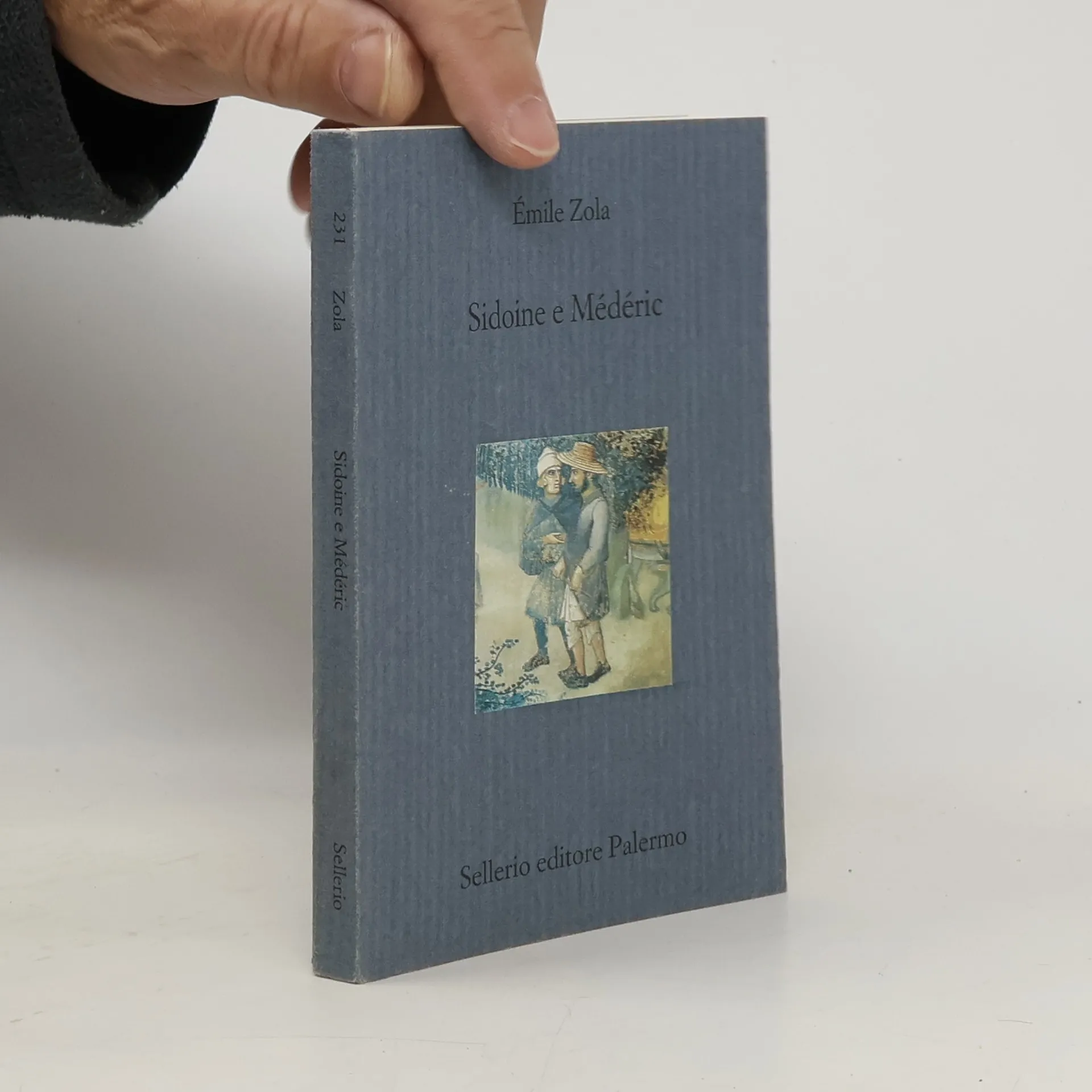
Sidoine e Médéric
- 200pagine
- 7 ore di lettura
Émile Zola scrisse nel 1864 Sidoine e Médéric - il gigante e il nano, opposti in tutto, nel fisico e nell'intelletto, che girano il mondo in cerca di una terra e trovano il Regno dei Felici dove è regina Primavera: per poi finalmente comprendere che il mondo va accettato così com'è, senza idealizzarlo e senza averne orrore -, breve romanzo, evidentemente influenzato dalla tradizione della satira utopistica e filosofica che corre da Rabelais a Voltaire e Swift, che fa parte dei Racconti a Ninetta e precede tutte le opere maggiori e più caratteristiche del grande scrittore francese, ma ne preannuncia la grande forza di immaginazione e la sensibilità idealistica.
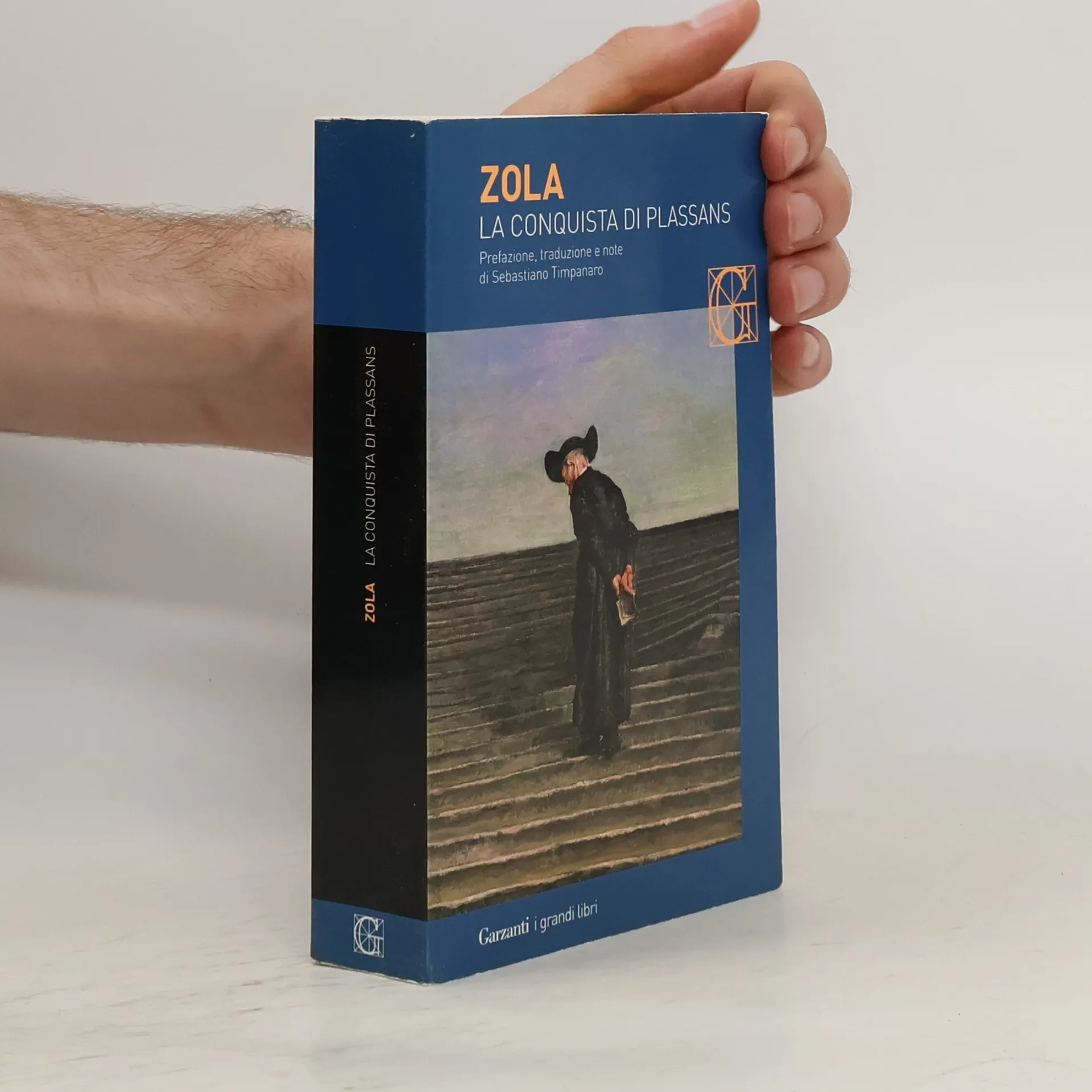
Dopo due romanzi parigini, ne La conquista di Plassans (1874), quarto capitolo del ciclo dei Rougon-Macquart, Zola torna alla provincia per ambientarvi una storia di impostura e follia. L’immaginaria cittadina di Plassans, già teatro de La fortuna dei Rougon, il primo titolo della serie, dopo aver appoggiato il colpo di stato di Napoleone III nel 1852 è passata ai legittimisti. Il compito di preparare la riscossa bonapartista viene affidato al machiavellico abbé Faujas, strumento nelle mani del ministro Eugène Rougon. Forte di un’insaziabile volontà di dominio e di un’innata capacità di dissimulazione, l’intrigante abate riuscirà a piegare al suo disegno politico gli inerti e reazionari notabili locali così come i borghesi avidi di denaro e potere, e a soggiogare pian piano l’intera popolazione. I primi a capitolare sono i Mouret, presso i quali ha trovato alloggio, che espropriati in casa loro dal tartufesco inquilino vedono sconvolti i fragili equilibri familiari e minata la propria salute mentale: Marthe travolta da una morbosa attrazione erotica per l’abate, François calunniato come sadico torturatore della moglie fino a perdere il senno. E nel segno della follia si consumerà la tragedia finale.
Il denaro
- 288pagine
- 11 ore di lettura
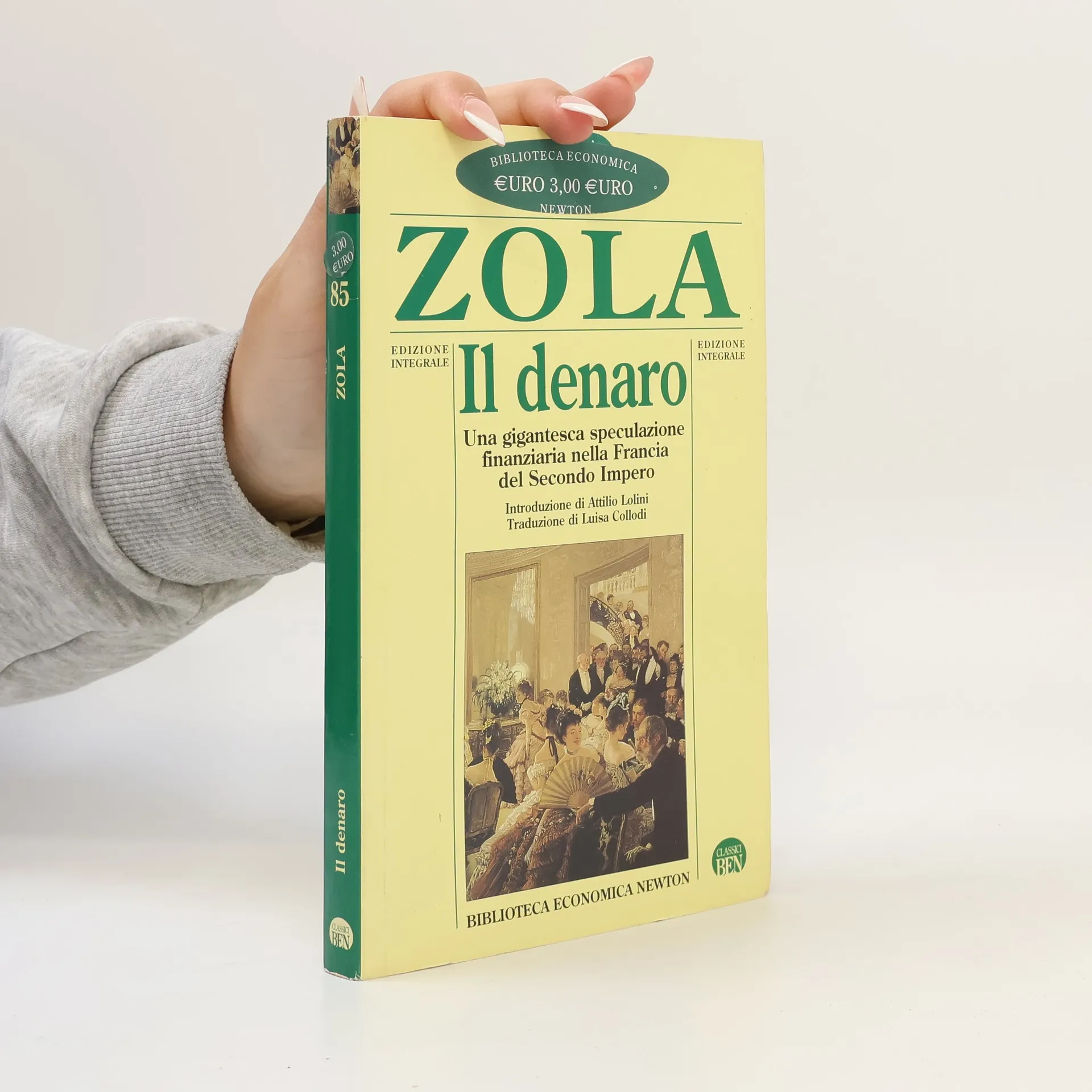
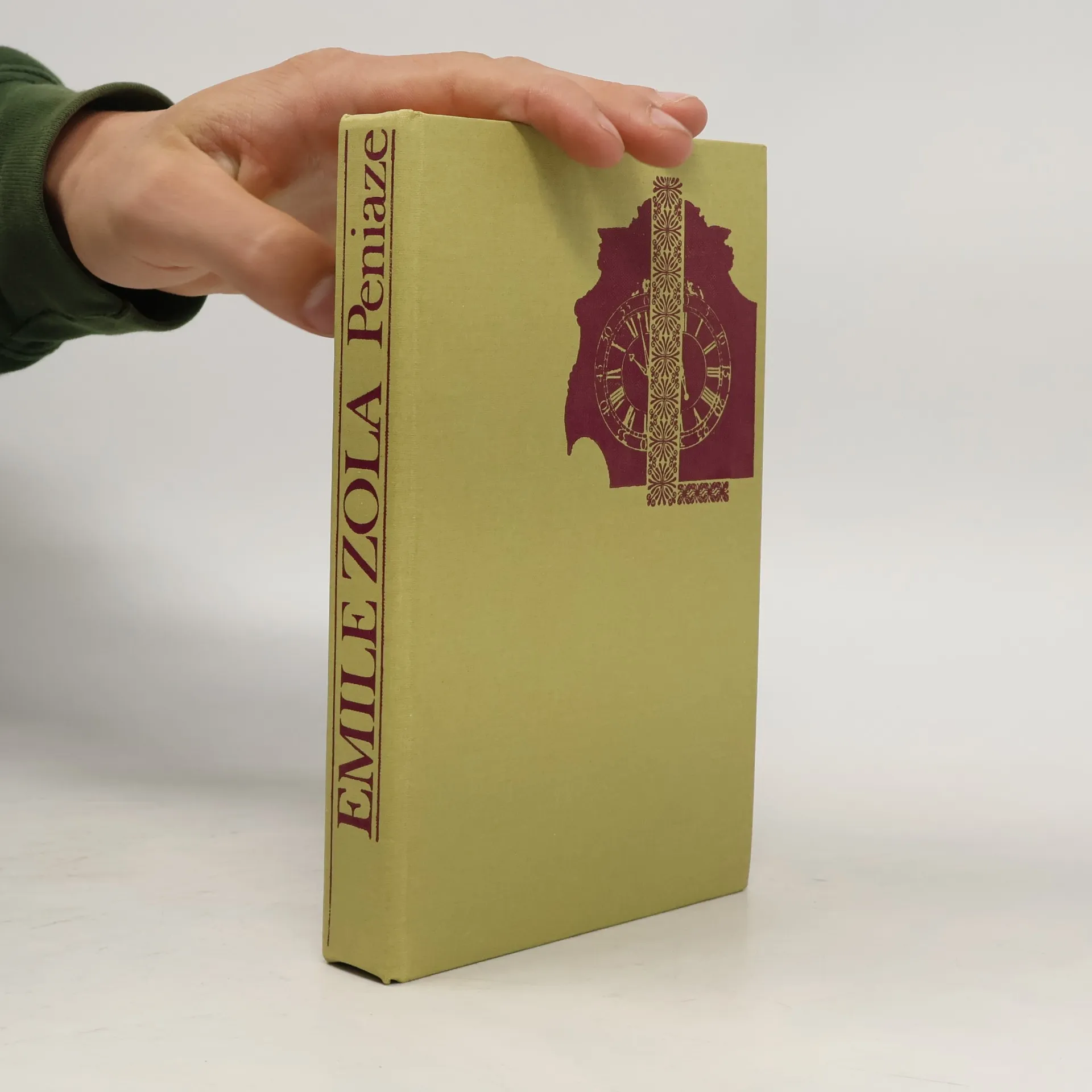
Causa delle guerre, motore della società, simbolo della realizzazione materiale degli individui, il denaro è il dio dell'età moderna che non poteva trovare in Zola un attento e realistico interprete. Diciottesimo volume del grande ciclo dei Rougon - Macquart, il Denaro rappresenta il dio dei nostri tempi nella sua forma più astratta e smaterializzata: il capitale azionario. Centro del romanzo è perciò la Borsa, tempio in cui si celebrano i drammi della speculazione finanziaria nei tre atti fondamentali della speranza, della lotta e del crollo finale. Raffigurazione per tanti versi anticipatrice di fenomeni divenuti oggi familiari, Il Denaro è anche un rimarchevole affresco della società francese del Secondo Impero e in particolare di quegli ambienti economici e finanziari che fecero la propria fortuna sotto Napoleone III.
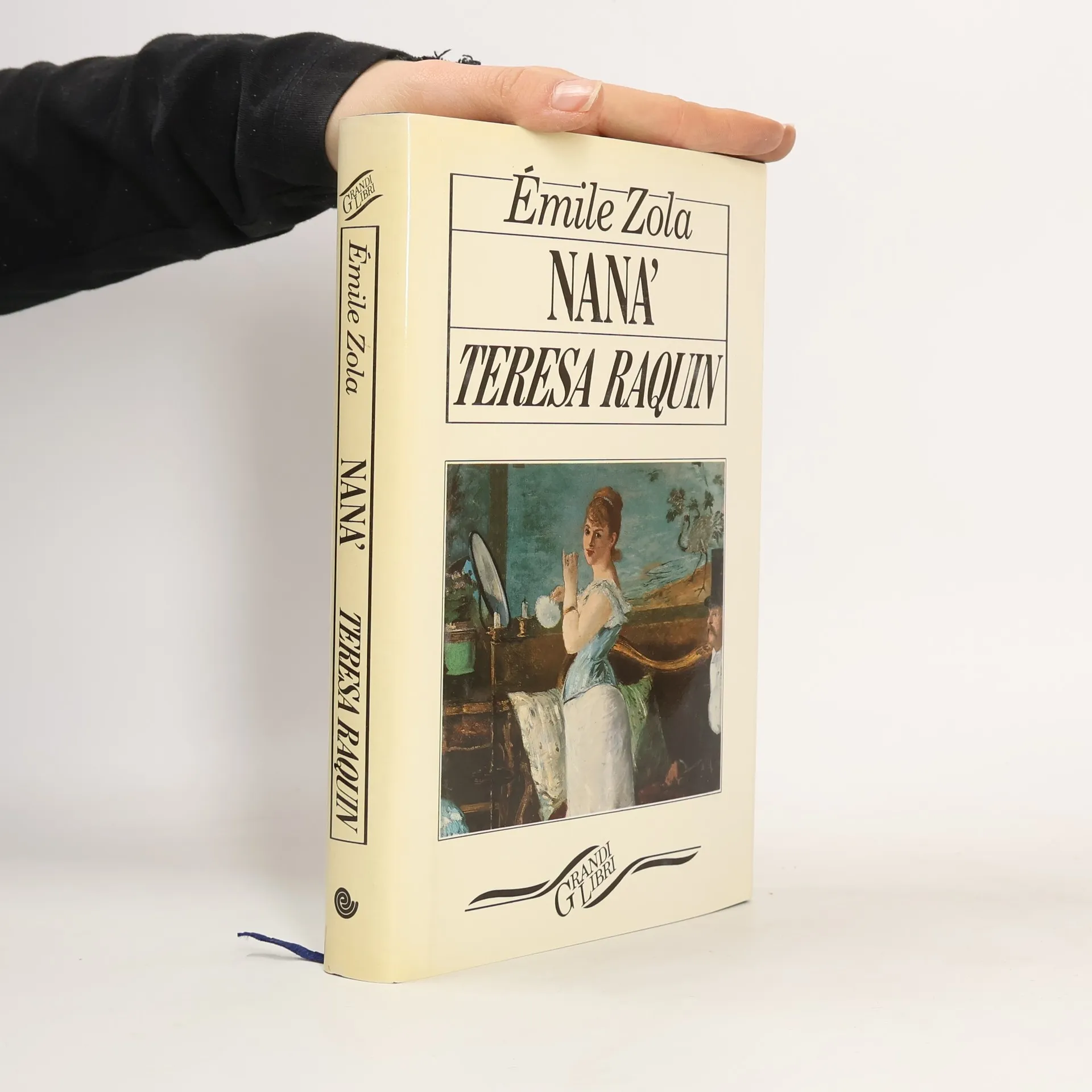
Nanà
Introduzione e corredo bibliografico di Riccardo Reim; Premessa di Attilio Lolini; Edizione integrale
- 286pagine
- 11 ore di lettura
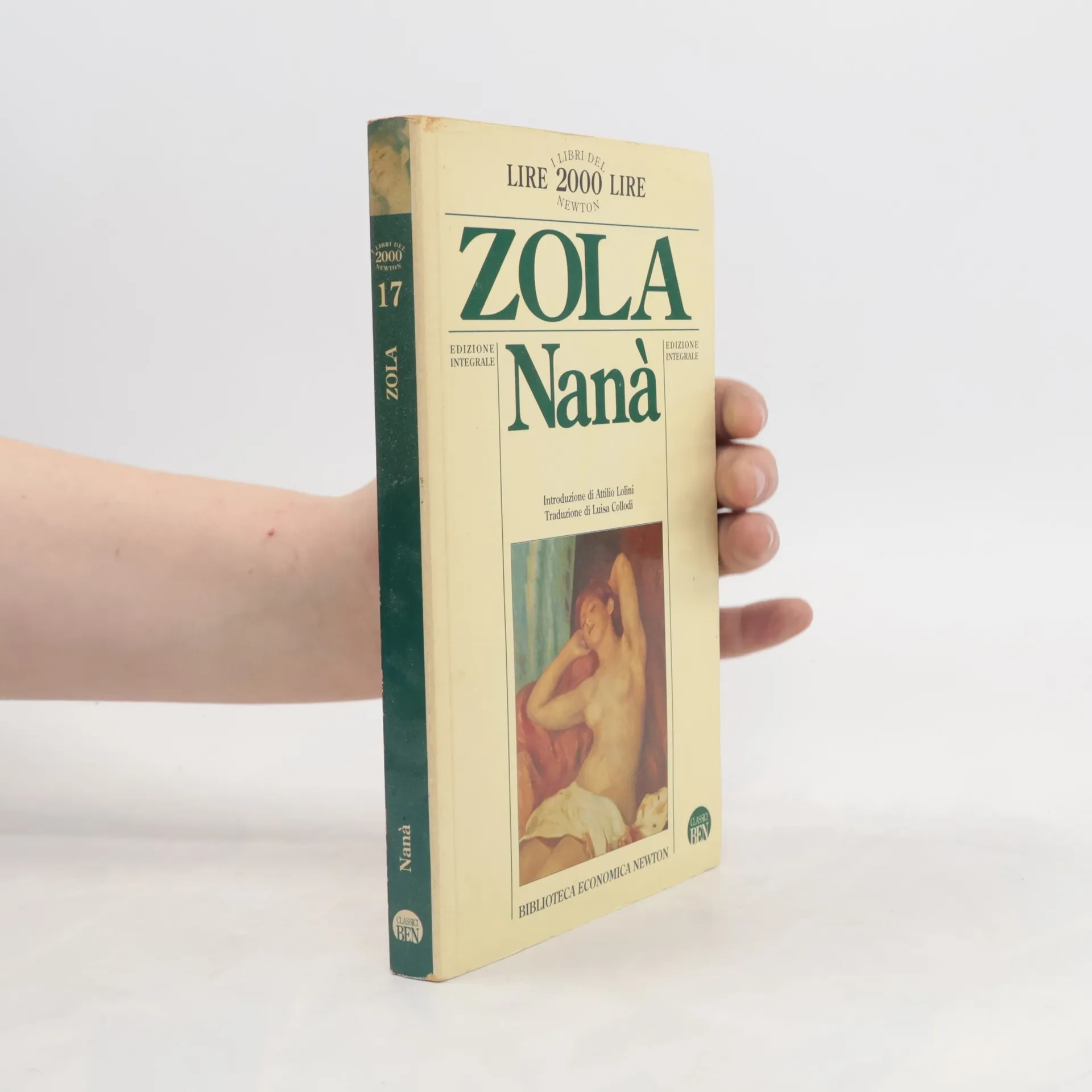
Libro "scandaloso", contro il quale si scagliò quella società del Secondo Impero avviata alla guerra che Zola ritrae impietosamente, il romanzo inizia con l'evocazione del fantasma di Bismarck e si chiuse col triplice grido «A Berlino!» che sale dal boulevard sotto il Grand Hotel dove è morta Nanà, orrendamente sfigurata dal vaiolo. Pubblicato a puntate sul settimanale «Le Voltaire» tra il 1879 e il 1880, e poi edito subito in volume, Nanà rimane forse il romanzo più noto di Zola: la "biografia" di un personaggio che subito rapprensentò, per innumerevoli lettori, il mito del sesso inestricabilmente legato alla distruzione e alla morte. Il libro, che contiene pagine tra le più alte e riuscite del grande narratore francese, dimostra la capacità di Zola di eccellere nella creazione di gruppi umani e sociali, con uno sguardo acutissimo e moderno.
La disperazione non si era mai abbattuta con tanto furore su un essere umano. La sinistra verità bruciò con l'impeto in un lampo negli occhi della paralitica e s'insediò in lei con la ferocia senza scampo della folgore. Se avesse potuto alzarsi in piedi, vomitare l'orrore che l'afferrava alla gola, maledire gli assassini del figlio, avrebbe sofferto meno. Invece, dopo aver ascoltato, dopo aver compreso, era condannata a rimanere immobile, chiusa nel silenzio, a custodire quel dolore scoppiante: non aveva scampo.
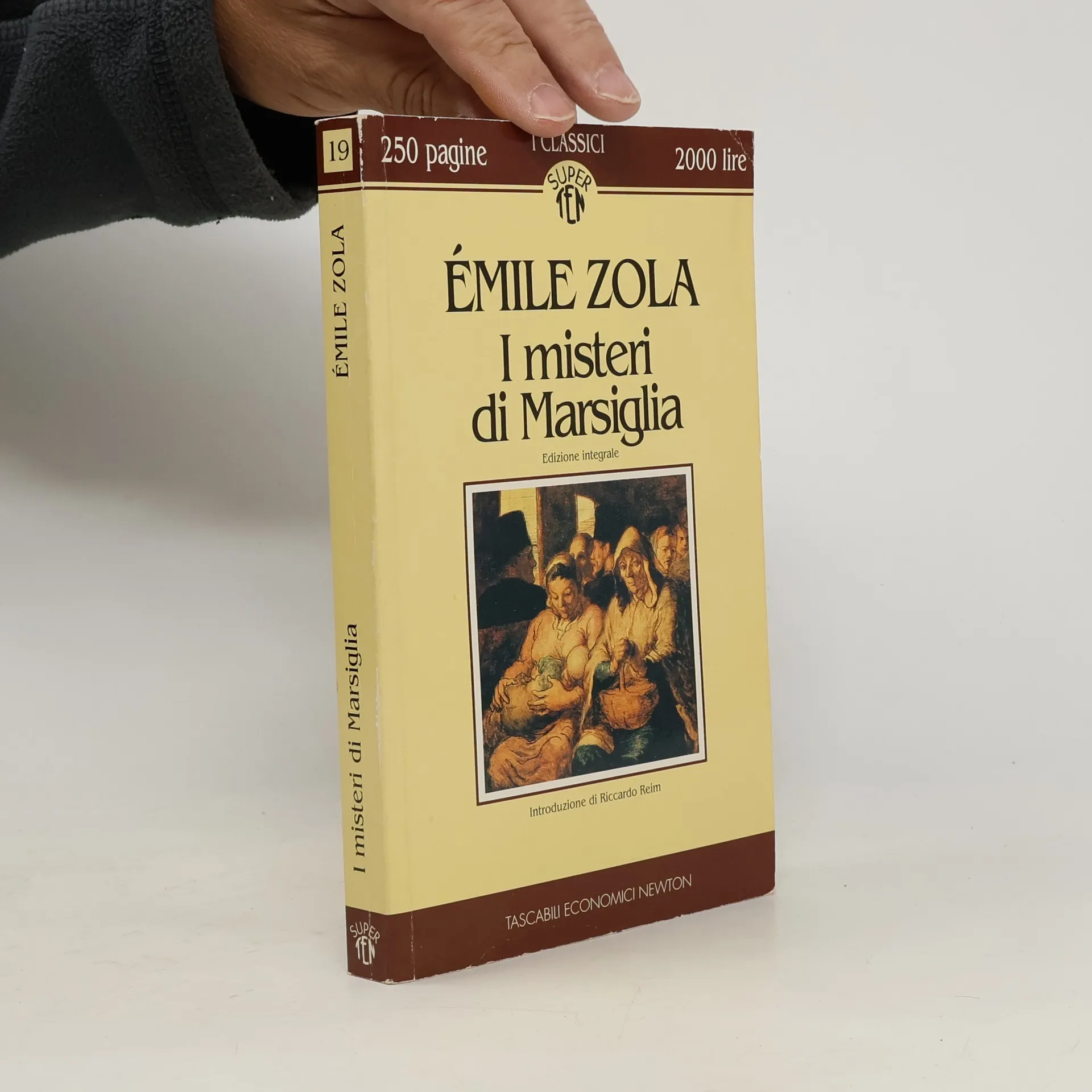
I misteri di Marsiglia: Edizione integrale
- 257pagine
- 9 ore di lettura
es Mystères de Marseille (pubblicato nel 1867, stesso anno di Thérèse Raquin), giovanile incursione di Émile Zola nel feuilleton, è una sorta di esperienza di laboratorio assai significativa per lo scrittore. È qui, infatti, che si rivela il suo «metodo giornalistico» adottato in seguito per il grande ciclo dei Rougon-Macquart, il metodo «inevitabile» e «spietato» che farà nascere romanzi come L’assommoir, Nana, La bête humaine, Germinal. Banco di prova, specchio rivelatore di un difficile apprendistato, Les Mystères de Marseille viene presentato qui in una traduzione del 1885 (riveduta da Riccardo Reim) che conserva a queste insolite pagine di Zola un curioso sapore d’epoca.
Le serate di Médan
- 236pagine
- 9 ore di lettura
"Le serate di Médan" è una delle più clamorose provocazioni lanciate da Émile Zola contro i "sacri" ideali militaristi e patriottardi tanto cari alla società francese del XIX secolo. Pubblicato nel 1880, all'indomani della disastrosa disfatta di Sedan che segnò di colpo la fine di Napoleone III e del Secondo Impero, il libro si propone, con spietata ironia, di fare "opera di verità" sull'insensata follia della guerra (di ogni guerra) con un linguaggio di grande novità, improntato a un crudo, sulfureo realismo ricco di sfumature provocatoriamente grottesche, che non mancarono di suscitare le indignate proteste della stampa e della borghesia benpensante. Nelle "Serate di Médan" la guerra viene vista "dal basso", in sei racconti esemplari - sei brevi capolavori firmati dal "maestro" Zola e dai suoi sodali Maupassant, Huysmans, Céard, Hennique e Alexis - in cui, senza mezzi termini, ci si fa beffe degli impennacchiati eroismi da parata e delle belle frasi altisonanti: storie di crudeltà e follia che, purtroppo, appaiono ancora quanto mai attuali. Con questa antologia (la prima della storia della letteratura ideata su una base tematica) Zola ribadisce la propria posizione di "maestro" della scuola naturalista, sottolineando fin dal titolo che il lavoro è frutto di un cenacolo di giovani artisti che lo riconoscono come tale (Médan è il villaggio nei pressi di Parigi che lo scrittore aveva eletto a sua residenza).
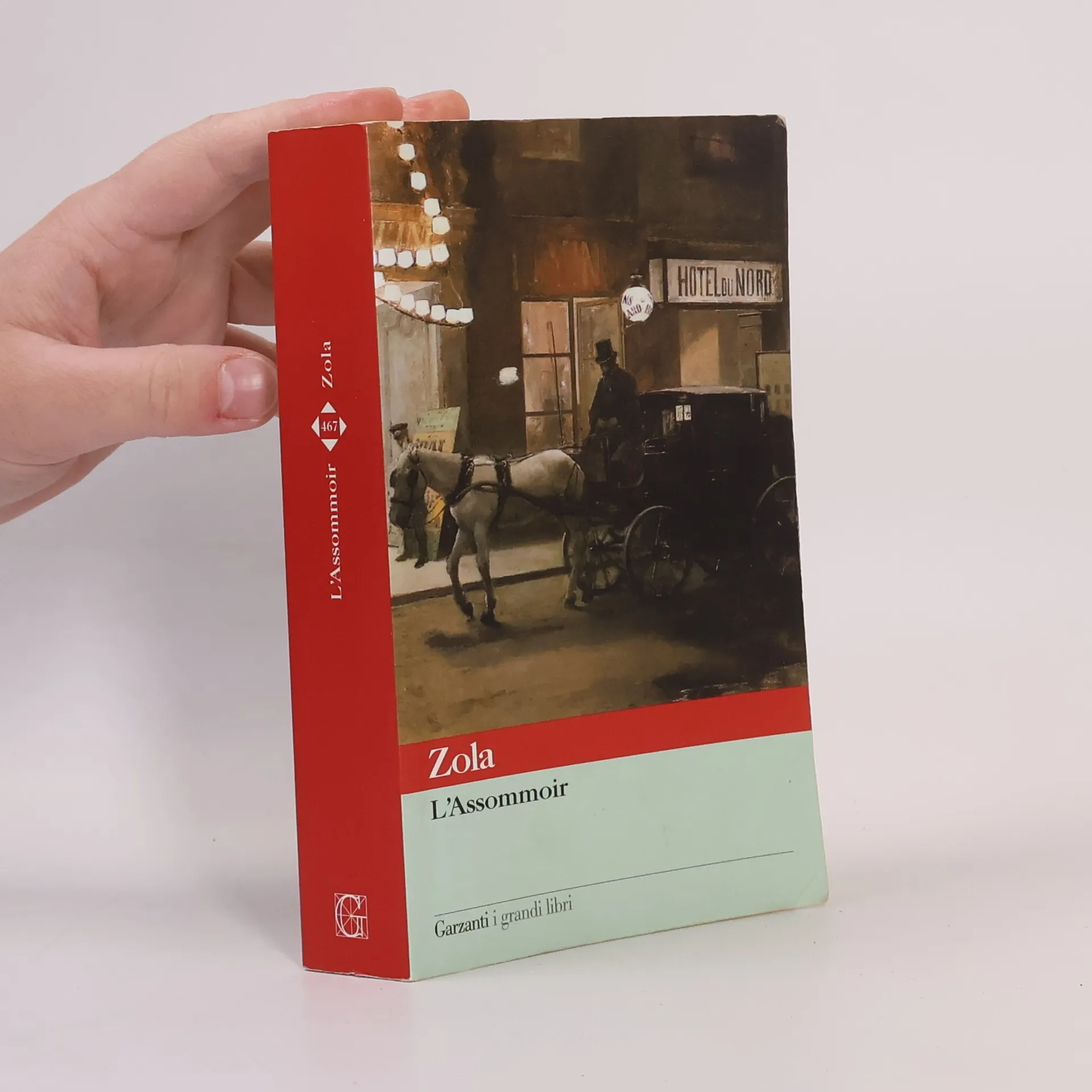
I grandi libri - 467: L'Assommoir
- 492pagine
- 18 ore di lettura
I MiniMammut - 79: Germinal. Ediz. integrale
- 511pagine
- 18 ore di lettura
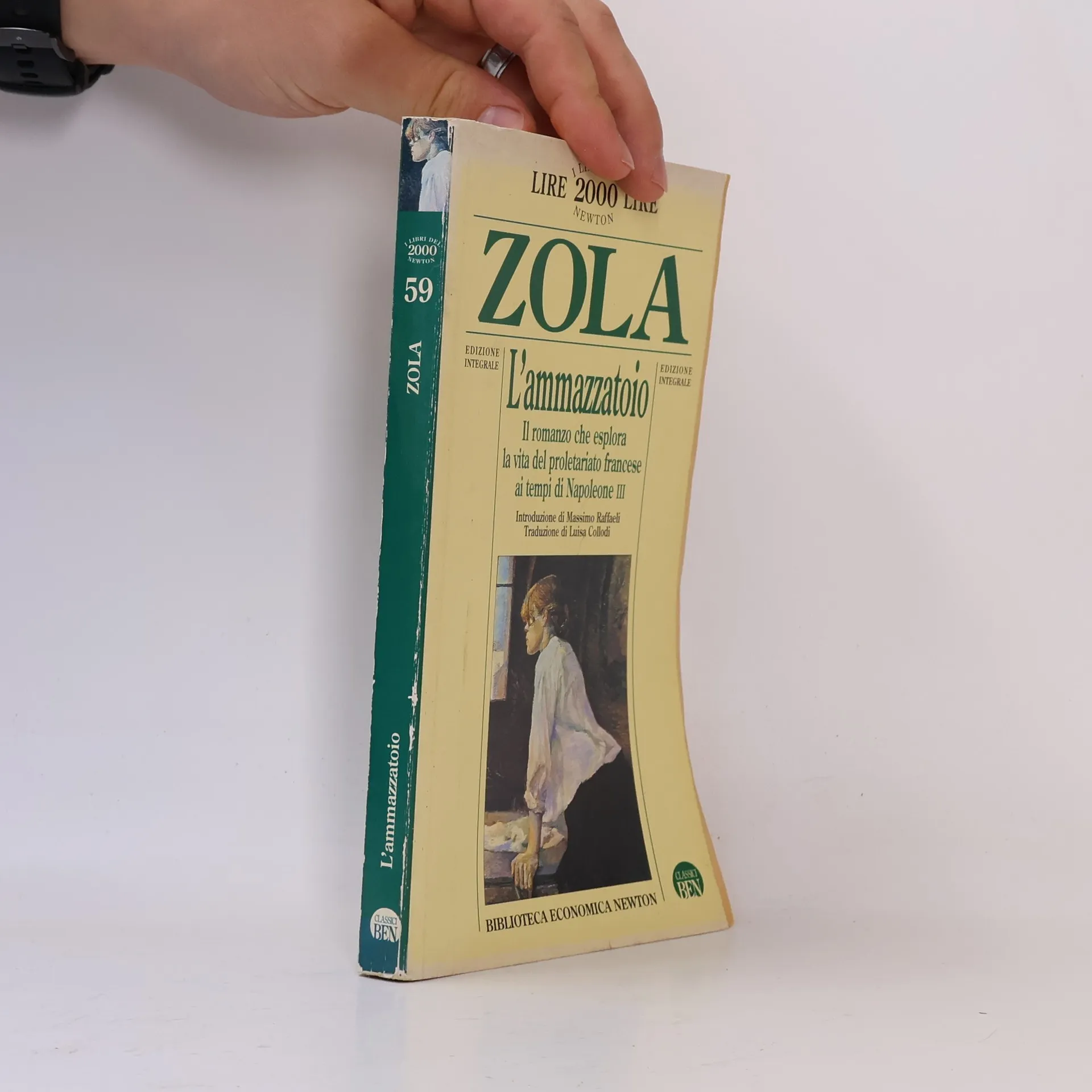
Biblioteca economica Newton - 59: L'ammazzatoio
Il romanzo che esplora la vita del proletariato francese ai tempi di Napoleone III - Edizione integrale
- 320pagine
- 12 ore di lettura
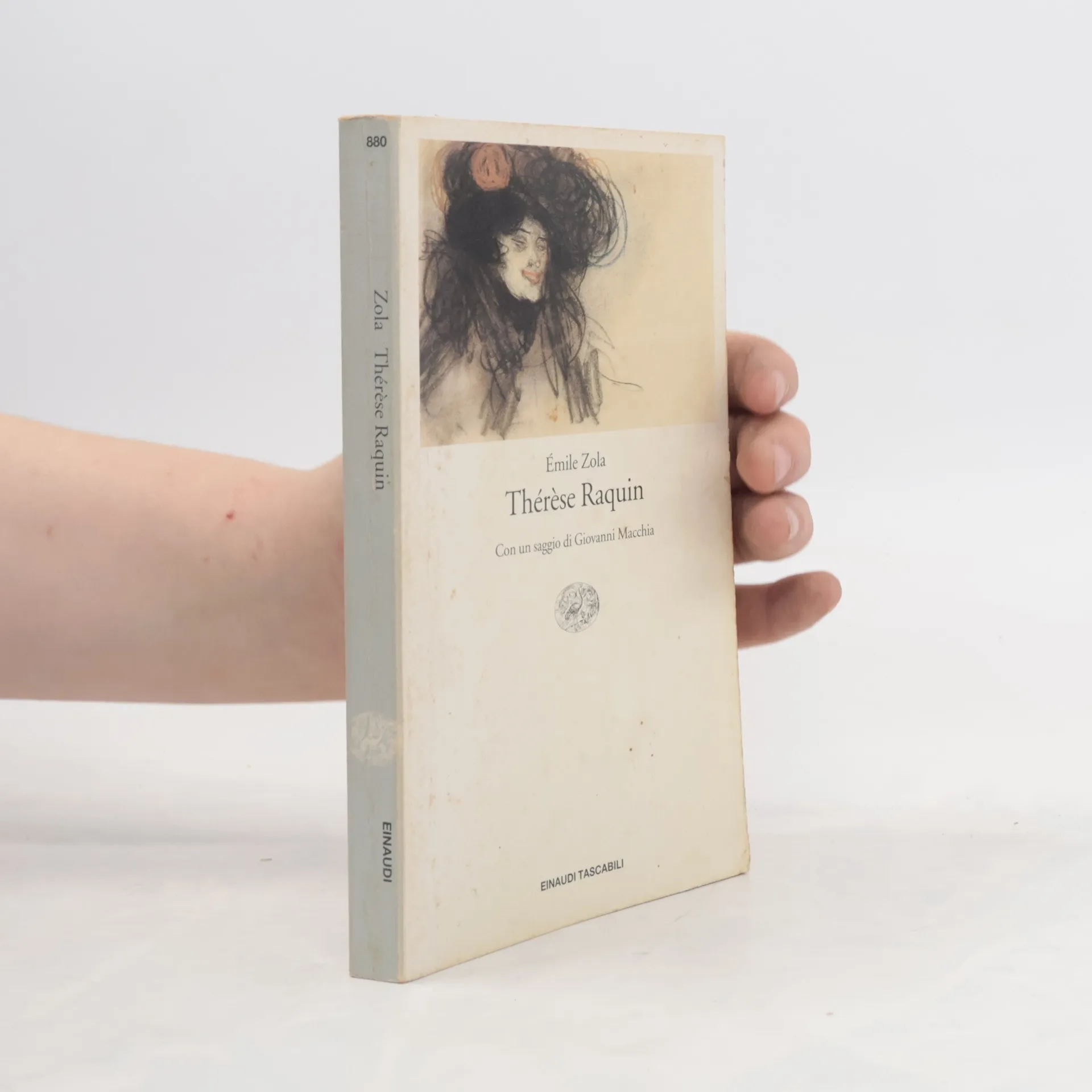
Einaudi Tascabili - 880: Thérèse Raquin
- 226pagine
- 8 ore di lettura
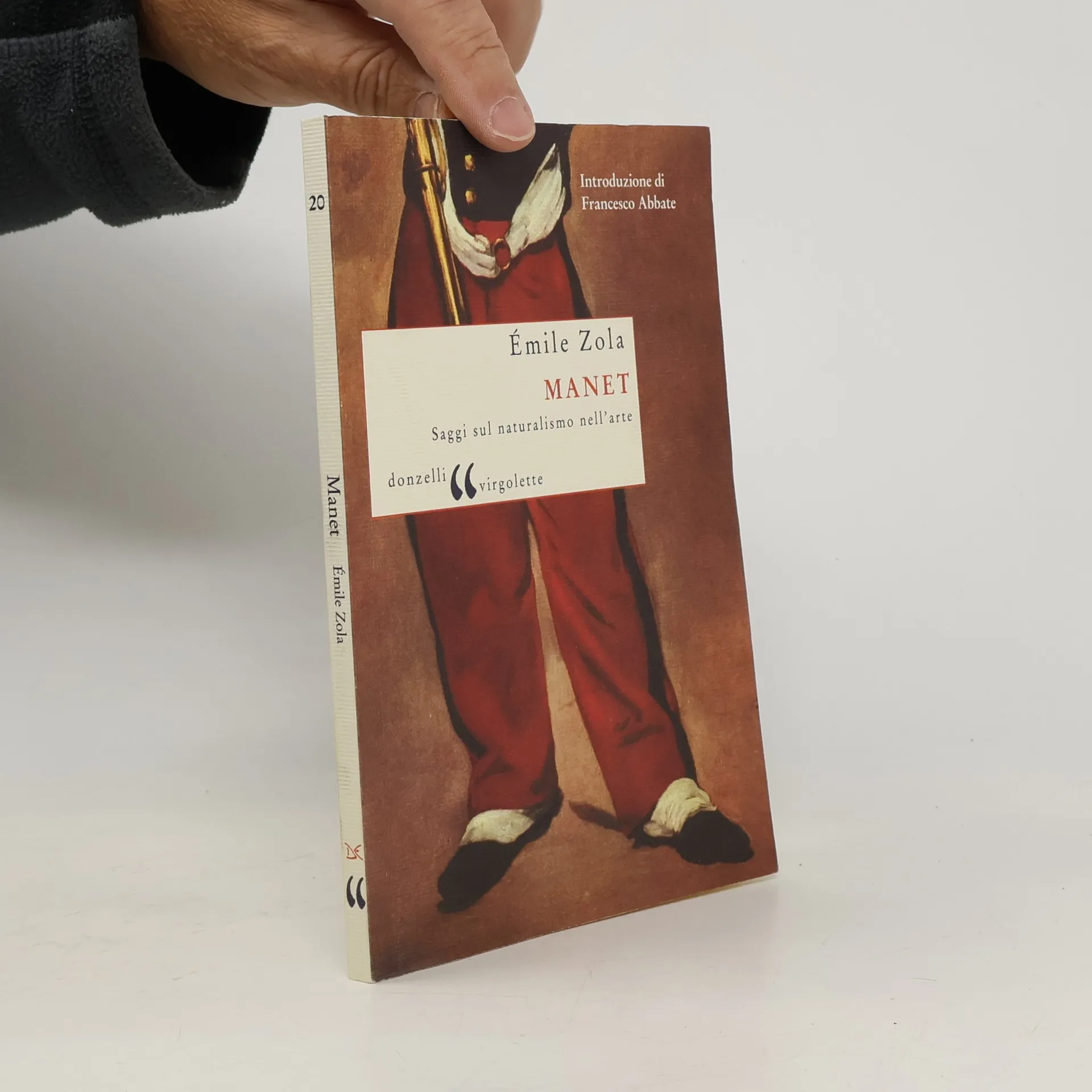
Virgolette - 20: Manet. Saggi sul naturalismo nell'arte
- 109pagine
- 4 ore di lettura
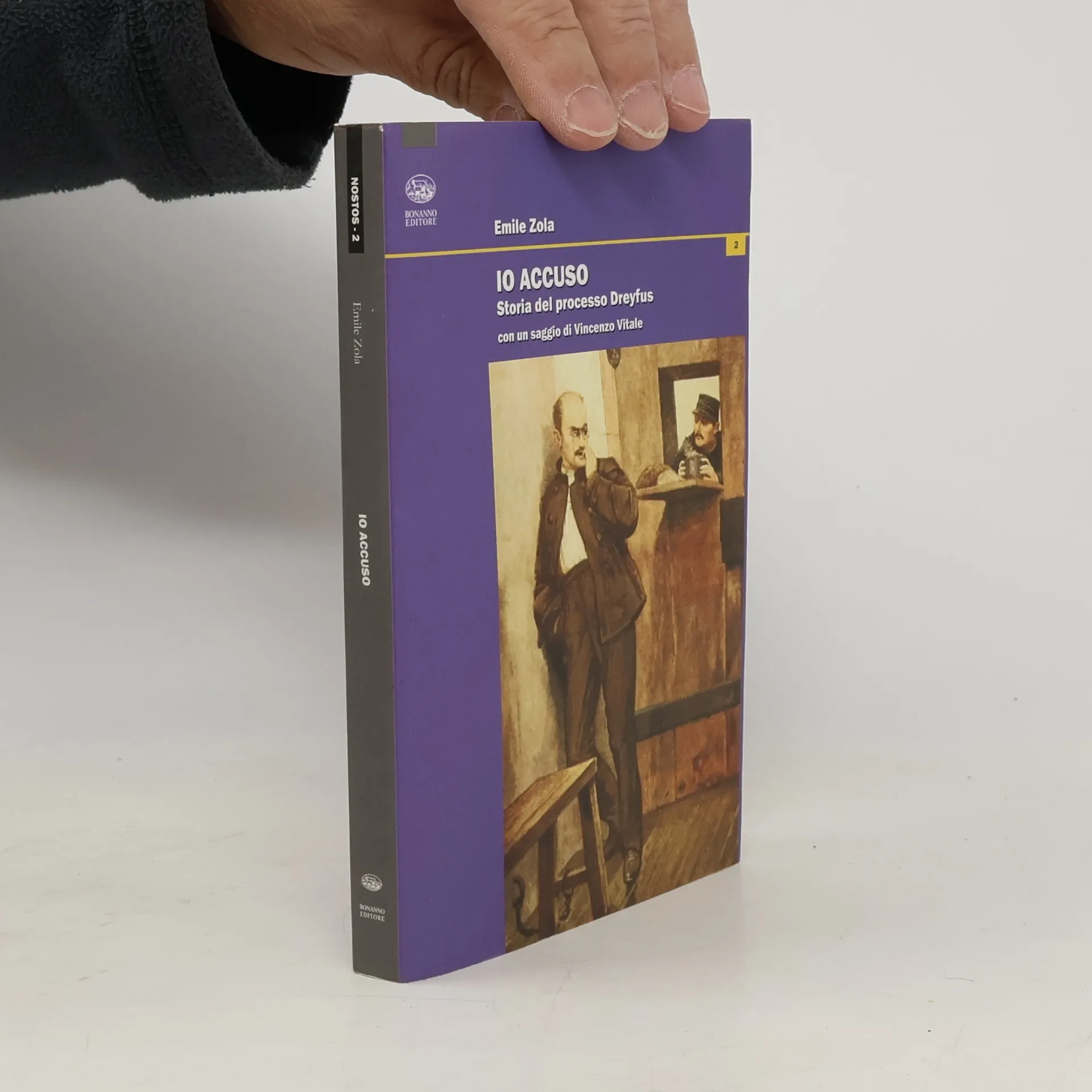
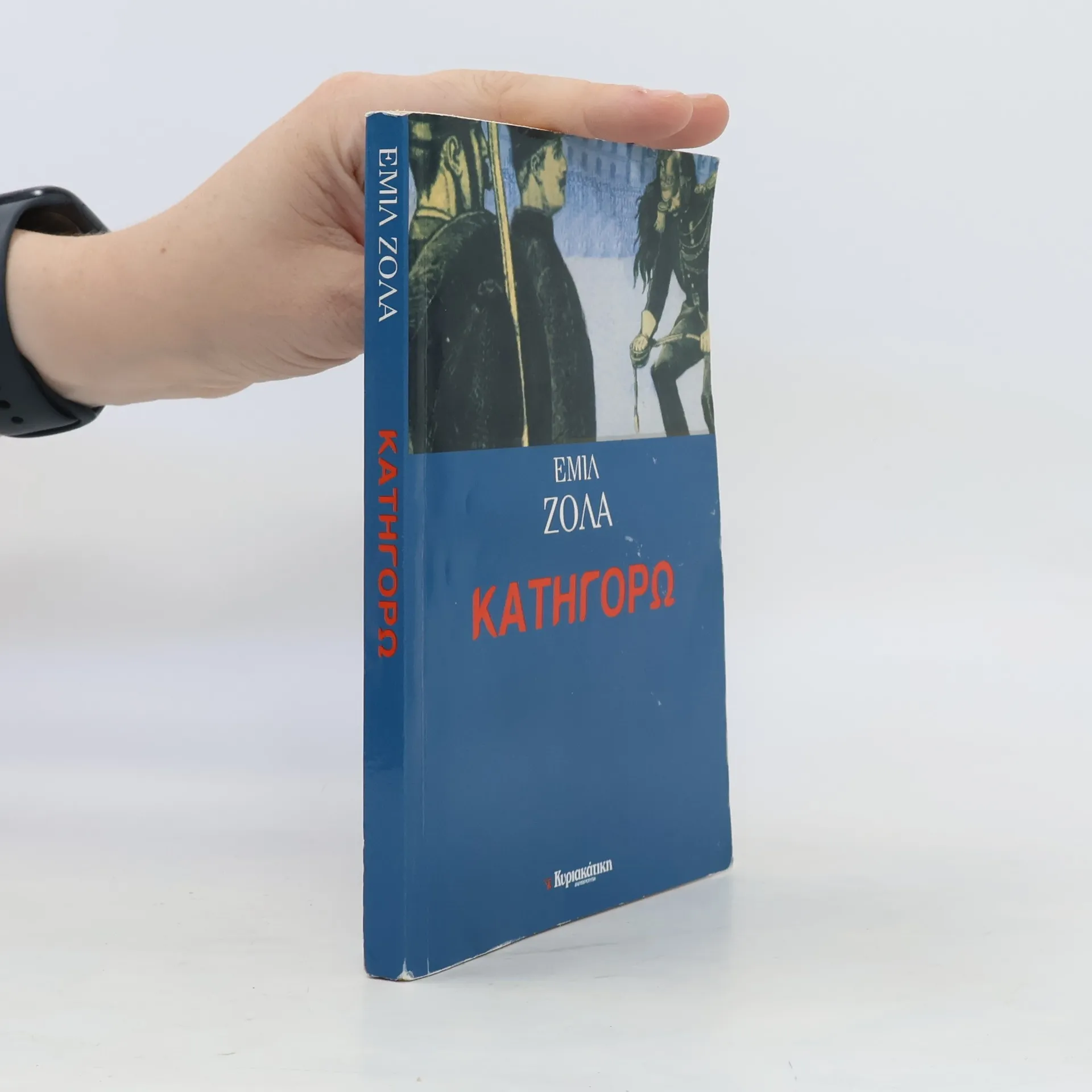
Io accuso
Storia del processo Dreyfus
J'Accuse…!, tradotto in italiano "Io accuso", è il titolo dell'editoriale scritto dallo scrittore francese Émile Zola in forma di lettera aperta al presidente della Repubblica francese Faure, pubblicato il 13 gennaio 1898. La prima traduzione è del 1900 a cura della Società partenopea. Il libro contiene sia la lettera aperta che la storia del processo Dreyfus.
Lourdes
- 490pagine
- 18 ore di lettura
Lourdes (1894) is a novel by French author Émile Zola. Lourdes is the first installment in Zola's celebrated Three Cities Trilogy. Published toward the end of Zola's career, the trilogy is an ambitious, sweeping study of one man's struggle with faith in political, religious, and social life. Following his protagonist Abbé Pierre Froment, Zola provides a striking portrait of the soul of modern man in crisis with itself and with an ever-changing world. Lourdes opens as Abbé Froment departs on a journey from Paris to the holy city of Lourdes. Accompanied by his childhood love, a woman who was paralyzed in an accident at the age of thirteen, Froment hopes to rediscover his faith and to reestablish his position in a beleaguered Catholic Church. There, they meet a series of diverse pilgrims, all of them dissatisfied, all of them searching for something to change or to hold onto. For Froment, this journey begins as a way to help an old friend and becomes a chance at redeeming his wayward soul. At Lourdes, surrounded by desperate, yet faithful people, he begins to remember what brought him to God in the first place. Inspired by his experiences there, he wonders if one priest could change the Church for the better. With a beautifully designed cover and professionally typeset manuscript, this edition of Émile Zola's Lourdes is a classic work of French literature reimagined for modern readers.
Paris
- 482pagine
- 17 ore di lettura
The narrative follows Pierre Froment, who, after a disheartening experience in Rome, grapples with his faith and purpose within the Church. Returning to Paris, he seeks solace in almsgiving, which attracts scrutiny from his conservative superiors. This exploration of personal crisis and social themes unfolds against the backdrop of Paris, concluding Émile Zola's The Three Cities Trilogy. Through Froment's journey, the novel delves into the complexities of faith, duty, and societal expectations.
Zola's novel of peasant life describes the disintegration of the Fouan family when Papa Fouan decides to divide his land between his three children. Greed and violence feed a bitter struggle for supremacy. This new translation captures the novel's blend of brutality and lyricism in its evocation of the inexorable cycle of the natural world.
Great Short Stories of the World
- 876pagine
- 31 ore di lettura
The short story is one of the most skilled and entertaining of literary forms. This marvellous collection rangers over nearly five thousand years and includes stories from countries all round the world. Many of the great classical authors are included such as Dickens, Hardy, Balzac, Zola, de Maupassant, Tolstoy, Chekhov, Hawthorne, O. Henry and Poe. Other writers equally worthy of fame, but little known outside their own countries, have been specially translater for this volume. The stories have been arranged under their country of origin and each section is introduced by a compact survey of the development of the short story within that country. Every story is preceded by a useful biographical note on the author. Altogether, 178 different tales have been gathered here, each among the best of its kind. Tragic, comic, romantic or macabre, they are guaranteed to bring hours of pleasure to every reader.
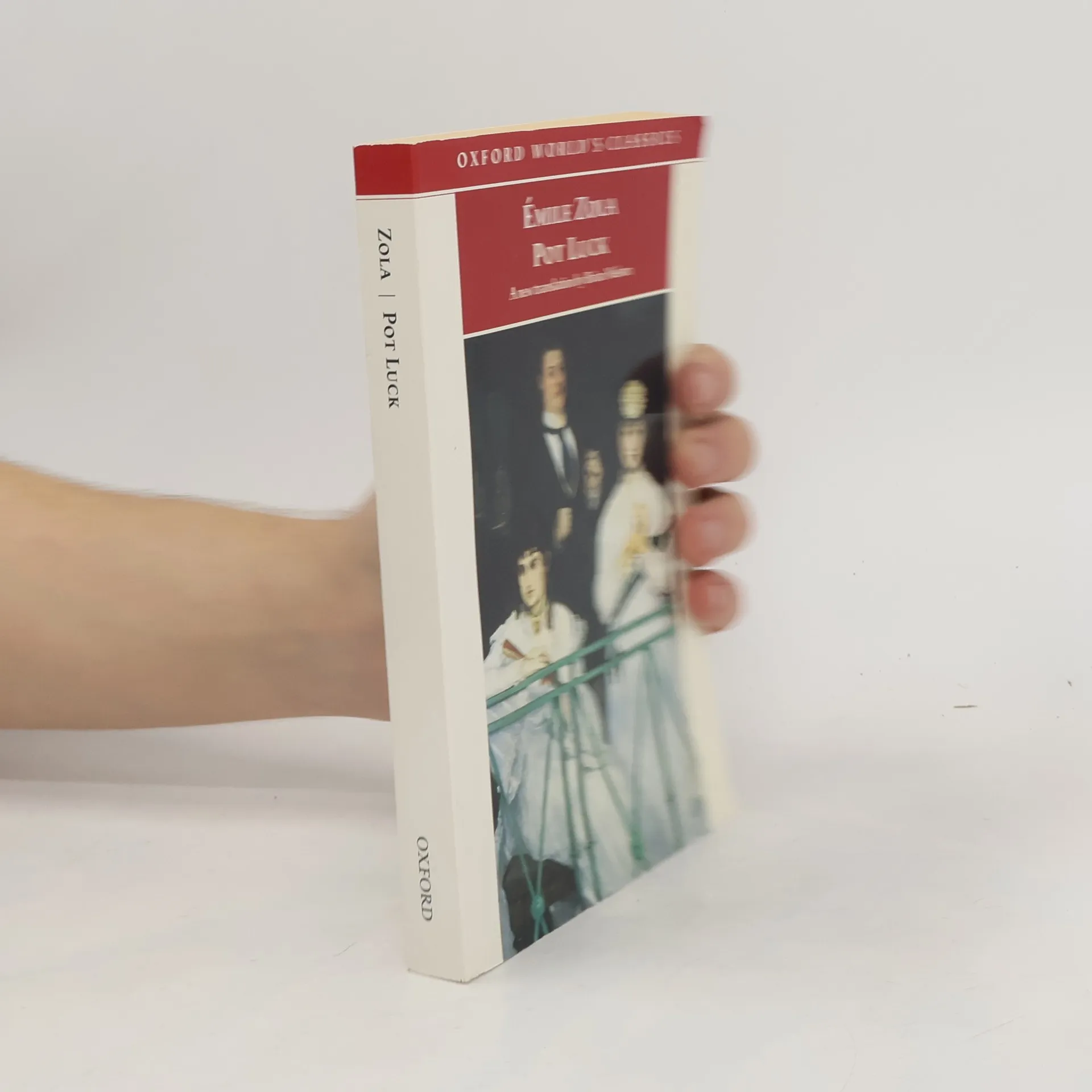
Pot Luck
- 416pagine
- 15 ore di lettura
Pot Luck , Zola's most acerbic satire, describes daily life in a newly constructed block of flats in late nineteenth-century Paris. In examining the contradictions that pervade bourgeois life, Zola reveals a multitude of betrayals and depicts a veritable 'melting pot' of moral and sexualdegeneracy. This new translation captures the robustness of Zola's language and restores the omissions of earlier abridged versions.
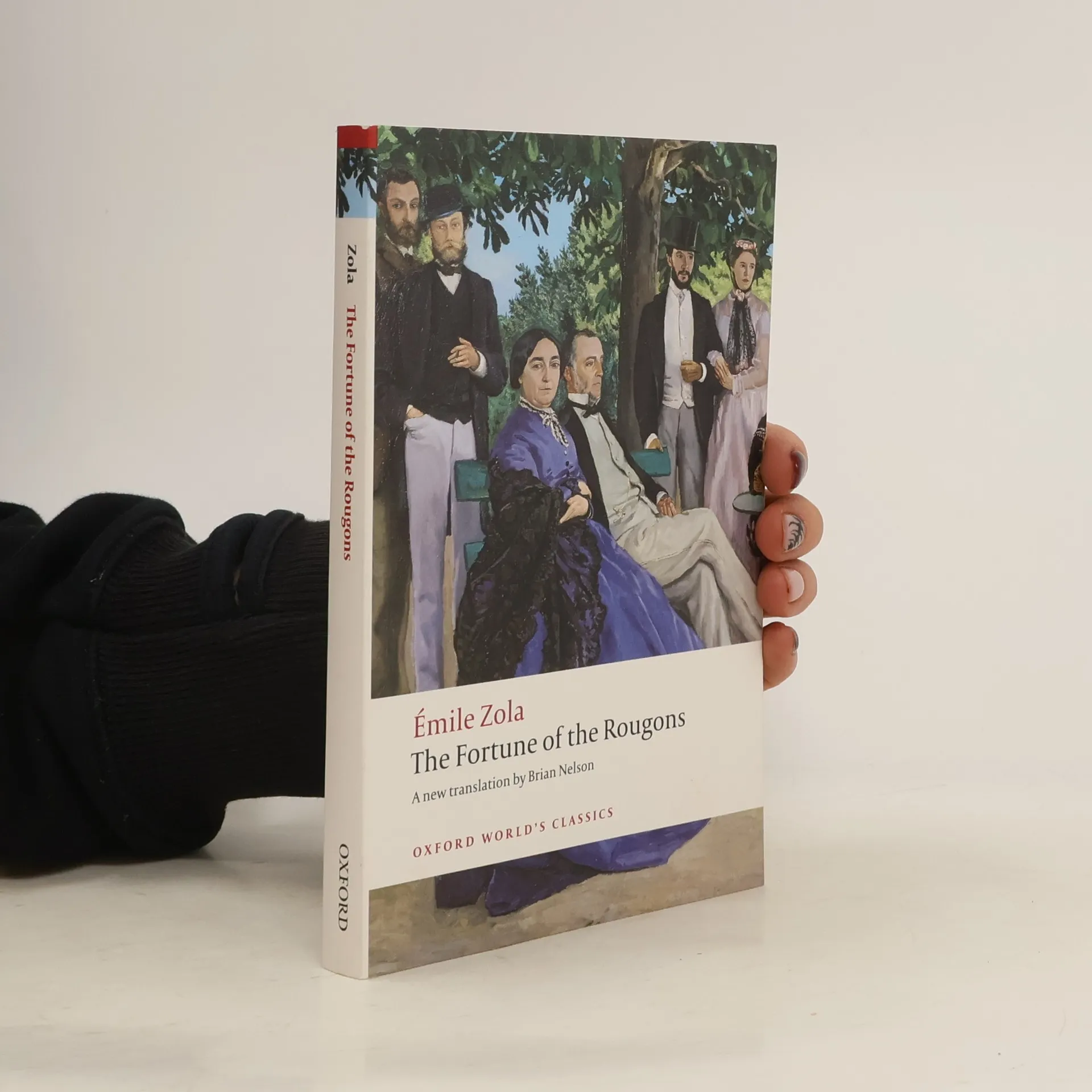
The Fortune of the Rougons is the first in Zola's famous Rougon-Macquart series of novels. Not only the inaugural novel, it is the series' founding text, establishing its genealogical basis. The family's greed and rapacity mirrors the diseased society in which it flourishes. This lively new translation is accompanied by introduction and notes.
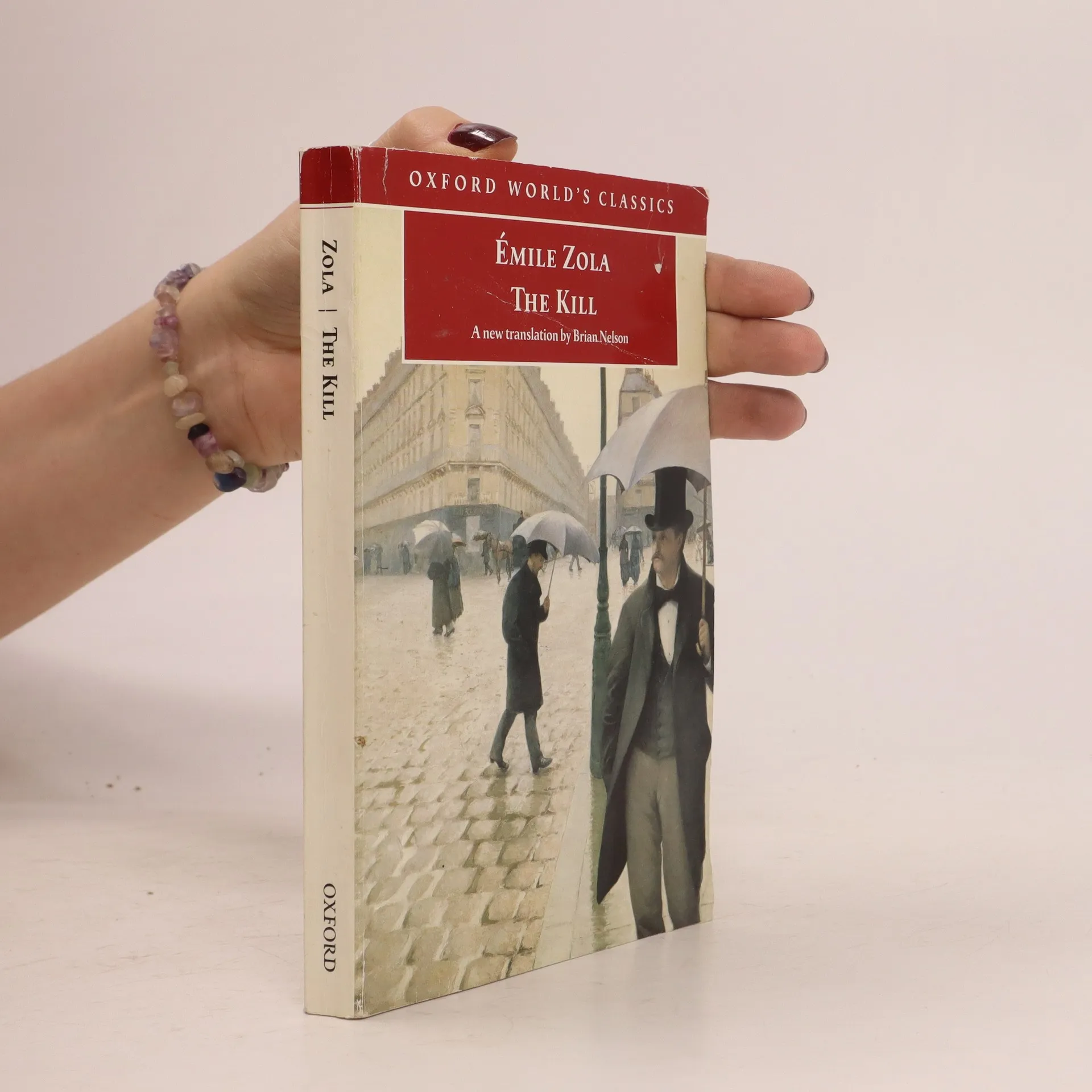
The Kill (La Curée) is the second volume in Zola's great cycle of twenty novels, Les Rougon-Macquart, and the first to establish Paris - the capital of modernity - as the centre of Zola's narrative world. Conceived as a representation of the uncontrollable 'appetites' unleashed by the Second Empire (1852-70) and the transformation of the city by Baron Haussmann, the novel combines into a single, powerful vision the twin themes of lust for money and lust for pleasure. The all-pervading promiscuity of the new Paris is reflected in the dissolute and frenetic lives of an unscrupulous property speculator, Saccard, his neurotic wife Renée, and her dandified lover, Saccard's son Maxime.
Doctor Pascal is the twentieth and final novel in Zola's great Rougon-Macquart series. Pascal Rougon has spent his life chronicling the hereditary patterns and illnesses of his family, using medicine to attempt cures, whilst his niece Clotilde places her faith in God.
A Love Story
- 306pagine
- 11 ore di lettura
A fascinating study in sexual psychology and sexual politics, the novel focuses on Helene Grandjean, a widow, and her shifting emotional states. This is the eighth novel in Zola's Rougon-Macquart series, and the first modern translation for more than fifty years.
The Sin of Abbé Mouret is the fifth novel in Zola's Rougon-Macquart series. It follows Serge Mouret, a young priest, aspiring to perfect purity and sanctity. An illness leaves him with amnesia, and no longer knowing he is a priest, he falls in love with his nurse. Together they roam an Eden-like garden called the 'Paradou'.
The Dream
- 256pagine
- 9 ore di lettura
In The Dream, the sixteenth novel in the Rougon-Macquart series, Zola blends mysticism and fairy tale with naturalism as an orphan girl falls in love with a nobleman.
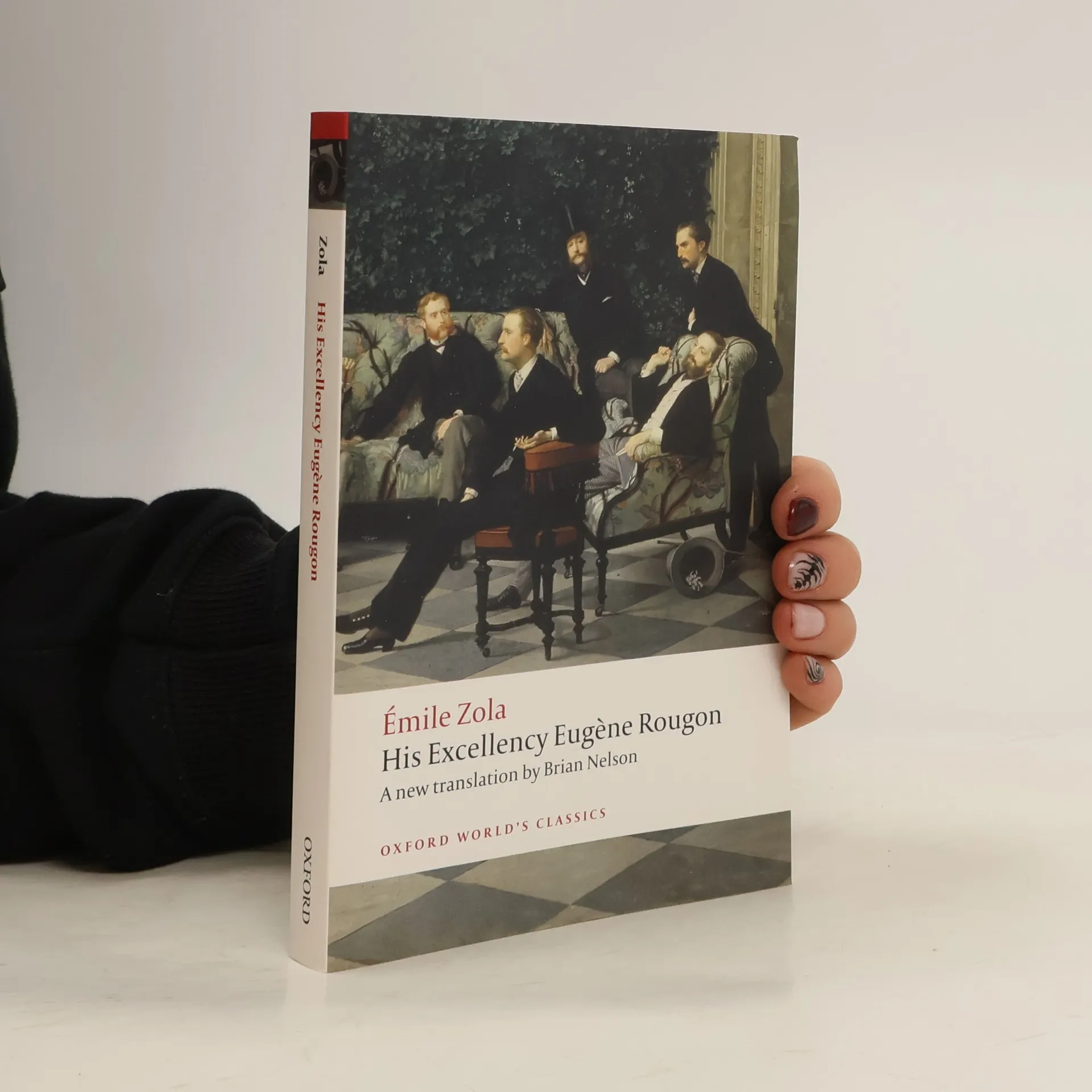
Im going to celebrate the 21st century with a re-read of His Excellency Eugène Rougon. Swiftly Tilting Planet
This reproduction focuses on making historical works accessible, particularly for those with impaired vision. Megali, the publishing house behind this initiative, specializes in producing large print editions, ensuring that classic texts can be enjoyed by a wider audience. The commitment to inclusivity in reading is a key aspect of this work.
Focusing on accessibility, this book is a reproduction of a historical work published by Megali, a house dedicated to producing large print editions. This initiative aims to enhance reading experiences for individuals with impaired vision, ensuring that classic literature remains available and enjoyable to a wider audience.
This publication focuses on making historical works accessible through large print, catering specifically to individuals with impaired vision. Megali, the publishing house behind this initiative, emphasizes the importance of preserving and sharing historical texts while enhancing readability for those who may struggle with standard print sizes.
The publishing house Megali focuses on making historical works accessible through large print editions, catering specifically to individuals with impaired vision. This approach ensures that significant texts are preserved and made easier to read, enhancing the reading experience for those who need it.
The Flood
in large print
Focusing on accessibility, this book is a reproduction of a historical work presented in large print. It is published by Megali, a company dedicated to making literature more accessible for individuals with impaired vision, ensuring that classic texts can be enjoyed by a broader audience.
This book is a reproduction of a historical work presented in large print, catering specifically to individuals with impaired vision. Published by Megali, a house renowned for its commitment to accessibility, it aims to provide a clearer reading experience while preserving the original content.
The Three Cities Trilogy; Lourdes, In Two Volumes
Volume 2 - in large print
- 408pagine
- 15 ore di lettura
Focusing on accessibility, this book is a reproduction of a historical work, presented in large print by Megali, a publishing house dedicated to enhancing readability for individuals with impaired vision. The initiative aims to make classic literature more accessible to a broader audience, ensuring that important texts remain available to those who may struggle with standard print sizes.
The publishing house Megali focuses on reproducing historical works in large print, catering specifically to individuals with impaired vision. This initiative aims to enhance accessibility and make reading more enjoyable for those who struggle with standard print sizes.
Focusing on accessibility, this book is a reproduction of a historical work presented in large print, catering specifically to individuals with impaired vision. The publishing house Megali is dedicated to enhancing the reading experience for those who may struggle with standard text sizes, ensuring that important historical texts remain accessible to a wider audience.
Focusing on accessibility, this book is a reproduction of a historical work presented in large print, catering to readers with impaired vision. Published by Megali, a house dedicated to enhancing readability for those who struggle with standard text sizes, it aims to preserve important literature while ensuring it remains accessible to a wider audience.
Focusing on accessibility, this book is a reproduction of a historical work presented in large print format. The publishing house Megali aims to facilitate reading for individuals with impaired vision, ensuring that important texts remain available to a wider audience.
This book is a reproduction of a historical work, published by Megali, a company dedicated to creating large print editions for individuals with impaired vision. The focus on accessibility ensures that more readers can engage with important historical texts.
Příběhem provází učitel Marek Froment, který přijíždí s rodinou do městečka Maillebois a je svědkem nepříjemné události. Obvinění padá na židovského chlapce a Froment prožívá tento případ několik let, hledá pravdu, věří ve Francii, ale jeho nepřítelem se stává církev, která se nenápadně zmocňuje země, škol a zaujímá přední místa. Za naději, která se snad blíží, doplácí hrdina rozporem v rodině, která se manipulací přiklání k pravdě Boží.
Román s množstvím autobiografických prvků o věčném zápase umělců o vytvoření mistrovského díla a s realistickým hrdinou Claudem Lantierem.
Po smrti rodičů svěří poručník Lobrichon Magdalénu na výchovu své přítelkyni do penzionátu, kde se učí dobrým způsobům a to tak, že z něj vychází jako dovedné koketky. Po neshodě s poručníkem utíká Magdaléna do ulic, kde se jí ujme student Jacques a stanou se milenci. Vilém, zrozenz nerovné lásky hraběte de Viarque a nevěrnice je nazýván panchartem, utiskován a zesměšňován. Chlapec nervózní a citlivé povahy je vychováván náboženskou fanatičkou, služebnou Jenoféfou. Cesty osudu svedou tyto dva dohromady, láskou plnou citů a okouzlení. Když Magdalena po čase váhání přijme nabídku k sňatku, žijí manželé zdánlivě klidný život ve svém domečku. Až do doby, kdy Vilém dostane dopis od svého nejvěrnějšího přítele, který se chystá jej navštívit. Skvělé vykreslení pocitů jednotlivých postav, Magdalenino vnitřní rozpolcení, otázka viny, sžíravý pocit strachu, Vilémovy několikastránkové úvahy až chorobně bludné představy, citový a morální úpadek manželů, znásobený popisem stálé přítomnosti stoleté fanatické stařeny Jenoféfy. Nemožnost utéct před sebou samými a přijmout zasloužený trest.
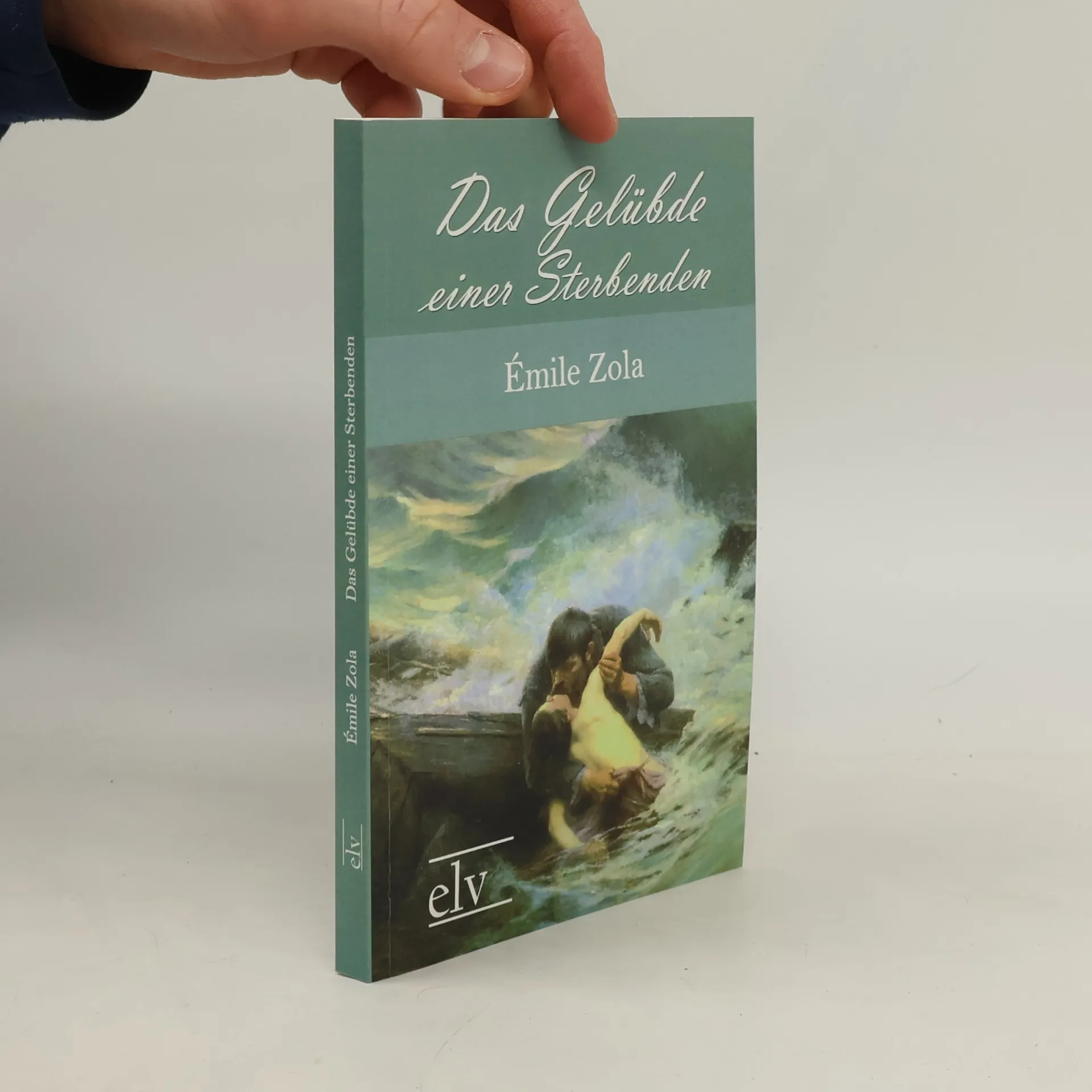
Das Gel'bde einer Sterbenden
- 168pagine
- 6 ore di lettura
Der große französische Romancier des 19. Jahrhunderts - Émile Zola - gilt als Leitfigur und Begründer der literarischen Strömung des Naturalismus. Nicht nur seine Romane, sondern auch seine Erzählungen und seine Publizistik haben die Stimmungen in den literarischen Kreisen Frankreichs beeinflusst. Diese Ausgabe enthält seine Erzählung Das Gelübde einer Sterbenden . Der grö franz sische Romancier des 19. Jahrhunderts - ile Zola - gilt als Leitfigur und Begr nder der literarischen Str mung des Naturalismus. Nicht nur seine Romane, sondern auch seine Erz ungen und seine Publizistik haben die Stimmungen in den literarischen Kreisen Frankreichs beeinflusst. Diese Ausgabe enth seine Erz ung Das Gel bde einer Sterbenden .
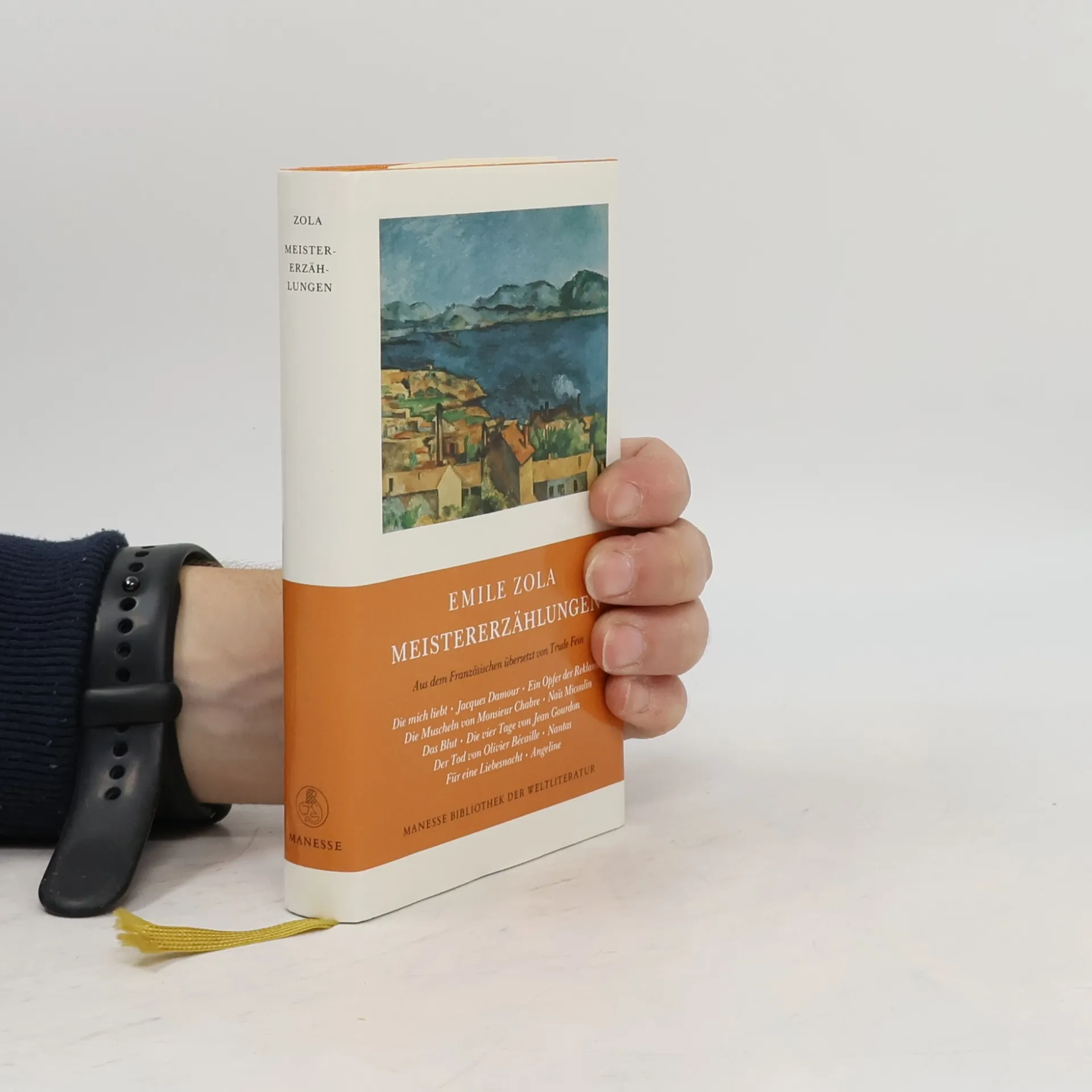
Meistererzählungen
- 411pagine
- 15 ore di lettura
Die im Gegensatz zu den Romanen wenig umfangreichen Erzählungen Emile Zolas bleiben noch immer zu entdecken. Gerade in ihnen schöpft er ohne Vorurteil und Belehrungsabsichten, frei von der zeitverhafteten Doktrin eines »wissenschaftlichen« Naturalismus, unmittelbar aus dem Leben.
Žaľujem...!
- 96pagine
- 4 ore di lettura
Jedna z najväčších afér konca 19. storočia – Dreyfusova aféra – mala silnú odozvu v dobovej tlači. Najznámejšou osobnosťou, ktorá sa k afére vyjadrila, bol významný francúzsky spisovateľ Émile Zola vo svojom známom pamflete pod názvom Jaccuse…!, teda „Žalujem…!“. Tento brilantnýžurnalistický text nebol doteraz na Slovensku preložený ani publikovaný. Okrem spomínaného pamfletu od Émila Zolu v knihe nasledujú texty významných osobností súdobého spoločenského, politického a umeleckého života vo Francúzsku, aby sme dnešným čitateľom poskytli komplexný obraz reflexie tejto aféry vo vtedajšej francúzskej spoločnosti.
Wie man lebt, so stirbt man
- 64pagine
- 3 ore di lettura
Die frühen fünf kleinen Prosawerke betrachten wir in enger Verflechtung mit den weitgespannten Themen der späteren Romane Zolas, z. T. als skizzenhafte Vorwegnahmen bestimmter Stoffe, in ihrer Bedeutung als Spiegel einer den Autor dicht umdrängenden Wirklichkeit. Sie sind reizvoll und neuartig auch für den Kenner der Romane; denn hier offenbart der Dichter seine Natur- und Sozialgeschichte en miniature. In einem Brief von 1868 schreibt er: »Die schamlosen, erklügelten Albernheiten töten manchmal eine Gesellschaft, nie aber die nackten Wahrheiten. Ich zeige Euch das Übel; erhebt Euch und macht es besser.«
Die Werke von Zola sind umfangreich; dieser Band enthält die bedeutendsten Romane, die fast alle zur Serie der Rougon-Macquart gehören. In diesem Band: Thérèse Raquin (1867), der erste ausdrücklich naturalistische Roman mit starkem Bezug zum Noir; L'Assommoir (1877), der erste der Rougon-Macquart, ein Roman aus der Arbeiterwelt, in dem jedoch das politische Thema hinter der kollektiven Erzählung einer degradierten Welt zurücktritt, in der die Kindheit und Jugend der schönen Prostituierten, die Protagonistin des nachfolgenden Romans Nanà (1880), dargestellt wird. In diesem Roman wird die Welt der Kurtisanen, ihre Elend und Vulgarität, manchmal ihr gutes Herz, sowie die ihrer Ausbeuter, Adelige, oft reiche, zynische und skrupellose Menschen, in Szene gesetzt.
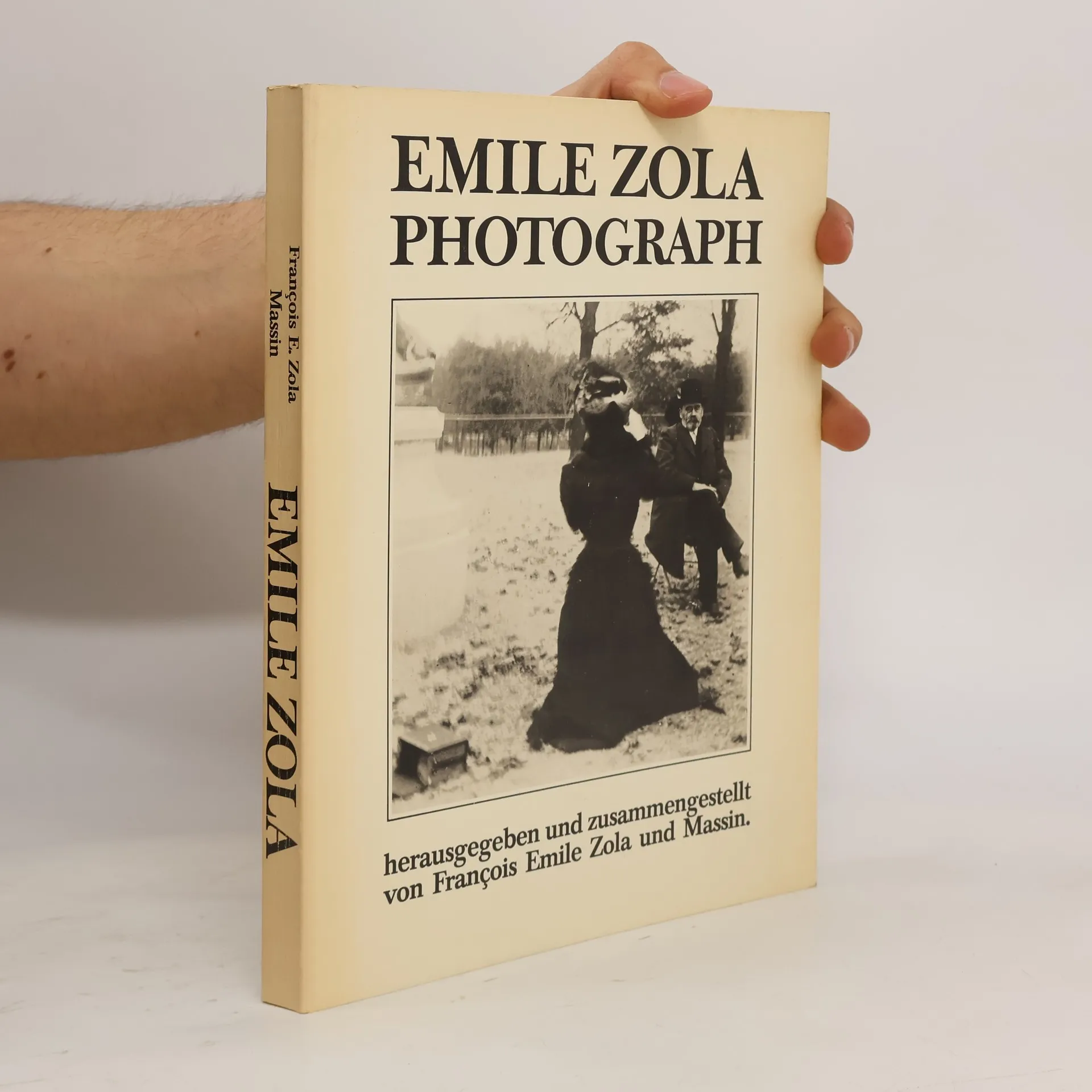
Der französische Art Director und Buchdesigner Massin hat über 200 Fotografien von Émile Zola ausgewählt, der für sein Schreiben bekannt ist, das bis 1888 weltweite Anerkennung fand, als seine Besessenheit für Fotografie begann. Neben Bildern der Welt im Allgemeinen - der Weltausstellung von 1900, dem damals neuen und umstrittenen Eiffelturm, den Straßen, Geschäften und Menschen von Paris sowie Medan, wo Zola ein Landhaus hatte - wurde Zola bald von der Kunst der Porträtfotografie fasziniert - das Buch enthält Bilder seiner Freunde, seiner Frau, seiner Geliebten und seiner Kinder. Auch Paris zur Jahrhundertwende, Renoir-ähnliche Bilder der französischen Landschaft und Fotos von Zolas Selbstexil in England sind enthalten. François Émile-Zola, Émiles Enkel, hat umfangreiche Briefe sowie Zolas Tagebucheinträge bereitgestellt, die einen intimen Einblick und Geschmack der Zeit vermitteln.
Na pozadí politického úpadku režimu Napoleona III. zobrazuje svet vysokých finančníkov a burzových špekulantov.
Chvalozpěv manželské lásky a rodiny. Příběhy ze života žen v Paříži a jejich problémy s nechtěným těhotenstvím. Kniha popisuje několik příběhů rodin z různých společenských vrstev. Hlavní příběh ale tvoří manželé, kteří spolu zažívají krásný vztah a i přes různé překážky a žaly přece jen spolu mají hezký život, kdy jsou obklopeni spoustou potomků.
Die kleine Stadt P*** ist auf einem Hügel erbaut. Am Fuße der alten Mauern fließt ein tief eingeschnittener Bach, der Chanteclair, der wohl so genannt wird wegen des kristallklaren Geräuschs seines reinen Wassers. Wenn man von der Straße nach Versailles kommt, überquert man den Chanteclair an der Südseite der Stadt auf einer Steinbrücke mit einem einzigen Bogen, deren breite, niedrige und abgerundete Brüstungen als Bänke für alle alten Männer des Vororts dienen.
Er wurde aufgeregt, voller Angst und erhaben. Es war sein Verlust, seine Herzverletzung, die ihn so quälte, der große Schlag, der ihn für einen Moment niedergestreckt hatte, gegen den er jedoch wieder aufstand, den Kummer herausfordernd und starrsinnig in seinem stoischen Glauben an einen allmächtigen Gott, der der Meister der Menschheit war und das Glück denjenigen vorbehalten hatte, die er auswählte. Wieder machte er jedoch einen Versuch, sich zu beruhigen, und sprach in sanfterer Stimme weiter: "Auf jeden Fall ist die Herde immer offen, mein lieber Sohn, und hier bist du wieder, seit du Buße getan hast. Du kannst dir nicht vorstellen, wie glücklich mich das macht."
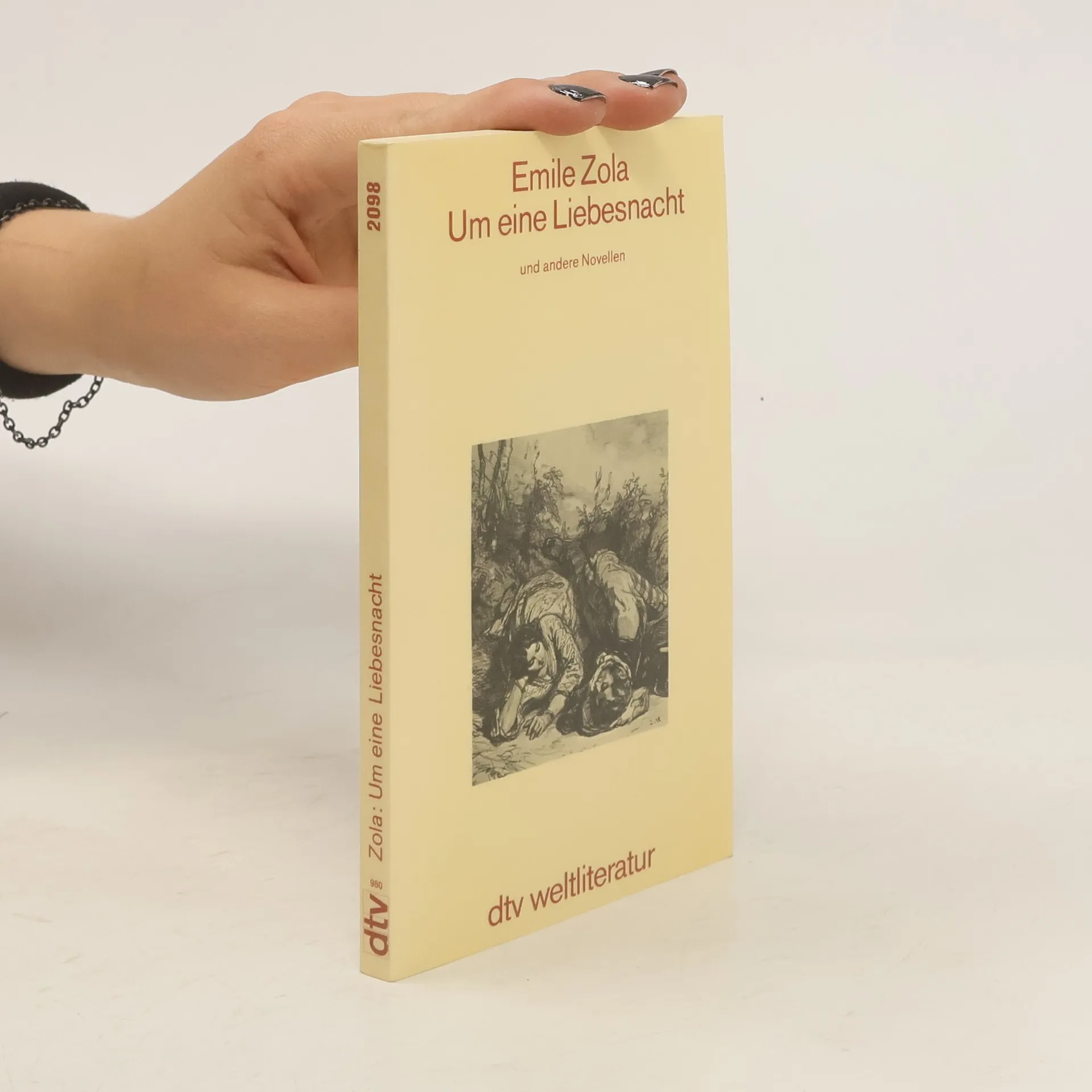
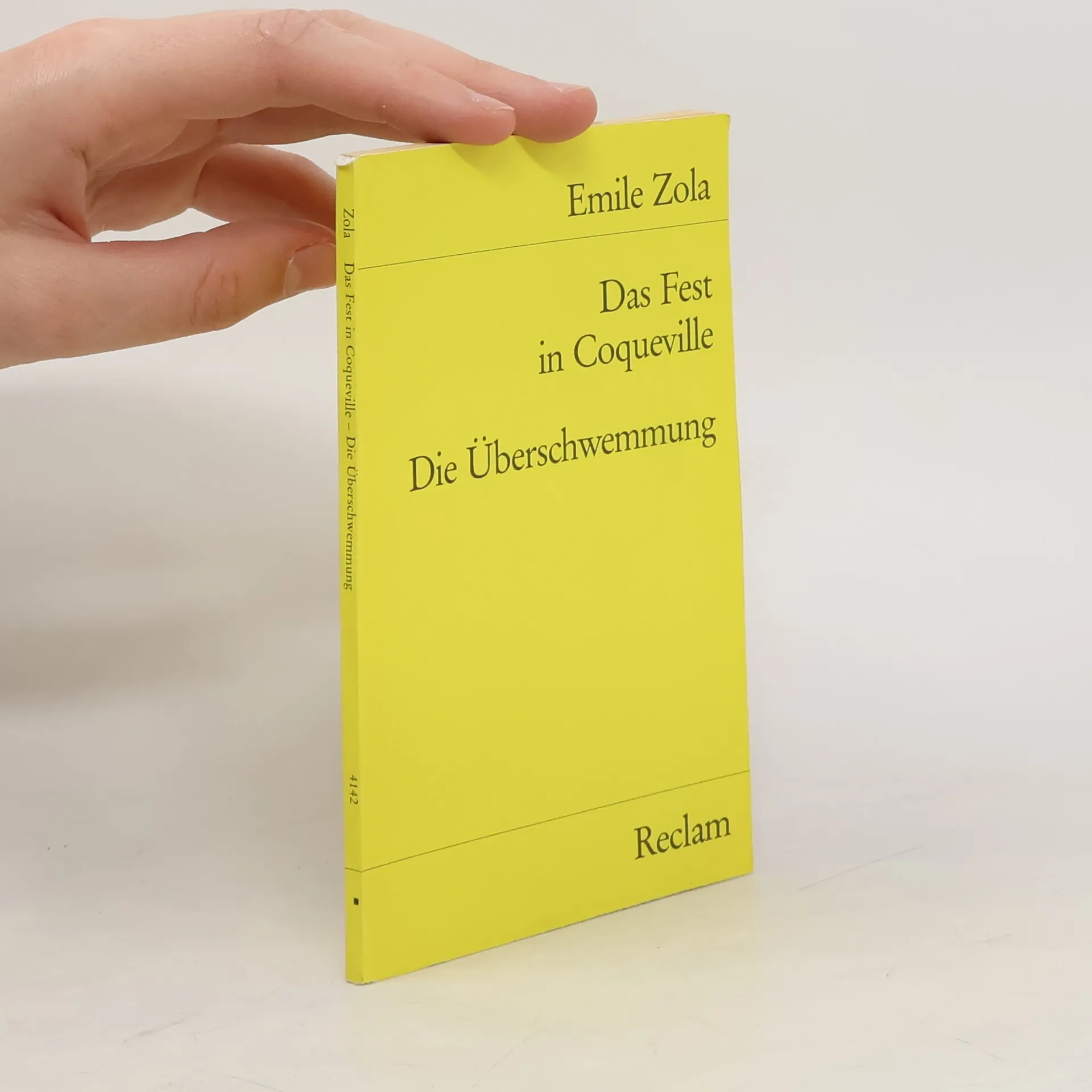
Inhalt: Nais Micoulin - Das Fest zu Coqueville - Für eine Liebesnacht
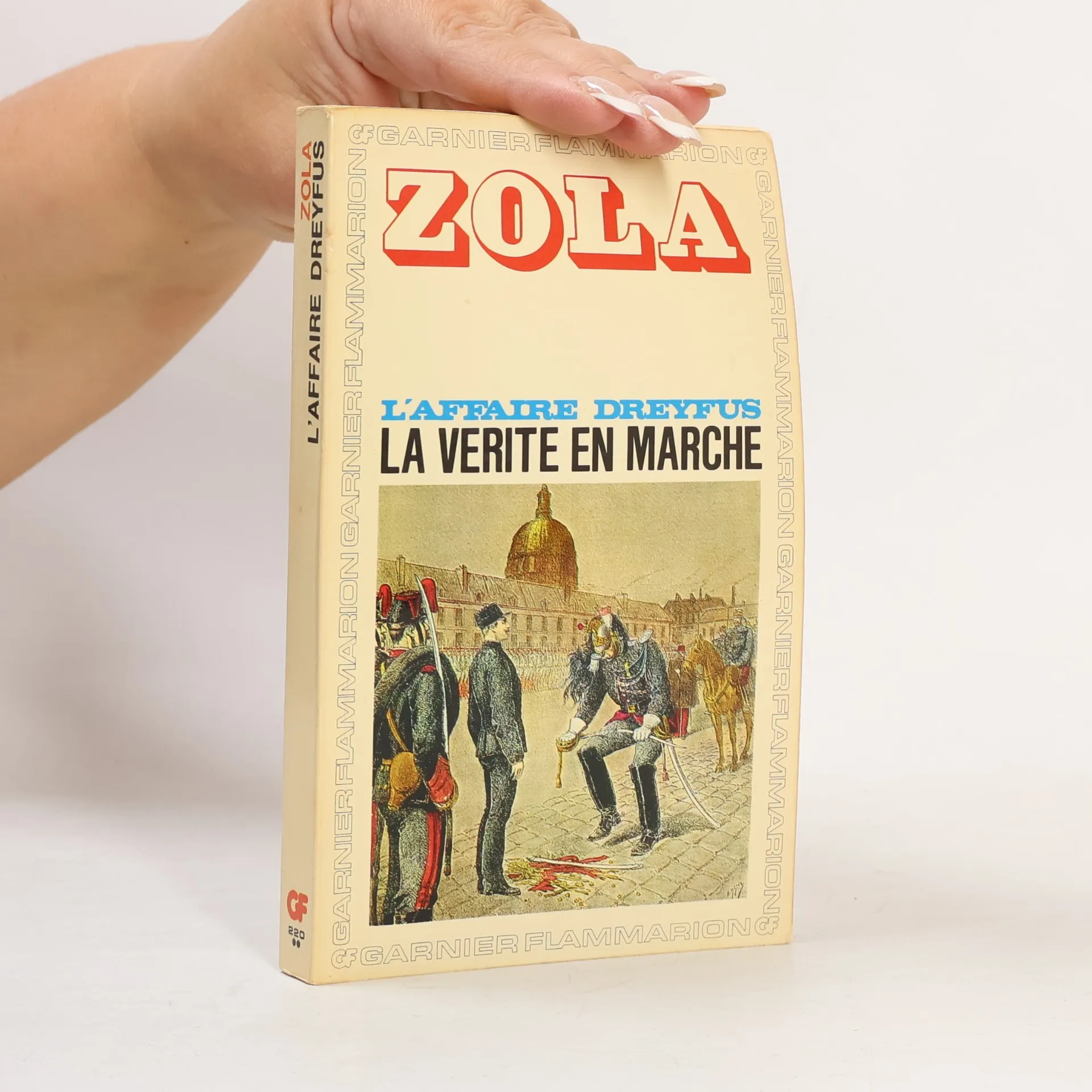
L'Affaire Dreyfus
La Vérité en marche
Avouant être totalement ignorant de l’affaire Dreyfus, hésitant à propos de sa légitimité à intervenir, Zola se décide en moins de quinze jours, entre le 13 et le 25 novembre 1897, en partie poussé à bout par les violentes attaques dont est victime Scheurer-Kestner dans la presse. Le 25 novembre 1897, Zola écrit un premier article d’une série de trois. Il le conclut par la phrase prophétique, restée célèbre : « La vérité est en marche et rien ne l’arrêtera », qui va devenir le leitmotiv des Dreyfusards. Le véritable traître en lieu et place d’Alfred Dreyfus, le commandant Walsin Esterhazy, est dénoncé puis jugé par un Conseil de guerre à Paris le 10 janvier 1898. Il est acquitté le lendemain, à la suite d’un délibéré de trois minutes. Après la condamnation d’un innocent, c’est l’acquittement du coupable, ce qui amène Zola à la réaction. Elle fut extrêmement énergique.
Das Fest in Coqueville. Die Überschwemmung. 2 Novellen
- 84pagine
- 3 ore di lettura
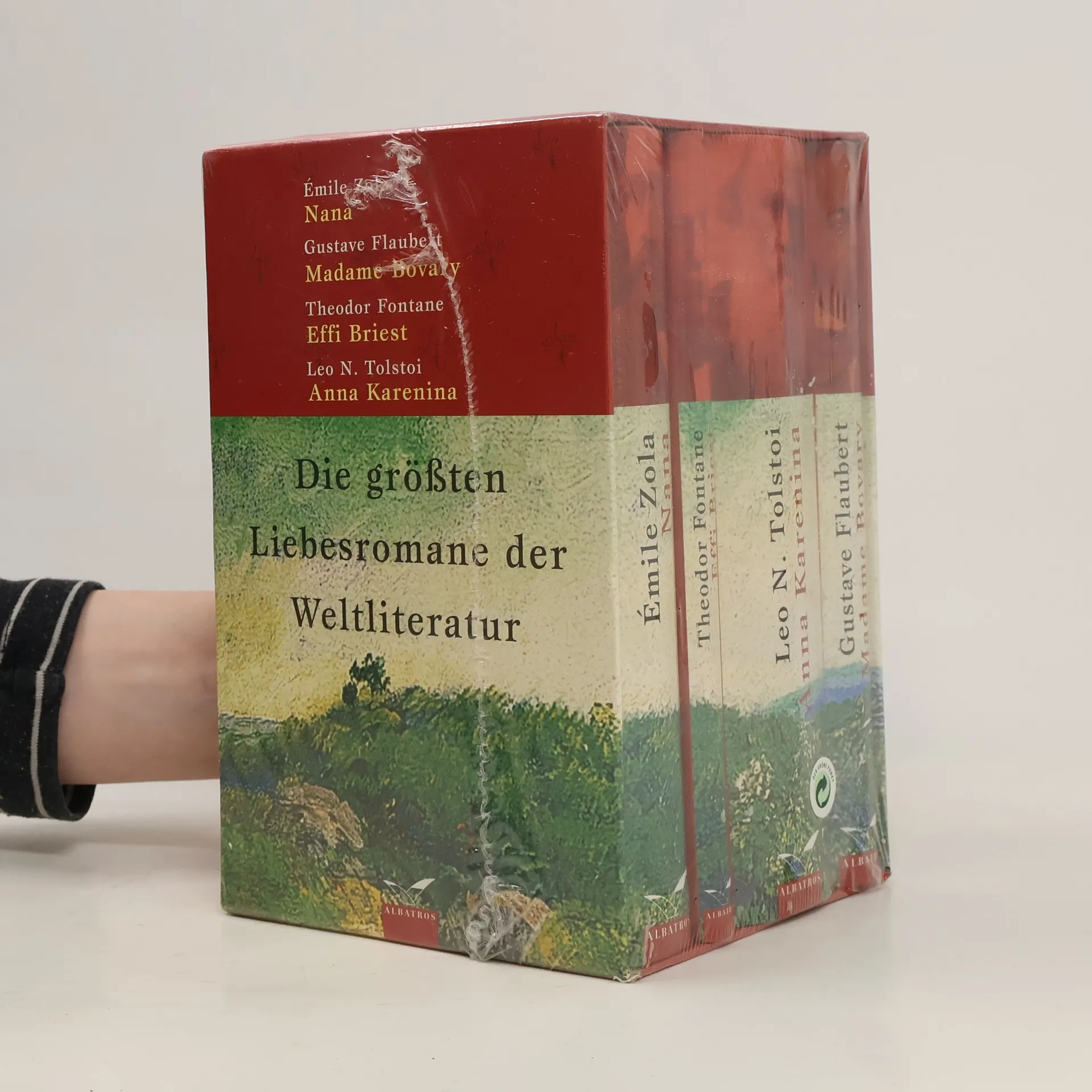
Die größten Liebesromane der Weltliteratur
Nana, Madame Bovary, Effi Briest, Anna Karenina
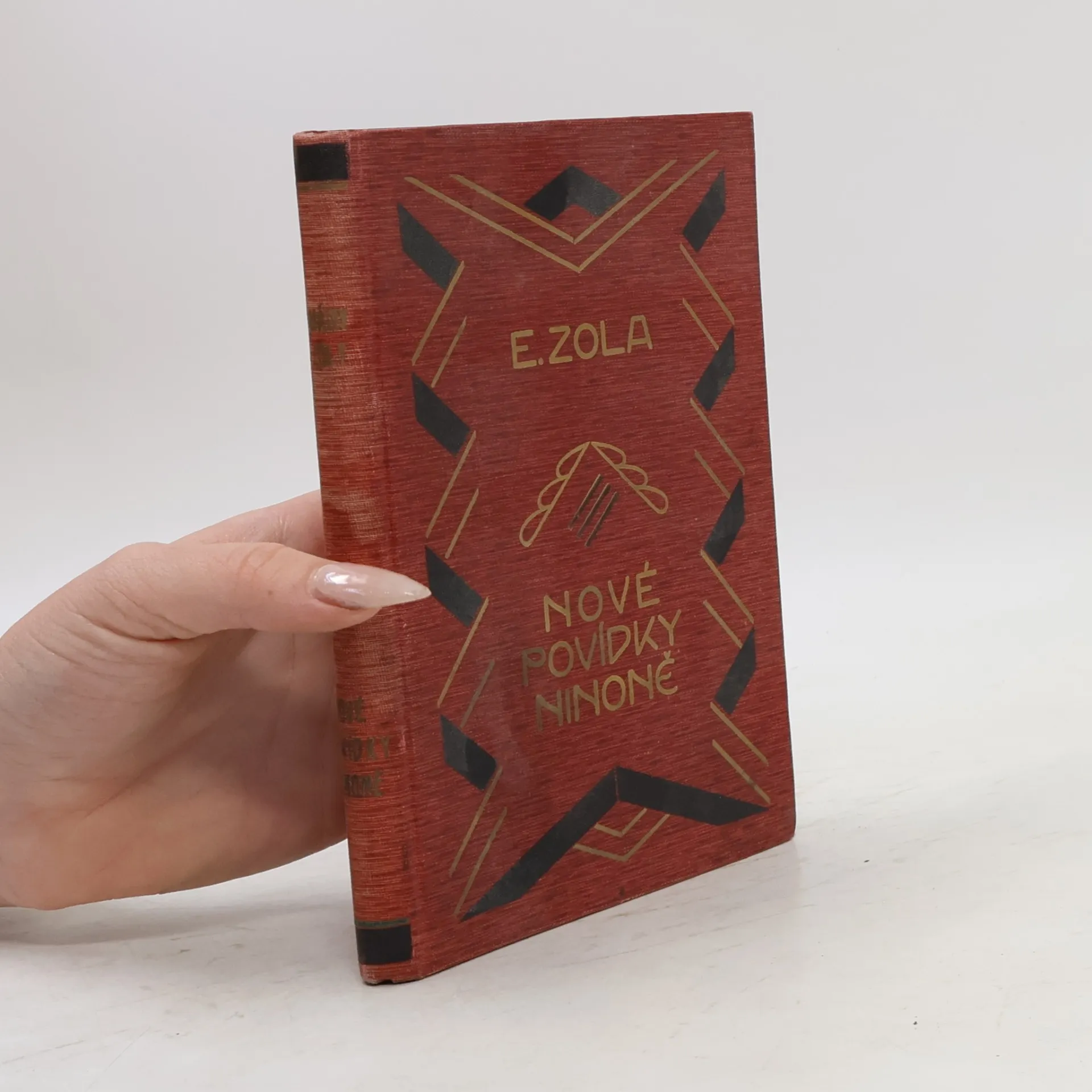
Společně s knihou Povídky Ninoně tvoří povídkový cyklus. Kniha obsahuje celkem 14 povídek:
Wie man heiratet und wie man stirbt. Dtsch.-Französ.
- 168pagine
- 6 ore di lettura
Émile Zola beleuchtet in "Wie man heiratet, wie man stirbt" die intimsten Aspekte des menschlichen Lebens und spiegelt damit den Zustand der Gesellschaft wider. Er zeigt die Arroganz der Reichen und das Elend der Armen, wobei er seine Sympathie für die Letzteren zum Ausdruck bringt.
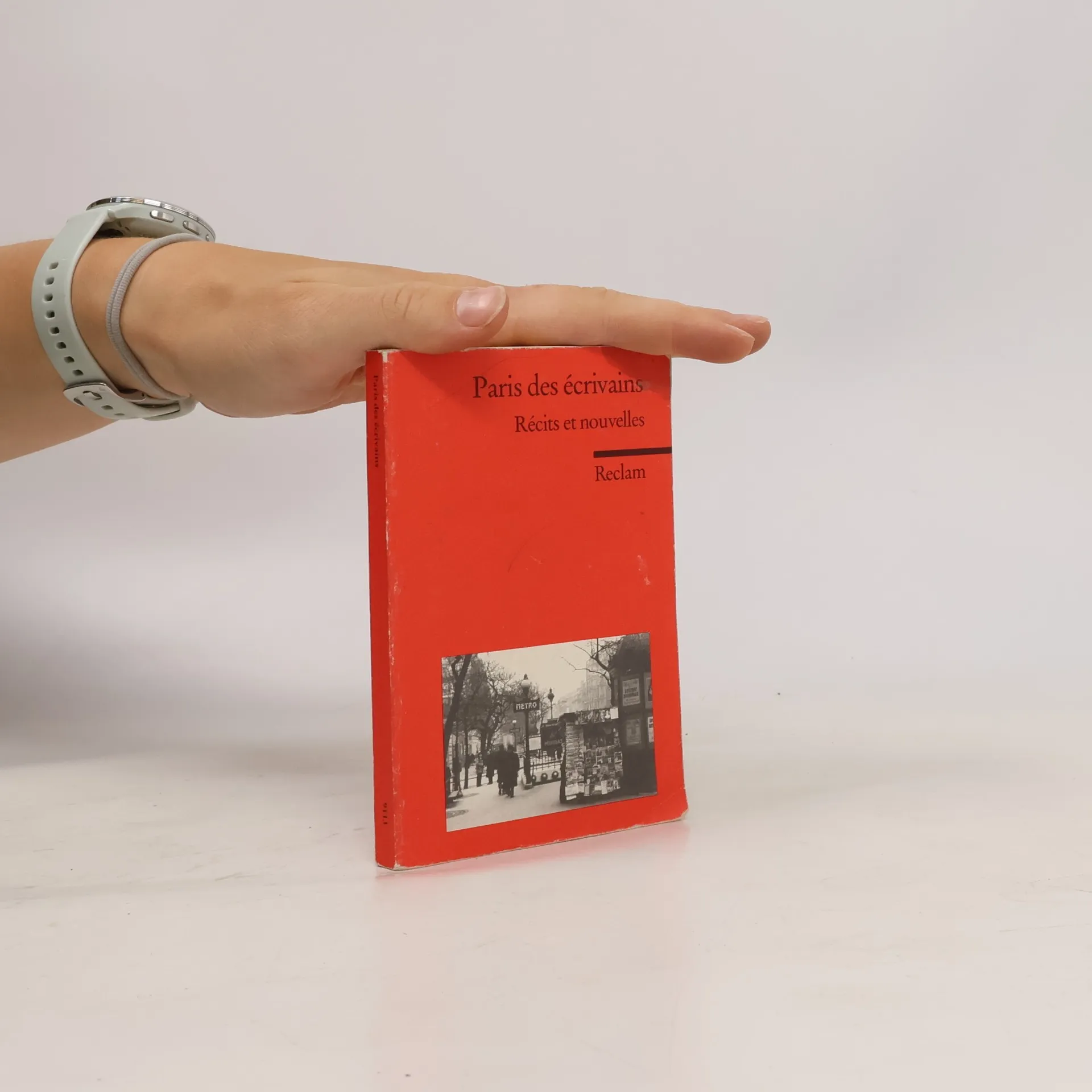
Reclams Universal-Bibliothek: Paris des écrivains
Récits et nouvelles - Französischer Text mit deutschen Worterklärungen
- 191pagine
- 7 ore di lettura
Hier sind 12 starke Geschichten versammelt. Ihr Thema ist der Alltag in der französischen Hauptstadt vom Ende des 18. Jahrhunderts bis in unsere Tage. Dabei blicken sie hinter die Glitzerfassade der Stadt und buchstäblich in den Untergrund: immer wieder sind Métro und RER Schauplatz des Geschehens.Im Einzelnen: erste Großstadtreportagen vom Vorabend der Revolution (Mercier, Rétif de la Bretonne), berühmte Passagen von Hugo, Baudelaire, Zola sowie spannungsgeladene Erzählungen von Léo Malet, Jacques Sternberg, Annie Ernaux, Didier Daeninckx, Jean Rolin und - als echter Höhepunkt - Jean-Bernard Pouy.
Nom du propritaire en page de garde. Le reste en bon tat. Quelques annotations. Prix en consquence
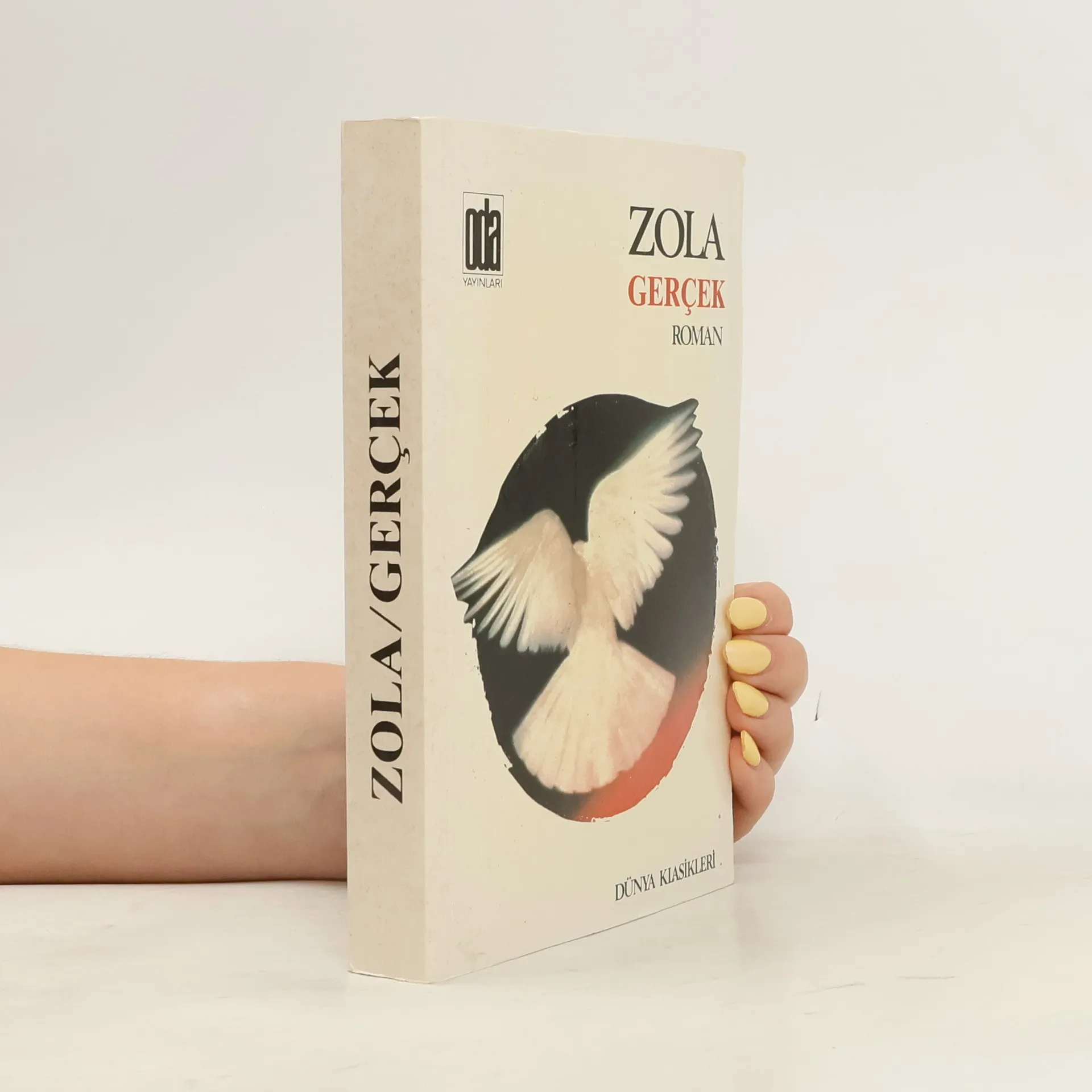
Gerçek
- 442pagine
- 16 ore di lettura
"Gerçek", laik inanışla kilisenin, yeni akımla eski tutucu öğretinin yüzyıllar boyu sürüp giden amansız ve acımasız çatışmasını konu alan bir yapıttır. Bu konuyu "Emile Zola"nın güçlü kaleminden ilgiyle izleyeceksiniz.
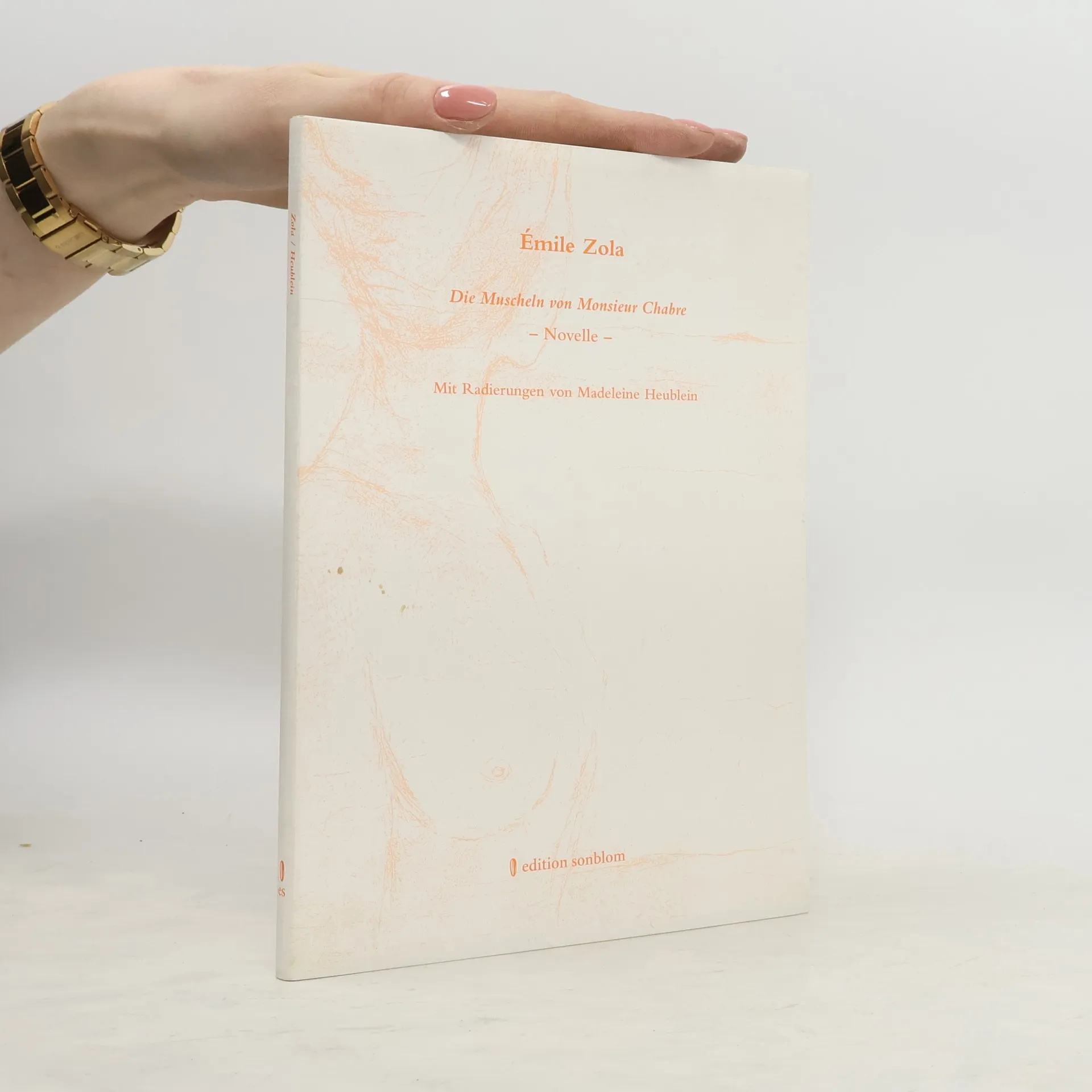
Die Muscheln von Monsieur Chabre
- 63pagine
- 3 ore di lettura
Bei diesem Werk handelt es sich um eine urheberrechtsfreie Ausgabe. Der Kauf dieser Kindle-Edition beinhaltet die kostenlose, drahtlose Lieferung auf Ihren Kindle oder Ihre Kindle-Apps.
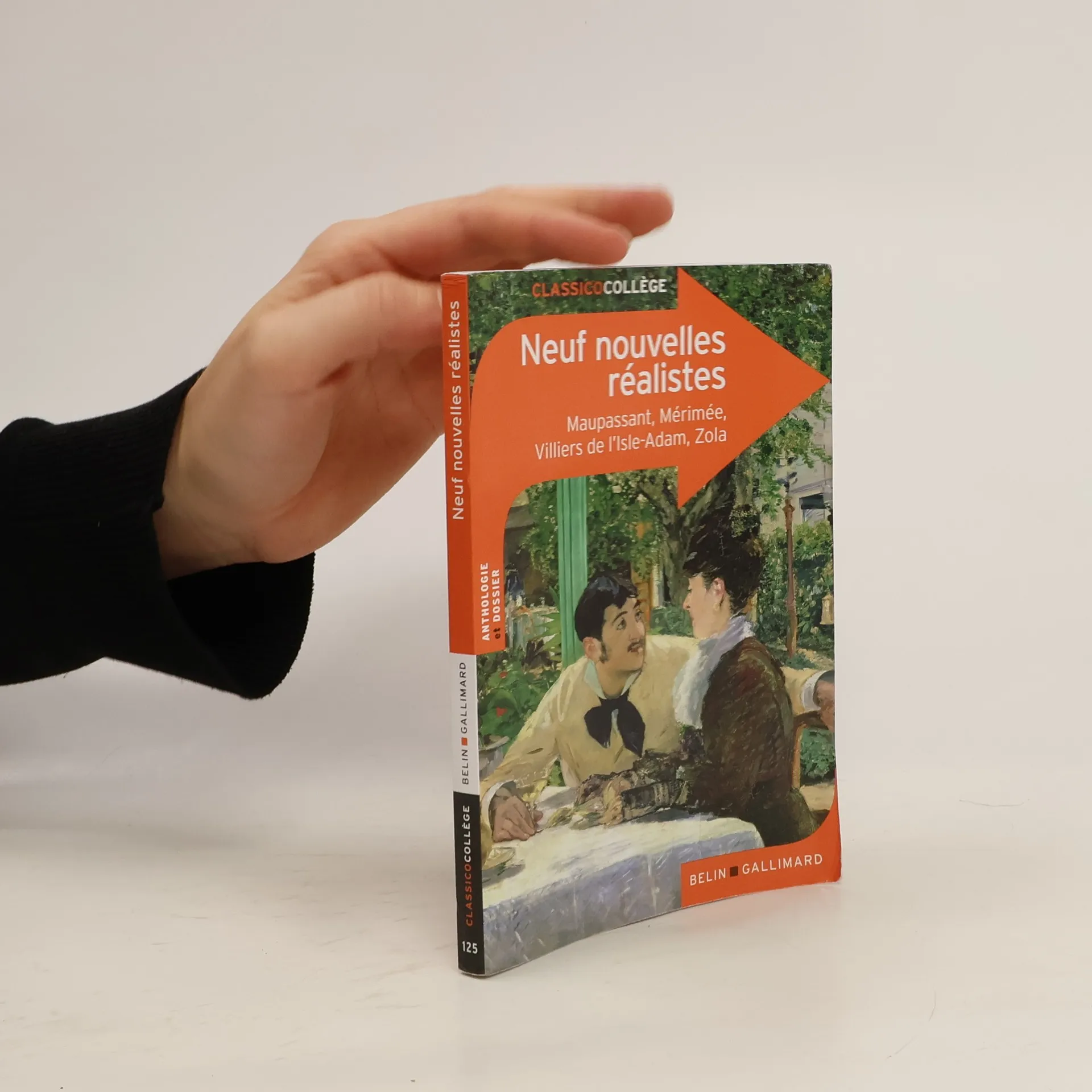
Neuf nouvelles réalistes
- 175pagine
- 7 ore di lettura
Recommandé pour la classe de 4ième . Le récit au XIXième siècle . ¤ Guy de Maupassant, Aux champs, Histoire vraie, La Parure, Le Papa de Simon, Le Petit Fût . ¤ Prosper Mérimée, Mateo Falcone . ¤ Villiers de L'Isle-Adam, L'Inconnue . ¤ Emile Zola, Un mariage d'amour, Une victime de la réclame . Affaires de famille, amours déçues et règne de l'argent, tels sont les thèmes abordés dans ces neuf nouvelles, qui portent un regard critique sur la société du XIXième siècle.. Des récits tantôt drôles, tantôt cruels qui permettent d'explorer l'art de la nouvelle réaliste.. Neuf nouvelles réalistes . Choix des textes, notes, présentation et dossier par Virginie Manouguian . ¤ Des questionnaires progressifs de compréhension et d'analyse du texte. ¤ Des exercices de lecture d'images . ¤ Des exercices de vocabulaire à partir de champs lexicaux. ¤ Des travaux d'écriture . ¤ Des activités Histoire des arts. ¤ Des activités B2i . ¤ Les grands thèmes de l'oeuvre . ¤ Deux groupements de textes .
Αλεγκάτο υπέρ του καπετάνιου Άλφρεντ Ντρέιφους, που απευθύνεται από τον Émile Zola με ανοιχτή επιστολή στον πρόεδρο της Γαλλίας, Μ. Φελίξ Φορέ, και δημοσιεύθηκε από την εφημερίδα L'Aurore στις 13 Ιανουαρίου 1898 στην πρώτη της σελίδα.
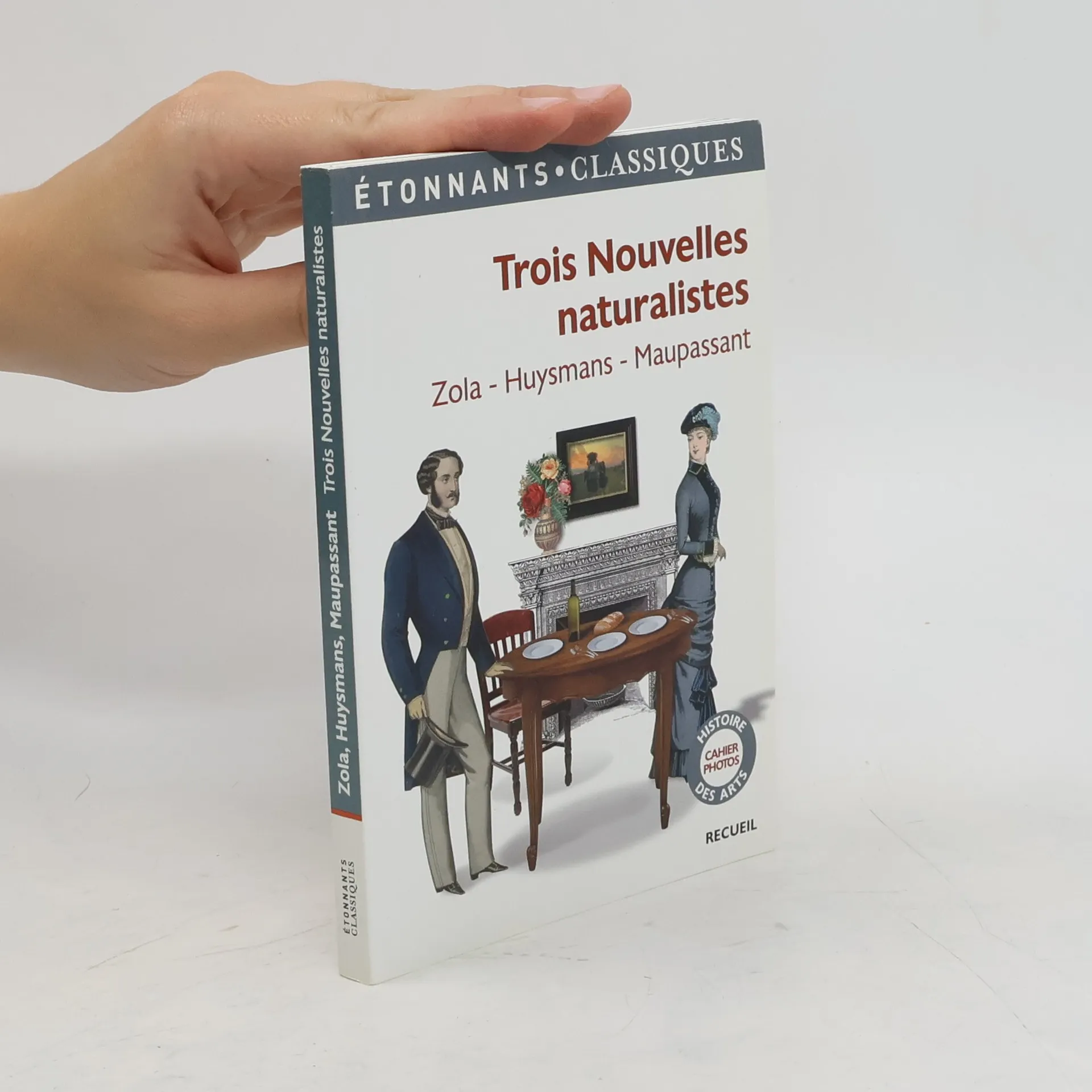
Trois Nouvelles naturalistes
- 160pagine
- 6 ore di lettura
Un ouvrier pris dans la tourmente de la Commune, déporté au bagne de Nouméa, s'évade et retrouve sa femme mariée à un autre... Mis à la retraite prématurément, un fonctionnaire se montre incapable de vivre en dehors du cadre étroit de l'administration... Sur son lit de mort, un riche paysan révèle sa double vie à son fils et lui demande de prendre soin de sa maîtresse...Voici des histoires insolites contées par trois maîtres du naturalisme.L'édition : - Questionnaires de lecture- Microlectures- Groupements de textes : - écrits théoriques sur le naturalisme- étude des motifs obsédants- Culture artistique : - cahier photos : réalisme et naturalisme- un livre, un film : Le Festin de Babette (Gabriel Axel).
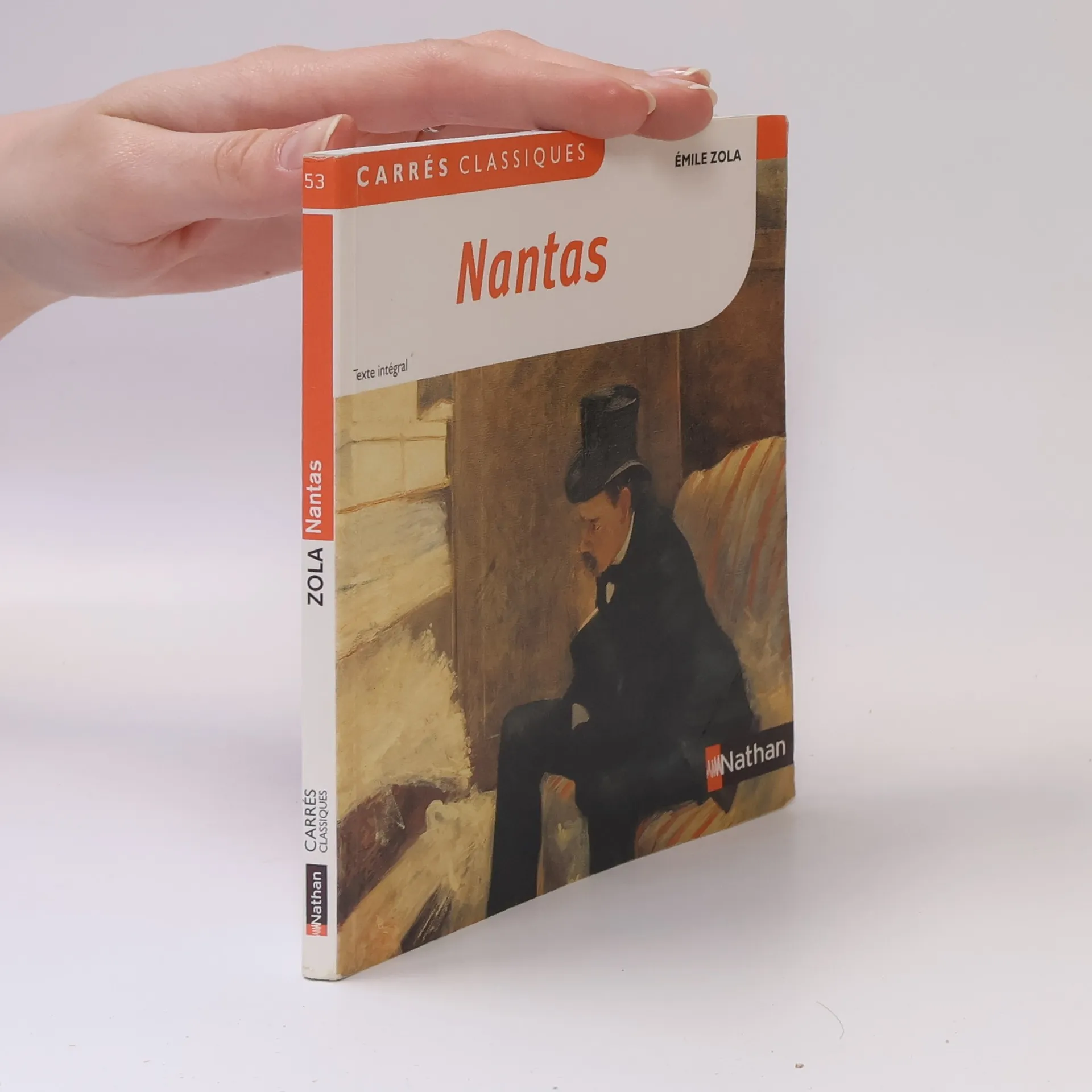
Nantas: texte intégral
- 132pagine
- 5 ore di lettura
Un jeune provincial sans argent, sans appui, sans ami, est sur le point de tout abandonner. Quelques années plus tard, le voilà riche, puissant, adulé, et... à nouveau prêt à mettre fin à ses jours. Que s'est-il passé ? La belle et dédaigneuse Flavie est au coeur du mystère. Nantas découvre à quel point on peut se tromper, alors même qu'on croit maîtriser son destin. La nouvelle invite ainsi chaque lecteur à s'interroger sur les voies du bonheur.
Cesta mladého kněze, zachváceného hlubokou krizí víry tváří v tvář světské bídě, pokračuje po deziluzi ze zázračných Lourd přímo do Svatého města. Ani tady se mu však nevede lépe, zbytky jeho snů o křesťanské myšlence, která by měla vést lidstvo ke štěstí, znovu narážejí na obrazy děsivé ubohosti a nutí Pierra k chmurným úvahám o směřování lidského plemene.
Lecteur facile en français contenant Naïs Micoulin, La mort d'Olivier Bécaille et Madame Sourdis.
Jak se lidé žení
- 130pagine
- 5 ore di lettura