

Adding to the sustained success and influence of their previous books, especially Telling Ain't Training, and incorporating feedback they have received over the years, Stolovitch and Keeps have written a fun, effective guide for readers who find themselves in the role of trainer, tutor, guide, coach, consultant, or helpful advisor.
Harold D Stolovitch Ordine dei libri (cronologico)
Harold D. Stolovitch è un esperto di spicco nell'apprendimento e nelle prestazioni sul posto di lavoro. Il suo lavoro si concentra su applicazioni pratiche all'interno di importanti società e agenzie governative. I contributi di Stolovitch al progresso della tecnologia didattica e delle prestazioni sono stati riconosciuti con numerosi prestigiosi riconoscimenti, sottolineando la sua significativa influenza nel settore.


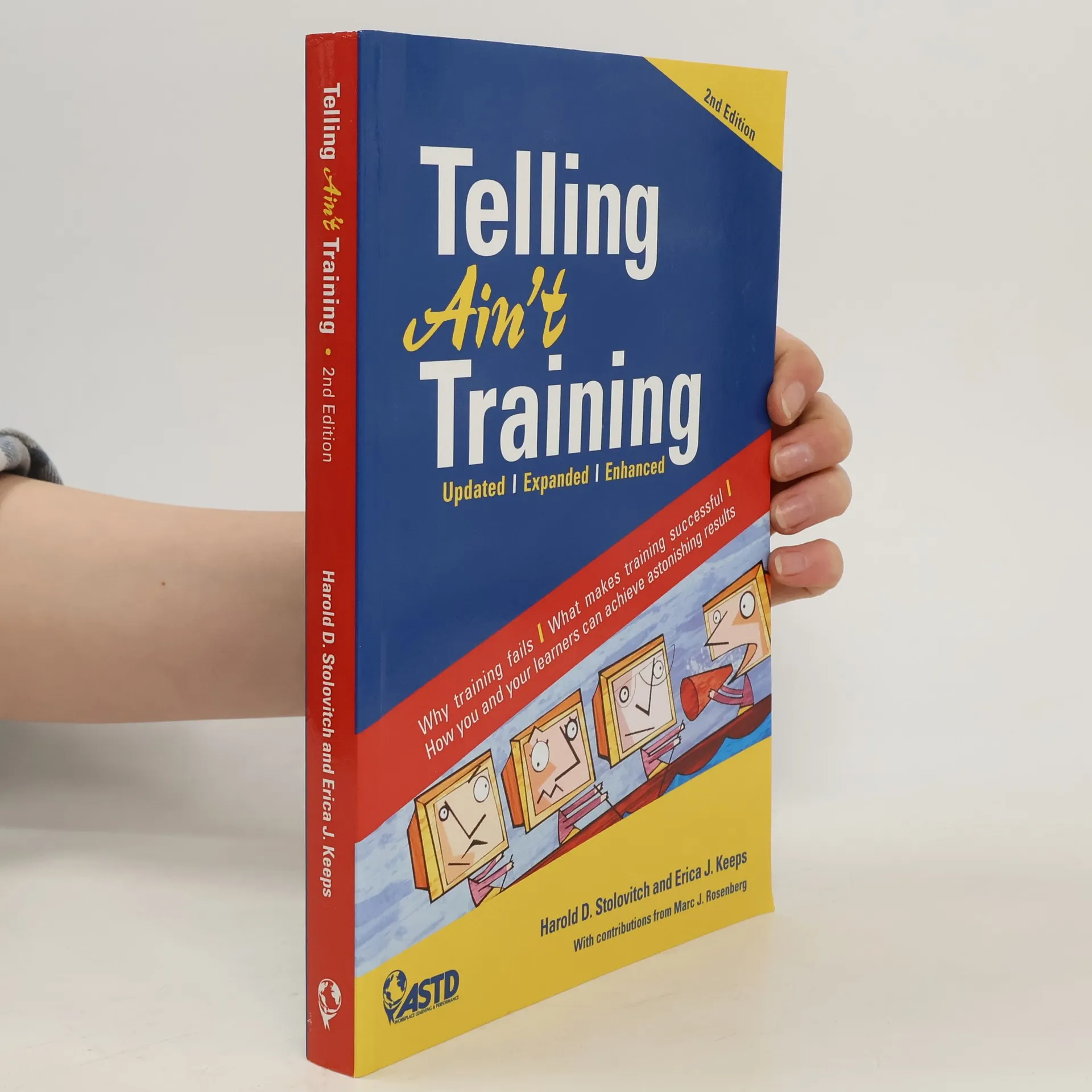
Telling ain't training
- 293pagine
- 11 ore di lettura
This edition covers everything you must know to be a better trainer, including extensive chapters on technology and e-learning, methods for creating learner-centered training sessions, expanded evidence and research on adult learning, ways to retrofit existing training programs and materials, in-depth explanations of adult learning principles, an extensive index for reference, and additional tools, charts, exercises, quizzes, and activities to engage learners.
Vertellen is nog geen trainen
Over het ontwikkelen van interactieve trainingen en presentaties
- 194pagine
- 7 ore di lettura
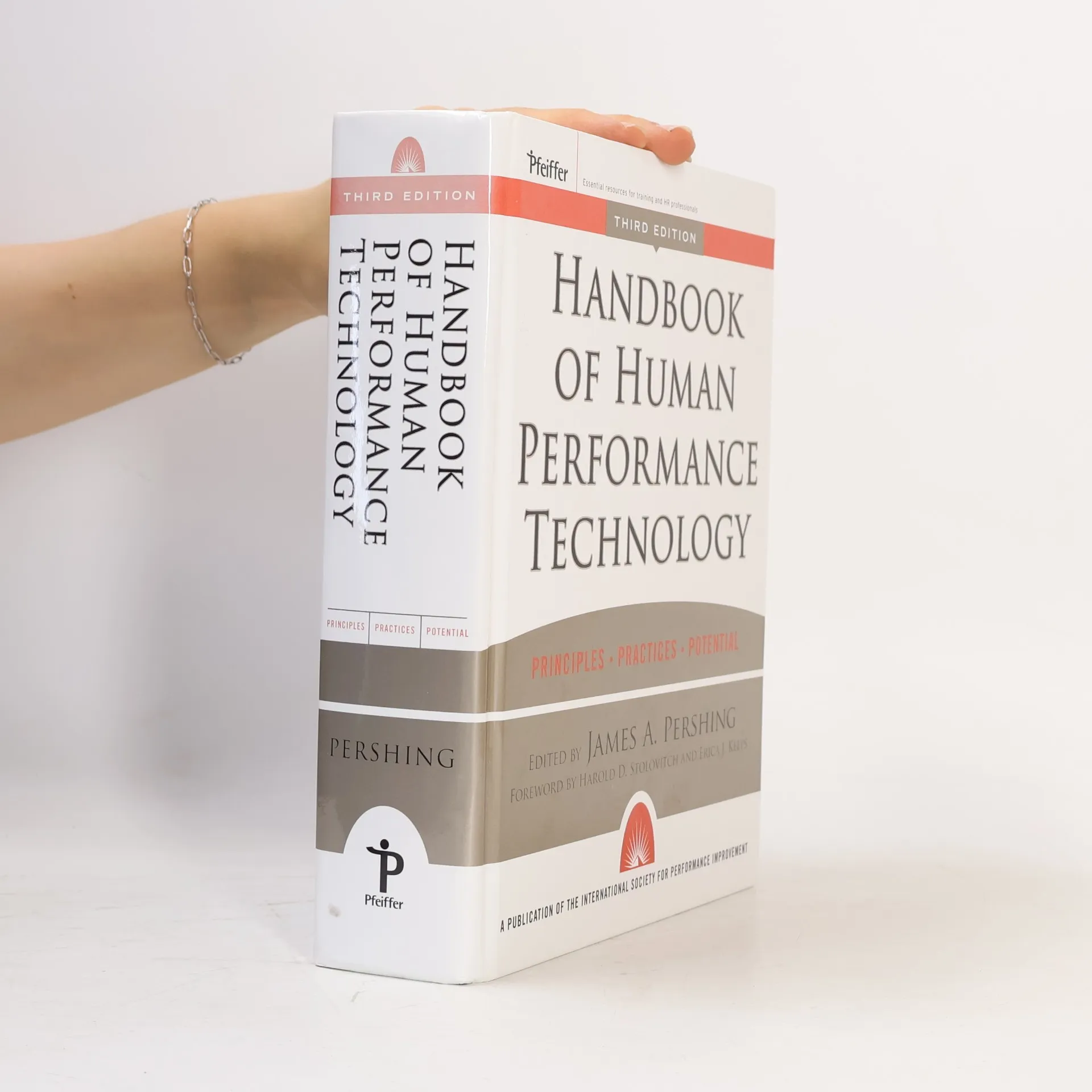
Handbook of Human Performance Technology
Principles, Practices, and Potential - 3rd Edition
- 1408pagine
- 50 ore di lettura
The first two editions of this Handbook helped shape the dynamic field of human performance technology, a systematic approach to enhancing individual and organizational performance. This comprehensive sourcebook updates foundational chapters on organizational change, evaluation, instructional design, and motivation, while introducing new topics such as certification, Six Sigma, and communities of practice. With fifty-five new chapters, contributors include notable figures in performance improvement like Geary Rummler, Roger Kaufman, and Ruth Clark. Praise for the latest edition highlights its value as a primary resource for those seeking to enhance organizational performance. It offers an extensive survey of current theories and practical applications, making it an essential reference for professionals aiming to systematically improve performance. The Handbook is described as an invaluable resource for anyone tasked with enhancing workplace performance, providing foundational knowledge and contemporary applications of human performance technology (HPT) to drive results. Additionally, it delivers insights for both newcomers and seasoned professionals, offering concrete advice and examples on leveraging HPT to impact business outcomes effectively. Overall, it contains critical strategies for improving the performance of individuals, groups, and organizations.