
Bookbot

Shōhei Ōoka

    Shōhei Ōoka è stato un romanziere, critico letterario e traduttore di letteratura francese giapponese, attivo durante il periodo Shōwa del Giappone. La sua scrittura è profondamente plasmata dalle sue esperienze belliche, sia in patria che all'estero, riflettendo un segmento significativo della produzione letteraria giapponese del dopoguerra. Ōoka fu un prolifico collaboratore di quasi tutte le riviste letterarie in Giappone, condividendo racconti brevi e saggi critici. La sua opera offre una profonda esplorazione della condizione umana nel mezzo del conflitto e delle sue conseguenze.

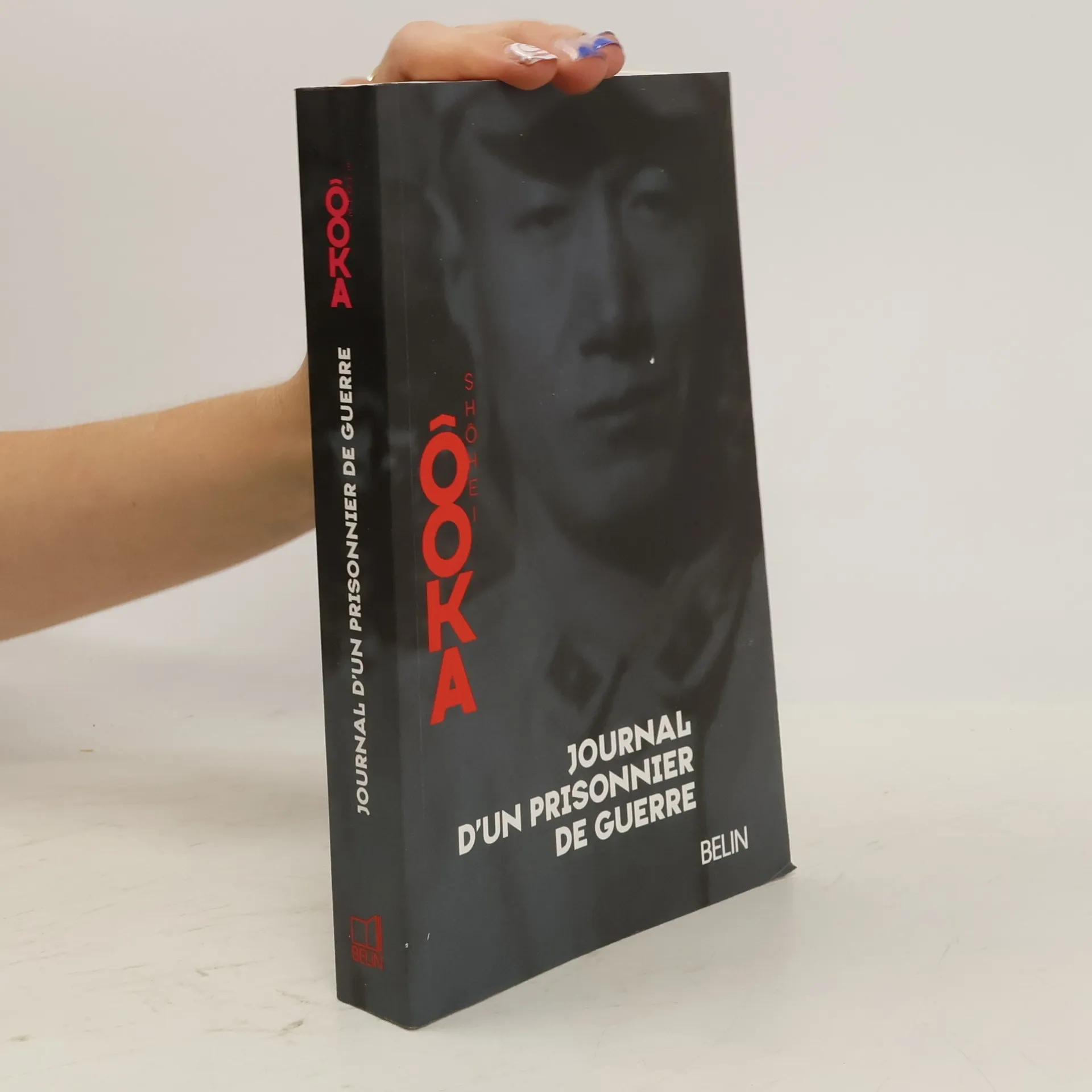
    Journal d'un prisonnier de guerre
    Уголовное дело
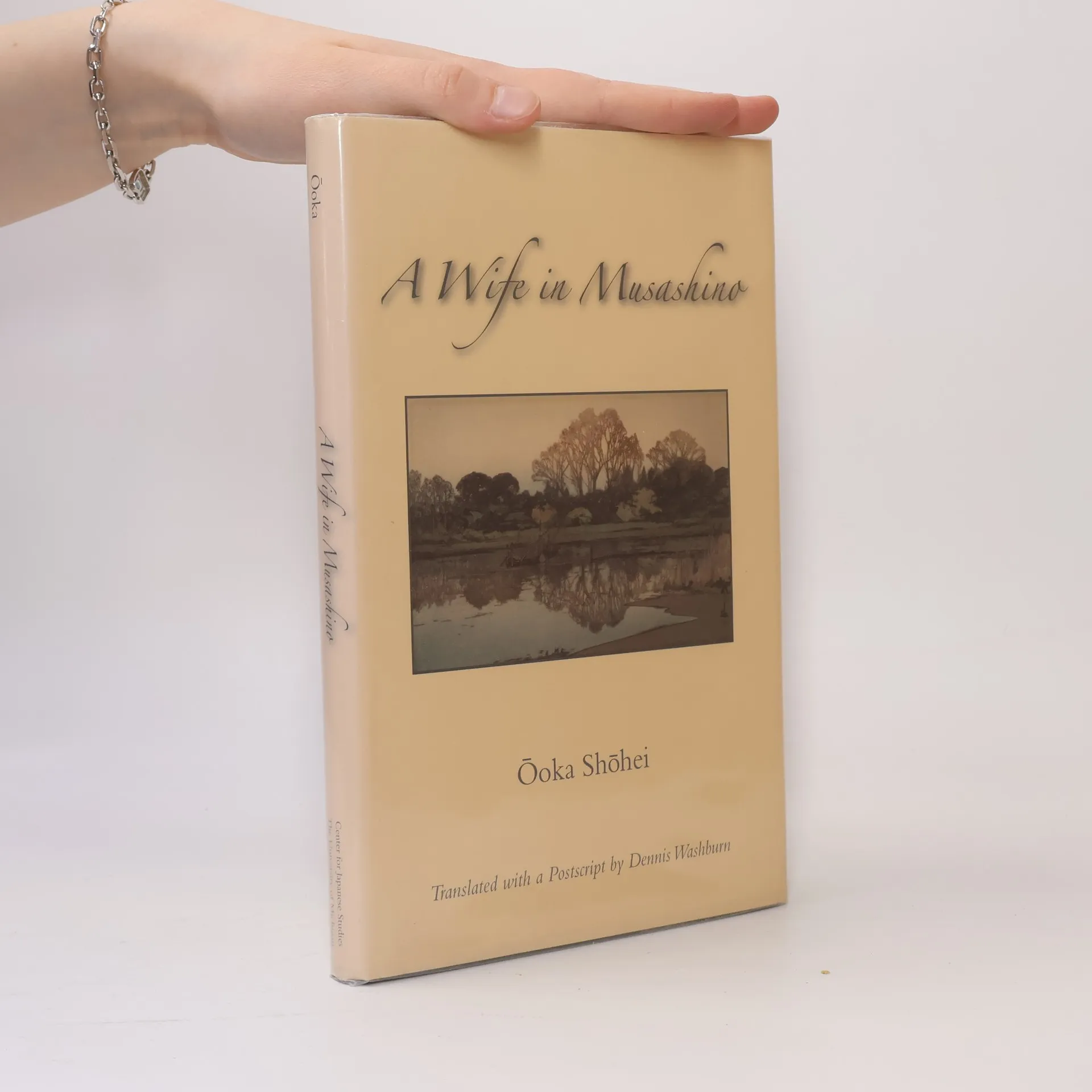
    Michigan Monograph Series in Japanese Studies - 51: A Wife in Musashino
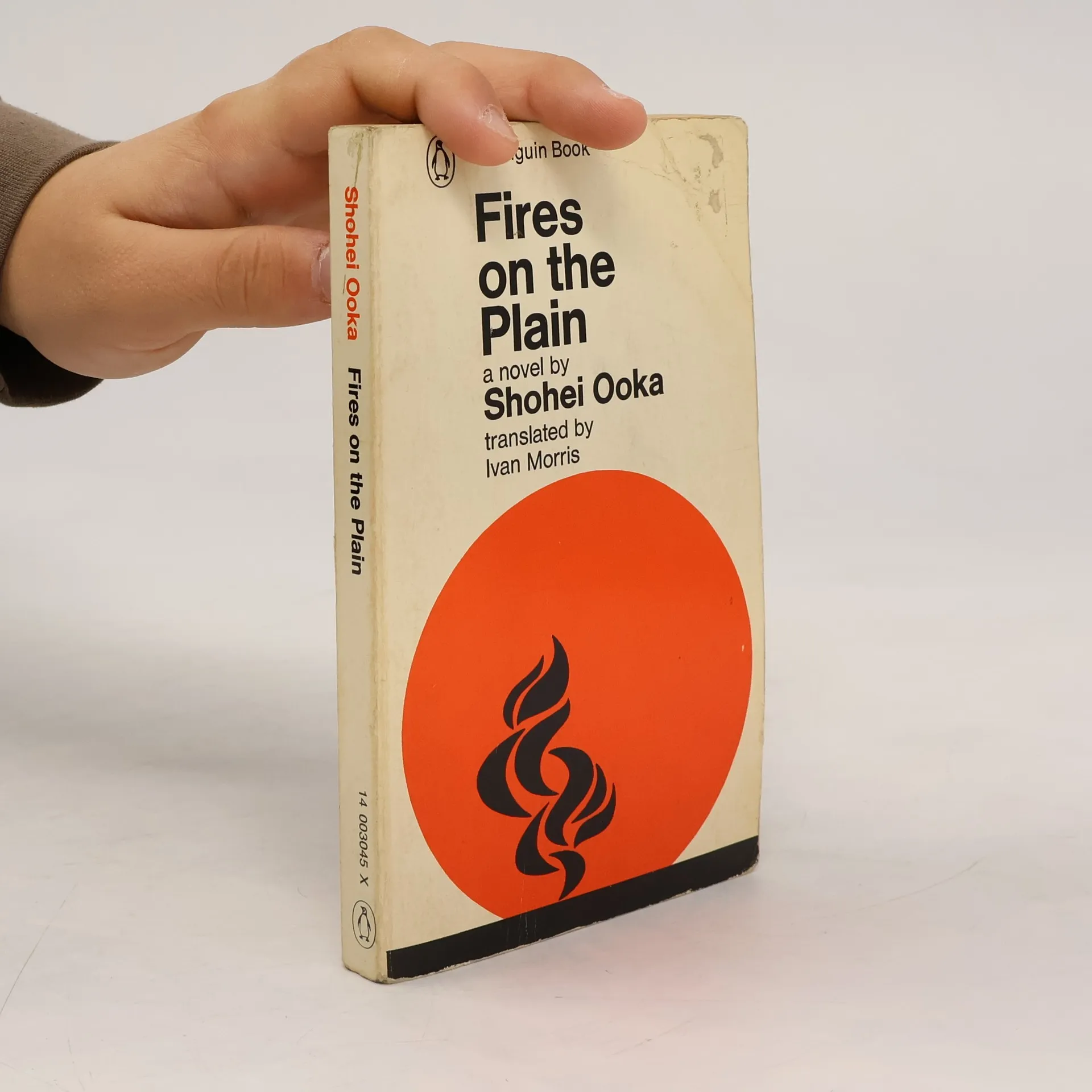
    Fires on the Plain
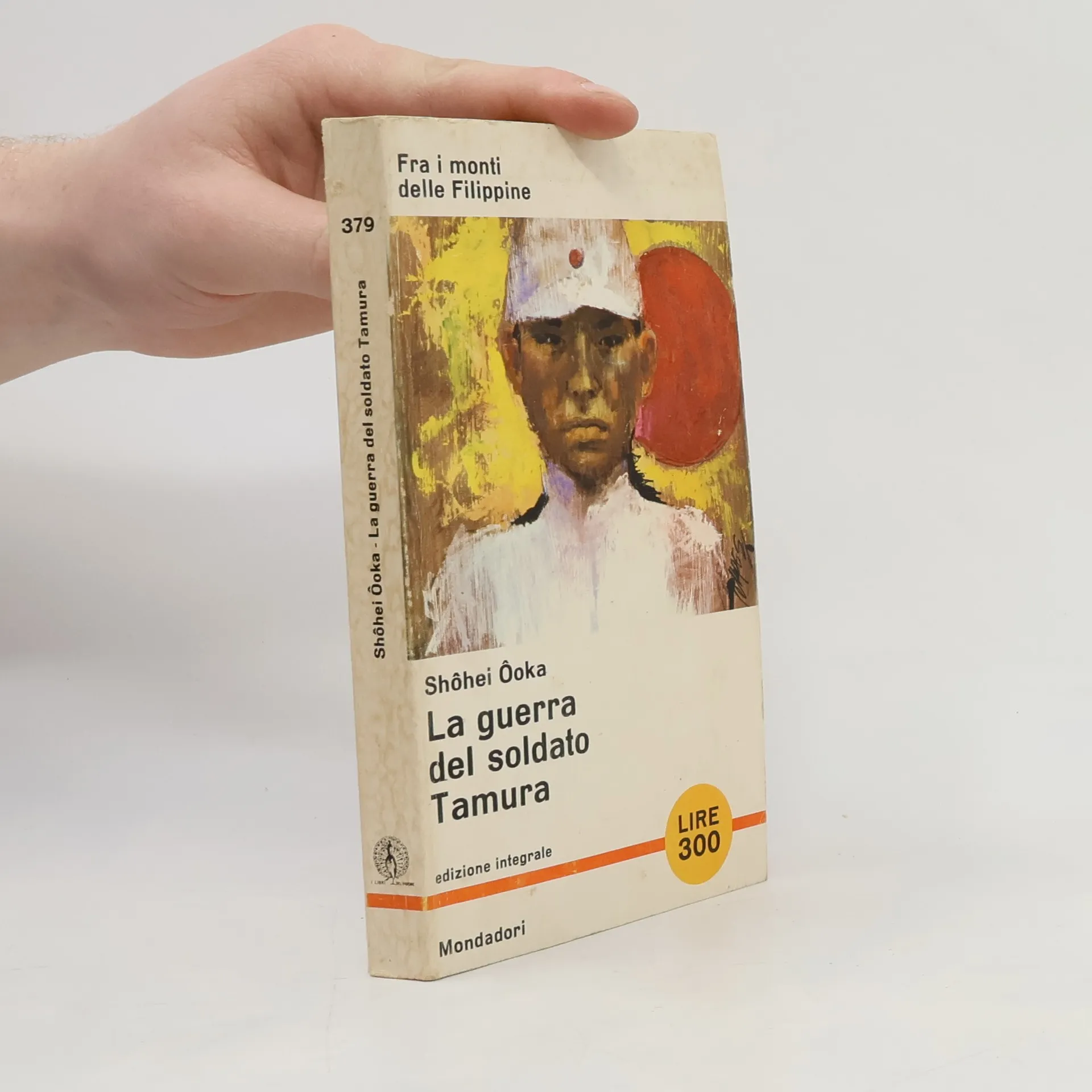
    La guerra del soldato Tamura
    • Journal d'un prisonnier de guerre

      • 505pagine
      • 18 ore di lettura

      Journal d'un prisonnier de guerre . « Me suis-je endormi ou suis-je tombé dans une sorte d'inconscience, ce n'est pas clair. Je repris progressivement conscience en sentant des coups répétés dans mes côtes. Puis, à l'instant où je réalisais que cette série de coups m'était portée par des chaussures, je fus saisi fermement par le bras, et je repris complètement mes esprits.. Un soldat américain me tenait le bras droit, un autre braquait sur moi le canon de son fusil.. « Ne bouge pas, tu es mon prisonnier ! ». Ainsi Ooka Shôhei, soldat japonais mourant, fut-il capturé, le 25 janvier 1945, par deux soldats américains dans l'Ile de Mindoro. Des récits et des descriptions d'une extrême précision : voilà d'abord ce que nous offre ce Journal d'un prisonnier de guerre , qui évoque l'effondrement des troupes japonaises dans la guerre des Philippines, puis la vie de Japonais détenus par les Américains dans un camp sur l'Ile de Leyte. Mais le témoignage d'Ooka est aussi, parmi tous ceux qui sont apparus au vingtième siècle, l'un des plus puissamment méditatifs. Il unit, aux lucides observations d'un survivant, la générosité et la profondeur de pensée d'un immense écrivain.. Ouvrage spécialement sélectionné pour le Programme de Publication de Littérature Japonaise (JLPP). .

      Journal d'un prisonnier de guerre2007
    • A Wife in Musashino, published in Japanese in 1950, was a major critical and commercial success, and was quickly adapted to the screen by the director Mizoguchi Kenji in 1951. Composed simultaneously with portions of Ooka's great war novel, Fires on the Plain, A Wife in Musashino recounts the story of the ill-fated love between a young demobilized soldier, Tsutomu, and his married cousin, Michiko. The impact on Ooka of French writers such as Stendhal and Radiguet is apparent not only in his finely detailed observations of human emotions, but also in his trenchant critique of social customs and conventions. The novel's depiction of the motivations and circumstances of its characters and its subtle portrait of class conflict and family tensions bring the tumultuous Japanese postwar period to life, revealing with rich insight the impact of the war on Japanese society and on individual lives.

      Michigan Monograph Series in Japanese Studies - 51: A Wife in Musashino2004
      3,2
    • The protagonist of "Fires on the Plain" is Tamura, a tuberculosis-stricken soldier who has been rejected by his unit and refuses to seek help at a field hospital, leading to his isolation from humanity. Left to fend for himself, he navigates the Philippine jungle, constantly facing life-threatening dangers with little hope of rescue. Shōhei Ōoka explores the limits of humanity in this psychological novel, depicting the story of a man in an extreme situation where hunger, loneliness, and despair push him to the brink of madness. "Fires on the Plain" stands as one of the most powerful testimonies to the horrors of war in world literature. Shōhei Ōoka (1909–1983) is a leading figure of the first wave of post-war Japanese literature, known for its anti-war stance, psychological depth, and realistic portrayal of reality, heavily influenced by his experiences on the Philippine front and in an American POW camp.

      Fires on the Plain1959
      4,3