

Bookbot

Geoffrey Ernest Richard Lloyd

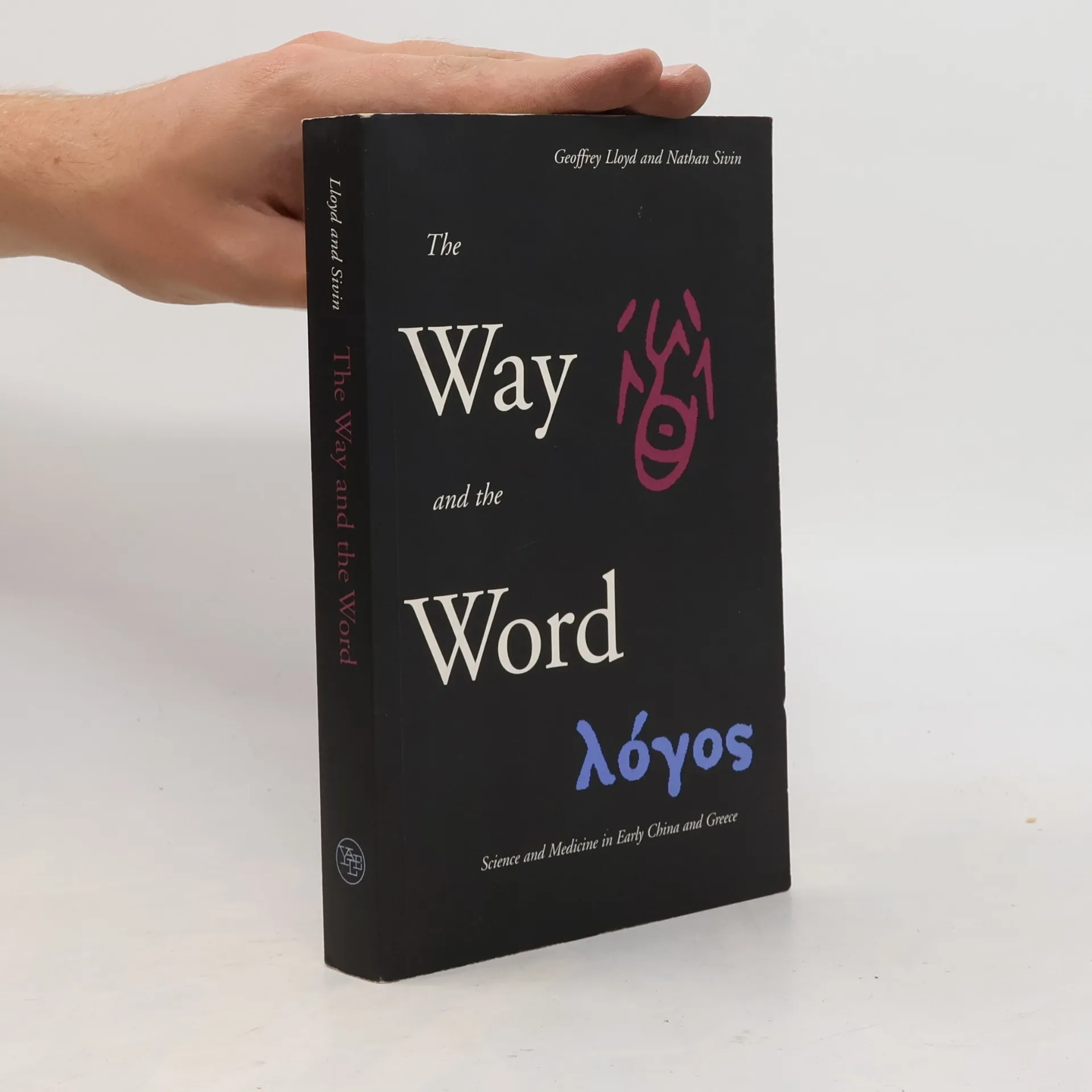
    The Way and the Word
    Early Greek Science. Thales to Aristotle
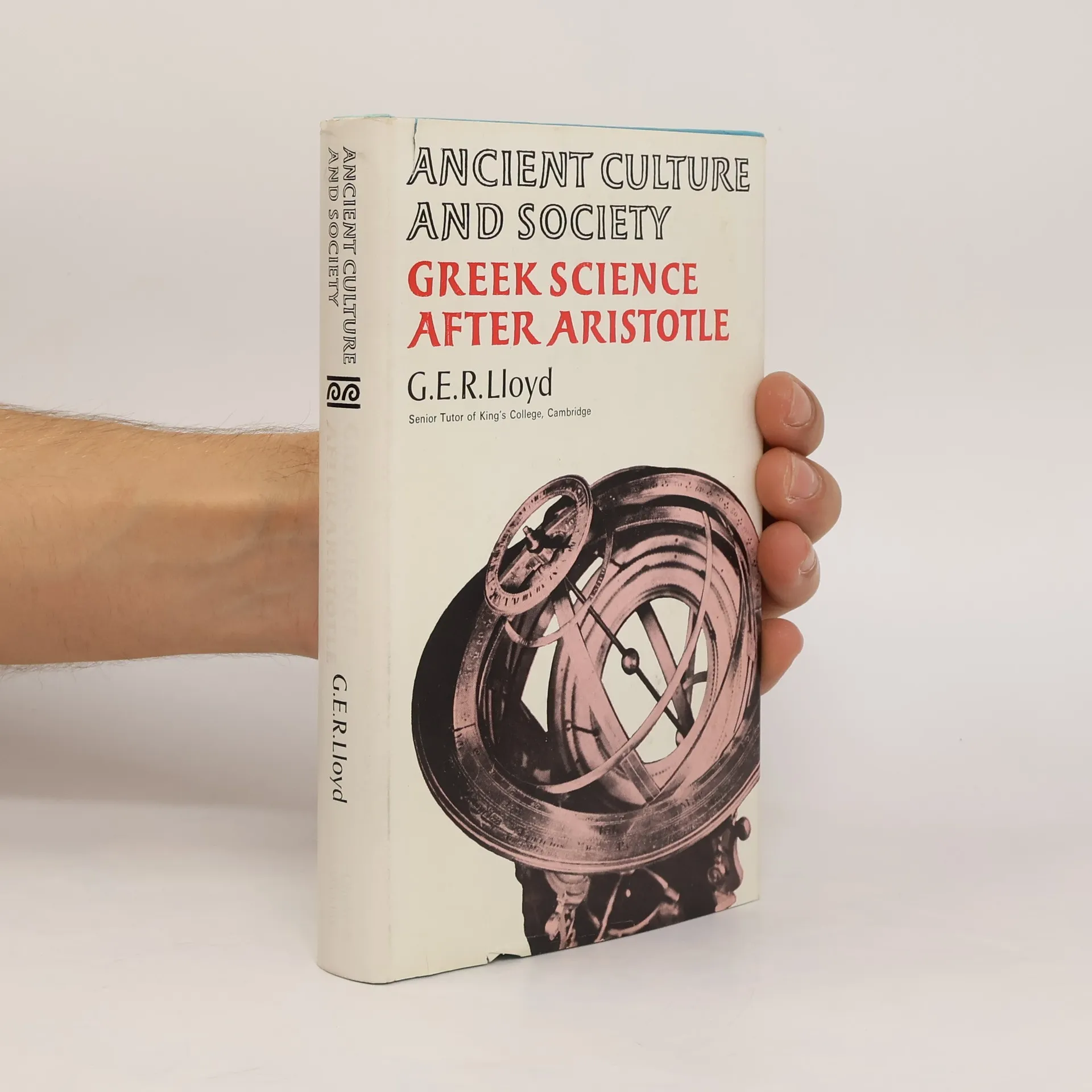
    Greek Science After Aristotle
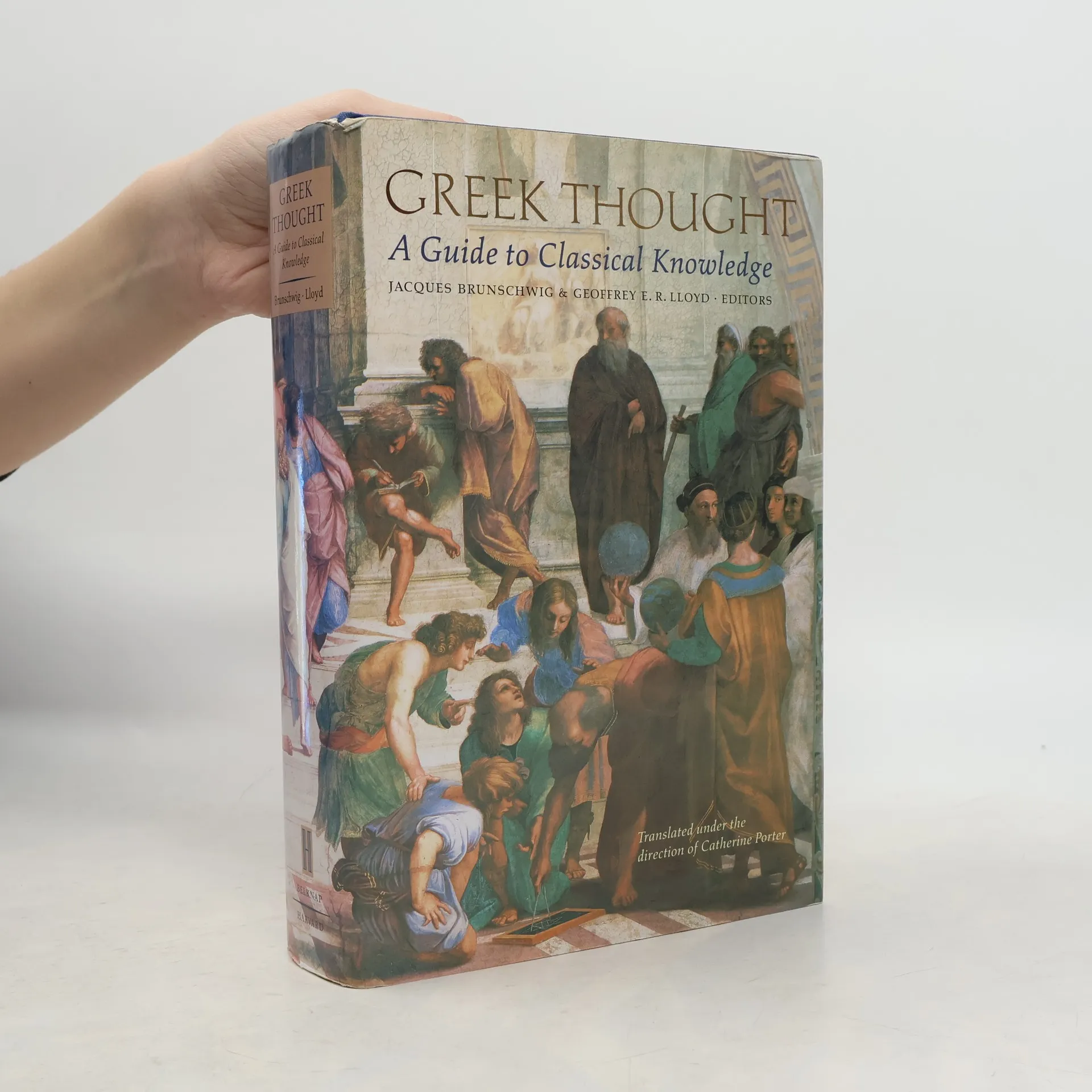
    Harvard University Press Reference Library: Greek Thought
    • Harvard University Press Reference Library: Greek Thought

      A Guide to Classical Knowledge

      • 1056pagine
      • 37 ore di lettura

      Ancient Greek thought serves as a foundational source for Western intellectual, ethical, and political civilization, influencing contemporary reflections. This volume features over sixty essays by international scholars, examining the scope of Greek thought, including their knowledge, beliefs, inventions, and understanding of knowledge itself. It highlights the reflexivity inherent in Greek thought, reminding us of our intellectual debts to them. Divided into sections on philosophy, politics, the pursuit of knowledge, major thinkers, and schools of thought, the work illustrates how the Greeks engaged in self-examination, defining the frameworks for understanding life, language, production, and action. The authors focus not just on historical facts but on the narratives the Greeks created about their history, their poetic expressions, and rhetorical practices. Essays cover a range of topics, from political and philosophical ideas to specific fields like Astronomy, History, Mathematics, and Medicine. They provide fresh insights on key figures from Anaxagoras to Zeno of Elea and explore core traditions from the Milesians to various interpretations of Platonism. Collectively, these contributions reflect the Greeks' insatiable thirst for knowledge, a trait Aristotle deemed universal among humans. Accompanied by thirty-two pages of color illustrations, this work captures the richness and dynamism of the Greek intellectual journey

      Harvard University Press Reference Library: Greek Thought
      4,3
    • Greek Science After Aristotle

      Ancient Culture and Society

      In his previous volume in this series, Early Greek Science: Thales to Aristotle, G. E. R. Lloyd pointed out that although there is no exact equivalent to our term 'science' in Greek, Western science may still be said to originate with the Greeks. In this second volume, Greek Science after Aristotle, the author continues his discussion of the fundamental Greek contributions to science, drawing on the richer literary and archaeological sources for the period after Aristotle. Particular attention is paid to the Greeks' conception of the inquiries they were engaged in, and to the interrelations of science and technology. In the first part of the book the author considers the two hundred years after the death of Aristotle, devoting separate chapters to mathematics, astronomy and biology. He goes on to deal with Ptolemy and Galen and concludes with a discussion of later writers and of the problems raised by the question of the decline of ancient science.

      Greek Science After Aristotle
      3,0
    • The Way and the Word

      Science and Medicine in Early China and Greece

      • 368pagine
      • 13 ore di lettura

      The rich civilizations of ancient China and Greece developed sophisticated sciences based on distinct foundations of concept, method, and organization. This engrossing work by two renowned scholars compares the cosmology, science, and medicine of these civilizations from 400 B.C. to A.D. 200, shedding light on their evolving scientific character. Sir Geoffrey Lloyd and Nathan Sivin explore the motivations of thinkers from both cultures, their understanding of the cosmos and human body, their educational backgrounds, livelihoods, and the intellectual debates they engaged in. Their innovative approach compares social, political, and intellectual patterns, illustrating how these elements influenced ideas about cosmology and the physical world. The authors highlight how the conceptual differences between China and Greece relate to the ways intellectuals earned a living, interacted with peers, and engaged with authority structures. By A.D. 200, both civilizations exhibited unique scientific strengths with equal potential for theory and practice. Lloyd and Sivin contend that modern science did not emerge solely from the Greek tradition but rather from a confluence of strengths across China, Greece, India, Islam, and other cultures, culminating first in the Muslim world and later in Renaissance Europe.

      The Way and the Word