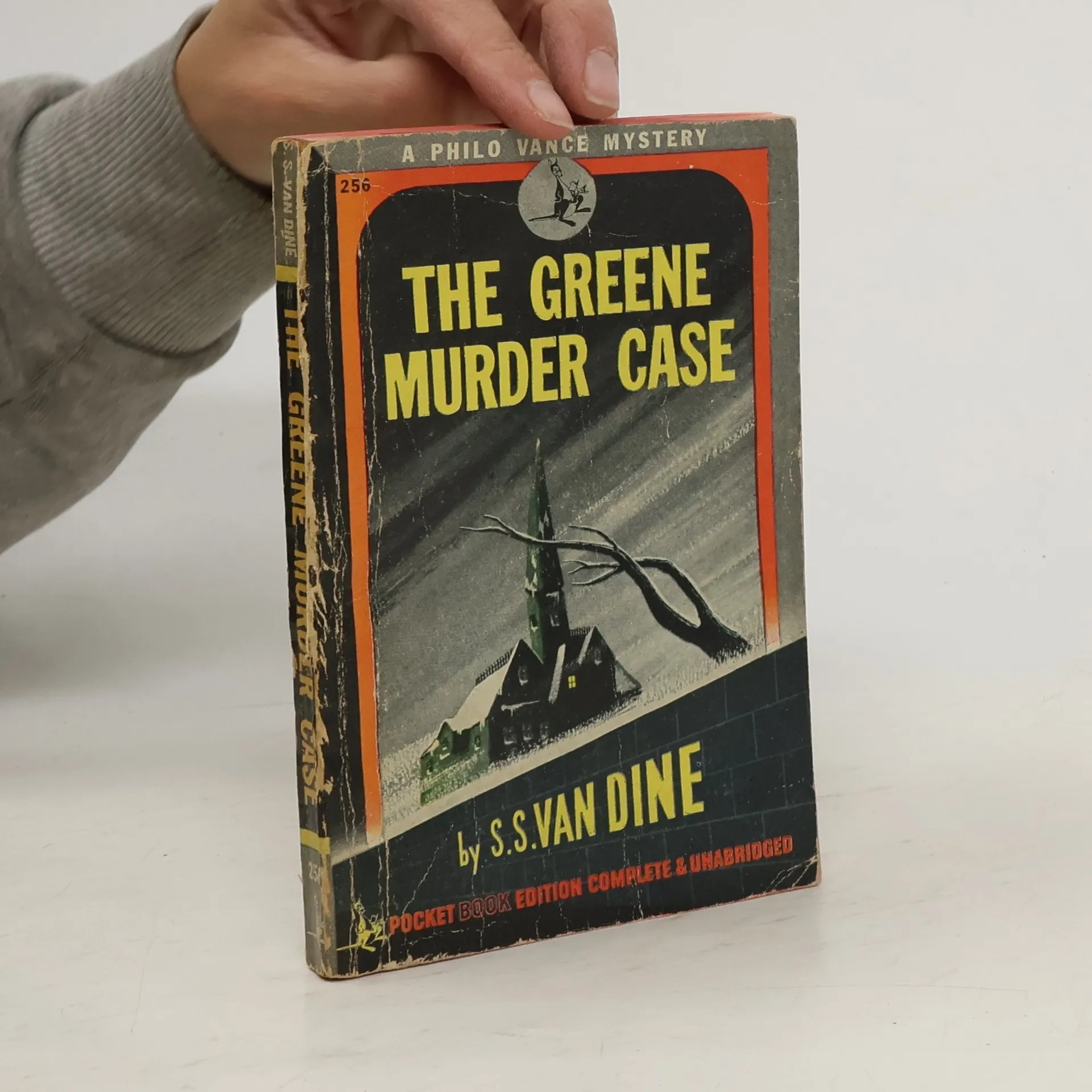
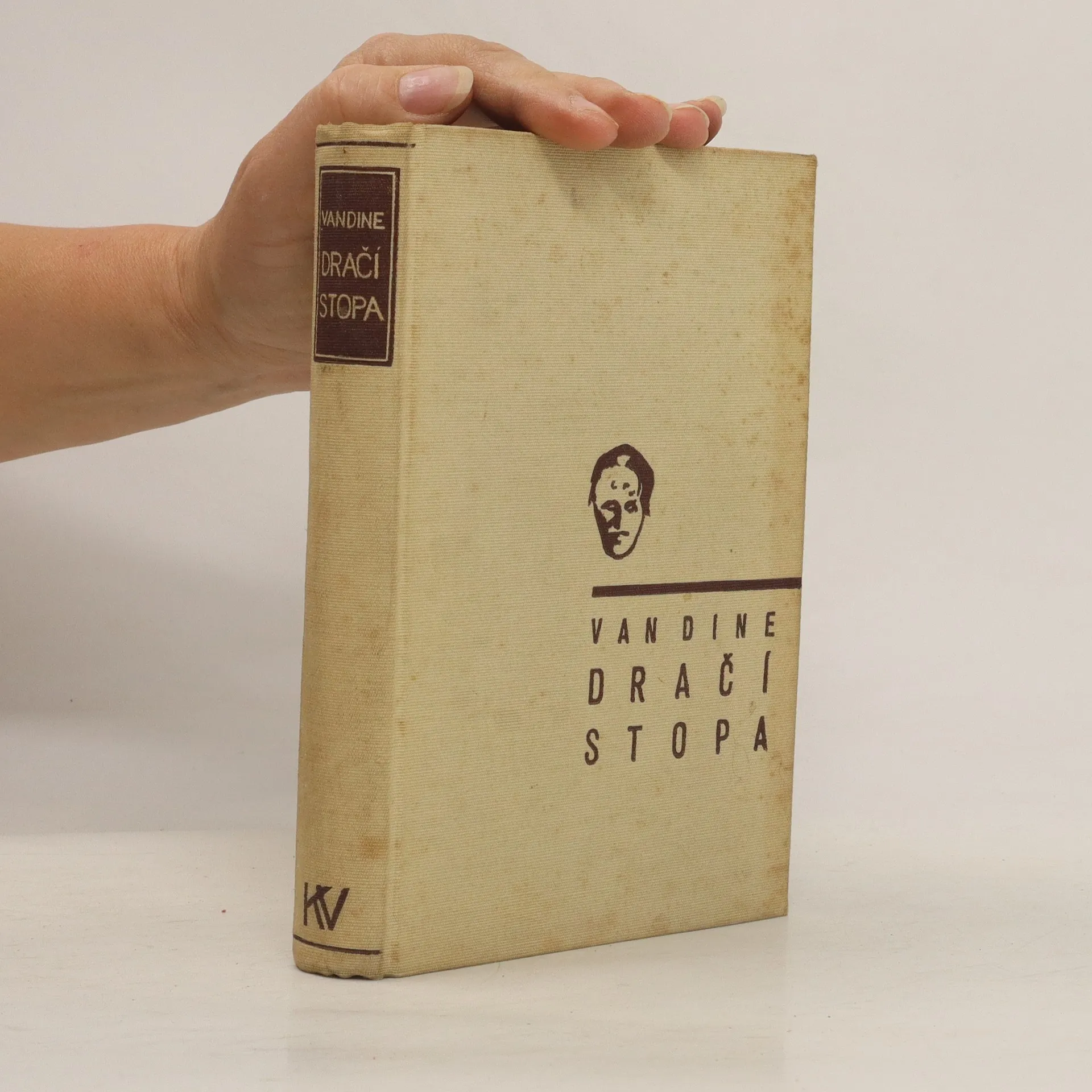
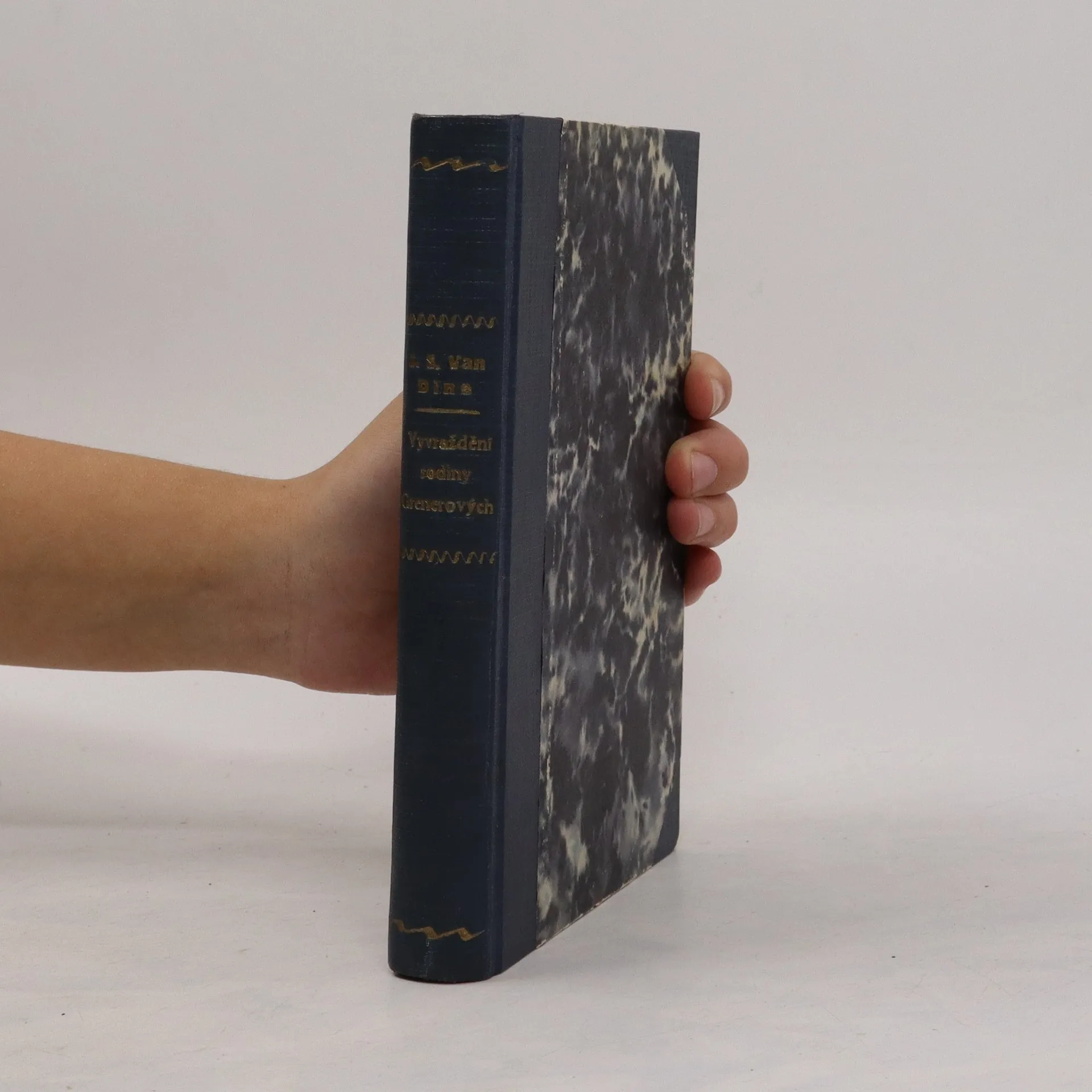
Questo autore approfondisce le intricate sfaccettature della psiche umana attraverso la sua scrittura. Le sue opere sono caratterizzate da un acuto intuito nelle motivazioni dei personaggi e nei loro conflitti interiori. I lettori apprezzano la sua capacità di creare narrazioni avvincenti con profondi sottotoni filosofici. Il suo stile unico e la sua prosa accattivante lo affermano come una voce significativa nel panorama letterario.
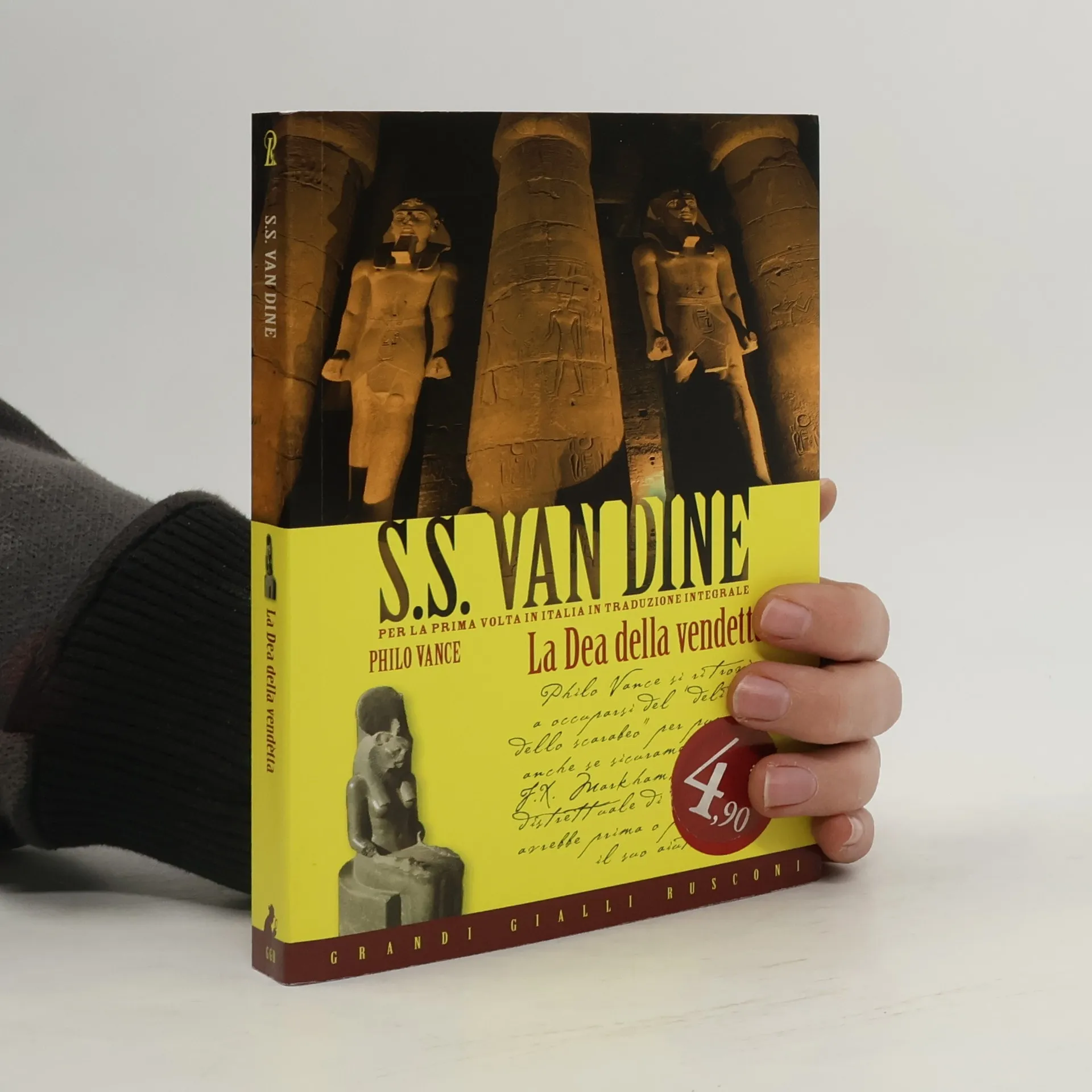
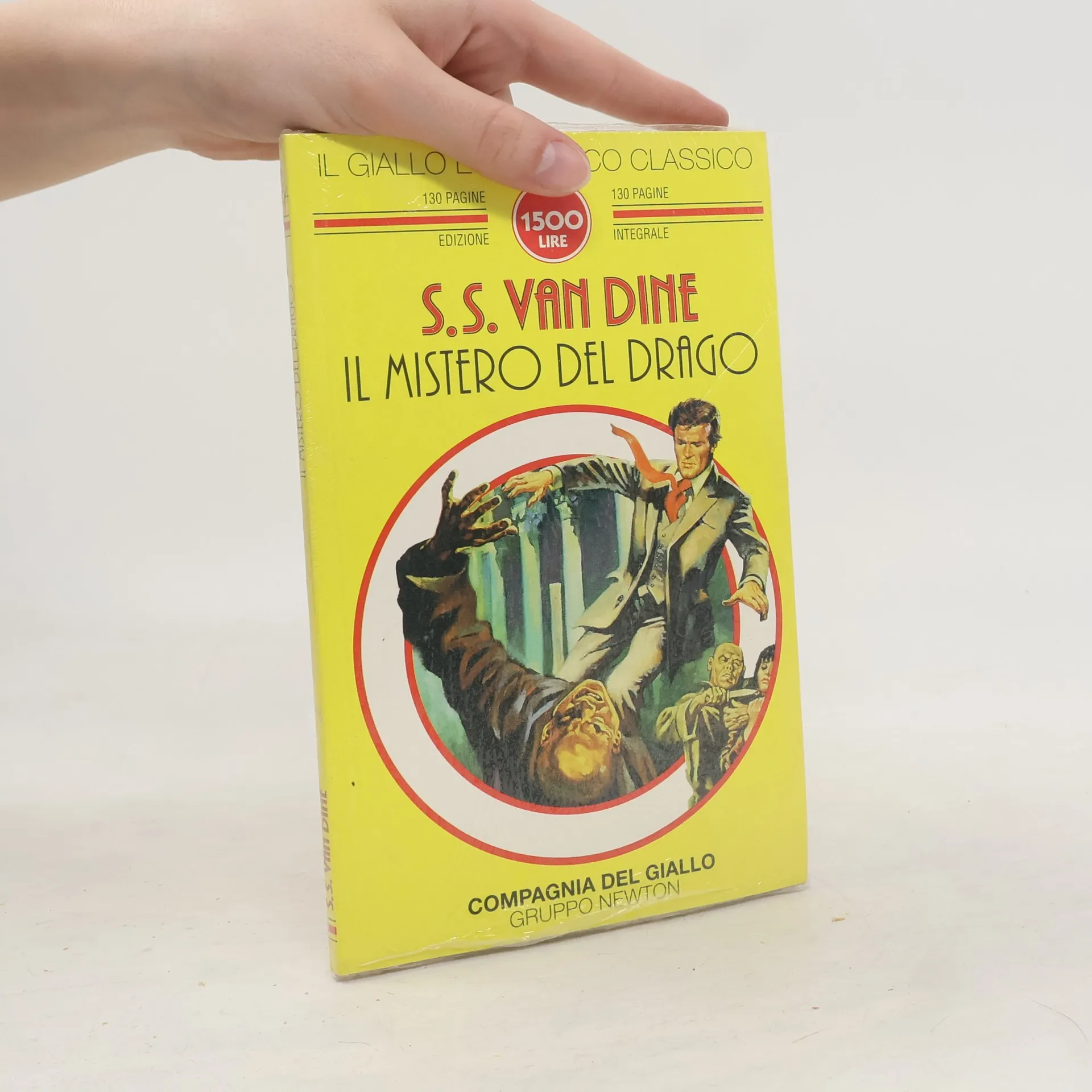
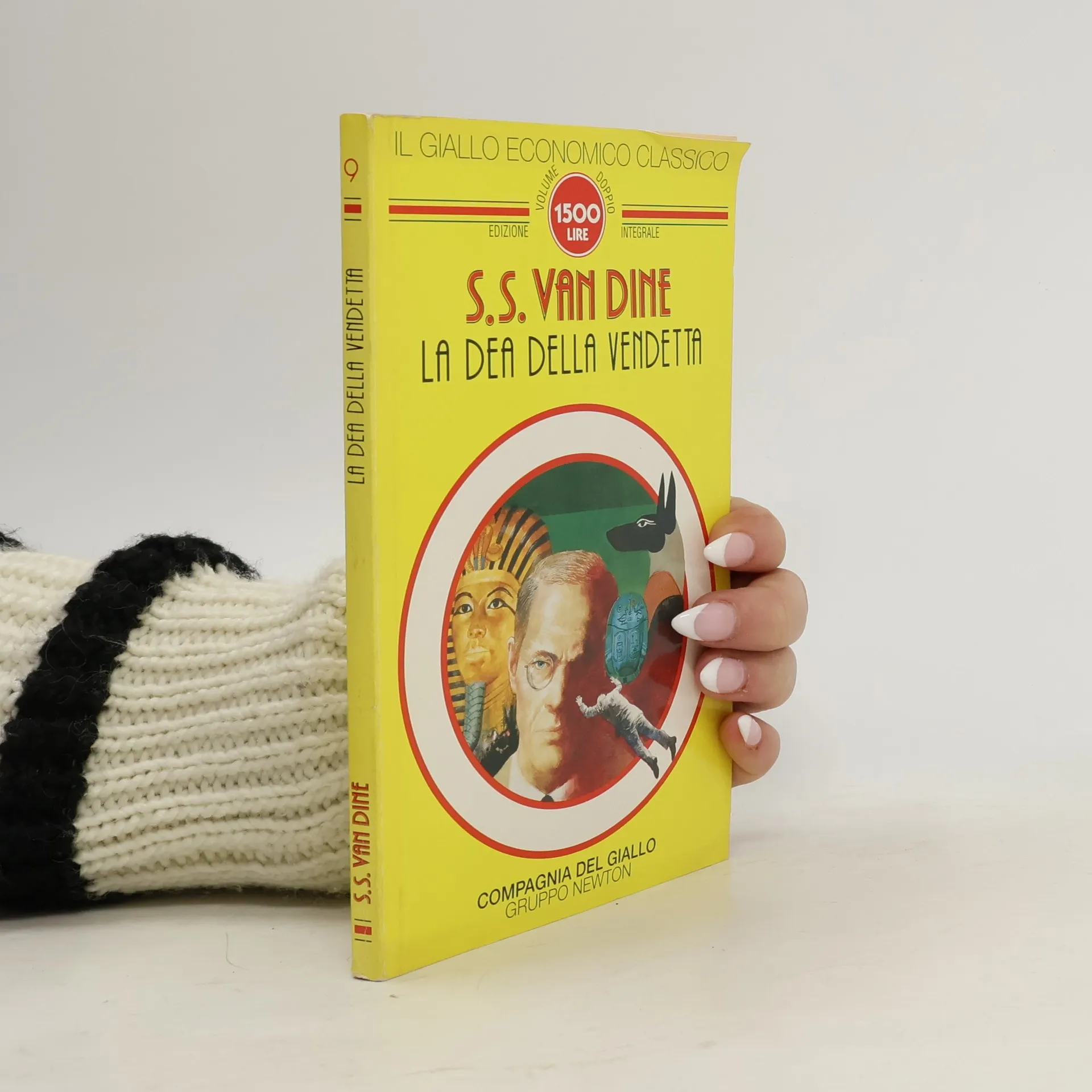
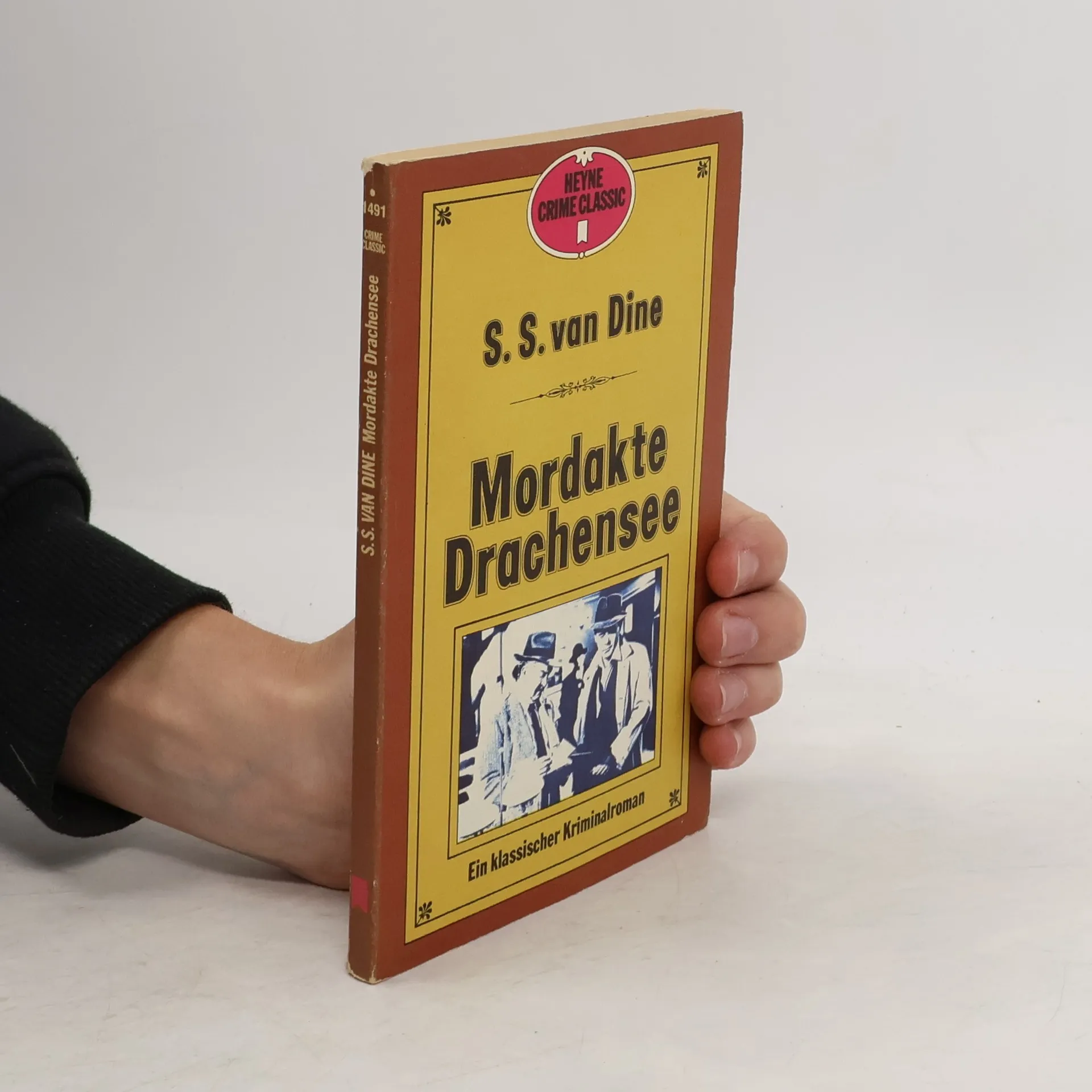
New York, un misterioso caso sembra proiettare gli investigatori in un fosco e irreale regno di demoni e di superstizioni; un regno pieno di mostri e orribili vendette... Nella tenuta degli Stamm un uomo si immerge nello "Stagno del Drago" e scompare: è l'inizio di una sequela di tragici avvenimenti, e Philo Vance si trova alle prese con vecchie, terrificanti credenze.
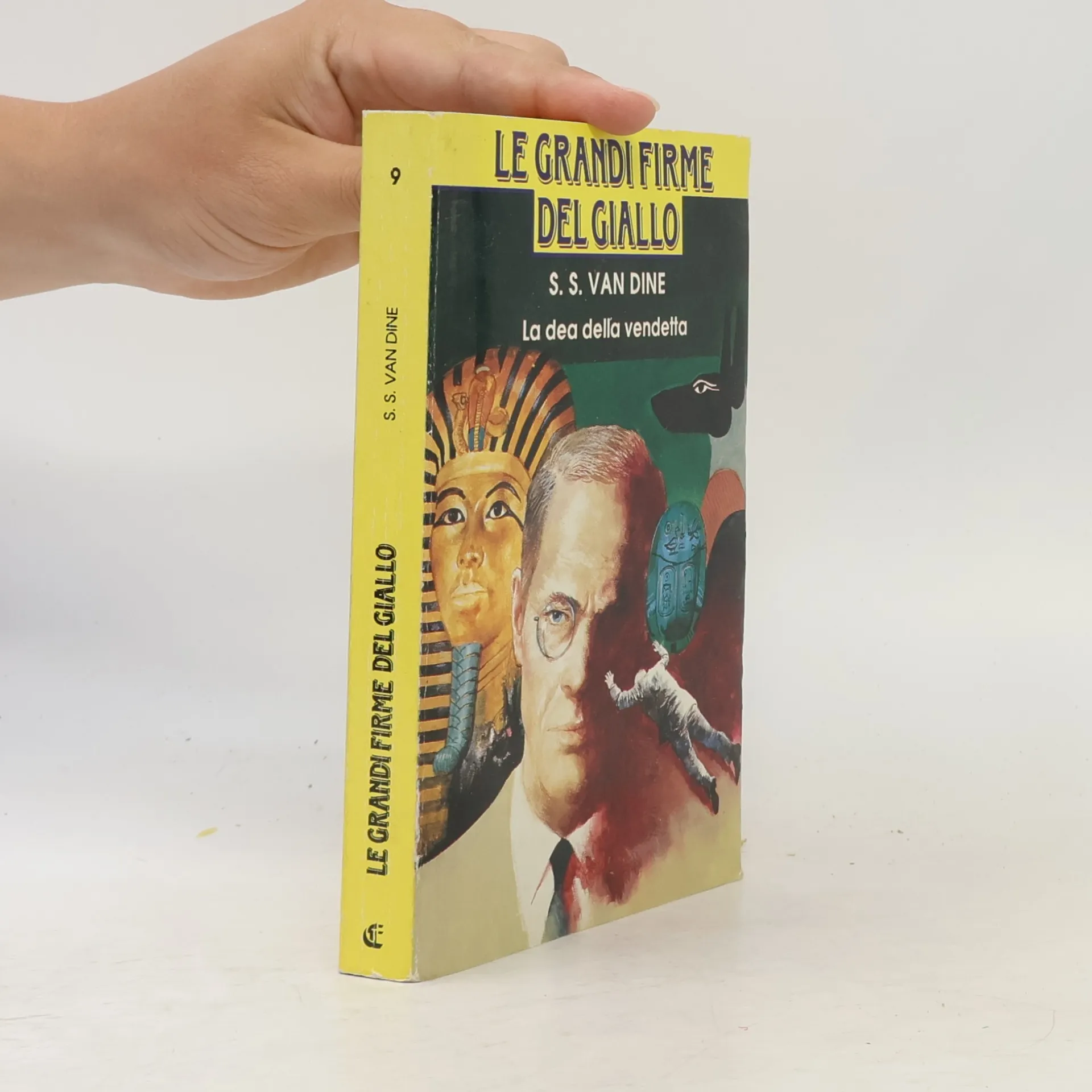
Philo Vance becomes involved in the Scarab murder case by chance, though it’s likely that New York's District Attorney, John F.-X. Markham, would have sought his expertise eventually. The complexity of the murder, which involved the brutal killing of philanthropist Benjamin H. Kyle in a renowned Egyptologist's museum, posed a significant challenge. Vance's keen analytical skills and understanding of human psychology were crucial, particularly since he was the first to examine the crime scene. His initial observations revealed misleading clues that ultimately led him to understand the murderer's mindset. The case garnered attention due to the rare blue scarabaeus found beside the victim's mutilated body, which became central to the investigation. While the police viewed the scarab as a straightforward piece of evidence pointing to its owner, Vance was skeptical. He noted that murderers typically do not leave such obvious markers. He emphasized the importance of understanding why the archaeological artifact was placed with the body, believing that uncovering this motive would reveal the true nature of the crime. Vance's pursuit of the underlying reasons behind the murder would prove essential in solving one of the most intricate criminal cases in modern history.
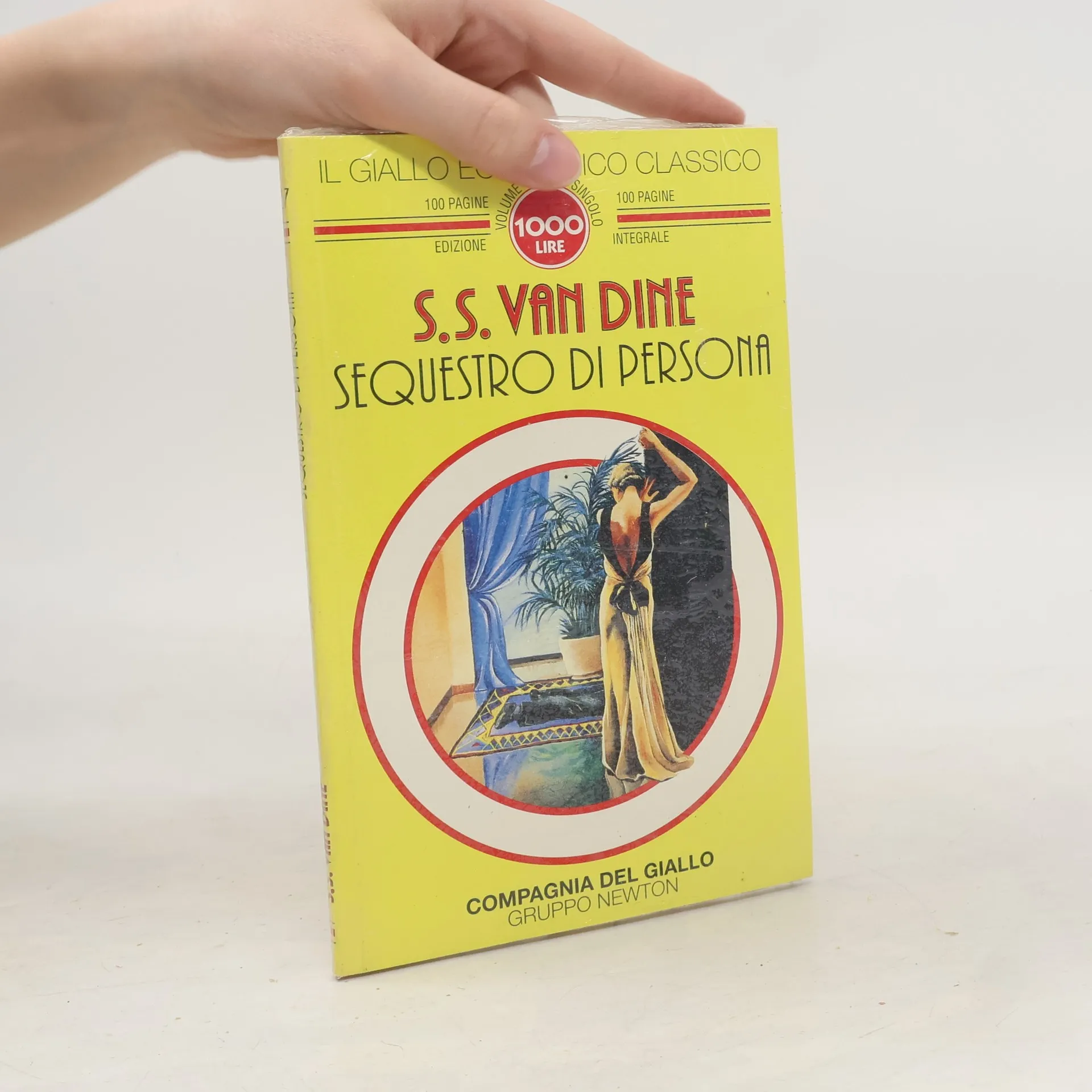
A reemergence of a long out-of-print classic, first published in 1936, follows the disappearance of playboy Kaspar Kenting and the investigations of the detective who sorts through the clues of an apparent kidnapping, uncovering a family secret in the process. Reprint.
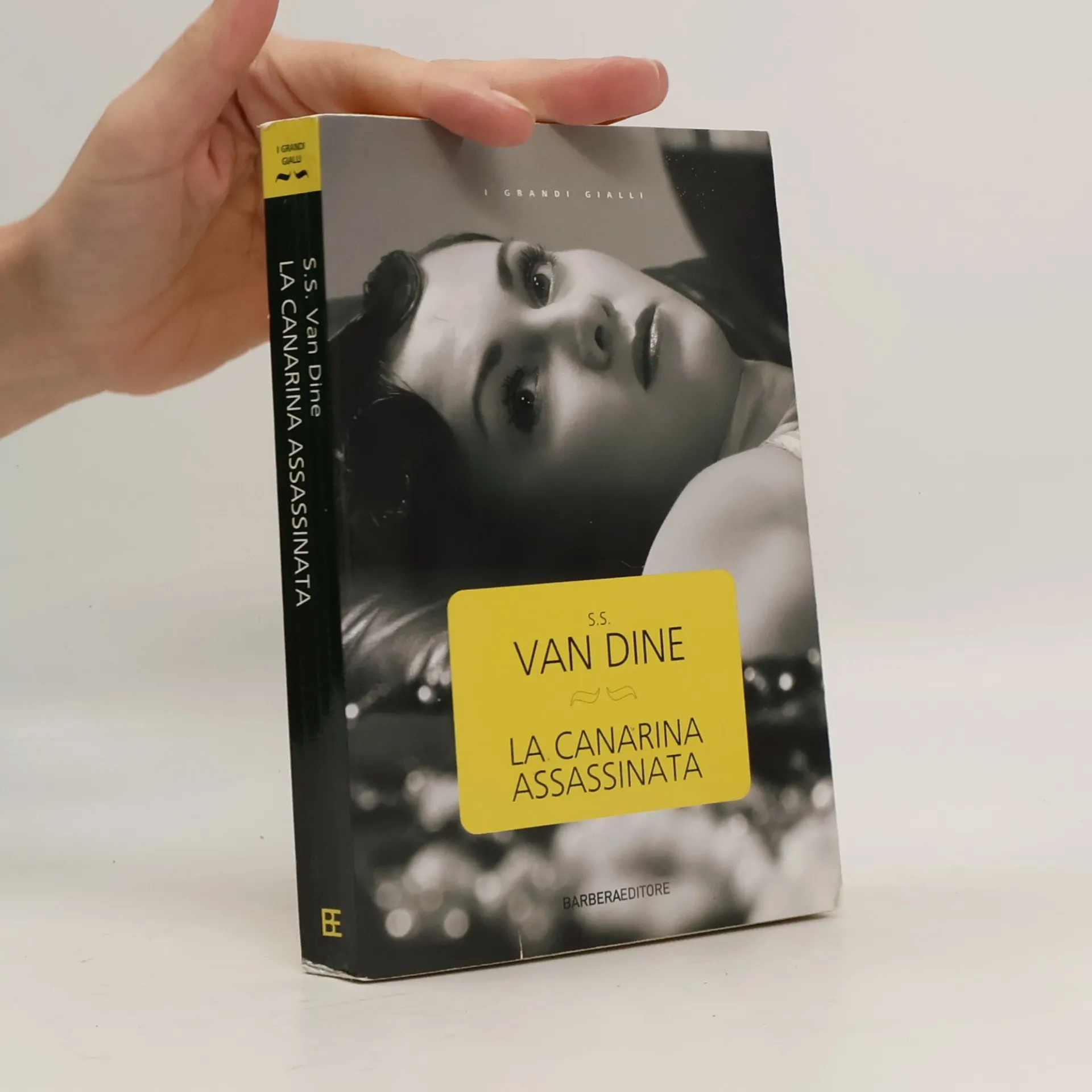
Secondo dei dodici romanzi che hanno per protagonista Philo Vance, La canarina assassinata, scritto nel 1927, è considerato da molti appassionati il miglior libro di S.S. Van Dine. Un caso tutt'altro che di facile risoluzione e che solo grazie alle brillanti deduzioni di Philo Vance, l'esteta, intellettuale e raffinato investigatore, potrà essere risolto.
In this engaging narrative, a sophisticated New Yorker embarks on his fifth and sixth investigative adventures. As he navigates through intriguing mysteries, the story unfolds with a blend of wit and charm, revealing the complexities of urban life and the eccentric characters he encounters. The cases challenge his intellect and offer a glimpse into the vibrant tapestry of city living, showcasing the protagonist's keen observational skills and his knack for solving puzzles amidst the bustling backdrop of New York.
Gracie Allen breaks the Philo Phormula in a number of ways. First is its title: this is the only book in the series to modify "Murder Case" with more than one word, much less with the name of a character. And then there's that character: Gracie Allen was a very real, much-loved comedienne in the 1930s, famous for her double act with George Burns, and in fact the plot revolves around her. Gracie's centrality is no accident: Van Dine wrote the story as a vehicle for Allen, and actually created the novel only after the film had come out. So do all these departures pay off? We'd be lying if we said that Gracie hits every single mark, but Van Dine does a surprisingly entertaining job of translating Ms. Allen's delicious Ditzy Blonde persona to the page, and she makes a charming foil for Philo's evergreen erudition.
Like The Gracie Allen Murder Case before it, Winter was first written as a screenplay, in this case a vehicle for the figure skater Sonja Henie. However, while Allen's scatterbrained persona made a charming foil for Philo's stuffed-shirt pretensions, Ms. Henie provided no such inspiration. Van Dine did not live long enough to see her outed as a Nazi supporter, but her ice-princess act offered less for Philo to play against. It should be noted that Winter was published posthumously to close out the series, and though it went to press without Van Dine's usual repeated revisions, it is true vintage Philo--utterly distinctive in style and its own very genuine kind of pleasure.
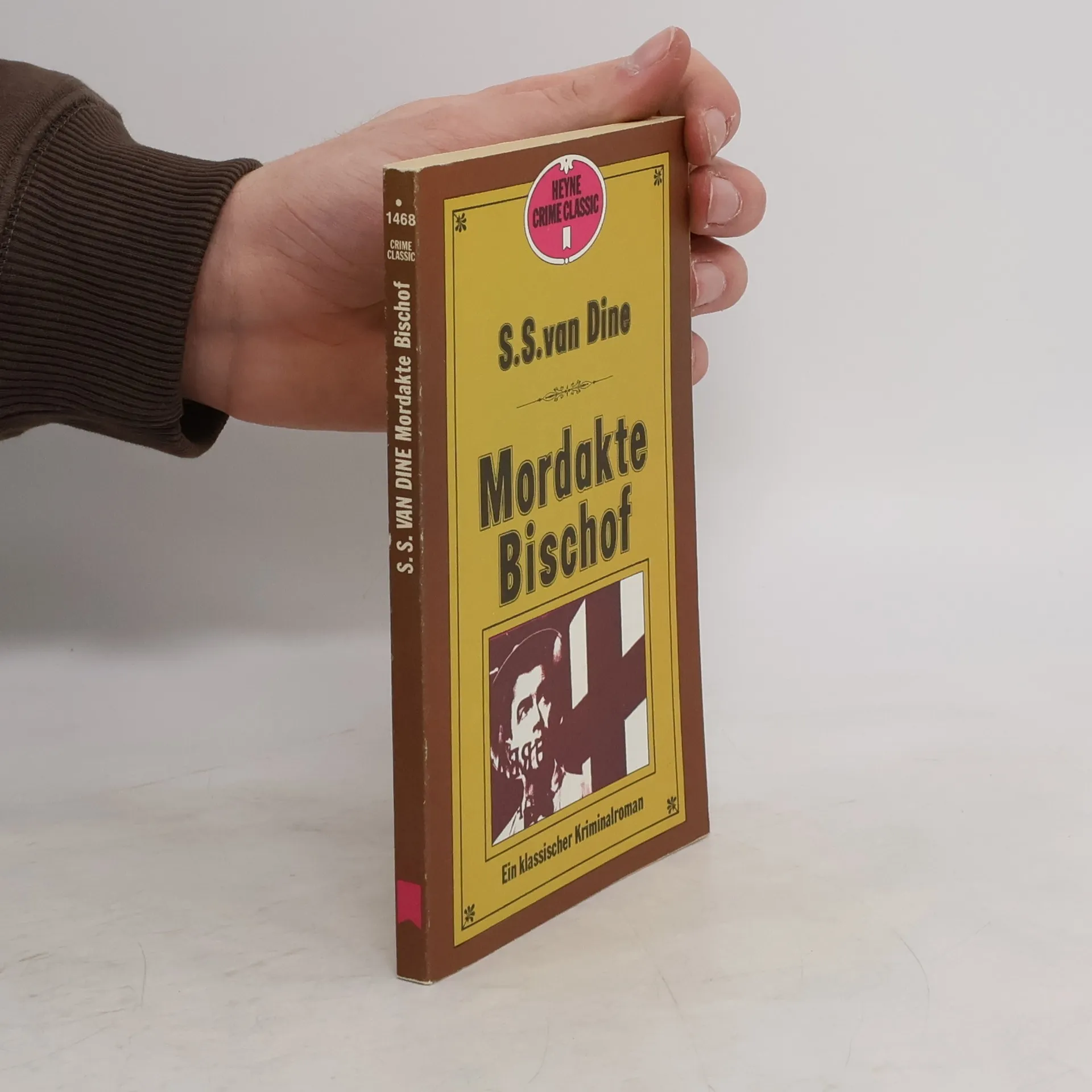
This early work by S. S. Van Dine was originally published in 1928 and we are now republishing it with a brand new introduction. 'The Bishop Murder Case' is one of Van Dine's novels of crime and mystery. S. S. Van Dine was born Willard Huntington Wright in Charlottesville, Virginia in 1888. He attended St. Vincent College, Pomona College and Harvard University, but failed to graduate, leaving to cultivate contacts he had made in the literary world. At the age of twenty-one, Wright began his professional writing career as literary editor of the Los Angeles Times. In 1926, Wright published his first S. S. Van Dine novel, The Benson Murder Case. Wright went on to write eleven more mysteries. The first few books about his upper-class amateur sleuth, Philo Vance, were so popular that Wright became wealthy for the first time in his life. His later books declined in popularity as the reading public's tastes in mystery fiction changed, but during the late twenties and early thirties his work was very successful.
6-The Gracie Allen Murder Case & the Winter Murder Case
220pagine
8 ore di lettura
In the concluding adventures of Philo Vance, the renowned detective faces a series of complex mysteries that challenge his intellect and deductive skills. As he navigates through intricate plots and a cast of intriguing characters, Vance must unravel clues that lead to unexpected revelations. The stories delve into themes of justice and morality, showcasing Vance's unique approach to solving crimes. Fans of classic detective fiction will appreciate the clever twists and the culmination of Vance's investigative journey.
According to one review, Garden runs on "passion, avarice, ambition and horse-racing." It also runs on pure 1930s octane, because this is a classic house-party murder mystery, that staple of the Golden Age. As befitting a Philo yarn, of course, it's a very Manhattan house-party, with an actress and a socialite on hand, and a bookie on the telephone. There's also a losing bet on the ponies, and an ensuing suicide...but Philo, natch, is not sure just who pulled the trigger. A joy, as always, for readers who delight in Philo's spectacular brand of awfulness--is there anyone snootier? Snobbier? More taken with himself?--but also for fans of the Impossible Crime.
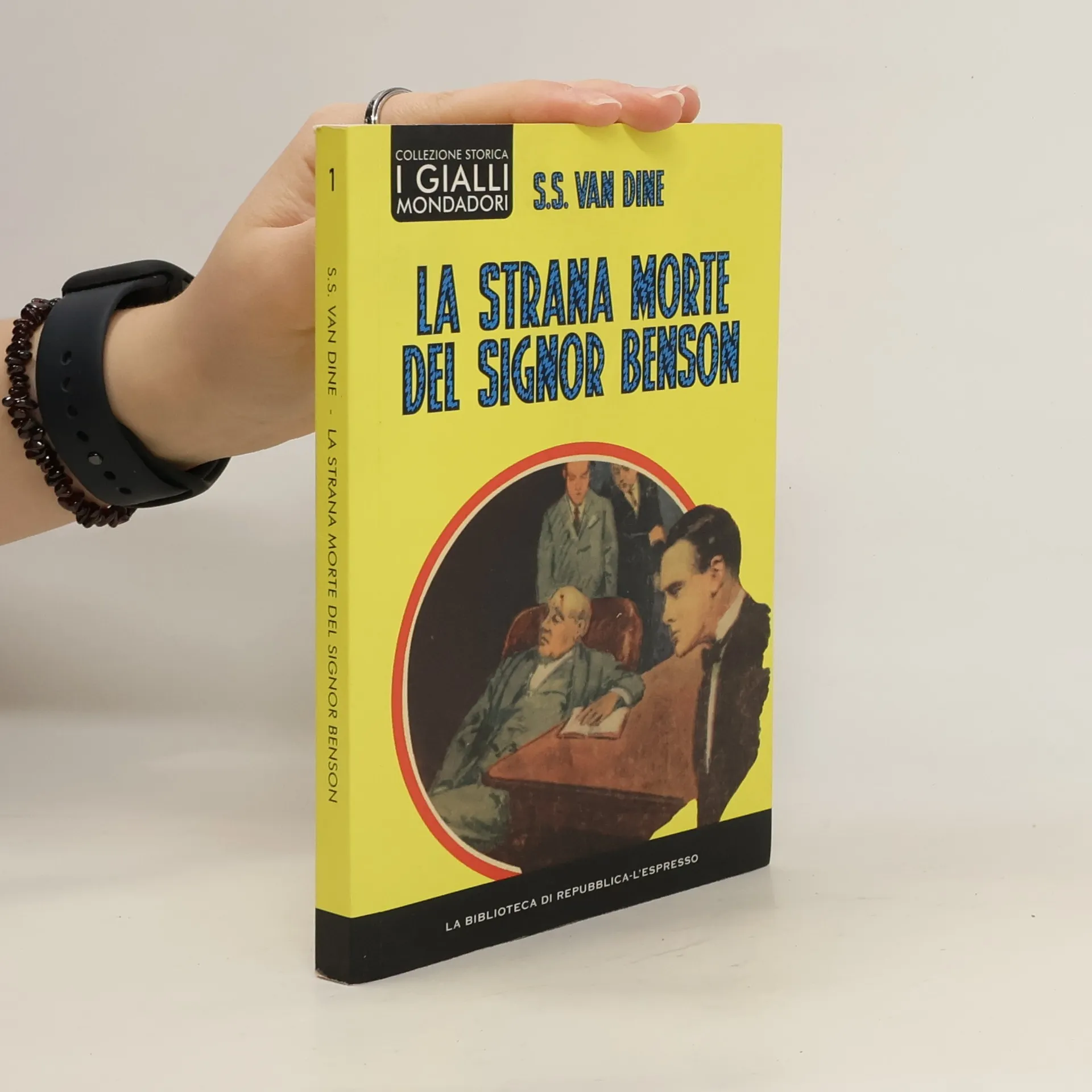
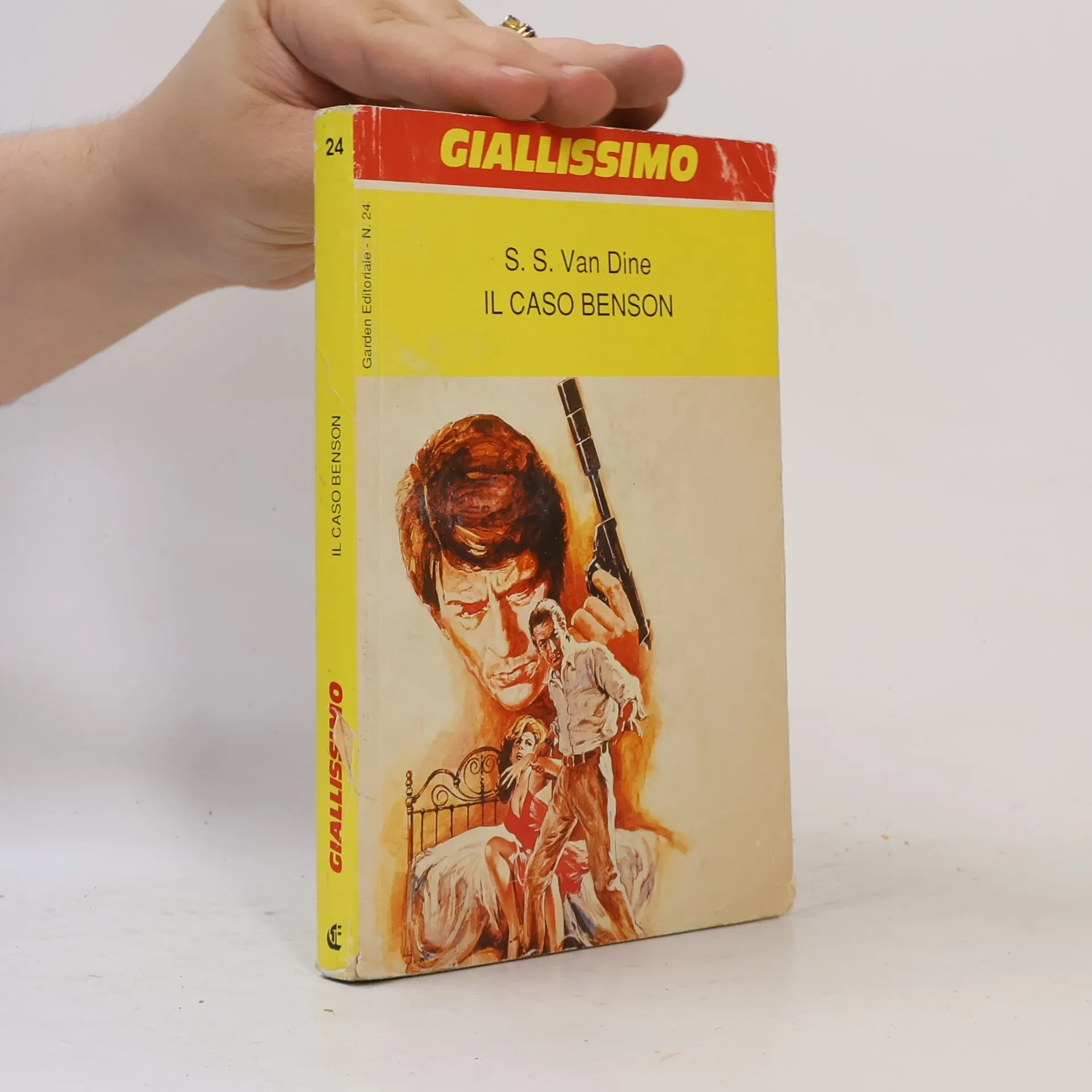
This novel opens with the death of playboy stockbroker, Alvin Benson, who is found in his brownstone mansion with a bullet through his head. First on the scene is Philo Vance, amateur detective, who is at once intrigued by the absence of Alvin's toupee and his false teeth. These odd clues set him in pursuit of an elusive murderer. He confronts a host of suspects and uncovers a number of family skeletons in his quest for the truth. S.S. van Dine is the pen name of Willard Huntington Wright (1888-1939) who wrote this novel in 1926. He wrote 13 best-selling crime novels and his amateur detective, Philo Vance was later immortalized on screen by William Powell in "The Canary Murder Case".
Friedrich Nietzsche's philosophical novel explores the fictional journey and teachings of Zarathustra, a reinterpretation of the Persian prophet Zoroaster. The narrative challenges traditional morality and introduces key concepts such as the Übermensch, eternal recurrence, and the will to power. Nietzsche employs an experimental style to convey his moral philosophy, which he further develops in later works. This edition features a translation by Thomas Common, along with introductions and notes that enhance the reader's understanding of Nietzsche's provocative ideas.
Set against a backdrop of intrigue, this story intertwines the thrill of games of chance with the enigmatic character of Philo Vance. As Vance navigates a world filled with dragons—both literal and metaphorical—he confronts a deadly game that tests his intellect and resolve. The narrative explores themes of strategy, deception, and the high stakes of competition, as Vance seeks to unravel the mysteries surrounding the deadly game while facing formidable opponents and unexpected twists.
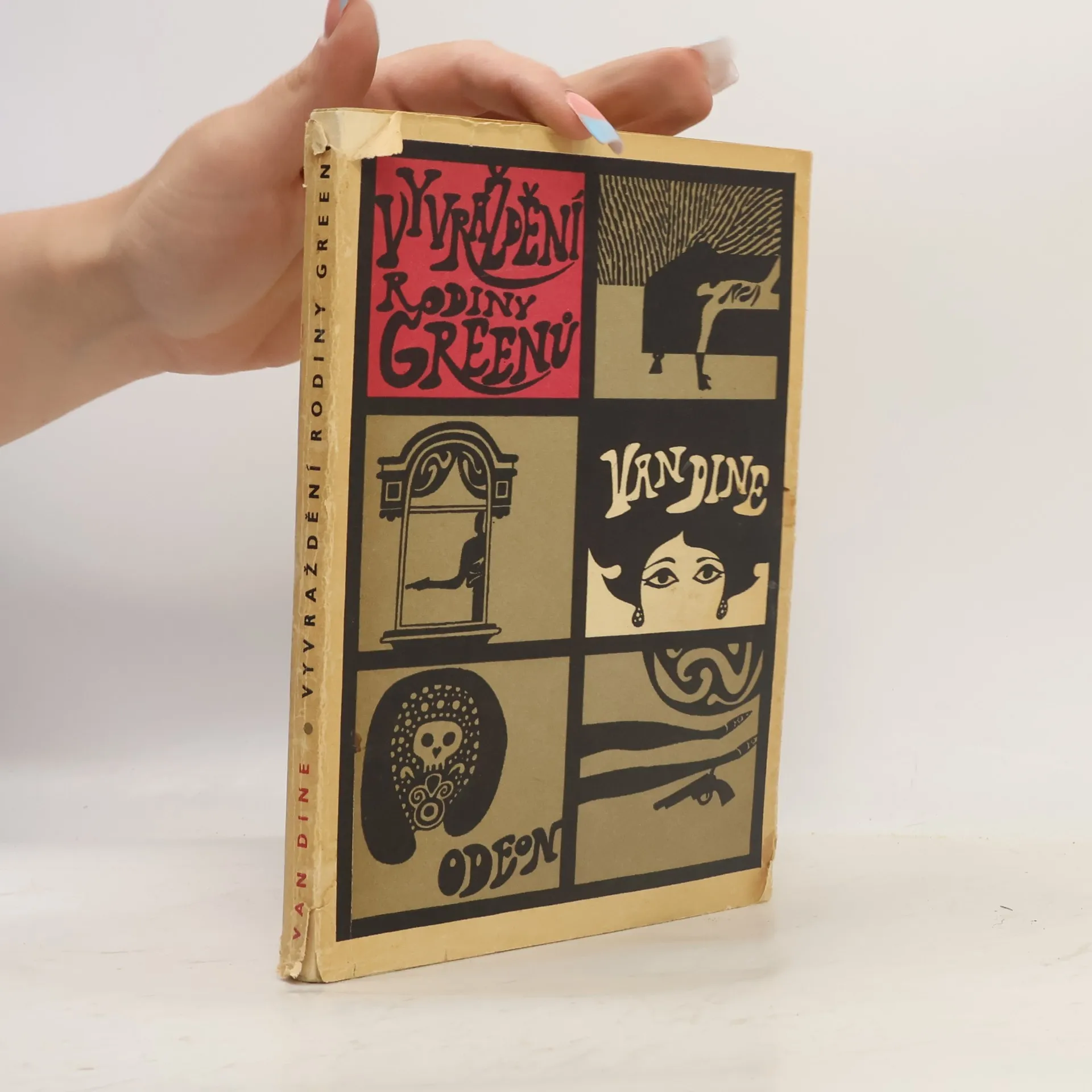
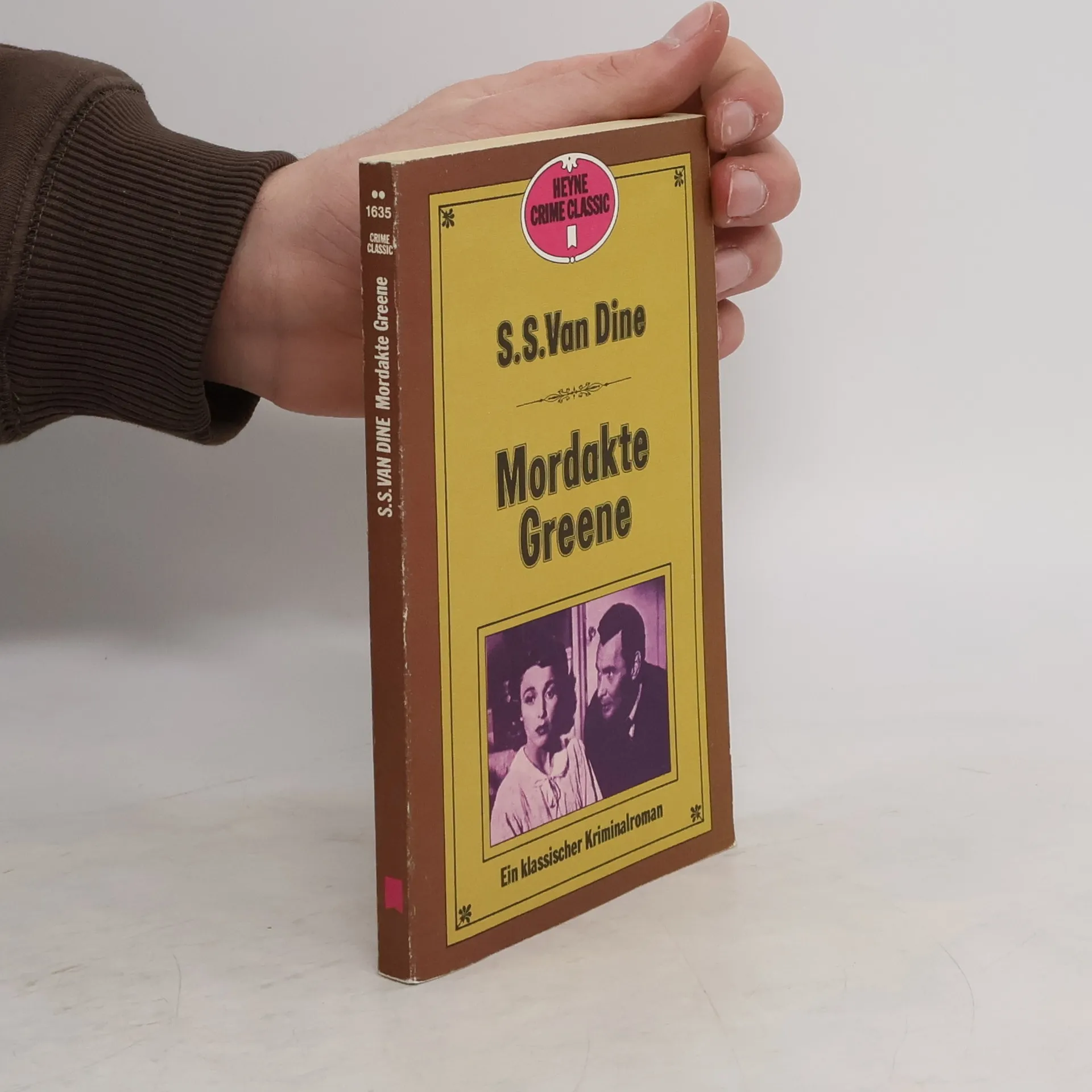
Dandy Philo Vance s detektivními schopnostmi vyšetřuje napínavý případ rodiny Greenů, jejíž členové byli postupně s úděsnou přesností vražděni. Jedná se tu o jeden z toho druhu zločinu, které bývají řazeny mezi téměř dokonalé.
Slavný detektiv Philo Vance řeší téměř dokonalý zločin. Dandy Philo Vance s detektivními schopnostmi vyšetřuje napínavý případ rodiny Greenů, jejíž členové byli postupně s úděsnou přesností vražděni. Jedná se tu o jeden z toho druhu zločinu, které bývají řazeny mezi téměř dokonalé.
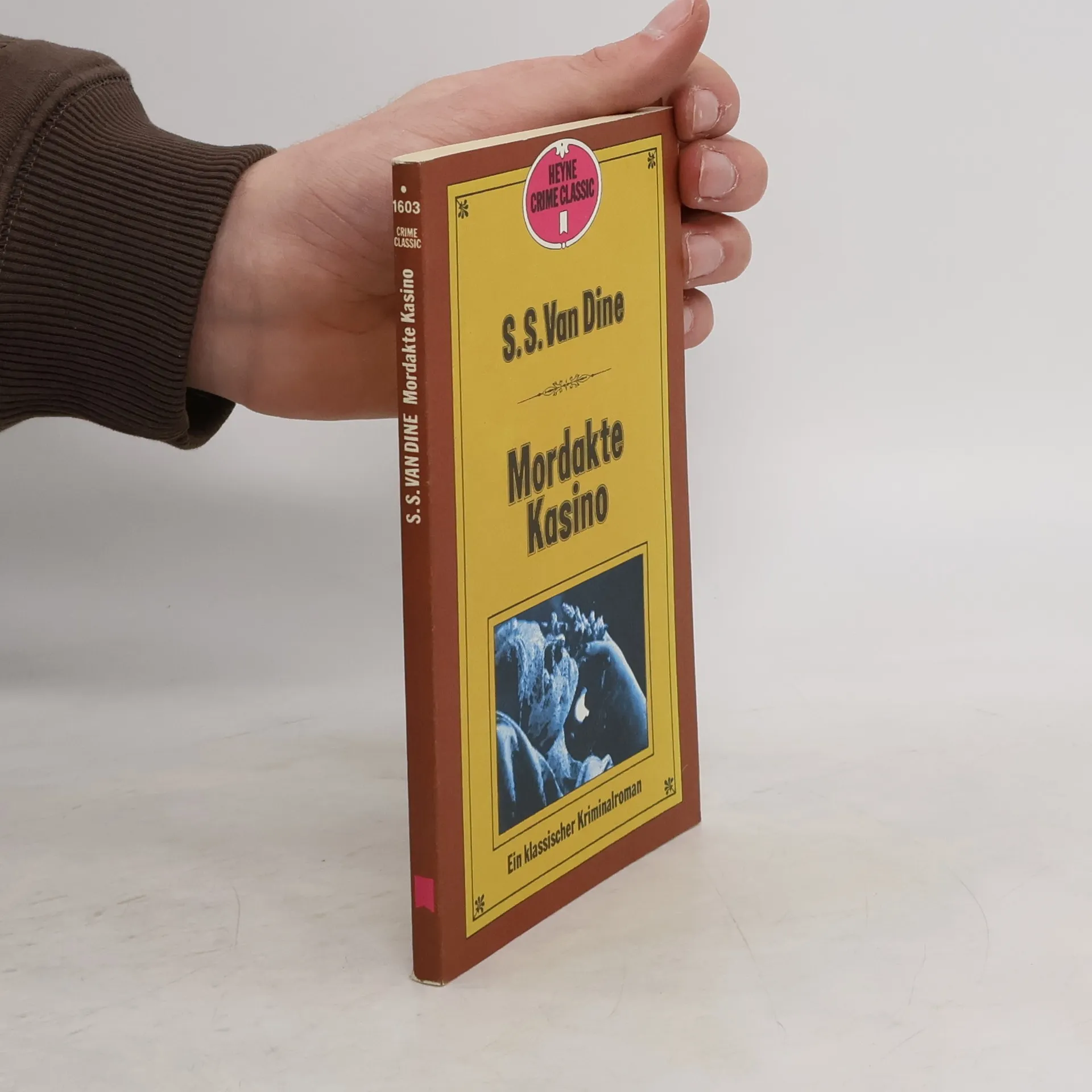
Philo Vance obdrží anonymní dopis, ve kterém ho neznámý úpěnlivě prosí, aby nazítří večer navštívil místní kasino, protože se tam má stát zločin. Vance se do kasina vypraví a opravdu je tam otráven mladý příslušník známé rodiny. Ve stejnou dobu je zároveň v rodinném sídle otrávena i jeho žena. Kostky byly vrženy a Vance se s vervou sobě vlastní vrhá do rozplétání tenkých nitek, ze kterých byl zločin utkán, aby nakonec stanul tváří v tvář překvapující pravdě. V tom mu pomáhají již tradiční pomocníci - státní návladní John F. X. Markham, seržan Ernest Heath a v neposlední řadě sám S. S. Van Dine, který vystupuje v roli zapisovatele příběhu a vypravěče.
Philo Vance, erfolgreicher Amateurdetektiv, erhält einen mysteriösen Brief, der ihn in das berühmte New Yorker Kinkaids Kasino an der West 73rd Street lockt. Dort wird er Zeuge, wie der junge Lynn Llewellyn zusammenbricht. In derselben Nacht stirbt Llewellyns Frau. In beiden Fällen war offensichtlich Gift im Spiel. Ein wahrhaft giftiger Fall für den berühmten Detektiv.
DuMonts Digitale Kriminal-Bibliothek: Der Mordfall Terrier »Aber das widerspricht sich doch«, wandte Markham ein. »Wer außer Coe könnte die Tür denn von innen verriegelt haben?« »Anscheinend niemand«, antwortete Vance mit einem wehmütigen Seufzen. »Das ist ja das Interessante an der Sache. Die Lage ist folgende: Ein Mann wird ermordet; der Mörder geht, das Opfer erhebt sich und verschließt die Tür hinter ihm; dann setzt sich der Tote in den Sessel und richtet alles ein, dass es wie Selbstmord aussieht.« So beginnt der raffinierteste und verblüffendste Fall, der Meisterdetektiv Philo Vance je untergekommen ist – ein Fall, der ihm zugleich teuflisch und verwirrend vergnüglich erscheint. »Mord als schöne Kunst betrachtet« – unter diesem Motto präsentiert DuMonts Digitale Kriminal-Bibliothek Meilensteine anglo-amerikanischer Spannungsliteratur in der Tradition des literarischen Detektivromans. Vom Serientäter bis zum perfekten Mord, von den Golden-Age-Klassikern bis zur »Grande Dame« der Kriminalliteratur Charlotte MacLeod: DuMonts Digitale Kriminal-Bibliothek versammelt das Beste des Genres – mit originellen Plots, fantasievollen Settings und charakterstarken Ermittlern. »Knarrende Geheimtüren, verwirrende Mordserien, schaurige Familienlegenden und, nicht zu vergessen, beherzte Helden (und bemerkenswert viele Heldinnen) sind die Zutaten, die die Lektüre zu einem Lese- und Schmökervergnügen machen.« Neue Presse/Hannover
Philo Vance ist ein hochgebildeter Snob, der den Ermittlungsmethoden der New Yorker Polizei grundsätzlich misstraut. Mit seinen psychologischen Methoden versucht er den Mord an einer stadtbekannten Sängerin aufzuklären. - Klassischer Detektivroman von 1927.
Con una vieja fotografía y una carta de presentación, Salvador viaja de España a México en busca de su padre, un oficial de artillería que lucha junto a Pancho Villa. Su búsqueda se convierte en una sucesión de emocionantes aventuras que lo obligan a luchar con los federales, para finalmente reunirse con los villistas.