
Bookbot

Rolf Dobelli

    15 luglio 1966

    Rolf Dobelli è un autore svizzero noto per i suoi saggi avvincenti e le sue prospettive non convenzionali sul mondo. Il suo lavoro approfondisce il modo in cui pensiamo e come possiamo evitare bias cognitivi comuni per migliorare il nostro processo decisionale. La scrittura di Dobelli è apprezzata per la sua accessibilità, poiché presenta idee complesse in modo comprensibile e coinvolgente. Il suo obiettivo è fornire ai lettori gli strumenti per pensare più chiaramente e navigare nella vita quotidiana.

    Rolf Dobelli
    Fragen an das Leben
    Stop Reading the News : A Manifesto for a Happier, Calmer and Wiser Life
    The Art of Thinking Clearly
    Stop Reading the News
    The Art of the Good Life
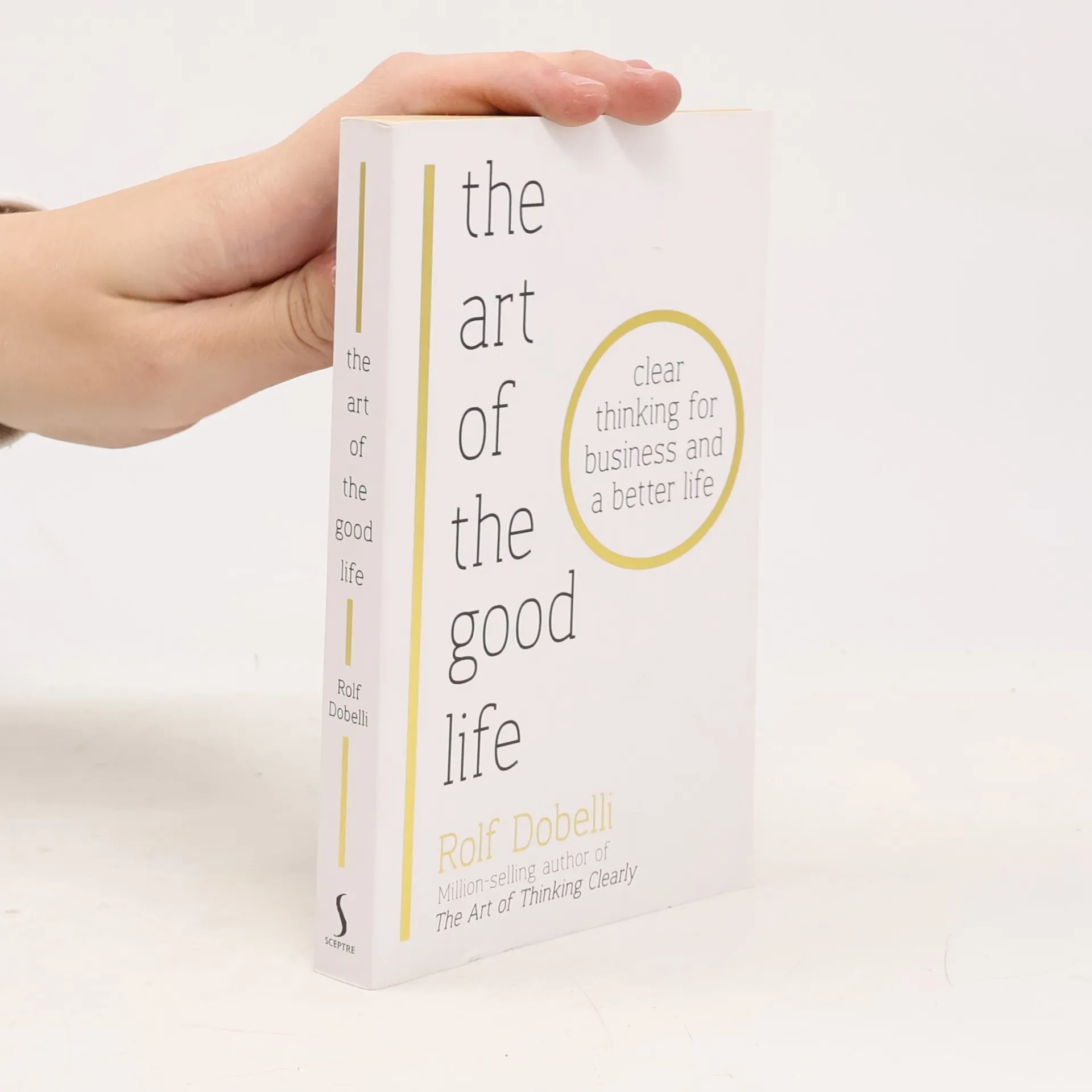
    The art of the good life : clear thinking for business and a better life
    • Since the dawn of civilization, we've been asking ourselves what it means to live a good life: how should I live, what will truly make be happy, how much should I earn, how should I spend my time? In the absence of a single simple answer, what we need is a toolkit of mental models, a guide to practical living. In The Art of the Good Life, you'll find fifty-two intellectual shortcuts for wiser thinking and better decisions, at home and at work. They may not guarantee you a good life, but they'll give you a better chance.

      The art of the good life : clear thinking for business and a better life
      4,0
    • The indispensable life manual from the author of the international bestseller, The Art of Thinking Clearly.

      The Art of the Good Life
      4,0
    • Stop Reading the News

      • 176pagine
      • 7 ore di lettura

      News is to the mind what sugar is to the body. In 2013 Rolf Dobelli stood in front of a roomful of journalists and proclaimed that he did not read the news. It caused a riot. Now he finally sets down his philosophy in detail. And he practises what he preaches: he hasn't read the news for a decade.Stop Reading the News is Dobelli's manifesto about the dangers of the most toxic form of information - news. He shows the damage it does to our concentration and well-being, and how a misplaced sense of duty can misdirect our behaviour.From the author of the bestselling The Art of Thinking Clearly, Rolf Dobelli's book offers the reader guidance about how to live without news, and the many potential gains to be had: less disruption, more time, less anxiety, more insights. In a world of increasing disruption and division, Stop Reading the News is a welcome voice of calm and wisdom.
      Stop Reading the News
      3,9
    • The Art of Thinking Clearly

      • 336pagine
      • 12 ore di lettura

      The Art of Thinking Clearly by world-class thinker and entrepreneur Rolf Dobelli is an eye-opening look at human psychology and reasoning - essential reading for anyone who wants to avoid "cognitive errors" and make better choices in all aspects of their lives. Have you ever: Invested time in something that, with hindsight, just wasn't worth it? Or continued doing something you knew was bad for you? These are examples of cognitive biases, simple errors we all make in our day-to-day thinking. But by knowing what they are and how to spot them, we can avoid them and make better decisions. Simple, clear, and always surprising, this indispensable book will change the way you think and transform your decision-making-work, at home, every day. It reveals, in 99 short chapters, the most common errors of judgment, and how to avoid them.

      The Art of Thinking Clearly
      3,9
    • STOP READING THE NEWS is a vital toolkit for managing the upsetting coronavirus news cycle and finding equilibrium and calm at a time of chaos and uncertainty In 2013 Rolf Dobelli stood in front of a roomful of journalists and proclaimed that he did not read the news. It caused a riot. Now the author of the bestselling The Art of Thinking Clearly finally sets down his philosophy in detail. And he practises what he preaches: he hasn't read the news for a decade. Stop Reading the News is Dobelli's manifesto about the dangers of the most toxic form of information - news. He shows the damage it does to our concentration and well-being, and how a misplaced sense of duty can misdirect our behaviour. Most importantly, he offers the reader the guidance on how to live without news, and the many potential gains to be had: less disruption, more time, less anxiety, more insights. In a world of increasing disruption and division, Stop Reading the News is a welcome voice of calm and wisdom.

      Stop Reading the News : A Manifesto for a Happier, Calmer and Wiser Life
      3,7
    • Fragen an das Leben

      • 193pagine
      • 7 ore di lettura

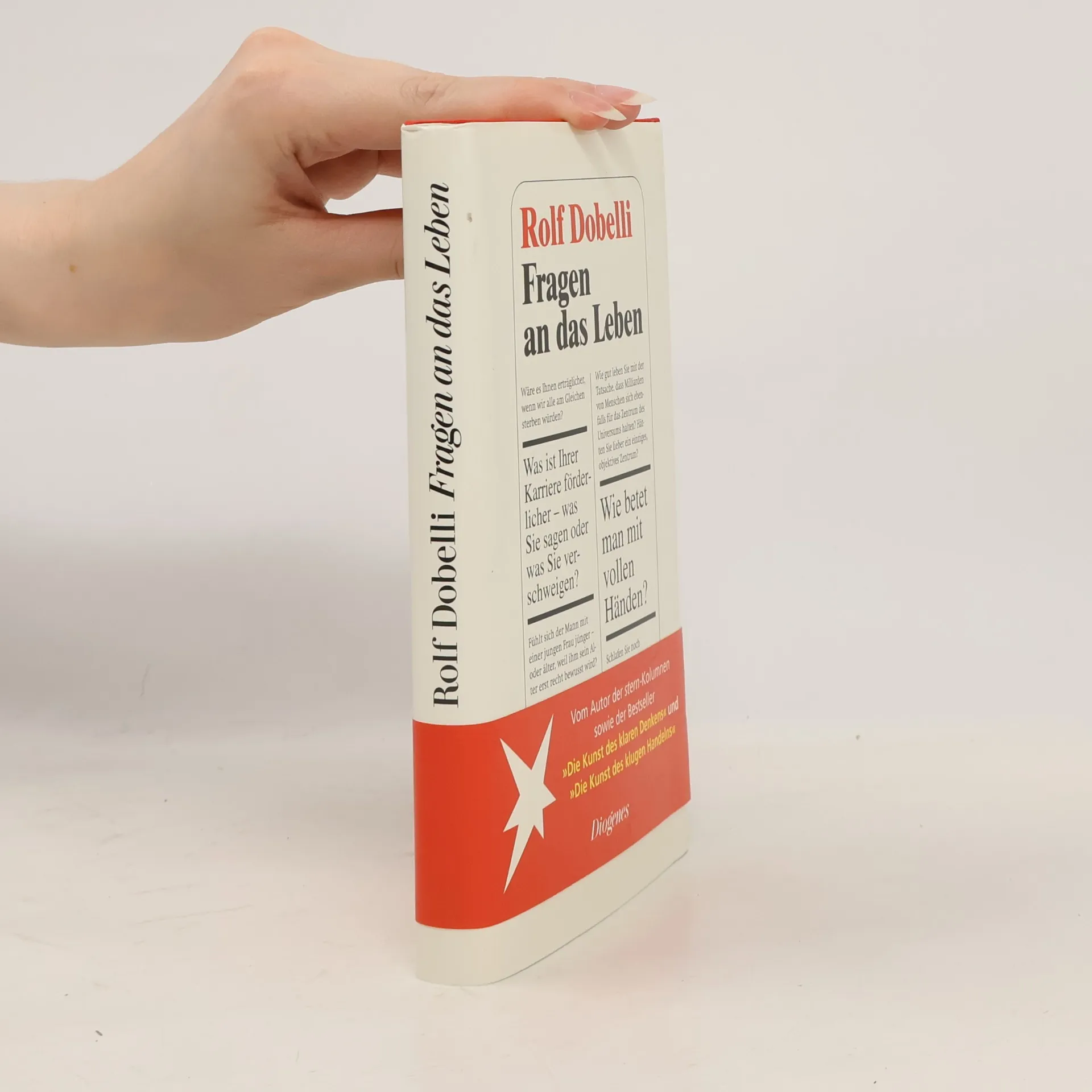
      Nicht WAS, sondern WIE man fragt, ist entscheidend: Der Schweizer Bestsellerautor Rolf Dobelli hat daraus eine kleine Lebenskunst der Selbstbefragung gemacht und provoziert mit seinen im ›stern‹ veröffentlichten Fragekolumnen zum Nachdenken. Spielerisch ironische Fragen zu Themen, die jeden betreffen – zu Glück, Liebe, Sex, sozialem Verhalten, Erfolg, Karriere, Alter, Gott und Tod.

      Fragen an das Leben
      4,5
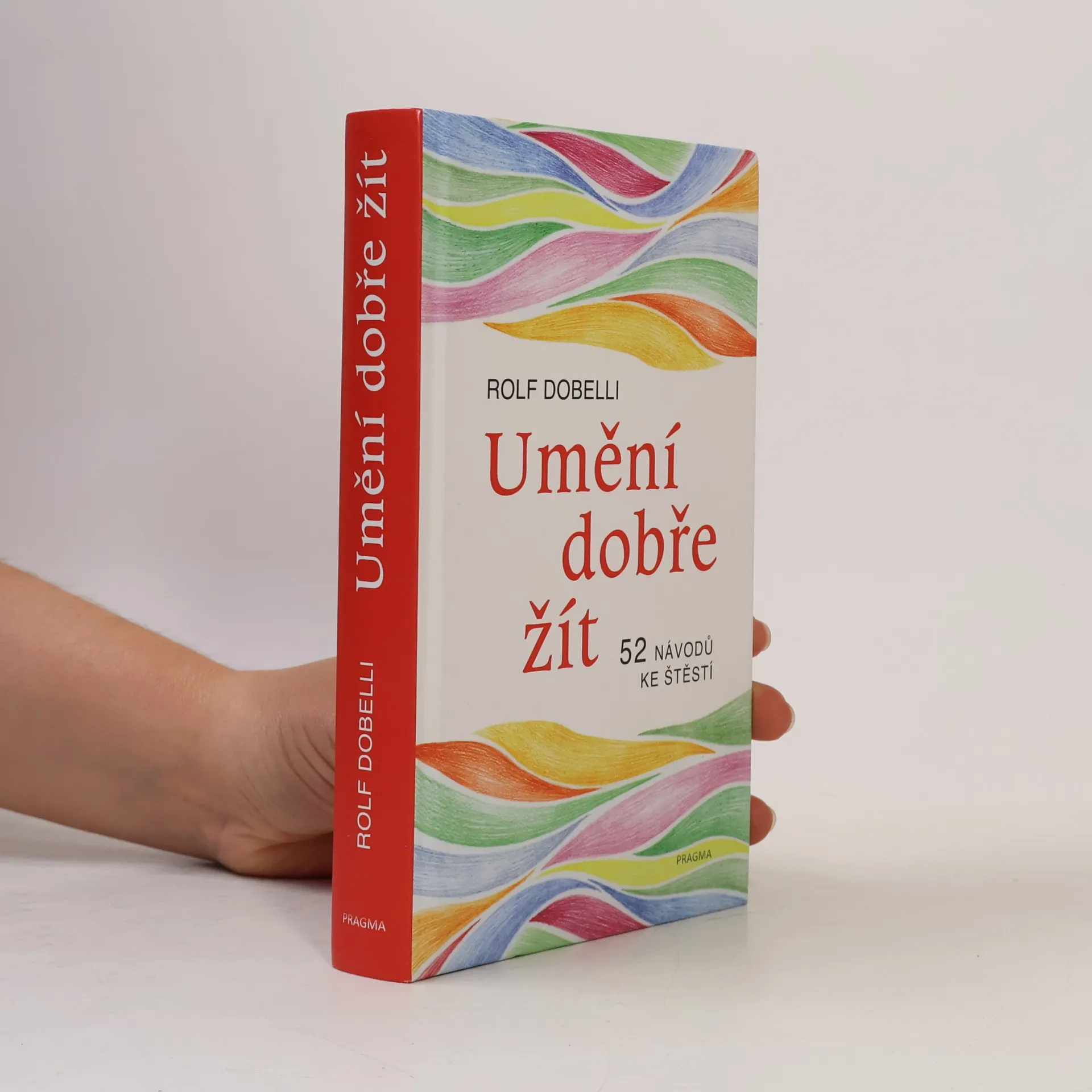
    • Již od starověku, nejméně 2500 let, si lidé opakovaně kladli otázku po dobrém životě: Jak mám žít? Co je to dobrý život? Jakou roli hraje osud? Je dobrý život otázkou postoje, nebo jde spíše o dosažení životních cílů? Odpovědi jsou v podstatě vždy zklamáním. Proč? Svět je příliš komplikovaný na to, abychom ho mohli pochopit jednou velkou myšlenkou. K pochopení světa potřebujeme sadu mentálních modelů. Je načase sestavit si takovou sadu nástrojů i pro praktický život. Zde je 52 nástrojů, které vám nezaručí dobrý život, ale zvýší jeho pravděpodobnost.

      Umění dobře žít : 52 návodů ke štěstí
      4,2
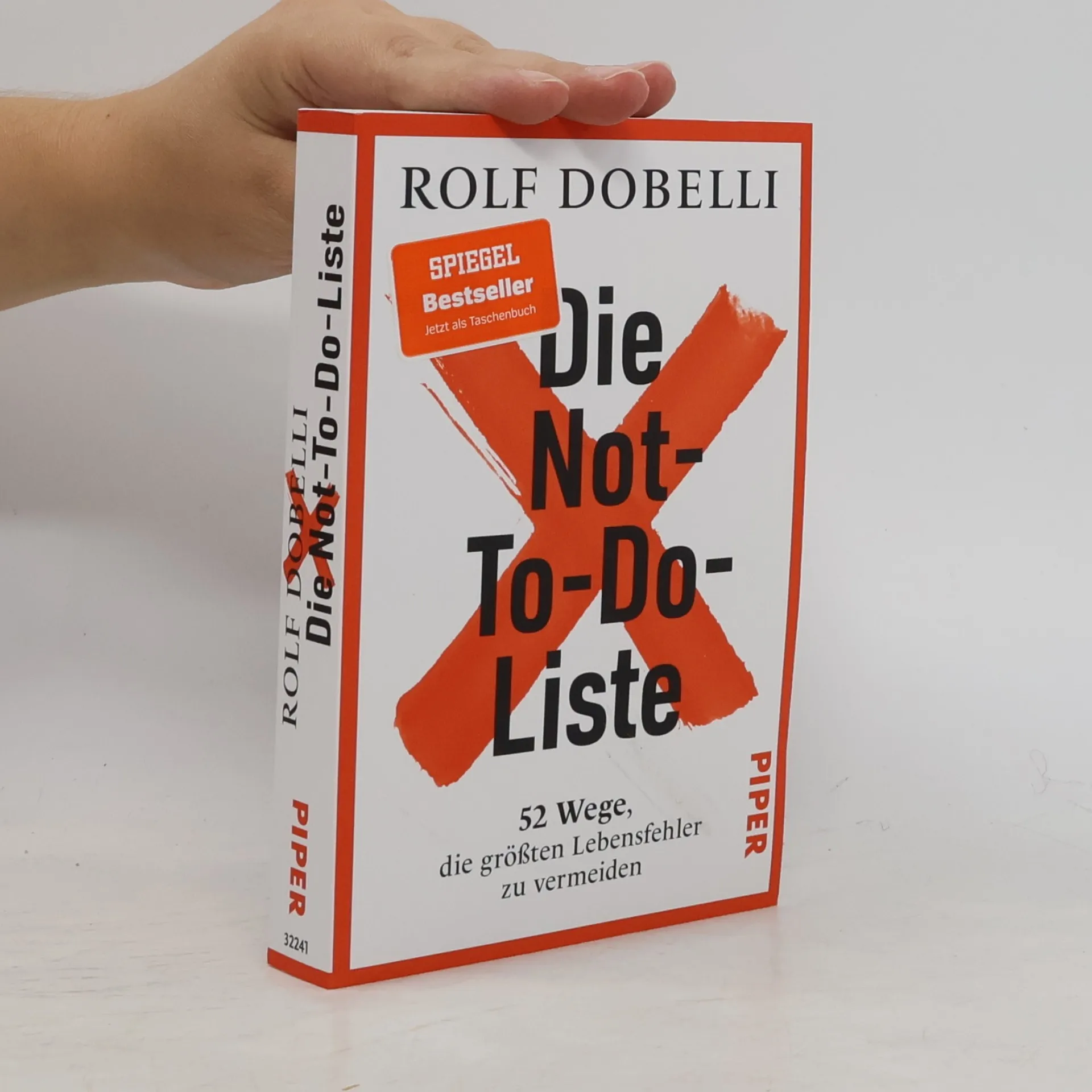
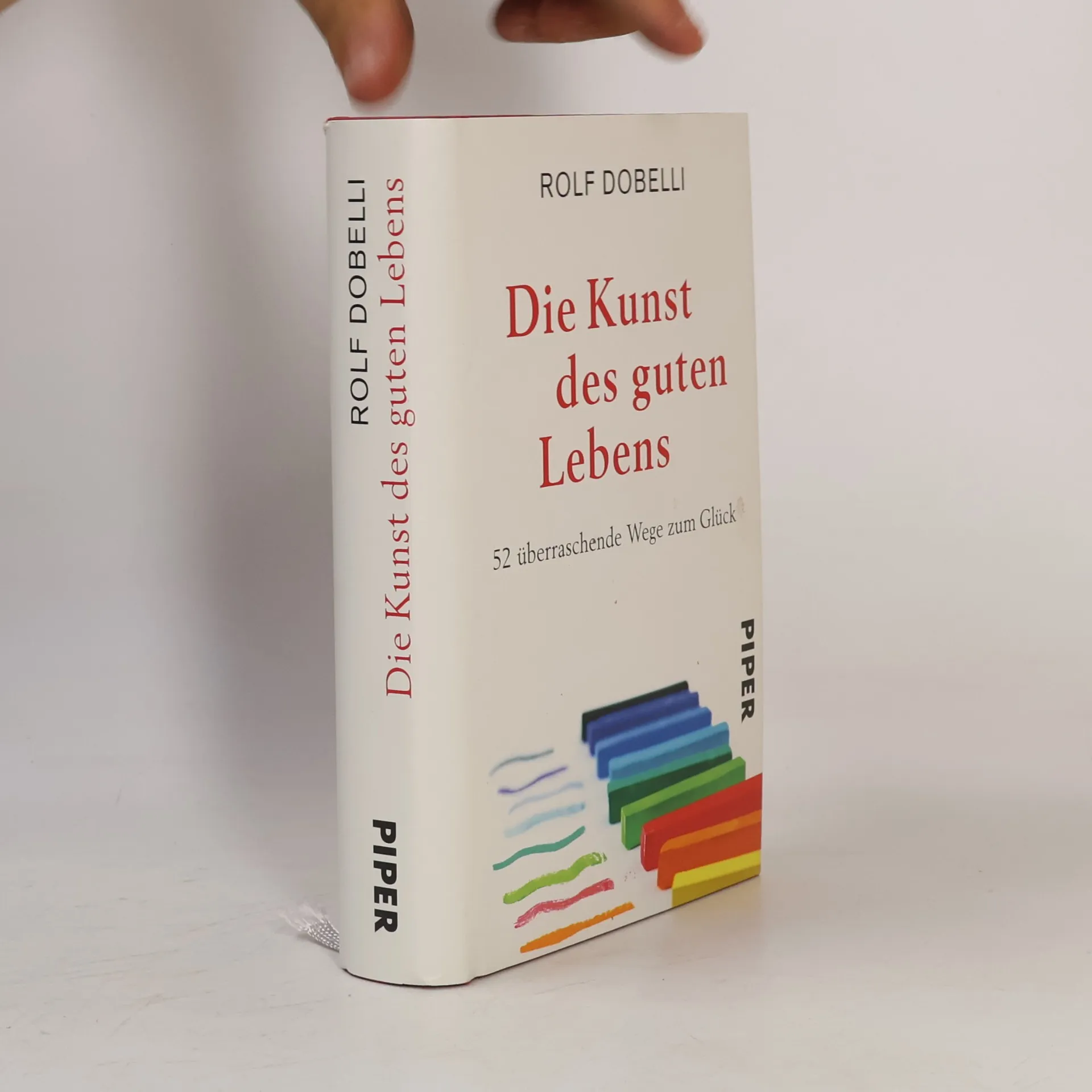
    • Seit der Antike, also seit mindestens 2500 Jahren, aber vermutlich noch viel länger, haben sich Menschen immer wieder die Frage nach dem guten Leben gestellt: Wie soll ich leben? Was macht ein gutes Leben aus? Welche Rolle spielt das Schicksal? Welche Rolle spielt das Geld? Ist das gute Leben eine Sache der Einstellung, oder geht es vielmehr um das Erreichen von Lebenszielen? Ist es besser, nach Glück zu streben oder Unglück zu umschiffen? Jede Generation stellt sich diese Fragen neu. Die Antworten sind im Grunde stets enttäuschend. Warum? Weil man immer auf der Suche nach dem einen Prinzip ist, dem einen Grundsatz, der einen Regel. Doch diesen heiligen Gral des einfachen Weges gibt es nicht. Auf verschiedenen Gebieten fand in den letzten Jahrzehnten eine stille Revolution des Denkens statt. In den Wissenschaften, in der Politik, in der Medizin und in vielen anderen Bereichen hat man erkannt: Die Welt ist viel zu kompliziert, als dass wir sie mit einer großen Idee oder einer Handvoll Prinzipien erfassen könnten. Wir brauchen einen Werkzeugkasten von Mentalen Modellen, um die Welt zu verstehen. Es ist an der Zeit, einen solchen Werkzeugkasten auch für das praktische Leben zusammenzustellen. Voilà. Hier finden Sie 52 gedankliche Werkzeuge, die Ihnen ein gutes Leben zwar nicht garantieren, es aber wahrscheinlicher machen.

      Die Kunst des guten Lebens
      4,0