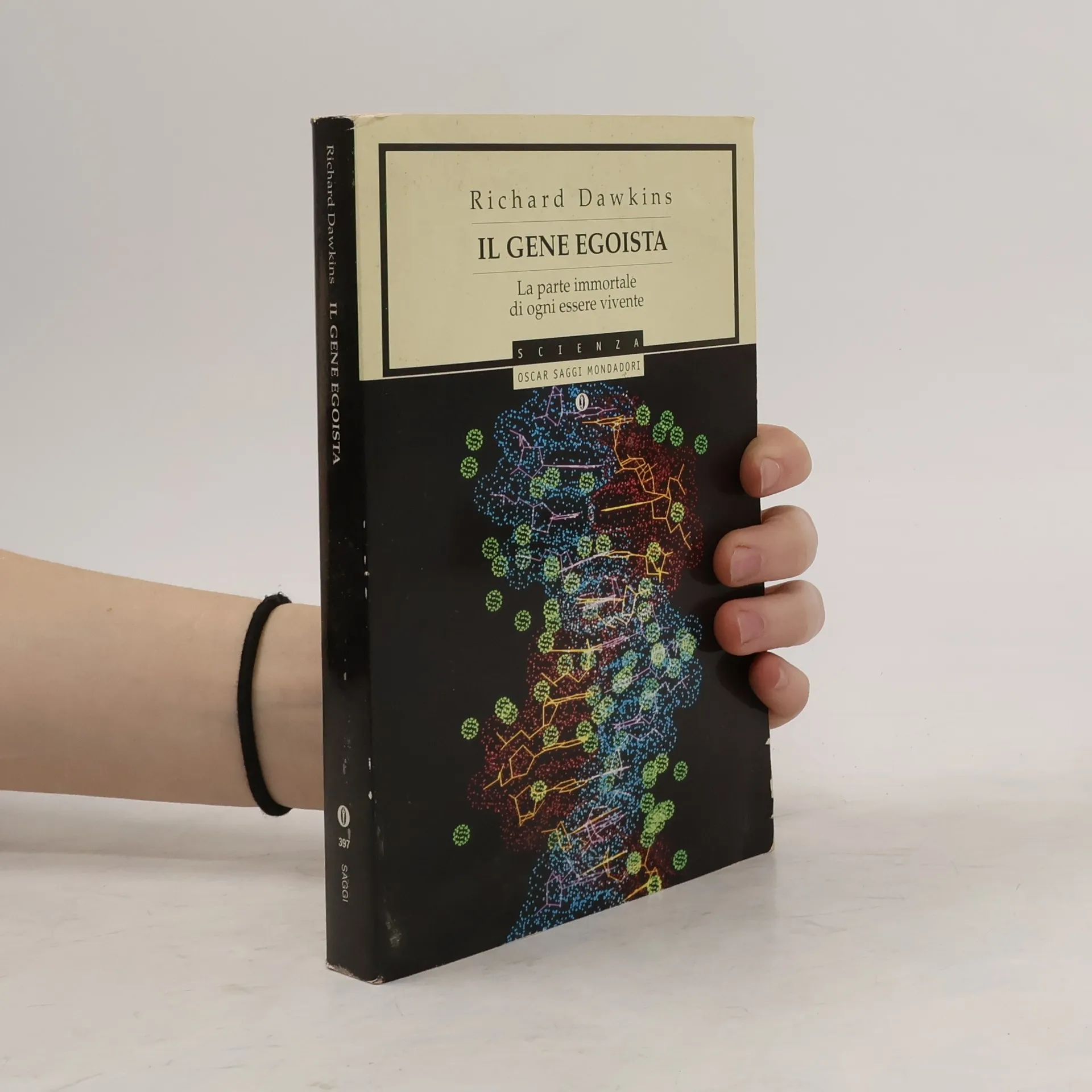
Un saggio scientifico incentrato sulla stupefacente verità che si rivela a chi si interroga sull'universo, l'immortalità e il posto dell'uomo nell'universo. Noi siamo macchine da sopravvivenza, robot semoventi programmati ciecamente per conservare quelle molecole egoiste note col nome di geni. Un libro pensato per stimolare con ironia l'immaginazione del lettore - dello studente come dell'esperto e critico severo, o del profano - che riesce a semplificare e rendere comprensibili sottili e complicati concetti scientifici in un linguaggio non matematico, senza che ne vada perduta la sorprendente essenza.
Richard Dawkins Libri
26 marzo 1941



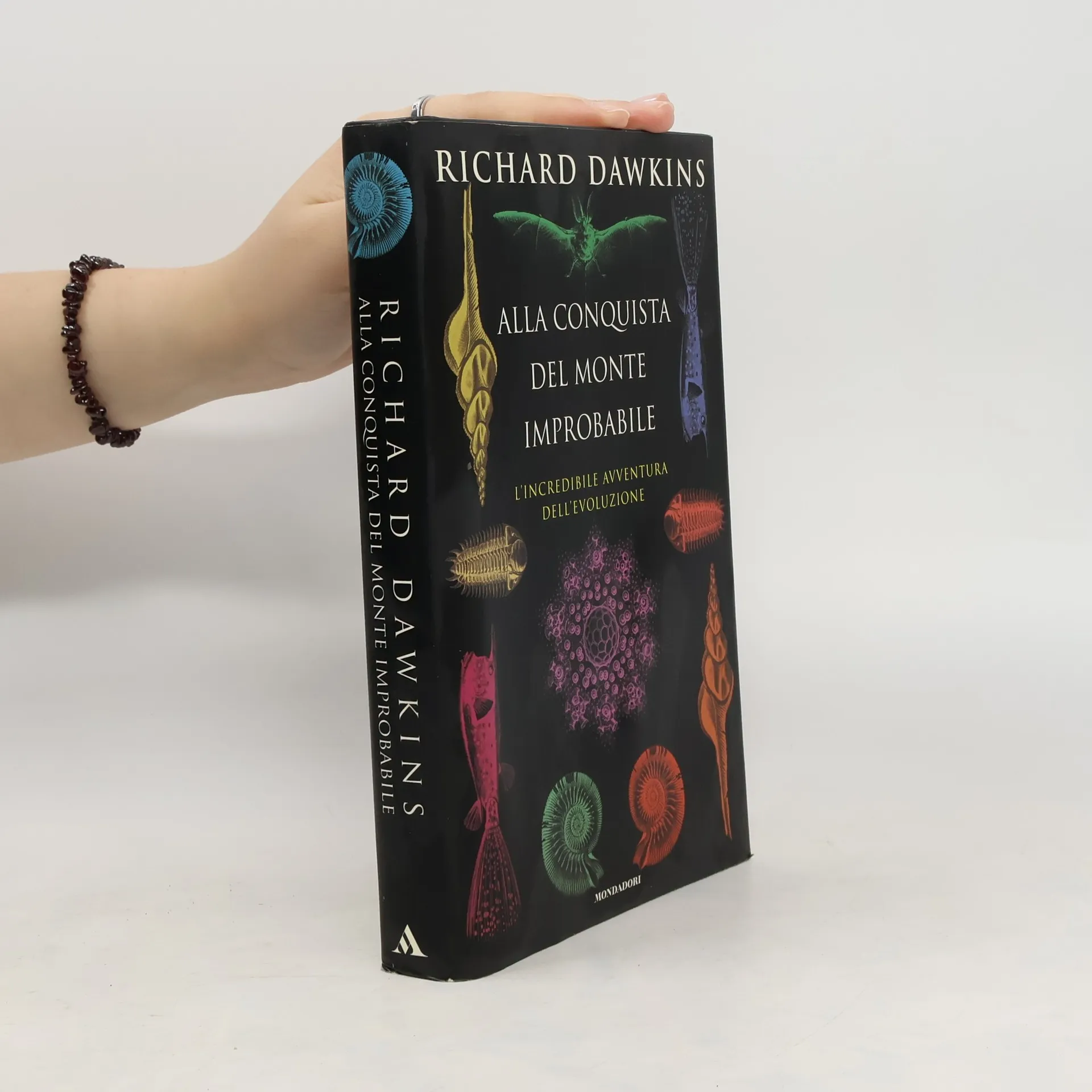
Alla conquista del monte improbabile. L'incredibile avventura dell'evoluzione
- 316pagine
- 12 ore di lettura
The human eye is so complex and works so precisely that surely, one might believe, its current shape and function must be the product of design. How could such an intricate object have come about by chance? Tackling this subject in writing that the New York Times called "a masterpiece" Richard Dawkins builds a carefully reasoned and lovingly illustrated argument for evolutionary adaptation as the mechanism for life on earth.The metaphor of Mount Improbable represents the combination of perfection and improbability that is epitomized in the seemingly "designed" complexity of living things. Dawkins skillfully guides the reader on a breathtaking journey through the mountain's passes and up its many peaks to demonstrate that following the improbable path to perfection takes time. Evocative illustrations accompany Dawkins's eloquent descriptions of extraordinary adaptations such as the teeming populations of figs, the intricate silken world of spiders, and the evolution of wings on the bodies of flightless animals. And through it all runs the thread of DNA, the molecule of life, responsible for its own destiny on an unending pilgrimage through time. Climbing Mount Improbable is a book of great impact and skill, written by the most prominent Darwinian of our age.
L'evoluzione, sostiene Richard Dawkins in questo saggio ricco di sense of humour, è cieca: non vede dinanzi a sé, non pianifica nulla, non si pone alcun fine. Eppure, come un maestro orologiaio, ha prodotto risultati di straordinaria efficacia e precisione, organi perfetti e funzioni raffinate in un crescendo di complessità che distingue nettamente gli esseri viventi dagli oggetti della fisica. L'orologiaio cieco è un libro originale, ricco di informazioni, paradossi, osservazioni inaspettate e costituisce la più completa e chiara spiegazione della teoria dell'evoluzione e della selezione naturale, oltre che una circostanziata difesa del darwinismo dai numerosi attacchi di cui oggi è fatto segno.
The New Penguin English Dictionary
- 1654pagine
- 58 ore di lettura
This middle-English edition of Chaucer's great poem also includes notes, text summary, selected criticism, chronology of Chaucer's life and times and an on-page glossary. The editor presents Chaucer scholarship in an introduction, discussing the traditions and sources of the story, the themes of manhood and womanhood, and the role of fate in the lovers' tragedy.
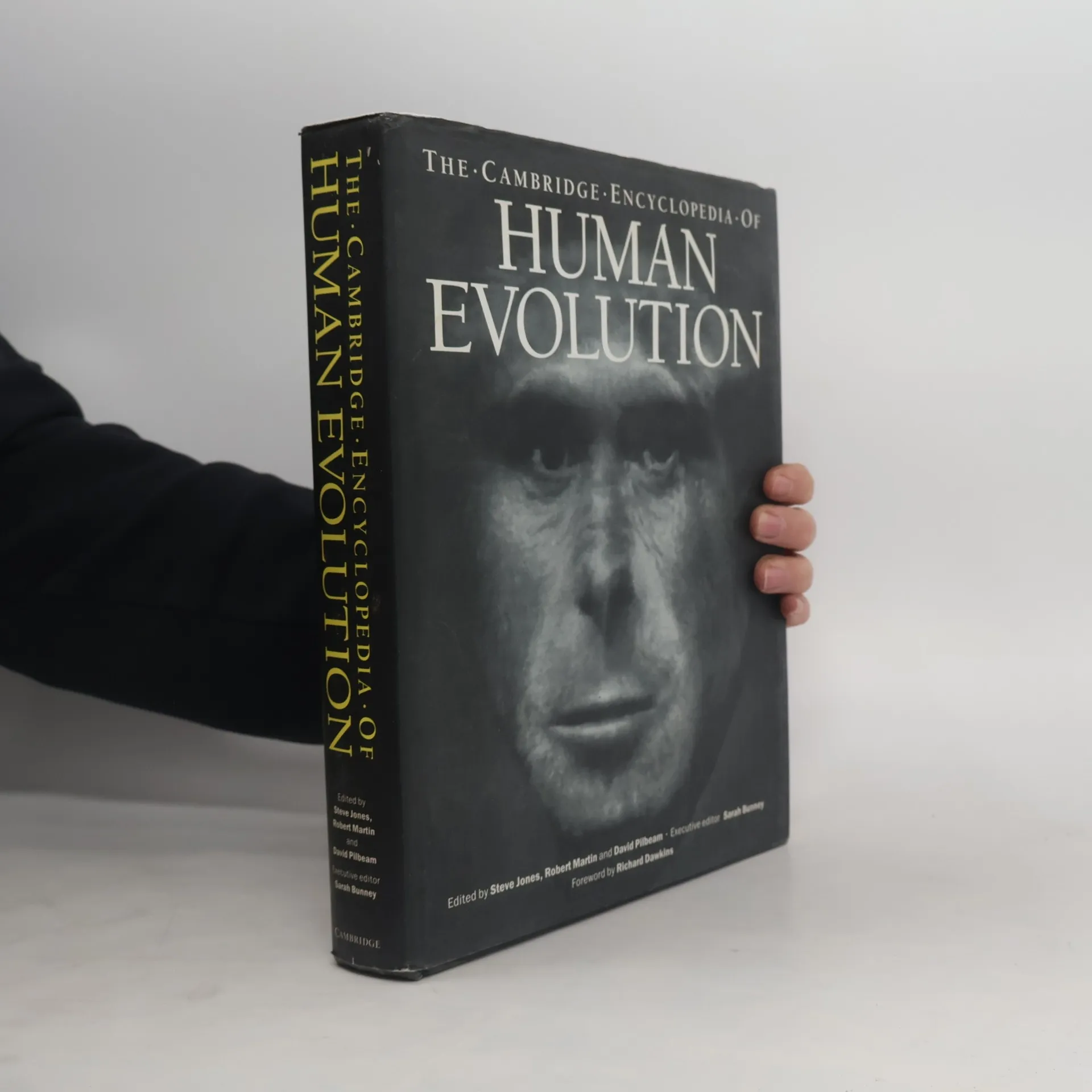
The Cambridge Encyclopedia of Human Evolution
- 506pagine
- 18 ore di lettura
This is a new and refreshing introduction to the human species that places modern humans squarely in evolutionary perspective and treats evolution itself as a continuing genetic process in which every one of us is involved. Over seventy scholars worldwide have collaborated on the Encyclopedia, which is divided into ten main sections. Following a keynote introduction asking simply What makes us human?, the coverage ranges widely: from genetics, primatology and fossil origins to human biology and ecology, brain function and behavior, and demography and disease. Emphasis is placed throughout on the biological diversity of modern people and the increasing convergence of the fossil and genetic evidence for human evolution that has emerged in recent years. Because of the need to look at humankind in the context of our closest relatives, the
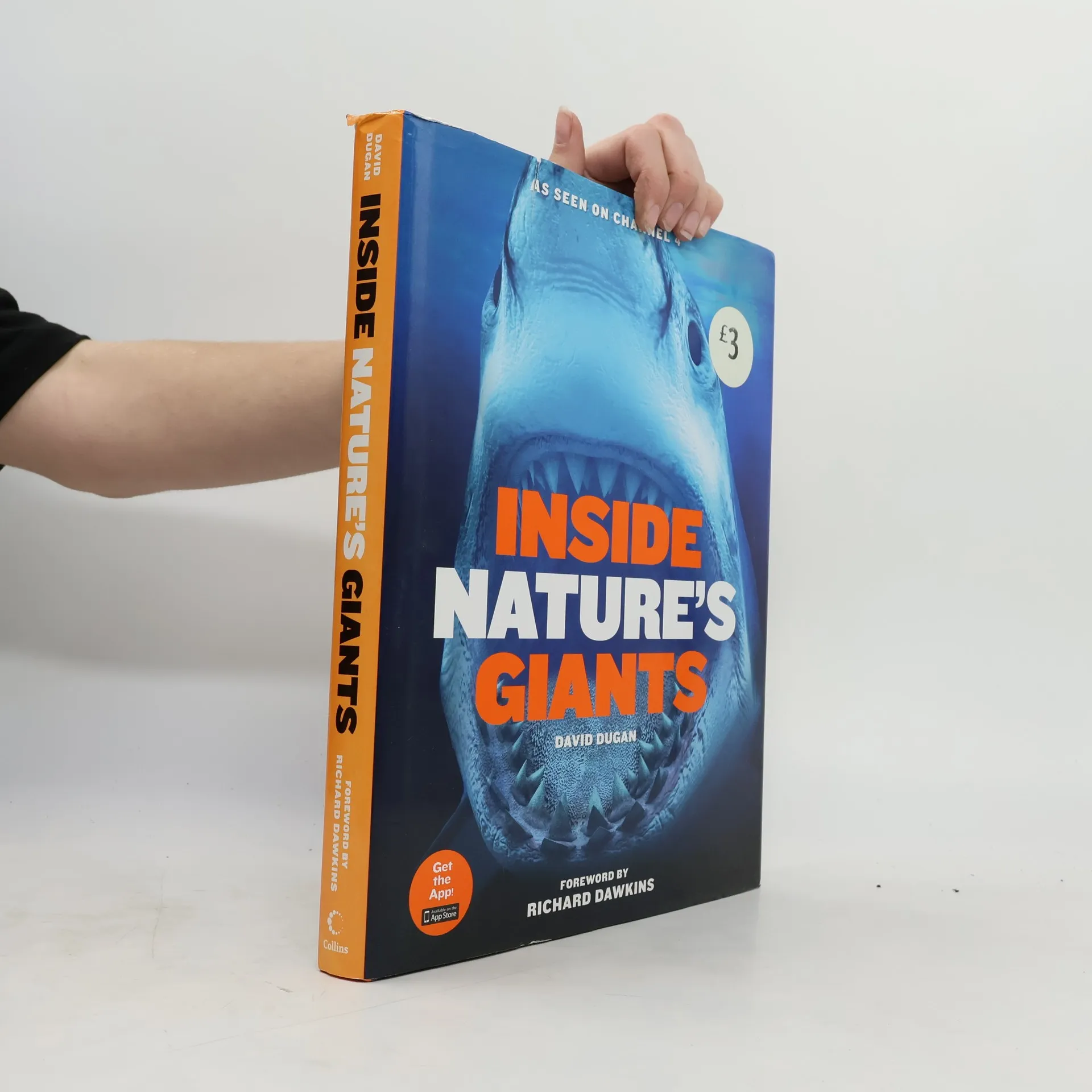
Inside Nature’s Giants
- 318pagine
- 12 ore di lettura
With a foreword by Richard Dawkins and inspired by the BAFTA award-winning Channel 4 TV series, this exploration delves into the anatomy of the largest animals on Earth, revealing their inner workings like never before. The book combines dissection, CGI, and wildlife photography to illustrate how millions of years of evolution have shaped these remarkable creatures. It presents natural history from a unique perspective, inviting readers to join a team of scientists and anatomical experts, including veterinary scientist Mark Evans, anatomist Joy Reidenberg, science presenter Simon Watt, and Richard Dawkins. Together, they uncover the secrets behind extraordinary beasts, addressing intriguing questions such as why giraffes don’t faint despite their height, the chewing limitations of crocodiles despite their strong bite, and the unique anatomy of giant squids with three hearts. By engaging with these animals, the team reveals how evolution by natural selection has influenced the biology of elephants, sharks, giraffes, big cats, hippos, crocodiles, camels, whales, kangaroos, and more. This interactive approach invites readers to explore the anatomy of these magnificent animals through single- and double-page gatefolds, providing a captivating alternative to traditional natural history.
Exploring the extensive timeline of evolutionary history, this work delves into the insights it provides about life on Earth. The author, a renowned science writer and biologist, examines key events and transformations that have shaped the diversity of life, offering a profound understanding of our biological heritage and the interconnectedness of all living organisms. Through engaging narratives and scientific analysis, the book invites readers to reflect on the significance of evolution in understanding existence.
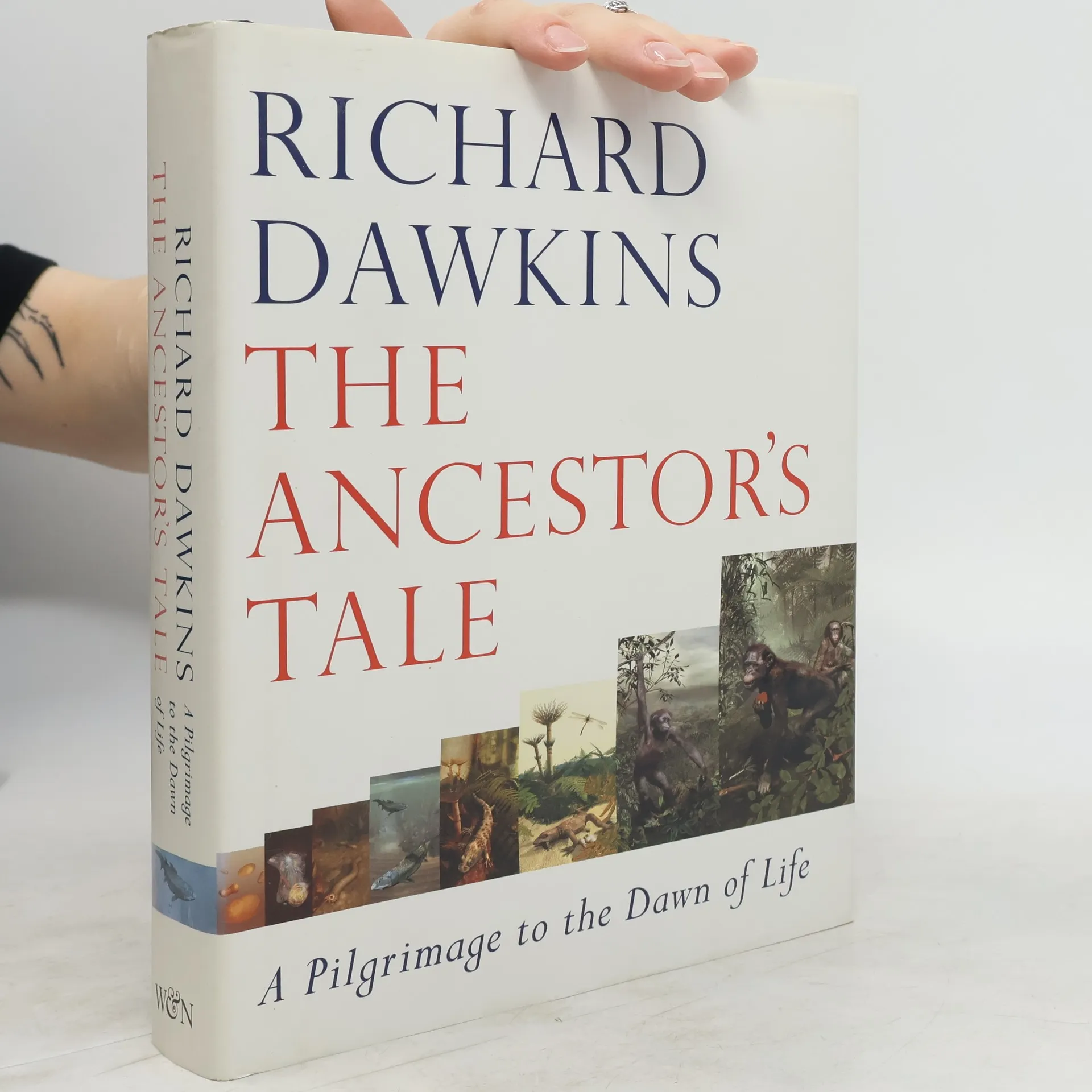
THE ANCESTOR'S TALE is a pilgrimage back through time; a journey on which we meet up with fellow pilgrims as we and they converge on our common ancestors. Chimpanzees join us at about 6 million years in the past, gorillas at 7 million years, orang utans at 14 million years, as we stride on together, a growing band. The journey provides the setting for a collection of some 40 tales. Each explores an aspect of evolutionary biology through the stories of characters met along the way or glimpsed from afar - the Elephant Bird's Tale, the Marsupial Mole's Tale, the Lungfish's Tale. Together they give a deep understanding of the processes that have shaped life on Earth: convergent evolution, the isolation of populations, continental drift, the great extinctions. The tales are interspersed with prologues detailing the journey, route maps showing joining lineages, and life-like reconstructions of our common ancestors. THE ANCESTOR'S TALE represents a pilgrimage on an unimaginable scale: our goal is four billion years away, and the number of pilgrims joining us grows vast - ultimately encompassing all living creatures. At the end of the journey lies something remarkable in its simplicity and transformative power: the first, humble, replicating molecules.
Richard Dawkins explores the wonder of flight. A book for ages 8-80 about flying - from the mythical Icarus, to the sadly extinct but magnificent bird Argentavis magnificens, to the British Airways pilots of today.
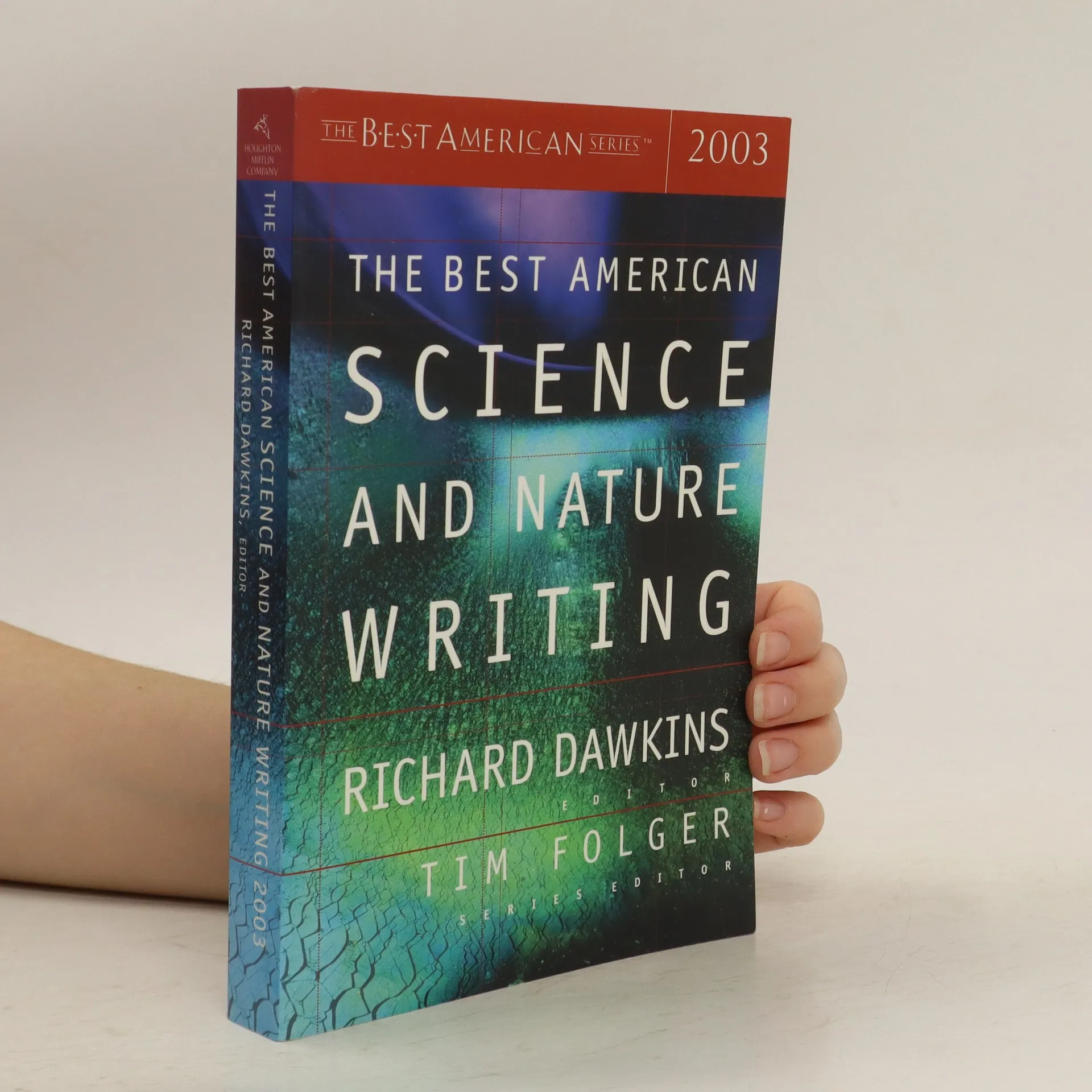
The Best American Science and Nature Writing 2003
- 352pagine
- 13 ore di lettura
Collects nature- and science-based essays by such authors as Anne Fadiman, Brian Hayes, Cullen Murphy, and Gary Taubes.
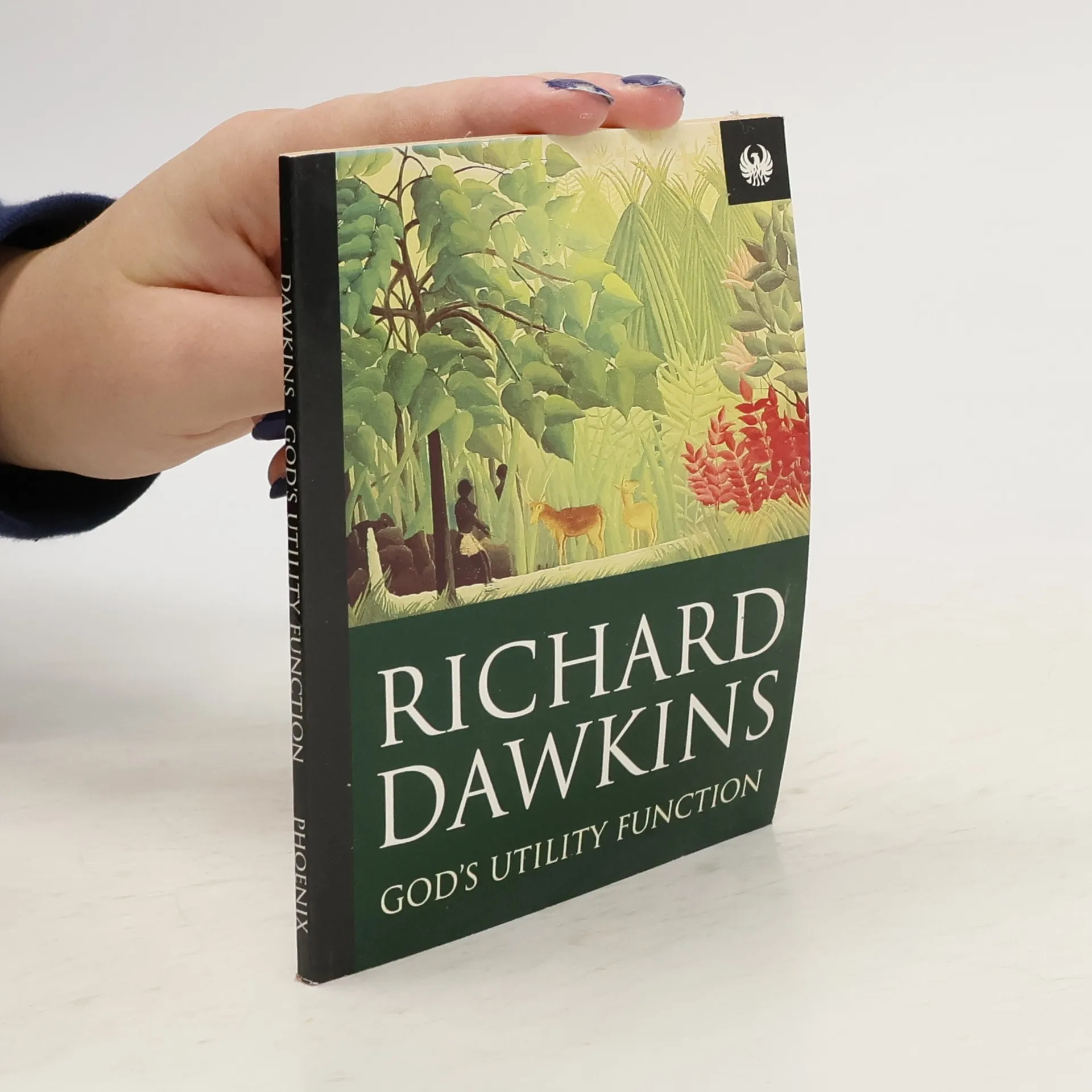
God's Utility Function
- 64pagine
- 3 ore di lettura
This chapter from "River Out of Eden" argues that the only purpose of life is the survival of DNA; understand this, and all the inefficiency, unfairness and cruelty in the world makes sense.
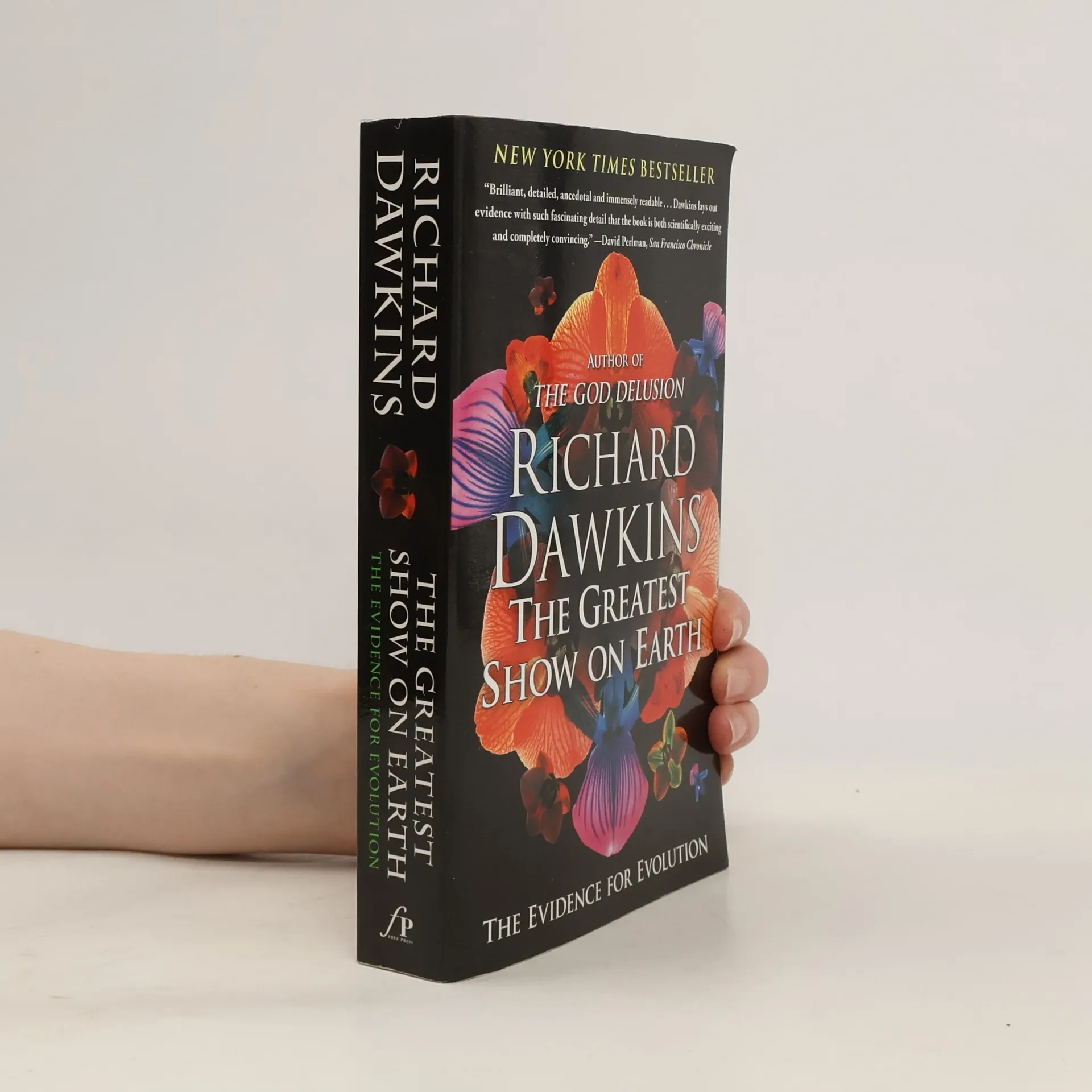
The greatest show on earth. The evidence for evolution
- 470pagine
- 17 ore di lettura
Richard Dawkins transformed our view of God in his blockbuster, The God Delusion, which sold more than 2 million copies in English alone. He revolutionized the way we see natural selection in the seminal bestseller The Selfish Gene. Now, he launches a fierce counterattack against proponents of "Intelligent Design" in his latest New York Times bestseller, The Greatest Show on Earth. "Intelligent Design" is being taught in our schools; educators are being asked to "teach the controversy" behind evolutionary theory. There is no controversy. Dawkins sifts through rich layers of scientific evidence—from living examples of natural selection to clues in the fossil record; from natural clocks that mark the vast epochs wherein evolution ran its course to the intricacies of developing embryos; from plate tectonics to molecular genetics—to make the airtight case that "we find ourselves perched on one tiny twig in the midst of a blossoming and flourishing tree of life and it is no accident, but the direct consequence of evolution by non-random selection." His unjaded passion for the natural world turns what might have been a negative argument, exposing the absurdities of the creationist position, into a positive offering to the reader: nothing less than a master’s vision of life, in all its splendor.
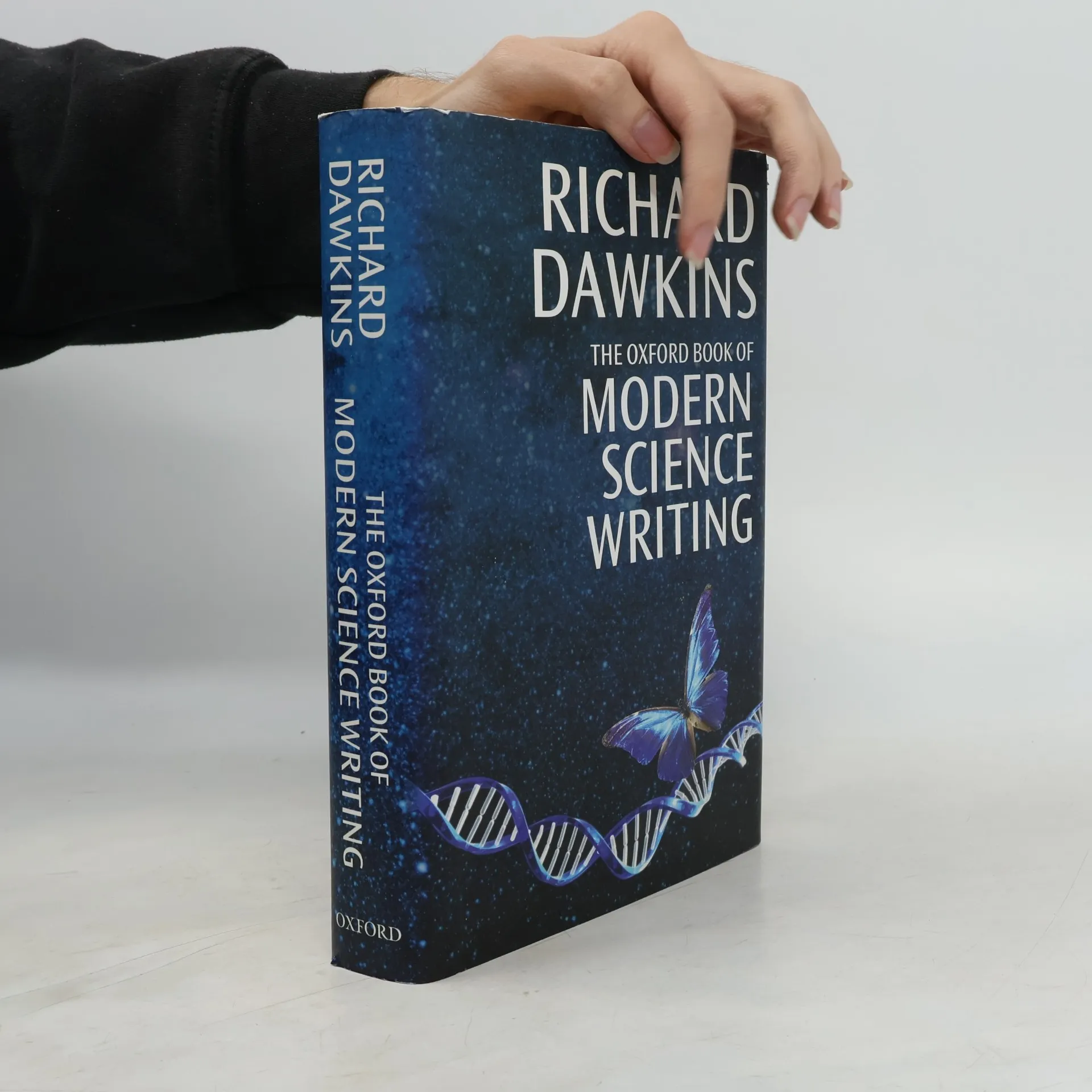
Boasting almost one hundred pieces, The Oxford Book of Modern Science Writing is a breathtaking celebration of the finest writing by scientists--the best such collection in print--packed with scintillating essays on everything from "the discovery of Lucy" to "the terror and vastness of the universe."
People commonly view evolution as a process of competition between individuals—known as “survival of the fittest”—with the individual representing the “unit of selection.” Richard Dawkins offers a controversial reinterpretation of that idea in The Extended Phenotype, now being reissued to coincide with the publication of the second edition of his highly-acclaimed The Selfish Gene. He proposes that we look at evolution as a battle between genes instead of between whole organisms. We can then view changes in phenotypes—the end products of genes, like eye color or leaf shape, which are usually considered to increase the fitness of an individual—as serving the evolutionary interests of genes.Dawkins makes a convincing case that considering one’s body, personality, and environment as a field of combat in a kind of “arms race” between genes fighting to express themselves on a strand of DNA can clarify and extend the idea of survival of the fittest. This influential and controversial book illuminates the complex world of genetics in an engaging, lively manner.
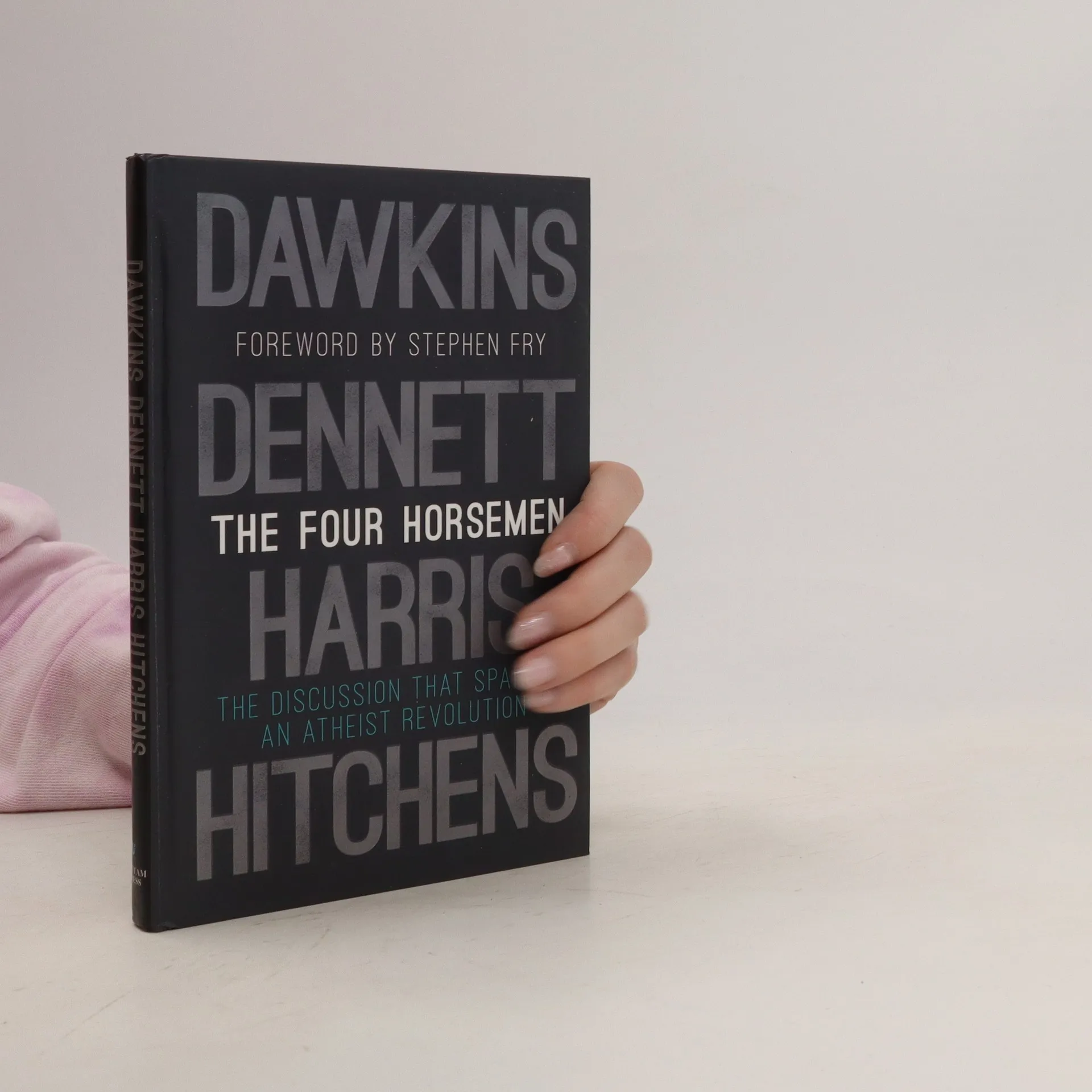
The four horsemen : the discussion that sparked an atheist revolution
- 160pagine
- 6 ore di lettura
Known as the "four horsemen" of the New Atheism, four thinkers of the twenty-first century met only once. Their examination of ideas was wide-ranging. Everything that was said as they agreed and disagreed with one another, interrogated ideas and exchanged insights about religion and atheism, science and sense speaks to our present age. The dialogue was recorded, and is transcribed and presented in this book
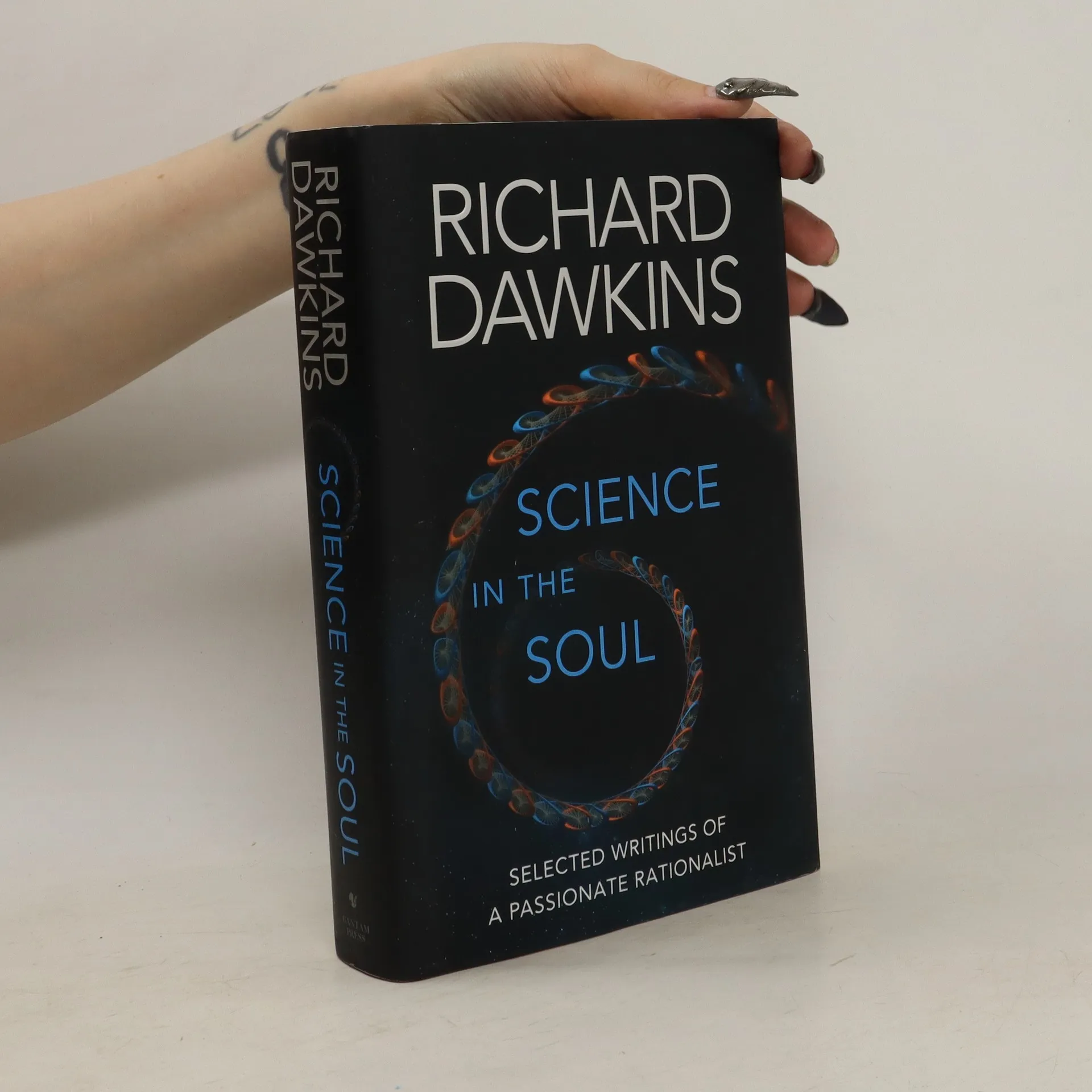
Science in the Soul
- 448pagine
- 16 ore di lettura
NEW YORK TIMES BESTSELLER. Richard Dawkins - author of The Selfish Gene, The Blind Watchmaker, and The God Delusion - is one of science's greatest communicators. This anthology of more than forty pieces is a kaleidoscopic argument for the power and the glory of science. Breathtaking, brilliant and passionate, these essays, journalism, lectures and letters make an unanswerable case for the wonder of scientific discovery and its power to stir the imagination; for the practical necessity of scientific endeavour to society; and for the importance of the scientific way of thinking - particularly in today's 'post-truth' world. With an introduction and new commentary by the author, subjects range from evolution and Darwinian natural selection to the role of scientist as prophet, whether science is itself a religion, the probability of alien life in other worlds, and the beauties, cruelties and oddities of earthly life in this one. Alongside the explications, the celebrations and the controversies are wonderfully funny ventures into satire and parody, and moving personal reflections in memory and honour of others. Science in the Soul is a sparkling showcase for Professor Dawkins' rapier wit, the clarity, precision and vigour he brings to an argument, the beauty of his prose, the depth of his feeling and his capacity for joy.
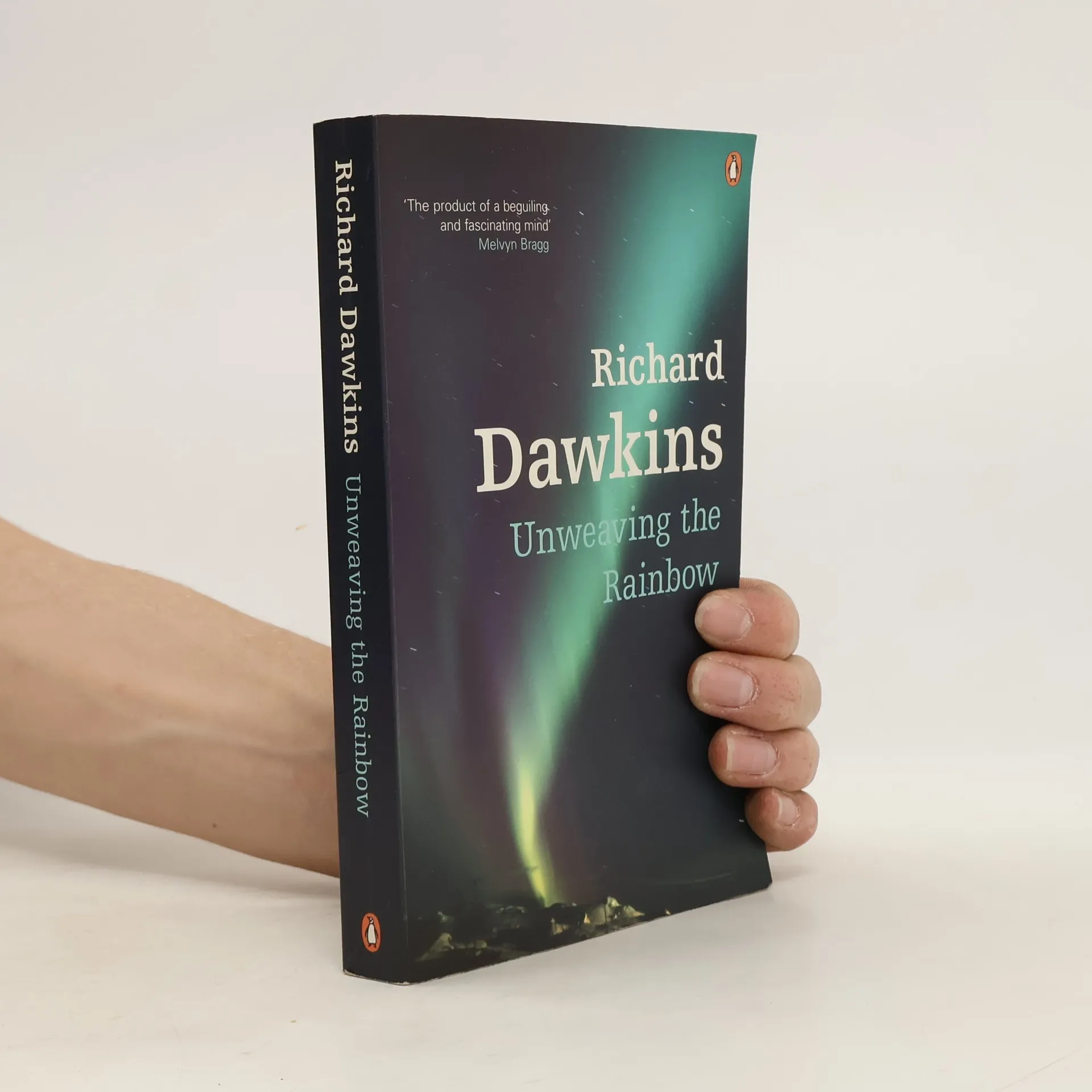
Unweaving the Rainbow
- 352pagine
- 13 ore di lettura
Richard Dawkins is one of the most outspoken scientists in Britain, and is the bestselling author of The Selfish Gene. With this book, he aims to show how science can, if properly understood, enhance our knowledge and experience of the world.
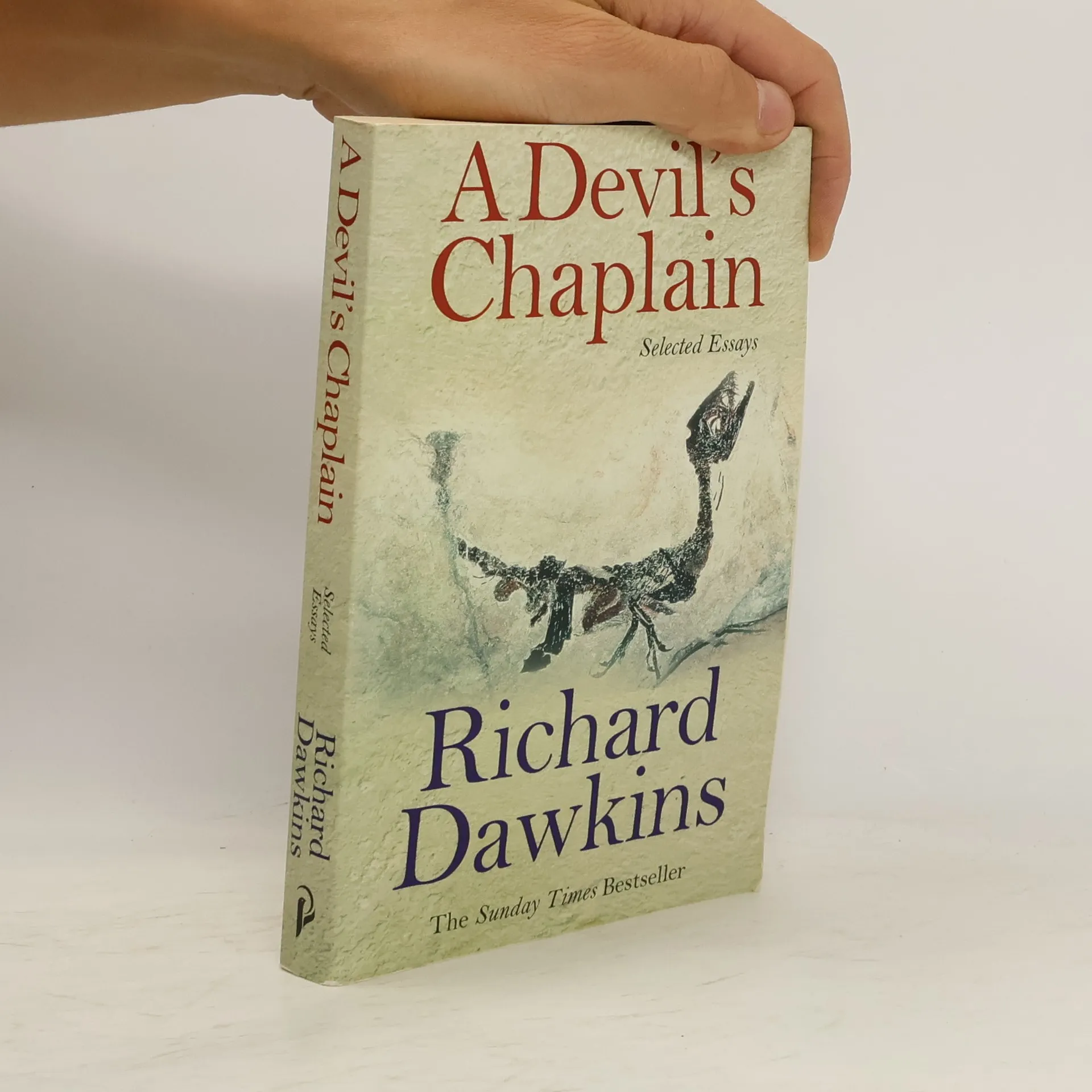
A Devil's Chaplain. Selected essays
- 304pagine
- 11 ore di lettura
Richard Dawkins is one of the finest minds in science, and in this superb collection of essays and letters, he demonstrates the depth of his knowledge and the rich variety of his interests. Whether he is examining postmodernism or the Human Genome Project, penning a letter to his daughter, or writing a moving eulogy to Douglas Adams and e-mailing Stephen Jay Gould, Dawkins writes with an intellectual vigour and grace that is second to none. This is a very human collection that shows not only the acuity of Dawkins' scientific mind, but also his sense of humour and the warmth of his relationships with friends and family.
Outgrowing God: a beginner's guide
- 304pagine
- 11 ore di lettura
Should we believe in God? This book explains why we shouldn't. In twelve chapters that address some of the most profound questions human beings confront, Dawkins marshals science, philosophy and comparative religion to interrogate the hypocrisies of all the religious systems and explain to readers of all ages how life emerged without a creator, how evolution works and how our world came into being
At the time of his death from cancer on 1 March 2001, journalist and broadcaster John Diamond had completed six chapters of what was to be "an uncomplimentary look at the world of complementary medicine". These chapters, based on his own experience and on researched fact, which were emailed each week to his editors at Random House, are both personal and poignant, hard hitting and controversial, tackling the issues raised by alternative medicine with total candour and his usual wit. The second half of this book features some of the best of Diamond's writing, including a selection of emails to colleagues and friends, articles from "The Times" and the "Jewish Chronicle" and other publications, together with excerpts from his final notebook. For seven years he wrote an immensely popular weekly column in "The Times" which, following his diagnosis with cancer, was given over to following the progress of the disease. As well as gaining him a Columnist of the Year award, it resulted in an avalanche of mail from thousands of his readers.
Books do Furnish a Life
- 480pagine
- 17 ore di lettura
'A rich feast of his essays, reviews, forewords, squibs and conversations, in which talent and passion are married to deep knowledge.' Matt Ridley 'Enjoy the unfailing clarity of his thought and prose, as well as the grandeur of his vision of life on Earth.' - Mark Cocker, Spectator 'Richard Dawkins is a thunderously gifted science writer.' Sunday Times Including conversations with Neil DeGrasse Tyson, Steven Pinker, Matt Ridley and more, this is an essential guide to the most exciting ideas of our time and their proponents from our most brilliant science communicator. Books Do Furnish a Life is divided by theme, including celebrating nature, exploring humanity, and interrogating faith. For the first time, it brings together Richard Dawkins' forewords, afterwords and introductions to the work of some of the leading thinkers of our age - Carl Sagan, Lawrence Krauss, Jacob Bronowski, Lewis Wolpert - with a selection of his reviews to provide an electrifying celebration of science writing, both fiction and non-fiction. It is also a sparkling addition to Dawkins' own remarkable canon of work. Plenty of other scientists write well, but no one writes like Dawkins... here is Dawkins the teacher, the scholar, the polemicist, the joker, the aesthete, the poet, the satirist, the man of compassion as well as indignation, the slayer of superstition and, above all, the scientist. - Areo Magazine
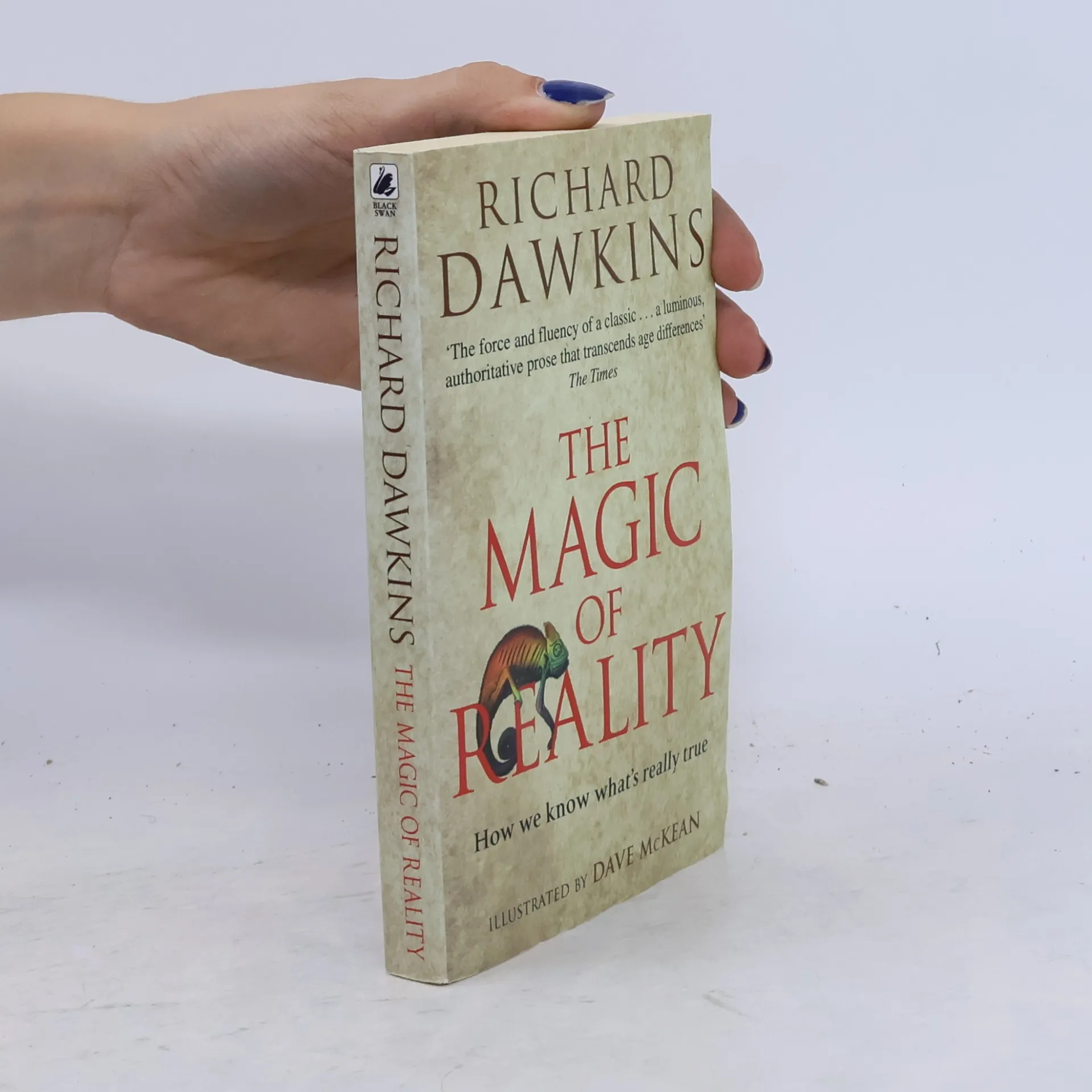
Magic takes many forms. The ancient Egyptians explained the night by suggesting that the goddess Nut swallowed the sun. The Vikings believed a rainbow was the gods' bridge to earth. These are magical, extraordinary tales. But there is another kind of magic, and it lies in the exhilaration of discovering the real answers to these questions. It is the magic of reality - science. Packed with inspiring explanations of space, time and evolution, laced with humour and clever thought experiments, The Magic of Reality explores a stunningly wide range of natural phenomena. What is stuff made of? How old is the universe? What causes tsunamis? Who was the first man, or woman? This is a page-turning, inspirational detective story that not only mines all the sciences for its clues but primes the reader to think like a scientist too. Richard Dawkins elucidates the wonders of the natural world to all ages with his inimitable clarity and exuberance in a text that will enlighten and inform for generations to come.
How did the replication bomb we call "life" begin, and where is it heading in the universe? With characteristic wit and clarity, Richard Dawkins tackles this ancient mystery, being recognized as a leading voice in Darwinian evolution. He posits that all living beings are vehicles of information, primarily designed to propagate their DNA. In this exploration, Dawkins describes evolution as a dynamic river of genes that interact, compete, and sometimes diverge to create new species. Through captivating stories about bees, orchids, and human ancestors, he addresses intriguing questions: Why are forest trees tall when shorter ones might survive better? Why is the sex ratio balanced despite fewer males being needed? Why do we inherit genes for fatal diseases? He proposes that our last universal ancestor was likely more akin to an Adam than an African Eve. By reverse engineering, he examines the purpose of life and emphasizes gradualism in evolution, countering the notion that every part of an organism must function perfectly. The engaging narrative serves a broader purpose, illustrating the nature of scientific reasoning and the challenges scientists face in explaining life, revealing how our assumptions and cultural "isms" can mislead us.
Pocket Penguins - 6: The View from Mount Improbable
- 57pagine
- 2 ore di lettura
Inspired by the intricate wonders of the natural world, leading science writer Richard Dawkins argues that evolution is the only known possible theory that could solve the mystery of our existence. In this extract from Climbing Mount Improbable, published by Penguin in 1997, Dawkins considers the human eye, revealing how the slow but remorseless process of natural selection has led to incredible complexity and diversity.
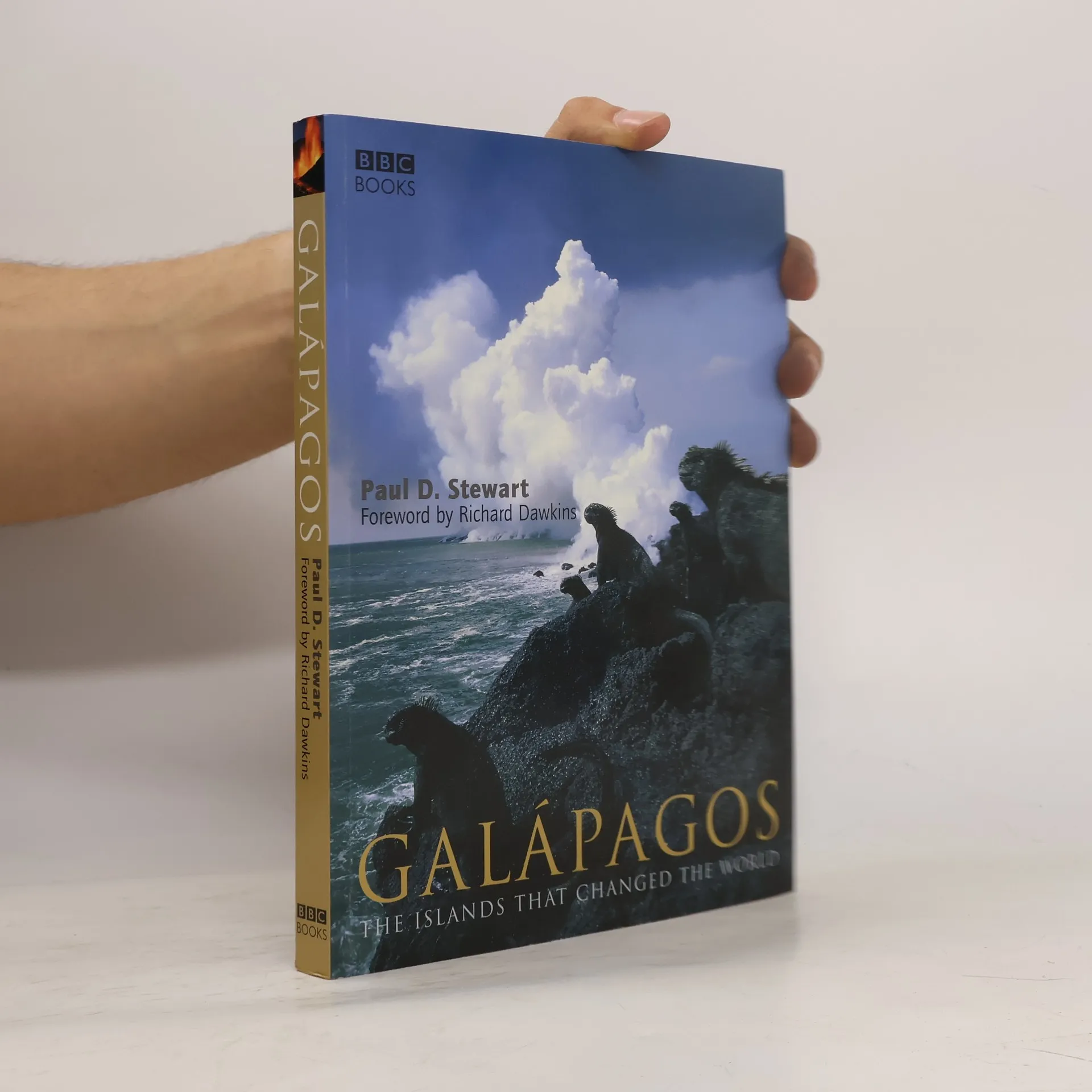
The Galapagos archipelago is made up of thirteen main islands and more than sixty other islets, rocks and reefs, scattered over four hundred kilometres of open ocean. Sitting at a confluence of four major ocean currents, the islands are actually the summits of vast undersea volcanoes, and are steadily on the march. How has such an odd assortment of life managed to find a footing in this unruly world? Micro-climates and altitude have combined to form discrete environmental zones: perfect habitats for the islands diverse fauna marine iguanas, petrels, blue-footed boobies and giant tortoises being but a famous few. Galapagos is a rare insight into an incredible landscape, a natural laboratory and an exquisite evolutionary habitat that Darwin described as a 'world within itself'. Both fragile and furious, the Galapagos is unlike any other place on earth.
What words come to mind when we think of God? Merciful? Just? Compassionate? In fact, the Bible lays out God’s primary qualities clearly: jealous, petty, unforgiving, bloodthirsty, vindictive—and worse! Originally conceived as a joint presentation between influential thinker and bestselling author Richard Dawkins and former evangelical preacher Dan Barker, this unique book provides an investigation into what may be the most unpleasant character in all fiction. Barker combs through both the Old and New Testament (as well as thirteen different editions of the “Good Book”), presenting powerful evidence for why the Scripture shouldn’t govern our everyday lives. This witty, well-researched book suggests that we should move past the Bible and clear a path to a kinder and more thoughtful world.
The God Delusion
- 463pagine
- 17 ore di lettura
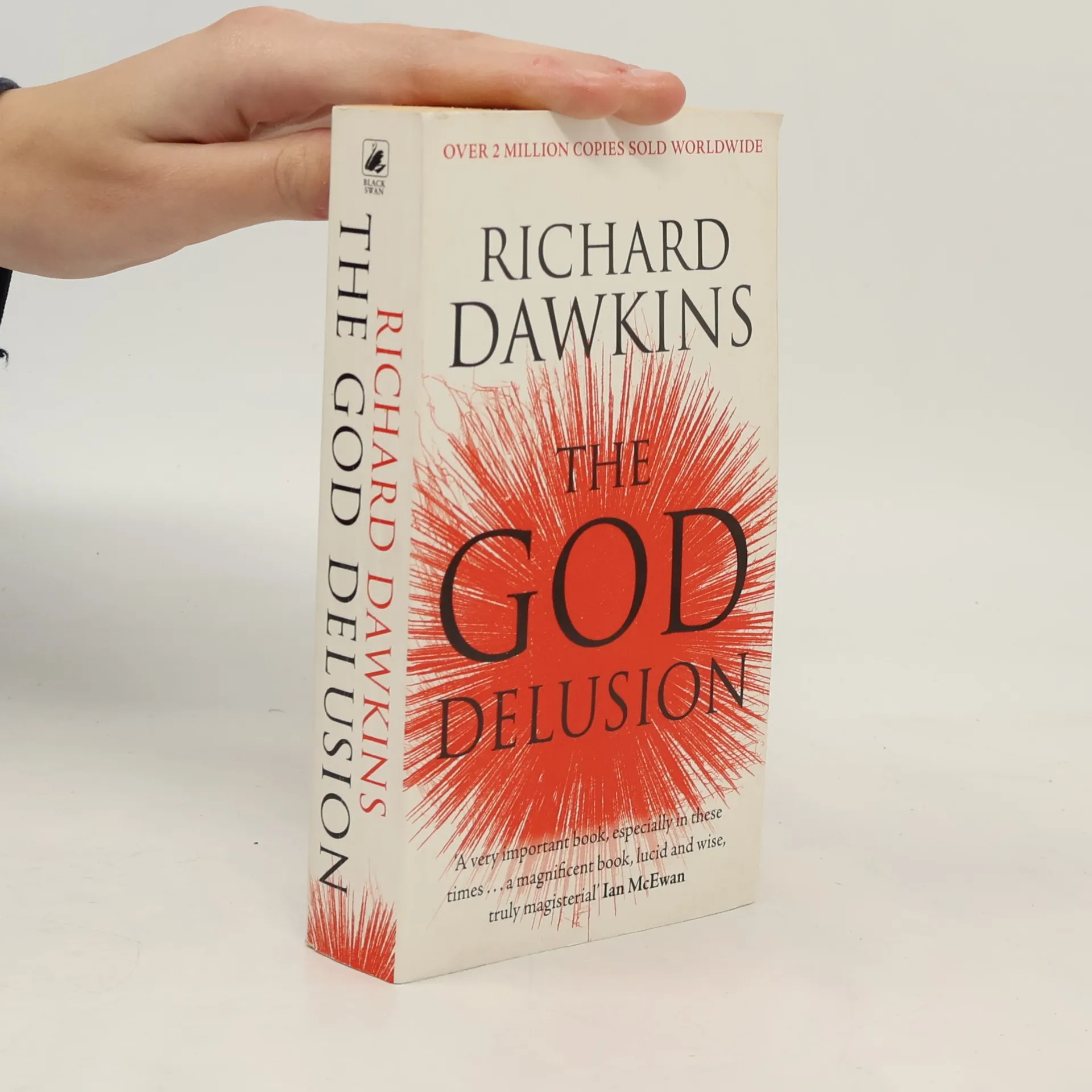
The God Delusion caused a sensation when it was published in 2006. Within weeks it became the most hotly debated topic, with Dawkins himself branded as either saint or sinner for presenting his hard-hitting, impassioned rebuttal of religion of all types. His argument could hardly be more topical. While Europe is becoming increasingly secularized, the rise of religious fundamentalism, whether in the Middle East or Middle America, is dramatically and dangerously dividing opinion around the world. In America, and elsewhere, a vigorous dispute between 'intelligent design' and Darwinism is seriously undermining and restricting the teaching of science. In many countries religious dogma from medieval times still serves to abuse basic human rights such as women's and gay rights. And all from a belief in a God whose existence lacks evidence of any kind. Dawkins attacks God in all his forms. He eviscerates the major arguments for religion and demonstrates the supreme improbability of a supreme being. He shows how religion fuels war, foments bigotry and abuses children. The God Delusion is a brilliantly argued, fascinating polemic that will be required reading for anyone interested in this most emotional and important subject.
The meme machine
- 264pagine
- 10 ore di lettura
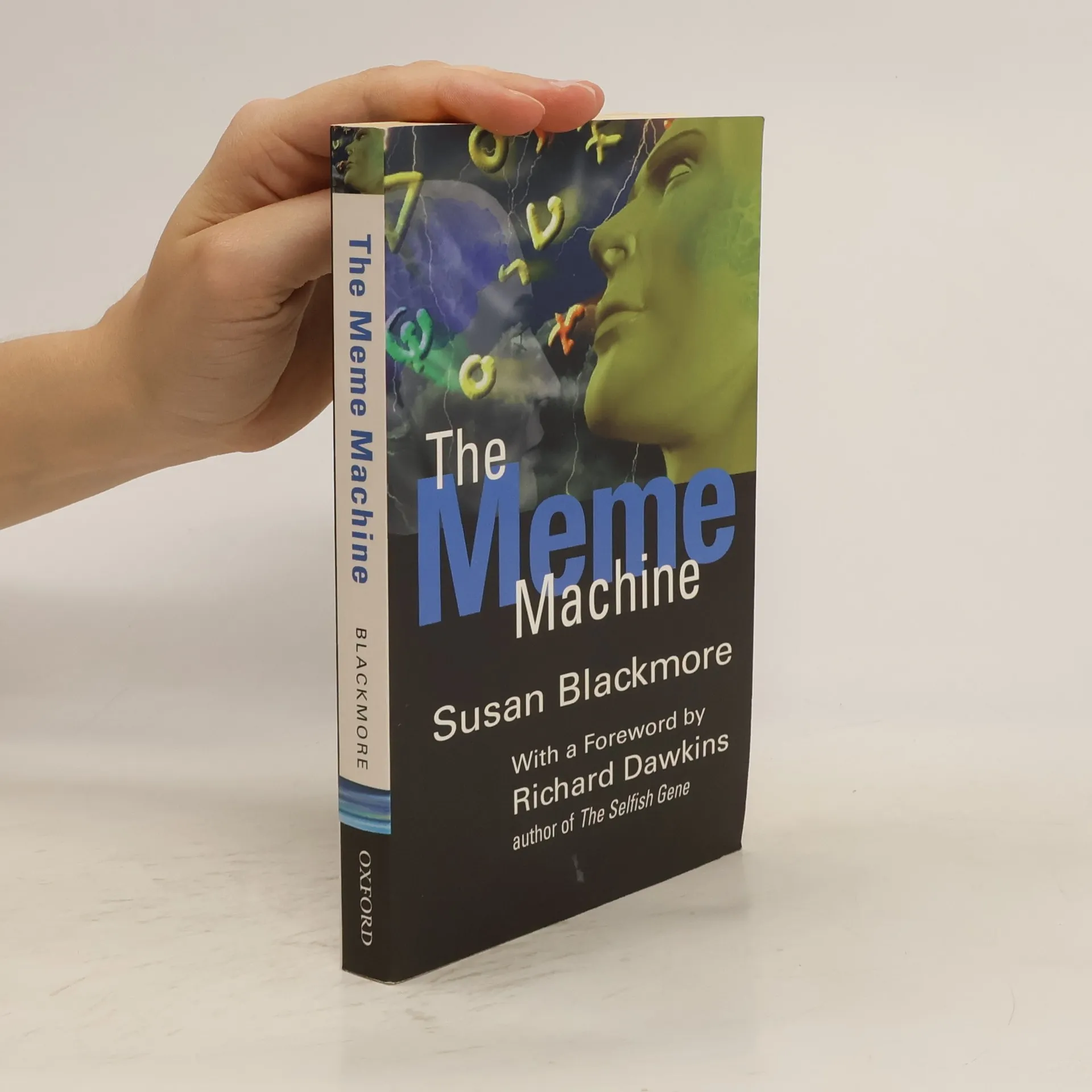
Humans are extraordinary creatures, with the unique ability among animals to imitate and so copy from one another ideas, habits, skills, behaviours, inventions, songs, and stories. These are all memes, a term first coined by Richard Dawkins in 1976 in his book The Selfish Gene. Memes, like genes, are replicators, and this enthralling book is an investigation of whether this link between genes and memes can lead to important discoveries about the nature of the inner self.Confronting the deepest questions about our inner selves, with all our emotions, memories, beliefs, and decisions, Susan Blackmore makes a compelling case for the theory that the inner self is merely an illusion created by the memes for the sake of replication.
Brief candle in the dark : my life in science
- 464pagine
- 17 ore di lettura
In this continuation of his memoir, Richard Dawkins explores the second half of his life, reflecting on key individuals, institutions, and ideas that have inspired him. He vividly recounts his twenty-five years teaching at Oxford, blending humor and anecdotes while paying tribute to colleagues and students. Dawkins captures the essence of an establishment rich in tradition and ritual, highlighting its commitment to learning and discovery. He shares the life of a traveling scientist, detailing fieldwork on the Panama Canal and attending prestigious conferences alongside prominent scientific figures. His experiences with publishers, television producers, and debate partners are also chronicled, particularly during the impactful period following the release of The God Delusion in 2006, which established him as a leading voice in atheism. Most notably, he revisits his evolving ideas about science throughout his distinguished career as a thinker, teacher, and writer. This memoir invites readers into a world of constant discovery and introduces a captivating array of exceptional characters, all brought to life through Dawkins' engaging narrative style.
An appetite for wonder : the making of a scientist
- 308pagine
- 11 ore di lettura
Born to parents who were enthusiastic naturalists, and linked through his wider family to a clutch of accomplished scientists, Richard Dawkins was bound to have biology in his genes. But what were the influences that shaped his life? And who inspired him to become the pioneering scientist and public thinker now famous (and infamous to some) around the world? In An Appetite for Wonder we join him on a personal journey from an enchanting childhood in colonial Africa, through the eccentricities of boarding school in England, to his studies at the University of Oxfordâe(tm)s dynamic Zoology Department, which sparked his radical new vision of Darwinism, The Selfish Gene. Through Dawkinsâe(tm)s honest self-reflection, touching reminiscences and witty anecdotes, we are finally able to understand the private influences that shaped the public man who, more than anyone else in his generation, explained our own origins.
Oxford Illustrated Science Encyclopedia
- 448pagine
- 16 ore di lettura
The leading science encyclopedia explaining the achievements and progress of science, now fully revised and updated. Major updates include:- The advent of SARS- Extended coverage of cloning- Extended coverage of GM food- Extended coverage of digital camerasOther updates include: Jupiter's moons reach 50; crash of space shuttle Columbia; disappearance of element 118- Wide-ranging coverage encompassing the physical, chemical and biological sciences- Science at the cutting edge - Human Genome Project, BSE, evolving robots, global warming, laser-guided missiles, nanotechnology...
The God Delusion - 10th Anniversary Edition
- 476pagine
- 17 ore di lettura
Ako sa veci majú
- 252pagine
- 9 ore di lettura
Knihu s podtitulom Sprievodca myšlienkami modernej vedy zostavili editori J. Brockman a K. Matsonová so širokým záberom tém - od fyziky ku kozmológii, od biológie k antropológii, od filozofie k psychológii. Nájdeme tu eseje autorov: Marian Stamp Dawkinsonová, Mary Catherine Batesonová, Richard Dawkins, Paul Davies, P. W. Atkins, Robert Shapiro, Jack Cohen, Lewis Wolpert, Lynn Margulisová, Stephen Jay Gould, Patrick Bateson, Steve Jones, Peter Ward, Anne Fausto-Sterlingová, Daniel C. Dennett, Hao Wang, Wiliam H. Calvin, Michael S. Gazzaniga, Pascal Boyer, Nicholas Humphrey, Roger C. Schank, Dan Sperber, Steven Rose, David Gelernter, Sherry Turkleová, Lee Smolin, Alan H. Guth, Ian Stewart, W. Daniel Hillis, Freeman Dyson, Joel E. Cohen, Niles Eldredge, Martin Rees.
Myseľ, telo, stroj
- 218pagine
- 8 ore di lettura
Počnúc Platónom si filozofi kladú otázku, čo je poznanie. Ako poznávame vonkajší svet pohybov, objektov a farieb? Ako poznávame vnútorný svet predstáv, vier a želaní? A ako tieto dva svety spolu súvisia? Človek poznáva mysľou, ale čo je myseľ? Ako možno zistiť, čo sa v nej deje? Aký je vzťah medzi mysľou a telom? Ako svet v nás súvisí so svetom okolo nás? Kniha Myseľ, telo, stroj predstavuje deviatich filozofov a vedcov - R. Dawkinsa, D. C. Dennetta, R. Van Gulicka, T. Nagela, K. H. Pribrama, R. Rortyho, J. R. Searla, R. M. Smullyana a A. M. Turinga, ktorí významne ovplyvnili súčasné diskusie o týchto problémoch, zamestnávajúcich filozofov už viac ako dvetisíc rokov. Okrem filozofov zaujme aj odborníkov v súvisiacich vedných disciplínach ( biológii, logike, psychológii, umelej inteligencii) a každého, kto slobodne rozmýšľa o tom, akú predstavu si mi ľudia máme vytvoriť o sebe a svojom mieste v prírode.
Záblesk v temnotě
- 480pagine
- 17 ore di lettura
Druhý díl autobiografie nejznámějšího světového evolučního biologa, skeptika a ateisty se soustředí na dobu pozdějších úspěchů, kdy autor pokračuje na cestě intelektuálního vývoje a vědeckého zkoumání. Po vydání prvních knih, které se staly bestselery a přinesly s sebou i neočekávanou celosvětovou slávu, začaly přicházet pozvánky na světové konference a vystupování v televizi. Objevily se ale také první kontroverze, nesouhlas a boj s ignorancí, které však jen přispěly k posílení vlastních názorů a důrazu na otevřenou mysl. Kniha není psána vytvořena chronologicky. Jedná se spíše o řadu vzpomínek psaných s nadhledem, rozdělených tematicky a přerušovaných odbočkami a humornými historkami, jako je například televizní natáčení „taxíkové evoluční teorie“. Znovu se objevuje Oxford a další význačné univerzity – tentokrát jako místa, kde Dawkins vyučuje na profesorských postech. Spolu s autorem cestujeme po celém světě, připojujeme se k vědeckému výzkumu hmyzu v Panamském průplavu, želv na Galapágách či lemurů v Jižní Karolíně. Účastníme se vědecké konference na německém zámku, vystupování v japonské televizi nebo debaty týkající se náboženství na americké jižanské univerzitě.
This explains everything : deep, beautiful, and elegant theories of how the world woks
- 432pagine
- 16 ore di lettura
In This Explains Everything, John Brockman, founder and publisher of Edge.org, asked experts in numerous fields and disciplines to come up with their favorite explanations for everyday occurrences. Why do we recognize patterns? Is there such a thing as positive stress? Are we genetically programmed to be in conflict with each other? Those are just some of the 150 questions that the world's best scientific minds answer with elegant simplicity. With contributions from Jared Diamond, Richard Dawkins, Nassim Taleb, Brian Eno, Steven Pinker, and more, everything is explained in fun, uncomplicated terms that make the most complex concepts easy to comprehend.
Nomad
- 348pagine
- 13 ore di lettura
Wie haben sich Tiere und Pflanzen zu den faszinierenden Lebewesen entwickelt, als die wir sie heute kennen? Und welche Prinzipien der Evolution lassen sich an ihnen ablesen? In seinem neuen Buch erzählt der weltweit bekannteste Wissenschaftsautor 42 fesselnde Geschichten über die »Wunder der Evolution«. Dawkins erkundet darin nicht nur die unergründlichen Verhaltensweisen der Lebewesen. Vielmehr enthüllt er das Außergewöhnliche in jedem von ihnen. Begleitet werden die Geschichten von den wunderschönen Illustrationen des deutschen Zoologen Ernst Haeckel, die Dawkins seit jeher begeistert haben. Nach »Das große Buch der Evolution« das neue farbenprächtige Werk des berühmten Biologen und großen Geschichtenerzählers.
Ullstein Sachbuch: Impulse 2010
Gedanken zu Politik, Kultur und Wissenschaft
- 223pagine
- 8 ore di lettura
Délivré de Dieu
Itinéraire d'un évangéliste devenu militant de l'athéisme - Préface de Richard Dawkins
- 441pagine
- 16 ore di lettura
A quinze ans, Dan Barker a plac sa vie sous le signe de la bible en dcidant de devenir pasteur. Persuad du retour imminent de Jsus, il a parcouru les Etats-Unis et le Mexique pour sauver des mes. Il a vou sa vie Dieu. Et puis, au fil des ans et des prches, il lui est apparu que quelque chose clochait avec les enseignements des vangiles. Il s'est demand comment un Dieu de bont pouvait avoir cr un monde si plein de malheurs et de souffrances. Il a travers toutes les tapes du doute et du questionnement. Il a craint de renoncer un statut qui lui valait le respect de tous. Mais il a finalement rejet la foi pour devenir l'un des plus fervents dfenseurs de la raison et de l'humanisme. Ce n'est pas seulement ce cheminement hors du commun qu'il nous raconte ici. Il expose galement toutes les raisons qu'il y a de rfuter l'existence d'un dieu tel que le dcrivent les religions. Il examine avec acuit toutes les failles du christianisme : incohrences des vangiles, historicit douteuse de Jsus, construction de la lgende de la rsurrection, mensonges des pres de l'Eglise. Il se penche enfin sur les problmes que pose la bible comme source de morale : inefficacit de prceptes absolus et contradictoires, possibilit d'interprtations divergentes, mdiocrit des "modles" proposs. Dlivr de Dieu, Dan Barker s'est trouv dbarrass de croyances absurdes et irrationnelles qui, au final, apportent aux hommes davantage de discorde que de consolation.