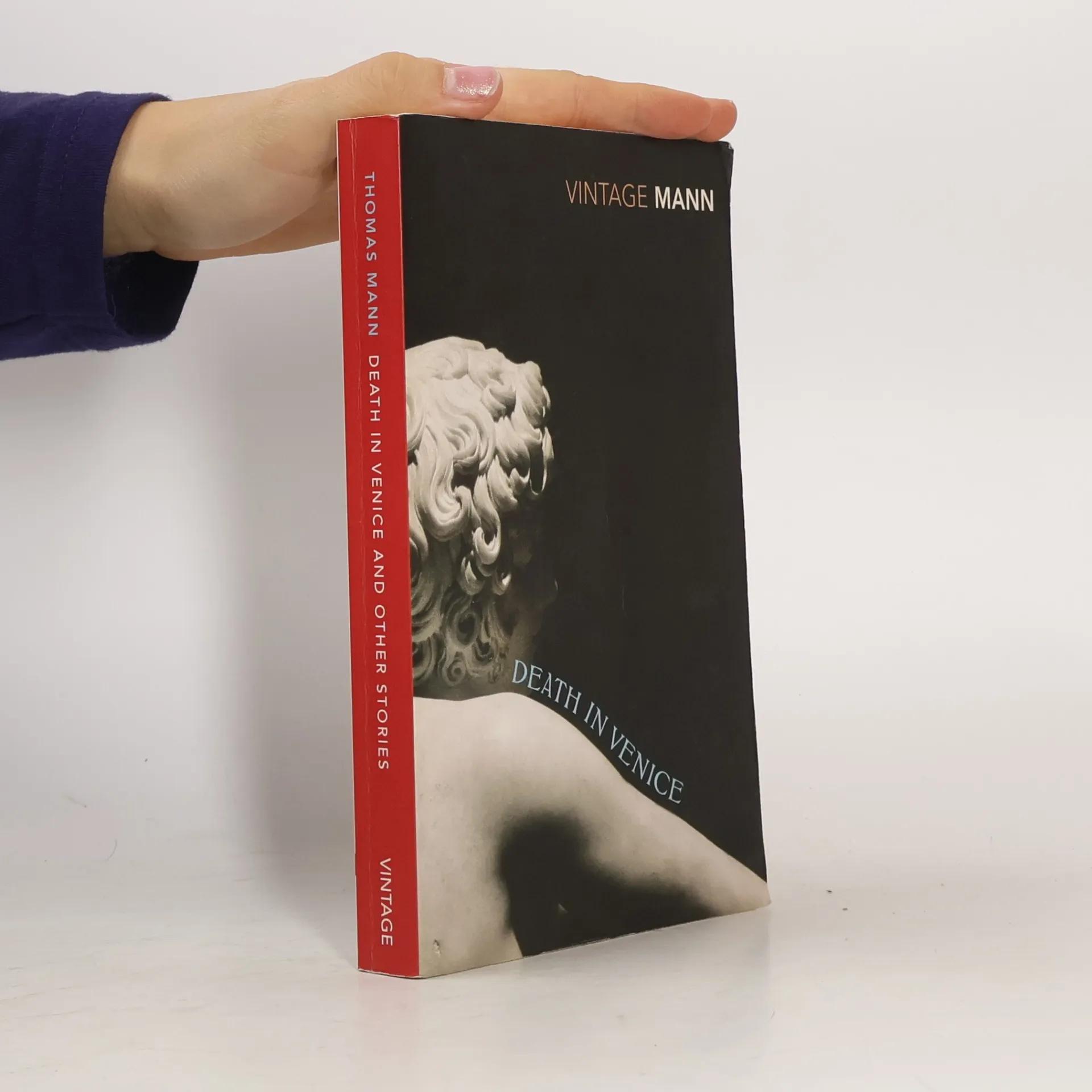
Gustav von Aschenbach is a successful but ageing writer who travels to Venice for a holiday. One day, at dinner, Aschenbach notices an exceptionally beautiful young boy who is staying with his family in the same hotel. Soon his days begin to revolve around seeing this boy and he is too distracted to pay attention to the ominous rumours that have begun to circulate about disease spreading through the city.
David Luke Libri


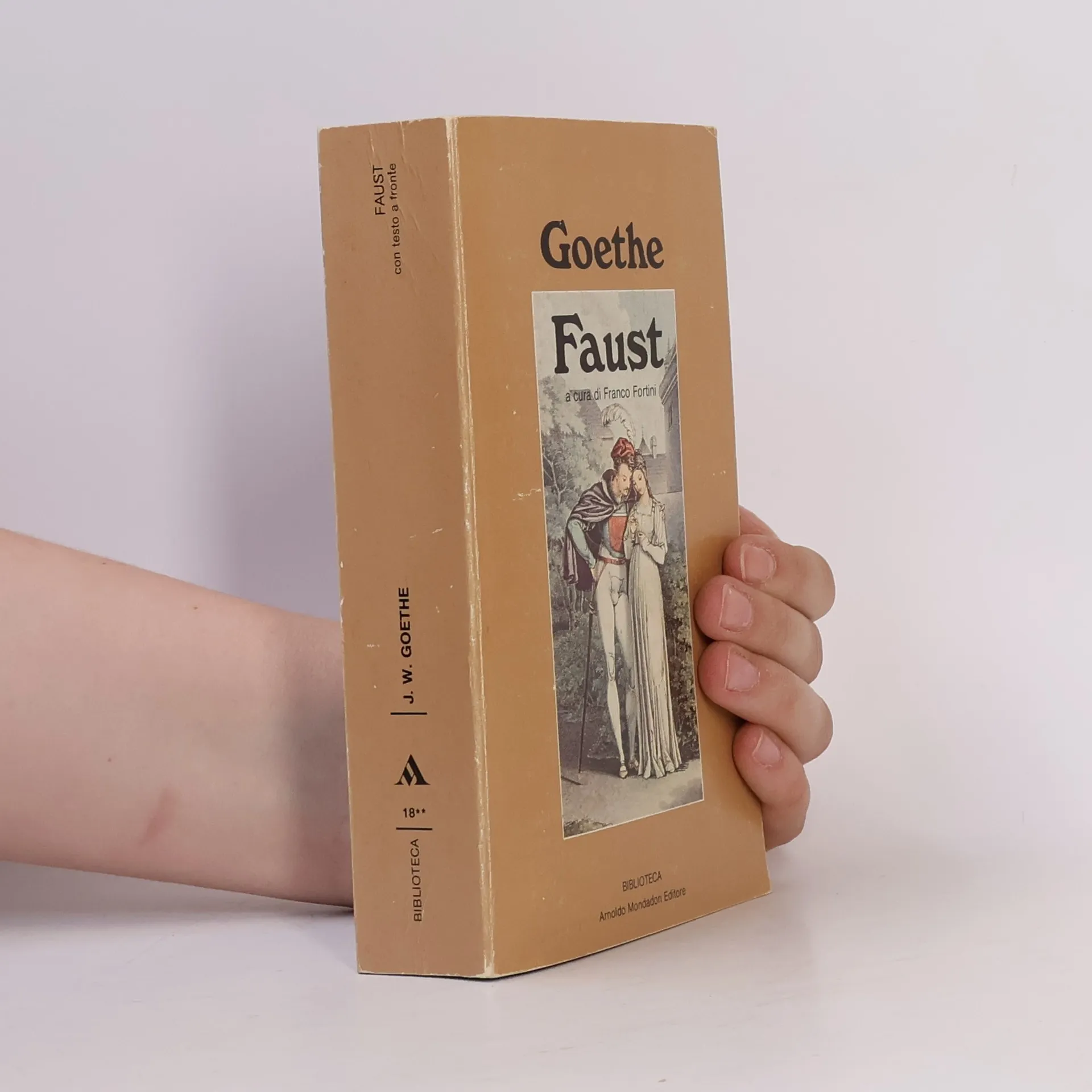
Goethe scrisse per oltre 60 anni il suo Faust, definendo "questi molto seri scherzi" il suo "principale affare". Ne derivò una delle opere più grandiose e complesse della letteratura mondiale, interpretata come tragedia umana, mistero religioso e, in particolare nel Secondo Parte, come una profetica avvertenza sui pericoli dei moderni processi economici. L'opera esplora temi come la ricerca del significato, il conflitto tra il bene e il male, e la tensione tra aspirazioni umane e limiti morali. Attraverso il patto di Faust con Mefistofele, Goethe affronta la questione della conoscenza e del potere, interrogandosi sulle conseguenze delle scelte umane. La narrazione si sviluppa in un contesto ricco di simbolismo e riferimenti culturali, rendendo il testo un'opera fondamentale per comprendere la condizione umana e le sfide del progresso.
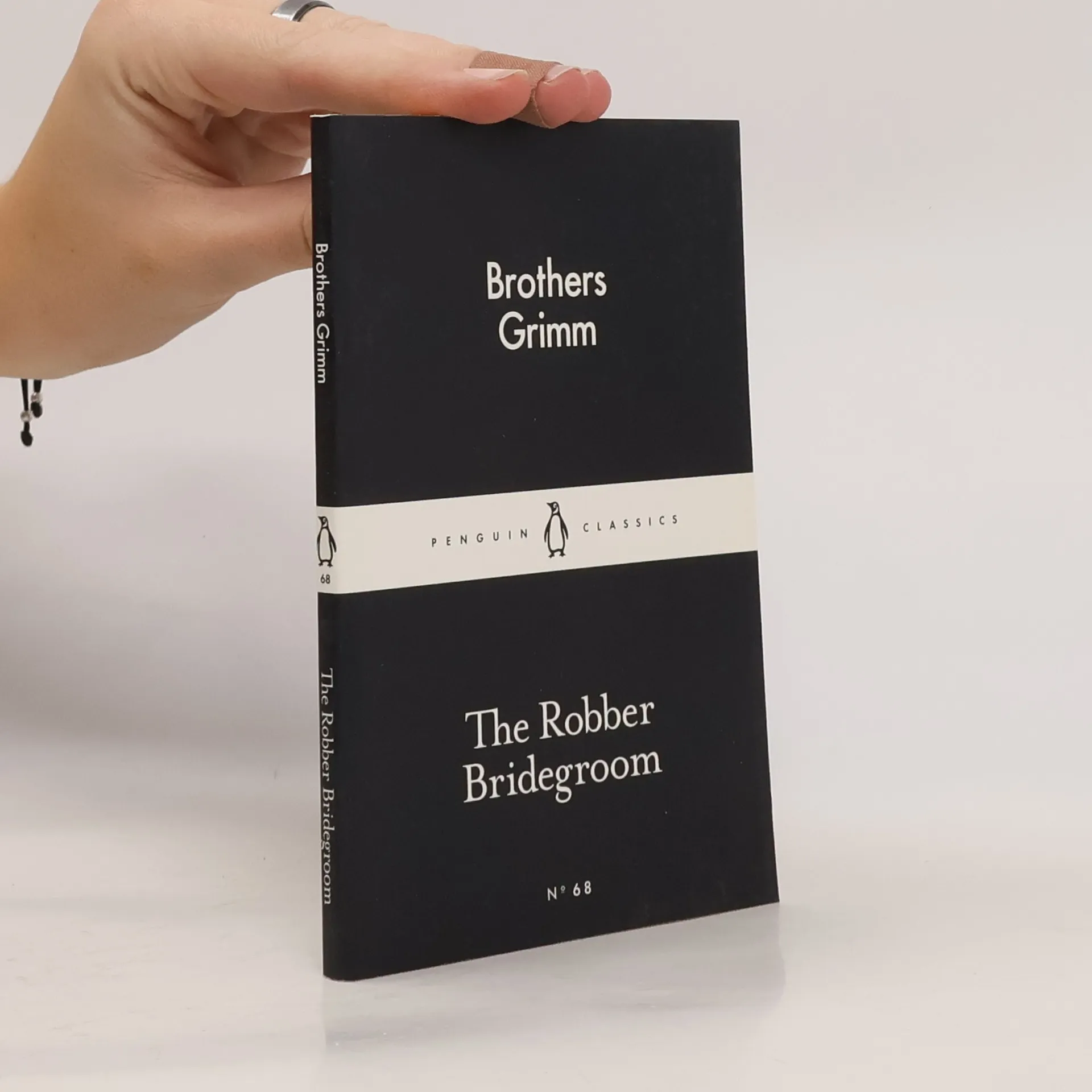
The robber bridegroom
- 60pagine
- 3 ore di lettura
Drawn from German folklore, dark, fantastical fairy tales of wicked deeds, gruesome punishment and just rewards.
Mozart's journey to Prague
- 120pagine
- 5 ore di lettura
Making his way to Prague for the opening of Don Giovanni, Mozart playfully tries to steal an orange from a family garden but he is caught. Soon, he finds himself forgiven and welcomed by the family, and when they reveal it is their daughter's wedding, there can only be one guest of honour - Mozart himself.
One of 60 low-priced classic texts published to celebrate Penguin's 60th anniversary. All the titles are extracts from "Penguin Classics" titles.