

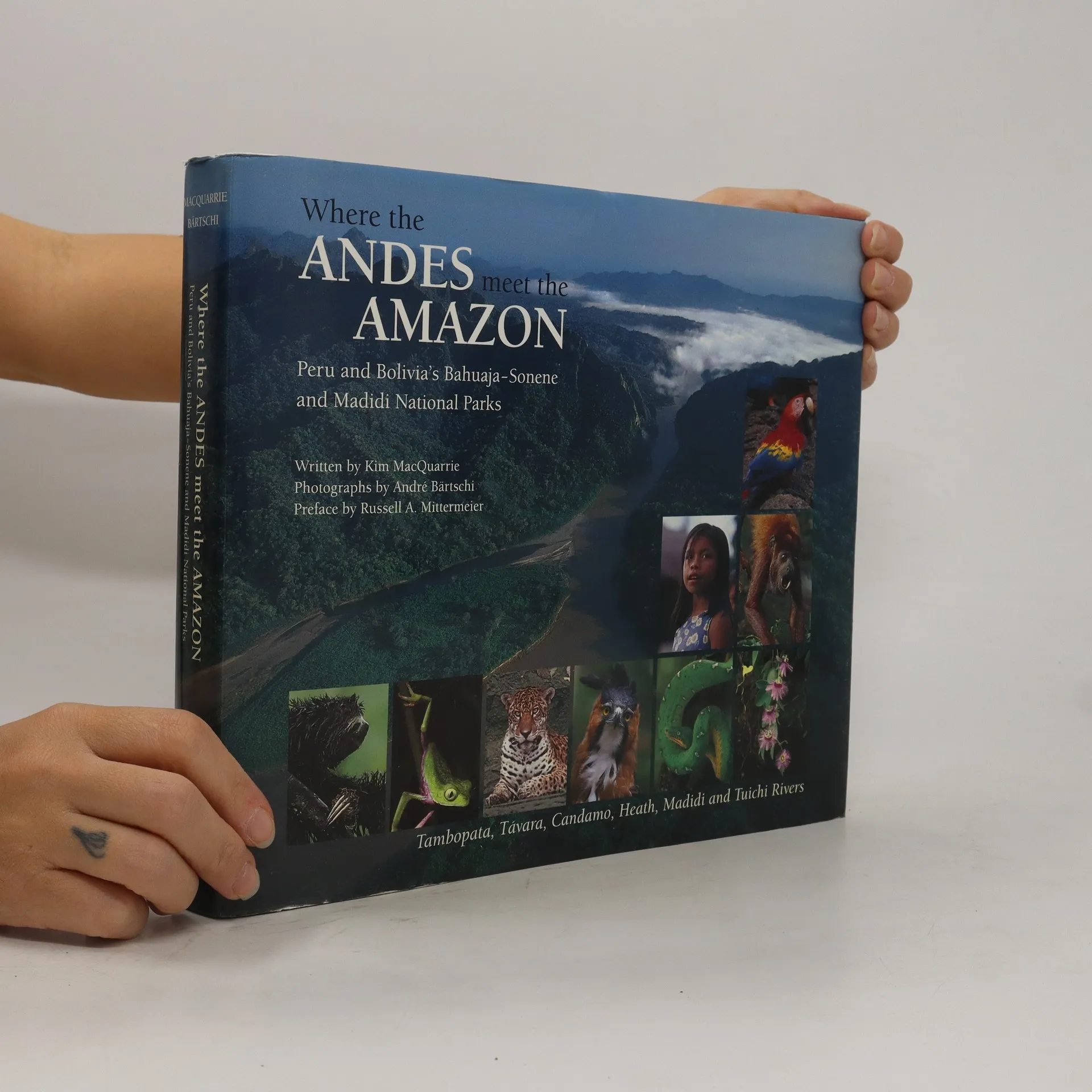
Beautiful and plentiful photographs similar to the two previous books by these authors, photograqphers and Manu & Gold of theAndes
Kim MacQuarrie Libri
Kim MacQuarrie è un autore pluripremiato, documentarista e antropologo le cui opere approfondiscono culture e storie remote. La sua vasta esperienza sul campo in Sud America, vivendo con tribù indigene ed esplorando regioni nascoste, gli offre una prospettiva unica. La scrittura di MacQuarrie si concentra sullo svelare gli incontri drammatici tra civiltà, come l'impatto dell'Impero Inca sulle società moderne. Radicato nella ricerca antropologica e nelle tecniche cinematografiche, il suo stile narrativo offre ai lettori un'esperienza di narrazione avvincente e profondamente informata.
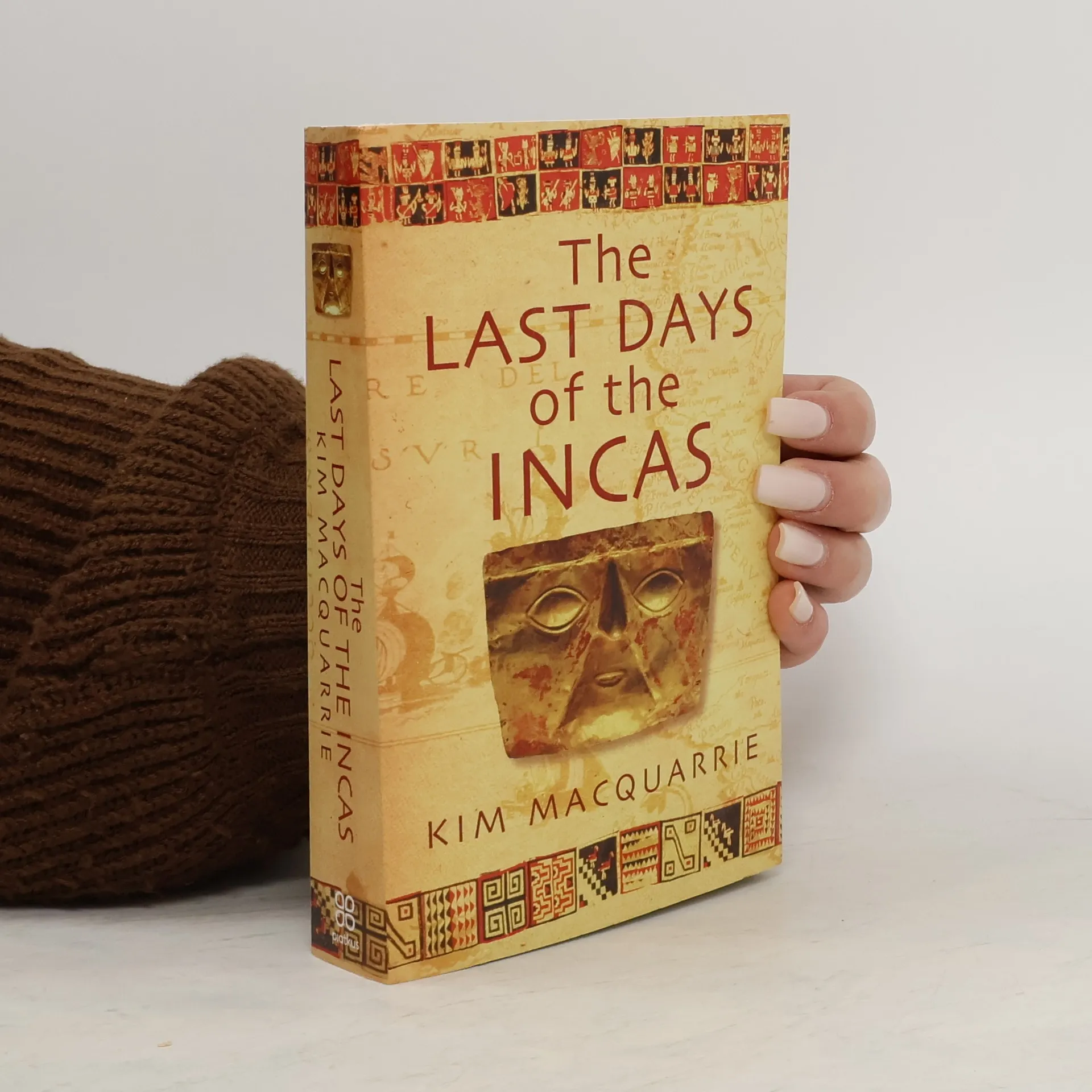
The last days of the Incas
- 522pagine
- 19 ore di lettura
In 1572 the Spanish sacked Vilcabamba, the last Inca stronghold, and the city was rapidly overtaken by the jungle, receding for hundreds of years into legend and myth. This is the story of how Vilcabamba was founded and how the Incas held out against the Spanish for over 30 years in a savage guerrilla war. Hundreds of years later, at the turn of this century an American explorer, Hiram Bingham, stumbled on the ruins of Machu Pichu and announced to the world that he had found Vilcabamba, the lost city of the Incas. For fifty years the academic world agreed with him until in 1967 another American explorer discovered the real Vilcabamba...This is the biography of a city - through history, myth, legend, literature, exploration and archaeology.
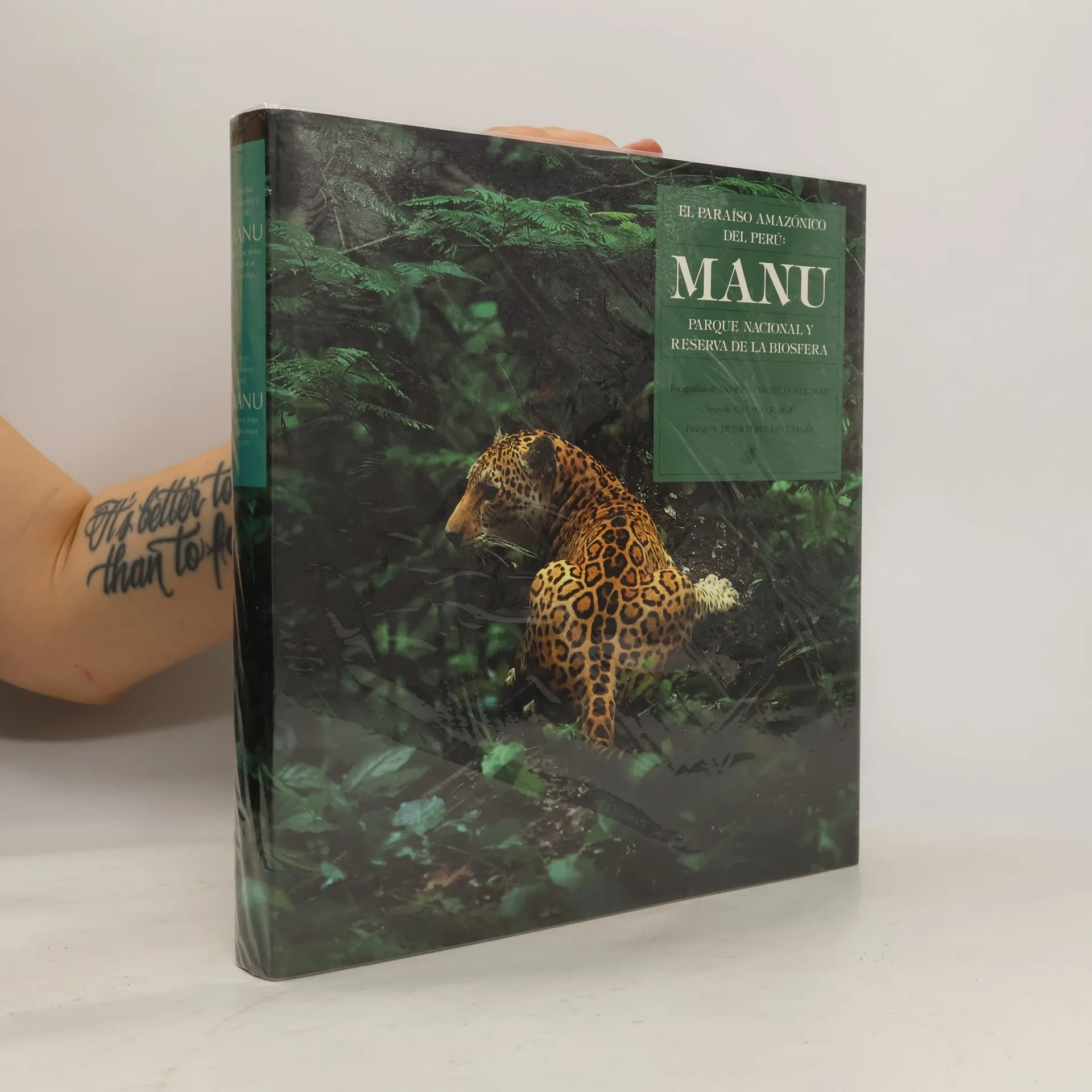
El paraíso amazónico del Perú. Manu
Parque nacional y reserva de la biosfera
- 320pagine
- 12 ore di lettura
The MANU BIOSPHERE RESERVE, the largest tropical rainforest biosphere reserve on earth, lies at the furthest tip of the upper Amazon River in the remote southeastern region of Peru. Only 100 miles (160 kilometers) from the spectacular Inca ruins of Machu Picchu, Manu is unique in that it protects three highly distinct areas: the Puna, a high-altitude tundra-like area characterized by pale yellow ichu grass, isolated blue lakes, and tassel-eared llamas; the cloud forest, a mysterious world bathed in constant mist and inhabited by brilliant red Cock of the Rocks, Spectacled Bears, and numerous dripping tree ferns; and the lowland rainforest, home to the giant Black Caiman, Giant Otter, 13 species of monkeys, and over 1,000 species of birds (10% of the world's total). Although invaded at different times by Inca Indians, Spanish Conquistadors, and Victorian rubber kings, Manu Biosphere Reserve has largely been protected through the centuries by its remote location and the presence of hostile native tribes. Manu currently supports four native ethnic groups, two of which are still uncontacted, and protects 4,646,564 acres (1,881,200 hectares) of land. Almost half the size of Switzerland, Manu is perhaps the most species-rich protected area to be found anywhere on Earth.