

Bookbot

Marc-Antoine Pérouse de Montclos

    Marc-Antoine Pérouse de Montclos, Dottore in Scienze Politiche e Professore presso l'Istituto Francese di Geopolitica dell'Università di Parigi 8, è specializzato in conflitti armati nell'Africa subsahariana. Il suo lavoro approfondisce le cause profonde e le conseguenze di questi conflitti, attingendo a una vasta ricerca sul campo dal suo soggiorno in Nigeria, Sudafrica e Kenya. Attraverso le sue numerose pubblicazioni, offre analisi approfondite delle complesse dinamiche di sicurezza all'interno della regione.

    Une guerre perdue - La France au Sahel
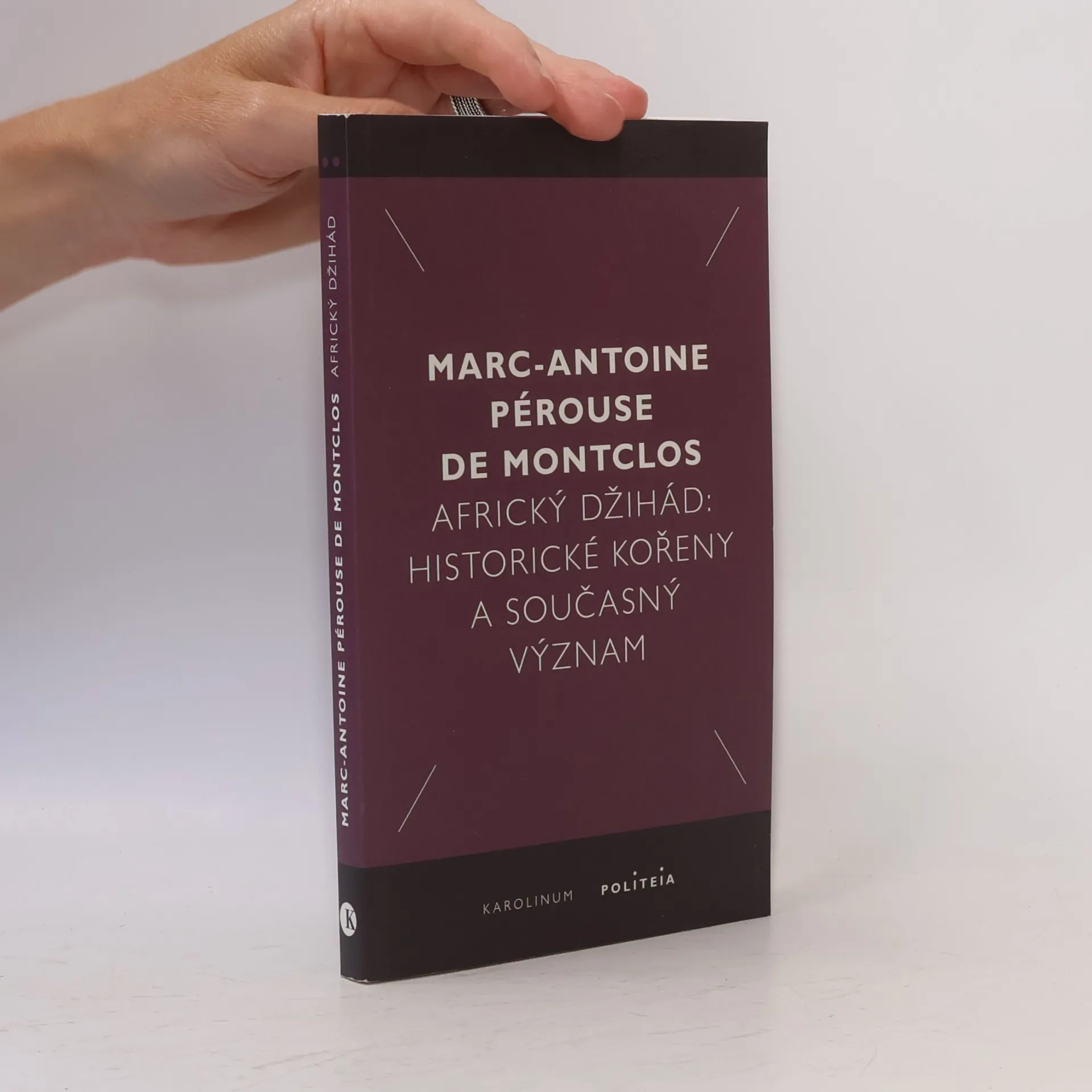
    Africký džihád: Historické kořeny a současný význam
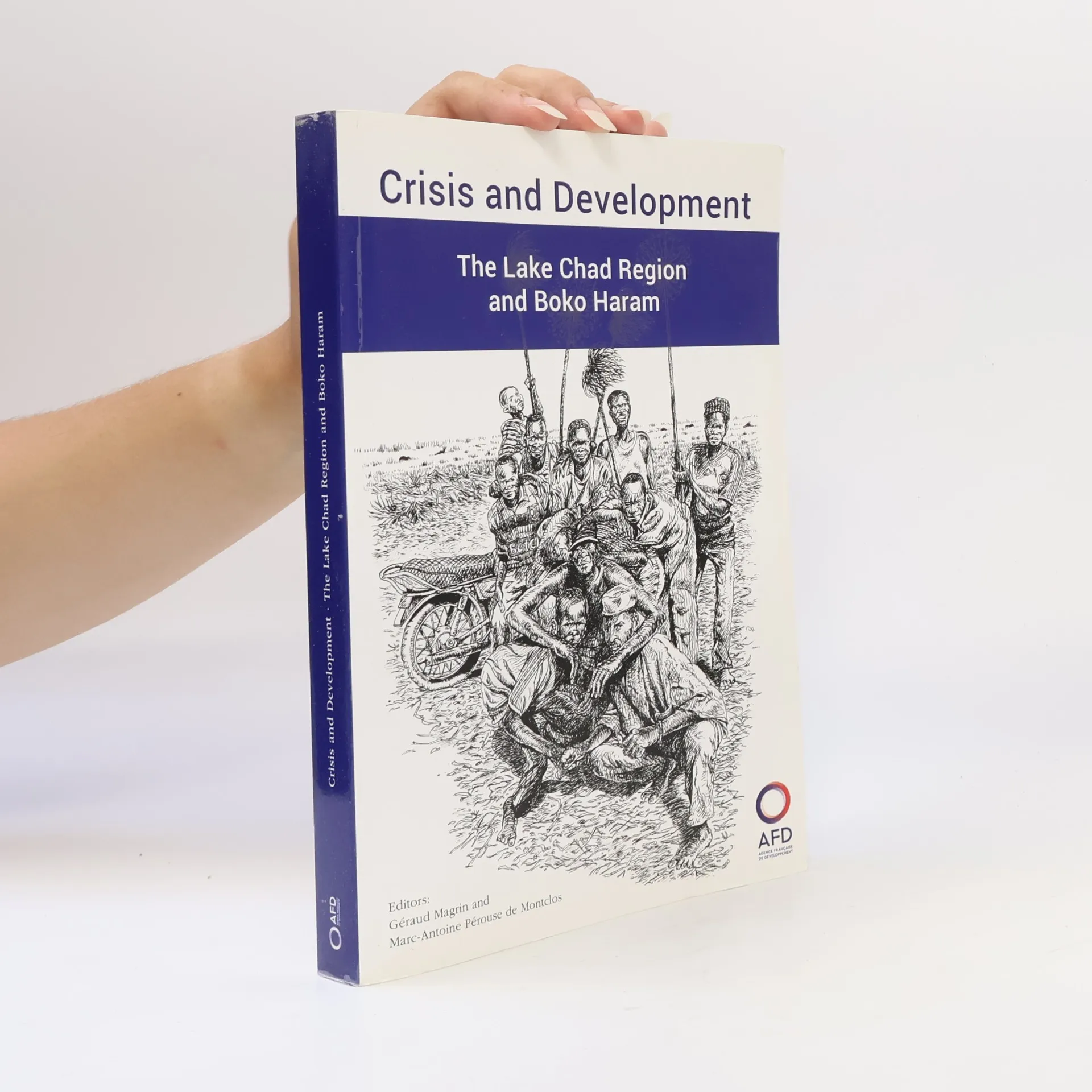
    Crisis and Development
    • Crisis and Development

      The Lake Chad Region and Boko Haram

      From 2009, insecurity linked to the insurgency of the Boko Haram group and its repression spreads from the heart of Nigerian Borno to the north-east of the country and then to the border areas of neighboring countries, Cameroon, Niger and Chad. The crisis has progressively affected the entire region of Lake Chad, one of the great cross-border areas of Sahelian Africa, at the crossroads of Africa savannahs and desert, of West Africa and Central Africa. This study is the first to address the Boko Haram crisis from a perspective transcending the political and linguistic boundaries between English-speaking Nigeria and the three French-speaking countries bordering Lake Chad. Carried out by a multidisciplinary team of seventeen French, British, Cameroonian, Nigerien, Nigerian and Chadian researchers, it considers the Lake Chad region as a system. Its components and their environmental, economic and political interactions are grasped from a diachronic perspective before, during and after the peak of violence. The analysis leads to a prospective reflection considering the next 20 years. Based on the observation that the crisis has shaken the relationship system that made the Lake Chaud region resilient, this reference study aims to shed light on the crucial choices that will define its future development trajectory.

      Crisis and Development
    • Boko Haram v povodí Čadského jezera, hnutí aš-Šabáb v oblasti Afrického rohu nebo stále se přeskupující frakce Al-Káidy v islámském Maghrebu (AKIM), které se ze západoafrického Mali šíří do okolních států. Vývoj radikálních islamistických hnutí v subsaharské Africe v posledních dvou dekádách znepokojuje místní obyvatele i mezinárodní společenství. Kniha přináší vhled do historického a společenského původu džihádistických skupin v Sahelu, regionu, jehož strategický význam v posledních letech stoupá, zejména pro Evropu. Marc-Antoine Pérouse de Montclos vyvrací zavedenou představu o africkém džihádu jako součásti homogenní „teroristické internacionály“ koordinované z Blízkého východu. Na základě náboženských, historických a politologických argumentů představuje výsostně lokální (ne globální) a politickou (nikoli náboženskou) povahu cílů afrických islamistických hnutí i důvodů jejich radikalizace v posledních letech.

      Africký džihád: Historické kořeny a současný význam
      4,0
    • François Hollande avait initialement annoncé que la France n'interviendrait pas au Mali, se limitant à soutenir une éventuelle opération de paix des Nations-Unies à Bamako, où des mutins avaient pris le pouvoir. Cependant, un mois plus tard, l'armée française est intervenue. L'auteur, chercheur spécialisé en questions africaines et djihadisme, écoute les partisans de l'opération Serval, qui balayent toute critique. Marc-Antoine de Montclos met en garde contre le risque de retour aux pratiques de la Françafrique, d'un enlisement, et du danger pour la France, ancienne puissance coloniale, de se substituer à l'État et à l'armée maliens. Il suit l'évolution de l'opération depuis 2013, qui devait être brève mais s'est prolongée avec des conséquences dévastatrices. Le récit officiel évoque une intervention nécessaire face à des djihadistes venant du Nord du Mali, menaçant Bamako et d'autres capitales sahéliennes. La France est la seule à agir, mais quel est le bilan ? Les groupes djihadistes se sont multipliés, les violences intercommunautaires et le banditisme se sont intensifiés. Que doit faire l'armée française ? Rester sans améliorer la situation ou se retirer pour éviter toute responsabilité dans les événements en cours ?

      Une guerre perdue - La France au Sahel