

Bookbot

Daniel W. Daniel Warren Smith

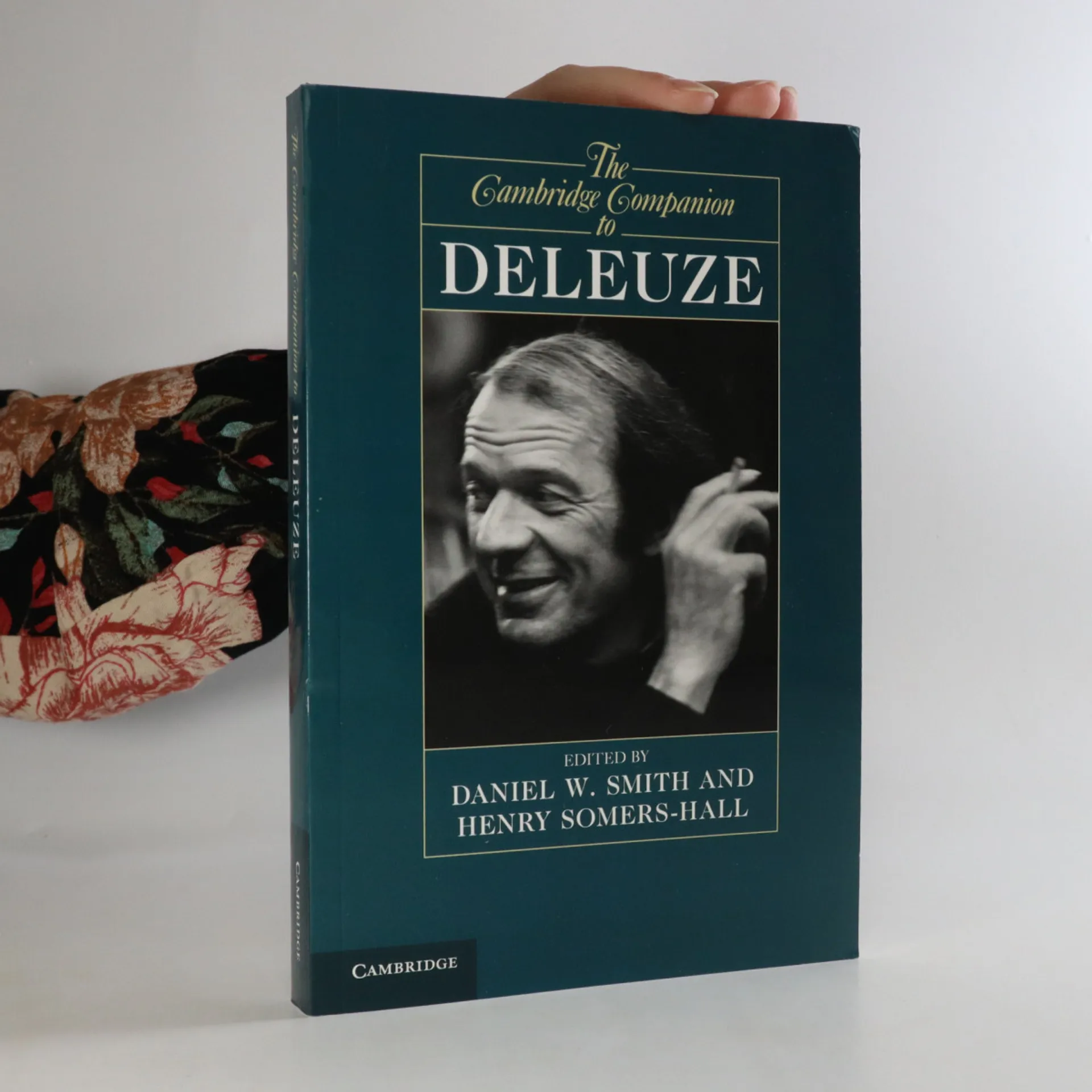
    The Cambridge companion to Deleuze
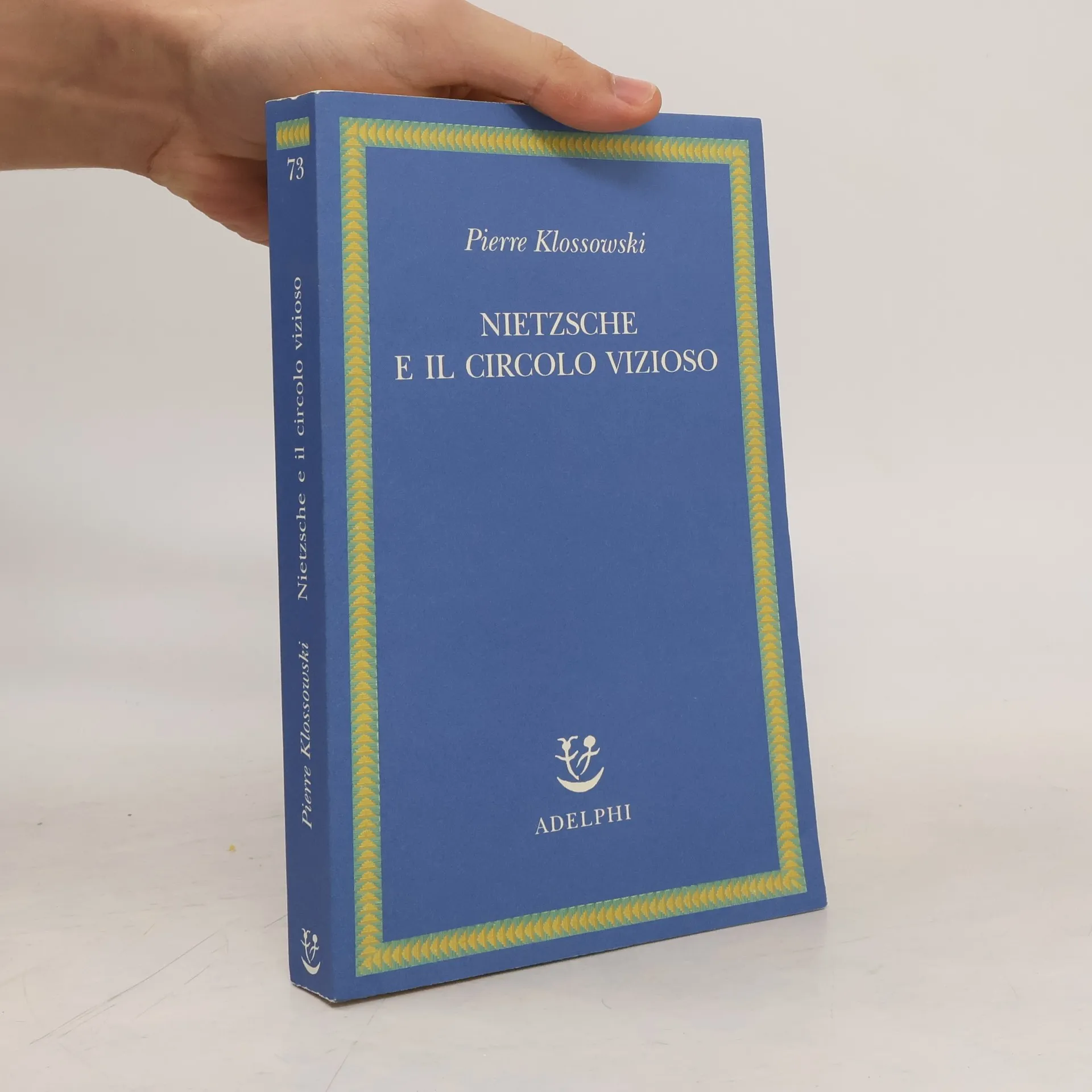
    Saggi. Nuova serie - 73: Nietzsche e il circolo vizioso
    Essays Critical and Clinical
    • Essays Critical and Clinical

      • 280pagine
      • 10 ore di lettura

      The final work of this essential thinker. Essays Critical and Clinical is the final work of the late Gilles Deleuze, one of the most important and vital figures in contemporary philosophy. It includes essays, all newly revised or published here for the first time, on such diverse literary figures as Herman Melville, Walt Whitman, D. H. Lawrence, T. E. Lawrence, Samuel Beckett, Leopold von Sacher-Masoch, Alfred Jarry, and Lewis Carroll, as well as philosophers such as Plato, Spinoza, Kant, Nietzsche, and Heidegger. For Deleuze, every literary work implies a way of living, a form of life, and must be evaluated not only critically but also clinically. As Proust said, great writers invent a new language within language, but in such a way that language in its entirety is pushed to its limit or its own “outside.” This outside of language is made up of affects and precepts that are not linguistic, but which language alone nonetheless makes possible. In Essays Critical and Clinical , Deleuze is concerned with the delirium-the process of Life-that lies behind this invention, as well as the loss that occurs, the silence that follows, when this delirium becomes a clinical state. Taken together, these eighteen essays present a profoundly new approach to literature by one of the greatest twentieth-century philosophers.

      Essays Critical and Clinical
      4,3
    • Questo libro occupa una posizione unica nella vasta serie di scritti su Nietzsche. Con audace fedeltà alla sua idiosincrasia, Klossowski dimostra una straordinaria capacità di percepire i fantasmi ossessivi e di muoversi nell'oscura zona di osmosi tra fisiologia, psicologia e metafisica. Ha creato un libro-labirinto all'interno di un altro labirinto: gli scritti di Nietzsche degli ultimi anni, caratterizzati dall'Eterno Ritorno, dal progetto di un'opera intitolata La volontà di potenza e dai messaggi dell'«euforia di Torino». Le interpretazioni di Nietzsche si dividono su questo punto: si tratta di anni di lucidità crescente o di follia? Klossowski affronta questa questione affermando che il pensiero di Nietzsche «ruota attorno al delirio come attorno al proprio asse». Questo stabilisce una distanza incolmabile tra il suo pensiero e la tradizione filosofica occidentale, segnando un divario iniziale con il Caos. Per mantenere il contatto con la singolarità di Nietzsche, Klossowski sceglie un percorso arduo, lasciandosi trasportare «dal mormorio, dal respiro, dalle esplosioni di collera e di risa» di una prosa unica nella lingua tedesca. Così, più che l'articolazione dei concetti, segue le «fluttuazioni d'intensità» di quella «tonalità dell'anima» che era Nietzsche stesso, intrecciando le parole dell'autore con quelle dell'esegeta in un perpetuo dialogo.

      Saggi. Nuova serie - 73: Nietzsche e il circolo vizioso
      3,8
    • The Cambridge companion to Deleuze

      • 396pagine
      • 14 ore di lettura

      Gilles Deleuze (1925-1995) was an influential and provocative twentieth-century thinker who developed and presented an alternative to the image of thought found in traditional philosophy. This volume offers an extensive survey of Deleuze's philosophy by some of his most influential interpreters. The essays give lucid accounts of the fundamental themes of his metaphysical work and its ethical and political implications. They clearly situate his thinking within the philosophical tradition, with detailed studies of his engagements with phenomenology, post-Kantianism and the sciences, and also his interventions in the arts. As well as offering new research on established areas of Deleuze scholarship, several essays address key themes that have not previously been given the attention they deserve in the English-speaking world.

      The Cambridge companion to Deleuze
      3,9