
Bookbot

Freeman J. Dyson

    15 dicembre 1923 – 28 febbraio 2020

    Freeman Dyson è stato un fisico ed educatore celebrato per le sue speculative esplorazioni sulle civiltà extraterrestri e per i suoi significativi contributi all'elettrodinamica quantistica, alla fisica dello stato solido, all'astronomia e all'ingegneria nucleare. Ha proposto diversi concetti influenti che portano il suo nome, tra cui la trasformazione di Dyson, l'albero di Dyson, la serie di Dyson e la sfera di Dyson. Figlio di un musicista, la passione giovanile di Dyson per la matematica fiorì all'Università di Cambridge. Le sue profonde intuizioni sulla fisica teorica e sulla cosmologia si intrecciarono con una visione lungimirante del futuro dell'umanità tra le stelle.

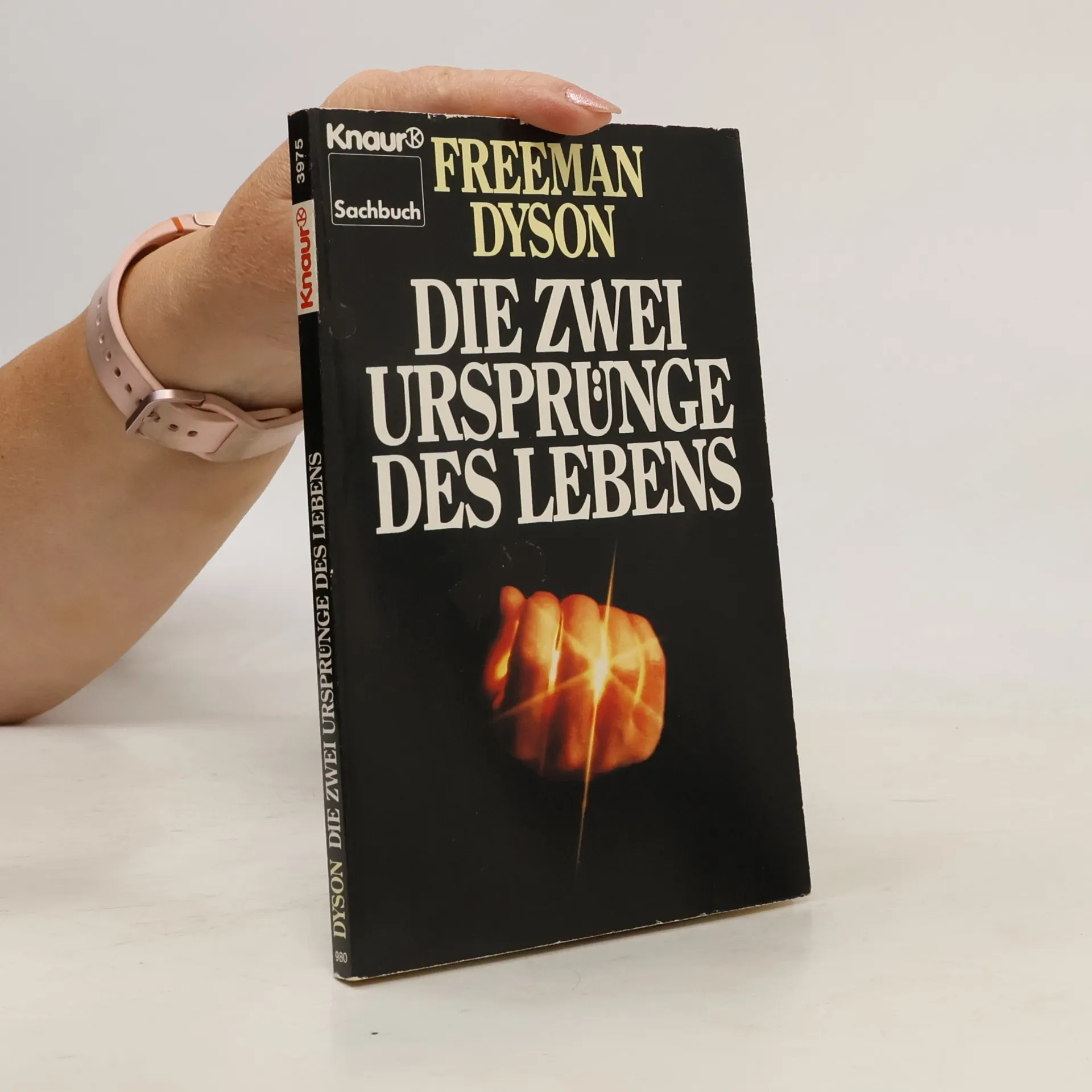
    Die zwei Ursprünge des Lebens
    Leben, was ist das?
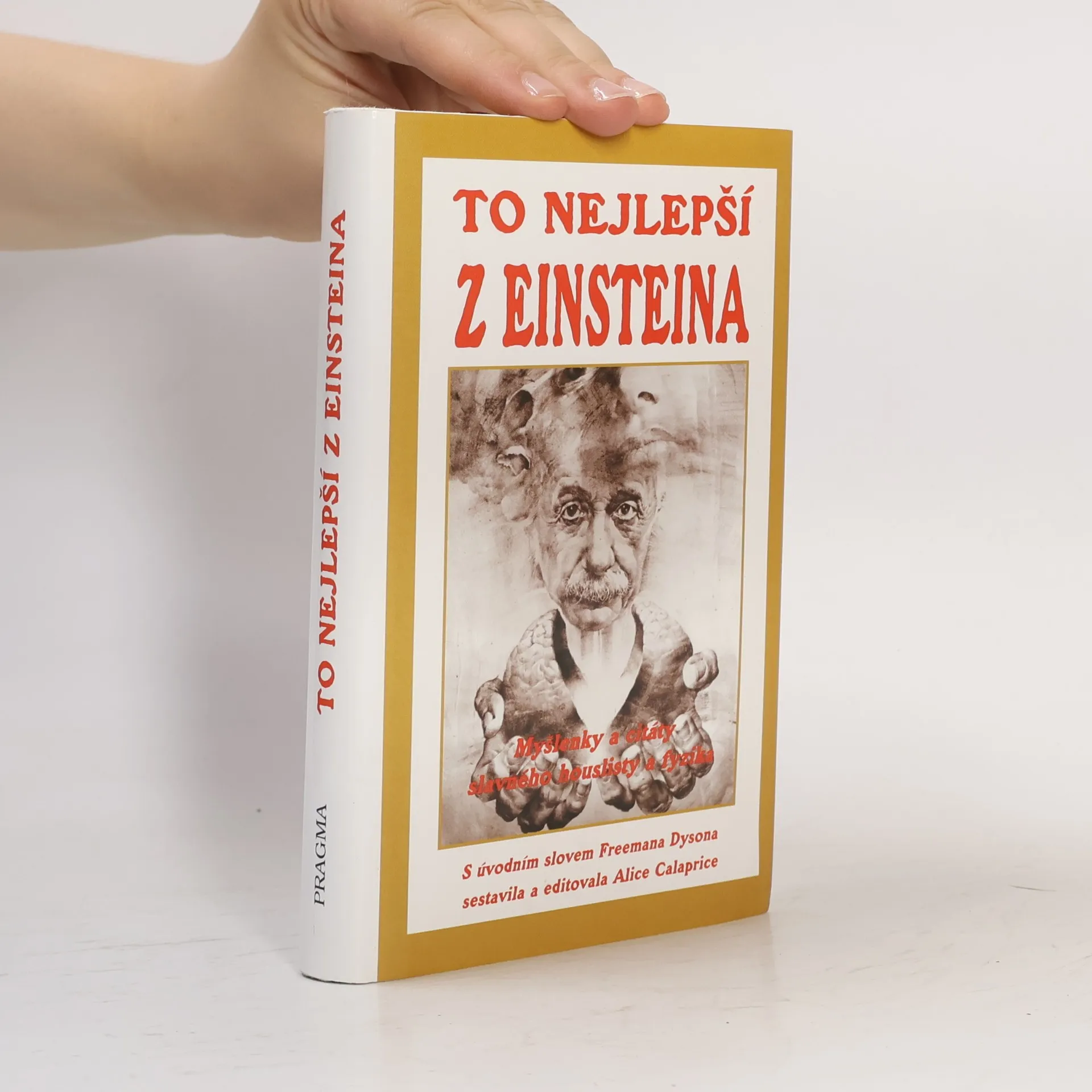
    To nejlepší z Einsteina. Myšlenky a citáty slavného houslisty a fyzika
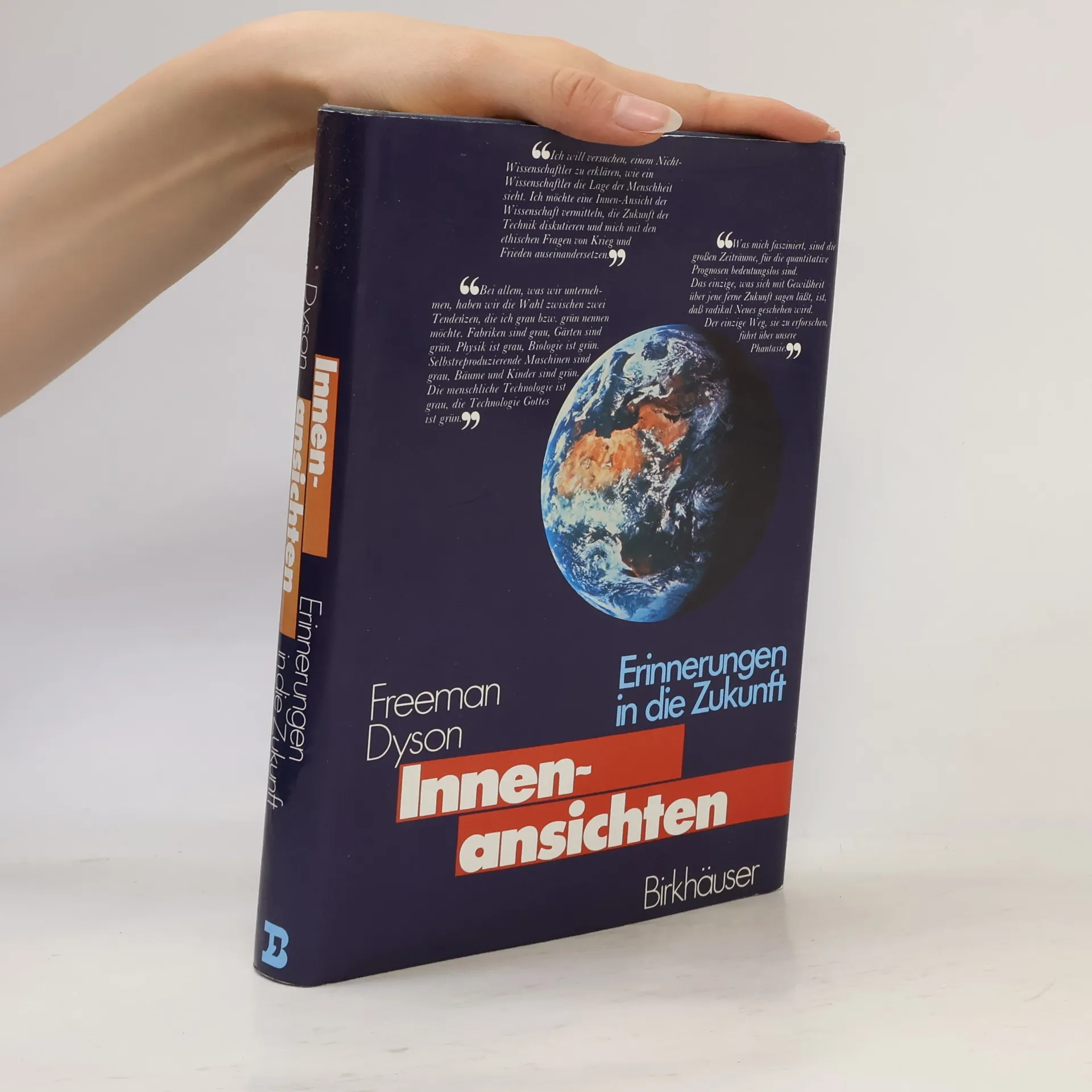
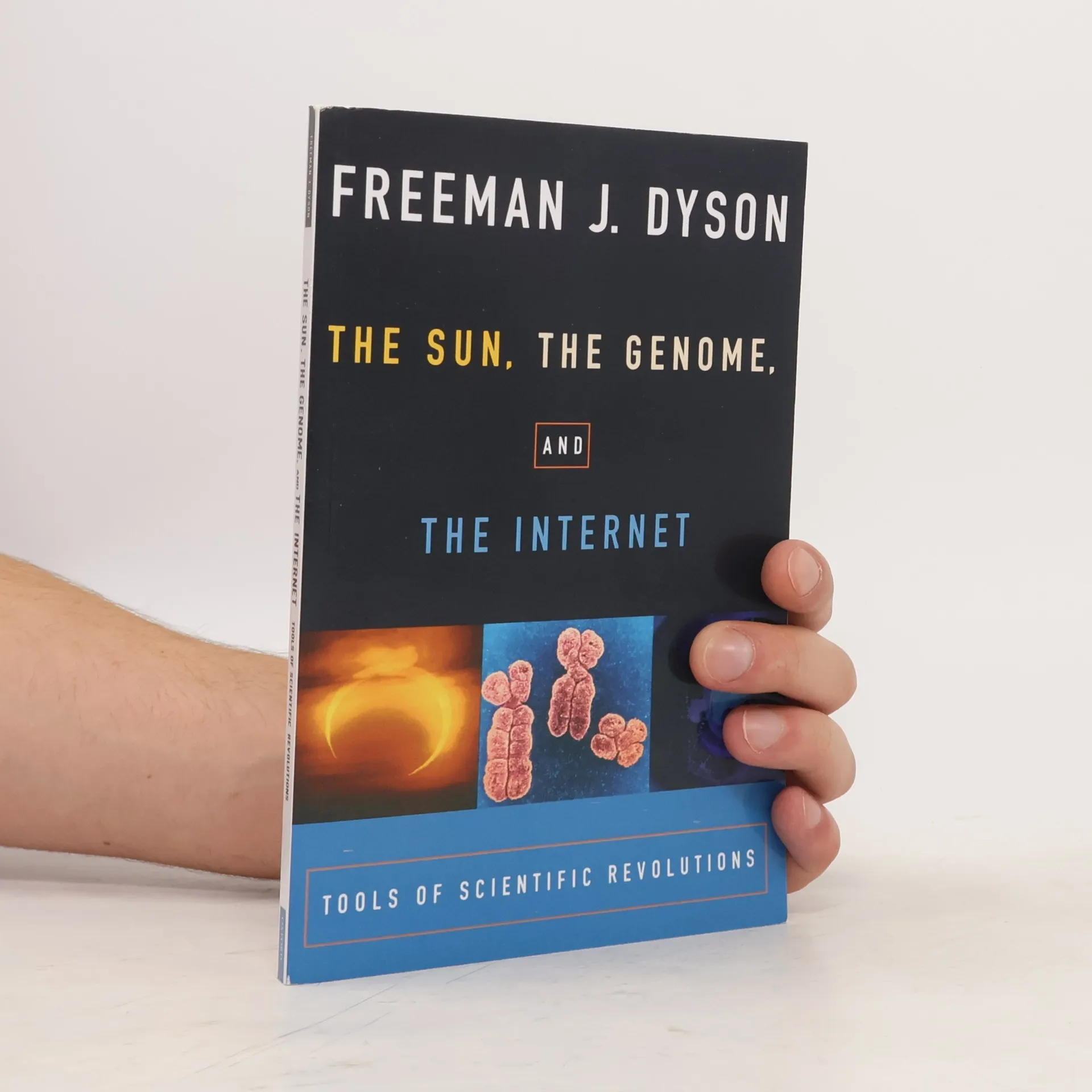
    Die Sonne, das Genom und das Internet
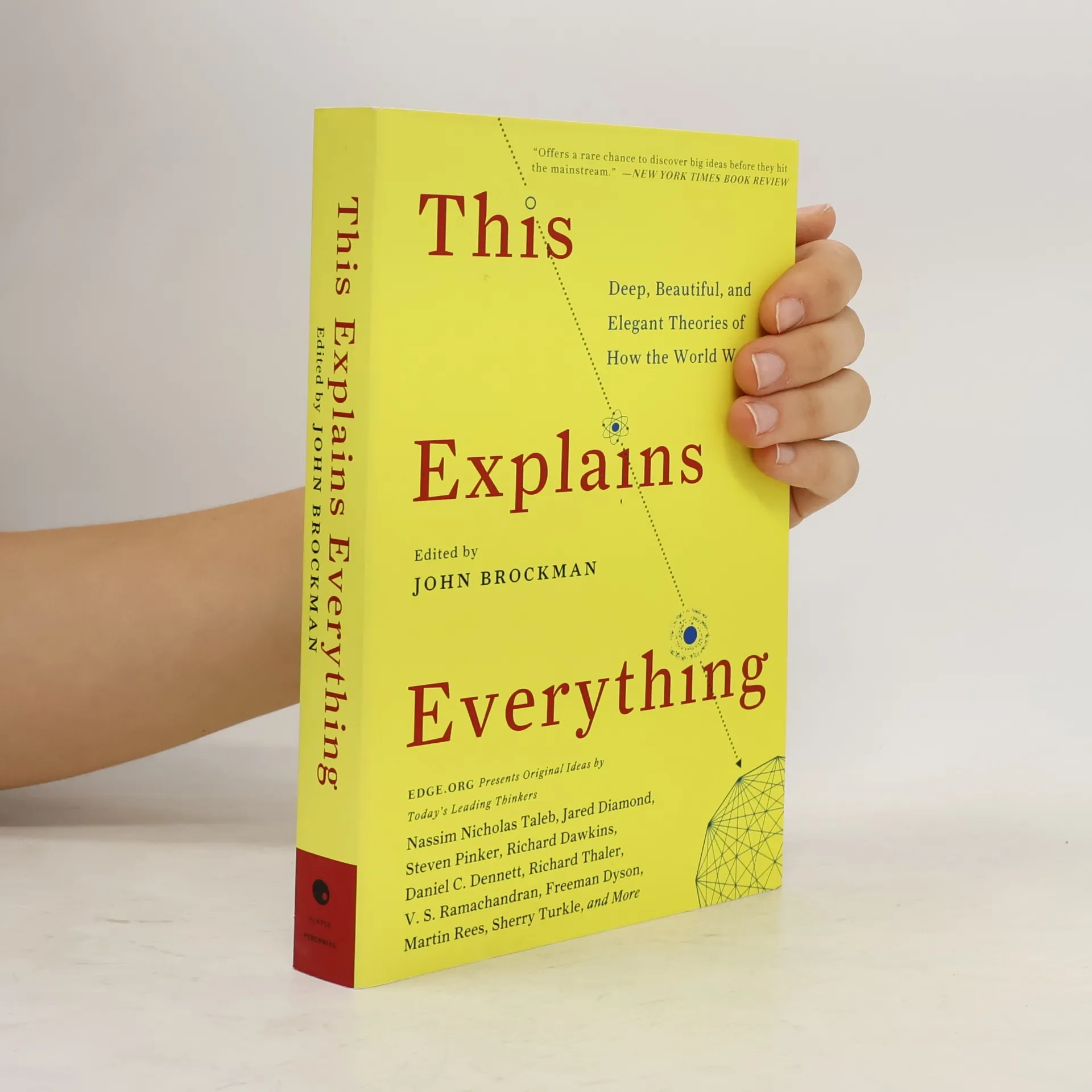
    The Scientist as Rebel: Revised Edition
    The Scientist As Rebel
    • The Scientist as Rebel: Revised Edition

      • 464pagine
      • 17 ore di lettura

      Exploring the rebellious spirit of scientists throughout history, Freeman Dyson emphasizes the blend of imagination and reason in scientific discovery. He shares captivating stories of notable figures like Newton and Einstein, while reflecting on their unique contributions and personal quirks. Dyson critiques modern scientific trends and speculates on future challenges in climate prediction and space colonization. Additionally, he delves into philosophical issues surrounding ethics, the environment, and the intersection of science and religion, providing a rich tapestry of insights into the scientific endeavor.

      The Scientist as Rebel: Revised Edition2025
    • Leben, was ist das?

      Ursprünge, Phänomene und die Zukunft unserer Wirklichkeit

      Was ist der Ursprung, was ist die Zukunft des Lebens? Was bedeuten die neuesten biotechnischen Forschungen für unser bisheriges Konzept von Leben? Diese und andere Fragen beantworten sechs der führenden Wissenschaftler: der Physiker und Futurist Freeman Dyson, der Biochemiker J. Craig Venter, der Quantenforscher Seth Lloyd, der Molekulargenetiker George Church, der Chemiker Robert Shapiro und der Astrophysiker Dimitar Sasselov. Ein Meilenstein der Wissenschaftsgeschichte.

      Leben, was ist das?2009
      2,0
    • The Scientist As Rebel

      • 400pagine
      • 14 ore di lettura

      Contemporary issues in science -- The scientist as rebel -- Can science be ethical? -- A modern heretic -- The future needs us -- What a world! -- Witness to a tragedy -- War and peace -- Bombs and potatoes -- Generals -- Russians -- Pacifists -- The race is over -- The force of reason -- The bitter end -- History of science and scientists -- Two kinds of history -- Edward Teller's Memoirs -- In praise of amateurs -- A new Newton -- Clockwork science -- The world on a string -- Oppenheimer as scientist, administrator, and poet -- Seeing the unseen -- The tragic tale of a genius -- Wise man -- Personal and philosophical essays -- The world, the flesh, and the devil -- Is God in the lab? -- This side idolatry -- One in a million -- Many worlds -- Religion from the outside

      The Scientist As Rebel2008
      4,0
    • Wie entstehen neue Forschungsprogramme und welche Rolle spielen technologische Innovationen dabei? Freeman J. Dyson untersucht diese Fragen in seinem Buch anhand von anschaulichen Beispielen aus Physik, Biologie, Astronomie und Technik. Der Leser erhält einen kompakten Überblick über die Dynamik naturwissenschaftlicher Forschungsprogramme und die entscheidende Antriebsfunktion technologischer Innovationen. Es wird deutlich, wie eng Technologien, Wissenschaften und gesellschaftliche Rahmenbedingungen miteinander verknüpft sind. Trotz ihrer Eigendynamik bleiben Technologien Instrumente, deren sinnvollen Einsatz wir verantworten müssen, ohne in Verteufelungen oder naive Erwartungen zu verfallen. Dyson hebt hervor, dass das Internet eine inhärente Tendenz zur Globalisierung hat und Barrieren von Sprache, Brauch und Kultur durchdringen kann. Die Schaffung gleicher Zugangsmöglichkeiten zum Internet ist technisch einfacher als die Gewährleistung von Wohnraum und medizinischer Versorgung. Während der allgemeine Zugang zum Internet nicht alle sozialen Probleme lösen wird, stellt er dennoch einen bedeutenden Schritt in die richtige Richtung dar und könnte ein wichtiges Werkzeug zur Minderung anderer Formen von Ungleichheit werden.

      Die Sonne, das Genom und das Internet2000
      4,0
    • Tato sbírka přináší asi 550 citátů pronesených Einsteinem i týkajících se jeho osoby, které jsou poprvé shromážděny tématicky. Můžeme zde nalézt Einsteinovy myšlenky o Americčanech a Americe, o Němcích a o Německu, o Židech a sionismu, o válce a o míru, politice, víře, vědě i o osobnějších otázkách, jako jsou potraty, mládí a stáří, láska a manželství, hudba, domácí zvířata. Pro každého je zde něco, co ho potěší - i něco, co se ho dotkne. Čtenář objeví kapitoly věnované tomu, co Einstein řekl o jiných lidech, co řekli druzí o něm, dále obsahují biografické údaje a současný rodokmen, kde se objevují už i Einsteinova pravnoučata, odpovědi na nečastější otázky o Einsteinovi a vybranou bibliografii. Kniha je opatřena zasvěceným úvodním slovem princetonského fyzika Freemana Dysona. Sbírka uvádí dokumentaci - odkazuje především k hlavním pramenům jako Einsteinův archiv a Sebrané spisy Alberta Einsteina. Sbírka představuje Einsteina čtenářům z mhoha stránek - jednou popudivého, jindy laskavého, vřele vtipného i chladně odmítavého. Člověka, který byl zpočátku zmatený se slávy, kterou na něj svět naložil a který pak začal nenávidět lesk publicity. Vidíme také, jaké porodělal Einstein vývoj od prvího výroku sedmnáctiletého chlapce až k jeho posledním slovům, která pronesl ve svých sedmdesáti šesti letech.

      To nejlepší z Einsteina. Myšlenky a citáty slavného houslisty a fyzika1998
      4,2