Bookbot

Tim Marshall Libri

    1 maggio 1959

    Questo autore eccelle nell'analisi delle relazioni internazionali e delle questioni geopolitiche, attingendo a una vasta esperienza come corrispondente estero. La sua scrittura offre un'immersione profonda nelle complessità degli affari globali, rendendo argomenti impegnativi accessibili a un vasto pubblico. I lettori apprezzeranno la sua capacità di dissezionare i conflitti e illuminare le forze sottostanti che plasmano gli eventi mondiali. Il suo lavoro fornisce spunti unici basati su reportage di prima mano da regioni critiche.

    Tim Marshall
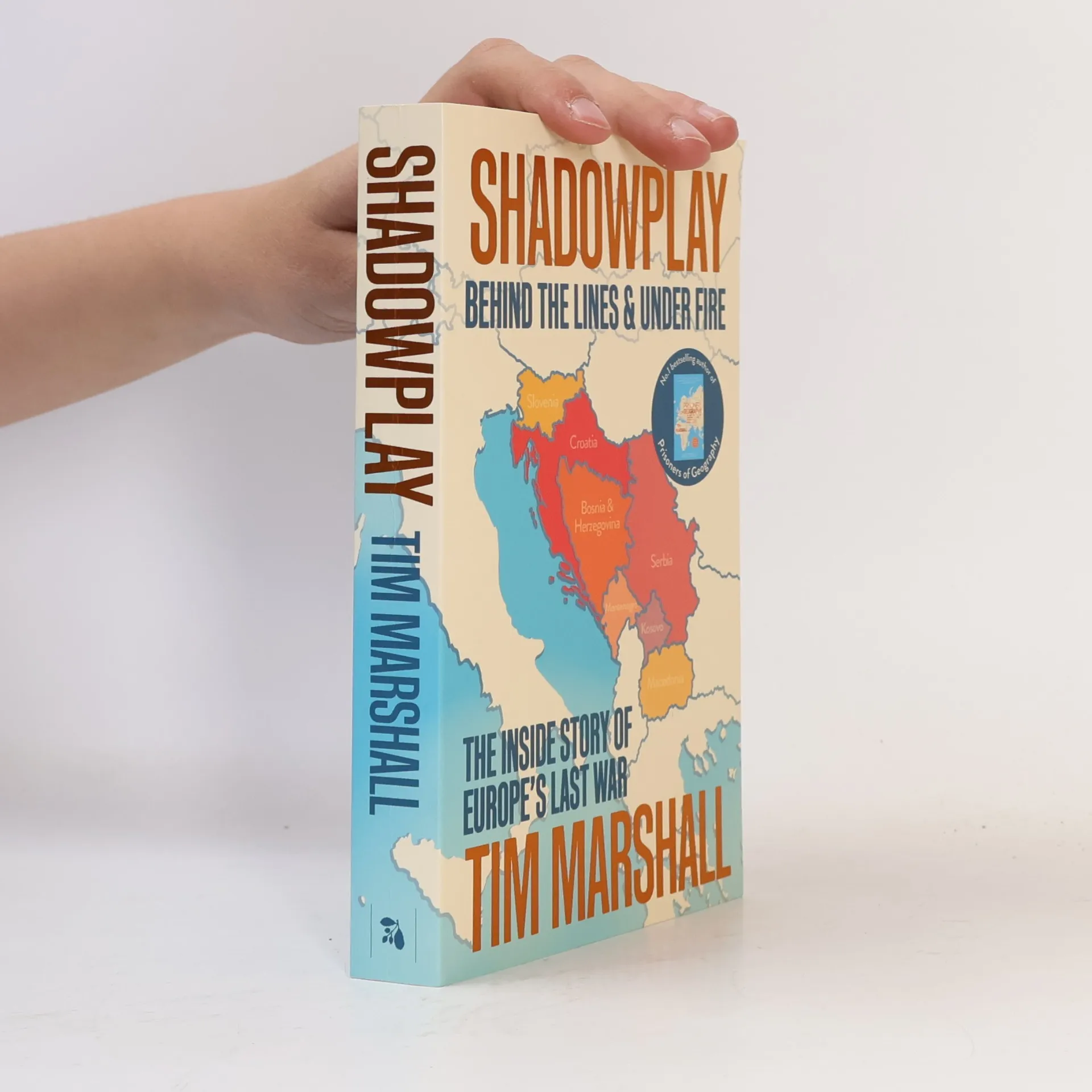
    Shadowplay : a memoir from behind the lines and under fire
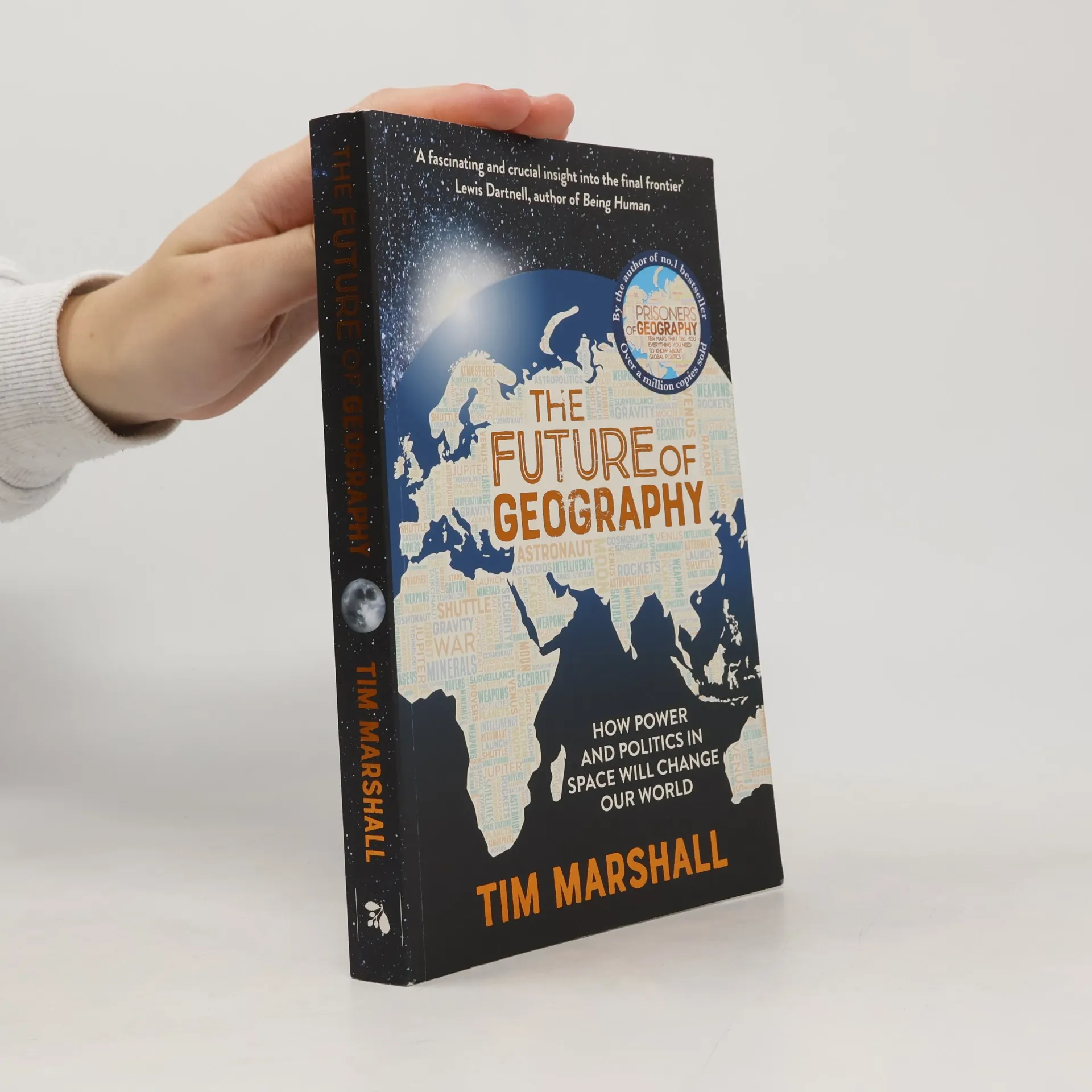
    The Future of Geography
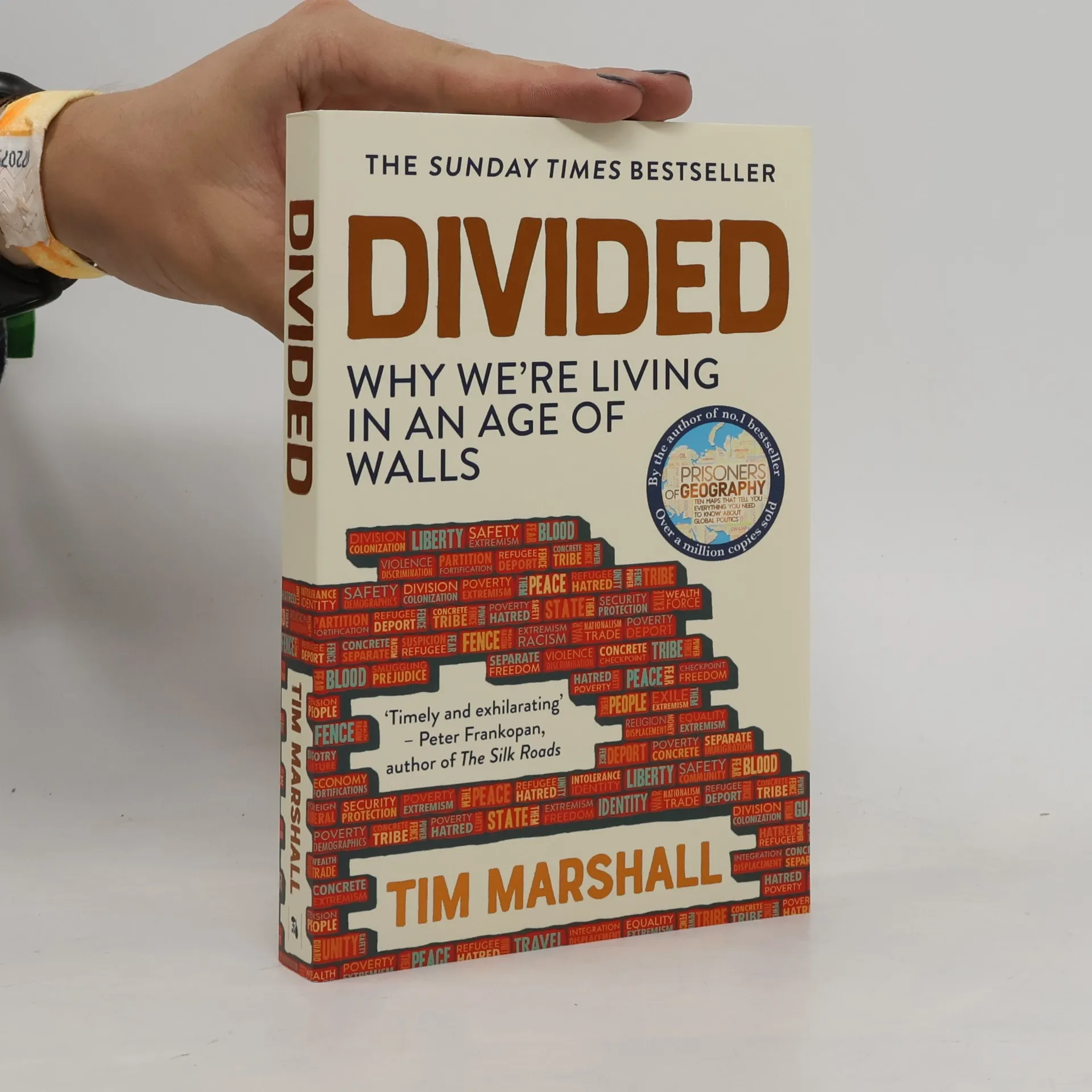
    Divided
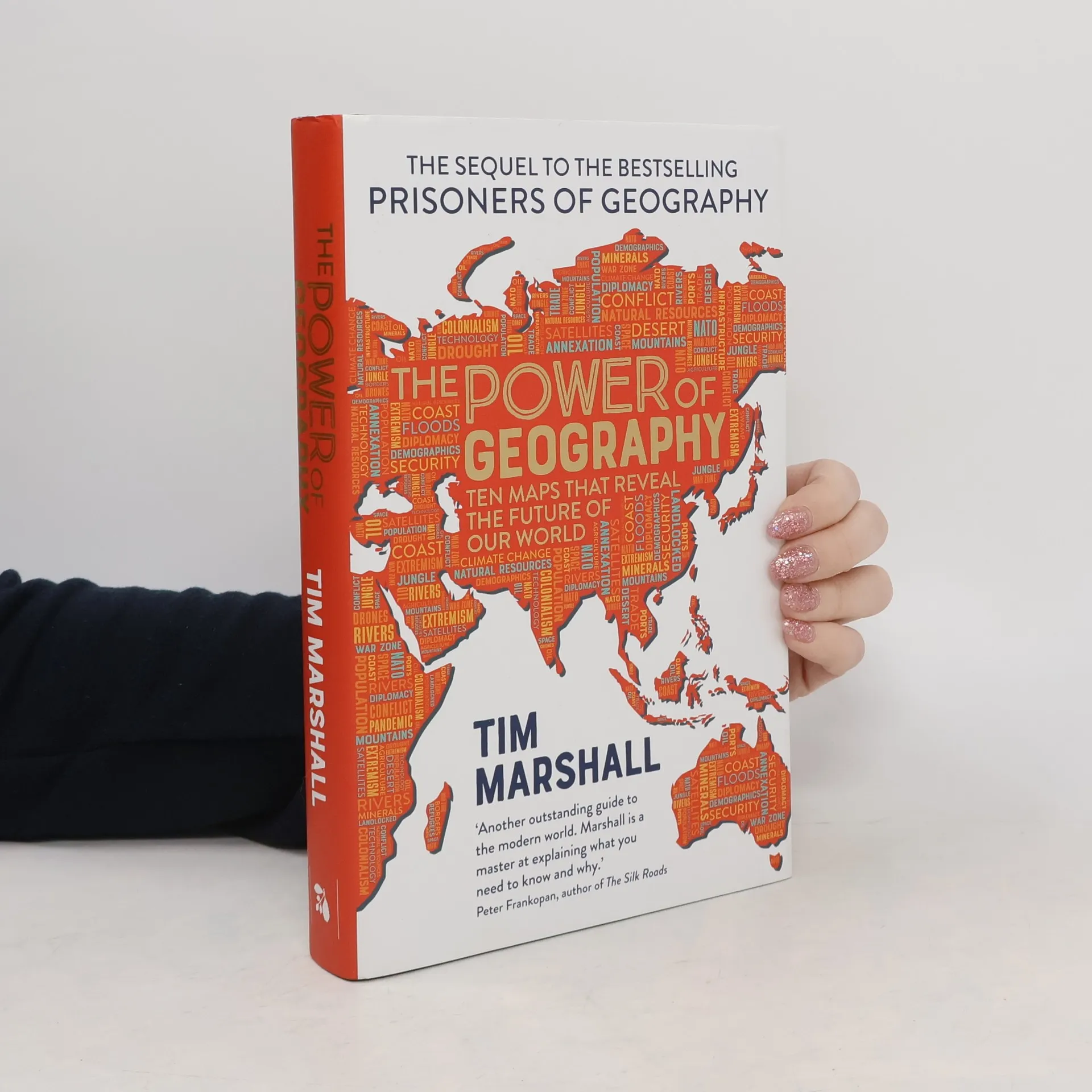
    The Power of Geography
    Russia e Ucraina. La mappa che spiega la guerra (I piccoli grandi libri)
    Le dieci mappe che spiegano il mondo
    • Le dieci mappe che spiegano il mondo

      • 324pagine
      • 12 ore di lettura

      Per comprendere quel che accade nel mondo abbiamo sempre studiato la politica, l’economia, i trattati internazionali. Ma senza geografia, suggerisce Tim Marshall, non avremo mai il quadro complessivo degli eventi: ogni volta che i leader del mondo prendono decisioni operative, infatti, devono fare i conti con la presenza di mari e fiumi, di catene montuose e deserti. Perché il potere della Cina continua ad aumentare? Perché l’Europa non sarà mai veramente unita? Perché Putin sembra ossessionato dalla Crimea? Perché gli Stati Uniti erano destinati a diventare una superpotenza mondiale? Le risposte a queste domande, e a molte altre, risiedono nelle dieci fondamentali mappe scelte per questo libro, che descrivono il mondo dalla Russia all’America Latina, dal Medio Oriente all’Africa, dall’Europa alla Corea. Con uno stile chiaro e una prosa appassionante, Marshall racconta in che modo le caratteristiche geografiche di un paese hanno condizionato la sua forza e la sua debolezza nel corso della storia e, così facendo, prova a immaginare il futuro delle zone più calde del pianeta.

      Le dieci mappe che spiegano il mondo
      4,2
    • Marshall explores ten regions that are set to shape global politics in a new age of great-power rivalry: Australia, Iran, Saudi Arabia, the UK, Greece, Turkey, the Sahel, Ethiopia, Spain and Space

      The Power of Geography
      4,2
    • We feel more divided than ever. This riveting popular analysis tells you why.

      Divided
      4,0
    • The Future of Geography

      • 320pagine
      • 12 ore di lettura

      Spy satellites orbiting the moon. Space metals worth more than most countries' GDP. People on Mars within the next ten years. This isn't science fiction. It's astropolitics. Humans are heading up and out, and we're taking our power struggles with us. Soon, what happens in space will shape human history as much the mountains, rivers and seas have on Earth. It's no coincidence that Russia, China and the USA are leading the way. The next fifty years will change the face of global politics. In this gripping book, bestselling author Tim Marshall lays bare the new geopolitical realities to show how we got here and where we're going, covering the new space race; great-power rivalry; technology; economics; war; and what it means for all of us down here on Earth. Written with all the insight and wit that have made Marshall the UK's most popular writer on geopolitics, this is the essential read on power, politics and the future of humanity.

      The Future of Geography
      3,9
    • The last of the devastating series of conflicts resulting from the breakup of Yugoslavia in the early 1990s, the Kosovo War saw more than 13,500 fatalities, with reports of atrocities, amid controversial intervention and bombing by NATO. Twenty years have passed since the war's end on 11 June 1999, yet Kosovo's status remains uncertain and questions remain about the possibility of future conflict on European soil. Tim Marshall, then diplomatic editor at Sky News, was on the ground covering the war. This is his captivating account of how events unfolded, exploring the inside story of the way MI6 and the CIA helped the Serbian people to overthrow Slobodan Milosevic, the president of Yugoslavia. It is also a thrilling journalistic memoir, revealing key strategic insights that went on to shape the ideas behind the million-copy international and no.1 Sunday Times bestseller Prisoners of Geography. Drawing on personal experience, eyewitness accounts, and interviews with intelligence officials from five countries, this is the definitive account of one of the major events in recent geopolitical history, the repercussions of which continue to be felt today.

      Shadowplay : a memoir from behind the lines and under fire
      3,9
    • Prisoners of Geography: The Quiz Book

      How Much Do You Really Know About the World?

      • 253pagine
      • 9 ore di lettura

      Engage in a fun and interactive quiz experience that tests your world knowledge against friends and family. This book offers a variety of challenges designed to determine who among you is the ultimate armchair explorer, making it perfect for trivia enthusiasts and those eager to learn more about the globe.

      Prisoners of Geography: The Quiz Book
    • The Politics and Ideology of Planning

      • 282pagine
      • 10 ore di lettura

      Marshall examines the ideological structuring of current planning models and the interplay of political interests. He analyses attempts at planning reform by recent governments to show how we can generate more effective political engagements for common gain.

      The Politics and Ideology of Planning
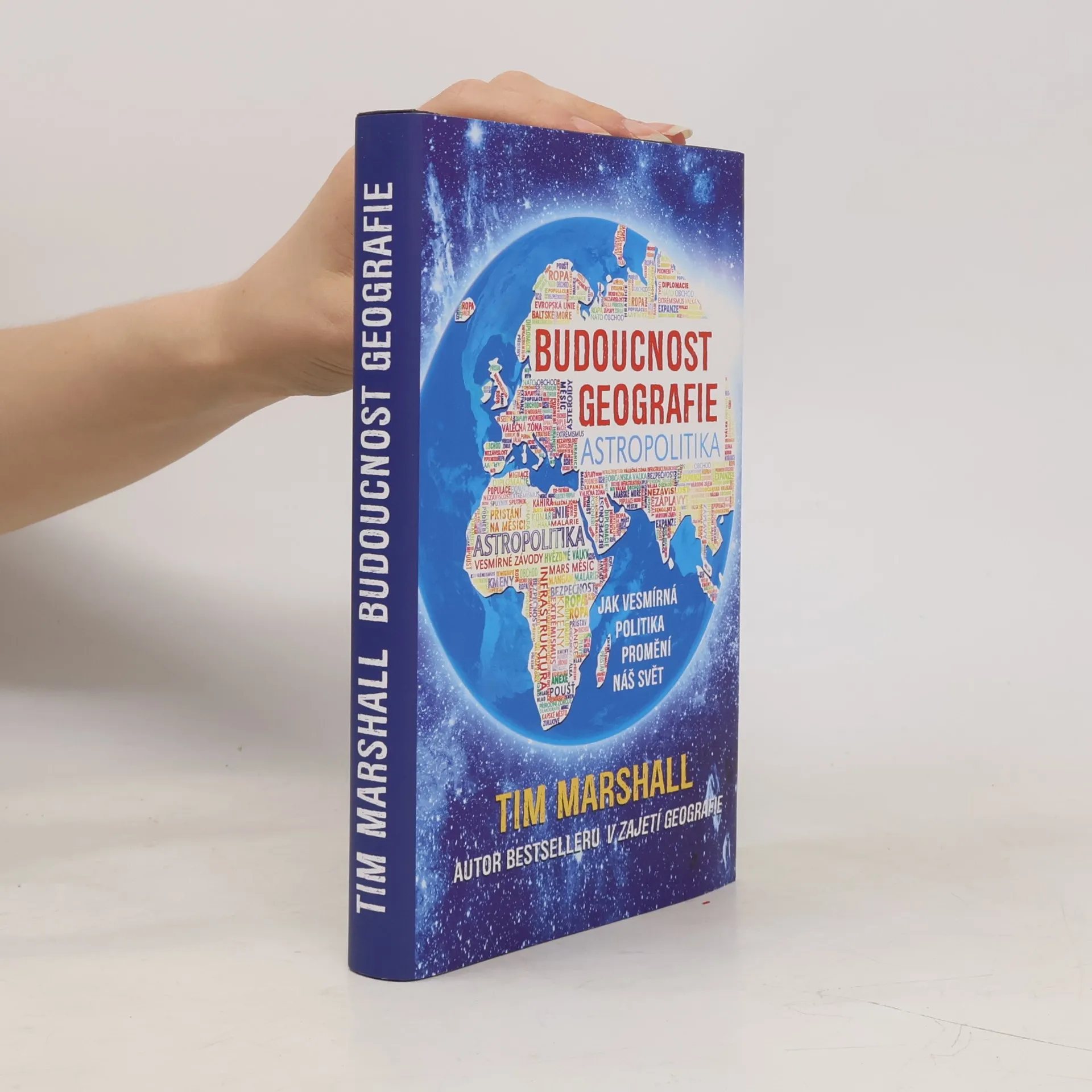
    • Tim Marshall si na celém světě získal přízeň sta tisíců čtenářů díky bestsellerům V zajetí geografie, Moc geografie v 21. století, Věk zdí nebo Zemřít pro vlajku. Nyní Marshall přichází s novou knihou Budoucnost geografie, v níž se zaměřuje na vesmír a na astropolitiku. Komu patří vesmír? Již dnes je vesmír strategickým prostorem, o který se vede otevřený i skrytý zápas, přičemž hlavními aktéry probíhajícího klání jsou samozřejmě velmoci Čína, USA a Rusko. Vzhledem k nesmírnému potenciálu, který vesmír lidstvu skýtá, ať už z hlediska komunikačních technologií, bohatství nerostných zdrojů nebo vojenského využití, není pochyb o tom, že právě kosmický prostor se v 21. století stane novou arénou geopolitických střetů. Země nám je už malá a vesmírné závody jsou v plném proudu... Dokáže lidstvo nezměrné možnosti vesmíru rozumně využívat, nebo je vloží do rukou pochybných spekulantů, plutokratů či válečných štváčů?

      Budoucnost geografie: Jak vesmírná politika promění náš svět
      4,7
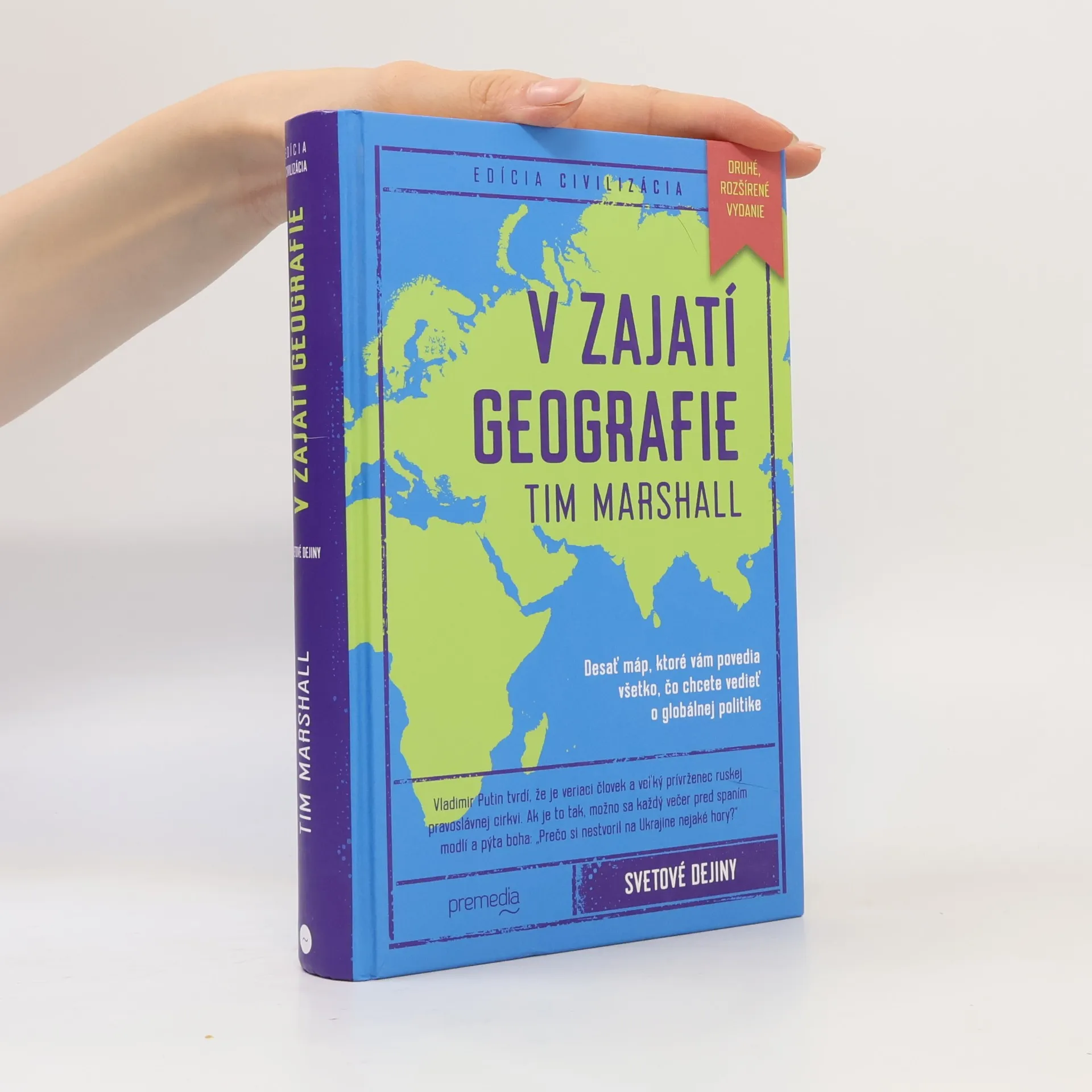
    • Edícia Civilizácia: V zajatí geografie

      Desať máp, ktoré vám povedia všetko, čo chcete vedieť o globálnej politike - Druhé, rozšírené vydanie

      • 376pagine
      • 14 ore di lettura

      V zajatí geografie vychádza v aktualizovanom a výrazne rozšírenom vydaní. Reflektuje dekádu dramatických geopolitických zmien na celom svete, ktoré sa udiali od prvého vydania tejto úspešnej knihy – od ambícií Číny po konflikty na Ukrajine alebo v Gaze. Nový materiál zahŕňa aj spojenectvá Moskvy s autoritárskymi štátmi, konflikty na Blízkom východe, globálnu moc USA a orientáciu na Tichomorie, remilitarizáciu Japonska a rast jeho moci, hru veľmocí v Afrike, či rast indického hospodárstva a vojenskej sily. Tim Marshall sa pozerá na minulosť, prítomnosť a budúcnosť cez geografické pomery, ktoré ovplyvnili vývoj ľudstva a dodnes ovplyvňujú správanie politikov. Ich rozhodnutia sú limitované pohoriami, riekami, púšťami aj oceánmi. V desiatich kapitolách (venovaných Rusku, Číne, Spojeným štátom, Európe, Afrike, Blízkemu východu, Indii a Pakistanu, Japonsku a Kórei, Latinskej Amerike a Arktíde) autor používa mapy nielen na ilustráciu, ale ako odrazový mostík k úvahám o súčasnej geopolitickej situácii.

      Edícia Civilizácia: V zajatí geografie
      4,5
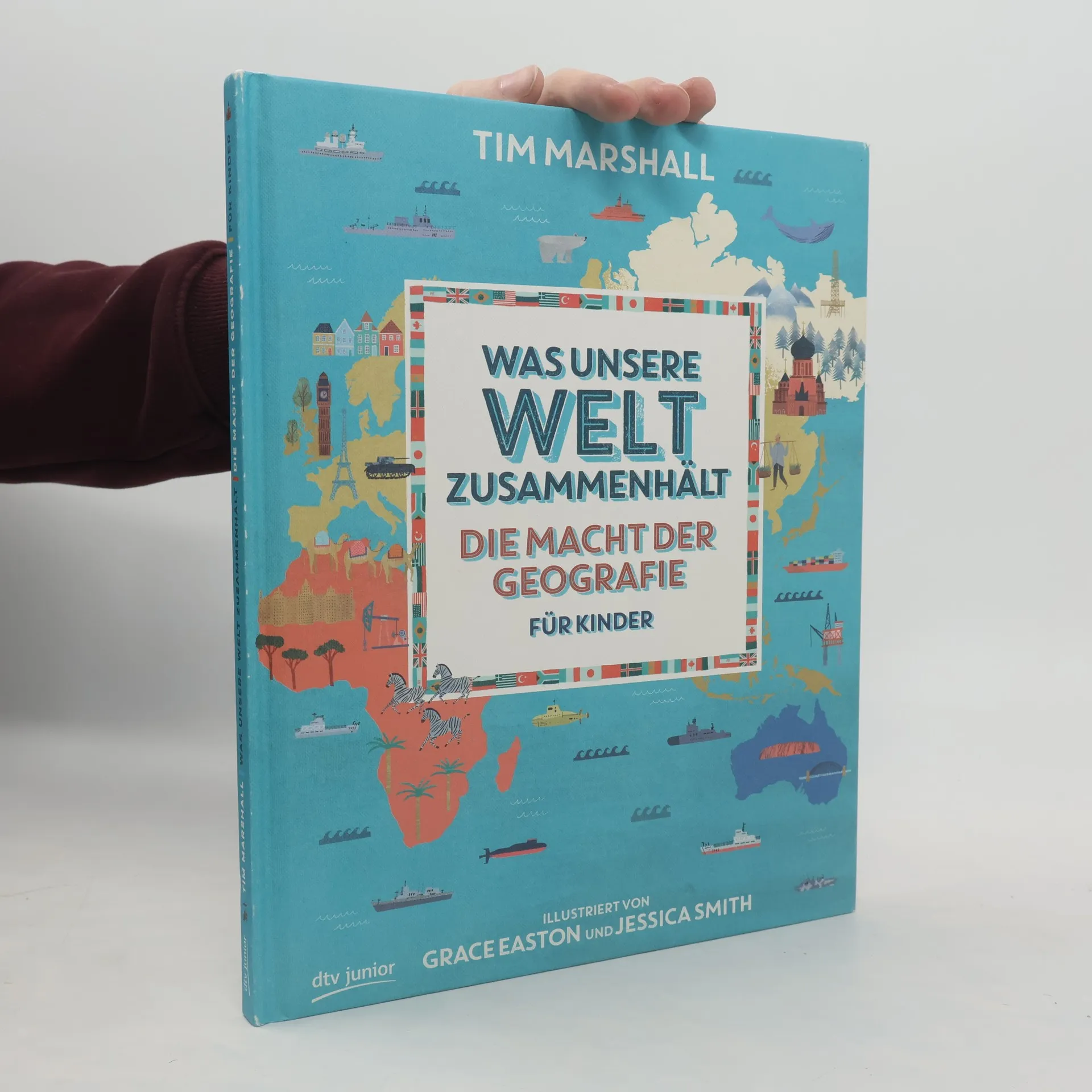
    • Das erste Kinderbuch von Tim Marshall erklärt, wie geografische Gegebenheiten die Weltgeschichte prägten. Es beantwortet Fragen zu den USA als Supermacht, Kriegsursachen und den Wohlstand von Ländern. Mit Karten wird gezeigt, wie Natur und Machtentscheidungen miteinander verknüpft sind.

      Was unsere Welt zusammenhält - Die Macht der Geografie für Kinder
      4,7
    • Najväčšia obava muža

      • 217pagine
      • 8 ore di lettura

      "Keď žena dostane právo rozhodovať o vnútorných i medzinárodných udalostiach, nevypukne už ani jedna vojna. Žena je po stáročia tvorivou , životodarnou silou planéty, kým muž silou samoúčelnou a ničivou", tvrdí autor. Možno ako memento tohto, aby sa nenaplnili varujúce slová Alberta Schweitzera: "Muž stratil svoju schopnosť predvídať a zabrániť nešťastiu. Skončí tak, že zničí Zem." Dúfajme, že nie, že sa spamätá, či už muž alebo skôr mužská stránka ľudstva, a namiesto konfrontácie nastolí vo vzájomných vzťahoch spoluprácu. Určitým svetielkom nádeje je aj fakt, že knihu tohto typu napísal práve muž.

      Najväčšia obava muža
      3,0
    • Die Macht der Geographie im 21. Jahrhundert 10830

      10 Karten erklären die Politik von heute und die Krisen der Zukunft

      Politische Bruchzonen und schwelende Konflikte prägen die Welt des 21. Jahrhunderts. Zwar sei der Blick auf die die jüngere und ältere Geschichte für das Verständnis dieser Spannungen unverzichtbar. Er bleibe aber, so der politische Korrespondent Tim Marshall, unvollständig ohne die Beachtung der jeweiligen räumlichen oder geostrategischen Gegebenheiten, denen Staaten und Regionen unterworfen sind: etwa Meere und Wasserstraßen, Gebirge, Wüsten oder Ressourcen wie Wasser und Bodenschätze. Marshall arbeitet, bezogen auf verschiedene Länder Europas, Afrikas, des Nahen Ostens und Australiens, solche nicht zu beeinflussenden Tatbestände heraus. Er erläutert, wie und warum sie die jeweilige historisch-politische Entwicklung, Bündnisse, nationale Traumata oder strategische Ziele beeinfluss(t)en: Warum fürchtet Australien in besonderem Maße die chinesische Expansion? Welche geographischen Faktoren begünstigten die Entstehung und Entwicklung Saudi-Arabiens? Wie wirken Lage und naturräumliche Gegebenheiten auf die Politik Irans Äthiopiens oder Griechenlands? Pointiert skizziert Marshall zentrale Konfliktherde der Weltpolitik, zeigt, wie diese mit der Geographie der jeweiligen Region zusammenhängen und vermittelt auf diese Weise Fakten und Einblicke in Wirkungszusammenhänge. Ein Ausblick auf die Interessenlagen der Großmächte im Weltraum schließt den Band ab.

      Die Macht der Geographie im 21. Jahrhundert 10830
    • Die Macht der Geografie – Das Quizbuch

      Wie gut kennen Sie die Welt? | Testen Sie Ihr Wissen mit über 300 Fragen

      • 304pagine
      • 11 ore di lettura

      Der ultimative Rätselspaß für alle, die die Welt besser verstehen wollen Wie gut ist Ihr Weltwissen? Testen Sie Ihren Geografie-IQ mit dem Bestsellerautor Tim Marshall. Mit scharfsinnigen Einsichten und Witz hat Marshall in seinen Erfolgsbüchern zur Macht der Geografie globale Ereignisse und komplexe Machtkonstellationen vielen Lesern zugänglich gemacht. Jetzt haben Sie die Chance, Ihr Weltwissen mit dem Quizbuch auf die Probe zu stellen. Die Fragen aus den Bereichen Geschichte, Geografie und Politik präsentieren sich als eine kurzweilige Mischung aus Multiple-Choice-Fragen, Rätseln, Wortspielen und Landkarten. Marshall sorgt für intelligente Unterhaltung und Spaß, fordert Sie spielerisch heraus und erweitert ganz nebenbei Ihren Wissenshorizont mit erklärenden Antworten. Bringen Sie Ihr Hirn auf Trab! Über 300 Fragen: abwechslungsreich, unterhaltsam, intelligent Das Quizbuch zu Tim Marshalls Bestsellerserie ›Die Macht der Geografie‹, ›Die Macht der Geographie im 21. Jahrhundert‹ und ›Die Geografie der Zukunft‹ Großer Antwortteil mit erhellenden Erläuterungen

      Die Macht der Geografie – Das Quizbuch
    • Die Macht der Geografie

      Wie sich Weltpolitik anhand von 10 Karten erklären lässt - Komplett überarbeitete Neuausgabe

      • 480pagine
      • 17 ore di lettura

      Weltpolitik ist Geopolitik. Der Bestseller zum 10-jährigen Jubiläum wurde vollständig überarbeitet und aktualisiert. Alle Regierungen und Staatschefs sind den Zwängen der Geografie unterworfen. Gebirge, Ebenen, Flüsse, Meere, Wüsten und der Zugang zu natürlichen Ressourcen setzen Grenzen für ihre Entscheidungen. Um Geschichte und Politik zu verstehen, ist es entscheidend, die Menschen, ihre Kulturen und Ideen zu betrachten. Ignoriert man die Geografie, bleibt das Bild unvollständig. In zehn Kapiteln analysiert der Politikexperte Tim Marshall, wie die Geografie die militärischen, wirtschaftlichen und strategischen Ziele der Weltmächte beeinflusst hat und weiterhin beeinflusst. Er beleuchtet zentrale Regionen wie Russland, China, die USA, Europa, Afrika, den Nahen Osten, Indien und Pakistan, Japan und Korea sowie Lateinamerika und die Arktis. Die aktualisierte Analyse berücksichtigt Entwicklungen der letzten zehn Jahre, darunter den Russland-Ukraine-Konflikt, den Krieg zwischen Israel und Gaza, Chinas wachsende Macht, Amerikas Verschiebung in den pazifischen Raum, den Trend zu nationalistischer Politik in Europa, Japans Remilitarisierung sowie Indiens wirtschaftliches Wachstum und militärische Ambitionen. Eine brillante Analyse für alle, die die Welt besser verstehen wollen.

      Die Macht der Geografie