
Bookbot

Richard D. Roberts

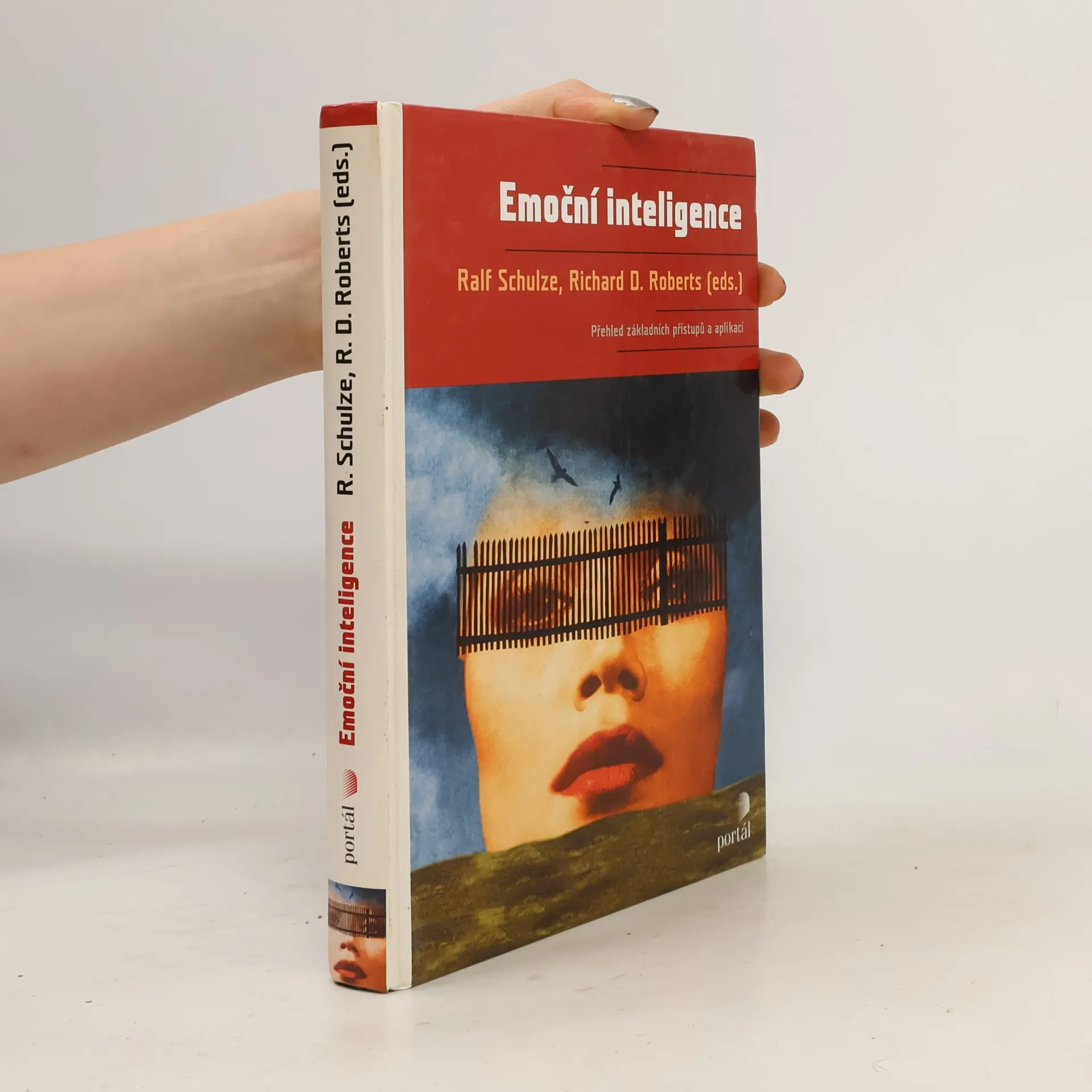
    Emoční inteligence. Přehled základních přístupů a aplikací
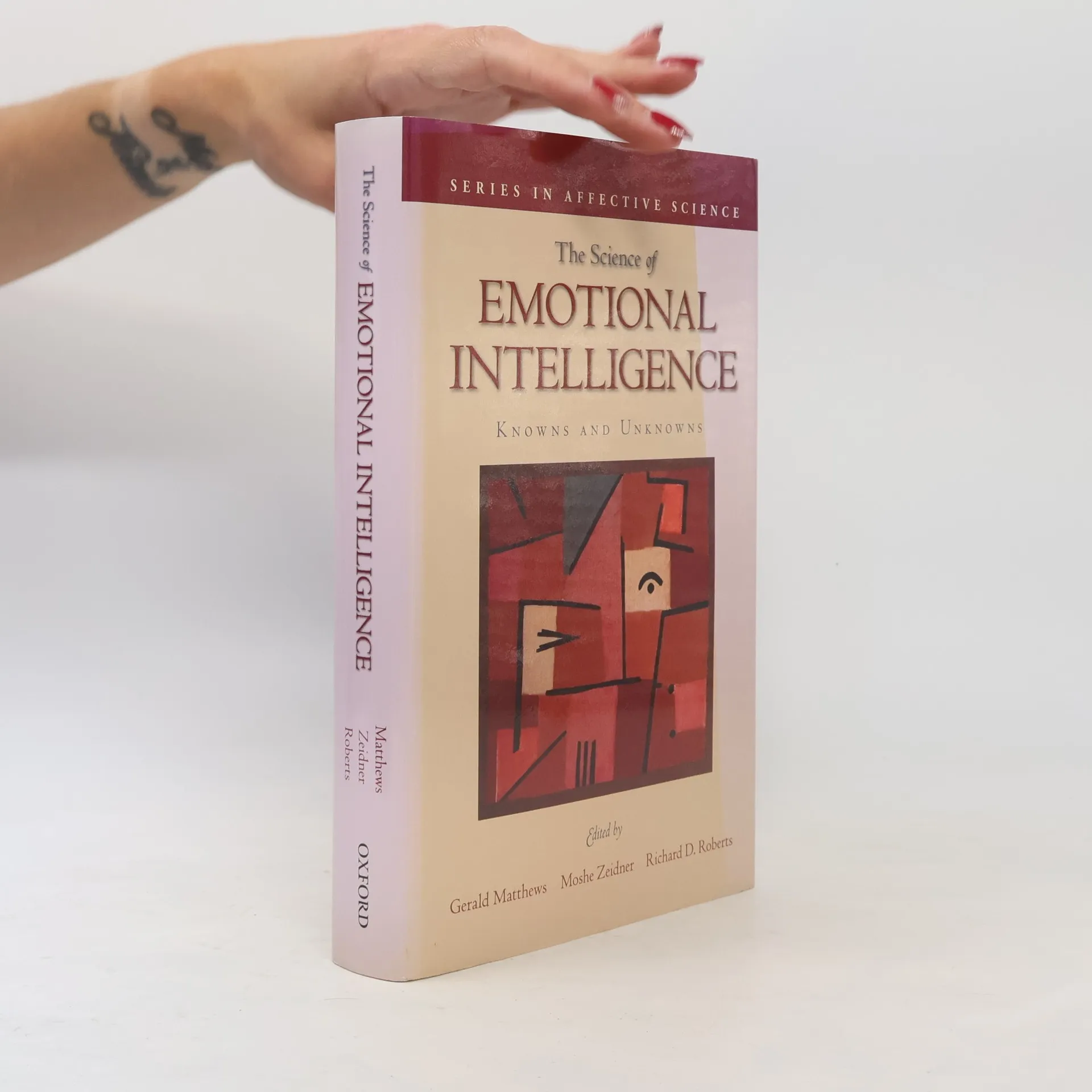
    Series in Affective Science: The Science of Emotional Intelligence
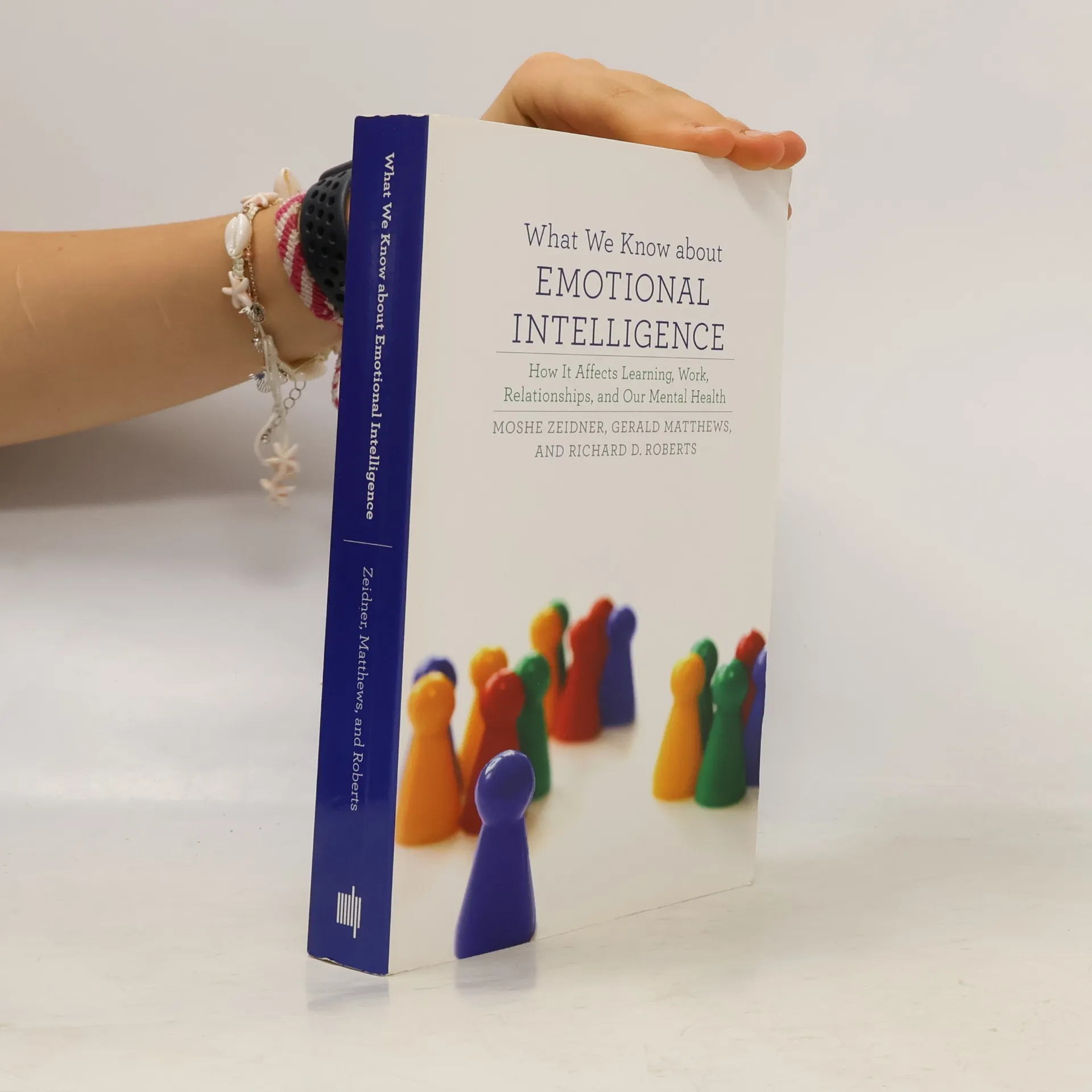
    What We Know About Emotional Intelligence
    • What We Know About Emotional Intelligence

      How It Affects Learning, Work, Relationships, And Our Mental Health

      • 441pagine
      • 16 ore di lettura

      Sorting out the scientific facts from the unsupported hype about emotional intelligence. Emotional intelligence (or EI)--the ability to perceive, regulate, and communicate emotions, to understand emotions in ourselves and others--has been the subject of best-selling books, magazine cover stories, and countless media mentions. It has been touted as a solution for problems ranging from relationship issues to the inadequacies of local schools. But the media hype has far outpaced the scientific research on emotional intelligence. In What We Know about Emotional Intelligence , three experts who are actively involved in research into EI offer a state-of-the-art account of EI in theory and practice. They tell us what we know about EI based not on anecdote or wishful thinking but on science. What We Know about Emotional Intelligence looks at current knowledge about EI with the goal of translating it into practical recommendations in work, school, social, and psychological contexts.

      What We Know About Emotional Intelligence
    • Series in Affective Science: The Science of Emotional Intelligence

      Knowns and Unknowns

      • 528pagine
      • 19 ore di lettura

      During the past decade, emotional intelligence has been subjected to both scientific and public scrutiny. Numerous articles have been published on the topic in both academic journals and the popular press, testifying to the potential usefulness of emotional intelligence in psychology, business, education, the home, and the workplace. However, until now, there has been no systematic synthesis that grounds emotional intelligence in contemporary theory, while simultaneously sorting scientific approaches from popular fads and pseudoscience.Bringing together leading international experts from a variety of sub-disciplines, this volume aims to integrate recent research on emotional intelligence. The contributors address a set of focused questions concerning theory, measures, and How does emotional intelligence relate to personality? What is the optimal approach to testing emotional intelligence? How can emotional intelligence be trained? In the final section of the book, the volume editors distill and synthesize the main points made by these experts and set forth an agenda for building a science of emotional intelligence in the future.Science of Emotional Intelligence will be an invaluable resource for researchers and professionals in psychology, education, the health sciences, and business.

      Series in Affective Science: The Science of Emotional Intelligence
    • V roce 1995 publikoval Daniel Goleman, žurnalista zaměřený na teorii vědy, knihu Emotional Intelligence, v níž je emoční inteligence (EI) popsána jako nejlepší předpoklad úspěchu v životě, je dosažitelná zdánlivě pro kohokoli a blíží se svou obecností charakteru. Jeho kniha vzbudila mimořádná očekávání směrem k EI a velmi uvolněné vymezení pojmu vedlo k výraznému nárůstu zájmu o tuto oblast. Emoční inteligence se nejčastěji definuje jako schopnost vnímat, vyjadřovat, chápat a usměrňovat vlastní emoce i emoce druhých lidí. Autorský tým se věnuje vymezení důležitých pojmů, teoretickým přístupům k EI, metodám měření EI, hlavním aplikačním oblastem a v závěrečné syntéze pak hlavním pokrokům v oblasti i dosud nevyřešeným problémům spojeným s pojmem EI.

      Emoční inteligence. Přehled základních přístupů a aplikací
      3,0