Galaxy
- 256pagine
- 9 ore di lettura
With approximately 500 cutting-edge images, 'Galaxy' investigates every aspect of the Milky Way, from its place in the universe to its large-scale anatomy, from its history to its future.


La scrittura di Stuart Clark nasce da un profondo interesse per la scienza e la sua connessione con l'esperienza umana. Il suo approccio narrativo rispecchia la precisione scientifica, pur sforzandosi di comunicare idee complesse in modo accessibile. Le narrazioni di Clark approfondiscono gli affascinanti regni della natura e della scoperta scientifica, offrendo ai lettori nuove prospettive sulla loro rilevanza quotidiana. Il suo lavoro attrae coloro che cercano letteratura che sia sia educativa che stimolante.


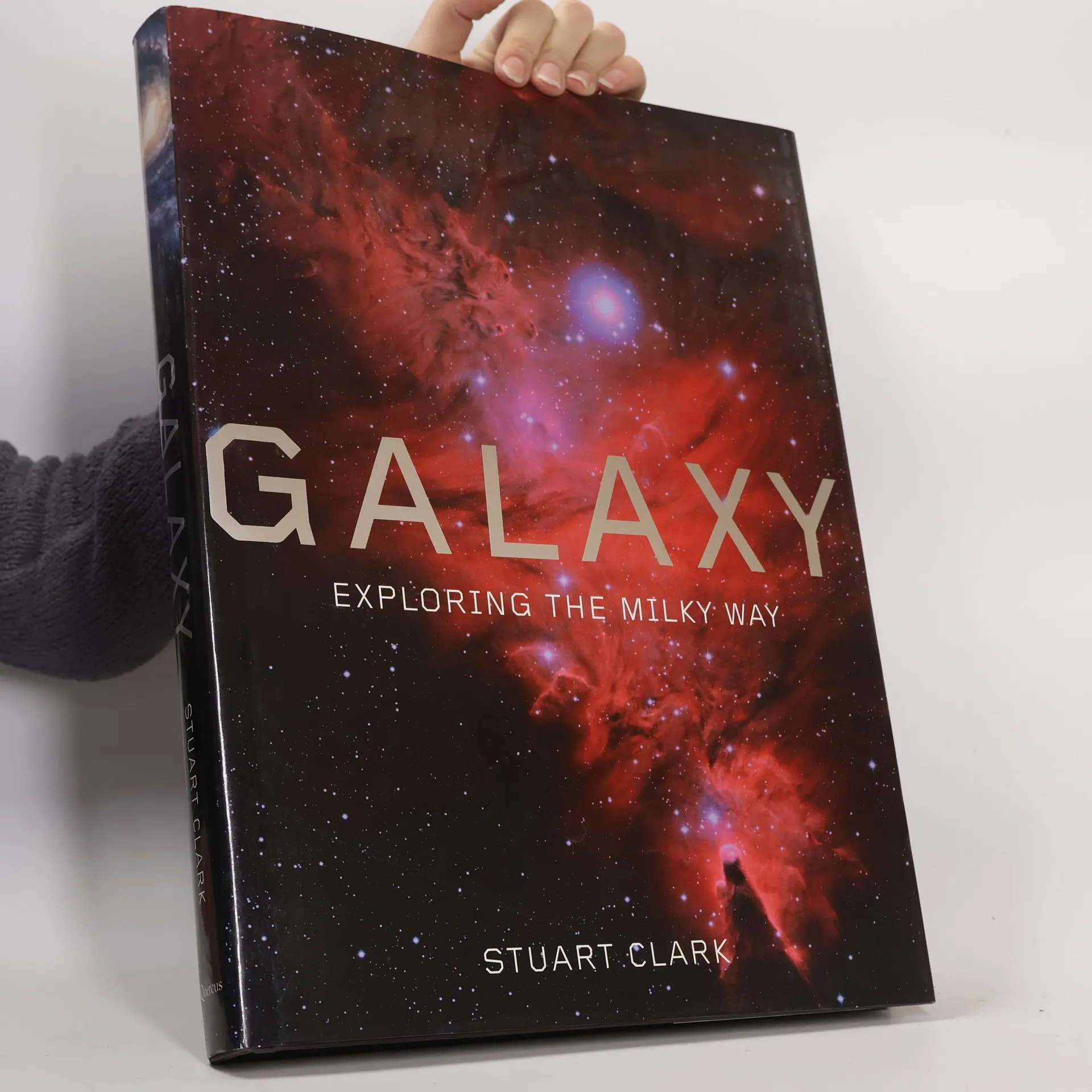
With approximately 500 cutting-edge images, 'Galaxy' investigates every aspect of the Milky Way, from its place in the universe to its large-scale anatomy, from its history to its future.
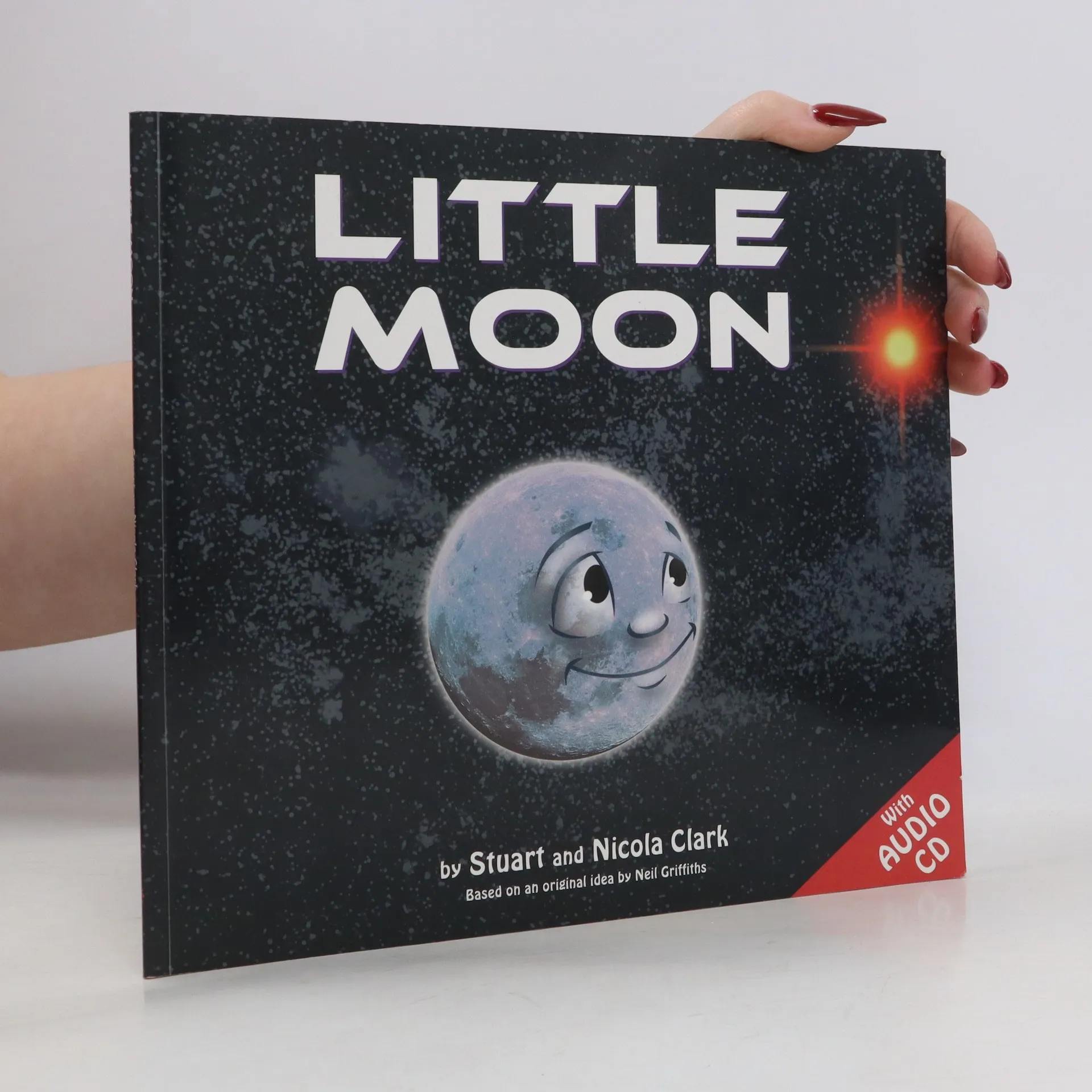
Little Moon was born deep in space. Join him on his journey through our universe as he meets planets, black holes and stars in search of a place he can call home!
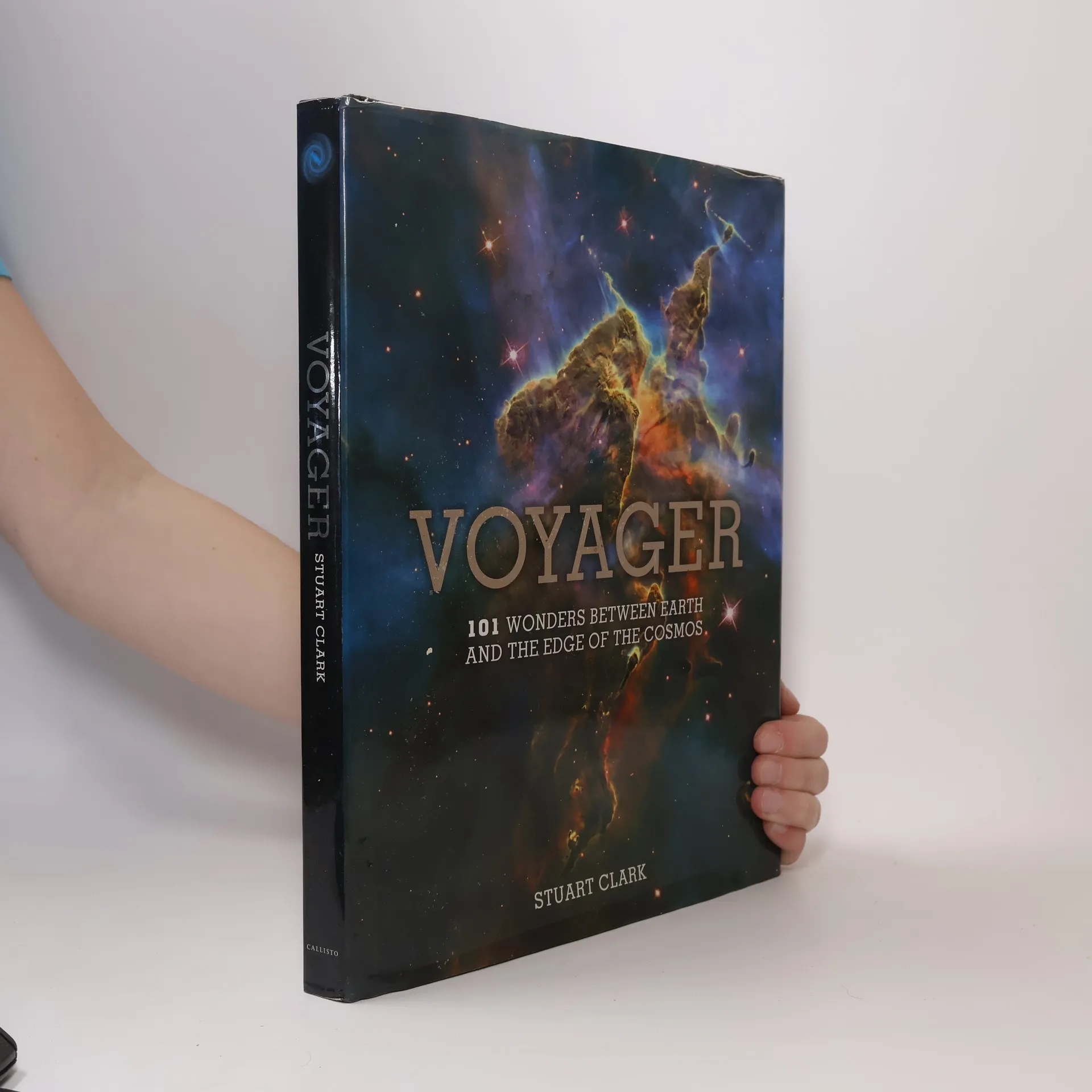
Embark on a fantastic voyage across 276 billion trillion miles of space and 13.5 billion years of time, featuring over 300 stunning astronomical images. This collection showcases the 101 greatest sights from Earth to the edge of the cosmos, with dramatic large-format photographs, many displayed at full or double-page size. Prepare to explore 46.5 billion light years of space, delving into celestial wonders ranging from comets to quasars. Starting on Earth in the Orion Spur of the Milky Way, readers will journey through the entire universe. Discover mesmerizing photos of Martian sand dunes shaped by spring winds, alien cloudscapes of fluorescing gases, and hidden nests of new stars. Witness hypergiant stars disintegrating, colliding galaxies, and superclusters gathering like cosmic dust. The journey is organized into four zones: interplanetary, interstellar, intergalactic, and intertemporal. This grand tour offers an unparalleled portrait of our cosmic habitat, making it the ultimate way to experience the Universe.
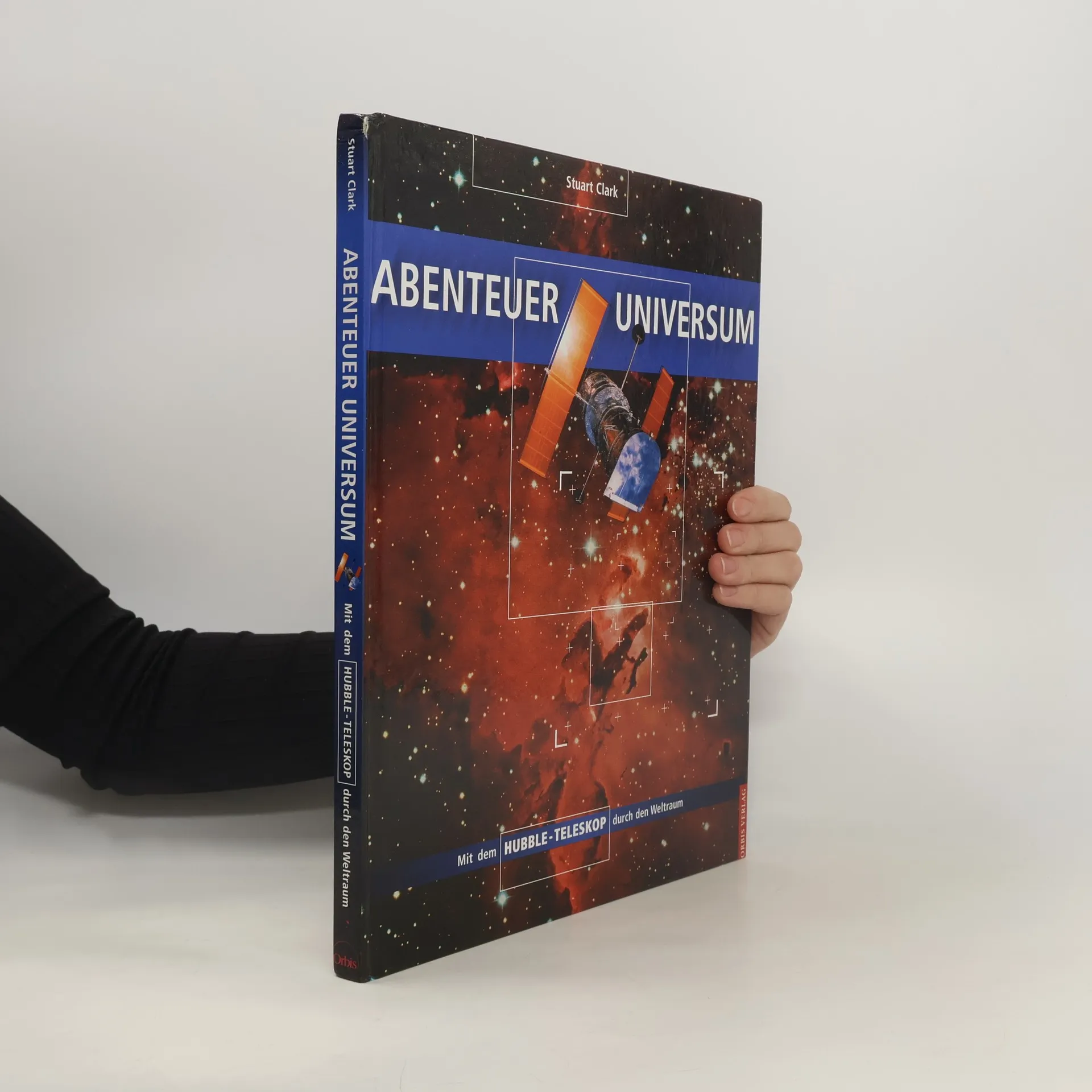
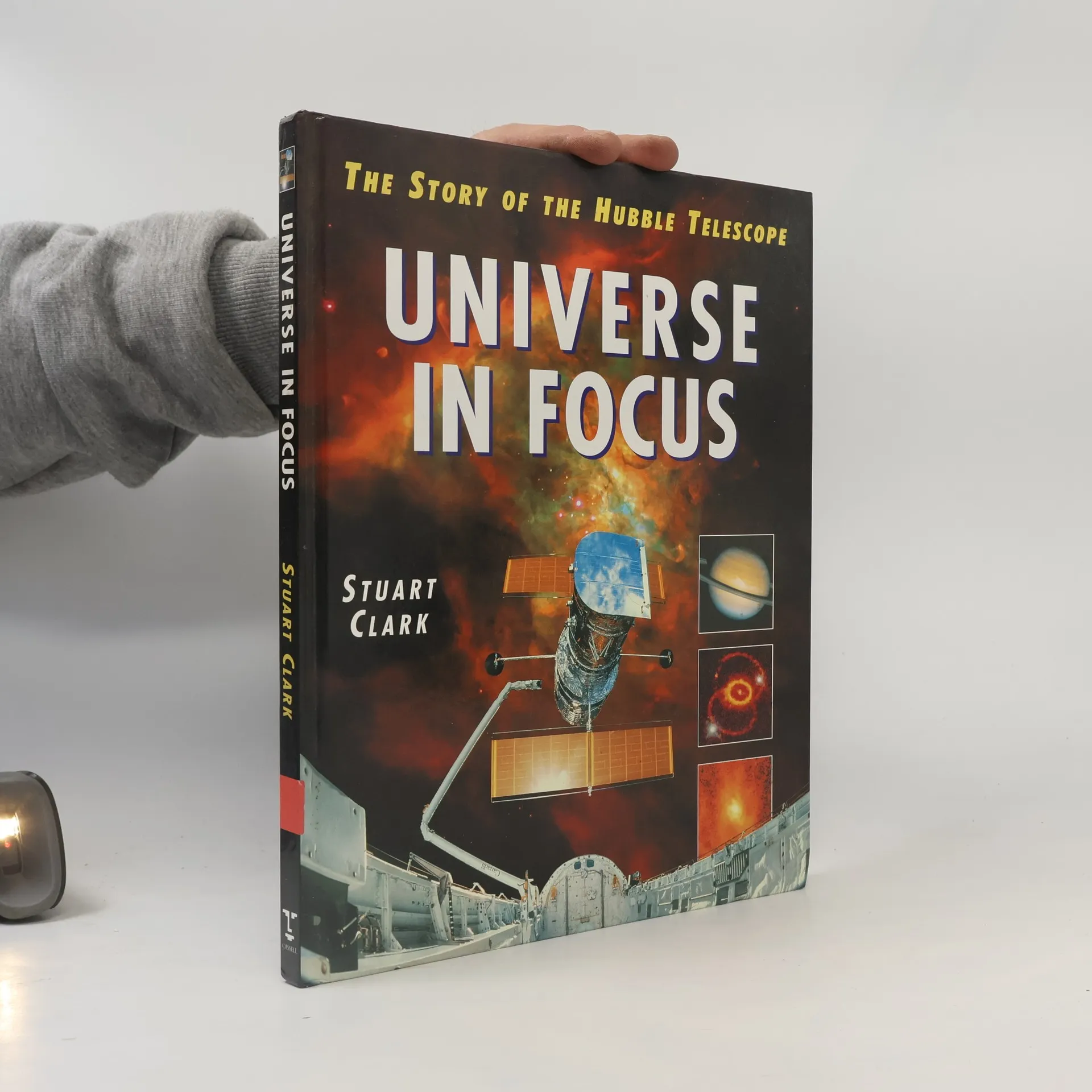
The Hubble Space Telescope has taken thousands of images of the cosmos. Many are the most detailed visual records of celestial bodies that scientists have ever seen, others are of objects never seen before, and some are breathtakingly beautiful. Universe in Focus uses over 150 of these remarkable images to reveal the evolving history of the planets, stars, galaxies, and the universe itself. Despite its early troubled history, Hubble has revealed to us objects in space that could only be imagined before now. Insight into black holes, active galaxies, and collapsing stars have been captured in revolutionary images, which are reproduced here in splendid color and interpreted for the non-expert by a professional astronomer. The book is organized into six chapters, moving from the workings of the telescope itself progressively outward to the Solar System, the stars, the galaxies, and the universe, including the most wide-ranging views into deep space. The final chapter, the Factfile, provides key reference information to expand and supplement the main content.
The Big Questions series enables renowned experts to tackle the 20 most fundamental and frequently asked questions of a major branch of science or philosophy. Each 3000-word essay simply and concisely examines a question that has eternally perplexed enquiring minds, providing answers from history's great thinkers. This ambitious project is a unique distillation of humanity's best ideas. In Big The Universe, Dr Stuart Clark tackles the 20 key questions of astronomy and What is the universe? How big is the universe? How old is the universe? What are stars made from? How did the Universe form? Why do the planets stay in orbit? Was Einstein right? What are black holes? How did the Earth form? What were the first celestial objects? What is dark matter? What is dark energy? Are we really made from stardust? Is there life on Mars? Are there other intelligent beings? Can we travel through time and space? Can the laws of physics change? Are there alternative universes? What will be the fate of the universe? Is there cosmological evidence for God?
The awe-inspiring history of humanity told through our relationship with stars and the night sky.'Excellent .
Kniha se pokouší zodpovědět otázky o divech vesmíru, které lidi často napadají. Hovoří se v ní o záhadných objektech, jakými jsou kvazary a pulzary, i o pokročilém výzkumu blízkých planet – Marsu a Jupiteru. Jedna kapitola se věnuje nebeským „celebritám“, které si i po letech uchovávají svou tajuplnost, černým dírám. Na některé otázky už existuje definitivní odpověď, u některých je na dosah. Jsou ale i takové, u nichž náznak řešení zatím nevidíme. Každá z nich nám ale dovolí poddat se zvláštnímu kouzlu, které v sobě nese přemítání o vesmíru.
In zehn Kapiteln bietet Stuart Clark eine umfassende Einführung in die Kosmologie, ihre Entwicklung, prägende Konzepte und Personen sowie den aktuellen Stand der Wissenschaft. Ein entscheidender Moment war die Veröffentlichung einer neuen Karte des Urknall-Echos durch die ESA am 21. März 2013. Diese erste vollständige Karte der kosmischen Hintergrundstrahlung, erstellt im Rahmen der Planck-Mission, stellt einen wissenschaftlichen Durchbruch dar. Sie zeigt das frühe Universum über 13,8 Milliarden Jahre und 440 Trillionen Kilometer und gilt als die detaillierteste Darstellung, die je möglich war. Doch diese Karte bringt auch Anomalien ans Licht, die unser bestehendes Verständnis des Universums infrage stellen. Sie fordert uns heraus, bekannte und unbekannte Aspekte neu zu betrachten und ein verändertes Modell des Universums zu entwickeln. Clark untersucht, ob Newtons Gravitationsgesetze überarbeitet werden müssen und ob dunkle Materie und dunkle Energie lediglich kosmische Illusionen sind. Zudem stellt er grundlegende Fragen: Was geschah vor dem Urknall? Was verbirgt sich in einem Schwarzen Loch? Existieren andere Universen? Ist Zeit real? Und verändern sich die einst als konstant geltenden physikalischen Gesetze?
Nové objevy o dvojčeti Země – i jinde ve vesmíru může existovat život! Roku 1995 dva švýcarští astronomové objevili planetu obíhající jinou hvězdu než naše Slunce. Tento objev navždy proměnil naše chápání vesmíru, neboť dokazoval, že Země a další nebeská tělesa v naší sluneční soustavě nejsou ve vesmíru osamělá. Dnes, o více než dvacet let později, známe přes 860 takových planet, přičemž mnohé z nich se nepodobají ničemu z toho, co jsme znali. Některé jsou černější než uhlí, jiné se koupou v roztavené lávě, další jsou vystaveny poryvům neutuchajících větrných bouří, ještě jiné mají více než jedno slunce, kdežto druhé jsou navždy pohrouženy do nesmírného oceánu. Vzdor tomu je tu ale i jistá podobnost. Některé z těchto mimozemských světů se nápadně podobají planetám naší sluneční soustavy. Astronomové dnes znají planety, jež vyhlížejí jako Jupiter, Neptun, Mars či Merkur a obíhají slunce podobné tomu našemu. Kniha Hledání druhé Země známého fyzika S. Clarka přibližuje čtenářům tuto dynamickou vědní oblast, aby jej provedla napříč kosmem plným mrazivých plání, pozvolna rotujících glóbů a ohnivých vulkánů až k těm planetám, jež snad mohou – a možná i mohly – vytvořit podmínky pro vznik života. Nalezení dvojčete naší Země se dnes jeví doslova na dosah.
Wohin sehen wir, wenn wir in den Sternenhimmel schauen, wirklich? Und wie wäre es, könnten wir dorthin reisen? Auf seiner Reise zu den Sternen besucht der Leser zunächst die Planeten unseres Sonnensystems, dann die Sonne selbst und die benachbarten Gala xien, er begegnet neu entstehenden, aber auch alten explodierenden Sternen und geheimnisvollen Schwarzen Löchern. Ein leicht verständlicher Text und großartige Illustrationen helfen auch schon den jüngeren Lesern (etwa ab der 3. Klasse), sich ein erstes Bild des Universums zu machen, von dem unsere Erde nur ein winziger Bestandteil ist.