10 libri per 10 euro qui
Bookbot

Gernot Minke

    8 aprile 1937
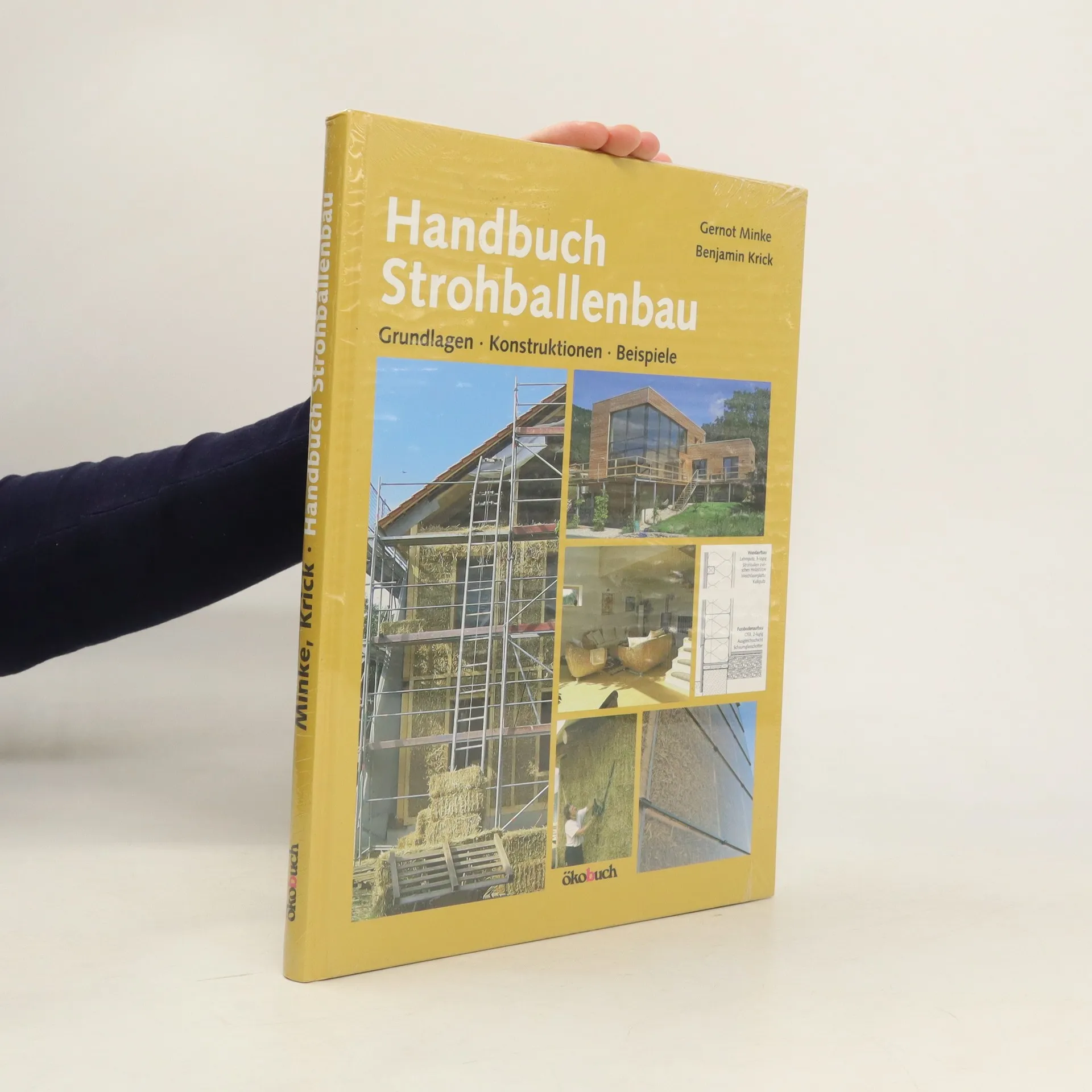
    Handbuch Strohballenbau
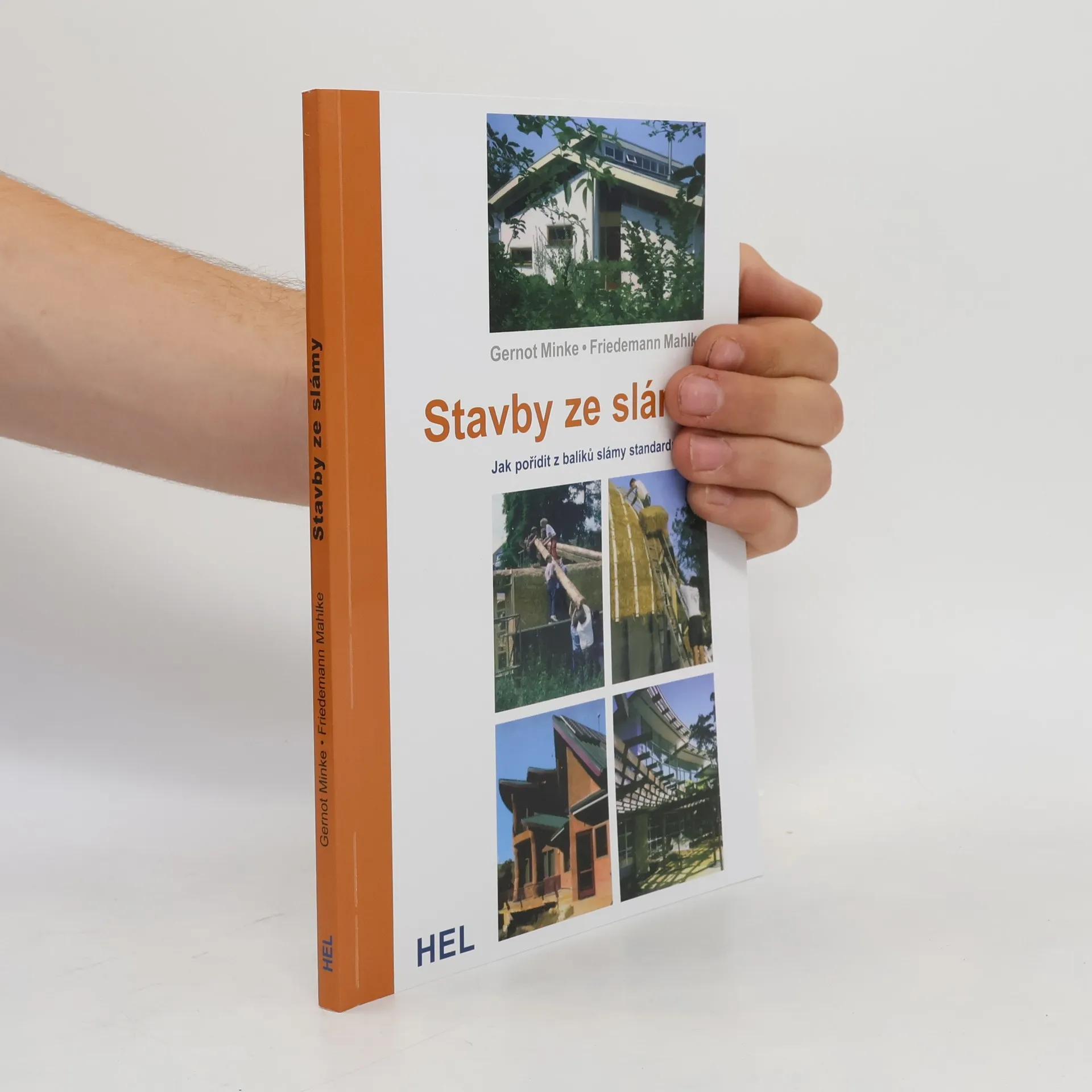
    Stavby ze slámy
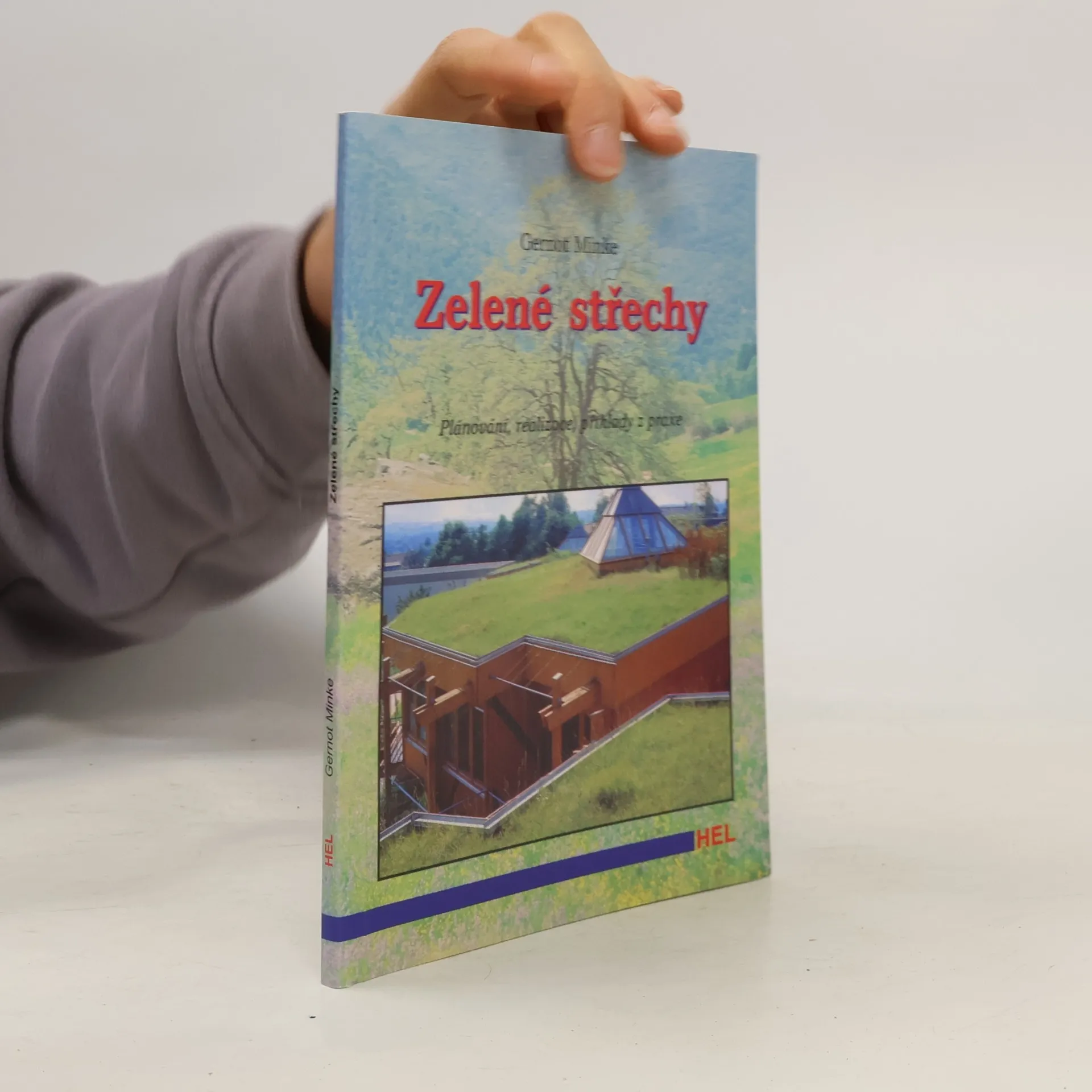
    Zelené střechy. Plánování, realizace, příklady z praxe
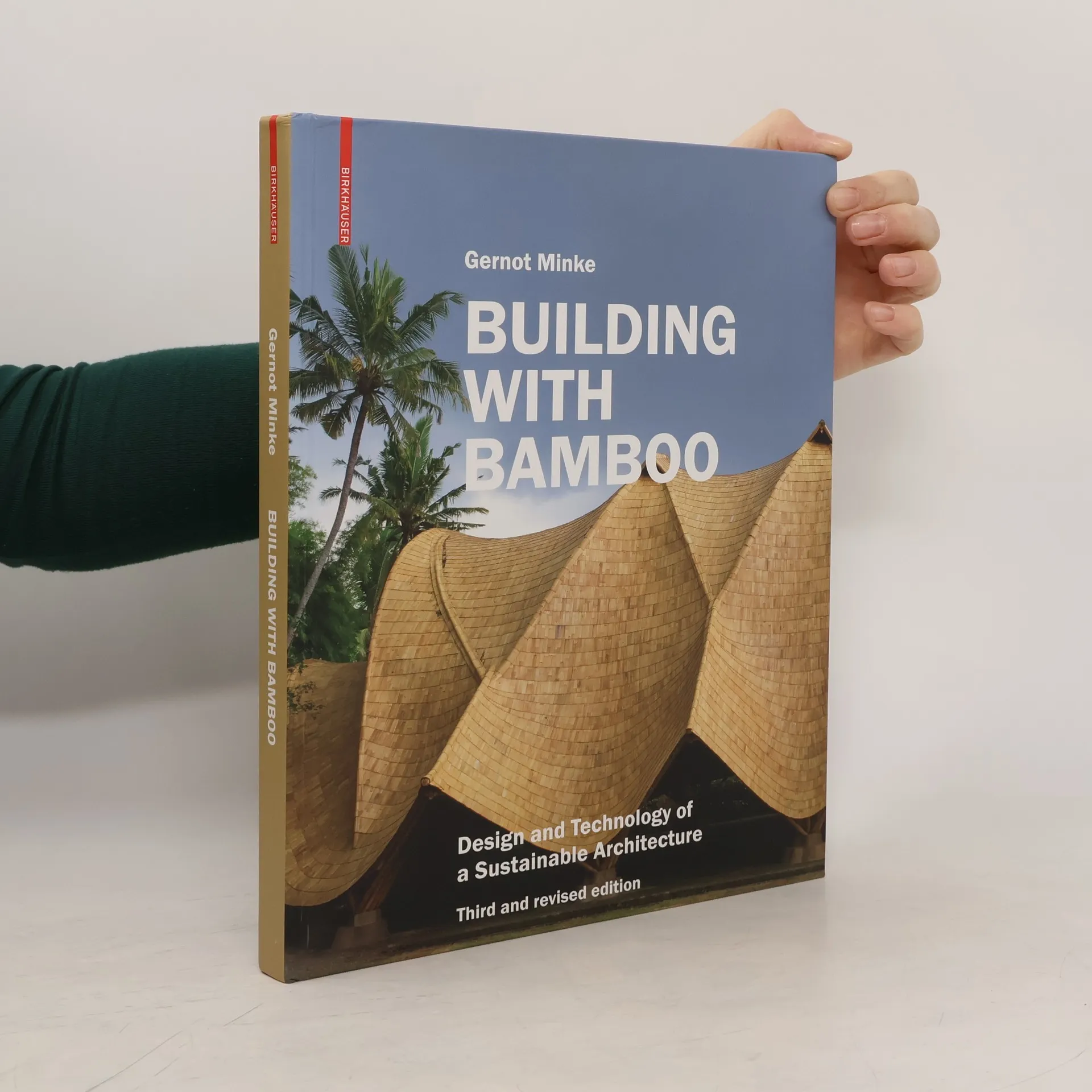
    Building with bamboo
    Straw Bale Construction Manual
    Building with Earth
    • Earth, in common use for architectural construction for thousands of years, has in recent years attracted new attention as a healthy, environment-friendly and economical building material. An impressive number of building has been realized not just in hot and dry regions but also in the colder climates of Europe and North America. Technical innovations such as prefabricated rammed earth components and clay panels facilitate the use of this sustainable material. This manual, now in its fourth and revised edition, describes the building technology of rammed earth. The physical properties and characteristics values are explained in a hands-on manner : with proper moisture protection, earth buildings are very durable, and in particular the combination with wood or straw in particular the combination with wood or straw allows a wide spectrum od fesign options. Twenty-six international built examples demonstrate the range of applications for this fully recyclable material.

      Building with Earth
    • Straw Bale Construction Manual

      Design and Technology of a Sustainable Architecture

      • 160pagine
      • 6 ore di lettura

      Building with straw bales is a technique pioneered a century ago in the state of Nebraska. In recent years there has been a renaissance in the use of straw as a building material largely in the American Southwest, but also in Canada, Australia, France, Holland, Germany, Austria and China. Straw is a renewable resource with excellent insulating properties. It is a cheap and easy-to-use option for self-builders, and even large-scale structures can be erected using timber framework filled with straw. This book is a practical, hands-on guide to building with straw. Fire safety, protection against moisture, damp, pests and parasites are treated in detail. Numerous on-site photos document the process of assembly and construction step by step. 30 exemplary international projects illustrate the wide spectrum of design possibilities with straw.

      Straw Bale Construction Manual
    • Building with bamboo

      • 176pagine
      • 7 ore di lettura

      Traditionally a building material of the warmer climate zones, bamboo is becoming increasingly popular amongst architects in the northern hemisphere; bamboo has several advantages - it is very stable, of low weight, and highly elastic, in addition to being readily available as well as renewable. The applications of bamboo in architecture have diversified considerably, so that today, even structures with large spans - such as bridges - are built with this material. Renowned universities such as the ETH Zurich or the SUTD in Singapore have conducted research on engineered bamboo which will further expand its use. The third edition of this manual provides a systematic overview of the applications and processing methods of this renewable material. Recent inspiring bamboo buildings have been added.

      Building with bamboo
    • Zelené střechy jsou důležité nejen pro svůj estetický účinek, ale zejména proto, že ve městech vytvářejí cenné biotopy, zlepšují kvalitu vzduchu a mají mnoho stavebně technických a stavebně fyzikálích předností: v létě "chladí", v zimě "hřejí" a rovněž prodlužují životnost střechy. Také jejich realizace, a to i při dodatečném provádění, je jednoduchá a finančně nenákladná. Tato kniha prakticky a srozumitelně popisuje, jak lze ozelenit střechy obytných a administrativních budov, ale i garáží a přístřešků. Autor podrobně a s použitím fotografií a nákresů informuje o tom, na co je třeba dbát při plánování a jaké typy ozelenění lze zvolit. Představuje osvědčené systémy ozelenění plochých a šikmých střech včetně všech důležitých konstrukčních detailů, poskytuje údaje o nákladech a hospodárnosti, dává doporučení pro svépomocné práce a uvádí některé dodavatelské firmy.

      Zelené střechy. Plánování, realizace, příklady z praxe
    • Sláma byla v posledních letech znovu objevena jako levný stavební materiál s velmi dobrými tepelněizolačními vlastnostmi. Autoři popisují způsoby stavění a stavebnětechnické zvláštnosti důležité při zacházení se slámou jako stavebním materiálem; uvádějí konkrétní a prakticky zaměřené konstrukční a prováděcí detaily, jimž je záhodno věnovat pozornost, aby se z balíků slámy daly postavit dobře izolované obytné domy s dlouhou životností. Publikace obsahuje pokyny k povrchové úpravě stěnových ploch, konkrétní návody týkající se stavebního procesu i popisy mnoha dosud realizovaných staveb.

      Stavby ze slámy
    • Ein Konstruktionshandbuch. Stroh ist als preiswertes Baumaterial mit sehr guten wärmedämmenden Eigenschaften in den letzten Jahren neu entdeckt worden. Die Autoren beschreiben die Bauweisen und die bautechnischen Besonderheiten, auf die es beim Umgang mit dem Baustoff Stroh ankommt, und sie zeigen konkret und praxisnah Konstruktionen und Ausführungsdetails, mit denen gut gedämmte und dauerhafte Wohnhäuser aus Strohballen gebaut werden können. Mit Hinweisen zur Oberflächenbehandlung der Wandflächen, konkreten Anleitungen für den Bauprozess und Beschreibungen vieler bereits realisierter Beispiele.

      Handbuch Strohballenbau
    • Stroh ist als preiswertes Baumaterial mit sehr guten wärmedämmenden Eigenschaften in den letzten Jahren neu entdeckt worden. Die Autoren beschreiben die Bauweisen und die bautechnischen Besonderheiten, auf die es beim Umgang mit dem Baustoff Stroh ankommt, sie zeigen konkret und praxisnah Konstruktionen und Ausführungsdetails, die geeignet sind, um aus Strohballen gut gedämmte, dauerhafte Wohnhäuser zu bauen. Mit Hinweisen zur Oberflächenbehandlung der Wandflächen, konkreten Anleitungen für den Bauprozess und Beschreibungen vieler bereits realisierter Beispiele.

      Der Strohballenbau
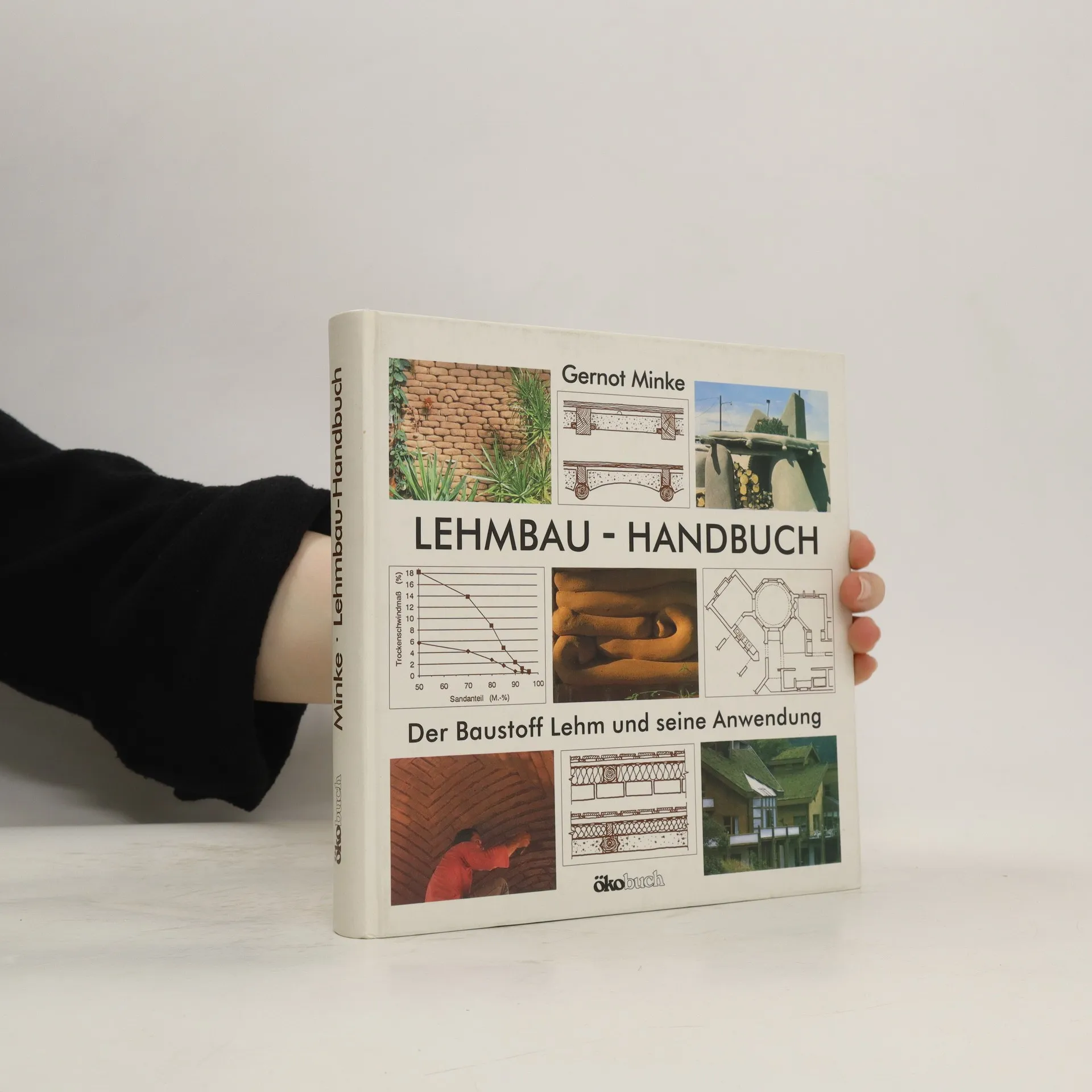
    • Der Baustoff Lehm und seine Anwendung. Hier ist das umfassende Lehrbuch und Nachschlagewerk zum Thema „Bauen mit Lehm“. Der Autor zeigt die Vielfalt der Einsatzmöglichkeiten und Verarbeitungstechniken des Baustoffes Lehm und erläutert fundiert und praxisnah die materialspezifischen Eigenschaften und physikalischen Kennwerte. Die gesammelten Daten und Erkenntnisse aus Forschung und Praxis sind ergänzt durch Beschreibungen und Bilder ausgeführter Lehmhäuser und durch die Erfahrungen, die bei der Planung und Realisierung zahlreicher Lehmbauten im In- und Ausland gewonnen wurden. Prof. Dr.-Ing. G. Minke, ist Hochschullehrer an der Universität Kassel. Er leitet dort am Fachbereich Architektur das von ihm 1974 gegründete Forschungslabor für Experimentelles Bauen (FEB). Daneben ist er als freier Architekt und Berater für Bauökologie tätig.

      Das neue Lehmbau-Handbuch