

Bookbot

Kenneth S. Rogoff

    Ken Rogoff è un distinto economista e Grande Maestro di scacchi il cui lavoro si addentra in profonde questioni economiche. Il suo approccio analitico e il suo pensiero strategico, affinati nel mondo degli scacchi, permeano le sue analisi economiche. Esamina questioni globali complesse, offrendo prospettive illuminanti sulla loro risoluzione. La sua produzione accademica in campo economico è apprezzata per la sua profondità e natura interdisciplinare.

    Our Dollar, your Problem
    The Curse of Cash
    Foundations of International Macroeconomics
    Our Dollar, Your Problem
    A Decade of Debt
    Questa volta è diverso. Otto secoli di follia finanziaria
    • Throughout history, countries have experienced a range of financial crises, with experts often declaring, "this time is different," insisting that past lessons no longer apply. In this groundbreaking study, economists Carmen Reinhart and Kenneth Rogoff challenge this notion by examining sixty-six countries over eight centuries. They provide a comprehensive analysis of government defaults, banking panics, and inflationary spikes, from medieval currency debasements to contemporary subprime disasters. The authors argue that financial crises are universal experiences for both emerging and established markets, revealing how little we have learned from history. Their clear analysis and extensive data show that financial downturns occur in clusters, with consistent frequency, duration, and intensity. They explore patterns of currency crashes, hyperinflation, and government defaults on debts, alongside cycles in housing and equity prices, capital flows, unemployment, and government revenues. While nations may survive financial turmoil, Reinhart and Rogoff highlight how short memories facilitate the recurrence of crises. This significant work is poised to influence policy discussions for years, shedding light on centuries of financial missteps.

      Questa volta è diverso. Otto secoli di follia finanziaria
      3,8
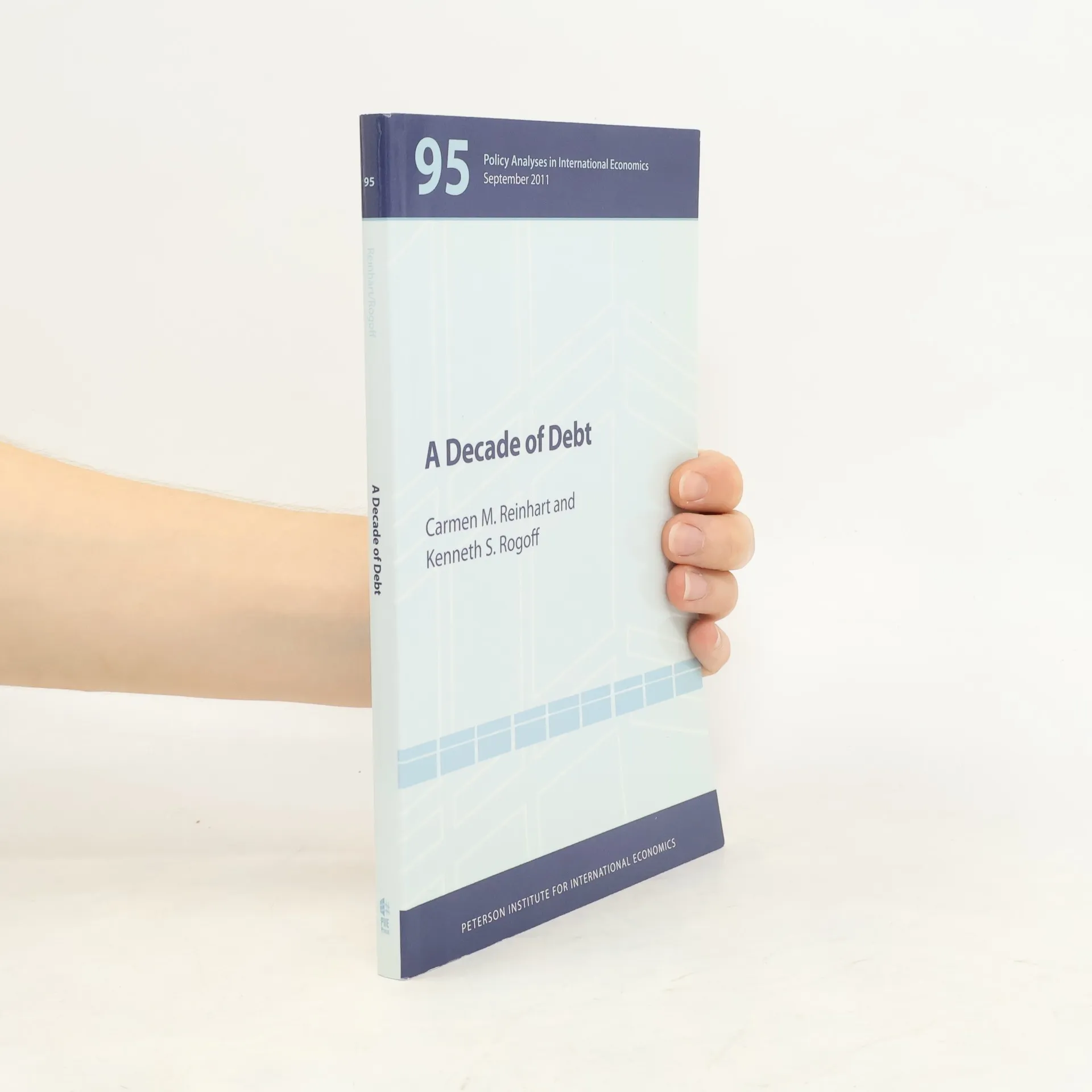
    • This book presents evidence that public debts in the advanced economies have surged in recent years to levels not recorded since the end of World War II, surpassing the heights reached during the First World War and the Great Depression. At the same time, private debt levels, particularly those of financial institutions and households, are in uncharted territory and are (in varying degrees) a contingent liability of the public sector in many countries. Historically, high leverage episodes have been associated with slower economic growth and a higher incidence of default or, more generally, restructuring of public and private debts. A more subtle form of debt restructuring in the guise of "financial repression" (which had its heyday during the tightly regulated Bretton Woods system) also importantly facilitated sharper and more rapid debt reduction than would have otherwise been the case from the late 1940s to the 1970s. It is conjectured here that the pressing needs of governments to reduce debt rollover risks and curb rising interest expenditures in light of the substantial debt overhang (combined with the widespread "official aversion" to explicit restructuring) are leading to a revival of financial repression--including more directed lending to government by captive domestic audiences (such as pension funds), explicit or implicit caps on interest rates, and tighter regulation on cross-border capital movements.

      A Decade of Debt
      4,2
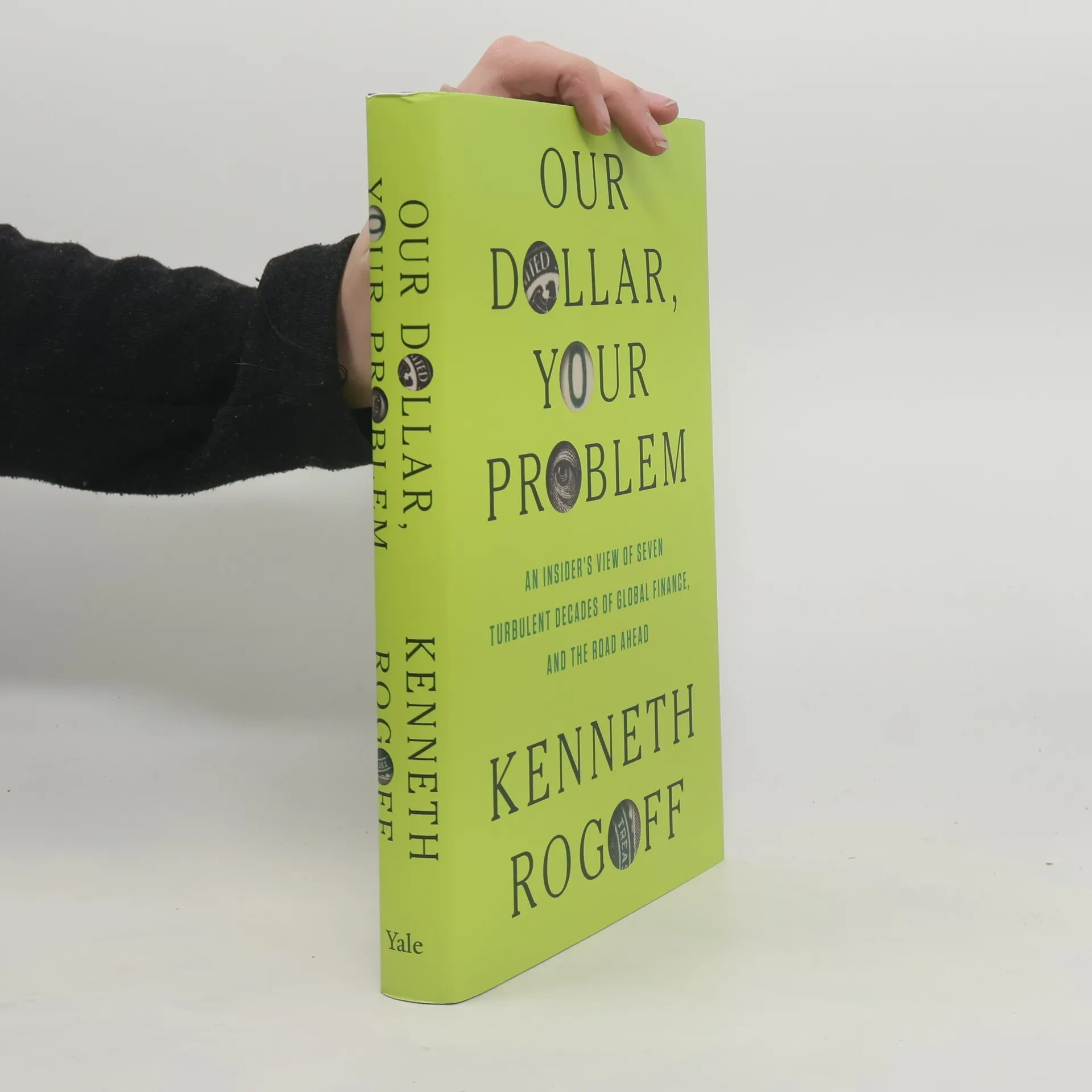
    • Our Dollar, Your Problem

      An Insider's View of Seven Turbulent Decades of Global Finance, and the Road Ahead

      • 345pagine
      • 13 ore di lettura

      A leading economist explores the U.S. dollar's inexorable postwar global expansion and argues that today's outsized footprint may portend greater financial instability at home and abroad

      Our Dollar, Your Problem
      4,1
    • Foundations of International Macroeconomics is an innovative text that offers the first integrative modern treatment of the core issues in open economy macroeconomics and finance. With its clear and accessible style, it is suitable for first-year graduate macroeconomics courses as well as graduate courses in international macroeconomics and finance. Each chapter incorporates an extensive and eclectic array of empirical evidence. For the beginning student, these examples provide motivation and aid in understanding the practical value of the economic models developed. For advanced researchers, they highlight key insights and conundrums in the field. Topic coverage includes intertemporal consumption and investment theory, government spending and budget deficits, finance theory and asset pricing, the implications of (and problems inherent in) international capital market integration, growth, inflation and seignorage, policy credibility, real and nominal exchange rate determination, and many interesting special topics such as speculative attacks, target exchange rate zones, and parallels between immigration and capital mobility. Most main results are derived both for the small country and world economy cases. The first seven chapters cover models of the real economy, while the final three chapters incorporate the economy's monetary side, including an innovative approach to bridging the usual chasm between real and monetary models.

      Foundations of International Macroeconomics
      1,0
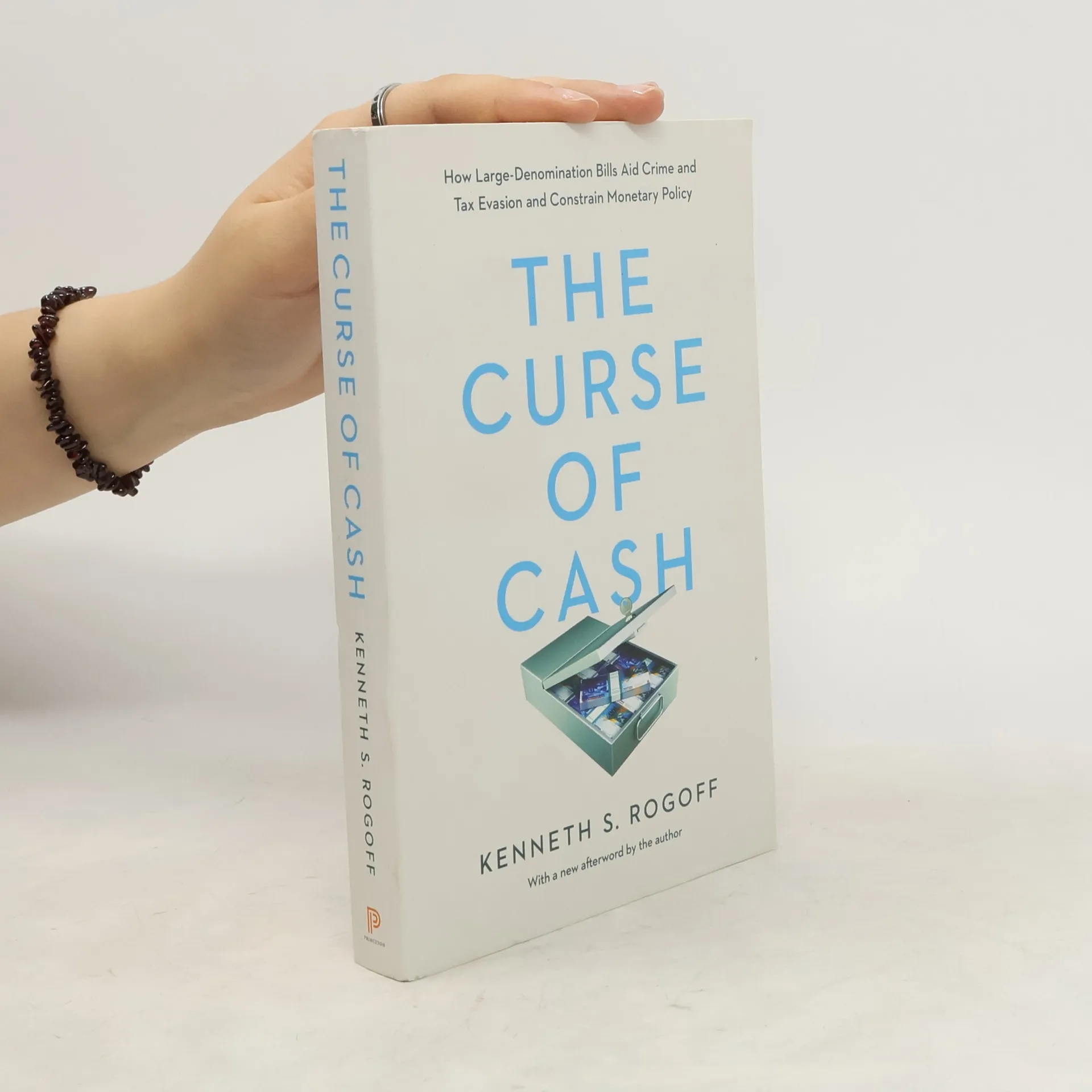
    • The Curse of Cash

      How Large-Denomination Bills Aid Crime and Tax Evasion and Constrain Monetary Policy - With a New Afterword by the Author

      • 320pagine
      • 12 ore di lettura

      BRAND NEW, Exactly same ISBN as listed, Please double check ISBN carefully before ordering.

      The Curse of Cash
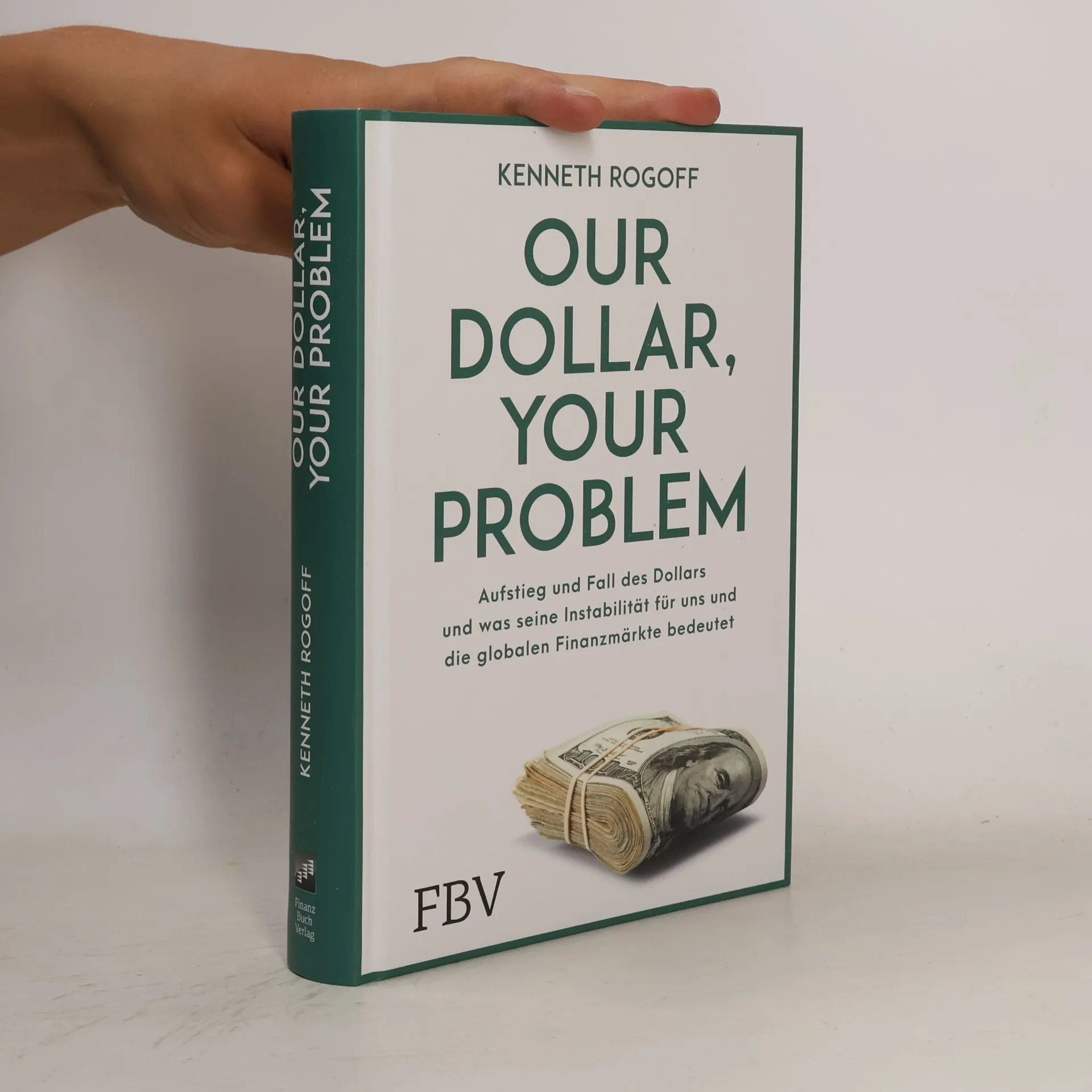
    • Our Dollar, your Problem

      Aufstieg und Fall des Dollars und was seine Instabilität für uns und die globalen Finanzmärkte bedeutet. Top-Ökonom über Währungs- und Wirtschaftskrisen

      • 368pagine
      • 13 ore di lettura

      Die ganze Welt ist abhängig vom Dollar. Doch wird das auch so bleiben? Der führende Wirtschaftswissenschaftler Kenneth Rogoff untersucht den Aufstieg des US-Dollars zur Weltwährung und zeigt, warum seine Vormachtstellung alles andere als gesichert ist. Der ehemalige Chefökonom des Internationalen Währungsfonds stützt sich auf eigene Erfahrungen, unter anderem mit politischen Entscheidungsträgern und Staatsoberhäuptern, und beschreibt, wie der Dollar sich gegen den japanischen Yen, den sowjetischen Rubel und den Euro durchsetzte. Präzise analysiert er die aktuellen Herausforderungen, mit denen die Leitwährung konfrontiert ist: Kryptowährungen und der chinesische Yuan, zunehmende Inflation und höhere Zinssätze, politische Instabilität und das Auseinanderbrechen des Dollarblocks. Das Ende der Pax-Dollar-Ära könnte bereits eingeläutet sein, nicht nur, weil viele Länder von dem System zutiefst frustriert sind, sondern auch, weil Selbstüberschätzung und Arroganz zu Fehlern führen. Rogoff zeigt, wie Amerikas übergroße Macht und exorbitante Privilegien finanzielle Instabilität nach sich ziehen – im eigenen Land und auf der ganzen Welt.

      Our Dollar, your Problem