

Vecchio stregone Sioux, Alce Nero racconta il periodo più tragico della storia del suo popolo e ci trasmette la sua estrema «visione di potere», compendio di una sapienza che sfugge ai persecutori bianchi. «Alce Nero è tra le più belle affermazioni dei valori spirituali... Riassumere Alce Nero? Per un certo verso ci vuol poco: il santo asceta a nove anni, dopo che strani malanni, impalpabili avvertimenti si sono infittiti su di lui giungendo dal mondo delle invisibili potenze e germinazioni, riceve una stupenda visione: le forze che presiedono alla natura, alla storia e al superamento e della natura e della storia gli si palesano sotto il velame di una coreografia che non potrebbe certo arridere ad una fantasia esclusivamente umana. Al paragone l’Apocalissi è più arida, emblematizzante. Un ritmo potente... scandisce le solenni parole rintuonanti fra giogaie di monti, le apparizioni di antenati primordiali, di sacri cavalli caracollanti, di altri misteriosi animali» (Elémire Zolla).
Raymond J. DeMallie Libri
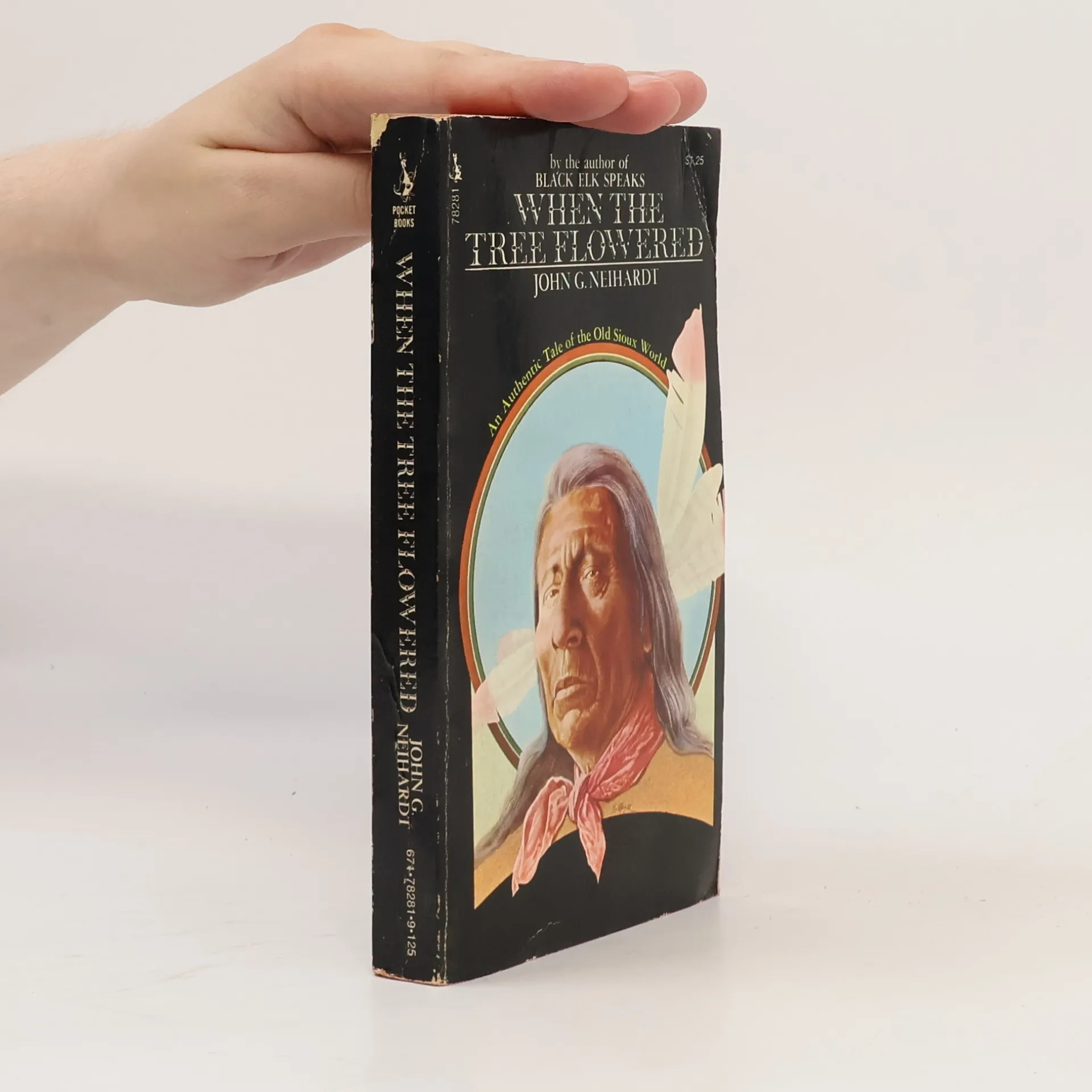


When the Tree Flowered
The Story of Eagle Voice, a Sioux Indian
"When the Tree Flowered is John Neihardt's mature and reflective interpretation of the old Sioux way of life. Through his writings, Black Elk, Eagle Elk, and other old men who were of that last generation of Sioux to have participated in the old buffalo-hunting life and the period of strife with the U.S. army found a literary voice. What they said chronicles a dramatic transition in the life of the Plains Indians; the record of their thoughts, interpreted by Neihardt, is a legacy preserved for the future. It transcends the specifics of this tragic case of cultural misunderstanding and conflict and speaks to universal human concerns. It is a story worth contemplating both for itself and for the lessons it teaches all humanity."