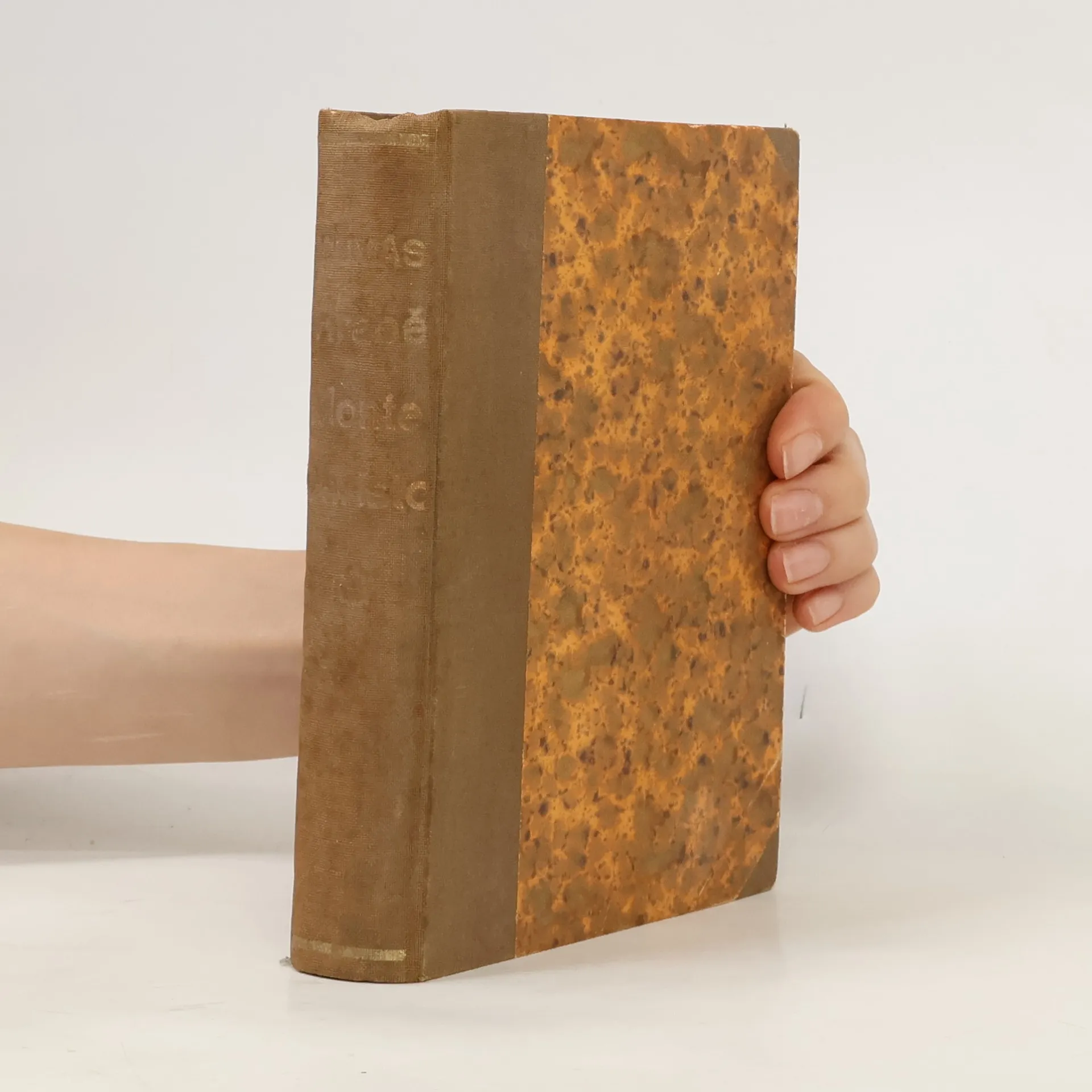
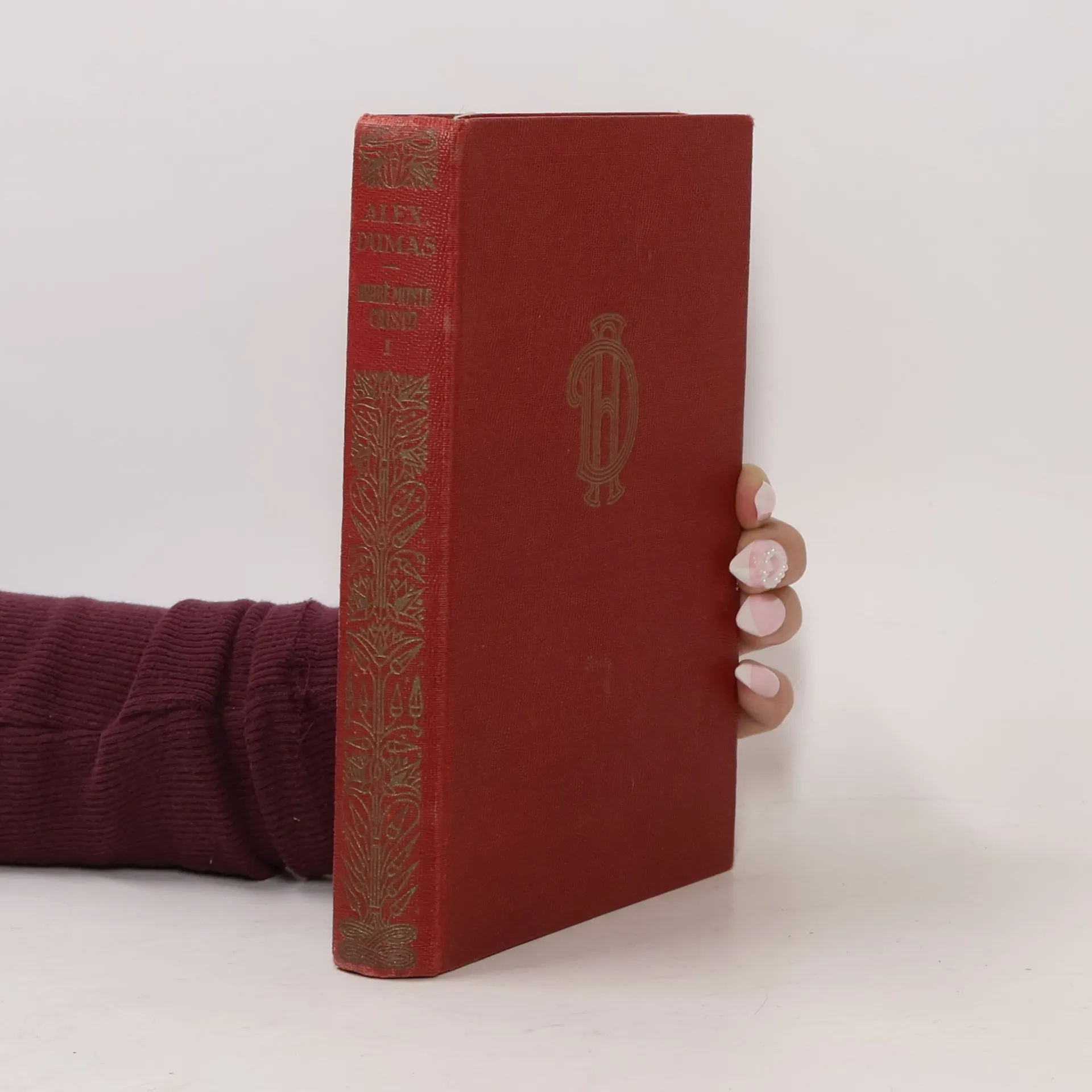
Edmond Dantès, il comandante del Pharaon, fidanzato della bella Mercédès, ha visto le sue speranze infrante. Più di vent'anni dopo il suo ingiusto imprigionamento, tornato tra i vivi, è finalmente pronto a compiere la sua vendetta, senza tregua né pietà. Ha appreso tutto dai suoi nemici. Da Europa a Oriente, estraendo i loro crimini uno dopo l'altro, ha ritrovato i cospiratori senza scrupoli che giurarono la sua rovina. Il barone Danglars, ex commesso diventato ricco banchiere. Monsieur de Villefort, sostituto divenuto procuratore del re. Il conte Fernand de Morcerf, ora pari di Francia e marito di Mercédès! Sotto la maschera del conte di Monte-Cristo, Dantès ha giurato il loro disonore, la loro rovina e la loro morte... Ma può giustamente sostituirsi alla divina Provvidenza? Non sarebbe un giustiziere più grande se fosse magnanimo? Questa è anche la questione che pone il libro più umano di Alexandre Dumas.
Ema Horká Libri




Druhý díl ze čtyř. Čtyřdílný román vycházejíci z křesťanské legendy o Ashaverovi. Věčný Žid v autorově podání bojuje proti sociální nespravedlnosti - je kladným hrdinou a ničemou je jezuita. Tím autor dává najevo i svůj názor na jednání a postavení katolické církve.
La Comtesse De Charny
- 366pagine
- 13 ore di lettura
Culturally significant, this work is a faithful reproduction of an original artifact, preserving its historical integrity. It includes original copyright references and library stamps, reflecting its importance in the knowledge base of civilization. This edition offers readers a glimpse into the past, showcasing the work's relevance and the scholarly effort to maintain its authenticity for future generations.
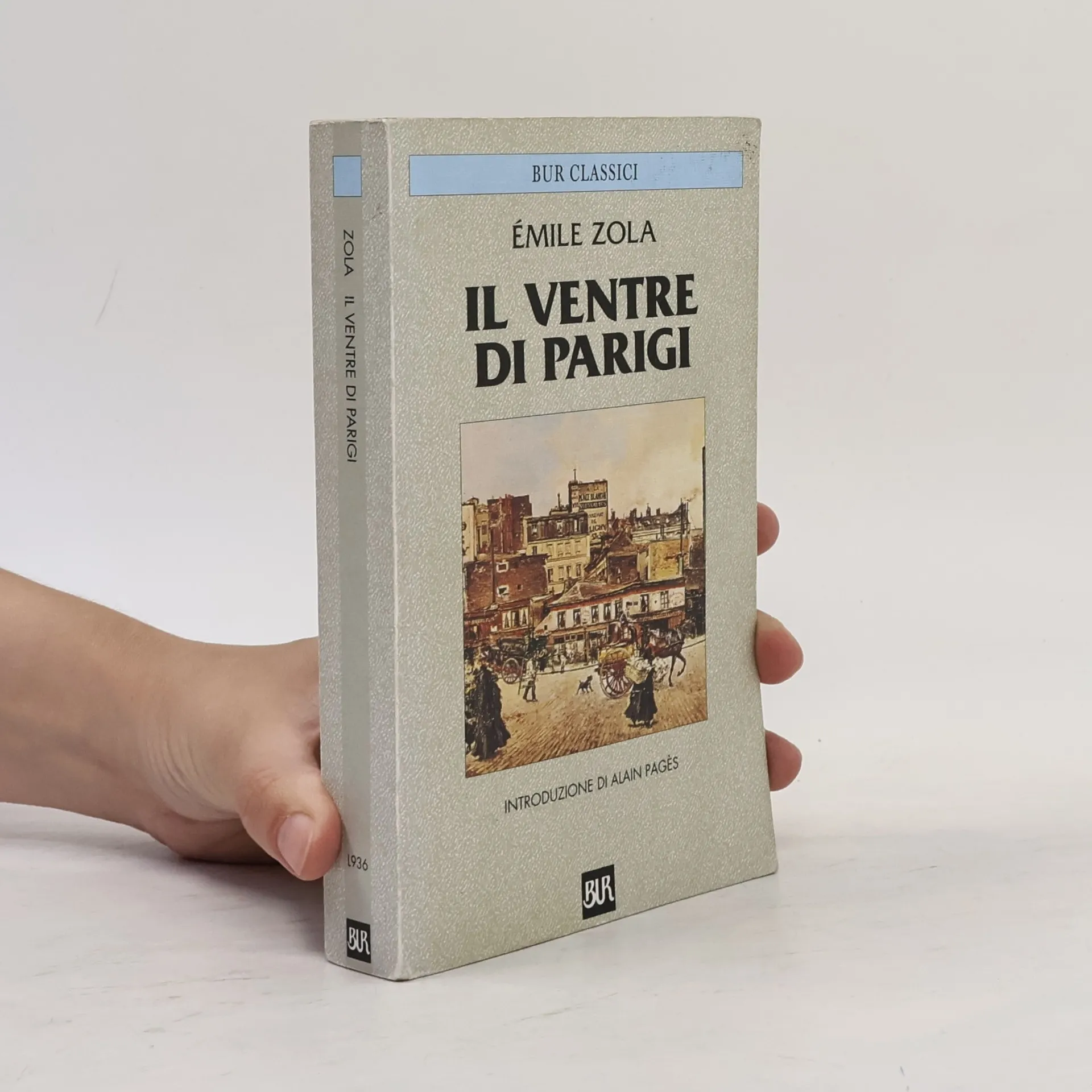
BUR Classici: Il ventre di Parigi
- 398pagine
- 14 ore di lettura
Il romanzo è il terzo del ciclo dei "Rougon-Macquart". La storia è semplice; si svolge durante il Secondo Impero nel quartiere delle Halles. Siamo nel 1858. Florent, insorto contro il colpo di stato del 2 dicembre 1852, è stato deportato in Guyana, ma riesce a fuggire dal bagno penale e a ritornare in Francia. E' accolto dal fratello Quenu, proprietario di una salumeria in rue Rambuteau. Lisa Macquart, moglie di Quenu, accetta malvolentieri il nuovo venuto. In un primo momento comunque tutto procede bene. Ben presto però Florent si lascia trascinare di nuovo dalla passione per la politica, divenendo il capo di una congiura repubblicana contro l'imperatore. Alla fine viene arrestato dalla polizia col consenso dei benpensanti, la bella Lisa in testa.
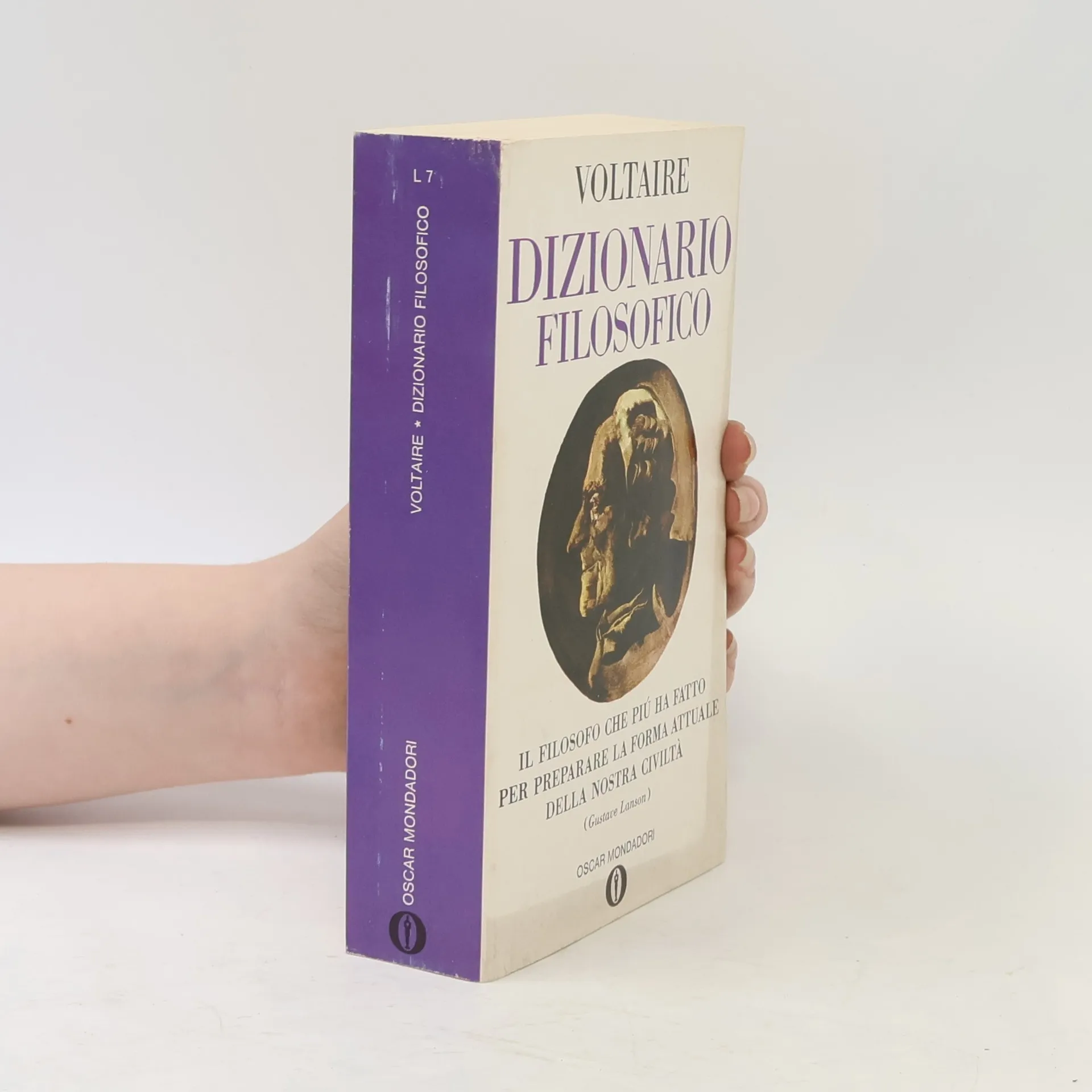
Sottratto dalla tradizione filosofica, il "Dizionario filosofico" di Voltaire è un'opera provocatoria che sfida le convenzioni religiose e morali del suo tempo. Pubblicato nel 1764, il libro suscitò un grande scalpore tra gli intellettuali e una forte opposizione da parte delle autorità ecclesiastiche e governative, portando Voltaire a negare la sua paternità. Considerato un'opera immorale e sacrilega, il dizionario fu bruciato in pubblico e messo all'Indice dal Papa. Nonostante il rifiuto di assumersi la responsabilità, Voltaire continuò a lavorare su nuove edizioni, riconoscendo l'importanza del suo contenuto. L'opera presenta una serie di voci che trattano temi come la religione, la moralità e l'autorità, invitando i lettori a riflettere criticamente su dogmi e credenze. Con uno stile incisivo e ironico, Voltaire incoraggia un approccio razionale alla vita e alla fede, sottolineando la necessità di una vita virtuosa e del rispetto per la verità.
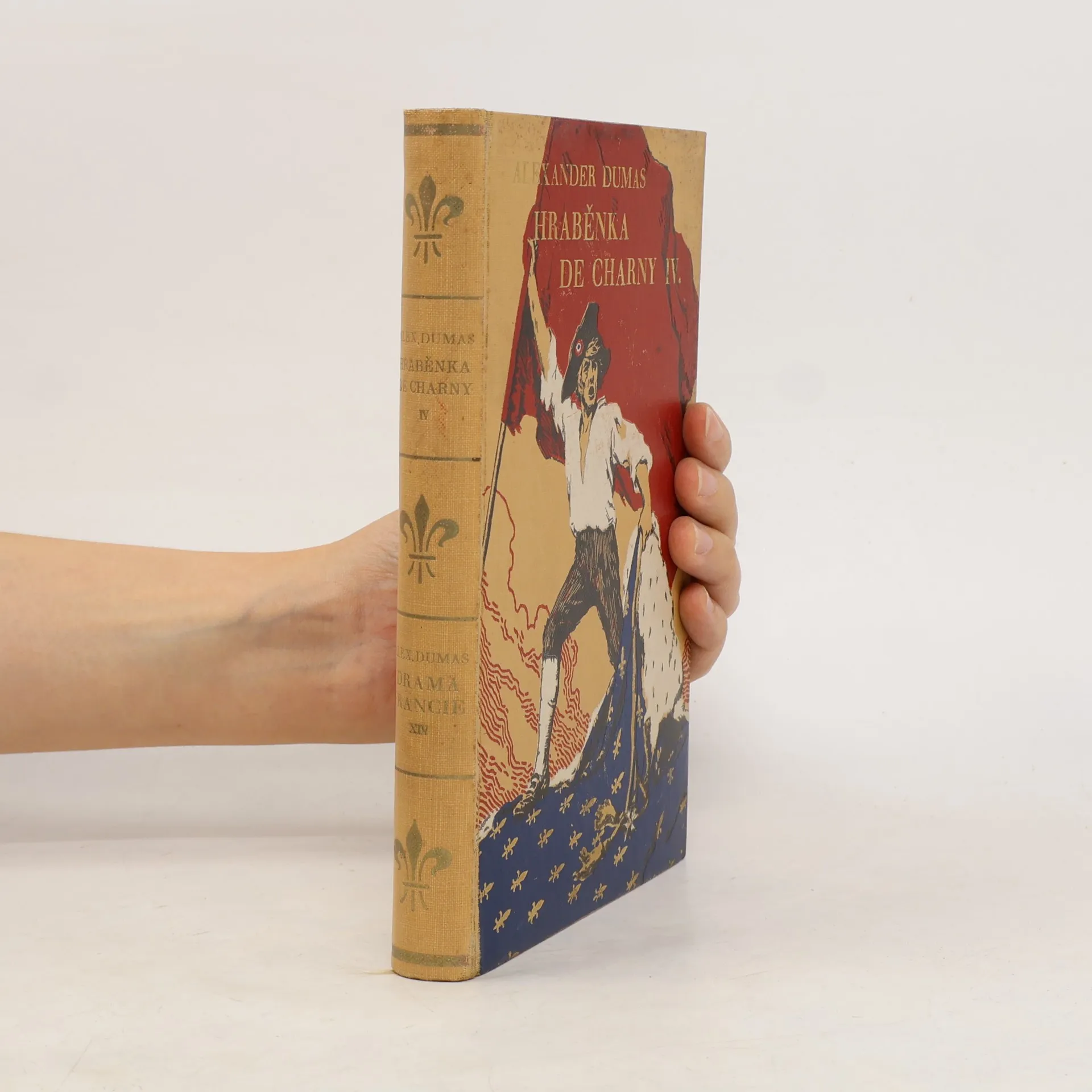
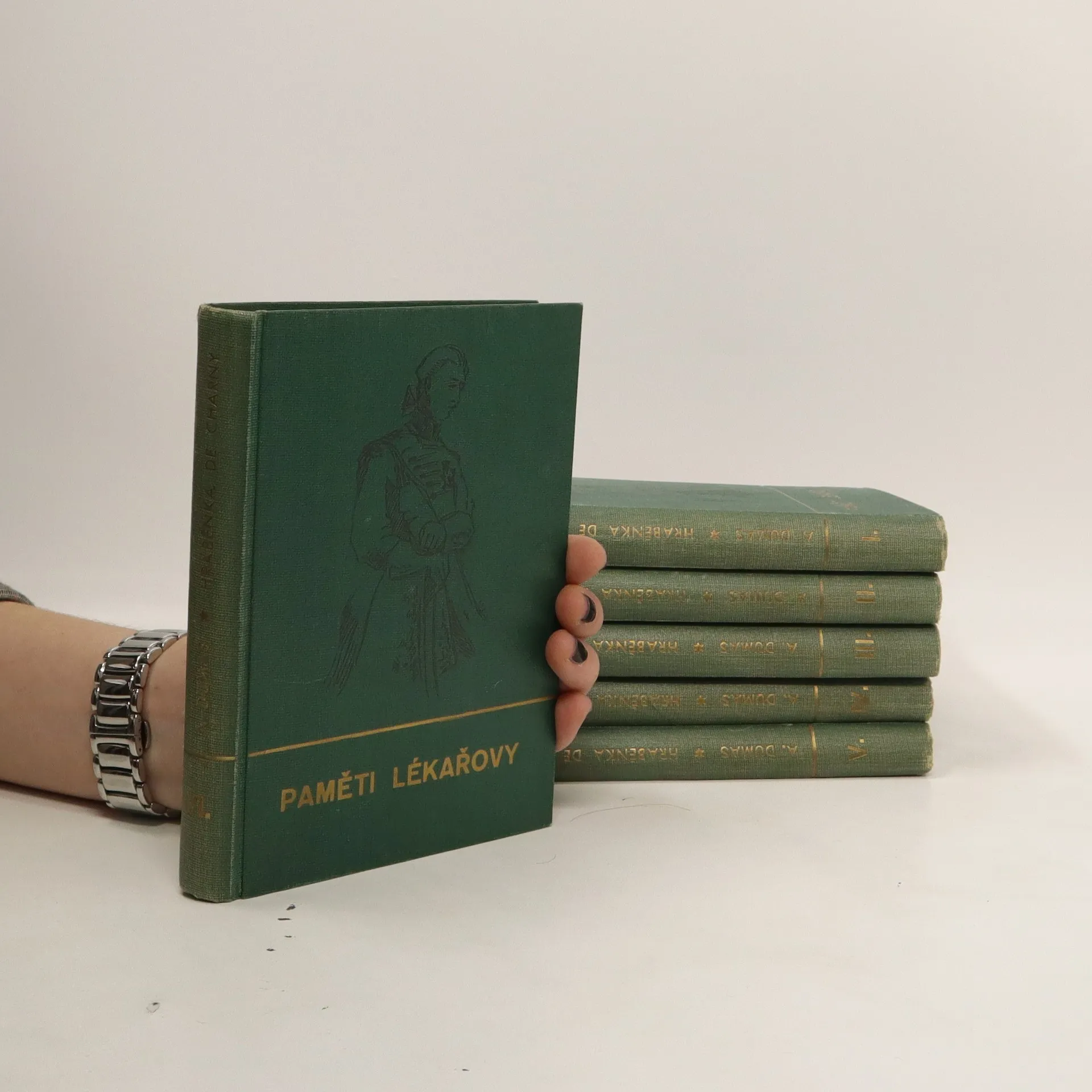
Osudy Andrey de Taverney , nyní hraběnky de Charny, po dobytí Bastily v revoluční Paříži.
Osudy Andrey de Taverney , nyní hraběnky de Charny, po dobytí Bastily v revoluční Paříži.
The Count of Monte-Cristo 5
- 306pagine
- 11 ore di lettura
Hraběnka de Charny, díl I.
Paměti lékařovy