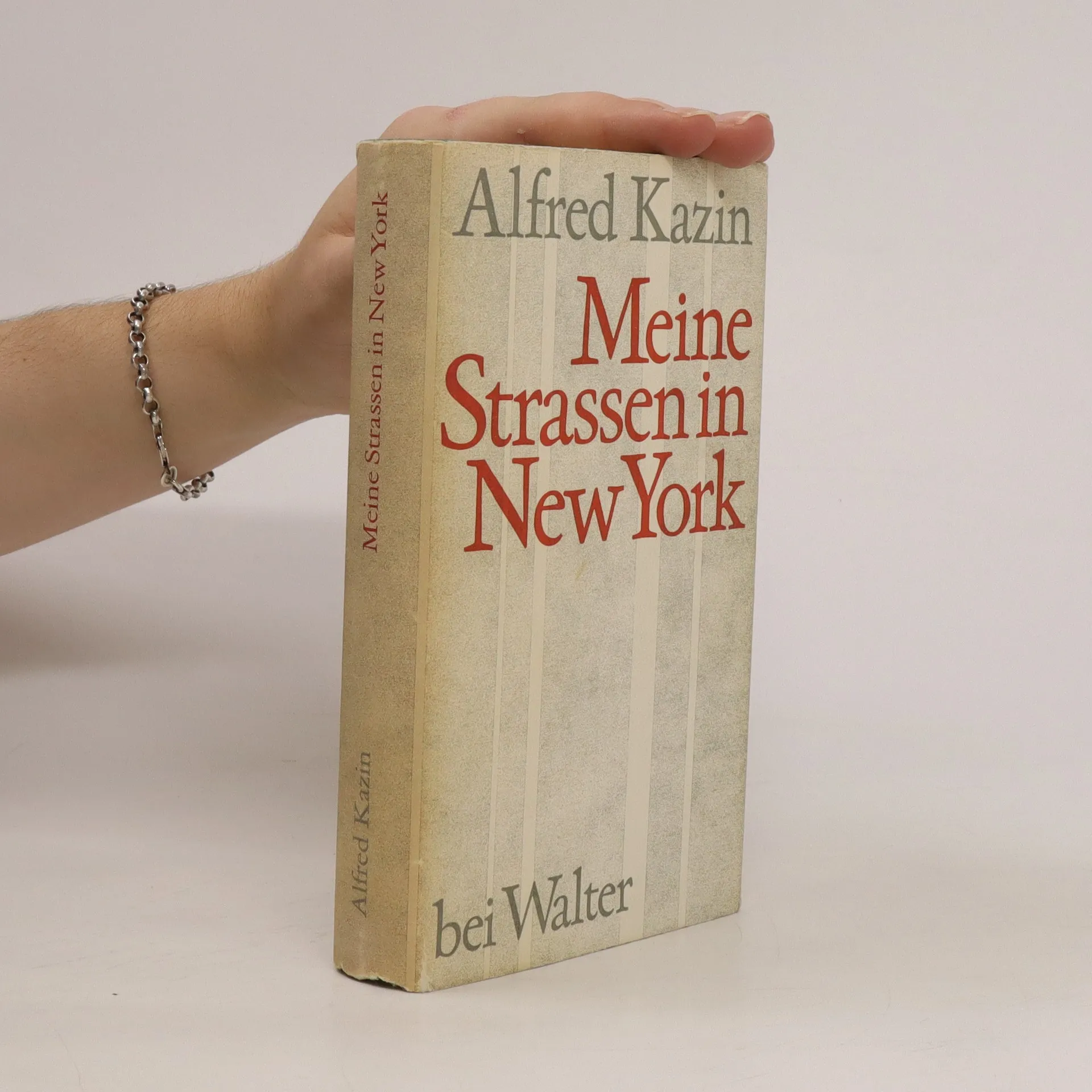
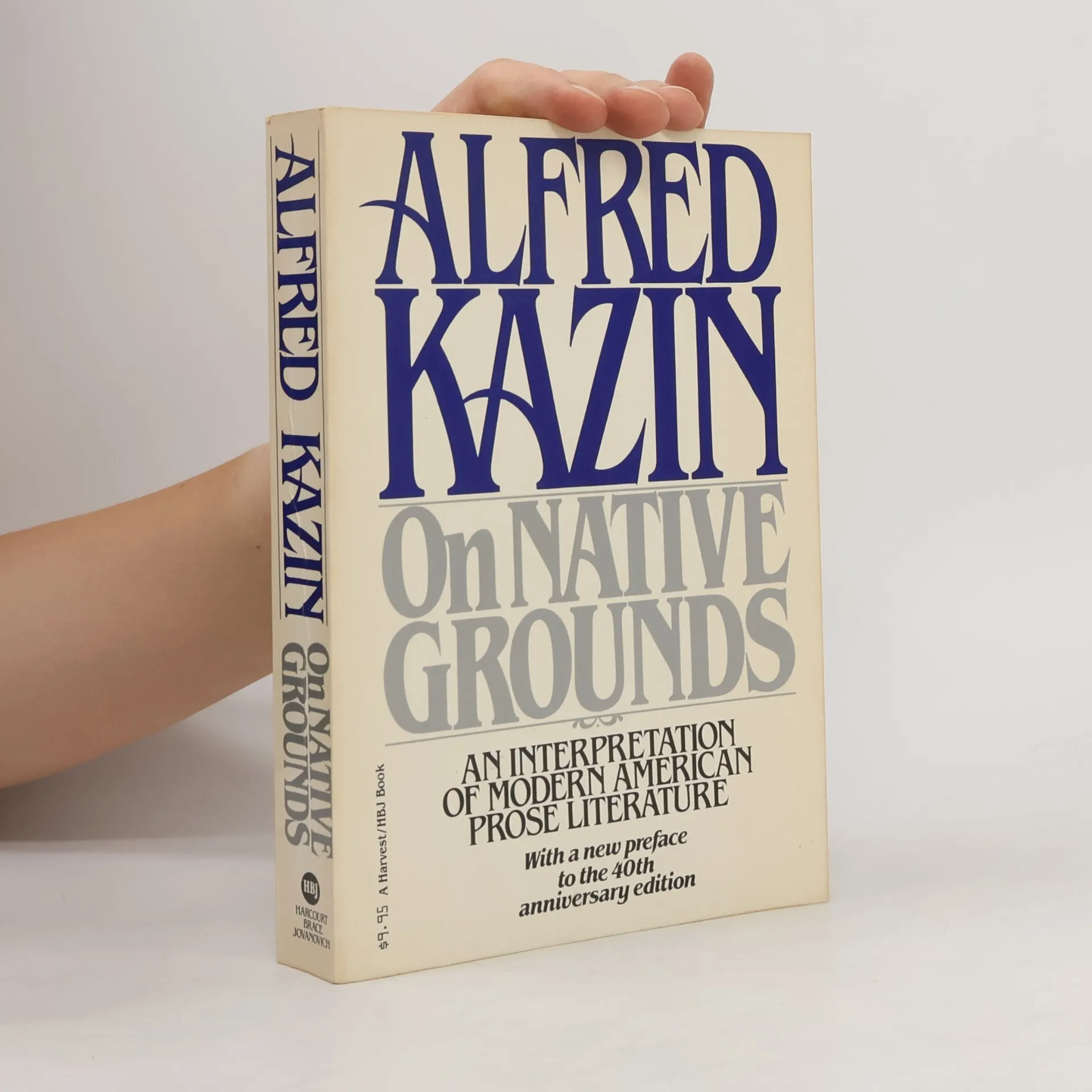
A classic interpretation of literature from America's golden age-including the work of Howells, Wharton, Lewis, Cather, Fitzgerald, Hemingway, and Faulkner. New Preface by the Author; Index.
Alfred Kazin Libri
Alfred Kazin fu uno scrittore e critico letterario americano la cui opera spesso raffigurava l'esperienza degli immigrati nell'America dei primi del Novecento. I suoi saggi derivavano da una profonda conoscenza della storia, della letteratura, della politica e della cultura, espressa con grande passione o disgusto per ciò che leggeva. Considerato uno degli "intellettuali newyorkesi", Kazin nutriva opinioni politiche più moderate rispetto a molti dei suoi coetanei. La sua scrittura è caratterizzata da un fervido coinvolgimento con il mondo letterario e le sue implicazioni sociali.
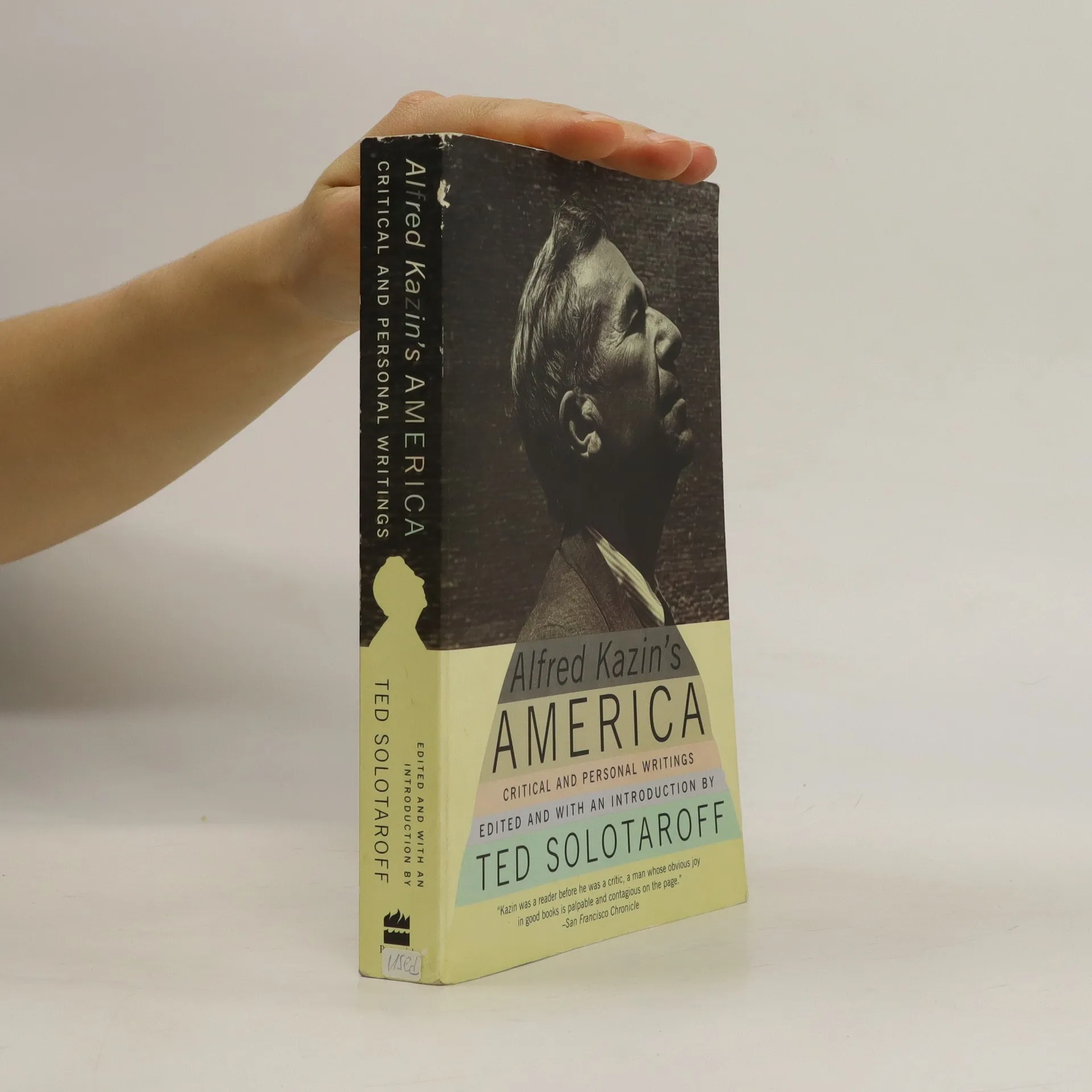
Alfred Kazin's America
- 592pagine
- 21 ore di lettura
“Alfred Kazin chose America as his subject, and his intellectual awakening is itself something of an American legend. . . . Ted Solotaroff’s selection of his work is a fitting tribute, a book that will be a starting point for further reading, both of Kazin and of the native writers to whom he devoted himself” — The New Yorker Over the course of 60 years, Alfred Kazin’s writings confronted virtually all of our major imaginative writers, from Ralph Waldo Emerson and Emily Dickinson to James Wright and Joyce Carol Oates and including such unexpected figures as Abraham Lincoln, William James and Thorstein Veblen. It is fair to say that he succeeded Edmund Wilson as the secretary of American letters. At the same time this son of immigrant Russian Jews wrote out of the tensions of the outsider and the astute, outspoken leftist. Editor Ted Solotaroff has selected material from Kazin’s three classic memoirs to accompany these critical writings. The excerpts include sharply etched portraits of the Brownsville, Greenwich Village, Upper West Side, and Cape Cod literary milieus and of such figures as Saul Bellow, Lionel Trilling, Edmund Wilson, and Hannah Arendt. Alfred Kazin's America provides an ongoing example of the spiritual freedom, individualism, and democratic contentiousness that he regarded as his heritage and endeavored to pass on.
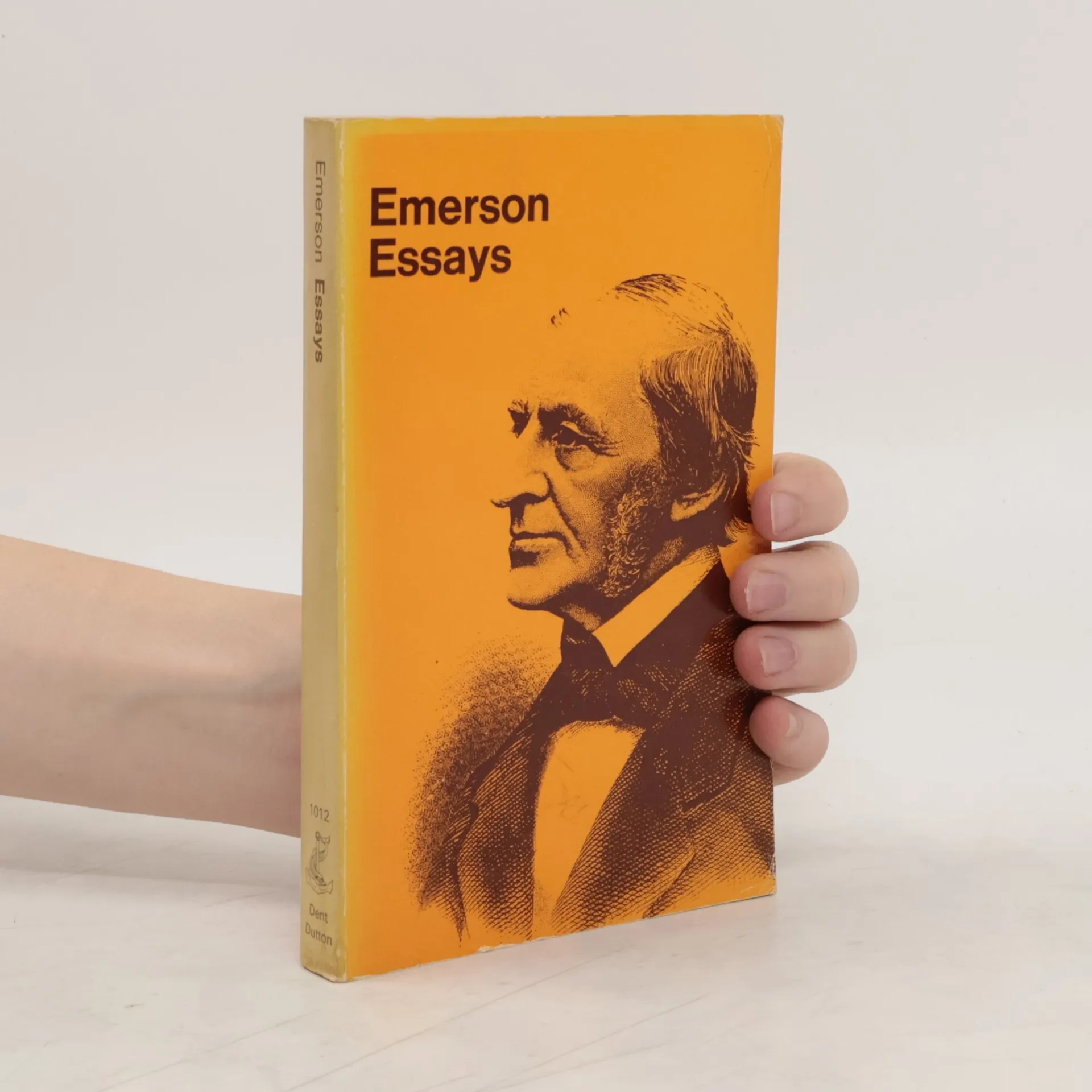
Emerson
- 362pagine
- 13 ore di lettura
Ralph Waldo Emerson is one of the best-loved figures in nineteenth-century American literature. Though he earned his central place in our culture as an essayist and philosopher, since his death his reputation as a poet has grown as well.Known for challenging traditional thought and for his faith in the individual, Emerson was the chief spokesman for the Transcendentalist movement. His poems speak to his most passionately held belief: that external authority should be disregarded in favor of one’s own experience. From the embattled farmers who “fired the shot heard round the world” in the stirring “Concord Hymn,” to the flower in “The Rhodora,” whose existence demonstrates “that if eyes were made for seeing, / Then Beauty is its own excuse for being,” Emerson celebrates the existence of the sublime in the human and in nature. Combining intensity of feeling with his famous idealism, Emerson’s poems reveal a moving, more intimate side of the man revered as the Sage of Concord.
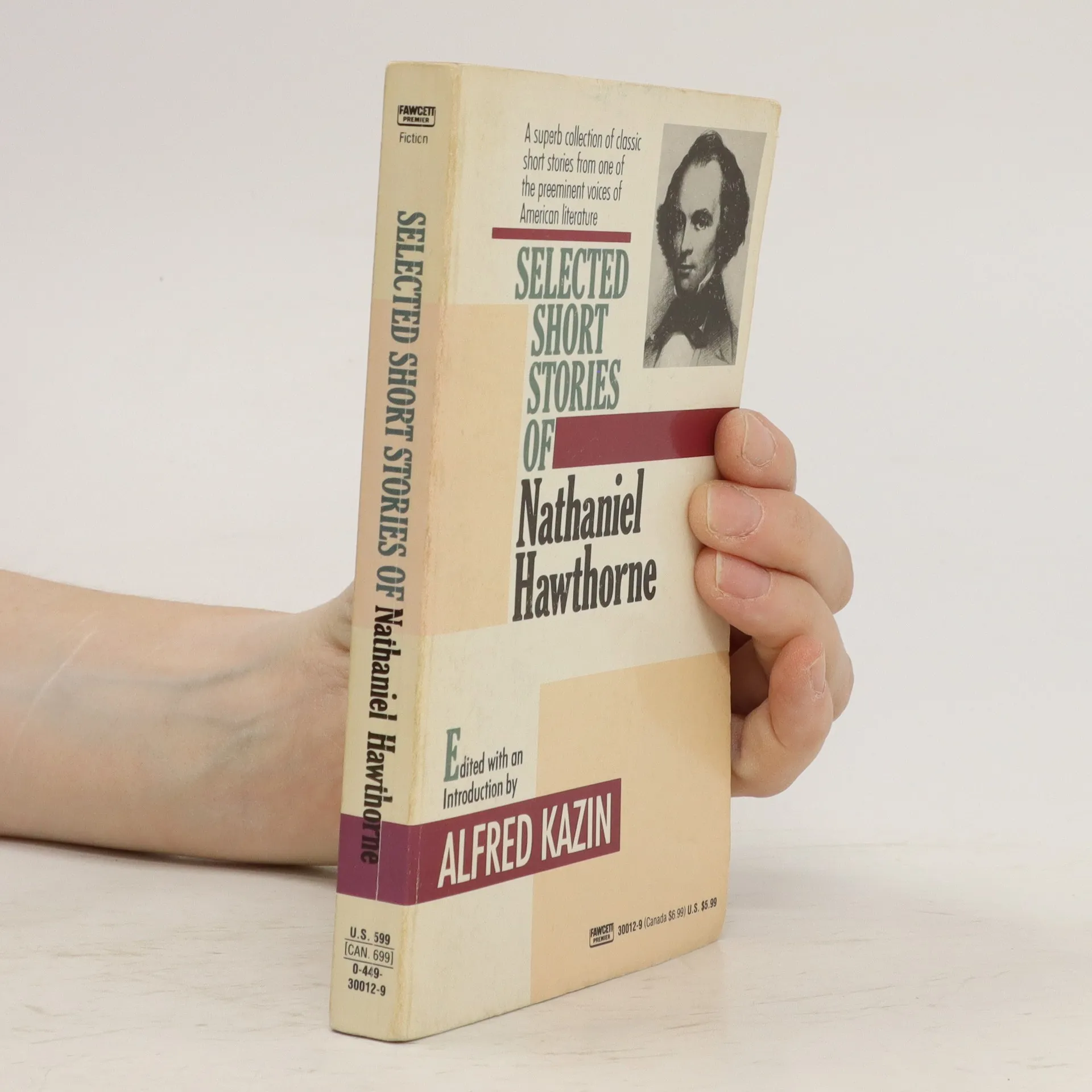
Selected Short Stories of Nathaniel Hawthorne
- 254pagine
- 9 ore di lettura
Presents a selection of fifteen short fiction stories by nineteenth-century American author Nathaniel Hawthorne.
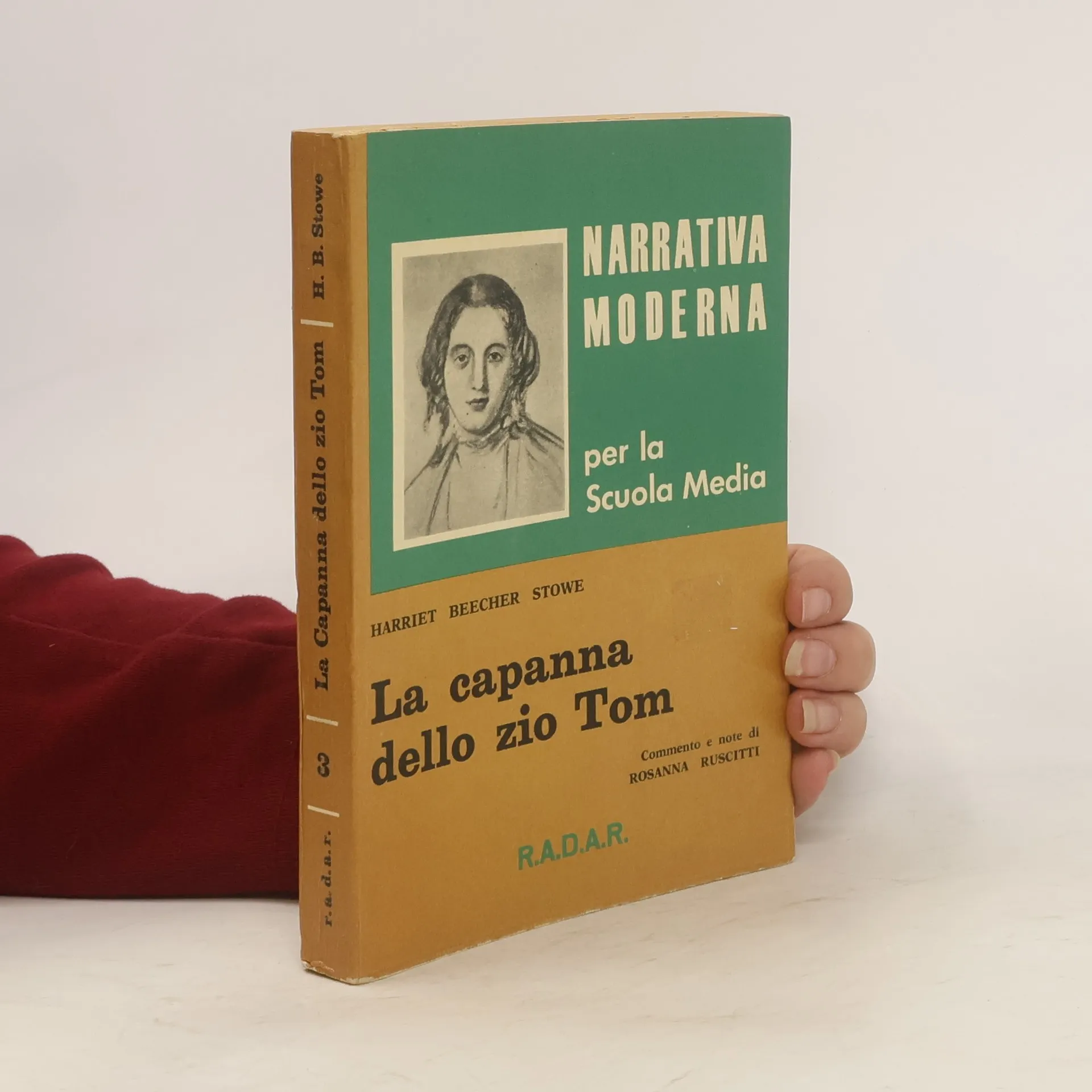
Arthur Shelby, possidente gentile di una grande piantagione in America ma debole, decide di vendere il vecchio zio Tom, generoso, gentile schiavo nero a cui è molto affezzionato, a Haley, feroce mercante di schiavi. Tom accetta il suo destino. In viaggio sul fiume con Haley, salva una bambina caduta in acqua, e il padre della piccola lo compera per gratitudine: ne farà il suo cocchiere. Forse per Tom si schiude la promessa di un avvenire migliore
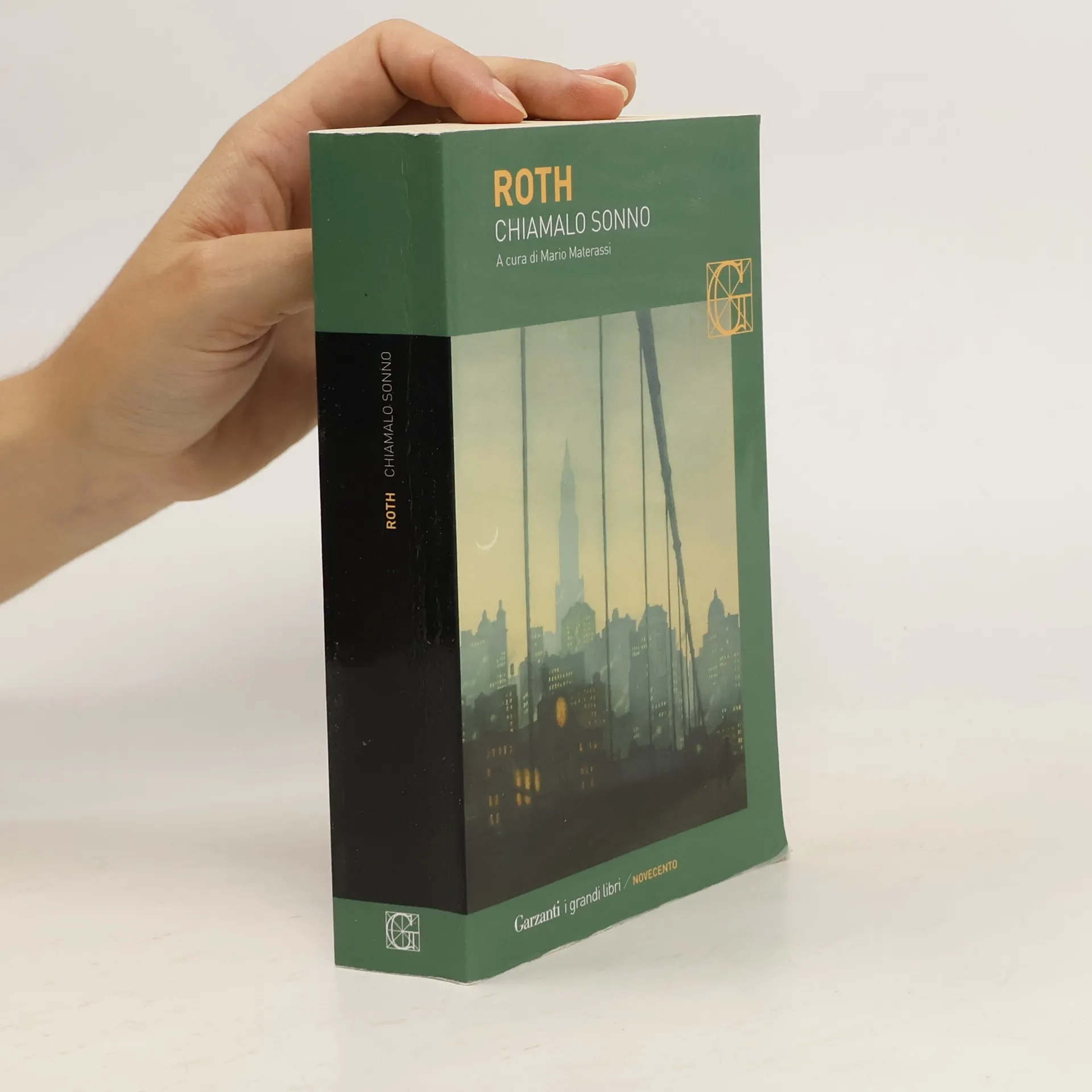
Nel 1934 Chiamalo sonno, opera prima di uno sconosciuto newyorchese di 28 anni, fu accolto dalla critica come un capolavoro. Poi l’oblio. Henry Roth si ritirò nel Maine ad allevare anatre, e per decenni il suo silenzio fu interrotto solo da qualche raro racconto. Nel 1960 influenti critici promossero la ristampa del romanzo, che in pochi anni conobbe uno straordinario successo di pubblico. Ambientato nel quartiere ebraico di New York, ha per protagonista il piccolo David Schearl, emigrato nella «Terra dorata» nel 1907 dalla Galizia e cresciuto in una torbida atmosfera famigliare, fra l’oscuro terrore che nutre per il padre e l’amore incondizionato per la madre. Si può leggere Chiamalo sonno come un romanzo di formazione, come un memorabile affresco storico della New York dei primi del secolo, come un’epopea della comunità ebraico-americana, fra esilio e appartenenza. Ma a farne un classico della letteratura del primo Novecento è la maestria di Roth nel filtrare questi elementi narrativi attraverso lo sguardo sensitivo e incantato di un bambino che si misura con il mistero della vita e scopre Dio, la morte, il sesso e l’amore, l’amicizia e il tradimento in un ineffabile cammino di iniziazione in cui tutto è epifania
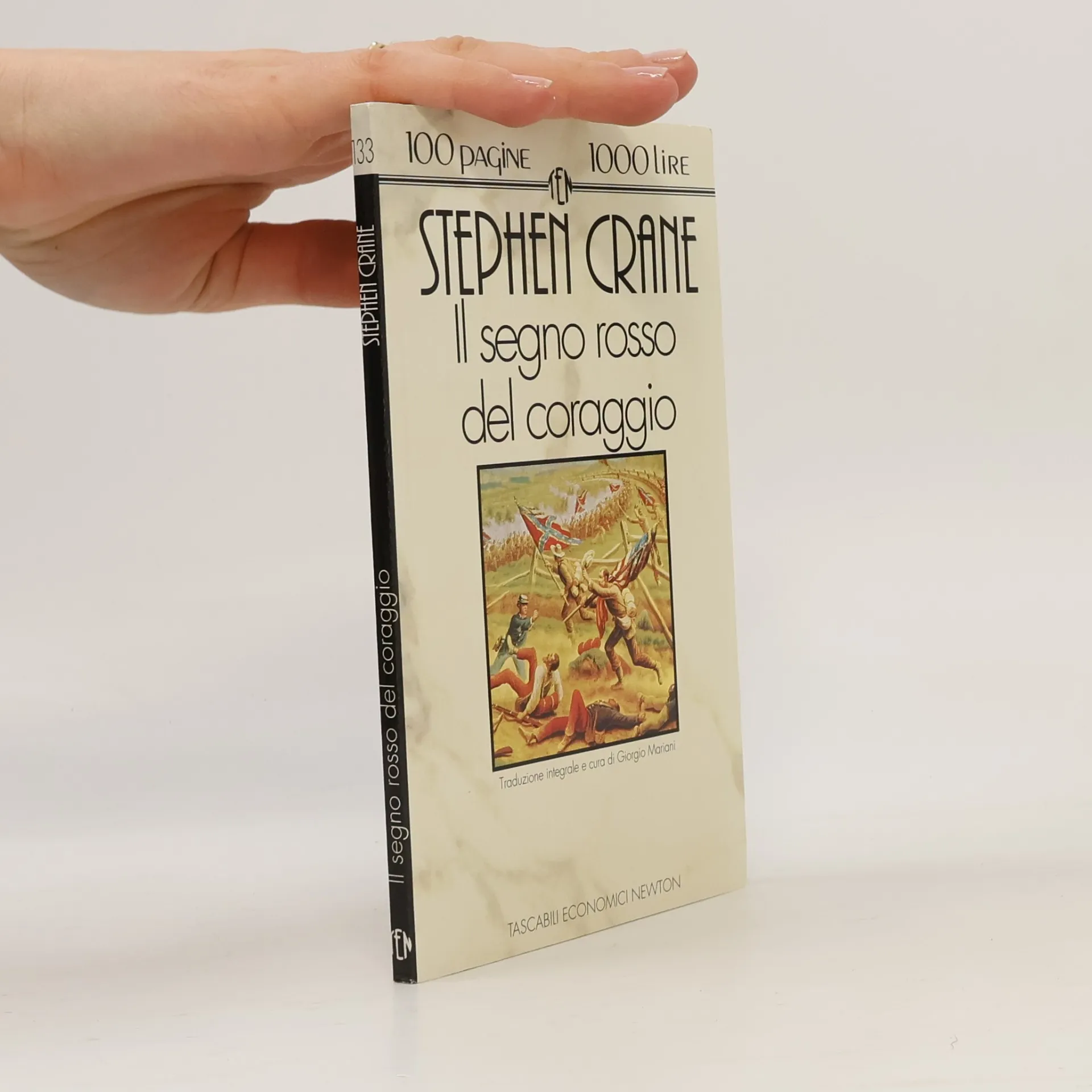
Il segno rosso del coraggio
- 100pagine
- 4 ore di lettura
Il segno rosso del coraggio è uno dei più grandi romanzi di guerra di tutti i tempi. Racconta la Guerra Civile Americana attraverso gli occhi di Henry Fleming, un comune ragazzo di campagna diventato soldato. Evoca il caos e il rumore assordante della guerra: il fumo acre, i continui rumori di battaglie imminenti, la sporcizia e il freddo, la monotonia assordante, il lamento ultraterreno dei morenti. Come un pittore impressionista, Crane cattura anche la strana bellezza della guerra: le brillanti bandiere rosse contro un cielo blu, le baionette d'acciaio che brillano al sole del mattino mentre i soldati si avviano verso la battaglia. Nel mezzo di questo mondo esterno caotico, crea un intricato mondo interiore portandoci nella mente di Henry Fleming.
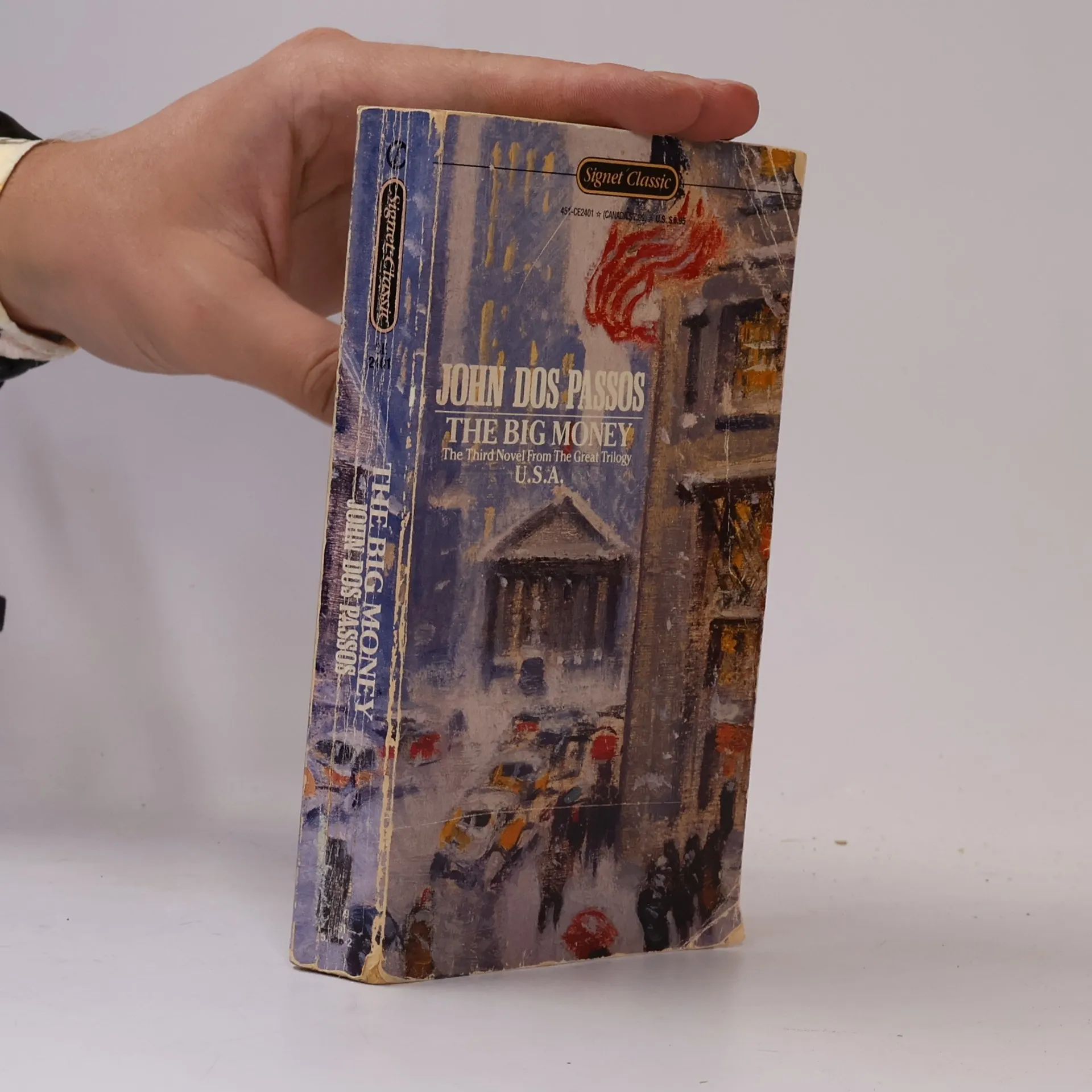
With U.S.A. John Dos Passos is said to have written the great American novel. While Fitzgerald and Hemingway were cultivating their "own little corners", said Edmund Wilson, Dos Passos was taking on the world. Counted among the best novels of the century by the Modern Library and by some of the finest writers working today, U.S.A. is being talked about, studied, and read again, not just by students of modernism but by readers of all ages both here and abroad. Here is a kaleidoscopic portrait of a nation, buzzing with history and life on every page.A "fable of America's materialistic success and moral decline" (American Heritage), The Big Money returns from the war to a nation on the upswing. The stock market surges, Lindbergh takes his solo flight, Henry Ford makes automobiles. It is an America speeding toward the crash of 1929.
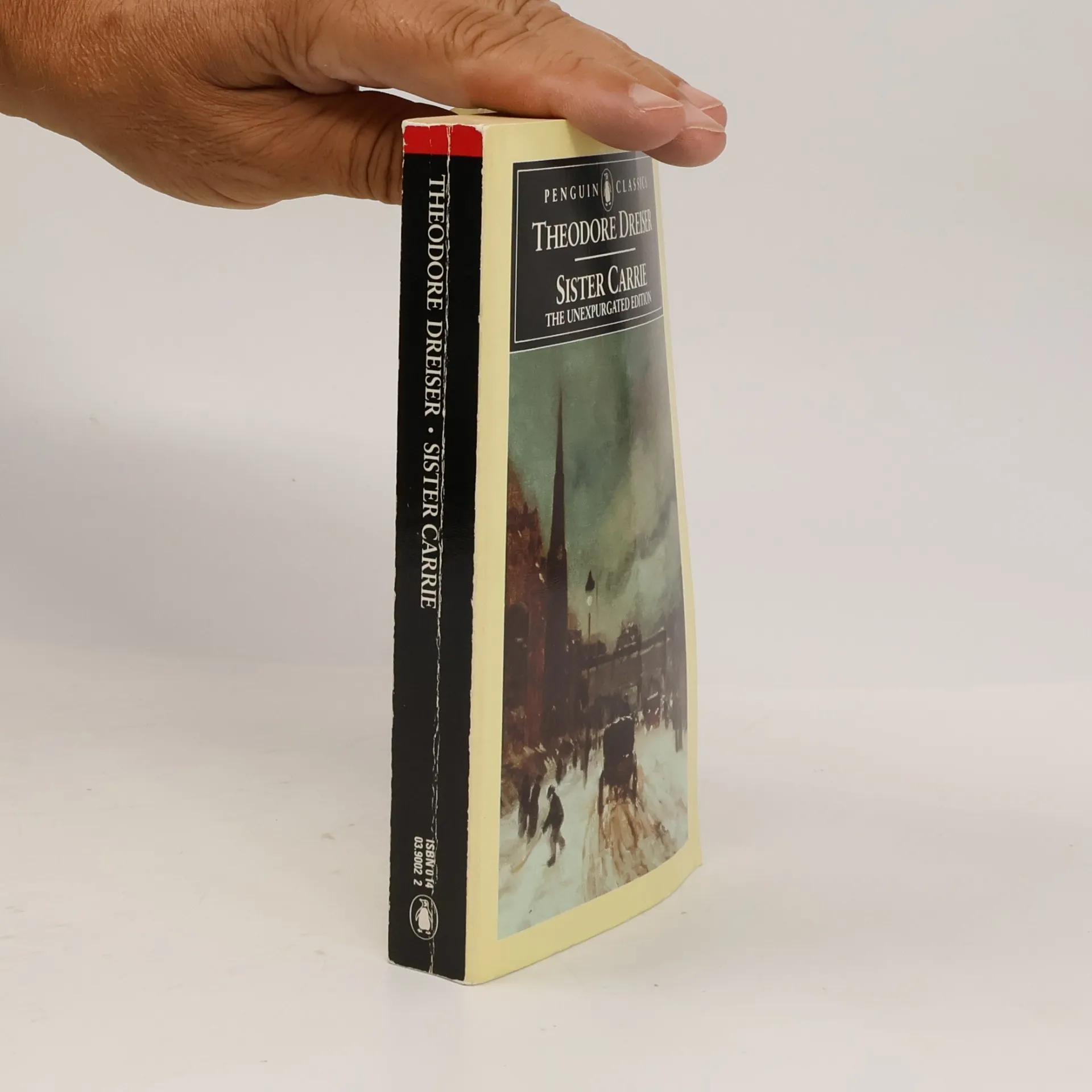
Theodore Dreiser's first and perhaps most accessible novel, Sister Carrie is an epic of urban life - the story of an innocent heroine adrift in an indifferent city. When small-town girl Carrie Meeber sets out for Chicago, she is equipped with nothing but a few dollars, a certain unspoiled beauty and charm, and a pitiful lack of preparation for the complex moral choices she will face.
Un paseante en Nueva York
- 192pagine
- 7 ore di lettura
Un niño, hijo de modestos trabajadores emigrantes ruso-judíos, camina por su barrio antes de cruzar el puente de Brooklyn hacia la Nueva York de los años veinte. Este viaje se convierte en un pasaje hacia el conocimiento durante su infancia y adolescencia, un tiempo propicio para los grandes descubrimientos. Kazin, crítico literario y historiador de la cultura, observa la pérdida de una voz narrativa propia del patrimonio literario judío, que, como señala su amigo Yaron Ezrahi, cultiva la soledad y la autobiografía. Retomando esta tradición, Kazin nos presenta su barrio, Brownsville, y el camino que tuvo que recorrer en solitario hacia el conocimiento: libros, lengua, literatura, música, metafísica, política, la ciudad y el mundo. Carson McCullers reconoció la obra como una maestra. Kazin, nacido en Brooklyn en 1915, estudió en el City College de Nueva York y en la Universidad de Columbia. Su carrera abarcó clases en Harvard y Berkeley, así como numerosos artículos y libros de crítica literaria y autobiográficos. Asociado a los New York Intellectuals, mantuvo una larga amistad con Hannah Arendt. Tras cinco años de investigación, escribió "On Native Grounds", el primer estudio serio de la literatura americana de 1890 a 1940. Recibió el premio Truman Capote en 1996 por su labor crítica.