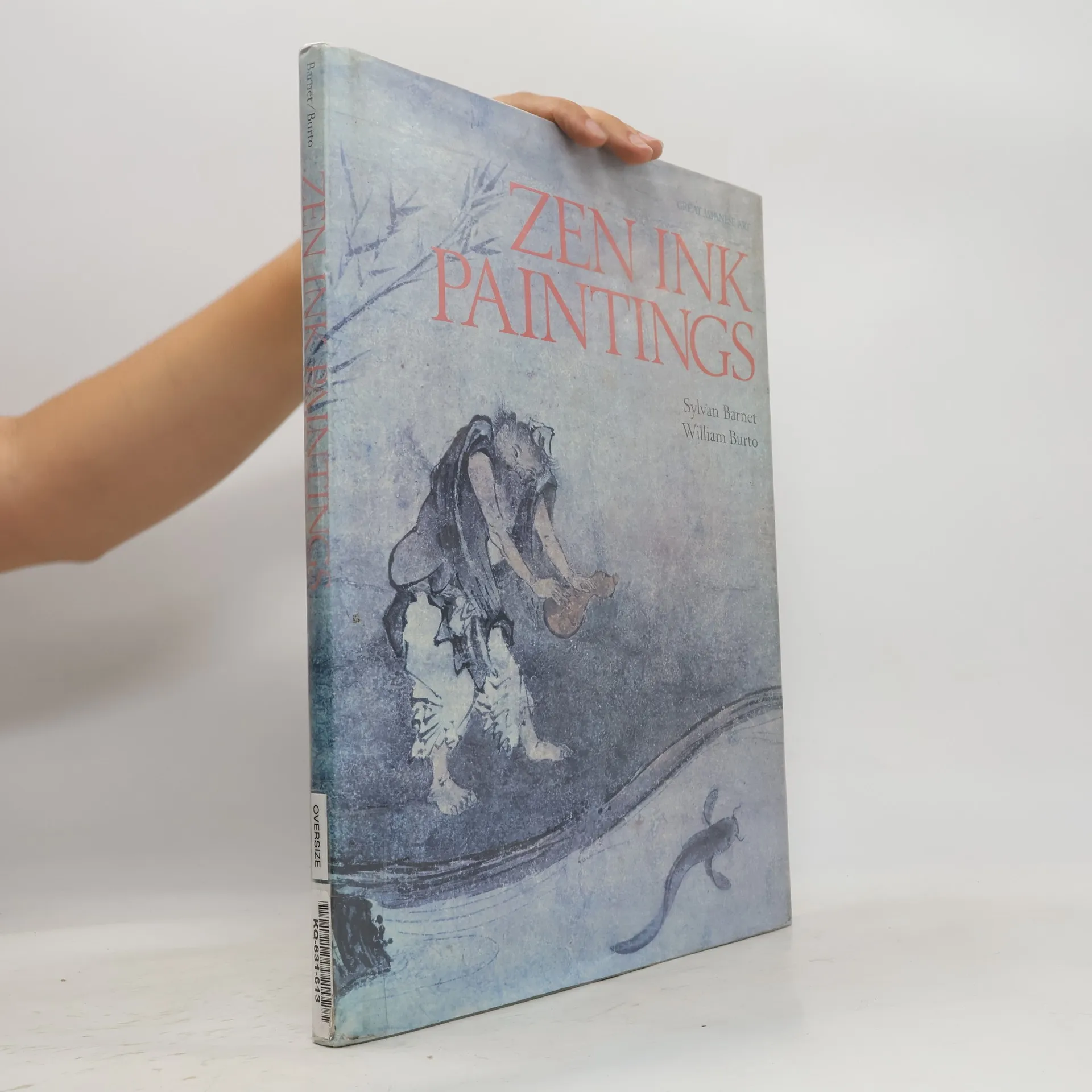
Sylvan Barnet è un critico letterario e studioso shakespeariano americano il cui lavoro approfondisce l'arte della scrittura. La sua vasta conoscenza di Shakespeare è evidente nei suoi numerosi libri e articoli, così come nel suo ruolo di curatore generale della serie Signet Classics Shakespeare. Oltre a Shakespeare, Barnet esplora anche le complessità dell'arte giapponese attraverso saggi occasionali co-autori con William Burto. I suoi scritti offrono profonde intuizioni su opere letterarie e temi artistici.
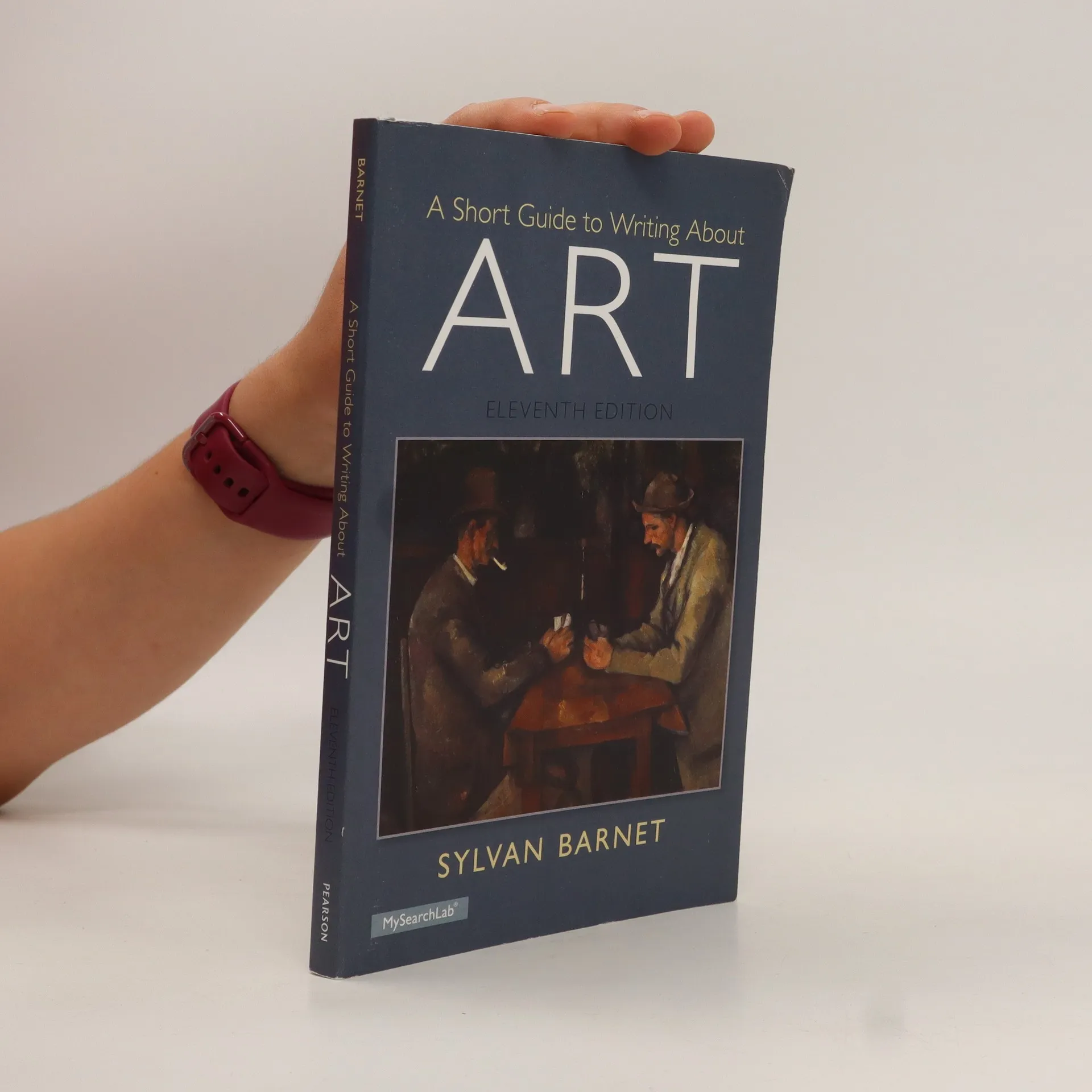
"A Short Guide to Writing About Art provides you with the tools to effectively articulate ideas about art. You'll analyze drawings, paintings, photographs, sculptures, and architecture, as the text guides you in writing a formal analysis, a research paper, a review of an exhibition, an essay, and more."--
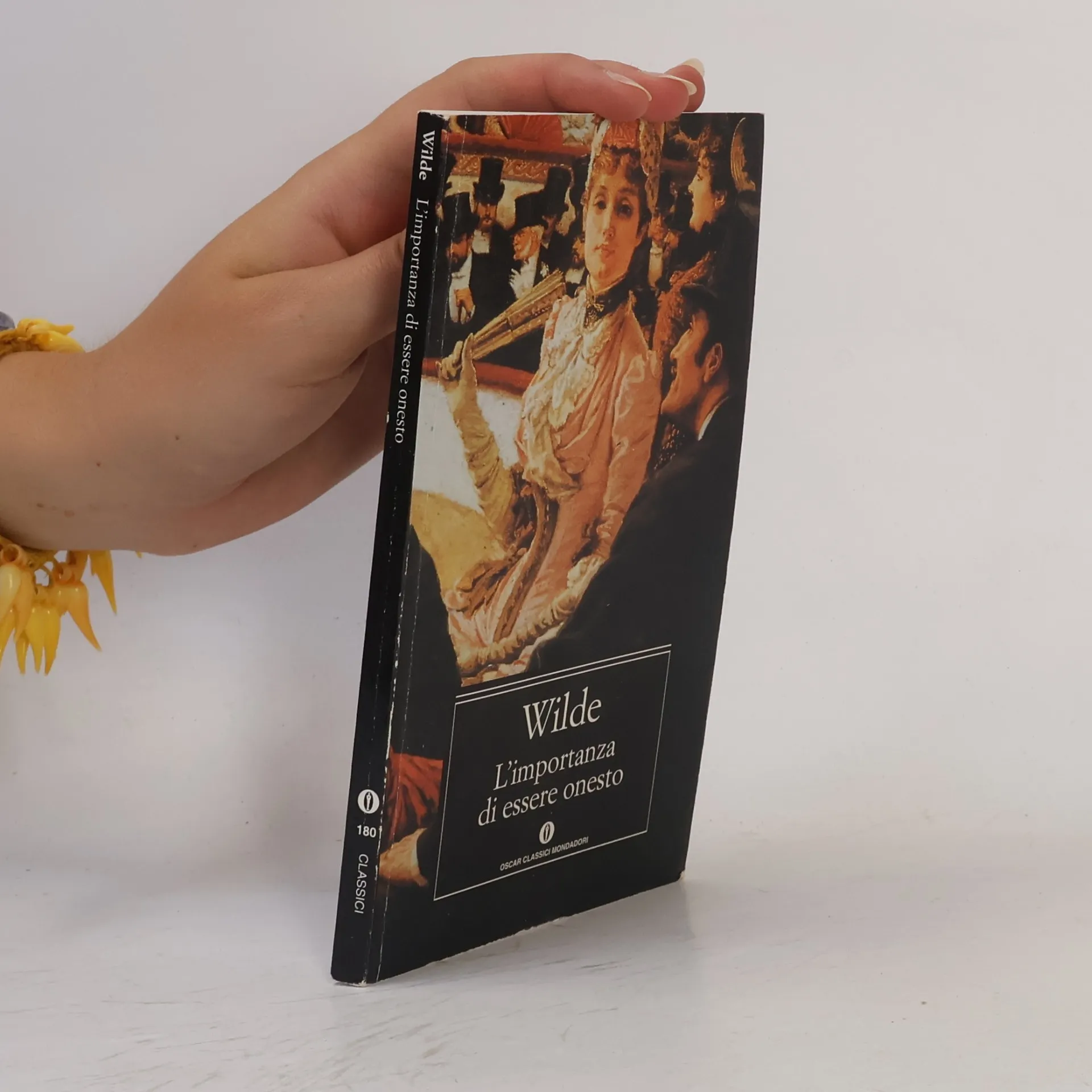
Ultimo lavoro teatrale di Wilde, L'importanza di essere onesto debuttò al St. James's Theatre di Londra il 14 febbraio 1895, ma nonostante lo strepitoso successo non rimase a lungo sulle scene a causa dello scandalo che sconvolse di lì a poco la vita dello scrittore. La commedia riprese però in seguito il suo cammino trionfale e rimane in assoluto una delle più rappresentate nel nostro secolo in tutto il mondo. L'importanza segna una totale emancipazione dal "filone francese": facendo dei suoi paradossi piacevolmente sovversivi la struttura stessa del dramma, sostituendo all'azione la conversazione, mettendo sullo stesso piano le cose serie e quelle frivole, Wilde non solo sbeffeggia le convenzioni teatrali della società dell'epoca, ma la stessa società che da quelle convenzioni vuol sentirsi rassicurata nei suoi codici comportamentali. Anche se qua e là affiora una certa ambivalenza, soprattutto nel personaggio della formidabile Lady Bracknell, vittoriana quanto più non si potrebbe ma ritratta con un gusto che trova spiegazione solo nel fascino esercitato su Wilde, malgrado tutto, dall'ottusa, prepotente, invincibile upper class britannica.
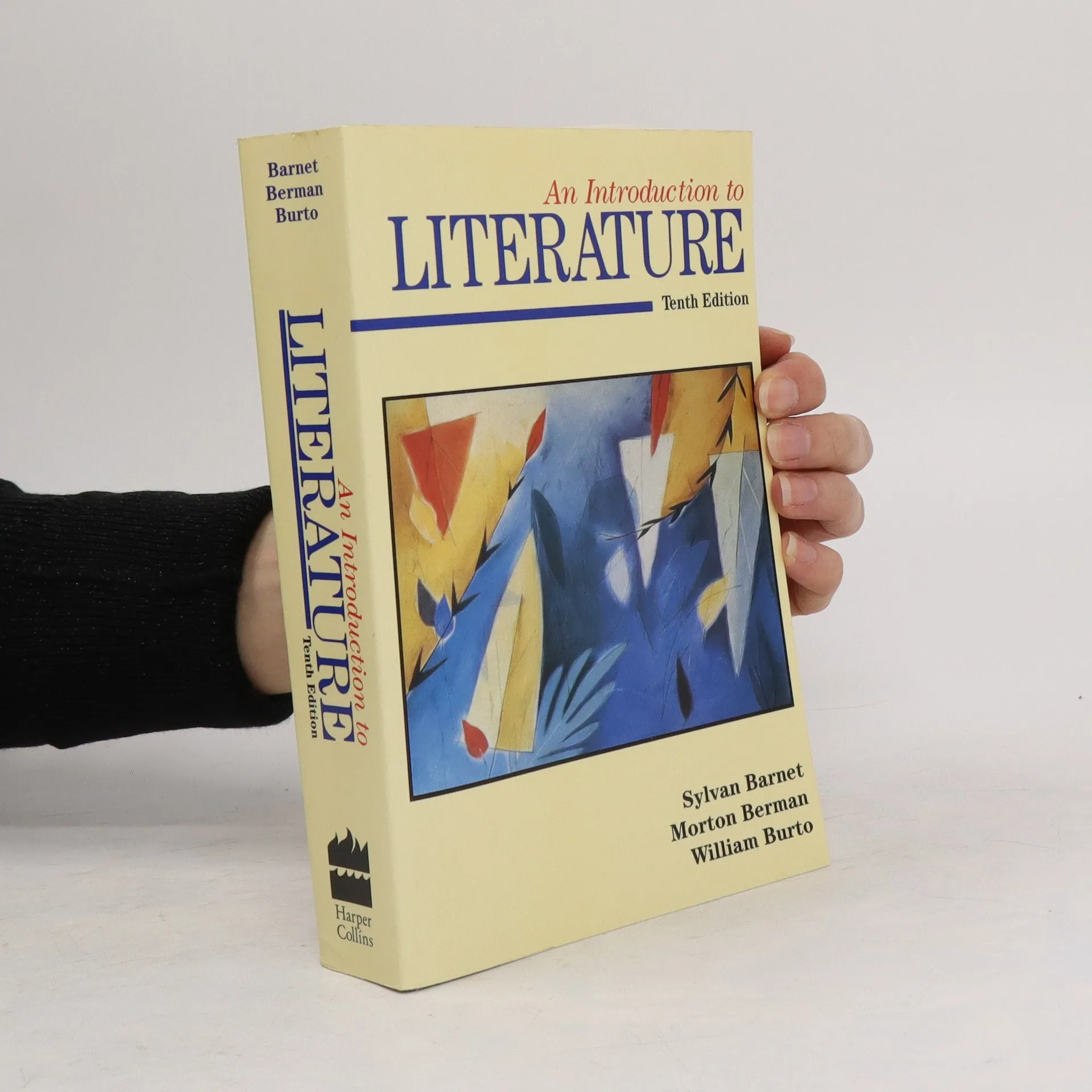
This edition includes 19 new stories, 49 poems and 7 new plays consisting largely of emerging contemporary and multicultural voices, giving students and instructors a range of selections from both new and established writers.
'York Notes' offer an approach to English literature that aims to fully
reflect student needs. They are filled with summaries, commentaries, exam
advice, margin and textual features to offer a wider context to the text and
encourage a critical analysis. schovat popis
"Literature for Composition" offers the finest writing and argument coverage, helpful discussions of the literary elements, compelling case studies, and a diverse array of selections. The book includes complete coverage of the writing process, three chapters devoted to argument, complete chapters on interpretation and evaluation, coverage of the literary elements and the study of visual images, and case studies. The book opens with five chapters devoted to reading, writing, and argument. An entire chapter on critical thinking equips readers with a foundation upon which to study the chapters on the literary forms that follow. An anthology is organized around six engaging themes. Special chapters on visuals and film along with ten case studies offer additional resources. For those interested in the study and composition of literature.
This text presents a full range of drama from Ancient Greece to the present. It features an informal tone and an apparatus that provides students with reading strategies for the 27 plays anthologized in the text and discussions on how to criticize them.
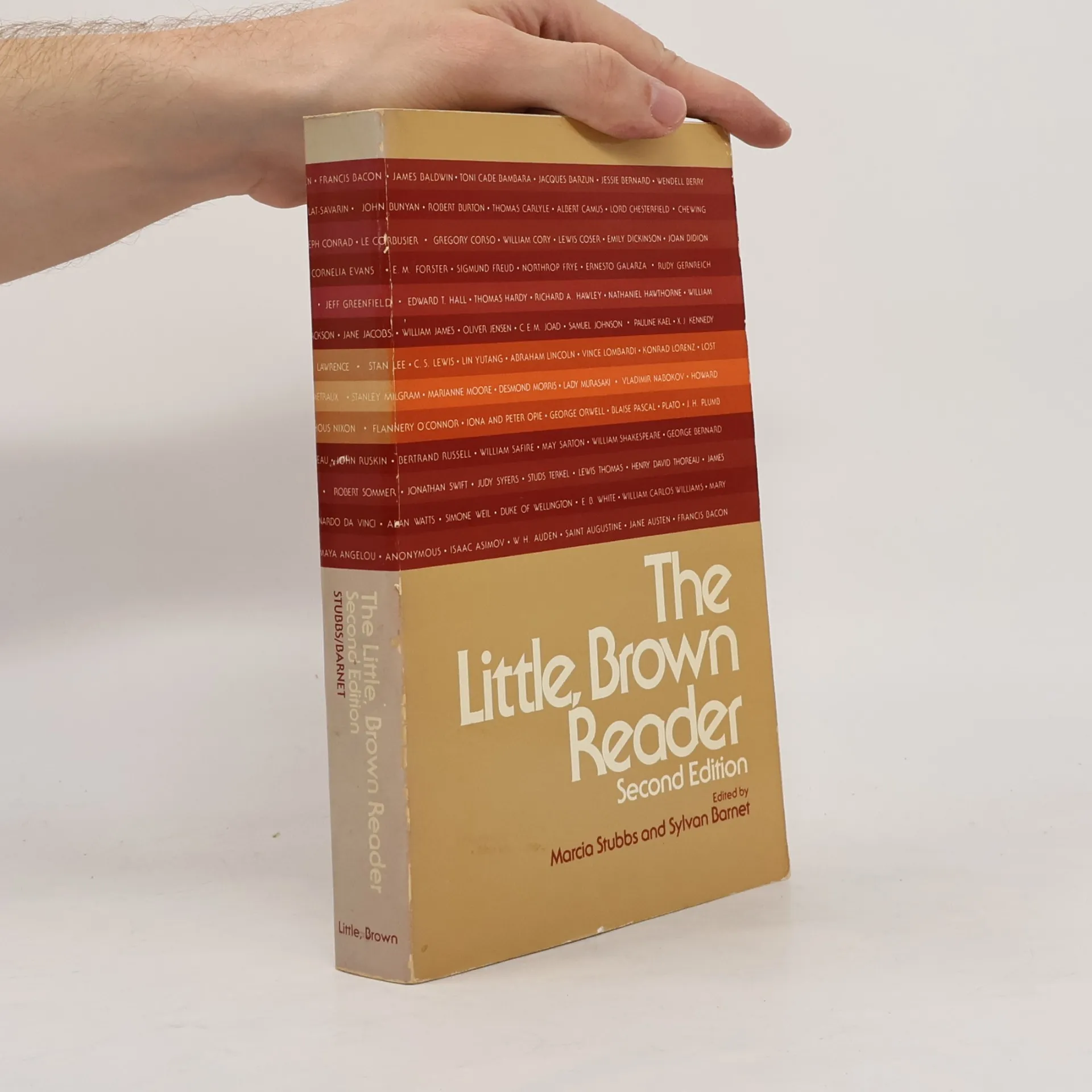
The Little, Brown Reader, one of the best-known and most respected thematic readers available today, continues its tradition of excellence by bringing together contemporary and classic readings with extensive critical reading and writing instruction and numerous illustrations. The strength of The Little, Brown Reader has always been its distinctive collection of readings and its unmatched apparatus; the Tenth Edition enhances both features, further improving the text's focus on critical thinking and writing. Little Brown works in every classroom—a range of themes and a flexible format encourage a variety of teaching styles. The readings are well balanced with selections by well-known writers, new writers, and students. General Interest: Improving writing