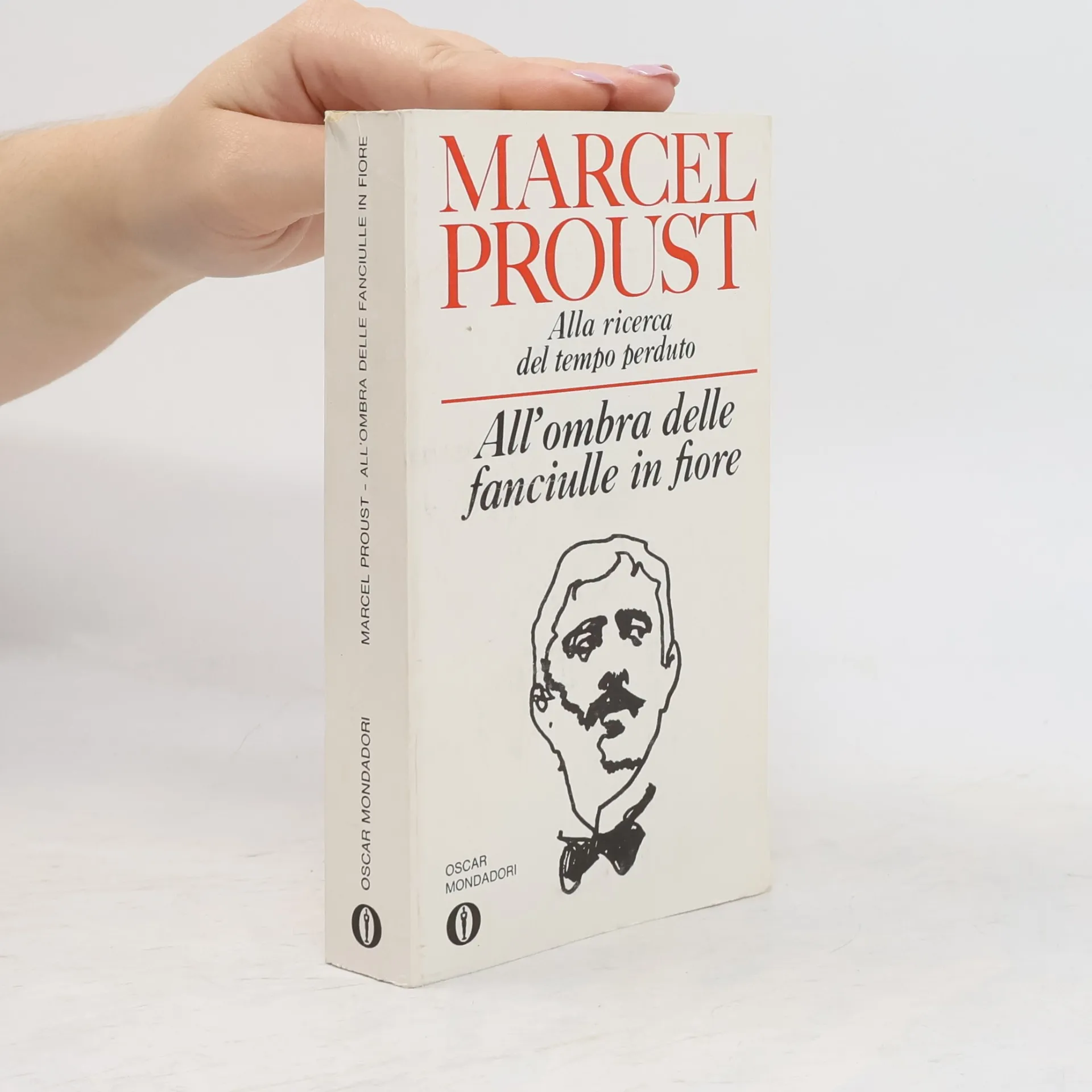
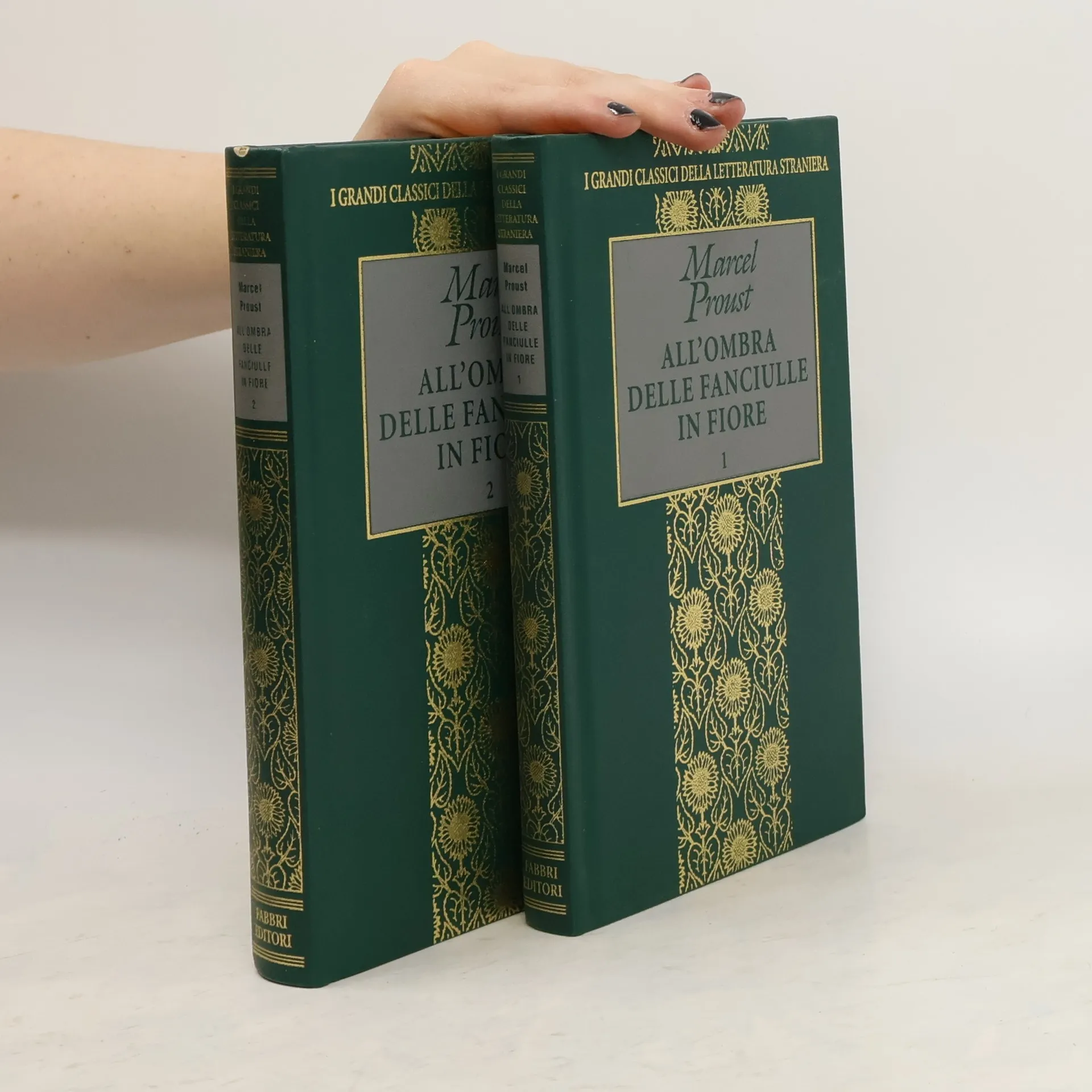
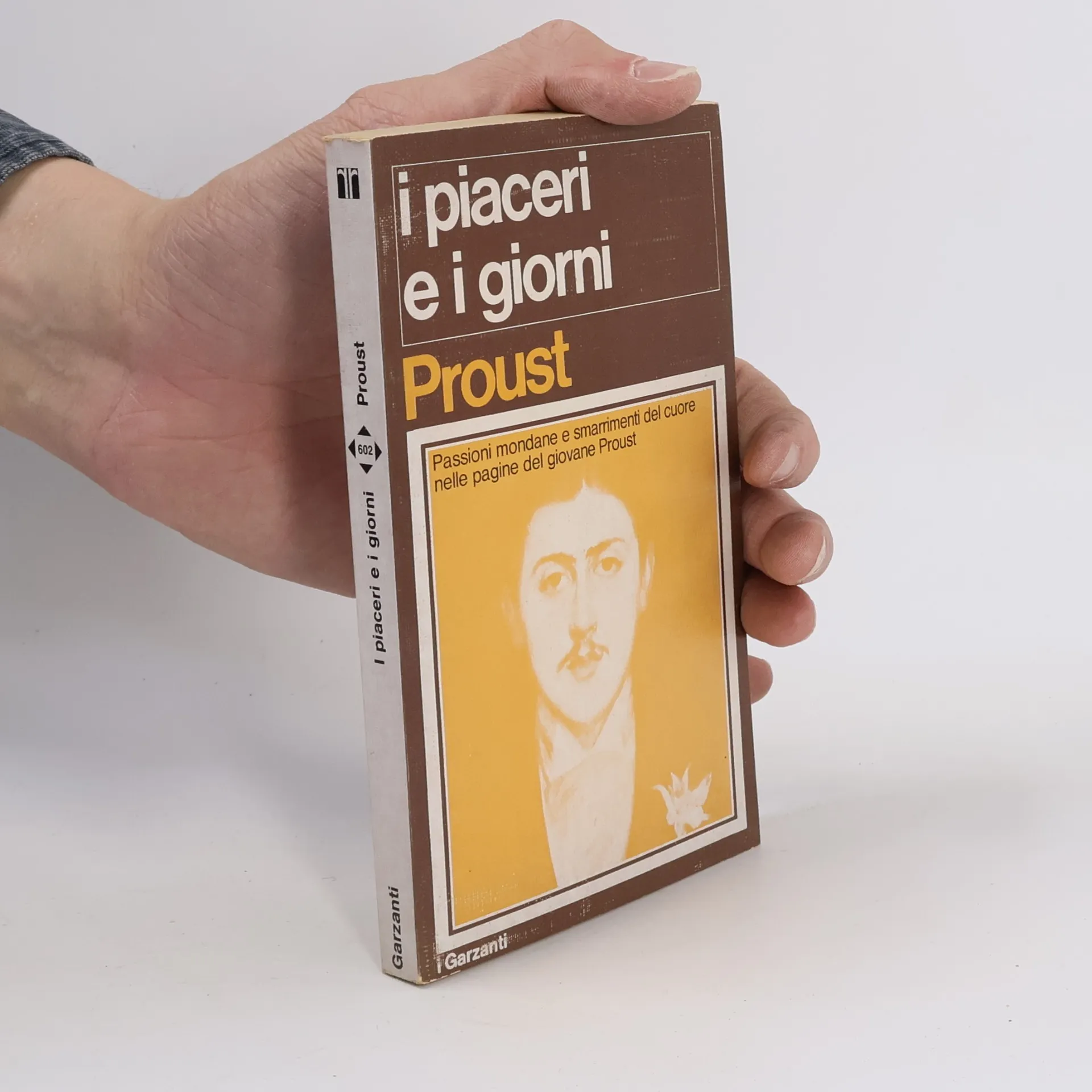
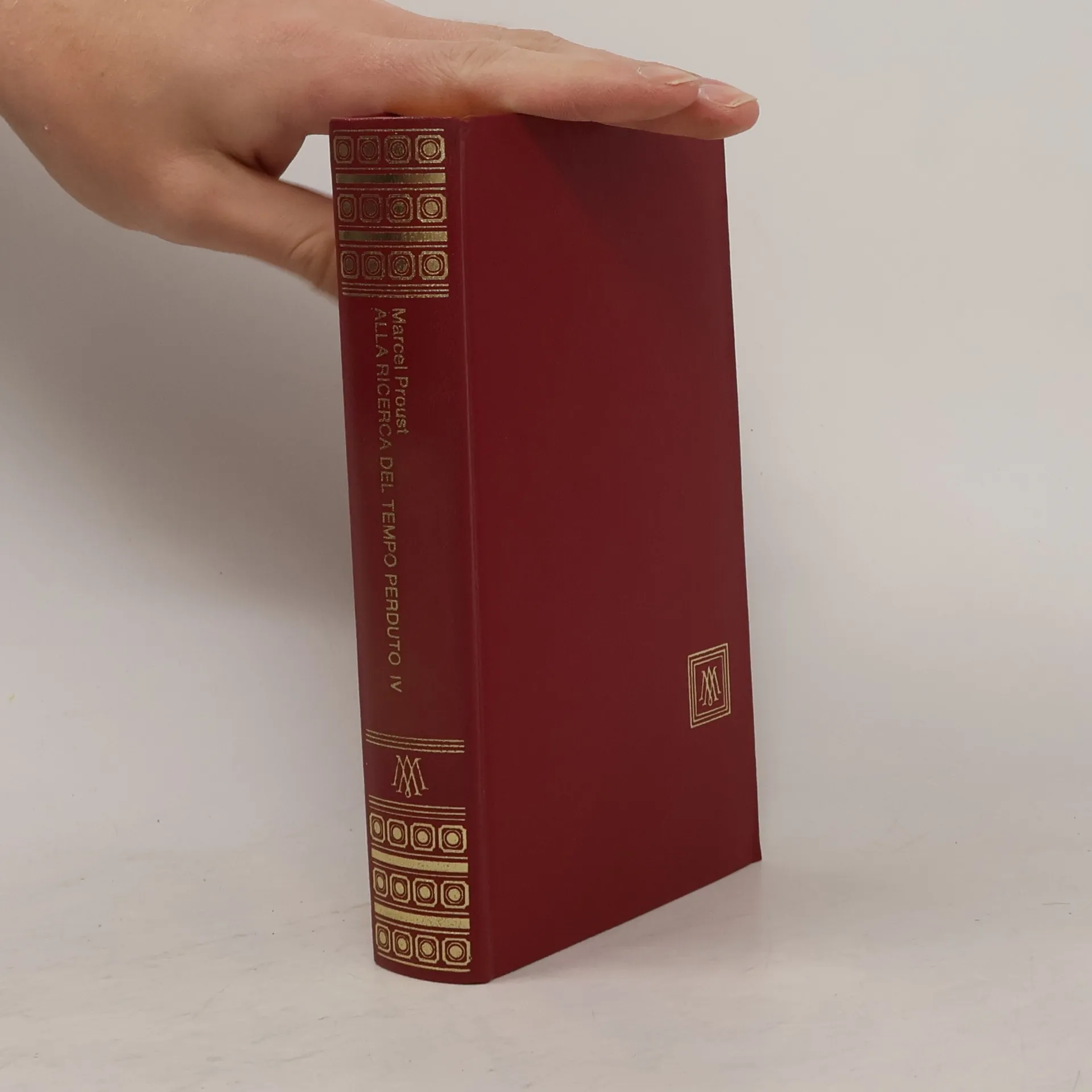
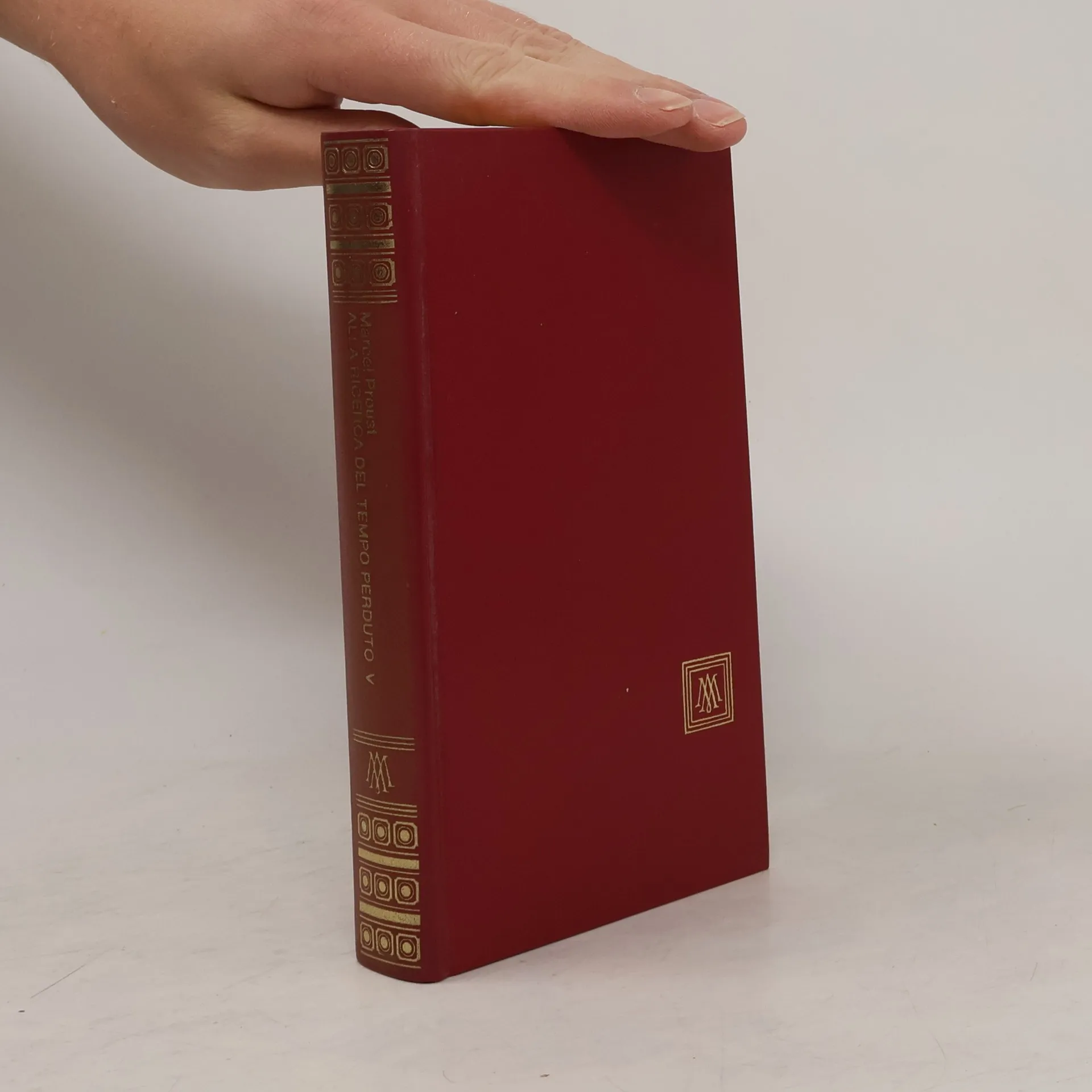
In "Sodoma e Gomorra", quarto libro della serie di Proust "Alla ricerca del tempo perduto", viene analizzata la passione del barone de Charlus. La sua omosessualità (Sodoma) lo costringe a lasciare il suo ambiente aristocratico, mentre nel contesto borghese in cui si ritrova, l'aristocrazia è oggetto di invidia. Anche l'amore del narratore per Albertine viene esaminato. Marcel soffre per l'inconstanza di Albertine, temendo che la sua attrazione sia alimentata dalla paura di perderla. Inoltre, sospetta Albertine di avere una relazione lesbica. Gomorra, in senso proustiano.
Marcel Proust Libri
10 luglio 1871 – 18 novembre 1922
Questo romanziere francese è ampiamente riconosciuto come uno dei più grandi autori del XX secolo. La sua opera monumentale, scritta in gran parte nello stile del flusso di coscienza, è considerata uno dei risultati letterari più abbaglianti e significativi dei tempi moderni. Attraverso la sua voce unica, si addentra in temi come la memoria, il tempo e le sfumature sociali, offrendo una profonda visione della psiche umana. Il suo approccio distintivo e la sua dedizione incomparabile hanno consolidato il suo posto come figura imponente nella storia letteraria.


La Prigioniera è il quinto volume della celebre opera Alla ricerca del tempo perduto di Marcel Proust. In questo volume, il prigioniero è Albertine, l'orfana alta e scura di cui Marcel si è innamorato alla fine di Sodoma e Gomorra. Marcel, ossessionato dalle relazioni di Albertine con altre donne, diventa sempre più irrazionale nel suo tentativo di controllarla, tenendola prigioniera nell'appartamento di famiglia a Parigi e acquistandole abiti di alta moda, pellicce e gioielli nel tentativo di proteggerla da se stessa e dal mondo esterno. Tuttavia, oltre a essere una tragedia dell'amore possessivo, La Prigioniera è anche una commedia della follia e dei fraintendimenti umani, legata agli altri volumi del romanzo attraverso i temi delle differenze di classe, dell'arte, dell'irrazionalità, del snobismo sociale e, naturalmente, del tempo e della memoria.
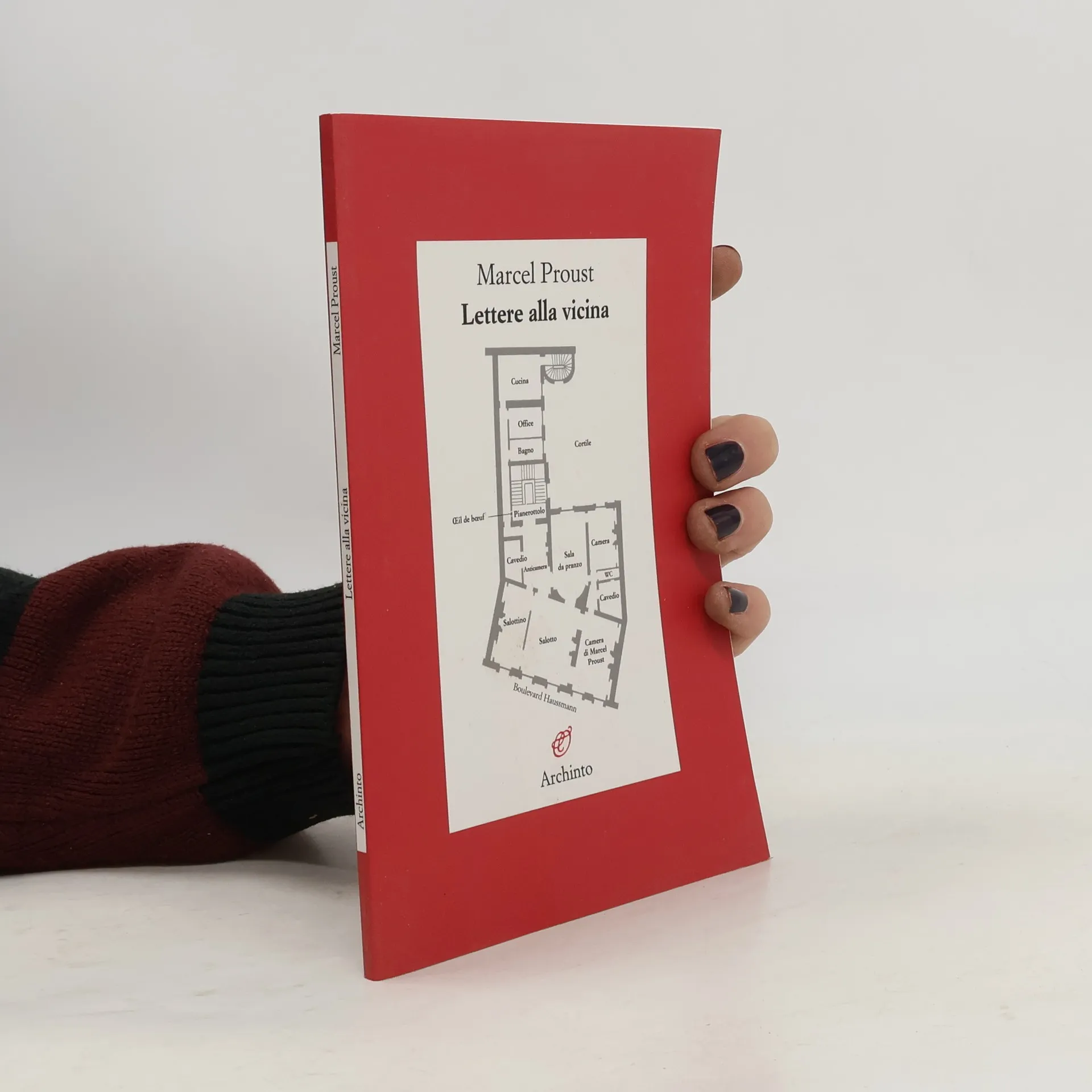
Lettere alla vicina
- 70pagine
- 3 ore di lettura
Quatrième de couverture : Ce roman épistolaire repose sur la découverte de vingt-trois lettres adressées à Mme Marie Williams, voisine de Marcel Proust au 102 boulevard Haussmann, ainsi que trois lettres à son mari, le docteur Charles D. Williams. Ce dernier, dentiste américain, exerçait au-dessus de Proust, causant de nombreux désagréments au célèbre écrivain, phobique du bruit. Les lettres révèlent un échange stylistique entre Proust et Mme Williams, où il déploie charme, humour et culture, témoignant d'une réelle sympathie et d'une affection pour cette autre recluse. Les lettres abordent divers sujets, notamment le bruit des travaux au-dessus, la musique que Mme Williams joue à la harpe, ainsi que des réflexions sur la maladie et la solitude. Le ton est intime et amical, bien que les lettres de Mme Williams ne soient pas disponibles. Les dernières lettres de Proust restent inconnues, laissant planer le mystère sur d'éventuels adieux touchants. Tous deux quittent le boulevard Haussmann en même temps, Proust déménageant le 31 mai 1919 par l'arrière de l'immeuble. Il n'a jamais mentionné Mme Williams à personne. — Jean-Yves Tadié.
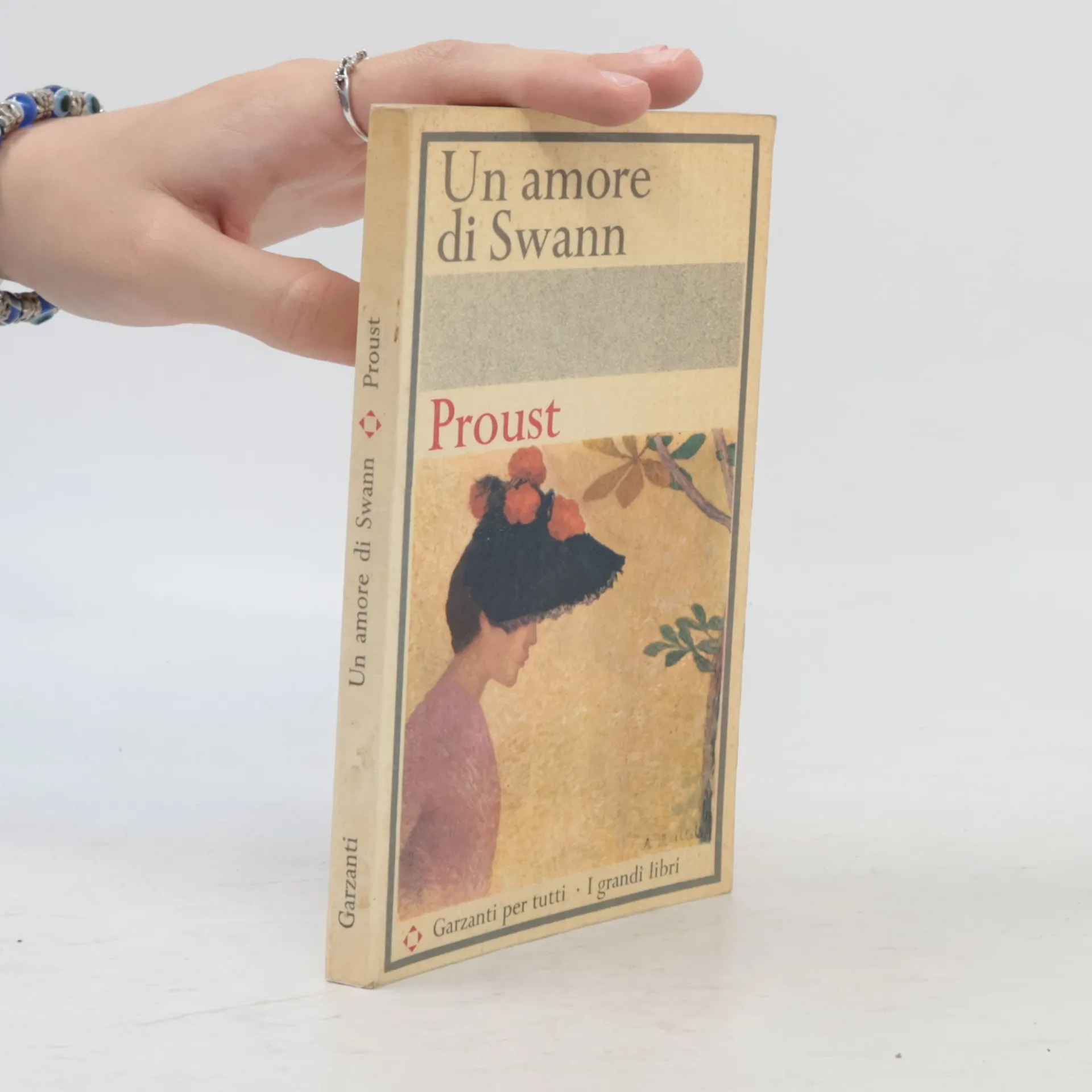
Un amore di Swann - Edizione integrale
- 192pagine
- 7 ore di lettura
Marcel Proust nacque a Parigi nel 1871. Alla morte della madre, nel 1905, si chiuse definitivamente in se stesso e si dedicò alla scrittura della "Recherche", che si articola in sette romanzi. Il tempo dell'infanzia, la struggente attesa quotidiana del bacio materno, la magia del passato legata alla celebre "madeleine": si apre così la "Ricerca del tempo perduto". La passione di Charles Swann per Odette de Crecy trascina con sé una catena di tormentate riflessioni sull'amore, costantemente sospeso tra il piacere più intenso e i terribili turbamenti della gelosia.
L'educazione sentimentale
- 355pagine
- 13 ore di lettura
Nonostante Gustave Flaubert continui, per la maggioranza dei lettori, a essere esclusivamente l'autore di Madame Bovary , L'educazione sentimentale ha meritatamente avuto i riconoscimenti che merita un capolavoro narrativo fondamentale nel romanzo moderno. Storia di una giovinezza consumata nell'amore platonico per una donna sposata e diario delle speranze e delusioni di una generazione che fece la rivoluzione del 1848, il romanzo narra le vicende di Frédéric Moreau, giovane borghese sensibile ma pieno di debolezze, al quale occorrono amici e amanti per sentirsi vivere, giunto a Parigi per studiare legge e fare il suo ingresso nella seducente società di metà Ottocento. Il travaglio politico e sociale di quei giorni affiora dalle pagine del libro, illuminate anche dalla passione e dall'amore per quattro donne, attraverso le quali si compie l'educazione sentimentale del giovane Frédéric, che alla fine rimarrà deluso dall'amore sia dalla politica.
Madame Bovary
- 336pagine
- 12 ore di lettura
Tutto in Madame Bovary (1857) sembra disporre la scena dove il desiderio ha luogo insieme all'abisso che lo cancella. Emma Bovary ama come si divora, ama in una tragica voracità che somiglia a quella di un organismo incapace di assimilare, consuma se stessa e l'oggetto del suo desiderio in un tragico processo di alienazione amorosa, aiutata anche dal marito, Charles, che è tutt'altro che un uomo tranquillo e innocuo, ma un masochista morale di alto lignaggio che, con un sadismo perfettamente camuffato, contribuisce in maniera determinante al suicidio della moglie.
Dalla parte di Swann
- 519pagine
- 19 ore di lettura
Alla ricerca del tempo perduto - Volume II
- 279pagine
- 10 ore di lettura
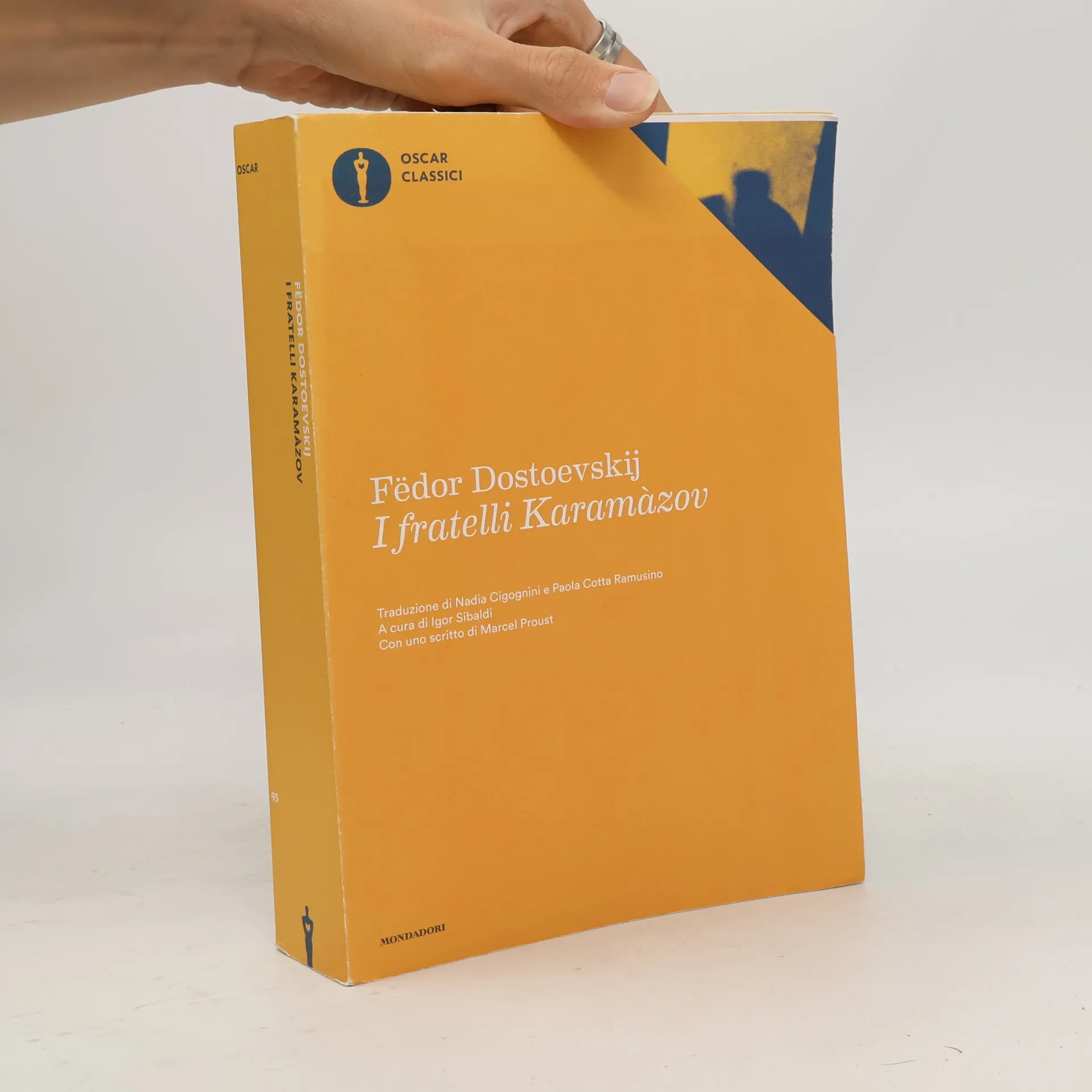
Oscar classici - 95: I fratelli Karamazov
- 864pagine
- 31 ore di lettura
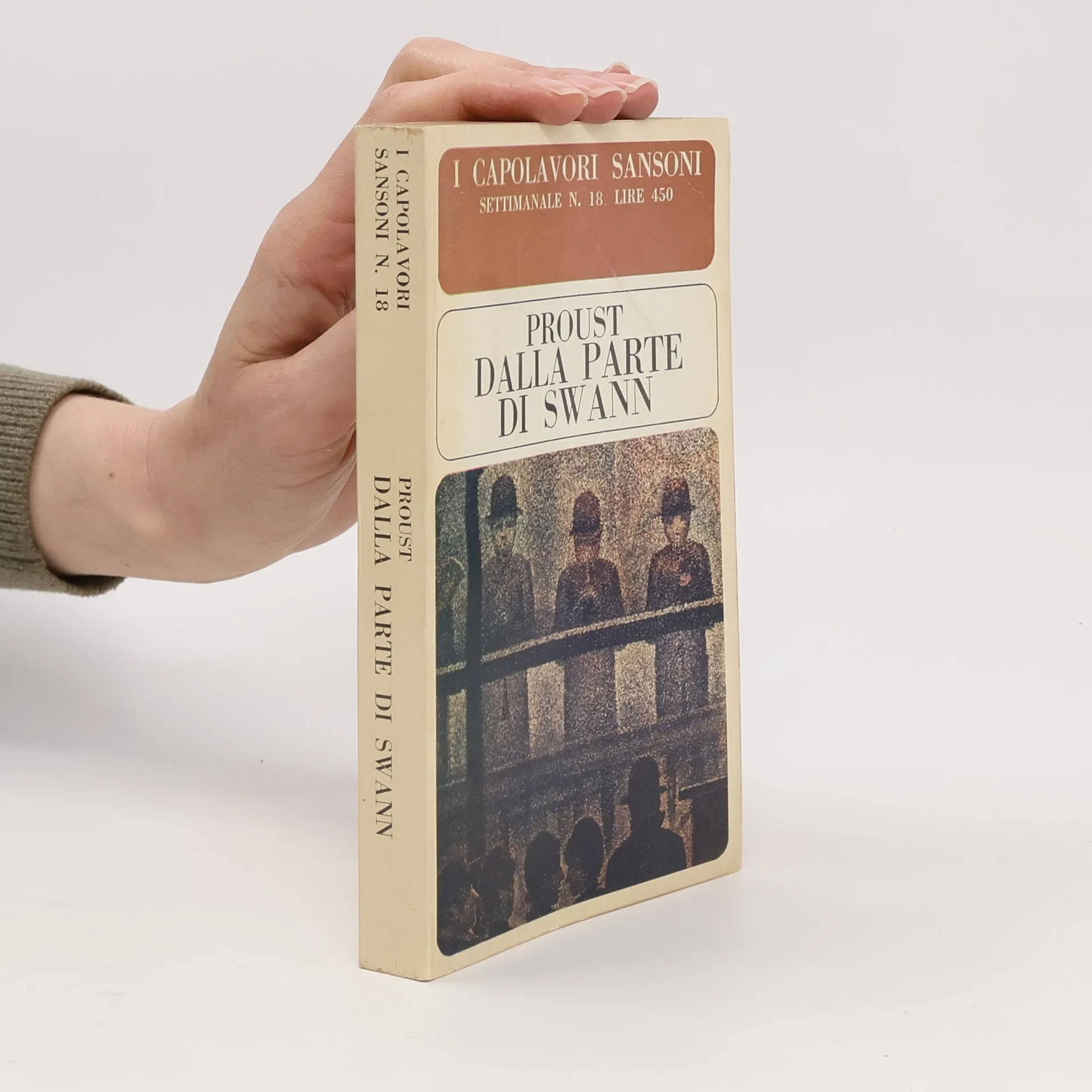
I Capolavori Sansoni n. 18
Della Parte di Swann
Classici: Dalla parte di Swann
- 342pagine
- 12 ore di lettura
La Biblioteca di Repubblica - 10: La strada di Swann
- 404pagine
- 15 ore di lettura
Il questionario di Proust da completare con gli amici. Con le risposte di Marcel Proust
- 125pagine
- 5 ore di lettura
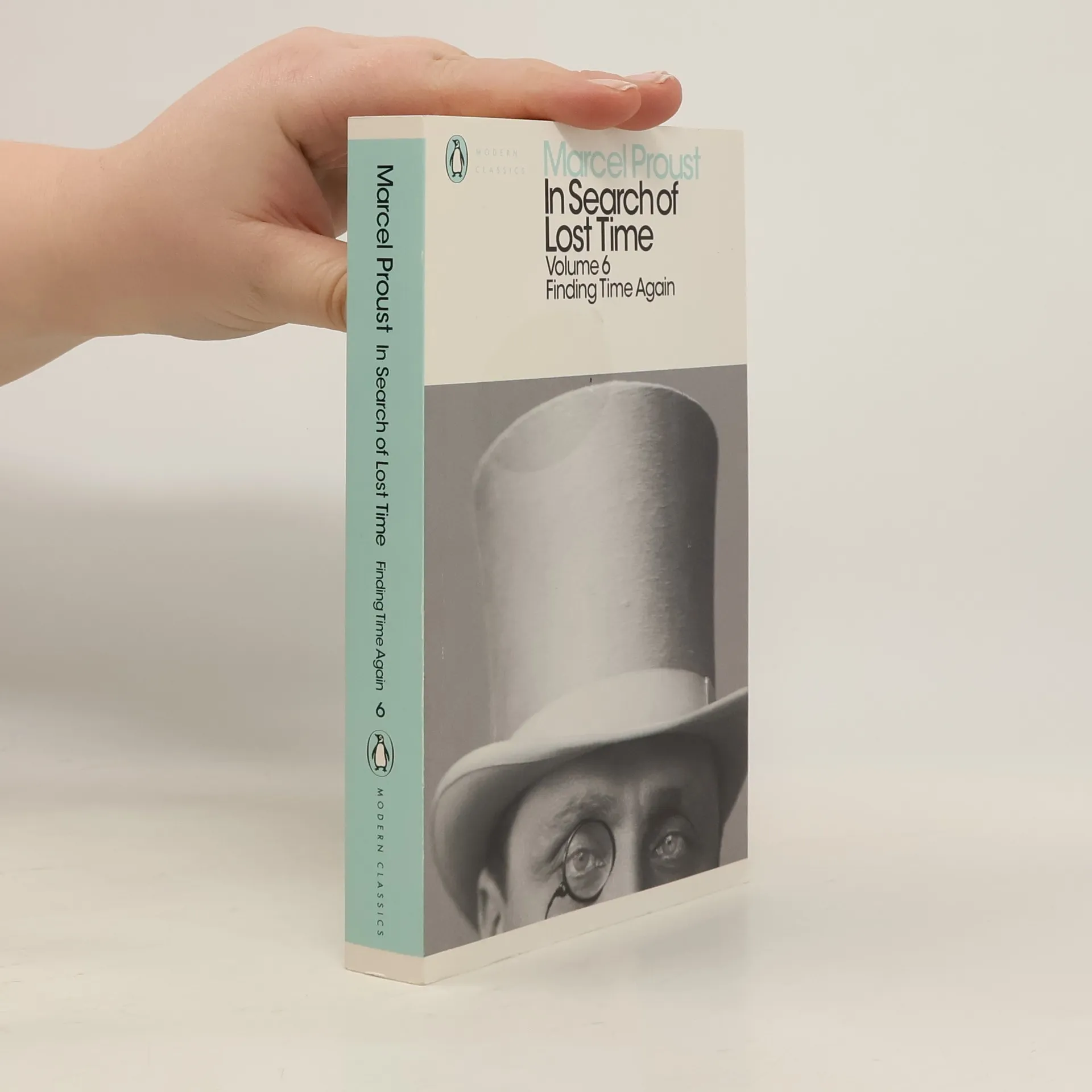
In Search Of Lost Time, Vol 6
- 694pagine
- 25 ore di lettura
THE ACCLAIMED FULLY REVISED EDITION OF THE SCOTT MONCRIEFF AND KILMARTIN TRANSLATIONTime Regained begins in the bleak and uncertain years of World War I. Years later, after the war's end, Proust's narrator returns to Paris and reflects on time, reality, jealousy, artistic creation, and the raw material of literature - his past life.
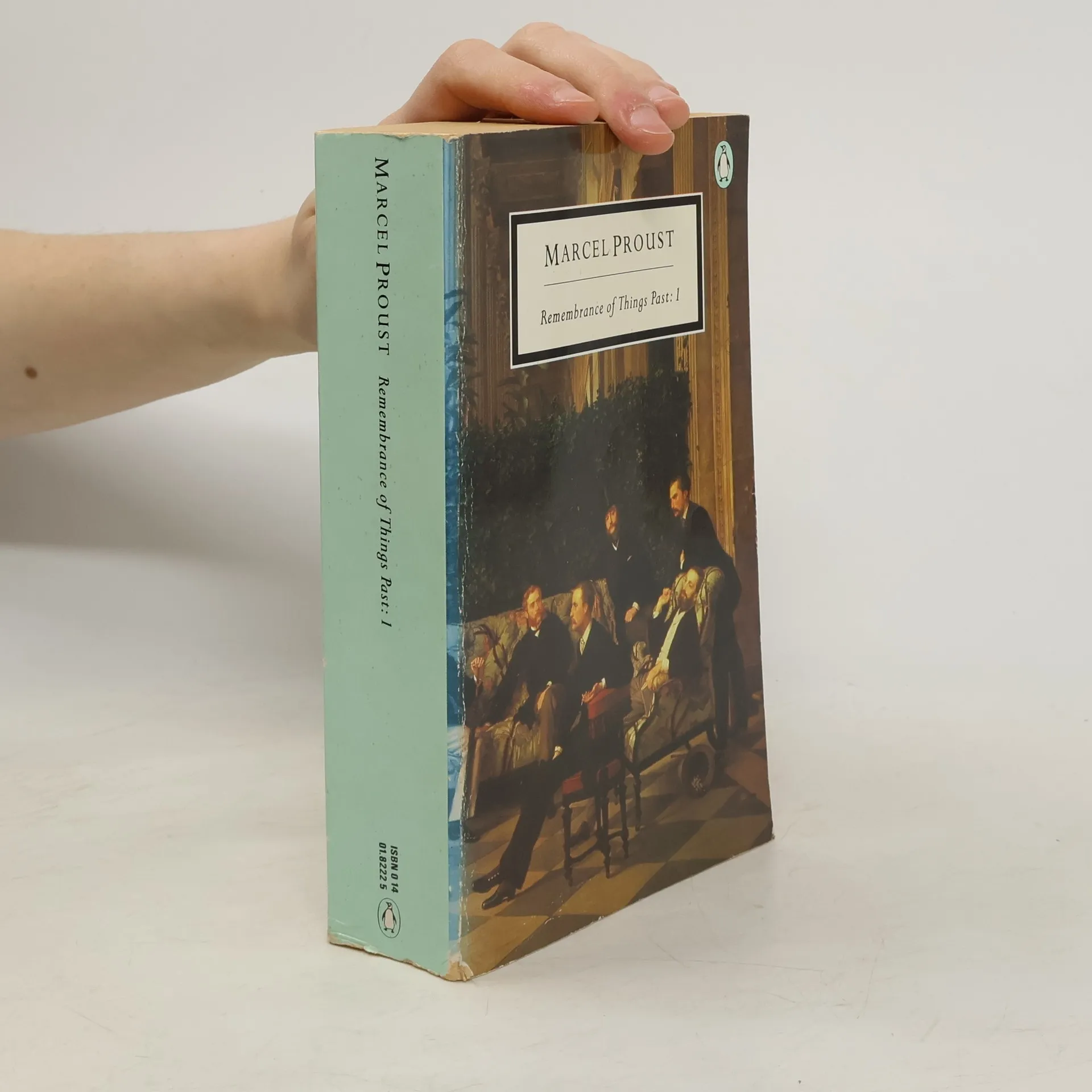
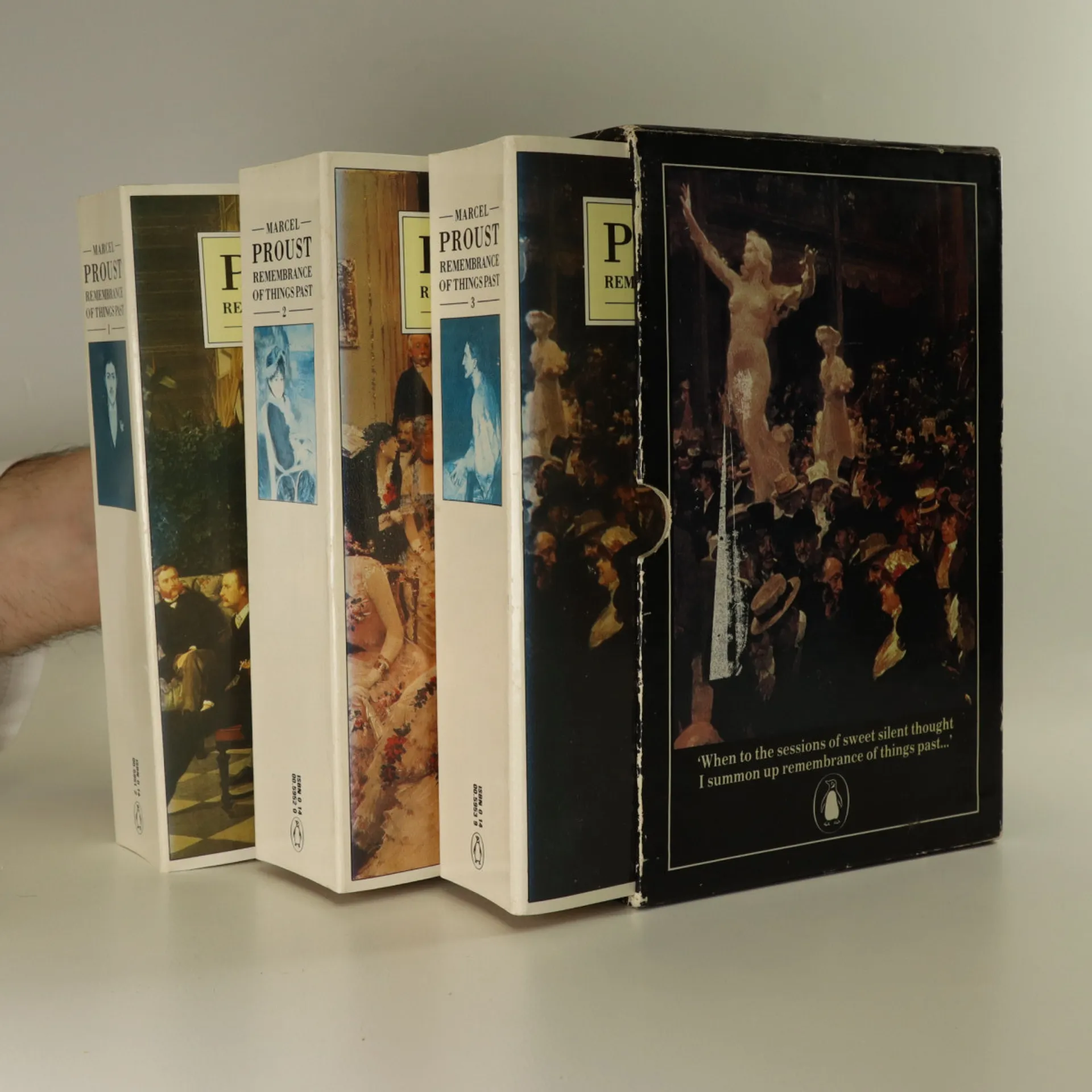
Remembrance of Things Past: Volume 3
- 1072pagine
- 38 ore di lettura
Proust's masterpiece is one of the seminal works of the twentieth century, recording its narrator's experiences as he grows up, falls in love and lives through the First World War. A profound reflection on art, time, memory, self and loss, it is often viewed as the definitive modern novel. C. K. Scott Moncrieff's famous translation from the 1920s is today regarded as a classic in its own right and is now available in three volumes in Penguin Classics. This third volume includes The Captive, The Sweet Cheat Gone and Time Regained.
Remembrance of Things Past Volume 1
- 1360pagine
- 48 ore di lettura
Marcel Proust (1871-1922) spent the last fourteen years of his life writing "la recherche du temps perdu." Moncrieff's translation strives to capture the extraordinary blend of muscular analysis with poetic reverie that typifies Proust's style.
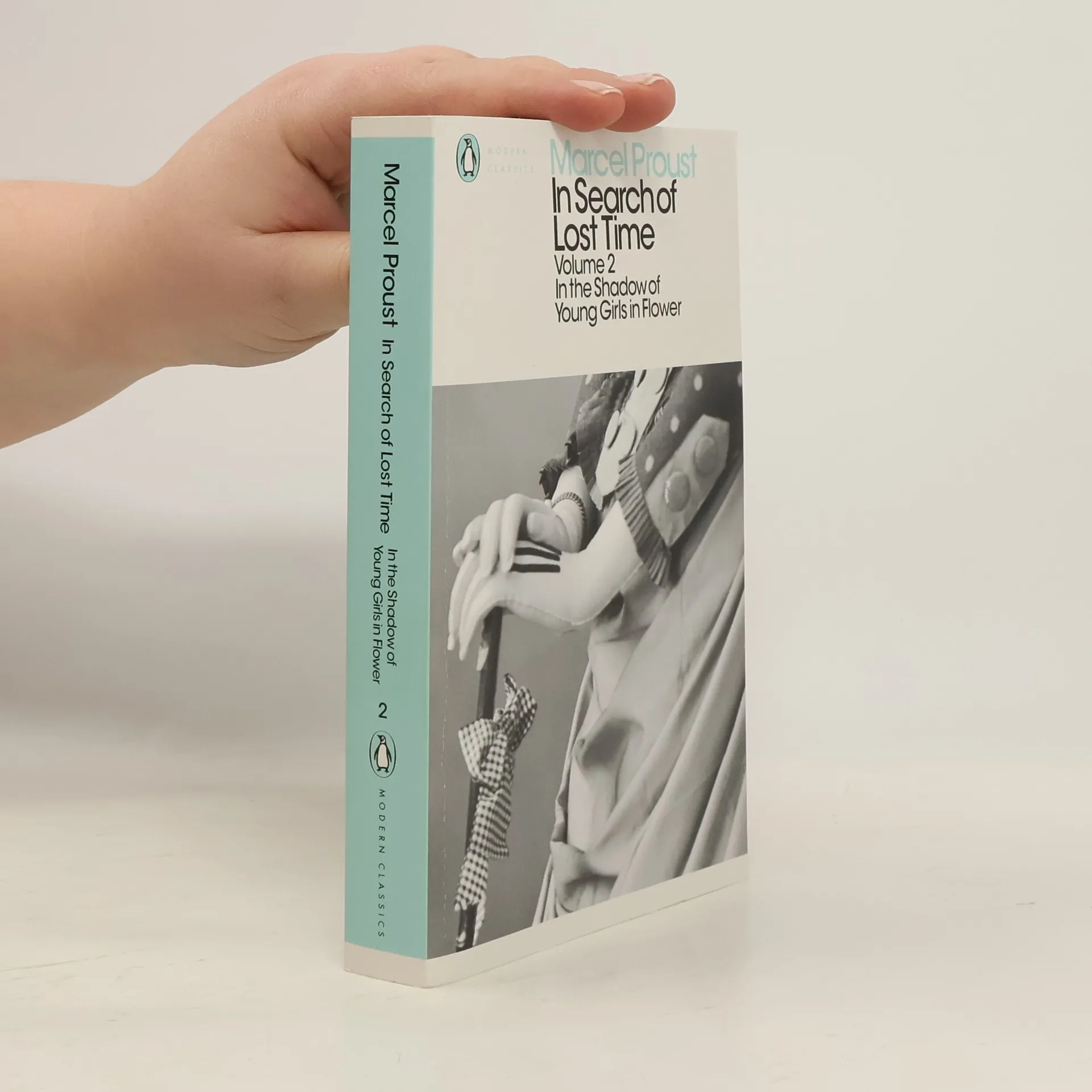
First published in 1919, Within a Budding Grove was awarded the Prix Goncourt, bringing the author immediate fame. In this second volume of In Search of Lost Time, the narrator turns from the childhood reminiscences of Swann’s Way to memories of his adolescence. Having gradually become indifferent to Swann’s daughter Gilberte, the narrator visits the seaside resort of Balbec with his grandmother and meets a new object of attention—Albertine, “a girl with brilliant, laughing eyes and plump, matt cheeks.”For this authoritative English-language edition, D. J. Enright has revised the late Terence Kilmartin’s acclaimed reworking of C. K. Scott Moncrieff’s translation to take into account the new definitive French editions of Á la recherché du temps perdu (the final volume of these new editions was published by the Bibliothèque de la Pléiade in 1989).
THE ACCLAIMED FULLY REVISED EDITION OF THE SCOTT MONCRIEFF AND KILMARTIN TRANSLATIONIn the two novels - The Captive and The Fugitive - contained in this volume, Proust's narrator is living in his mother's apartment in Paris with his lover, Albertine.
Remembrance of Things Past
- 1216pagine
- 43 ore di lettura
Marcel Proust whiled away the first half of his life as a self-conscious aesthete and social climber. The second half he spent in the creation of the mighty roman-fleuve that is Remembrance of Things Past, memorializing his own dandyism and parvenu hijinks even as he revealed their essential hollowness. Proust begins, of course, at the beginning--with the earliest childhood perceptions and sorrows. Then, over several thousand pages, he retraces the course of his own adolescence and adulthood, democratically dividing his experiences among the narrator and a sprawling cast of characters. Who else has ever decanted life into such ornate, knowing, wrought-iron sentences? Who has subjected love to such merciless microscopy, discriminating between the tiniest variations of desire and self-delusion? Who else has produced a grief-stricken record of time's erosion that can also make you laugh for entire pages? The answer to all these questions is: nobody.
In Search Of Lost Time, Vol 3
- 706pagine
- 25 ore di lettura
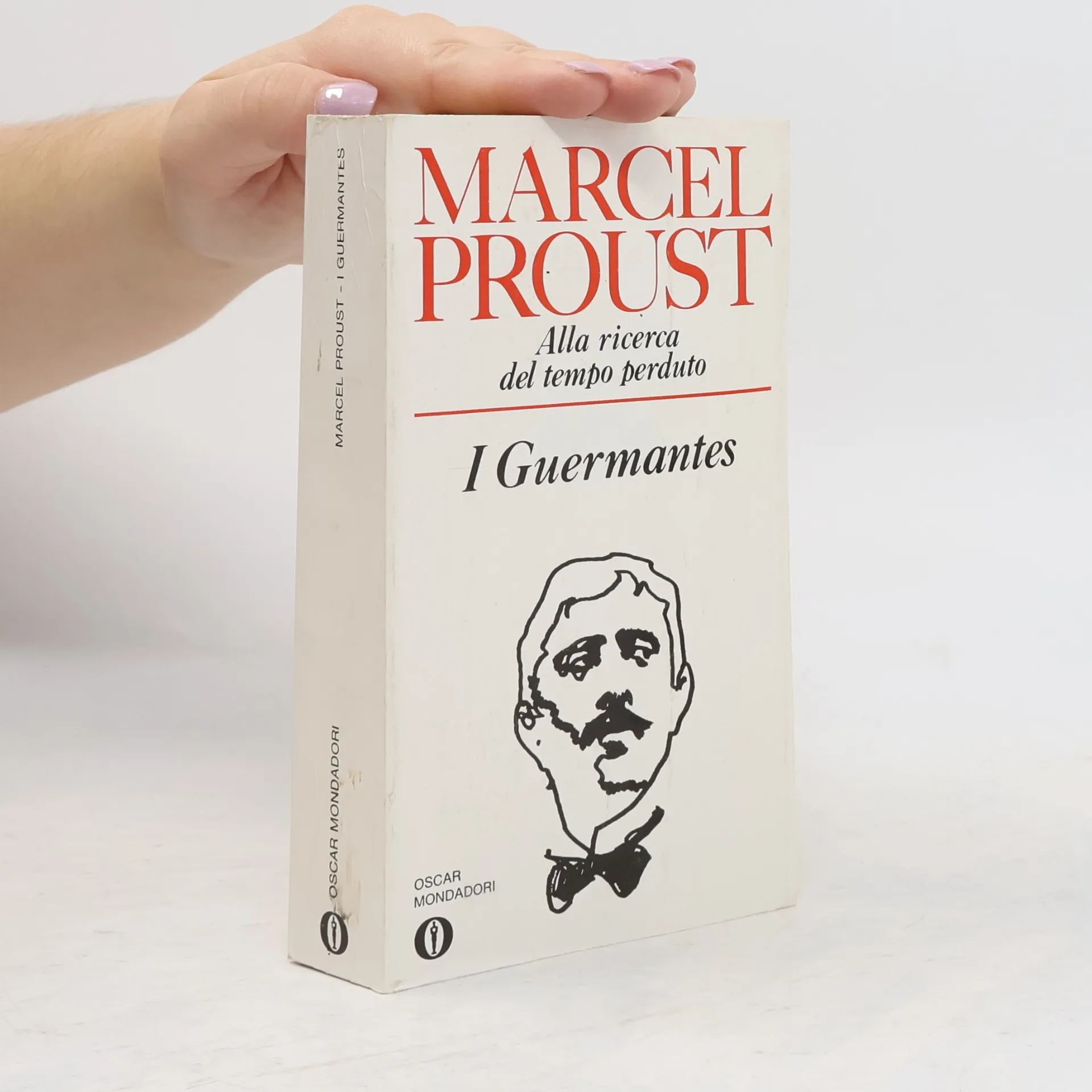
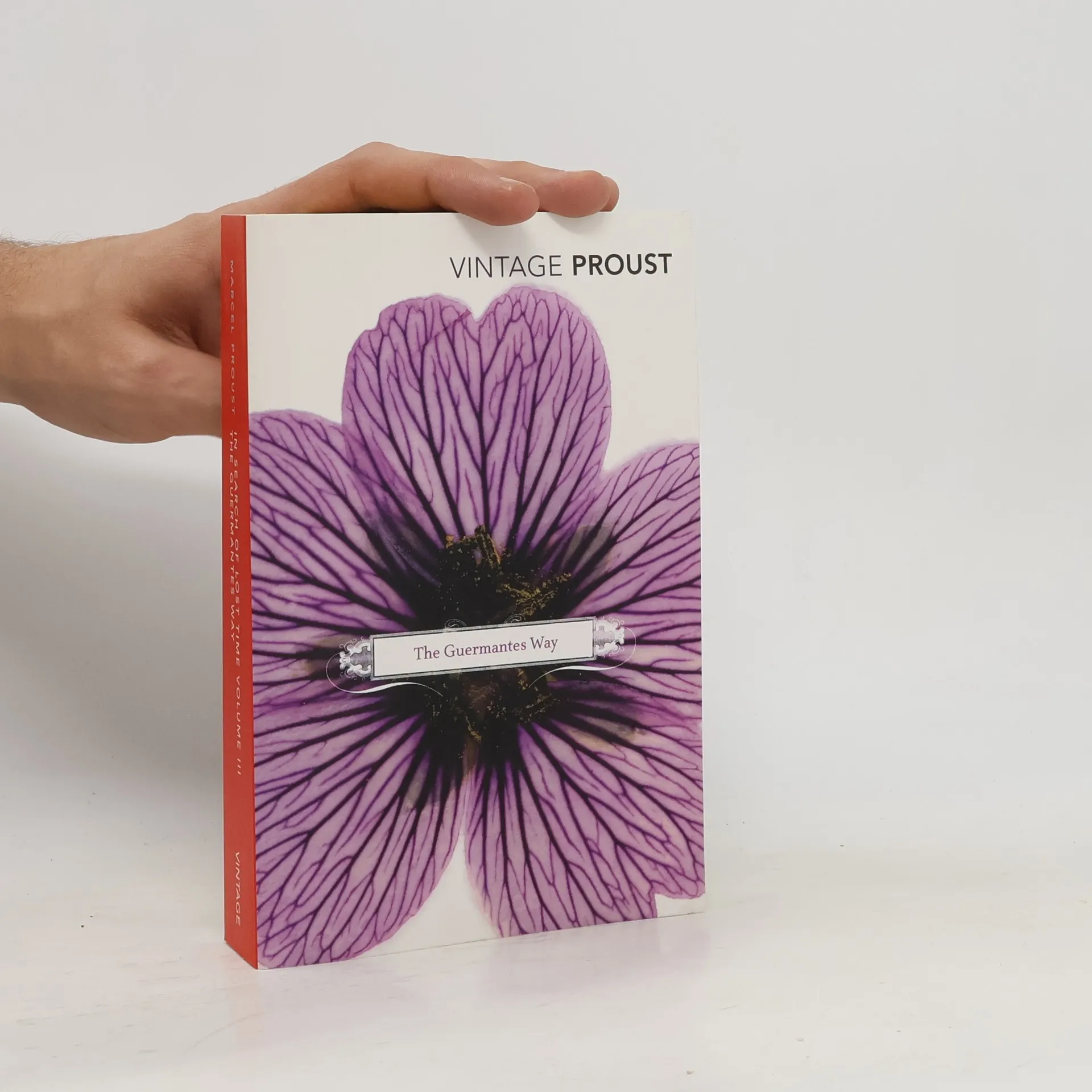
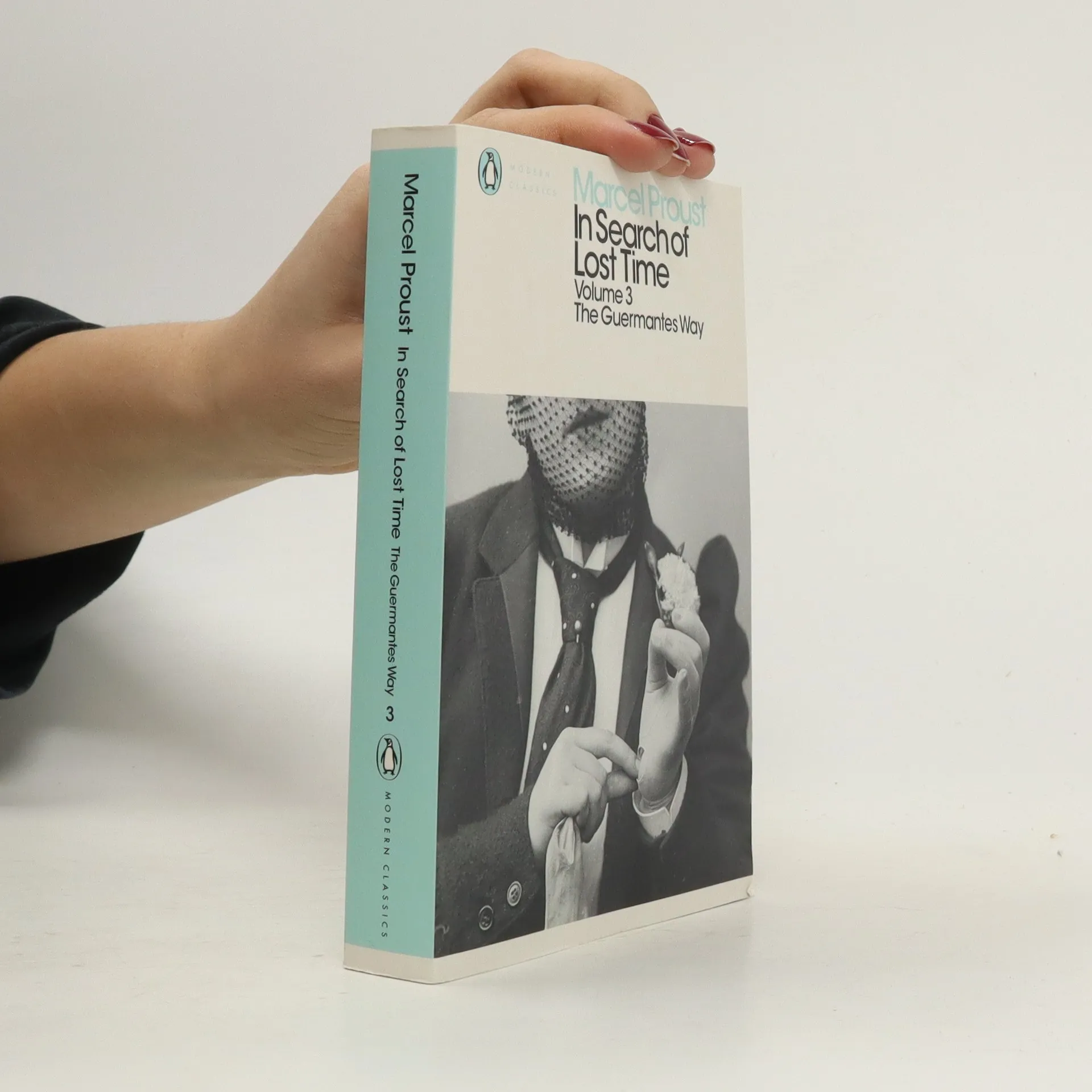
THE ACCLAIMED FULLY REVISED EDITION OF THE SCOTT MONCRIEFF AND KILMARTIN TRANSLATIONIn The Guermantes Way Proust's narrator recalls his initiation into the dazzling world of Parisian high society. Looking back over his time in the glamorous salons of the aristocracy, he satirises this shallow world and his own youthful infatuation with it.
The Guermantes Way
- 680pagine
- 24 ore di lettura
An authoritative new edition of the third volume in Marcel Proust's epic masterwork, In Search of Lost Time
Remembrance of Things Past 1
- 1040pagine
- 37 ore di lettura
'The transmutation of sensation into sentiment, the ebb tide of memory, waves of emotion such as desire, jealousy, and artistic euphoria — this is the material of this enormous and yet singularly light and translucid work' — Vladimir Nabokov Originally rendered by C.K. Scott Moncrieff from an early and unrealiable French edition, Proust’s masterpiece has now been flawlessly translated by Terence Kilmartin in this acclaimed version.
In Search Of Lost Time Volume 3
- 900pagine
- 32 ore di lettura
In The Guermantes Way Proust's narrator recalls his initiation into the dazzling world of Parisian high society. Looking back over his time in the glamorous salons of the aristocracy, he satirises this shallow world and his own youthful infatuation with it. schovat popis
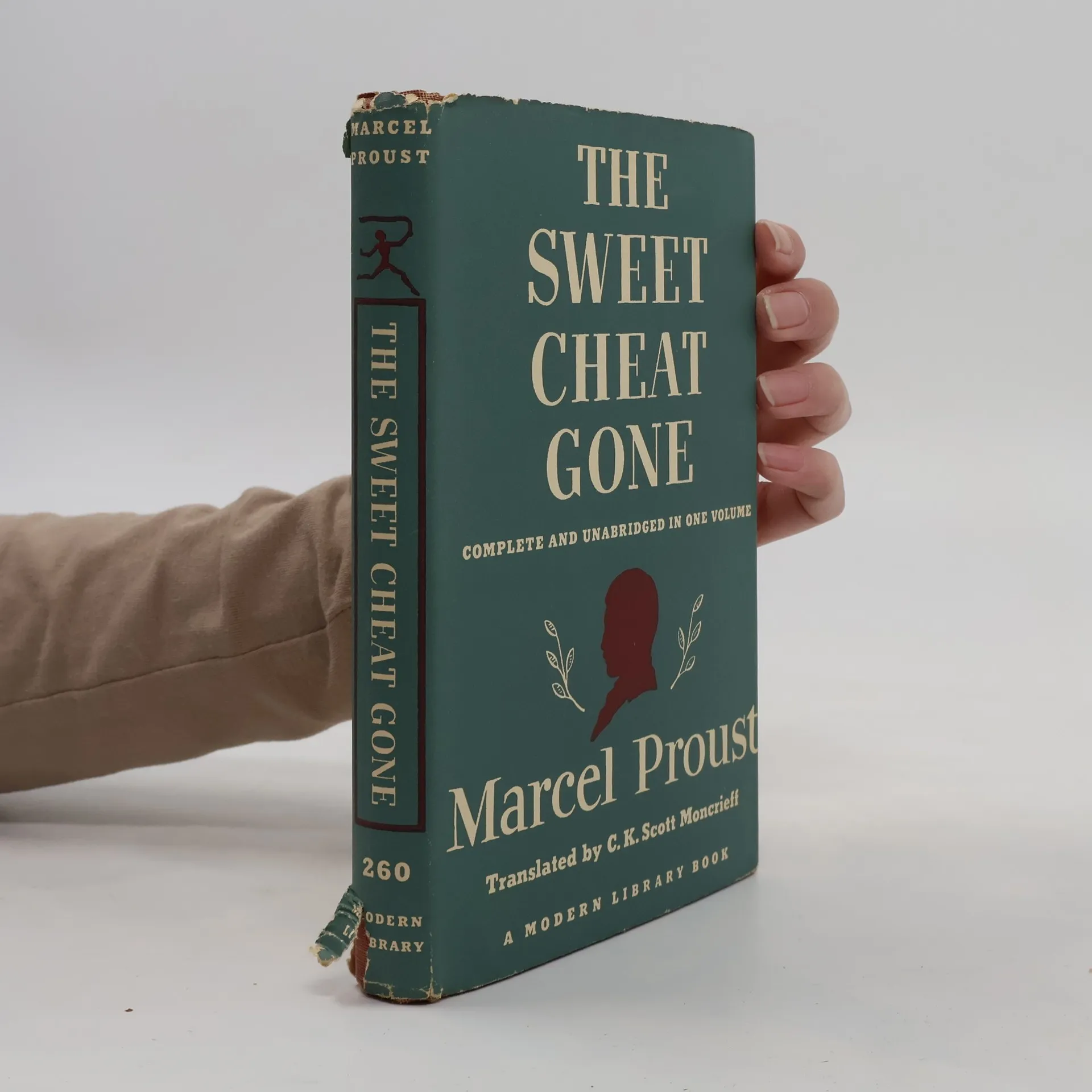
The Sweet Cheat Gone (Albertine Disparue)
- 194pagine
- 7 ore di lettura
Celebrating the 150th anniversary of Marcel Proust's birth, this penultimate volume showcases the pinnacle of his literary artistry. It is part of the highly regarded Penguin translation, offering readers a chance to engage with Proust's intricate narrative and profound themes. The book promises to deepen the exploration of memory, time, and human experience, solidifying its place as a significant contribution to modern literature.
'In Search of Lost Time' is Proust's masterpiece and was described by Somerset Maugham as the greatest novel of the 20th century
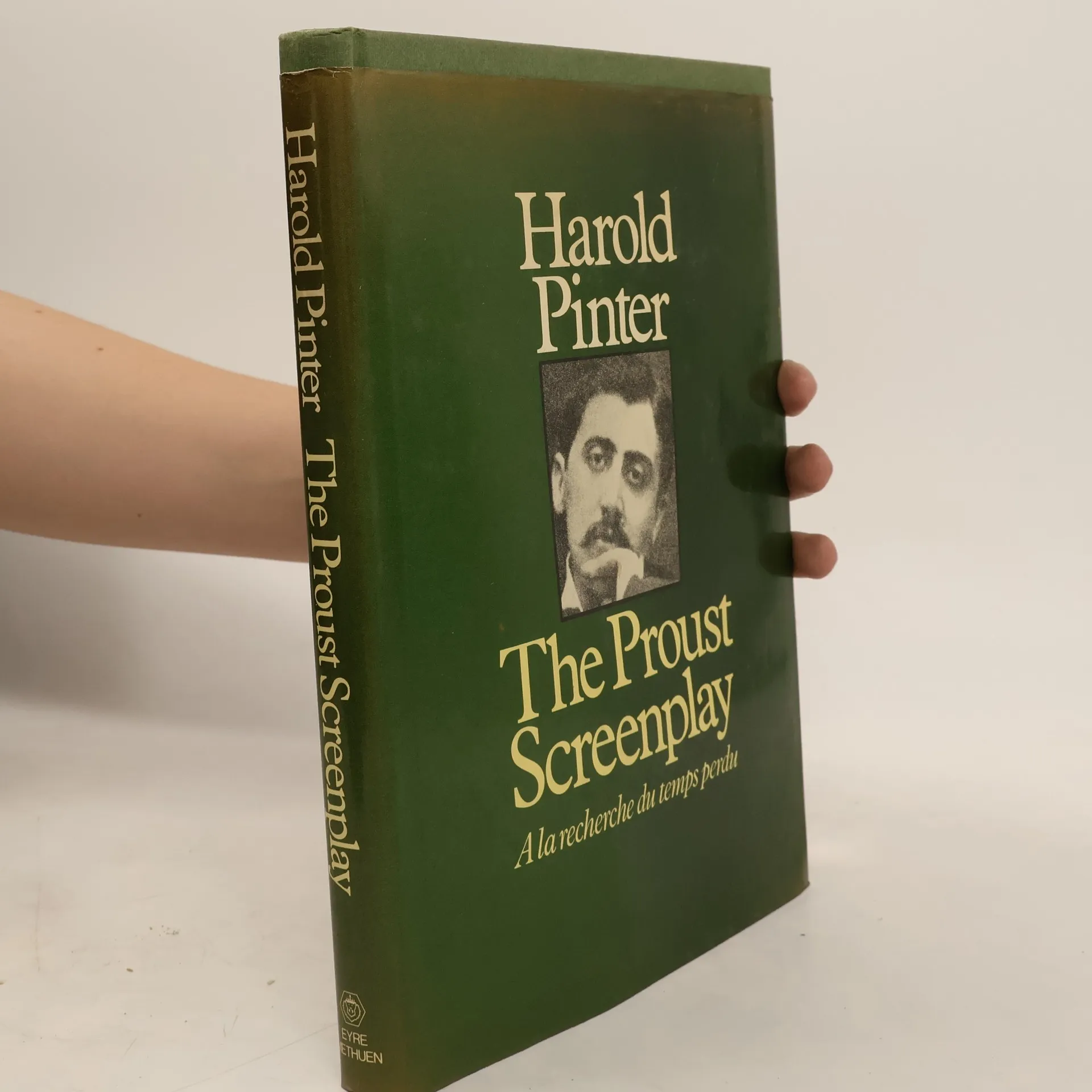
In the early 1970s Harold Pinter joined forces with director Joseph Losey and Proust scholar Barbara Bray to develop a screenplay of Proust's masterpiece, Remembrance of Things Past. Pinter took more than a year to conceive and write the screenplay and called the experience "the best working year of my life." Although never produced, Harold Pinter's The Proust Screenplay is considered one of the greatest adaptations for the cinema ever written.With fidelity to Proust's text, the screenplay is an extraordinary re-creation by one of the leading playwrights of our time. It is, in its way, a unique collaboration between two extraordinary writers united across more than half a century and two different cultures by a special concern for time and memory.
In Search of Lost Time: v. 4 - Sodom and Gomorrah
- 576pagine
- 21 ore di lettura
In Search of Lost Time is one of the greatest, most entertaining reading experiences in any language. This book is an English translation of the French original.
Pleasures and Days
- 256pagine
- 9 ore di lettura
Rich in language and detail, and by turns satirical and moving, Proust's stories - presented here in Andrew Brown's nuanced translation, the only edition currently in print - are layered with imagery and feeling and foreshadow the themes and psychological atmosphere of his later masterpiece.
A stunning hardback gift edition of the first volume of Proust's In Search of Lost Time.
Marcel Proust, renowned primarily for his extensive cycle "In Search of Lost Time," wrote this novel intermittently between 1895 and 1901. The manuscript was discovered several decades after the author's death and was first arranged and published in 1952. Young Proust left this work unfinished, and some sections were later used as the foundation for certain passages in his monumental multi-volume masterpiece. The book serves not only as a remarkable depiction of the maturation of a young protagonist with autobiographical traits but also offers an intriguing insight into the author's own literary development.
The first volume of the seven-part masterpiece In Search of Lost Time, Swann's Way introduces the reader to Charles Swann, a wealthy connoisseur in 19th-century Paris and a victim of an agonizing romance.
On Reading
- 112pagine
- 4 ore di lettura
English translation of Sur la lecture, which was originally published in 1906 as the preface to the author's translation of Sesame and lilies, by John Ruskin.
The Mysterious Correspondent
- 144pagine
- 6 ore di lettura
Newly discovered stories from one of the great storytellers of the twentieth century Throughout Proust's life, nine of his short stories remained unseen - the writer never spoke of them. Why did he choose not to publish them along with the others? One possible answer is that he was developing his themes in preparation for his masterpiece, In Search of Lost Time; another is that the stories were too audacious - too near to life - for the censorious society of the time. In these stories, published here for the first time, we find an intimate picture of a young author full of darkness and melancholy, longing to reveal his true self to the world.
In Search of Lost Time Volume 6 - Finding Time Again
- 400pagine
- 14 ore di lettura
"In Search of Lost Time" is one of the greatest, most entertaining reading experiences in any language. This book is an English translation of the French original.
This book is a reproduction of a historical work, published by Megali, a company dedicated to creating accessible large print editions for individuals with impaired vision. The focus on enhancing readability allows a broader audience to engage with important historical texts.
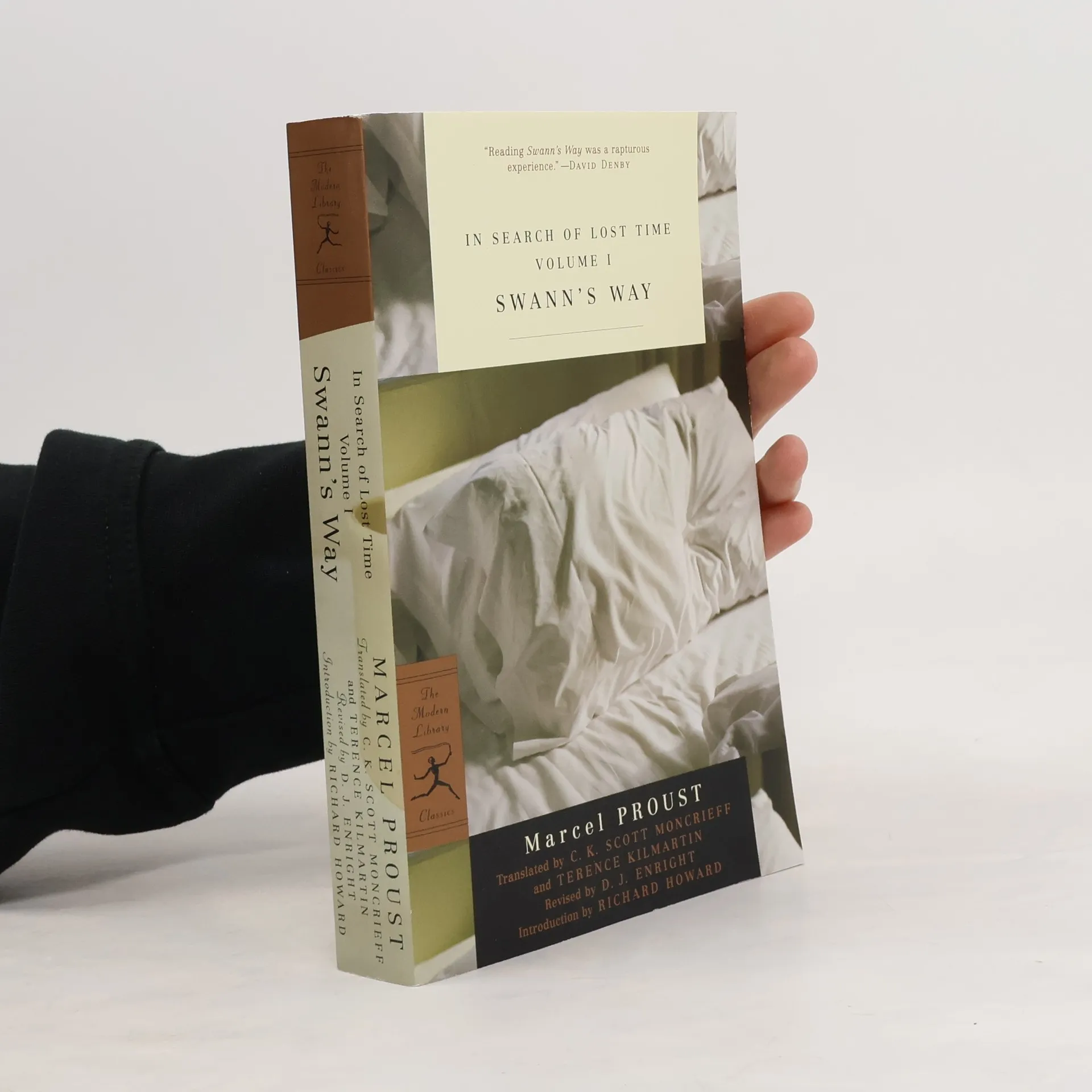
In Search of Lost Time Volume I Swann's Way
- 656pagine
- 23 ore di lettura
In Swann’s Way, the themes of Proust’s masterpiece are introduced, and the narrator’s childhood in Paris and Combray is recalled, most memorably in the evocation of the famous maternal good-night kiss. The recollection of the narrator’s love for Swann’s daughter Gilberte leads to an account of Swann’s passion for Odette and the rise of the nouveaux riches Verdurins. For this authoritative English-language edition, D. J. Enright has revised the late Terence Kilmartin’s acclaimed reworking of C. K. Scott Moncrieff’s translation to take into account the new definitive French editions of Á la recherché du temps perdu (the final volume of these new editions was published by the Bibliothèque de la Pléiade in 1989).
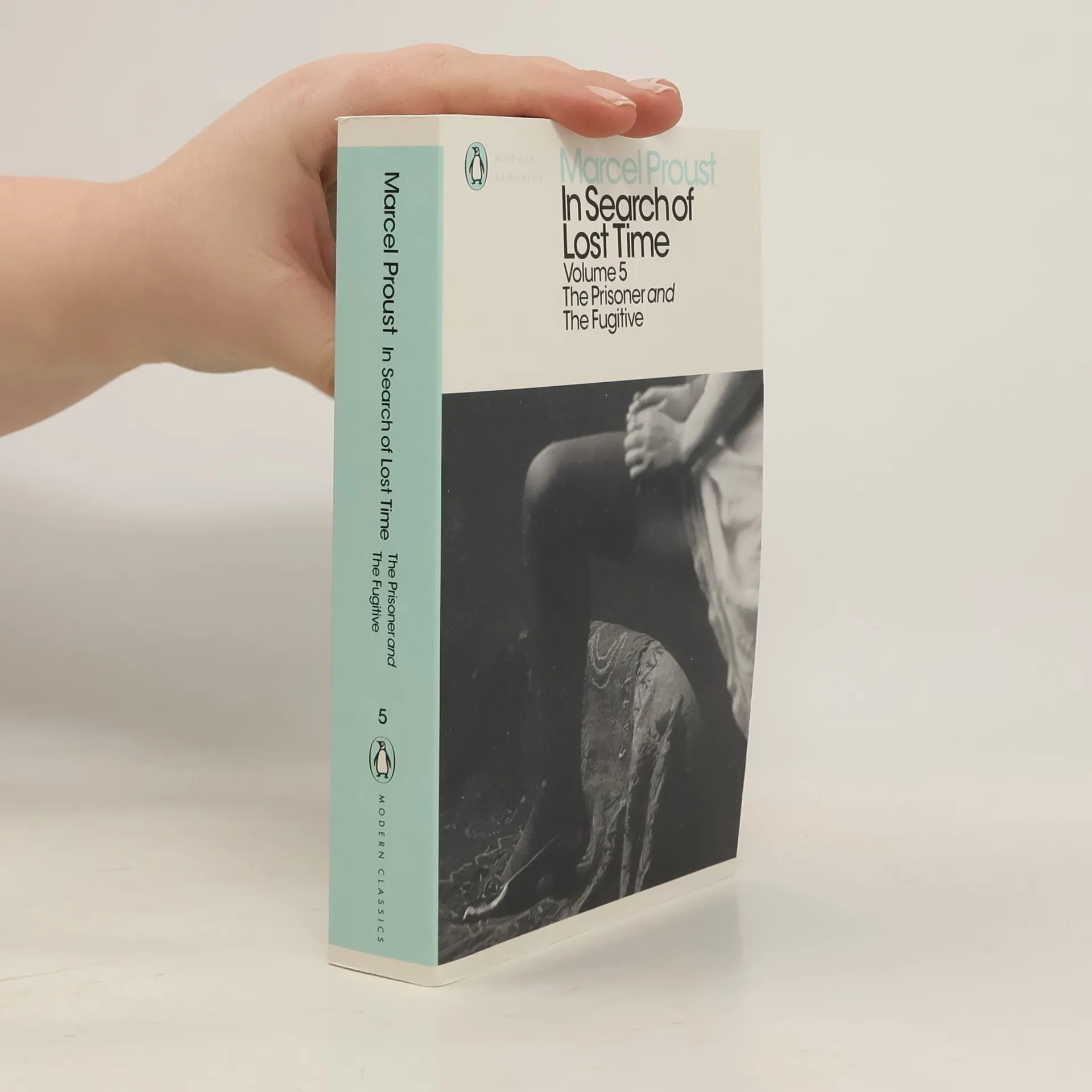
In Search of Lost Time 5. The Prisoner and the Fugitive
- 720pagine
- 26 ore di lettura
In Search of Lost Time is one of the greatest, most entertaining reading experiences in any language. This book is an English translation of the French original.
Jealousy
- 96pagine
- 4 ore di lettura
Can we truly know the one we love? The author looks straight into the green eye of every lover's jealous struggle. He broods on why we are driven to try possess one another, how jealousy can outlive death, and whether we can ever reclaim those careless days of first love.
In Search of Lost Time: The way by Swann's
- 496pagine
- 18 ore di lettura
A work of Proust that is translated from French original into English.
In search of lost time I. Swann's way
- 546pagine
- 20 ore di lettura
The definitive translation of one of the greatest French novels of the twentieth century In the opening volume of Proust's great novel, the narrator travels backwards in time in order to tell the story of a love affair that had taken place before his own birth. Swann's jealous love for Odette provides a prophetic model of the narrator's own relationships. All Proust's great themes - time and memory, love and loss, art and the artistic vocation - are here in kernel form. 'Surely the greatest novelist of the 20th century' Telegraph
"In Search of Lost Time" is one of the greatest, most entertaining reading experiences in any language. This book offers an English translation of the French original.
In Search of Lost Time [volumes 1 to 7] - Part II
- 946pagine
- 34 ore di lettura
The exploration of memory, love, and the passage of time deepens in Part 2 of Marcel Proust's monumental work. Spanning Volumes 4 to 7, this segment continues to weave intricate characters into the rich tapestry of human experience. Proust's masterful storytelling captures profound emotions and introspective narratives, inviting readers to engage with the timeless themes that resonate intellectually and emotionally. This continuation of the journey promises to enchant and provoke thought as it unfolds the complexities of existence.
In Search of Lost Time [volumes 1 to 7]
- 1022pagine
- 36 ore di lettura
Memory and the passage of time are central themes in this monumental work, which spans seven volumes. Proust intricately explores human experiences through captivating prose, revealing how even the smallest moments can carry profound meaning. The narrative weaves together love and nostalgia, inviting readers to reflect on the essence of life itself in a beautifully crafted literary tapestry.
Remembrance of Things Past
- 3volumi
Hledání ztraceného času VI. - Uprchlá
- 3120pagine
- 110 ore di lettura
Nové kompletní vydání stěžejního díla světové literatury. Sedmidílný román Hledání ztraceného času, považovaný za jedno ze základních děl nejen francouzské, ale i světové literatury, vznikal v letech 1909 až 1922 a byl uveřejňován postupně v letech 1913 až 1927. Proustův románse odehrává v prostředí francouzské vyšší společnosti na přelomu 19. a 20. století. Lze-li o něm říci, že podává po Balzacově Lidské komedii nejúplnější „obraz mravů“ své doby, zároveň platí, že autorovi jde o mnohem víc než o realistické zobrazení společnosti: hlavními tématy jeho díla jsou čas, paměť, umění a poznání. Hlavním "hrdinou" tohoto románu-řeka, či spíše románu-katedrála, který čítá 3120 stran a v němž figuruje více než 200 postav, je lidské vědomí. Vydání je doplněno o rozsáhlý doslov, jehož autorem je Josef Fulka, jeden z našich největších znalců Proustova díla.
Závěrečný díl románové řady zastihuje zestárlého vypravěče, který pozoruje a konstatuje proměny, kterých společnost za jeho života doznala - pád staré aristokracie, vzestup dříve opovrhované zbohatlické kasty a také pohled na 1. světovou válku, tuto definitivní tečku za starými časy. Druhým těžištěm závěrečné části jsou úvahy nad literární poetikou i smyslem a důležitostí umělecké tvorby, která jediná může znovu nalézt čas, ztracený v malicherných peripetiích skutečného života.
Nové kompletní vydání stěžejního díla světové literatury. Sedmidílný román Hledání ztraceného času, považovaný za jedno ze základních děl nejen francouzské, ale i světové literatury, vznikal v letech 1909 až 1922 a byl uveřejňován postupně v letech 1913 až 1927. Proustův románse odehrává v prostředí francouzské vyšší společnosti na přelomu 19. a 20. století. Lze-li o něm říci, že podává po Balzacově Lidské komedii nejúplnější „obraz mravů“ své doby, zároveň platí, že autorovi jde o mnohem víc než o realistické zobrazení společnosti: hlavními tématy jeho díla jsou čas, paměť, umění a poznání. Hlavním "hrdinou" tohoto románu-řeka, či spíše románu-katedrála, který čítá 3120 stran a v němž figuruje více než 200 postav, je lidské vědomí. Vydání je doplněno o rozsáhlý doslov, jehož autorem je Josef Fulka, jeden z našich největších znalců Proustova díla.
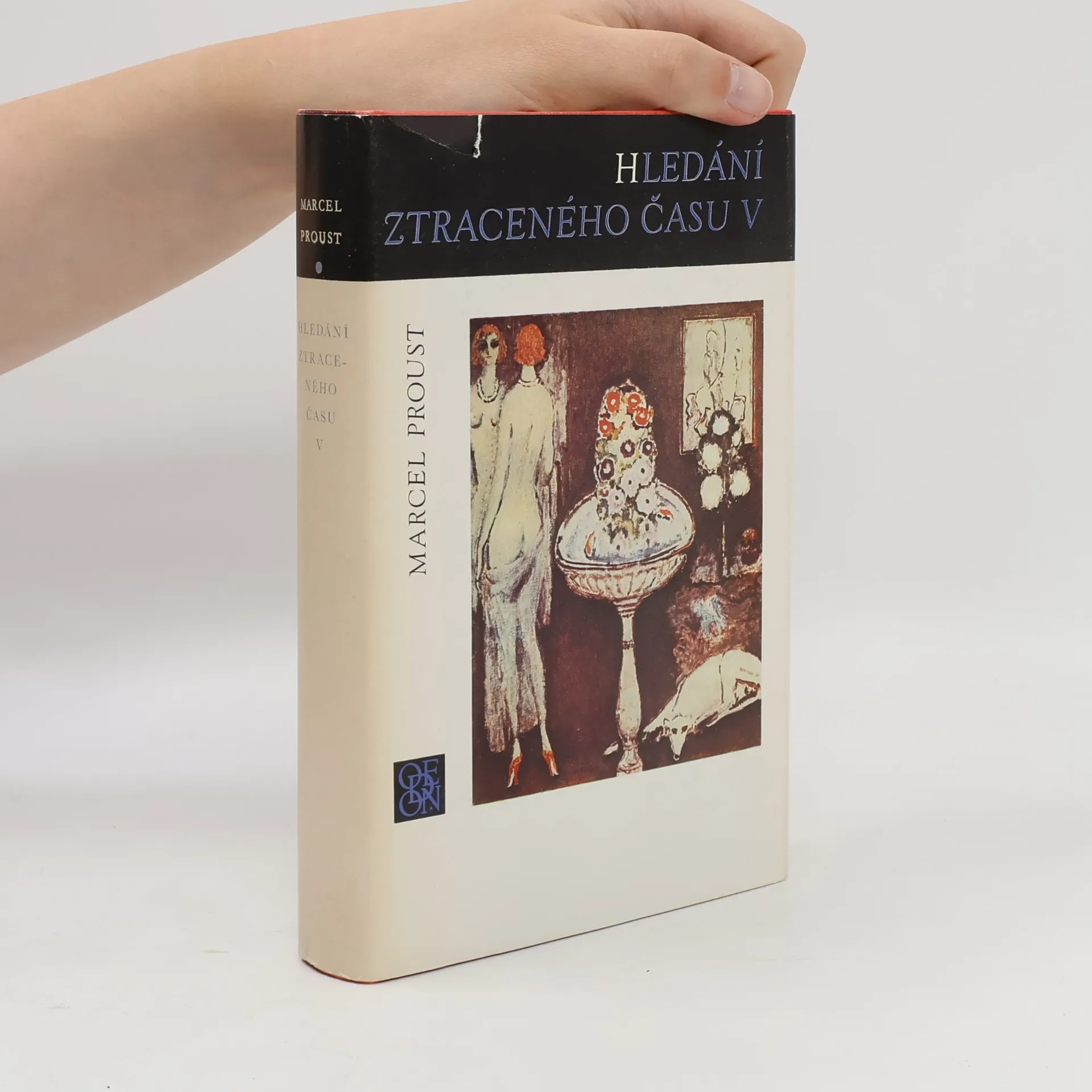
Hledání ztraceného času V
Uvězněná
Pátá část rozsáhlého románového cyklu, který je jedním ze základních děl světové literatury.
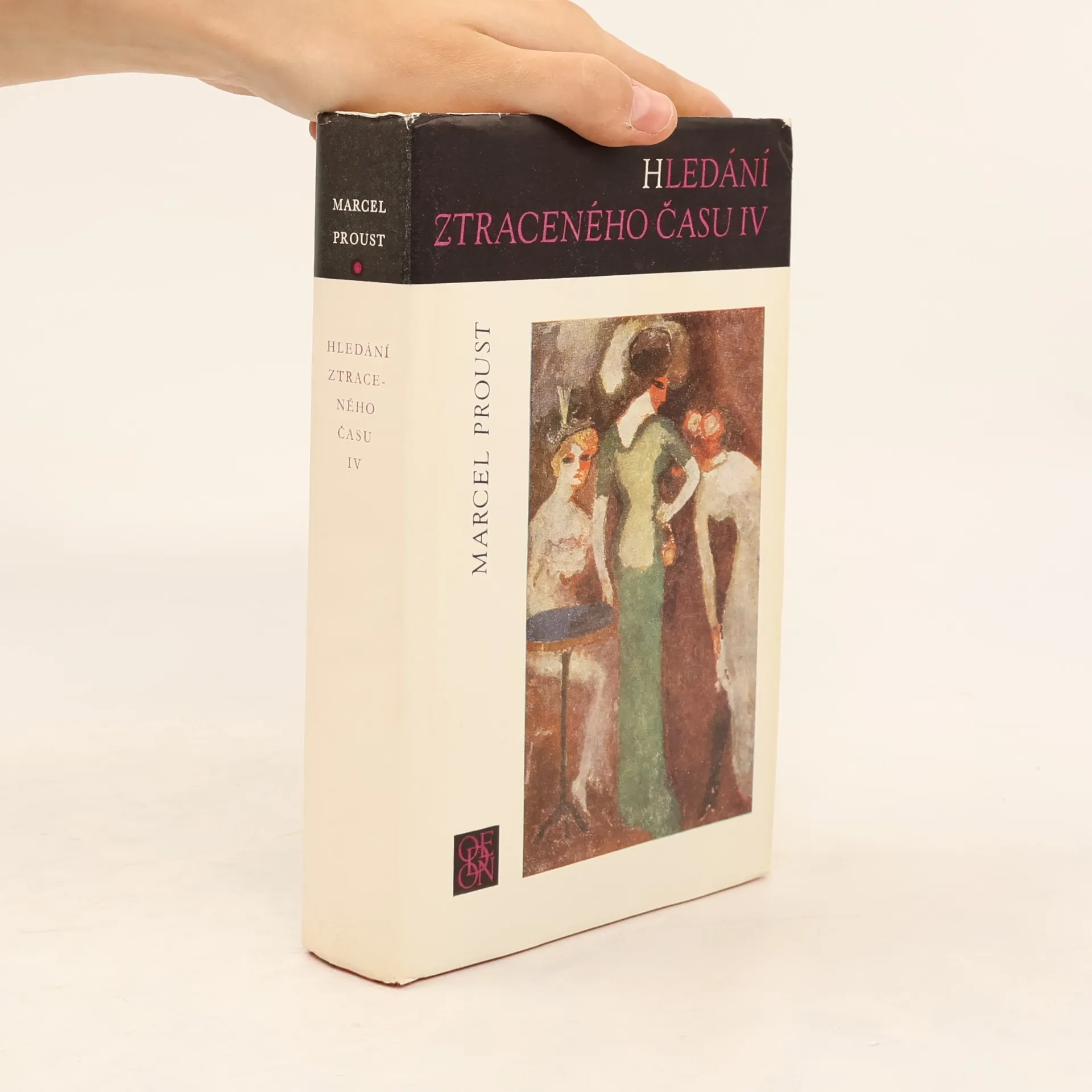
Hledání ztraceného času IV.
Sodoma a Gomora
V Sodomě a Gomoře Proust odkrývá skryté stránky povahy a života jedné ze svých nejpřízračnějších postav – barona Charluse. Znovu sledujeme vypravěčův život v přímořském Balbecu, jeho rozporuplnou lásku k Albertině a jeho úspěchy v salónech okolních záměčků.
La deuxième partie d'A l'ombre des jeunes filles en fleurs : " Noms de pays : le pays ". en faisant écho à la dernière partie de Du côté de chez Swann : " Noms de pays : le nom ", annonce un progrès dans la connaissance des réalités. La ville rêvée, enveloppée de brumes, se révèle bien différente, illuminée par un soleil éclatant. Mais ce Balbec au nom oriental permet au héros d'accéder à un autre orient de ses rêves. Mme de Villeparisis, amie d'enfance de sa grand-mère, lui présente le marquis de Saint-Loup et le baron de Charlus qui, comme elle, appartiennent à l'aristocratique famille des Guermantes. La découverte de l'univers d'Elstir, peintre de génie, lui dévoile - sans qu'il en ait pleinement conscience - quelques-unes des vérités essentielles qu'il avait jusqu'alors vainement cherchées. Et Elstir lui permet encore d'aller au bout d'un rêve en l'introduisant auprès de la petite bande des jeunes filles en fleurs qui se profilent le long de la plage de Balbec. Au plaisir de leur compagnie le jeune homme est prêt à tout sacrifier : parents, amis, travail. A-t-il vraiment tort ?
Hledání ztraceného času II.
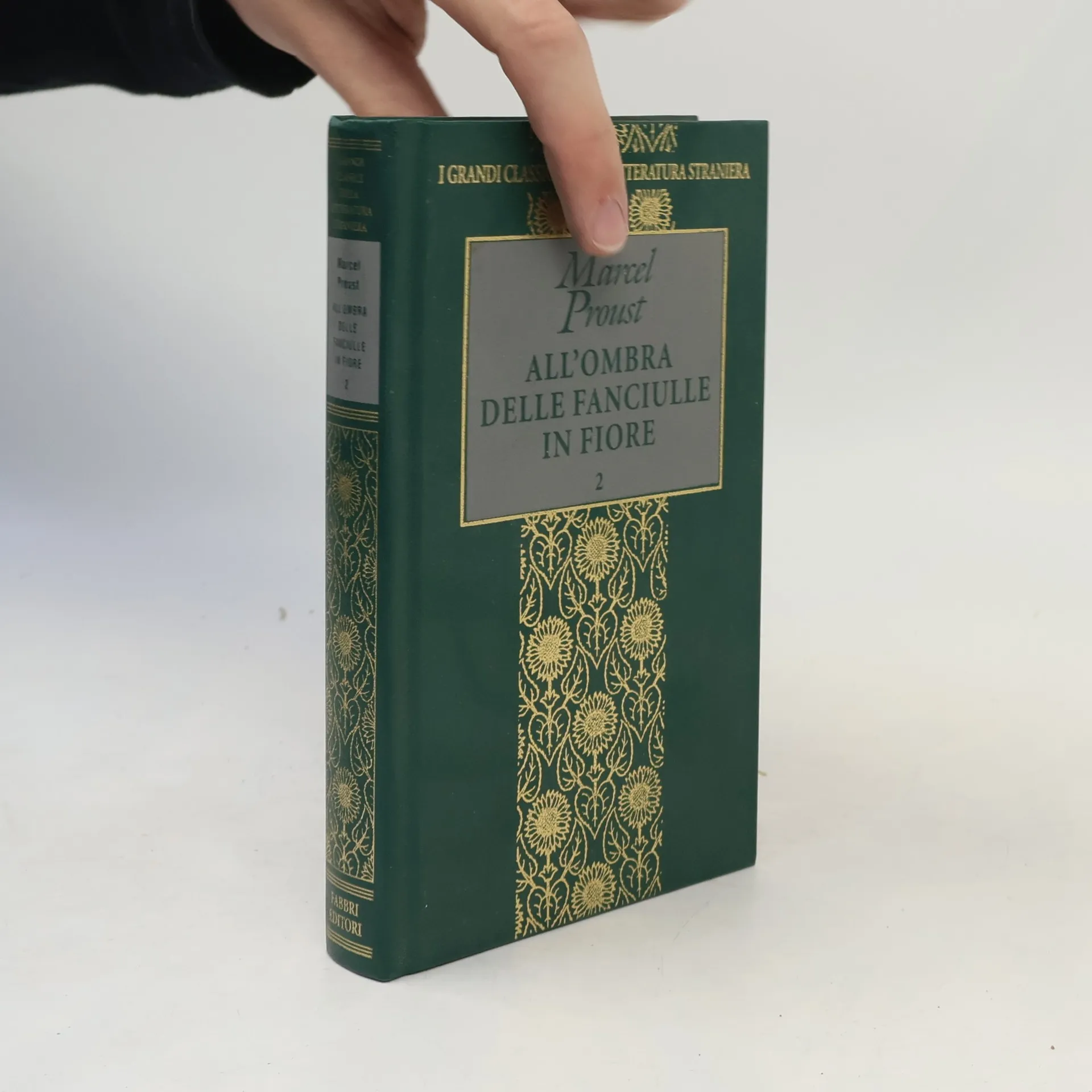
Ve stínu kvetoucích dívek
Druhý díl, poctěný r. 1919 Goncourtovou cenou, se odehrává z větší části v normandských mořských lázních. Autor opět uvádí na scénu zámožného Pařížana a další postavy a podává mj. analýzu rozdílu mezi spisovatelem-člověkem a jeho dílem, analýzu lidských a rodinných vztahů, pohled na chováni měšťáka a šlechtice a detailní rozbor rodící se lásky mezi mužem a ženou.
Sodome et Gomorrhe ouvre une nouvelle phase de À la recherche du temps perdu. Tout en observant la pollinisation de l'orchidée de la duchesse de Guermantes, le narrateur observe secrètement une rencontre sexuelle entre deux hommes. « Fleur et plante n'ont pas de volonté consciente », a écrit Samuel Beckett à propos de la représentation de la sexualité par Proust. « Ils sont sans vergogne, exposant leurs organes génitaux. Et ainsi, en un sens, les hommes et les femmes de Proust... sont sans vergogne. Il n'est pas question de bien et de mal. »
« Tout d'un coup, dans le petit chemin creux, je m'arrêtai touché au cœur par un doux souvenir d'enfance : je venais de reconnaître, aux feuilles découpées et brillantes qui s'avançaient sur le seuil, un buisson d'aubépines défleuries, hélas, depuis la fin du printemps. Autour de moi flottait une atmosphère d'anciens mois de Marie, d'après-midi du dimanche, de croyances, d'erreurs oubliées. J'aurais voulu la saisir. Je m'arrêtai une seconde et Andrée, avec une divination charmante, me laissa causer un instant avec les feuilles de l'arbuste. Je leur demandai des nouvelles des fleurs, ces fleurs de l'aubépine pareilles à de gaies jeunes filles étourdies, coquettes et pieuses. "Ces demoiselles sont parties depuis déjà longtemps", me disaient les feuilles. » À l'ombre des jeunes filles en fleurs (deuxième partie) - Le Côté de Guermantes - Esquisses
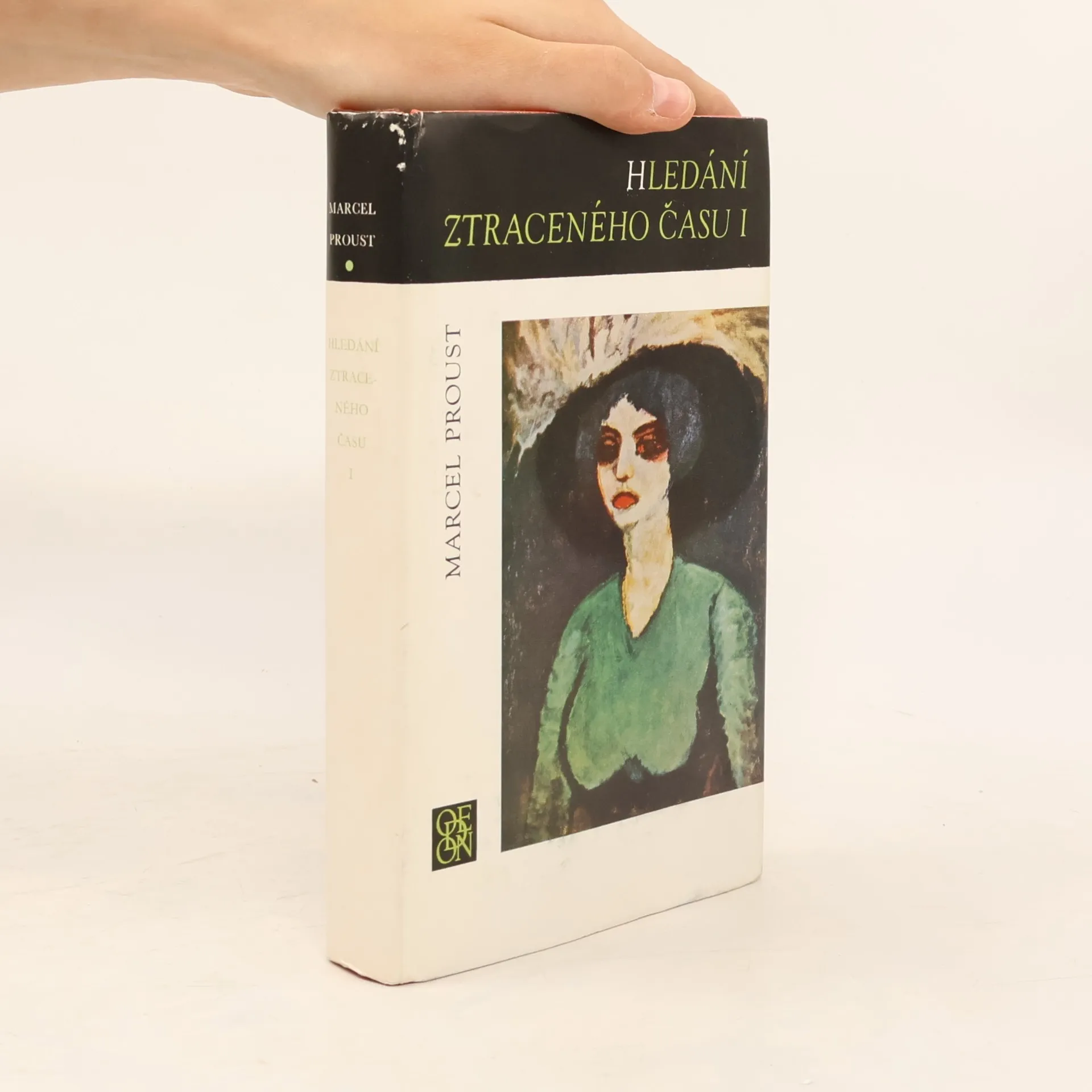
V prvním dílu románového cyklu, postihujícího vývoj francouzské společnosti od Dreyfusovy aféry až po první světovou válku a stojícího u základů psychologického románu 20. století, představuje autor hrdinu, zámožného Pařížana, člověka ušlechtilého, ale zároveň neúprosně logického a pravdivého. Na jeho příběhu podává studii milostného citu, žárlivosti, společenských vztahů a mravů.
Quarto: À la recherche du temps perdu
- 2400pagine
- 84 ore di lettura
L'expression roman fleuve devrait, sans connotation péjorative, désigner une œuvre qui prend le temps de charrier mille petites particules d'impression pour les infuser dans l'esprit d'un lecteur captivé. En somme, elle devrait avoir été créée pour désigner La Recherche proustienne, qui s'ouvre Du côté de chez Swann et s'achève une fois Le Temps retrouvé . Dans le premier tome de ce superbe travail sur la mémoire et la métaphore, œuvre à part entière mais aussi amorce dramatique d'un joyau de la langue française, le narrateur s'aperçoit fortuitement, à l'occasion d'un goûter composé d'une tasse de thé et d'une madeleine désormais célèbre, que les sens ont la faculté de faire ressurgir le souvenir. Grâce aux senteurs d'un buisson d'aubépines, il prend confusément conscience de la distinction entre le souvenir et la réminiscence, pour ensuite s'exercer à manier les mots comme de petits papiers japonais qui, touchés par la grâce de l'eau, se déploient en corolle pour faire place à tout un univers. Tout comme se déploie un roman fleuve à partir de cette toute petite phrase légendaire : "Longtemps, je me suis couché de bonne heure". --Sana Tang-Léopold Wauters
Op zoek naar de verloren tijd - 2: In de schaduw van meisjes in bloei
- 480pagine
- 17 ore di lettura
Op zoek naar de verloren tijd is een van de grootste triomfen van de wereldliteratuur. In deze romancyclus wordt de lezer door het zintuiglijke proza van Marcel Proust gevangen in een web van subtiliteiten, onvergetelijke personages, verfijnde ironie, glasheldere zinnen en messcherpe observaties. In de schaduw van meisjes in bloei , het tweede deel van de cyclus, beschrijft de volwassenwording van de verteller Marcel. Zijn herinneringen aan Parijs, de Normandische kust en zijn relatie met zijn grootmoeder en de familie Swann leiden tot schitterende beschouwingen over de liefde, literatuur en schilderkunst. Ook de kennismaking met de baron de Charlus en de mysterieuze Albertine zal van groot belang blijken voor het verdere leven van Marcel.
En busca del tiempo perdido
- 315pagine
- 12 ore di lettura
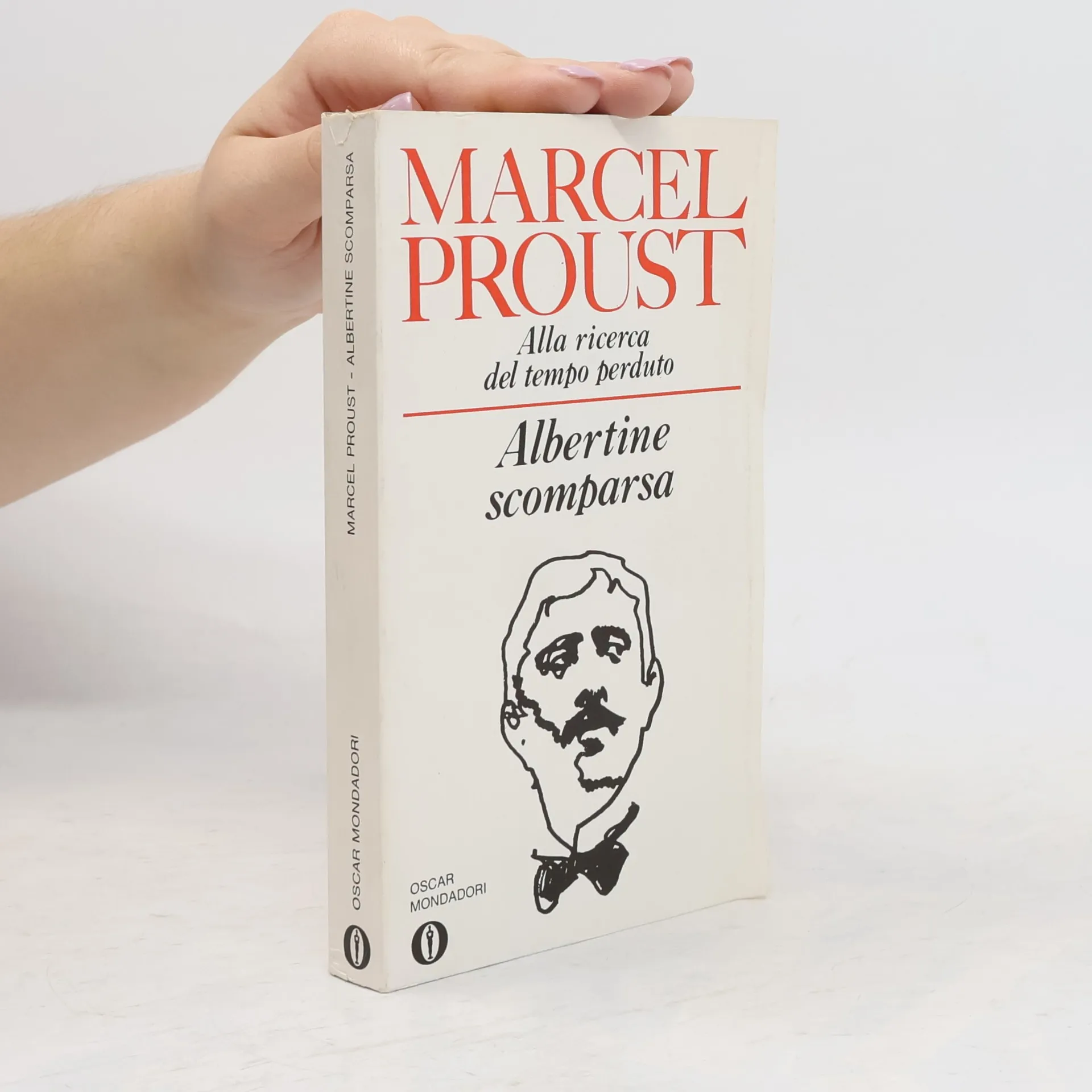
Giudicato da Proust stesso "ciò che ho scritto di meglio", Albertine scomparsa chiude il dittico della ragazza di Balbec narrando il lutto del Narratore per la sua morte e il lento trascolorare della sofferenza nell'oblio, sullo sfondo di una Venezia insieme immaginata, rievocata e reale. Ispirato a un episodio autobiografico e permeato di un potente erotismo, il penultimo libro della Recherche permette all'autore di approfondire il registro tragico dell'opera, indagando in profondità il dolore del mondo e dando il via a un percorso di autoanalisi che ha pochi pari nella storia della letteratura.
Auf der Suche nach der verlorenen Zeit (Band 5)
Im Schatten junger Mädchenblüte – Im Umkreis von Madame Swann, Teil I
- 48pagine
- 2 ore di lettura
Nach seiner Begegnung mit dem Marquis de Norpois und dem ersten Theaterbesuch, bei dem er die Berma in Racines Phädra bewundert, erinnert sich Marcel an seine erste Liebe, Gilbert. Sie ist die Tochter des feinen Herrn Swann, seiner Frau Odette, die der Halbwelt entstammt. Die komplizierte Liebe zu ihr ist von zahlreichen Geheimnissen umgeben und bindet ihn immer enger an die Familie Swann. Marcels jugendlichen Erwartungen, seine Illusionen und sein Ehrgeiz sind immer wieder Enttäuschungen und Ernüchterungen ausgesetzt. Gewohnt gekonnt setzt Stéphane Heuet in seinem Stil der »Ligne claire« einen weiteren Teil von Marcel Prousts Werk Auf der Suche nach der verlorenen Zeit um und setzt damit die Teilserie »Im Schatten junger Mädchenblüte« fort.