

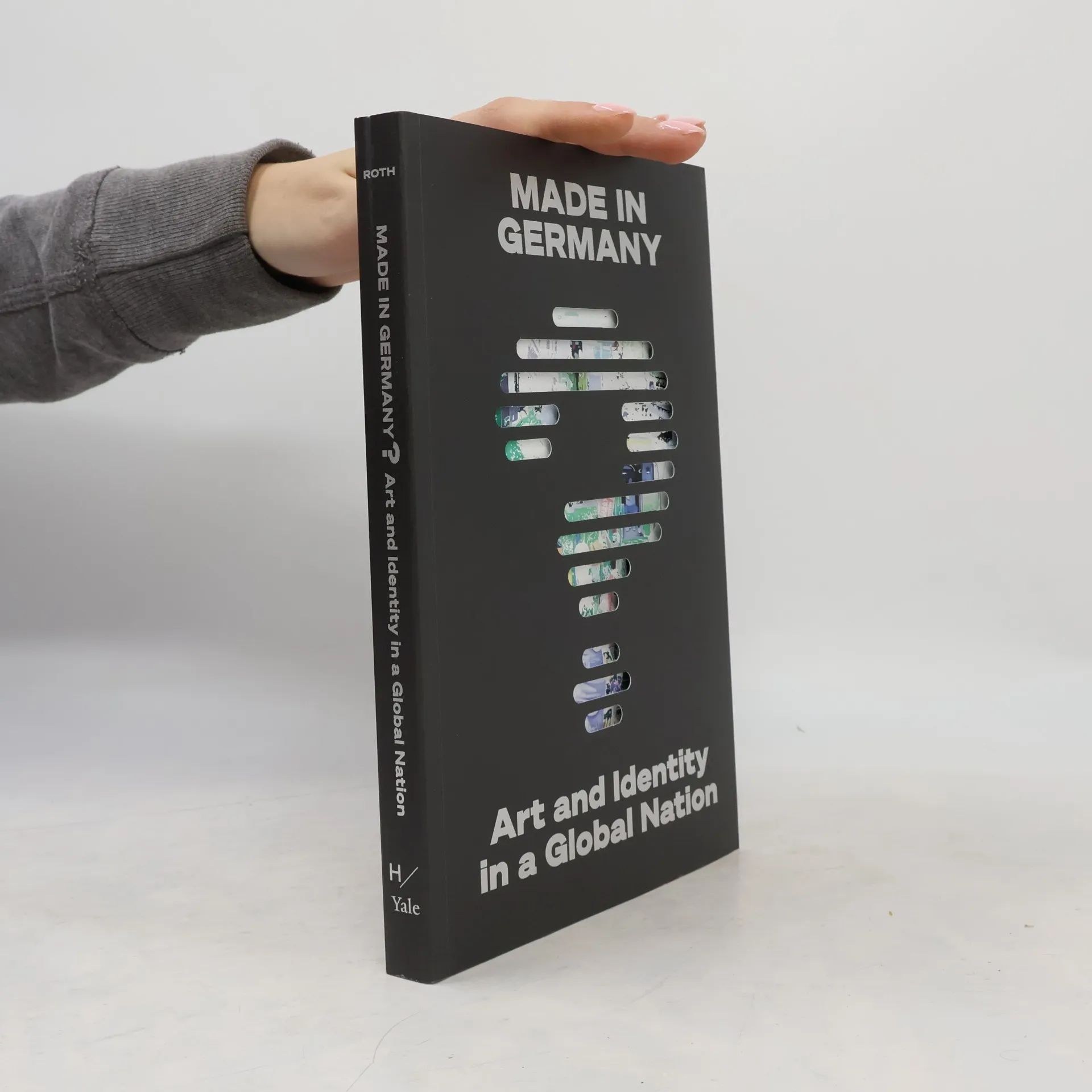
This examination of identity in modern-day Germany explores how diverse artists challenge conventional meanings of "Germanness." It addresses contemporary art and belonging from the 1980s, highlighting discussions on multiculturalism in West Germany and the ongoing impact of unification and migration policies. The rise of racial violence, right-wing populism, and ethnically defined nationalism is contextualized within these developments. Accessible essays cover topics like labor migration, the experience of being Black in Germany, and the aftermath of the Berlin Wall's fall, laying the groundwork for understanding current intercultural dynamics. Object-focused texts analyze various media, including Candida Höfer's slideshow Turks in Germany 1979, which depicted Turkish immigrants' integration into public life during a time of exclusion, and Ngozi Schommers's sculpture Commuters, reflecting on the housing crisis. Amid the resurgence of right-wing nationalist movements in Germany and globally, the work advocates for a broader conception of German identity, showcasing artists from diverse backgrounds who interrogate national identity. This exploration will be featured in an exhibition at the Harvard Art Museums from September 13, 2024, to January 5, 2025.
Natalie Bella Ordine dei libri (cronologico)

Partizipation und Un_gleichzeitigkeit
Eine Herausforderung für die Mitbestimmung
- 268pagine
- 10 ore di lettura
Das Buch befasst sich mit der digitalen Transformation in Unternehmen und fragt nach den Veränderungen für die betrieblichen Stakeholder. Im Mittelpunkt steht der Umgang von betrieblicher Mitbestimmung mit digitaler Transformation. Dies setzt auch eine Transformation betrieblicher Mitbestimmung selbst auf die Tagesordnung, die die direkte Partizipation der Beschäftigten an der interessenpolitischen Positionierung des Betriebsrats und deren Durchsetzung gegenüber dem Arbeitgeber deutlich erweitert und zu einer strategischen Ressource der Mitbestimmung werden lässt. Inhaltsverzeichnis Vorwort.- Zum Wandel der (betrieblichen) Mitbestimmung in einer Arbeitswelt 4.0.- Methodik und Erhebungsdesign.- Fallstudien zum Verhältnis von partizipativer Mitbestimmung und Digitalisierung.- Un_gleichzeitigkeit.- Schlussfolgerungen für die Praxis oder Beziehungen gestalten.