First published in 1998, this collection brings together key articles by prominent feminist thinkers, providing a sophisticated exploration of theoretical topics central to feminist social thought. It highlights significant concerns in contemporary feminist scholarship and the advancements made by feminist philosophers. The editor's introduction offers alternative pathways through the text, enabling instructors to tailor the reader to their specific courses and student interests. Each article includes a brief introduction that contextualizes it, emphasizing the main issues and conclusions, which aids students in navigating challenging theoretical concepts. Organized around seven topics—constructions of gender; theorizing diversity; figurations of women; subjectivity, agency, and feminist critique; social identity, solidarity, and political engagement; care and its critics; and women, equality, and justice—this collection represents a broad spectrum of feminist thinking. Students will engage with critical questions, including how gender norms are instilled and perpetuated, the relationships between gender and other social positions like race and class, the resources available for recognizing and resisting subordination, the goals of feminist politics, and the reconciliation of social and legal equality with difference.
Chantal Mouffe Libri
Chantal Mouffe è una teorica politica belga, nota soprattutto come coautrice di Egemonia e strategia socialista con Ernesto Laclau. Insieme, hanno respinto il determinismo economico marxista e la nozione di lotta di classe come unico antagonismo cruciale nella società. Invece, hanno sostenuto una democrazia radicale di pluralismo agonistico, dove tutti gli antagonismi possono essere espressi. Il lavoro di Mouffe esplora il ruolo fondamentale dell'antagonismo nel plasmare la possibilità e la visione stessa della società.


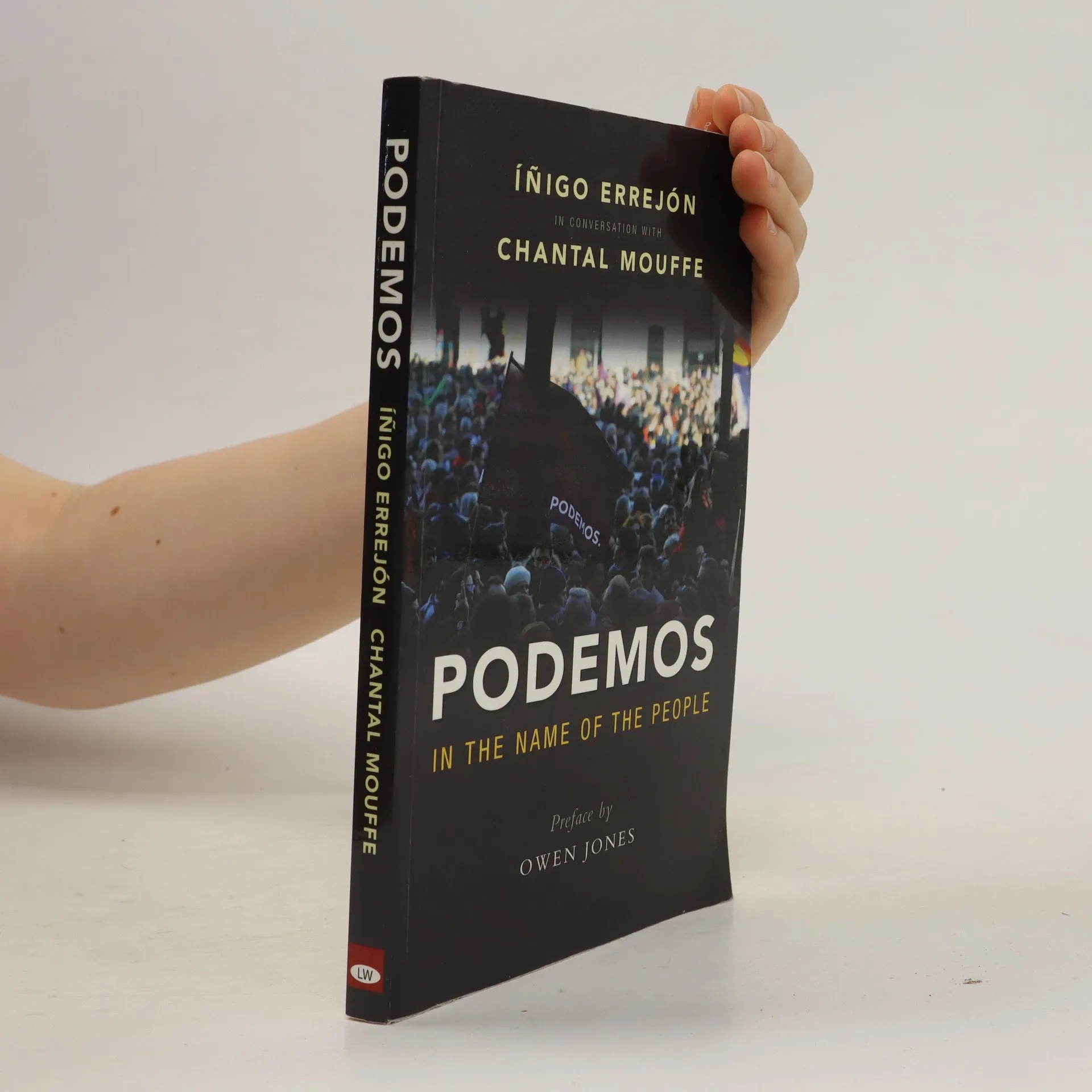
Podemos
- 160pagine
- 6 ore di lettura
igo Errejón of Podemos and political theorist Chantal Mouffe here discuss the emergence of these new forces, and in particular of Podemos. They critically engage with both the older traditions and the newly emerging parties and movements; explore new ways of creating collective identities and building majorities; and reflect on the major political challenges facing the left. This is a conversation between two people who are ideally placed to draw on the earlier theoretical work of Mouffe with Ernesto Laclau, and to link it directly into the practice of the new politics.
The Democratic Paradox
- 156pagine
- 6 ore di lettura
From the theory of ‘deliberative democracy’ to the politics of the ‘third way’, the present Zeitgeist is characterized by attempts to deny what Chantal Mouffe contends is the inherently conflictual nature of democratic politics. Far from being signs of progress, such ideas constitute a serious threat to democratic institutions. Taking issue with John Rawls and Jürgen Habermas on one side, and the political tenets of Blair, Clinton and Schröder on the other, Mouffe brings to the fore the paradoxical nature of modern liberal democracy in which the category of the ‘adversary’ plays a central role. She draws on the work of Wittgenstein, Derrida, and the provocative theses of Carl Schmitt, to propose a new understanding of democracy which acknowledges the ineradicability of antagonism in its workings.
These case studies are also highly effective points of reference for student revision.
For a Left Populism
- 112pagine
- 4 ore di lettura
What is the “populist moment” and what does it mean for the left? We are currently witnessing in Western Europe a “populist moment” that signals the crisis of neoliberal hegemony. The central axis of the political conflict will be between right- and left-wing populism. By establishing a frontier between “the people” and “the oligarchy,” a left–populist strategy could bring together the manifold struggles against subordination, oppression and discrimination. This strategy acknowledges that democratic discourse plays a crucial role in the political imaginary of our societies. And through the construction of a collective will, mobilizing common affects in defence of equality and social justice, it will be possible to combat the xenophobic policies promoted by right-wing populism. In redrawing political frontiers, this “populist moment” points to a “return of the political” after years of postpolitics. A return may open the way for authoritarian solutions—through regimes that weaken liberal-democratic institutions—but it could also lead to a reaffirmation and extension of democratic values
The Return of the Political
- 240pagine
- 9 ore di lettura
A powerful new understanding of citizenship, democracy and pluralism.In this work, Mouffe argues that liberal democracy misunderstands the problems of ethnic, religious and nationalist conflicts because of its inadequate conception of politics. She suggests that the democratic revolution may be jeopardized by a lack of understanding of citizenship, community and pluralism. Mouffe examines the work of Schmitt and Rawls and explores feminist theory, in an attempt to place the project of radical and plural democracy on a more adequate foundation than is provided by liberal theory.
How to rebuilt left populism around the demands for the Green Democratic Revolution
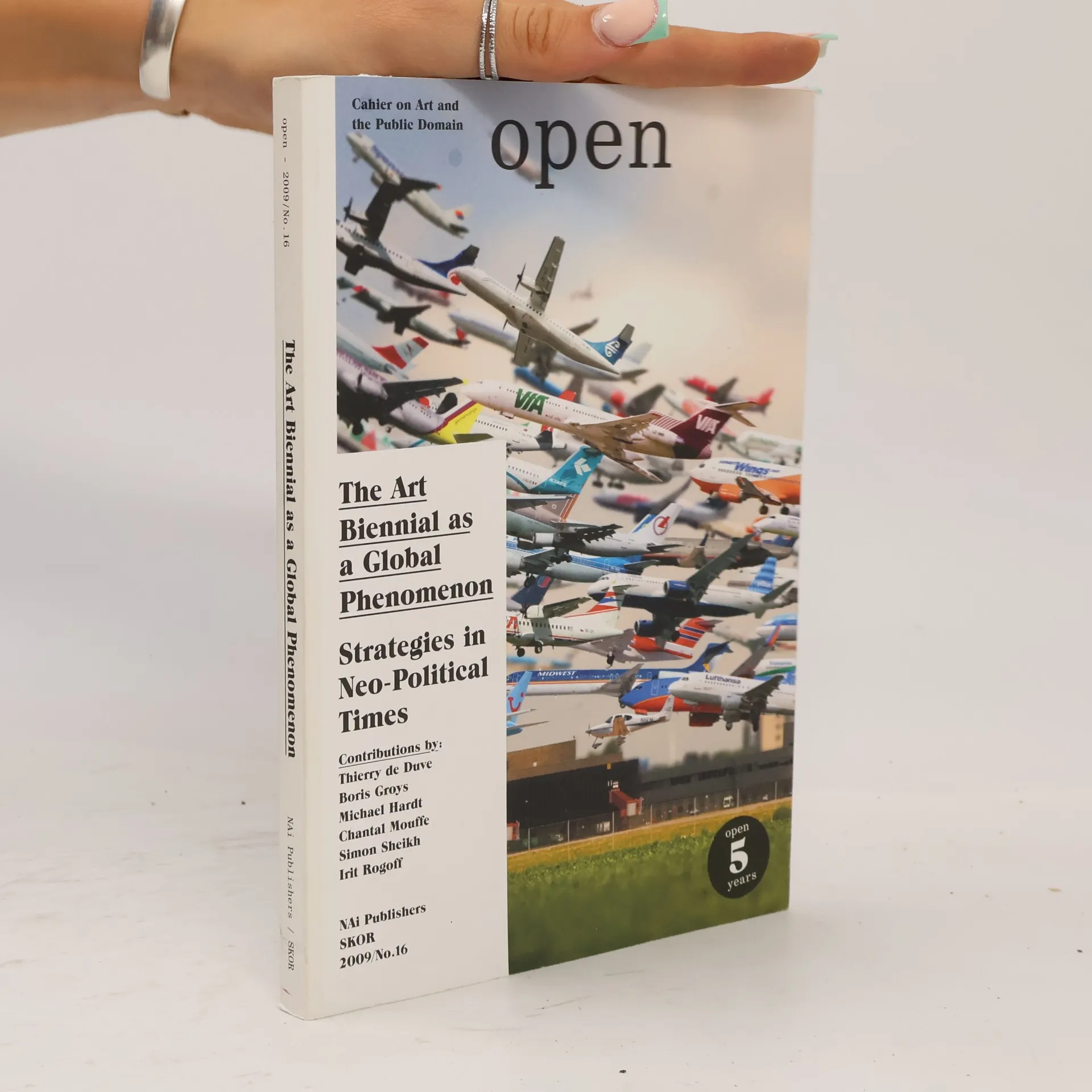
This year, Open celebrates its fifth anniversary with this extra edition, which addresses the role of the art biennial in city marketing. Open 16 is published concurrently with the first Brussels Biennial.
Eine Grüne demokratische Revolution
Linkspopulismus und die Macht der Affekte
- 99pagine
- 4 ore di lettura
Schon früh erkannte Chantal Mouffe in den multiplen Krisen unserer Zeit einen »populistischen Moment«. Nun stellt sie ernüchtert fest: Rechte Parteien haben diesen viel erfolgreicher genutzt als linke. Den Grund sieht Mouffe darin, dass Rechtspopulisten und autoritäre Neoliberale geschickt Gefühle manipulieren und das Sicherheitsbedürfnis der Menschen ausbeuten. Linke hingegen setzen mit Projekten wie dem »Green New Deal« rationalistisch allein auf die Kraft des besseren Arguments. Mit ihrer hochaktuellen Intervention knüpft die Politikwissenschaftlerin an ihr Manifest Für einen linken Populismus an. Sie entwickelt die Vision einer »Grünen demokratischen Revolution«, die soziale Gerechtigkeit mit ökologischen Zielen verbindet und die Leidenschaften der Menschen mobilisiert.
Agonistics
- 149pagine
- 6 ore di lettura
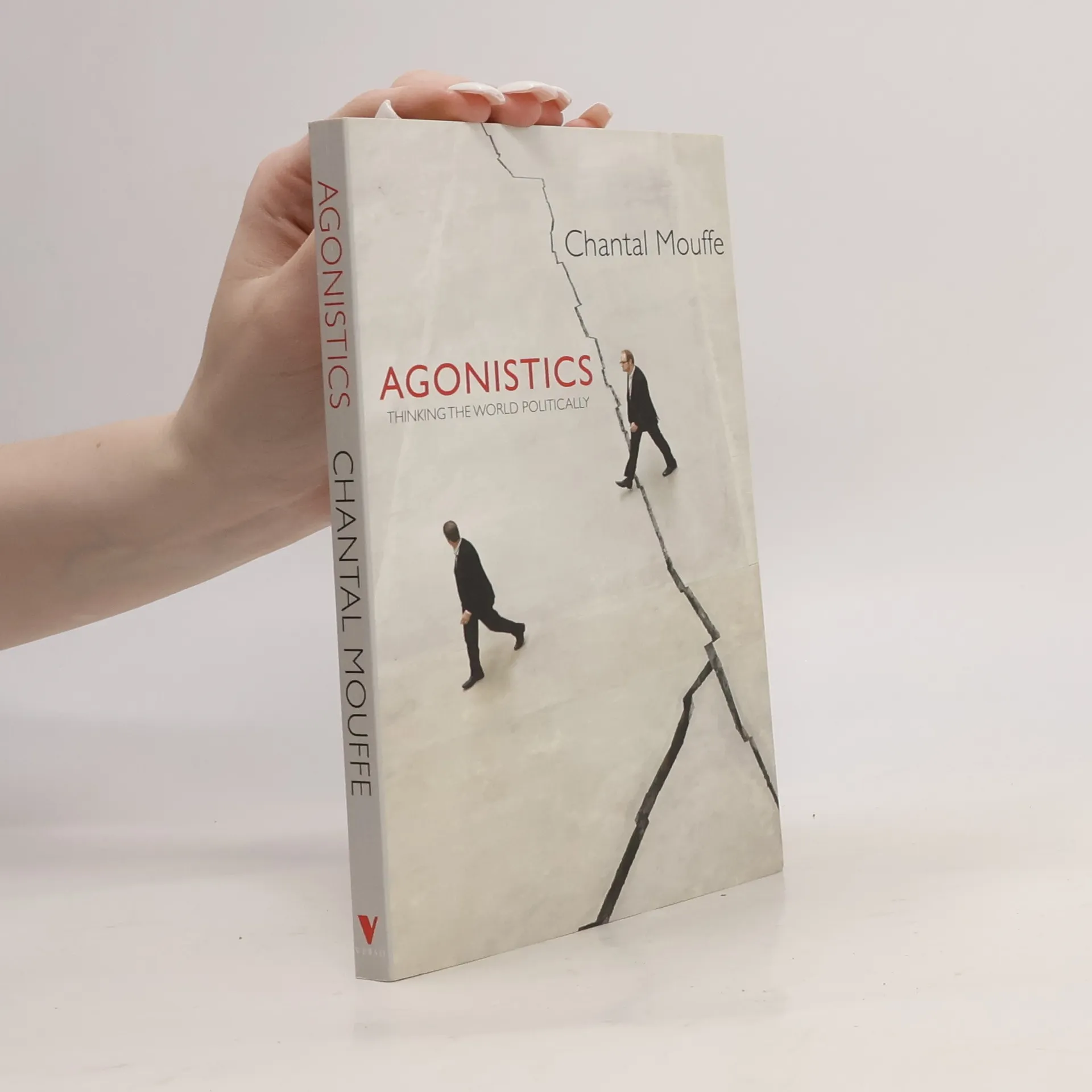
Political conflict in our society is inevitable, and the results are often far from negative. How then should we deal with the intractable differences arising from complex modern culture?In Agonistics , Mouffe develops her philosophy, taking particular interest in international relations, strategies for radical politics and the politics of artistic practices. In a series of coruscating essays, she engages with cosmopolitanism, post-operaism, and theories of multiple modernities to argue in favor of a multipolar world with a real cultural and political pluralism.
With the emergence of new social and political identities, and the frequent attacks on Left theory for its essentialist underpinnings, this title remains as relevant as ever, positing a much-needed antidote against 'Third Way' attempts to overcome the antagonism between Left and Right.
Dekonstruktion und Pragmatismus
Demokratie, Wahrheit und Vernunft
Eingeleitet von Chantal Mouffe, sind die Diskussionsbeiträge sowohl grundlegende Positionsbestimmungen als auch geeignete Einführungen in die Philosophie der Autoren. Dekonstruktion und Pragmatismus, die beiden zur Zeit einflussreichsten philosophischen Positionen, treten sich hier in direkter Konfrontation gegenüber, um das jeweilige Politikverständnis und dessen Bedeutung für die Demokratien am Ende des Jahrtausends zu konturieren. Wo das Konzept Demokratie jenseits von universalistischen Fundierungen, „Vernunft“ und „Wahrheit“ bedacht wird, treten entscheidende Differenzen, aber auch Übereinstimmungen deutlich zutage. Zwischen individueller Autonomie und dem Streben nach sozialer Gerechtigkeit sondieren die Beiträge ein Terrain radikalisierter demokratischer Strategien und antworten so auf den immer wieder an „die Postmoderne“ erhobenen Vorwurf, allein einem privatistischen oder relativistischen Zynismus zu folgen, der auf lange Sicht nur in ein politisches Chaos führen könne. Richard Rortys und Jacques Derridas Beiträge stecken einen Rahmen ab, in den Simon Critchley und Ernesto Laclau mit eigenständigen, dennoch verwandten Ansätzen intervenieren: Einerseits einer Levinasschen Öffnung zugewandt, bringen sie andererseits Dekonstruktion mit einer Kritik des hegemonialen Denkens in Reibung. Alle Beiträge sondieren somit die Möglichkeiten einer Engführung von Pragmatismus und Dekonstruktion.
Agonistik
- 214pagine
- 8 ore di lettura